Introduction: Stealth Espionage Reimagined
In an era dominated by expansive open-world epics and high-fantasy adventures, Sword and Fairy 4 Remake, developed by UP Software, stands out as a meticulous reconstruction of the classic RPG series. Originally released in a previous generation, this remake breathes new life into its stealth-based espionage gameplay through modern technology and thoughtful design refinements. The game's narrative revolves around a secret organization known as the Architects, who manipulate world events from behind the scenes, and their nemesis—Lucia, an enigmatic agent on a mission to unravel their mysteries.
Set in a meticulously crafted universe filled with political intrigue, betrayal, and supernatural elements, Sword and Fairy 4 Remake offers players a rich narrative experience that intertwines complex characters with deep, interconnected plot threads. The game's focus lies not only in its engaging story but also in the innovative gameplay mechanics and stunning visuals powered by Unreal Engine 5.
Visual Splendor: Pushing the Limits of Unreal Engine 5
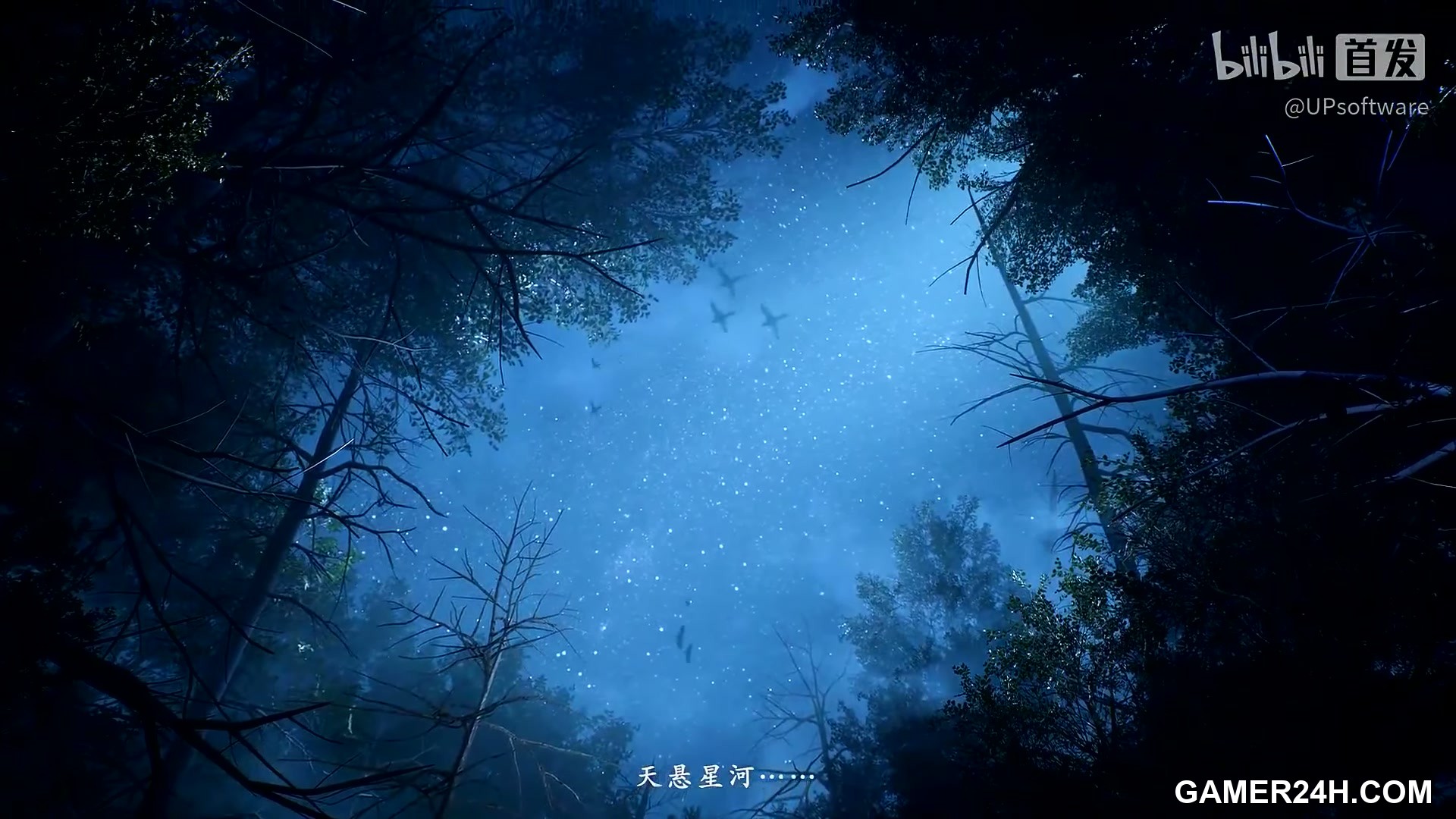
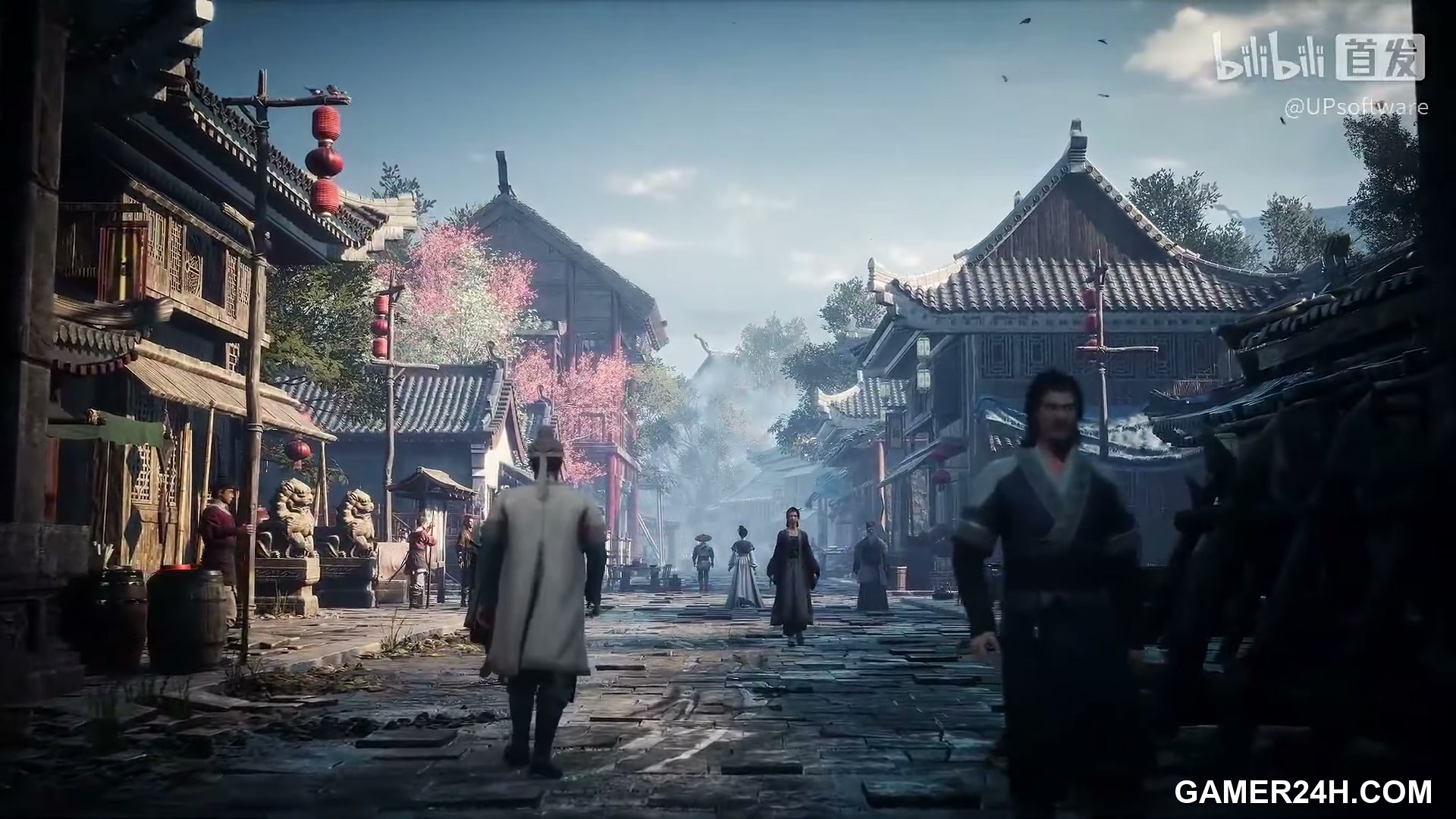
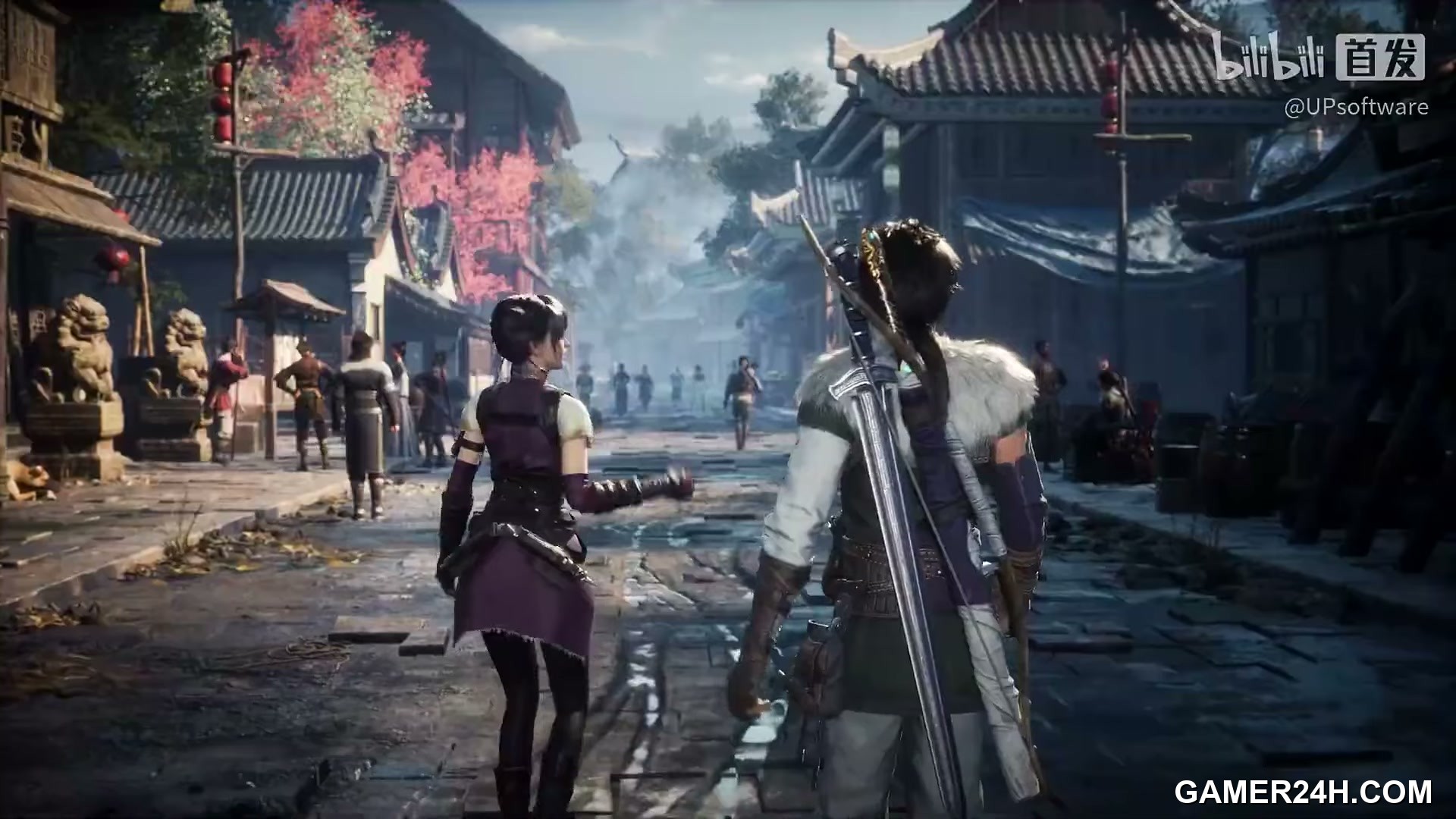
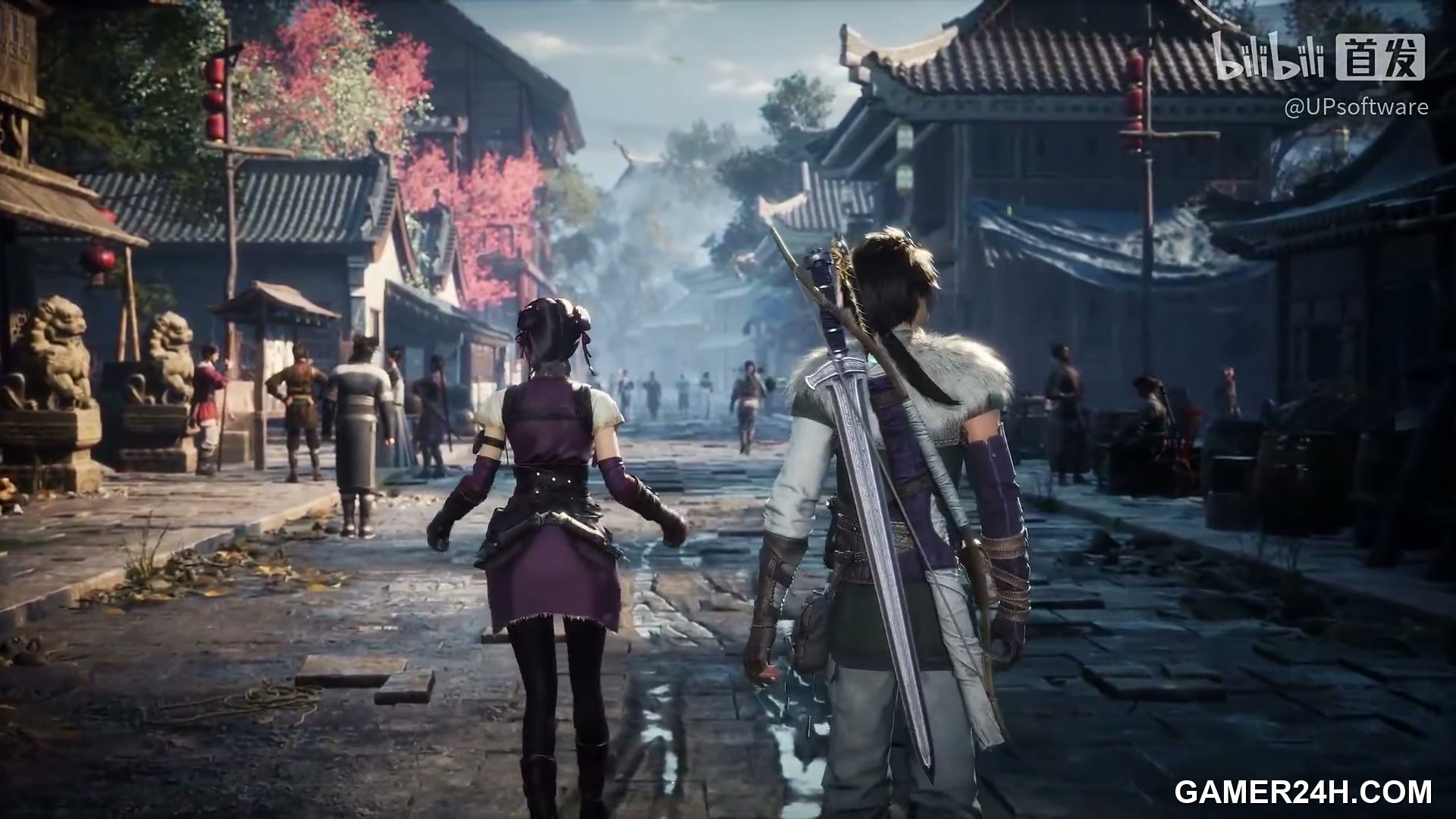
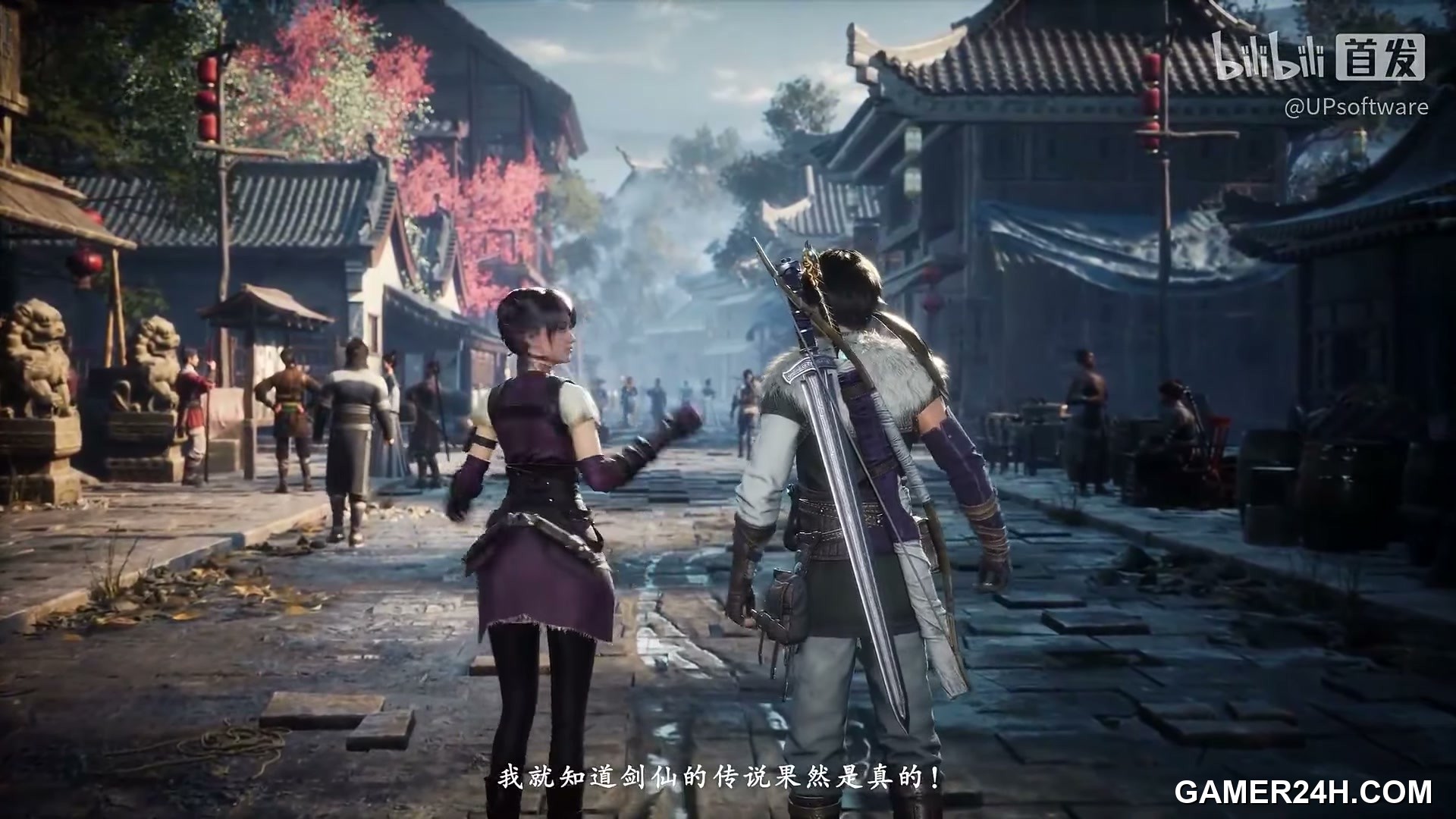
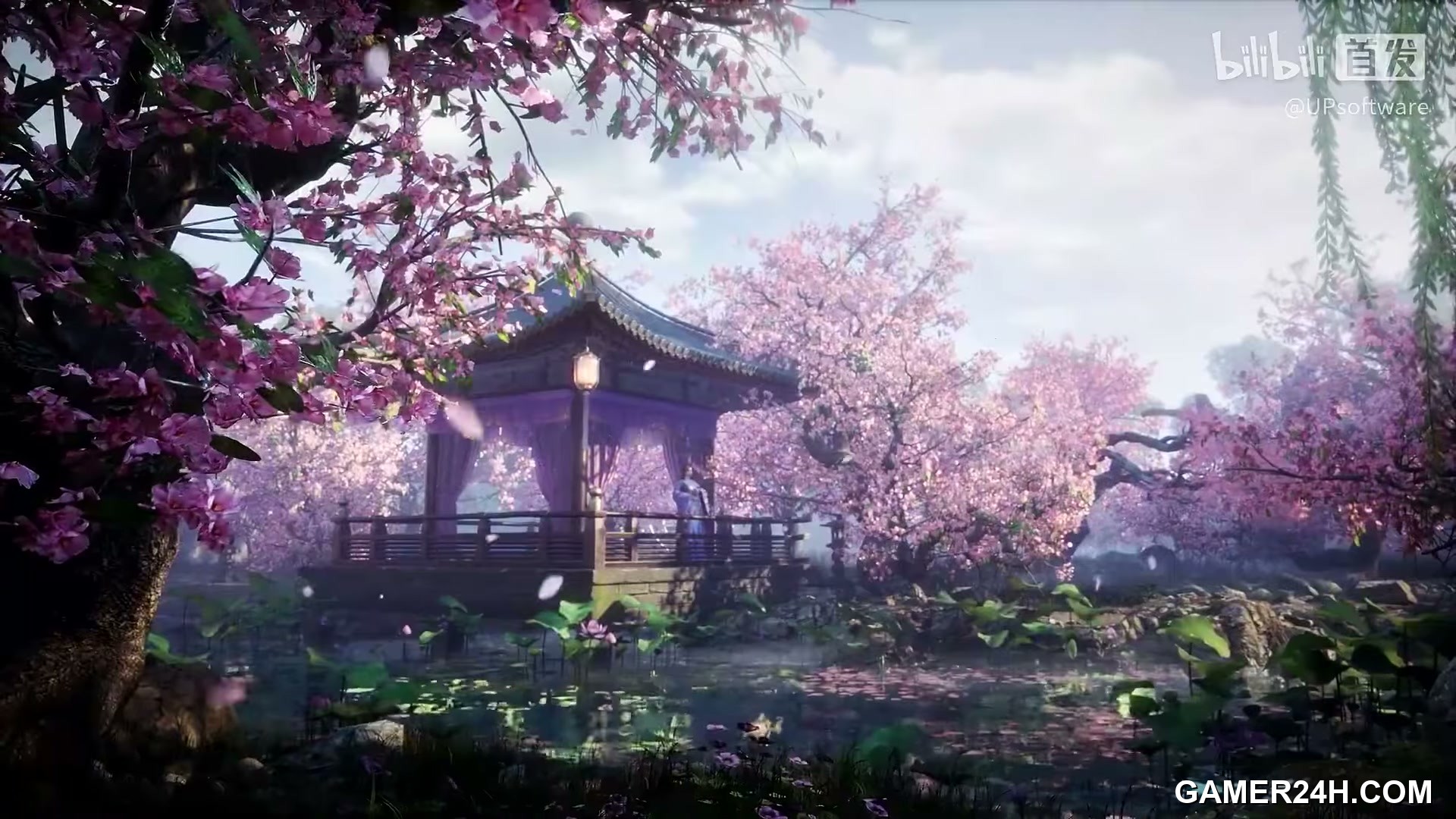
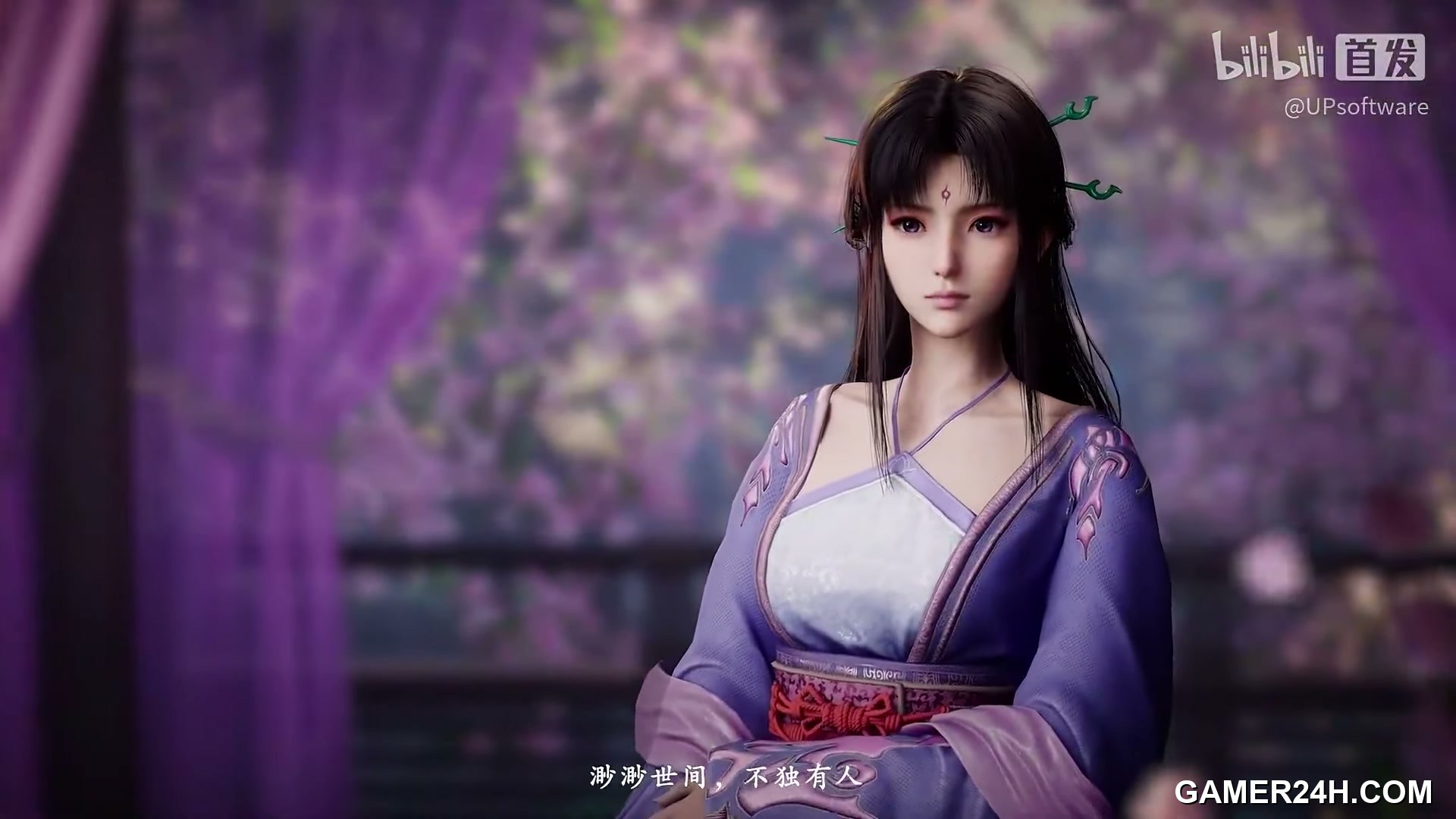
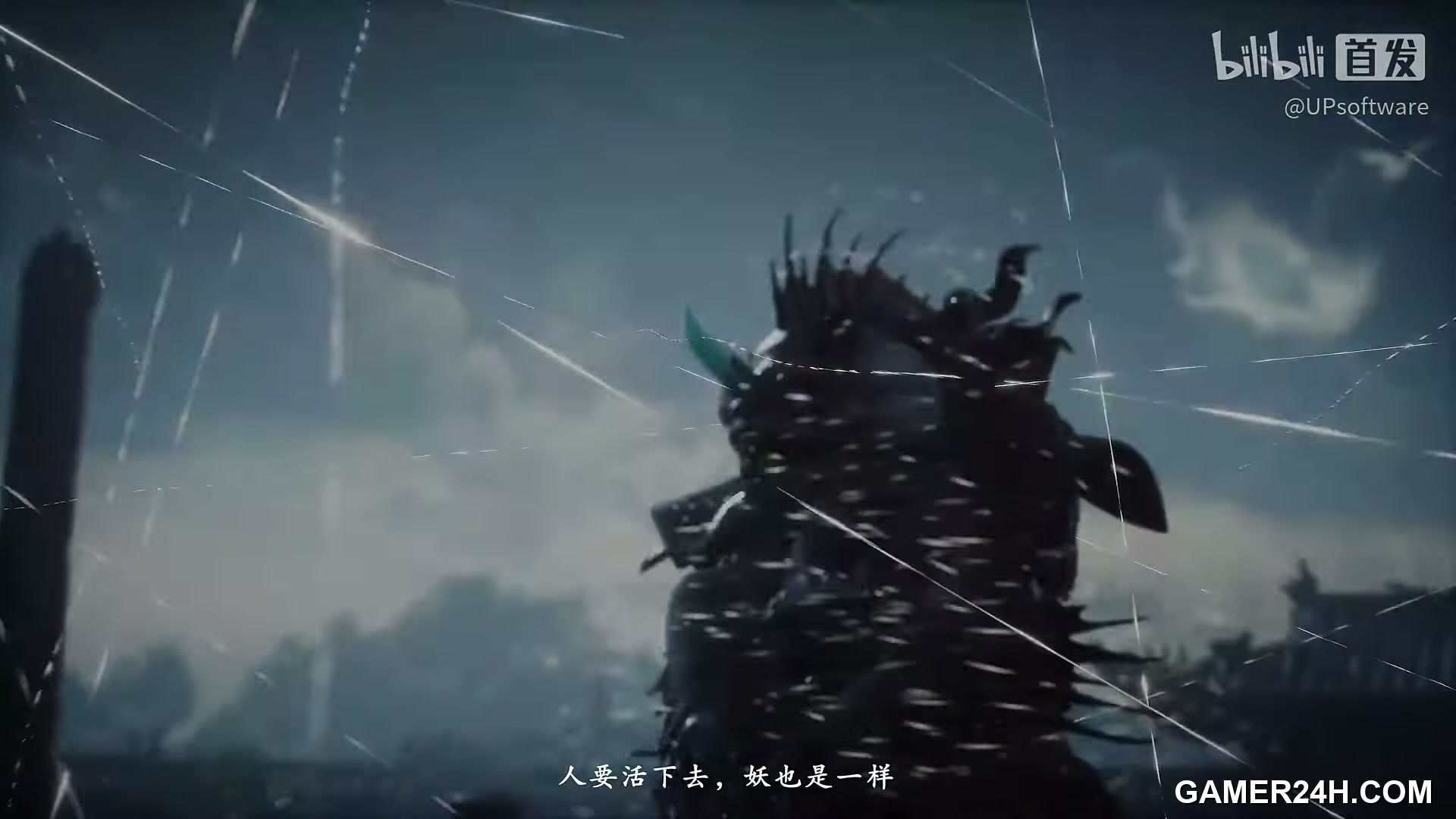
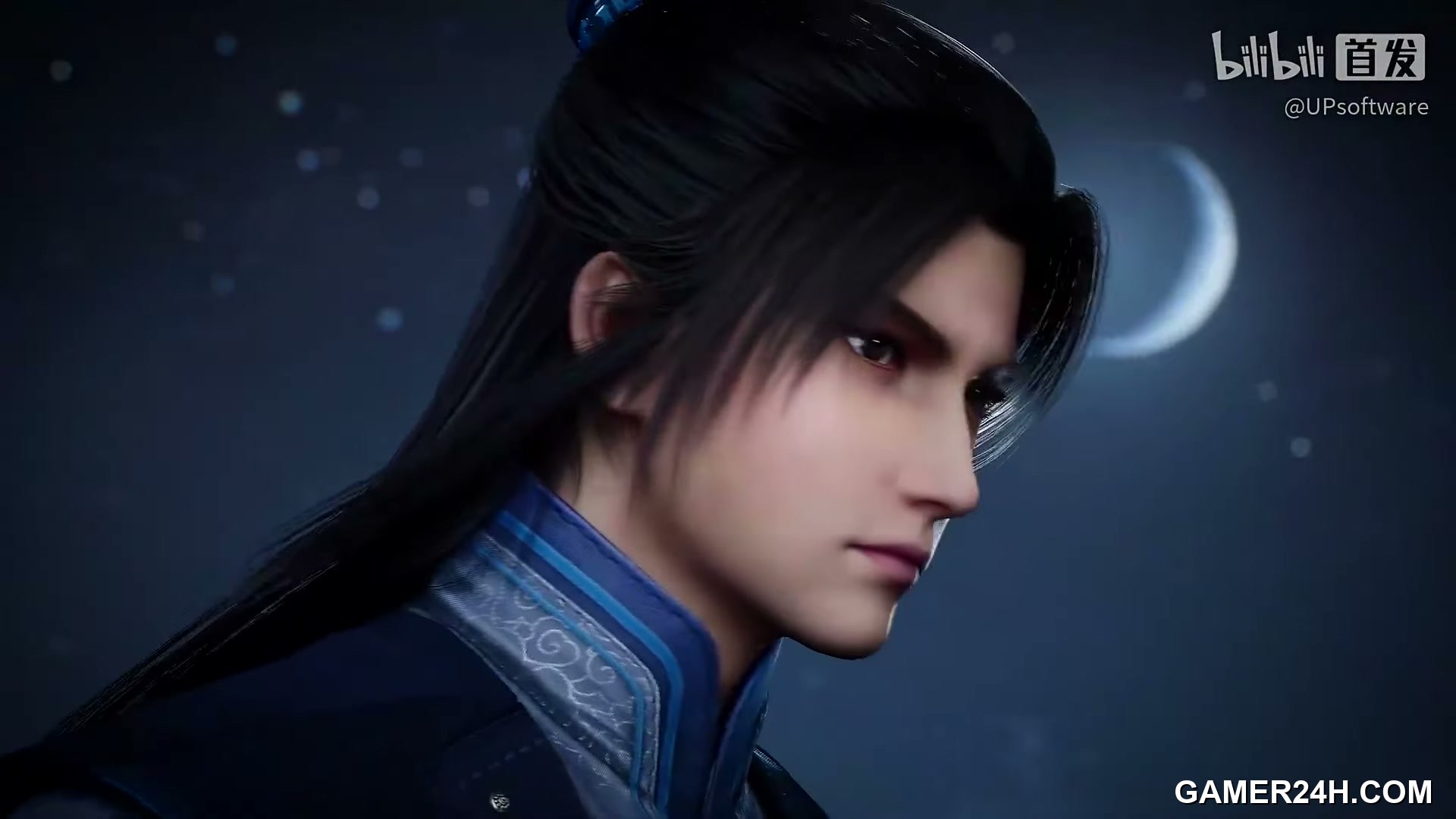
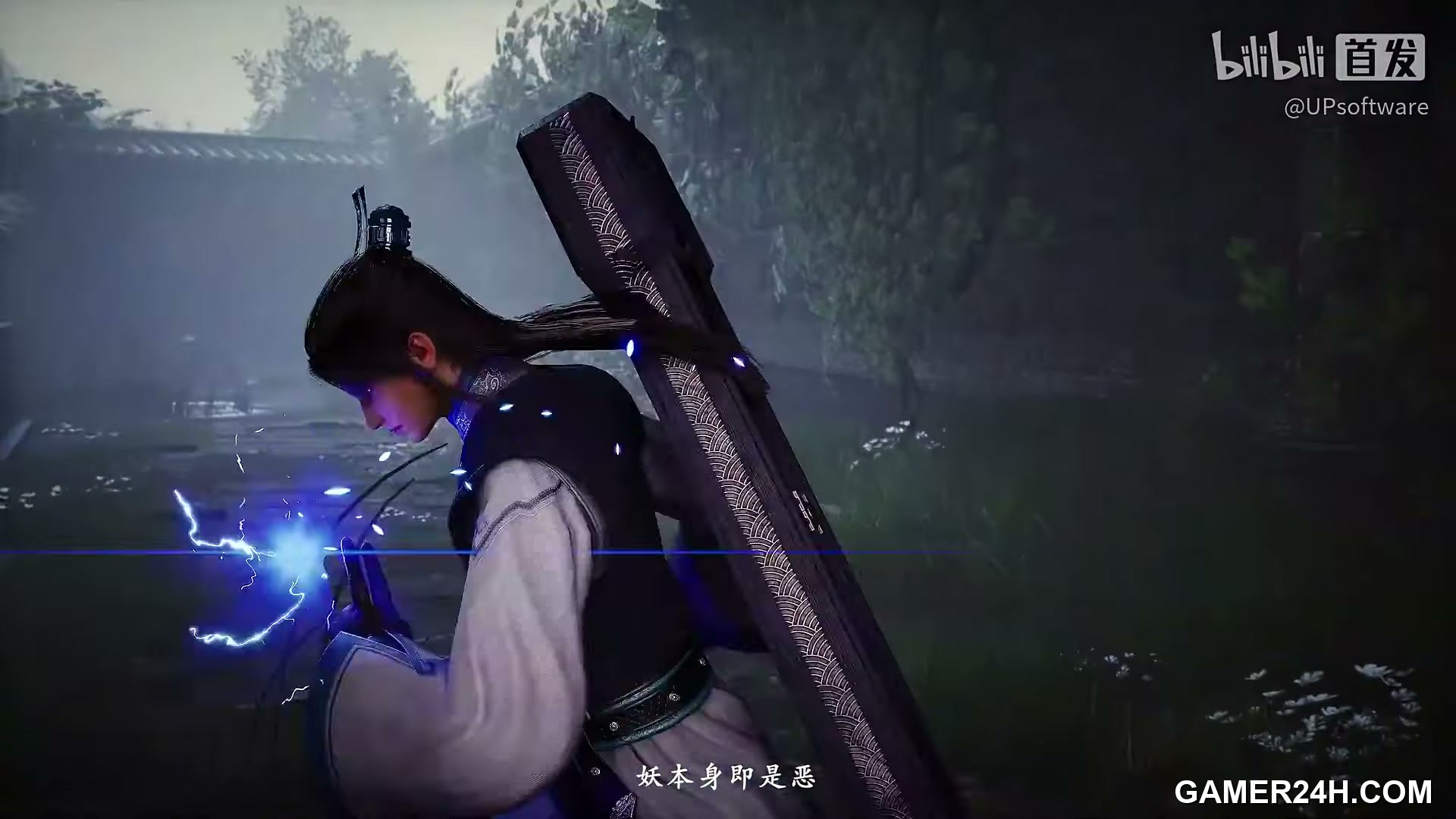
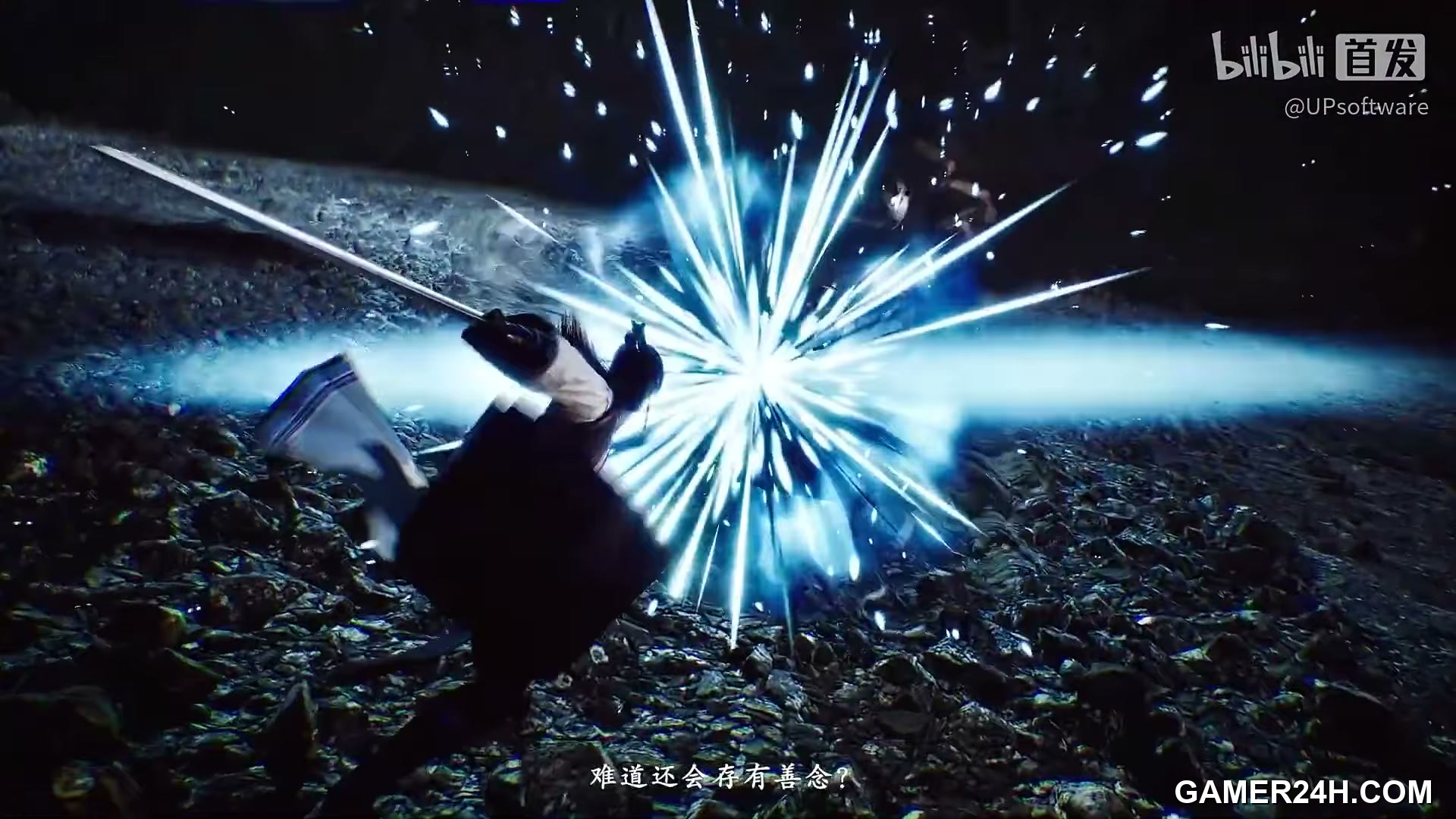
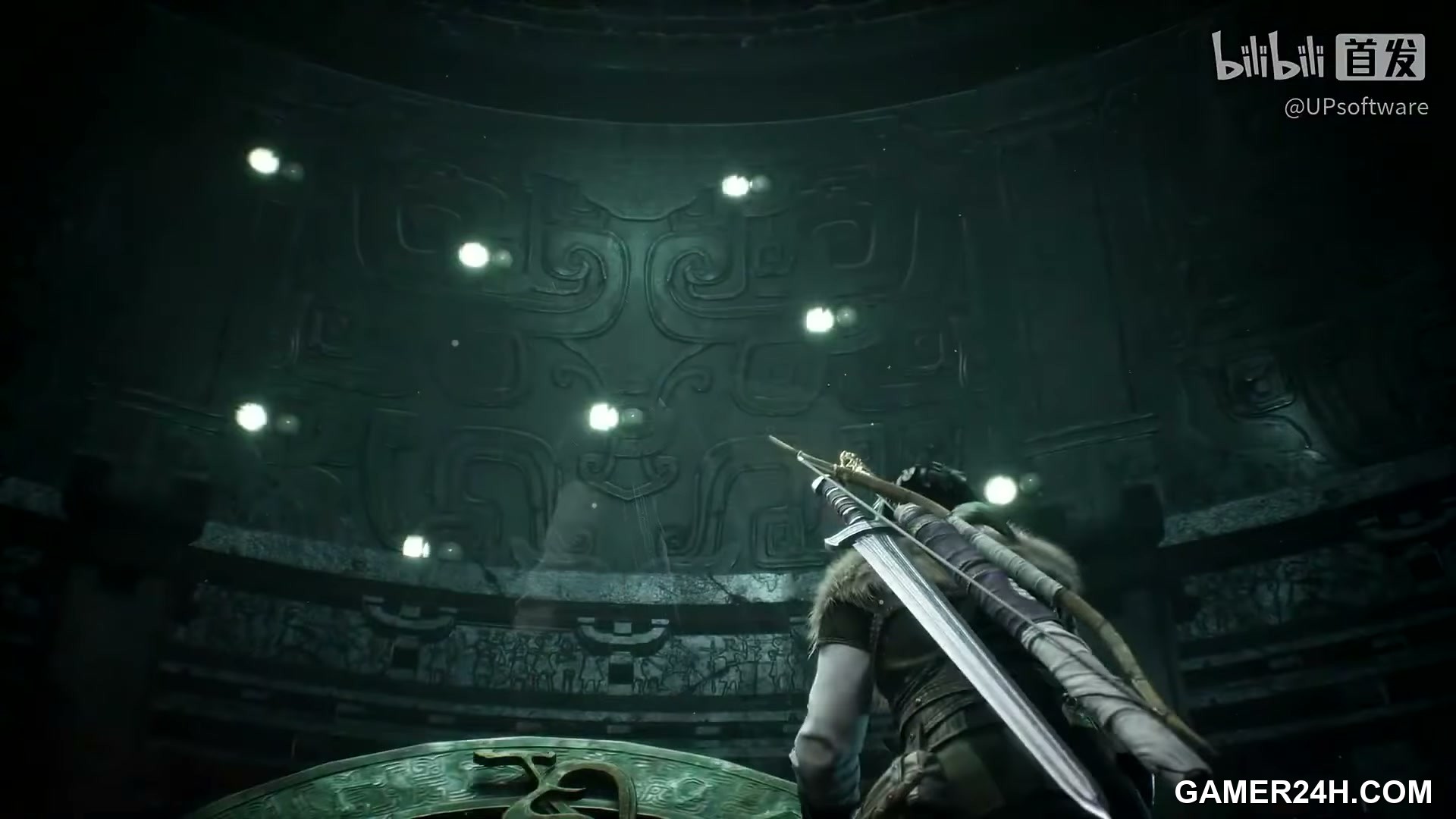
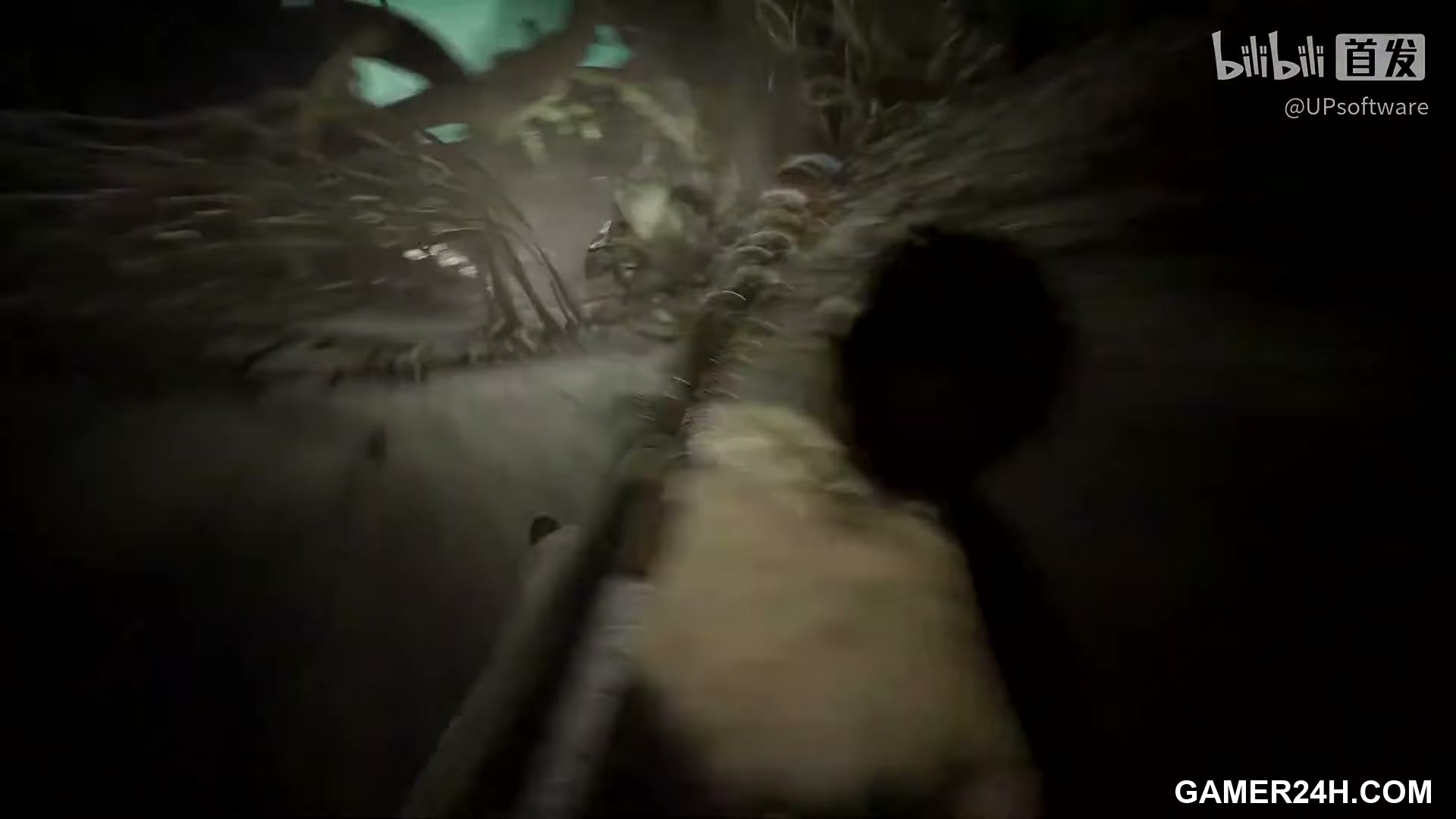
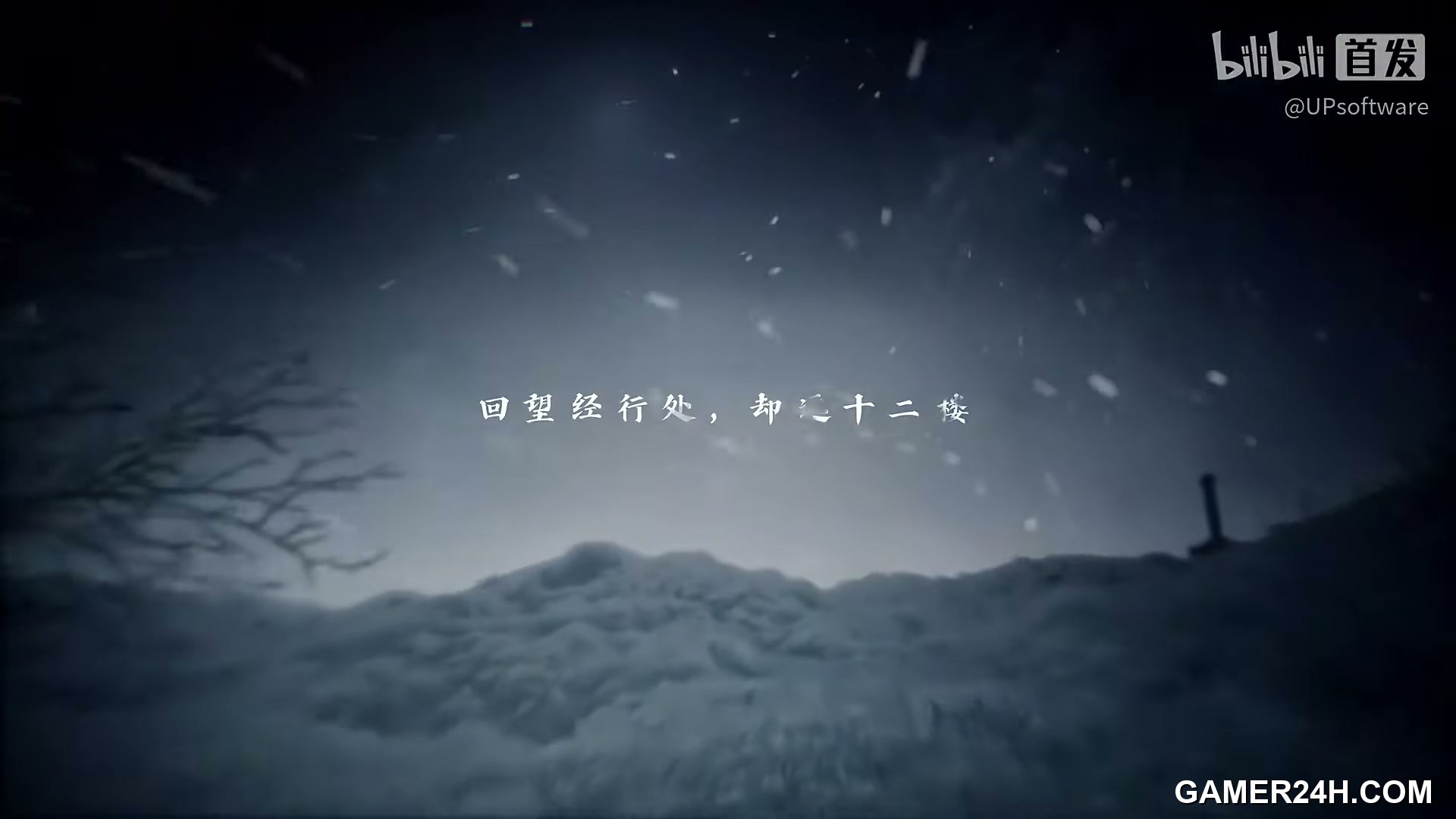
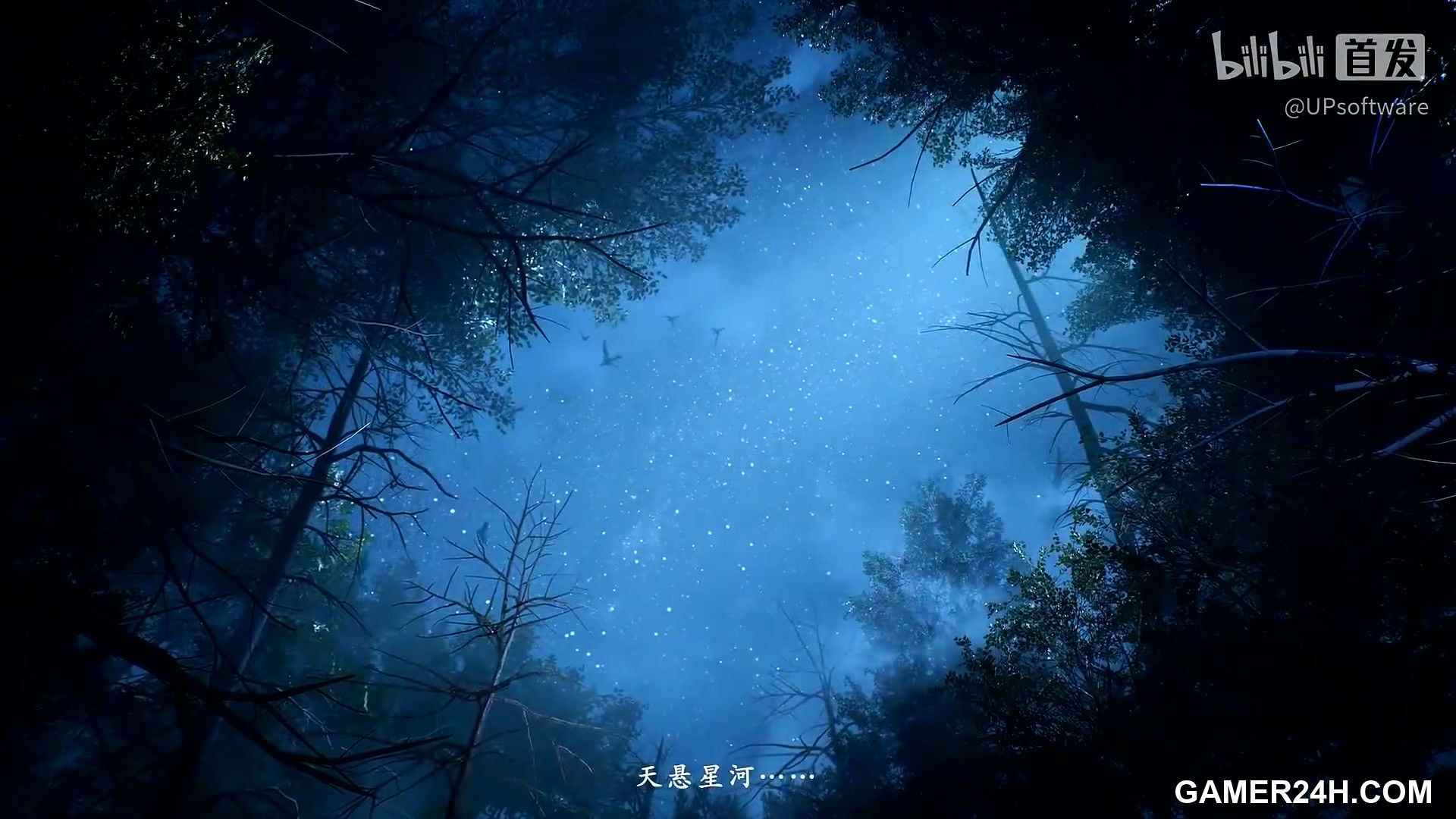
The aesthetic transformation brought about by the use of Unreal Engine 5 is nothing short of breathtaking. The game's developers have taken full advantage of the engine’s advanced capabilities to create a visually stunning environment that immerses players in the clandestine world of espionage.
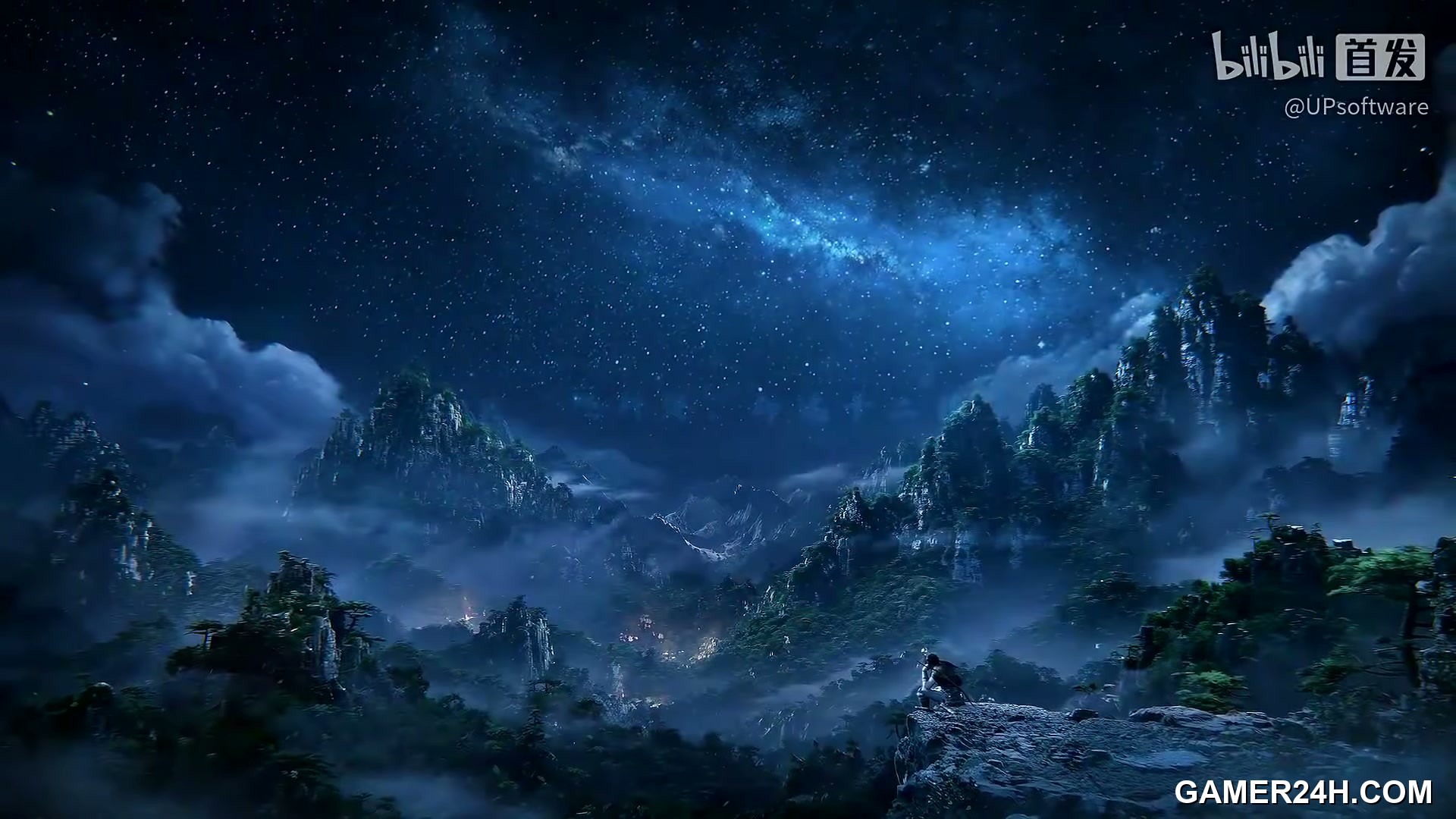
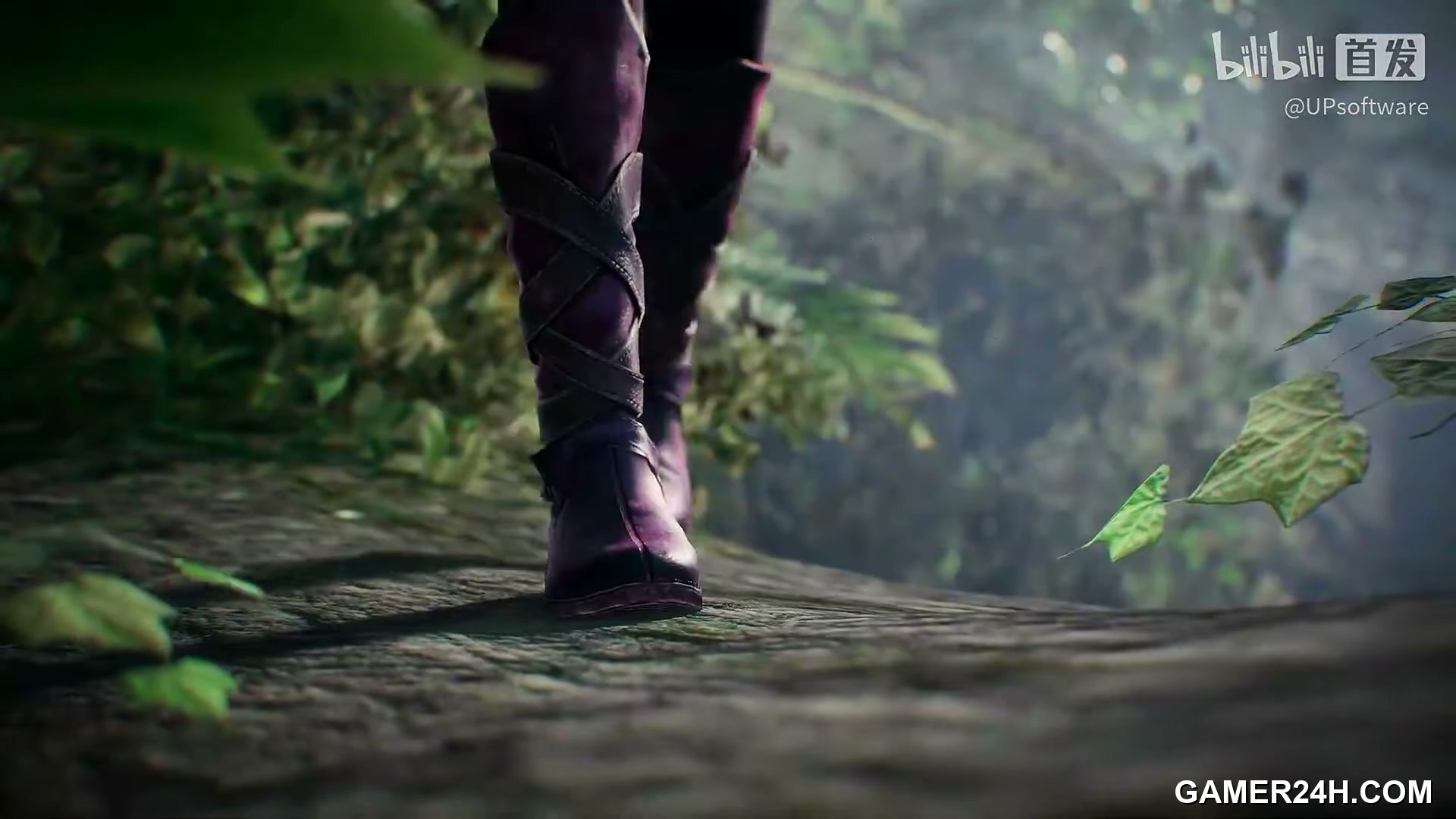
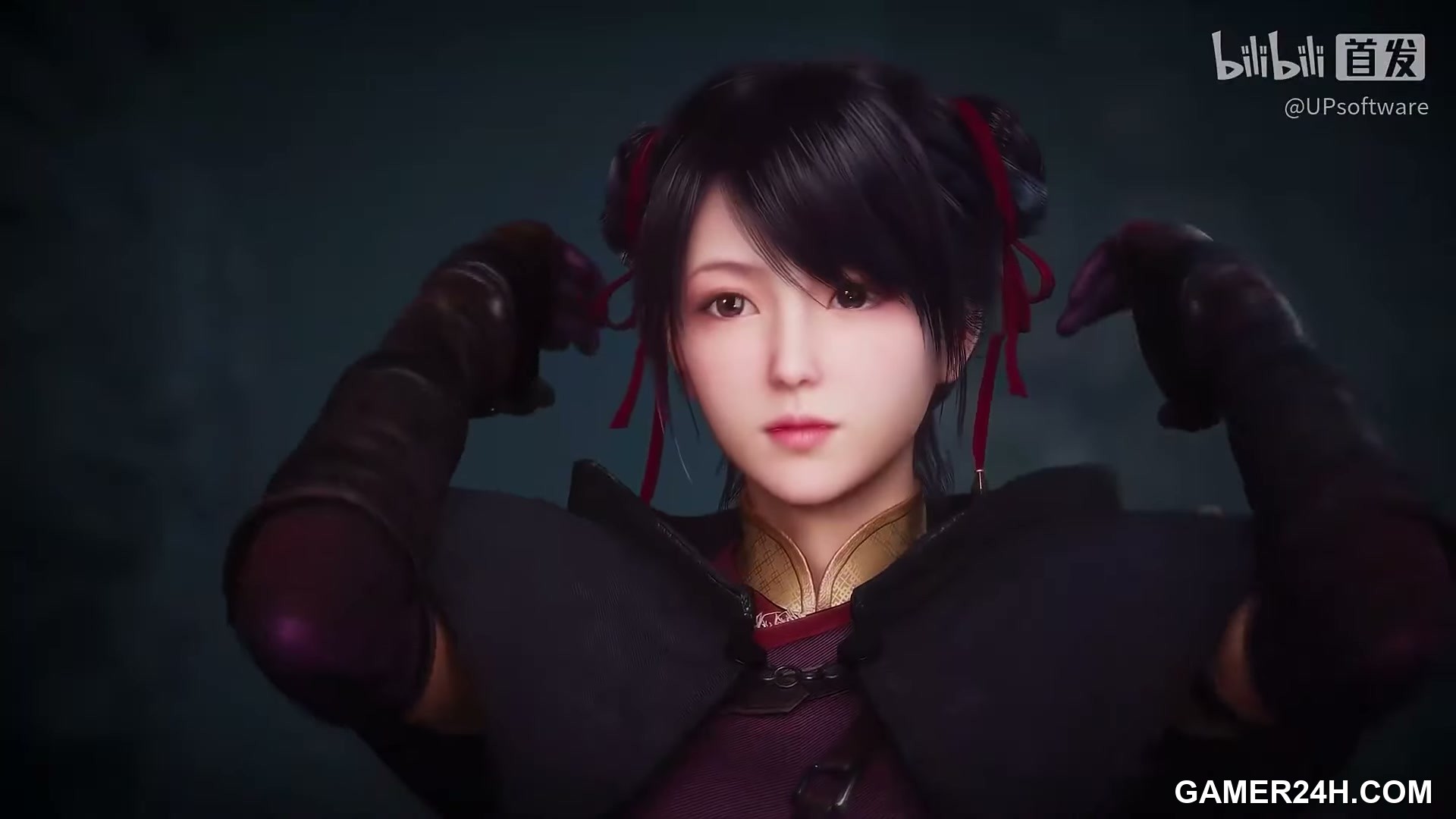
From meticulously detailed character models and fluid animations, to highly realistic lighting effects and dynamic weather systems, every element has been crafted with precision to ensure an unparalleled level of immersion. The game's use of ray tracing technology enhances this realism even further by simulating light as it would behave in the real world, creating shadow patterns that are both intricate and lifelike.
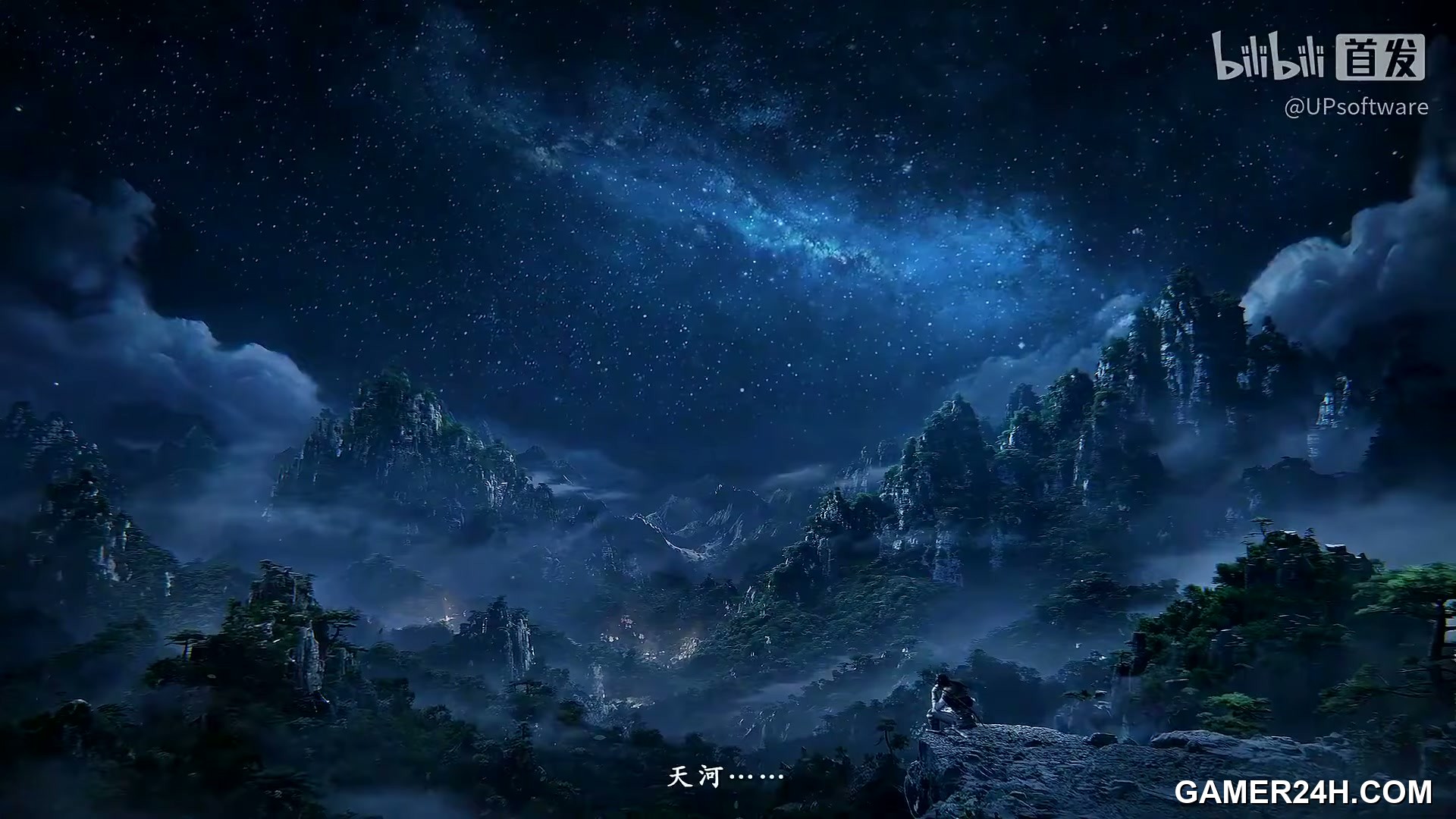
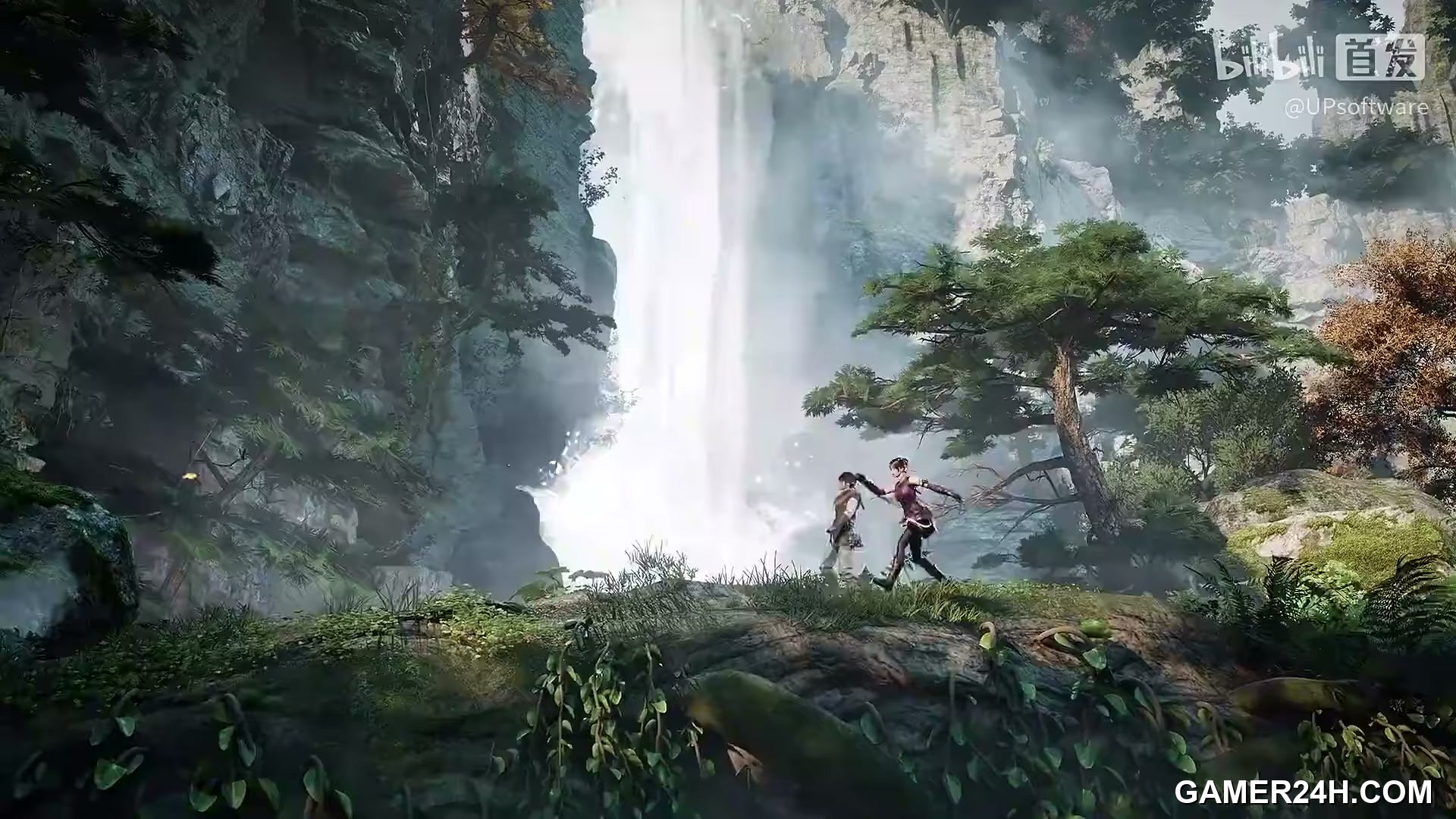
Furthermore, the game features a seamless transition between indoor and outdoor environments thanks to its advanced LOD (Level of Detail) systems. This ensures that whether players are sneaking through dimly lit corridors or scaling sheer cliff faces, every scene is rendered with an attention to detail that feels almost cinematic in its scope.
Combat & Systems: Tactical Espionage and Combat Dynamics
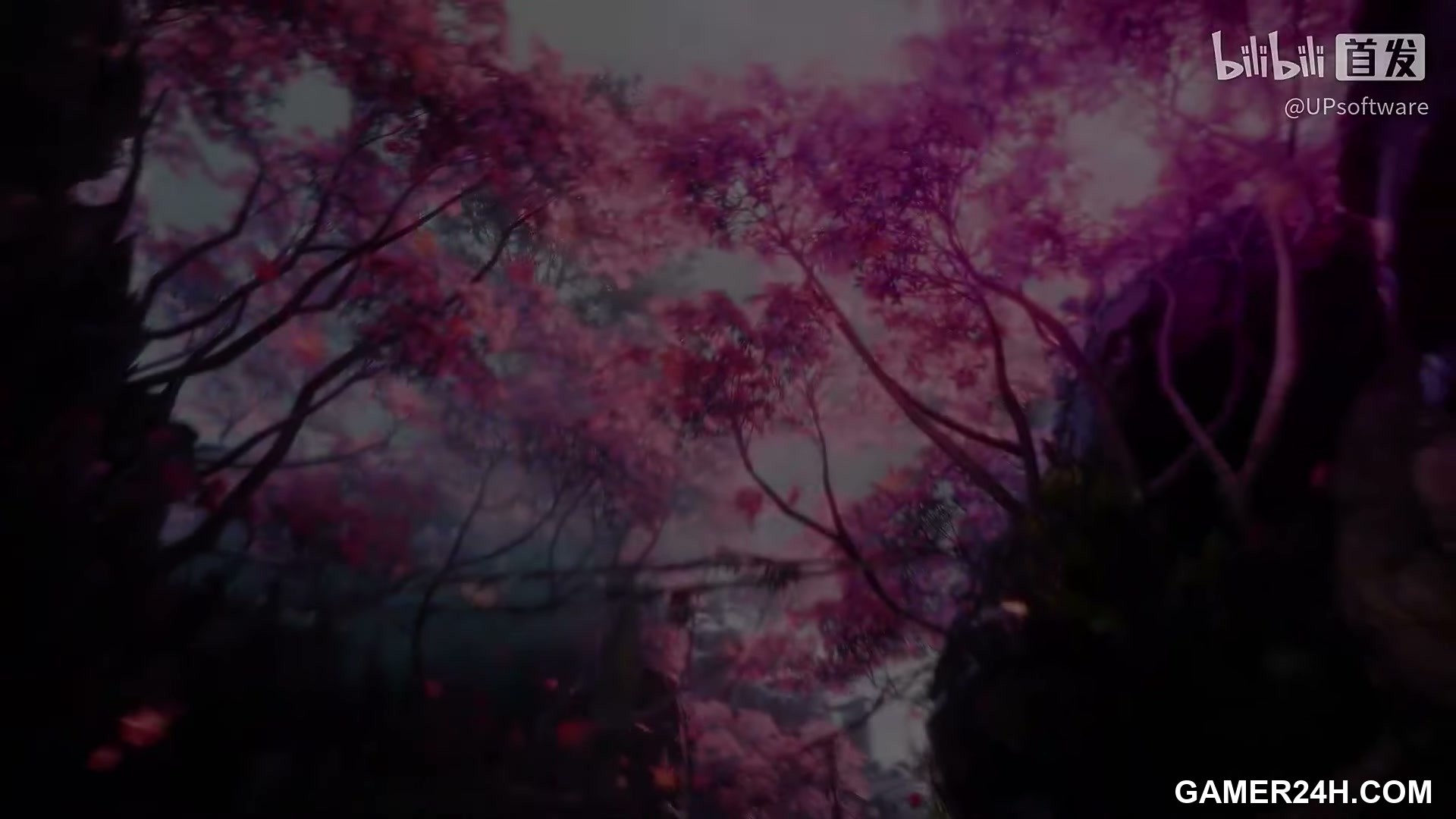
Sword and Fairy 4 Remake introduces a revamped combat system that emphasizes stealth over brute force. Players are encouraged to utilize their surroundings, such as shadows and environmental props, to avoid detection while executing strategic takedowns. The inclusion of new gadgets and technology enhances the espionage aspect by providing players with various tools for surveillance, hacking, and covert operations.
The gameplay mechanics also introduce a unique skill tree system that allows customization based on player preferences. Players can choose between specializing in stealth techniques, combat prowess, or a balanced approach to suit their playstyle. Each choice influences the narrative progression and unlocks new abilities crucial for completing missions.
Additionally, the game’s dynamic difficulty scaling ensures that challenges remain engaging without becoming frustratingly impossible. This adaptive system adjusts enemy AI patterns and environmental hazards based on player performance, creating a tailored experience that keeps players engaged throughout their journey.
Gameplay & Atmosphere Analysis: Portals and Tension
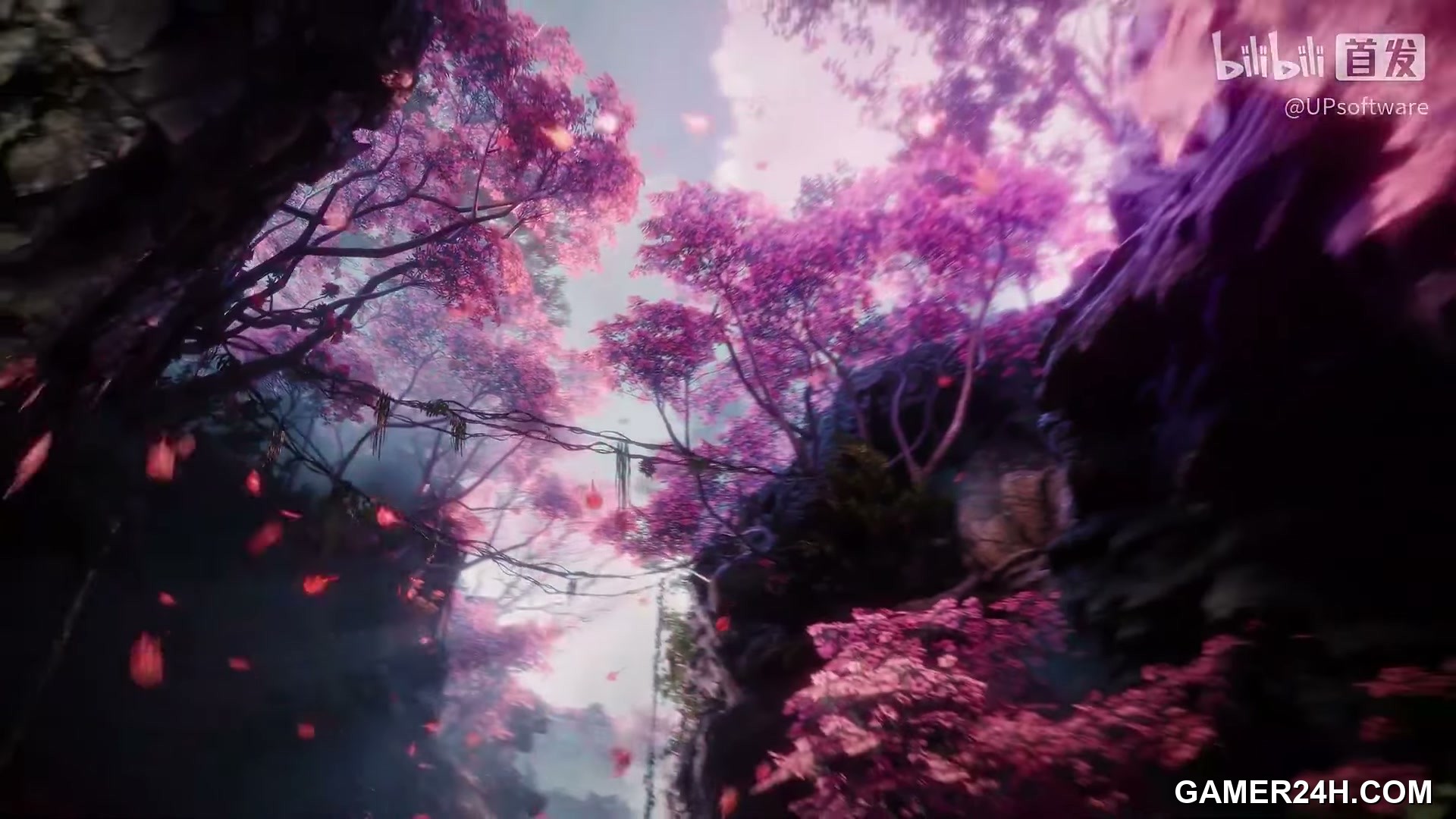
The game’s innovative use of portals adds an extra layer of strategic depth to the gameplay. By manipulating these dimensional gateways, players can navigate complex puzzles and escape dangerous situations in ways that would be impossible without them. This mechanic not only serves as a puzzle-solving tool but also enhances the sense of mystery and wonder inherent in the story.
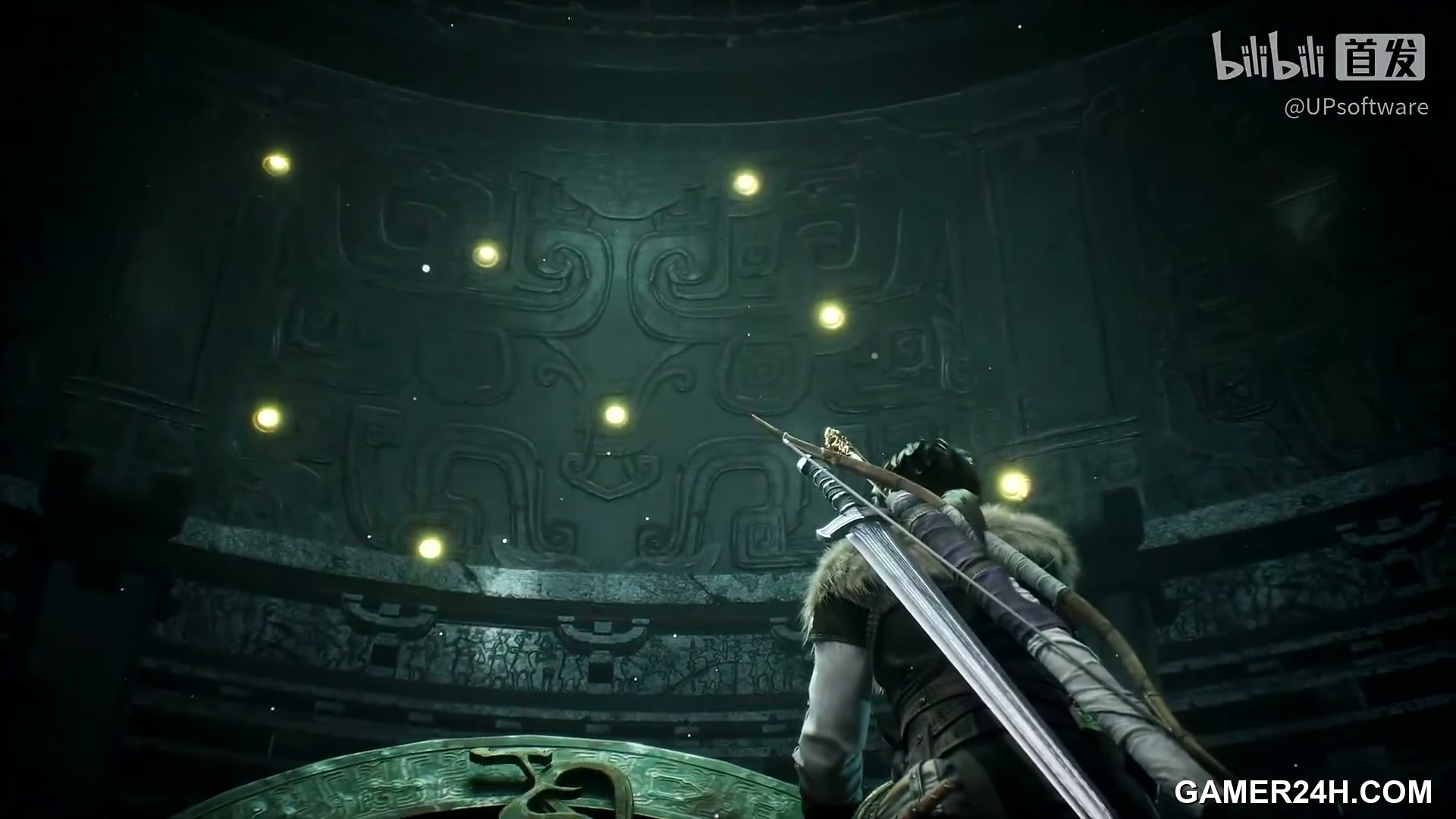
Environmental storytelling is another hallmark of Sword and Fairy 4 Remake. From the dusty, dimly lit catacombs to the sleek, futuristic boardrooms of the Architects’ headquarters, each location tells a piece of the larger narrative through subtle details like graffiti walls, hidden messages, and eerie soundscapes. This atmospheric design creates an immersive experience that draws players deeper into the world of espionage.
The soundtrack plays a crucial role in amplifying this atmosphere. Composed with a blend of orchestral elements and electronic undertones, the music shifts dynamically to reflect emotional beats and suspenseful moments. Whether it's the ominous tones echoing through abandoned corridors or the triumphant strains accompanying a well-executed mission, every note contributes to an immersive auditory experience that complements the visual splendor.
Narrative & Characters: The Architects' Mystery and Lucia's Mission
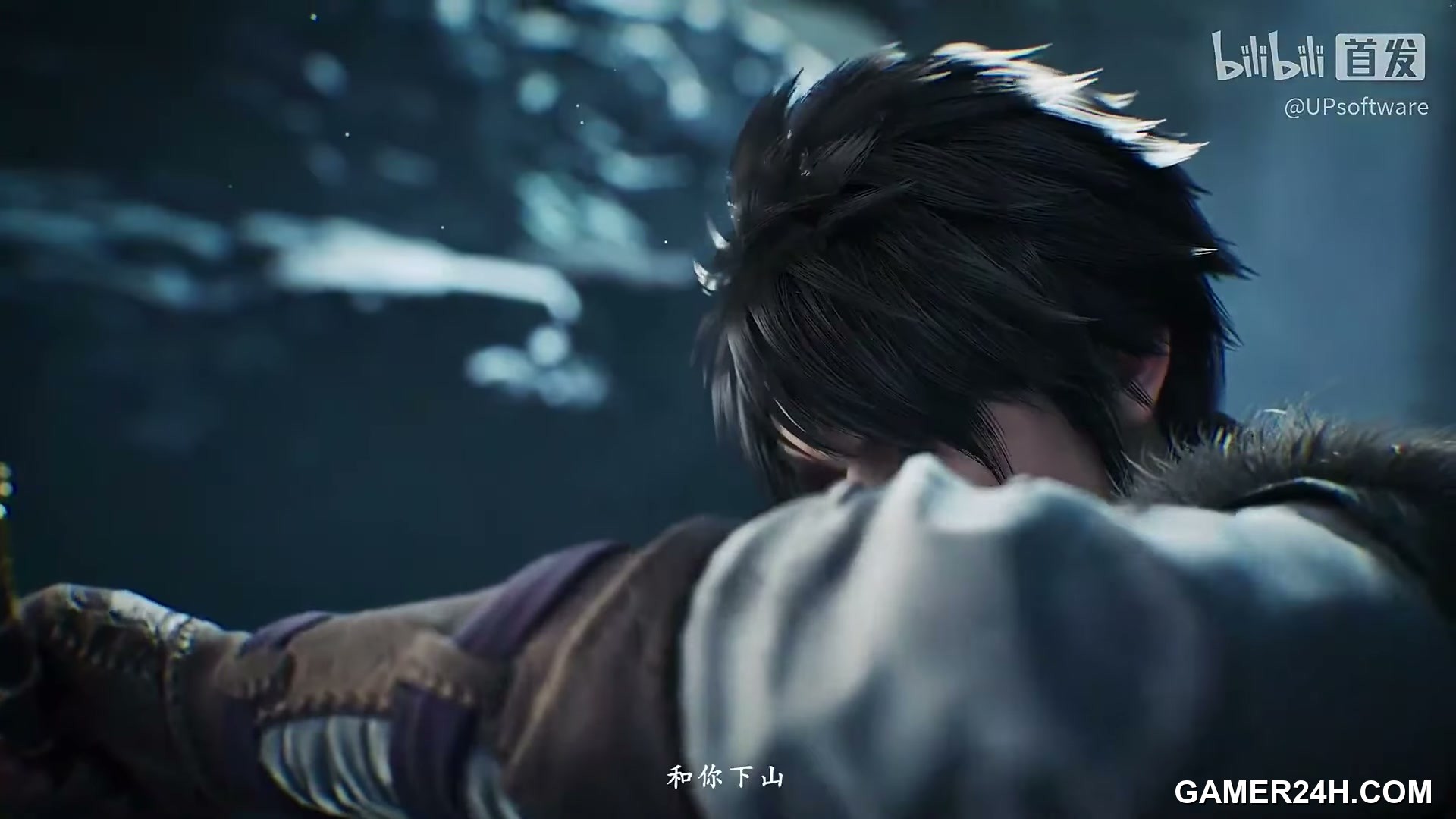
The narrative of Sword and Fairy 4 Remake is a tightly woven tapestry of intrigue and betrayal. Players follow Lucia, a skilled operative tasked with infiltrating the shadowy organization known as the Architects. As she delves deeper into their operations, she uncovers layers of conspiracy that threaten to upend the world order.
The cast includes a diverse array of characters each with their own motivations and secrets. From enigmatic leaders like the mysterious Director to loyal operatives such as Agent Nova, every character contributes to the rich narrative tapestry. Their interactions are nuanced and filled with subtext, revealing more about their true intentions over time.
The story is punctuated by moral dilemmas that challenge players’ perceptions of right and wrong. As Lucia navigates treacherous alliances and conflicting loyalties, she must make choices that not only affect the plot but also shape her character’s development. This narrative depth ensures a compelling journey filled with twists and revelations.
Acoustic Preservation / Audio Design: Sounds of Silence and Combat
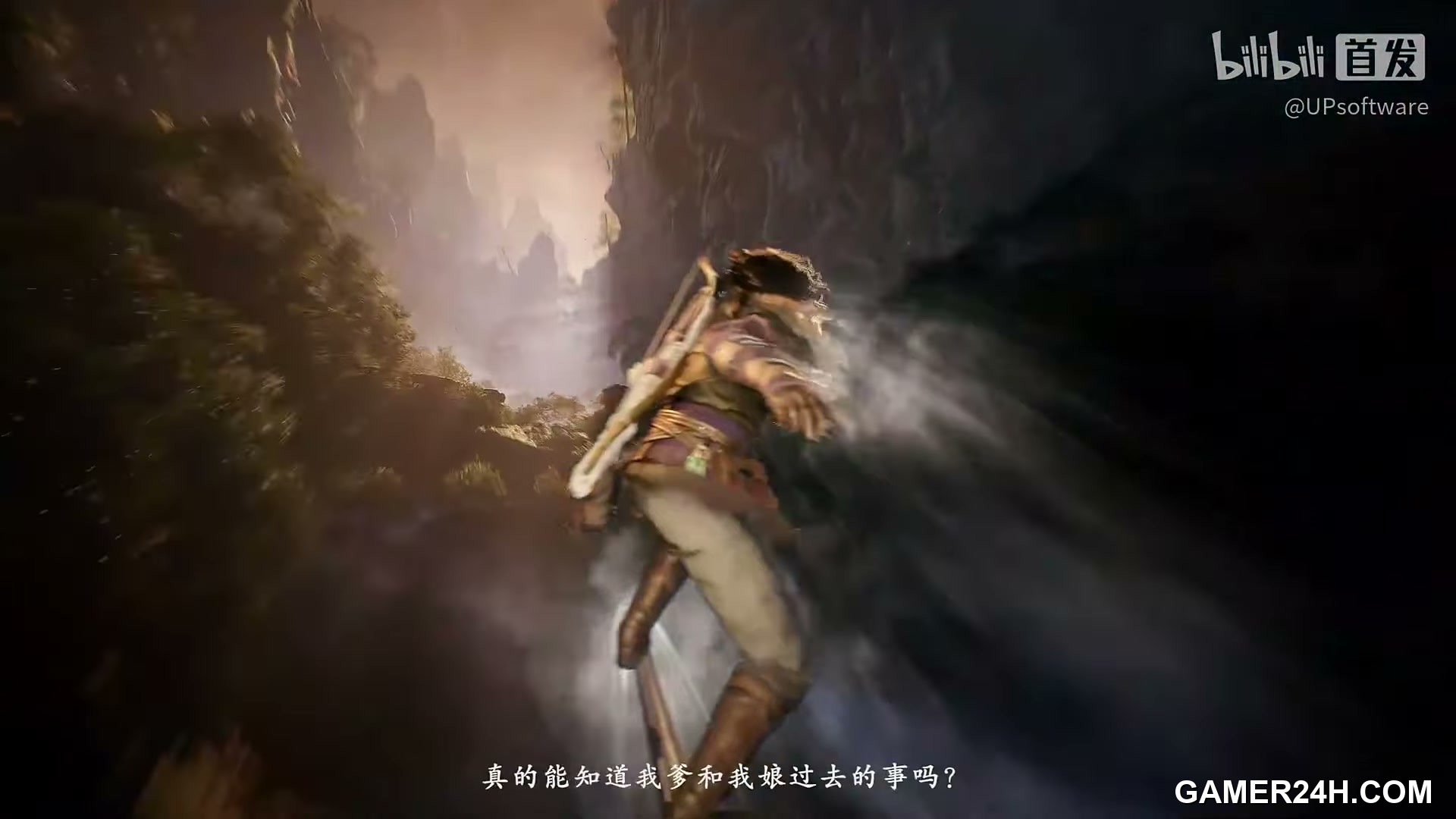
The audio design in Sword and Fairy 4 Remake is nothing less than a masterpiece. The soundscape ranges from the eerie silence of abandoned facilities to the adrenaline-pumping chaos of combat sequences, each meticulously crafted to enhance immersion.
In stealth scenarios, every footstep and breath can feel like a lifeline or a death sentence depending on proximity to enemies. Ambient noise levels adjust dynamically based on Lucia’s position relative to guards, adding an extra layer of tension. The absence of sound becomes just as telling, with the echo of footsteps in empty hallways serving as stark reminders of isolation.
Combat audio is equally impressive, featuring a mix of visceral impacts and strategic maneuvers. Each weapon has its distinct sound signature, from the sharp ping of silenced guns to the heavy thuds of melee attacks. These sounds are seamlessly integrated with environmental interactions—like breaking glass or shattering furniture—to create an immersive auditory landscape.
Moreover, the game’s audio design extends beyond combat and stealth scenarios to include ambient noises that reflect the mood and setting. Whether it's the distant hum of machinery in industrial facilities or the gentle breeze rustling through trees in natural settings, these sounds contribute significantly to the overall atmosphere.
Critical Reception: Expectations and First Impressions
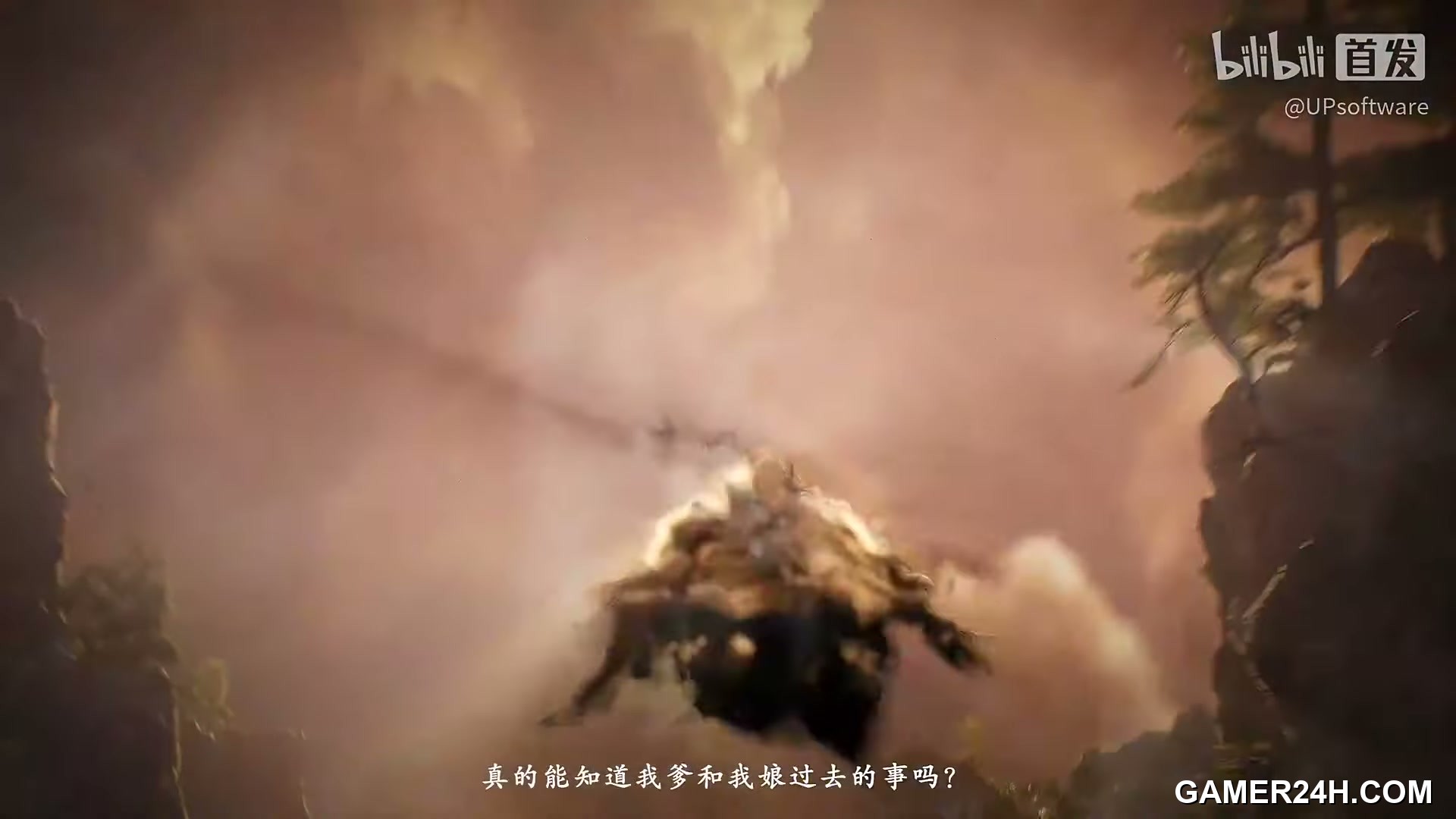
Upon its announcement, Sword and Fairy 4 Remake
has garnered significant attention within both gaming communities and industry experts. Critics have praised the game’s visual fidelity, with many noting that it pushes Unreal Engine 5 to new heights of graphical excellence. The innovative use of portals in gameplay mechanics has also been highlighted as a fresh and engaging feature.
Early reviews from tech enthusiasts emphasize the seamless integration of audio and visual elements, creating an immersive experience that envelops players in its clandestine world. However, some initial feedback suggests that the steep learning curve associated with mastering combat and stealth systems might pose challenges for newcomers to the series or those unfamiliar with the franchise’s mechanics.
Notably, fan reactions have been equally diverse. While many enthusiasts are excited about the potential of the remake, there is also a segment of players who prefer the original game’s simpler approach and worry that modernization might sacrifice some of its charm. This debate underscores the delicate balance developers must strike between honoring tradition and innovating for new audiences.
Despite these mixed reactions, Sword and Fairy 4 Remake is poised to be a significant entry in the RPG genre, offering both long-time fans and newcomers a fresh perspective on espionage-driven narratives through its advanced technological implementation and narrative depth.
Conclusion: The Vanguard of Next-Gen Action
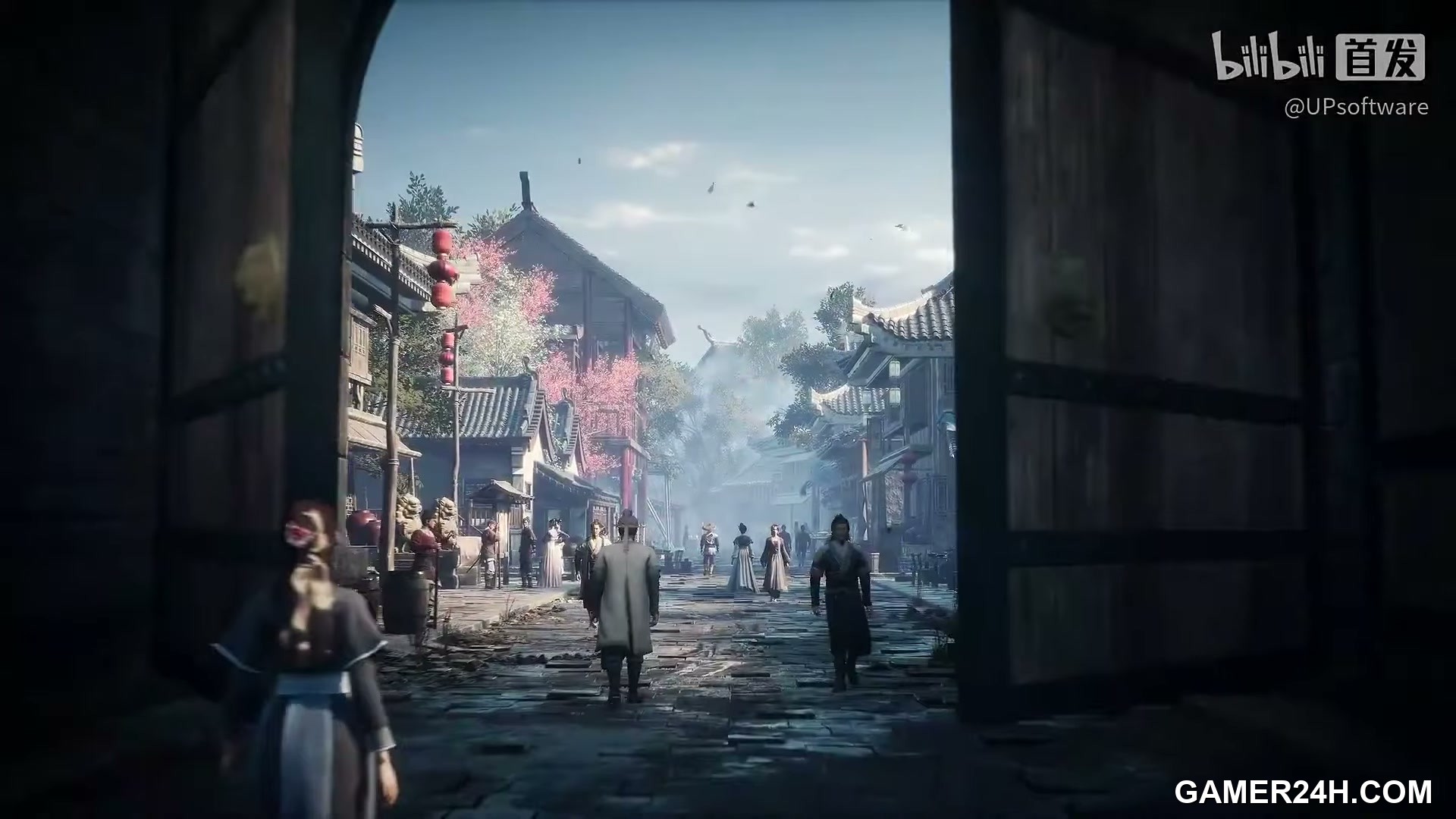
Sword and Fairy 4 Remake, with its innovative gameplay mechanics, stunning visuals, and intricate storyline, positions itself as a vanguard in the realm of next-generation action RPGs. By leveraging Unreal Engine 5’s capabilities to their fullest extent, UP Software has crafted an immersive world that not only respects the legacy of the original series but also elevates it into new dimensions.
The game’s emphasis on stealth and tactical combat, coupled with its atmospheric design and dynamic audio landscape, creates a unique experience that will captivate players seeking both challenge and narrative depth. As Sword and Fairy 4 Remake approaches release, it is clear that this remake stands as a testament to the power of modern technology in revitalizing classic franchises.
In conclusion, whether you are an ardent fan or a curious newcomer, Sword and Fairy 4 Remake promises to be a thrilling journey through espionage, betrayal, and redemption. With its impeccable attention to detail and forward-thinking design choices, it sets the stage for what future action RPGs might aspire to achieve.