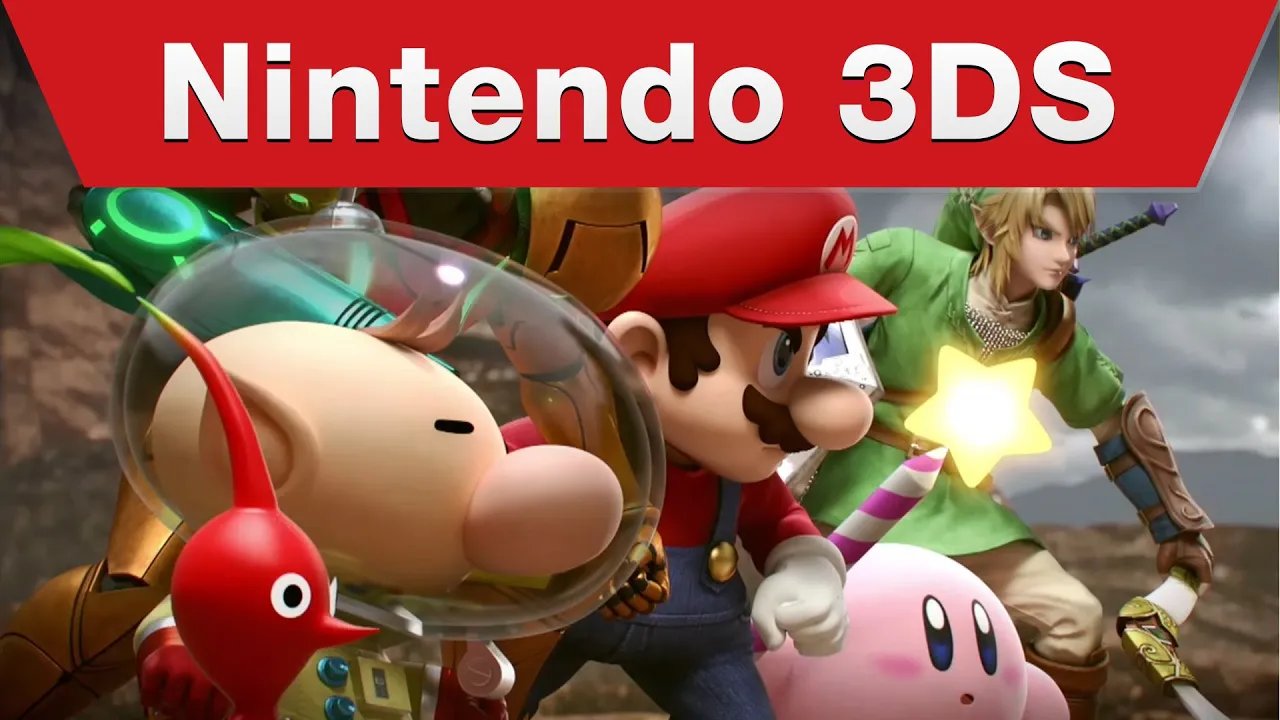
Introduction: The Next Chapter for Super Smash Bros. for Nintendo 3DS
Super Smash Bros. for Nintendo 3DS arrived as a highly anticipated sequel, building upon the foundation laid by its predecessors while simultaneously innovating and adapting to the unique capabilities of the handheld platform. Developed in collaboration between Bandai Namco Studios and Sora Ltd., this iteration promised a fresh experience for both veteran players and newcomers alike. The dual-release strategy, with a simultaneous launch on Wii U, presented interesting design challenges, requiring careful consideration of how to best leverage the strengths of each console. This Masterclass Deep Dive will dissect every facet of Super Smash Bros. for Nintendo 3DS, from its visual direction and gameplay mechanics to its narrative depth and community impact.
Visual Direction and Graphics Engineering
The visual presentation in Super Smash Bros. for Nintendo 3DS represents a significant achievement given the hardware limitations. While not reaching the graphical fidelity of the Wii U version, the development team masterfully optimized textures, character models, and stage designs to create a vibrant and engaging experience. The use of stereoscopic 3D on the 3DS added another layer of immersion, although its effectiveness varied depending on individual preferences and hardware capabilities. The game employed clever techniques to maintain performance while delivering a visually appealing aesthetic, showcasing the ingenuity of the graphics engineering team. The character models, though simplified compared to later iterations, retained their iconic designs and were meticulously animated to convey personality and impact during combat.
Gameplay Mechanics and Core Systems
Super Smash Bros. for Nintendo 3DS refined the core gameplay loop that defined the series. The fighting mechanics remained intuitive and accessible, while offering a surprising depth of strategic options for competitive players. New additions, such as the “Smash Ball” system, introduced dynamic elements to matches, creating opportunities for dramatic comebacks and unexpected outcomes. The control scheme was adapted for touch screen integration, allowing for unique input methods and shortcuts. The game’s physics engine played a crucial role in determining character movement, attack trajectories, and stage interactions, contributing to the overall sense of weight and impact during combat.
Level Design and World Atmosphere
The stages in Super Smash Bros. for Nintendo 3DS were meticulously crafted to capture the essence of various Nintendo franchises. From iconic locales like Hyrule Castle to vibrant environments from Pokémon Stadium, each stage offered a unique visual identity and gameplay challenges. The level design incorporated interactive elements, such as moving platforms, hazards, and environmental effects, adding another layer of complexity to matches. The atmosphere was enhanced through detailed textures, dynamic lighting, and immersive soundscapes, creating a captivating experience for players.
Narrative Depth and Character Profiles
While primarily focused on gameplay, Super Smash Bros. for Nintendo 3DS subtly wove together narratives through character interactions and stage presentations. Each fighter brought their own unique personality and backstory to the game, adding depth and context to their presence in the roster. The inclusion of various Nintendo franchises allowed players to experience familiar characters and settings in a new and exciting way. While not a traditional narrative-driven experience, the game offered glimpses into the relationships between fighters and the overall lore of the Smash Bros. universe.
Sound Design and Acoustic Realism
The sound design in Super Smash Bros. for Nintendo 3DS played a vital role in enhancing the overall immersive experience. The iconic sound effects from various Nintendo franchises were meticulously recreated, adding familiarity and nostalgia to the gameplay. The music was carefully composed to complement the action, creating a dynamic and engaging audio landscape. The use of spatial audio techniques further enhanced the sense of presence on the 3DS, making players feel like they were truly in the middle of the brawl.
Release Expectations and Community Hype
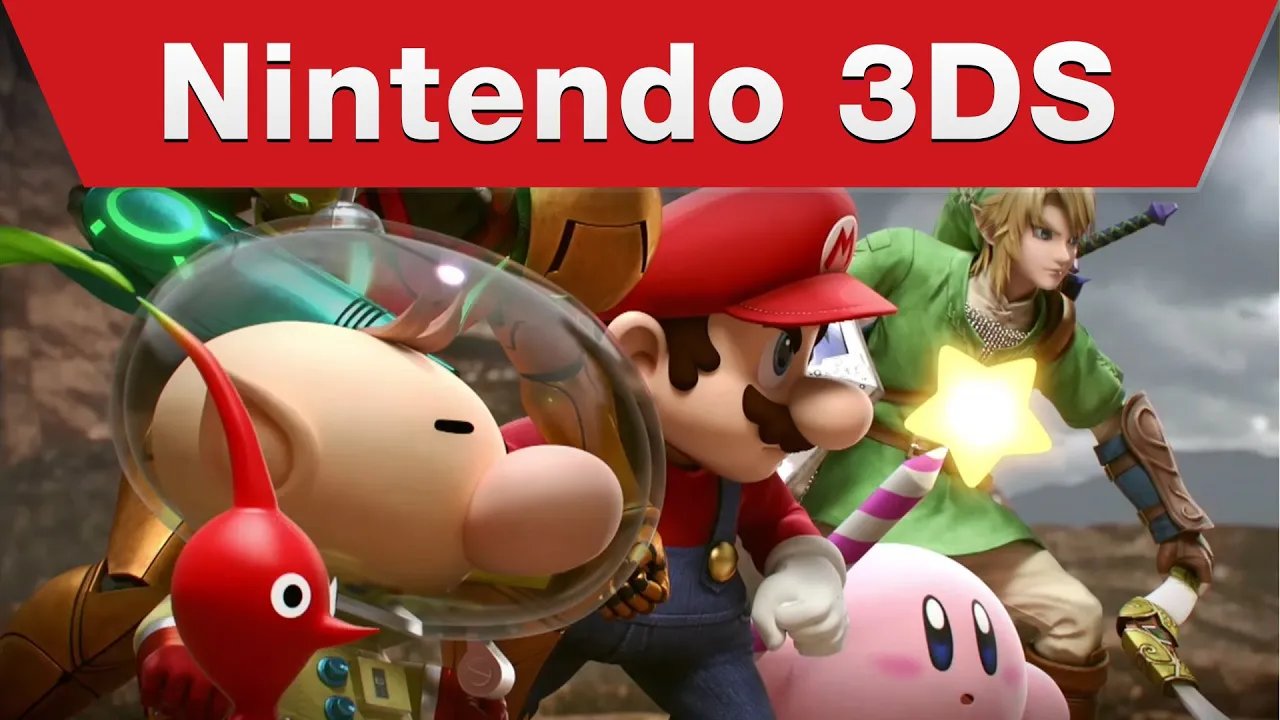
The release of Super Smash Bros. for Nintendo 3DS was met with immense anticipation from fans worldwide. The dual-release strategy with the Wii U version generated considerable discussion about which platform offered the superior experience. Marketing campaigns effectively showcased the game’s diverse roster, engaging gameplay, and unique features. Online communities buzzed with speculation about character reveals, stage designs, and competitive strategies. The hype surrounding the release was a testament to the enduring popularity of the Super Smash Bros. franchise.
Conclusion: The Future of Super Smash Bros. for Nintendo 3DS
Super Smash Bros. for Nintendo 3DS stands as a remarkable achievement in game development, demonstrating the power of innovation and adaptation within the context of hardware limitations. It successfully translated the core essence of the Super Smash Bros. experience to a handheld platform, offering a compelling and engaging gameplay loop that captivated players worldwide. While overshadowed by its Wii U counterpart in terms of graphical fidelity, it carved out its own unique identity and remains a beloved entry in the franchise. Its legacy continues to inspire new generations of gamers and developers alike.

Source: Wikipedia


