

À propos de ce jeu
Introduction: The Next Chapter for Super Smash Bros. Brawl
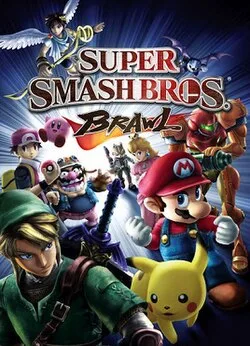
Super Smash Bros. Brawl, released in 2008 for the Wii, represented a significant evolution for Nintendo’s beloved fighting game franchise. Developed by Sora Ltd. under the direction of Masahiro Sakurai, Brawl aimed to expand upon the already established formula while introducing new features and characters that would appeal to both longtime fans and newcomers alike. The game’s development was marked by ambitious goals, including an unprecedented roster of playable fighters, a robust single-player adventure mode, and refined online capabilities. This Masterclass Deep-Dive will explore the technical achievements, design choices, and lasting impact of Super Smash Bros. Brawl.
Visual Direction and Graphics Engineering
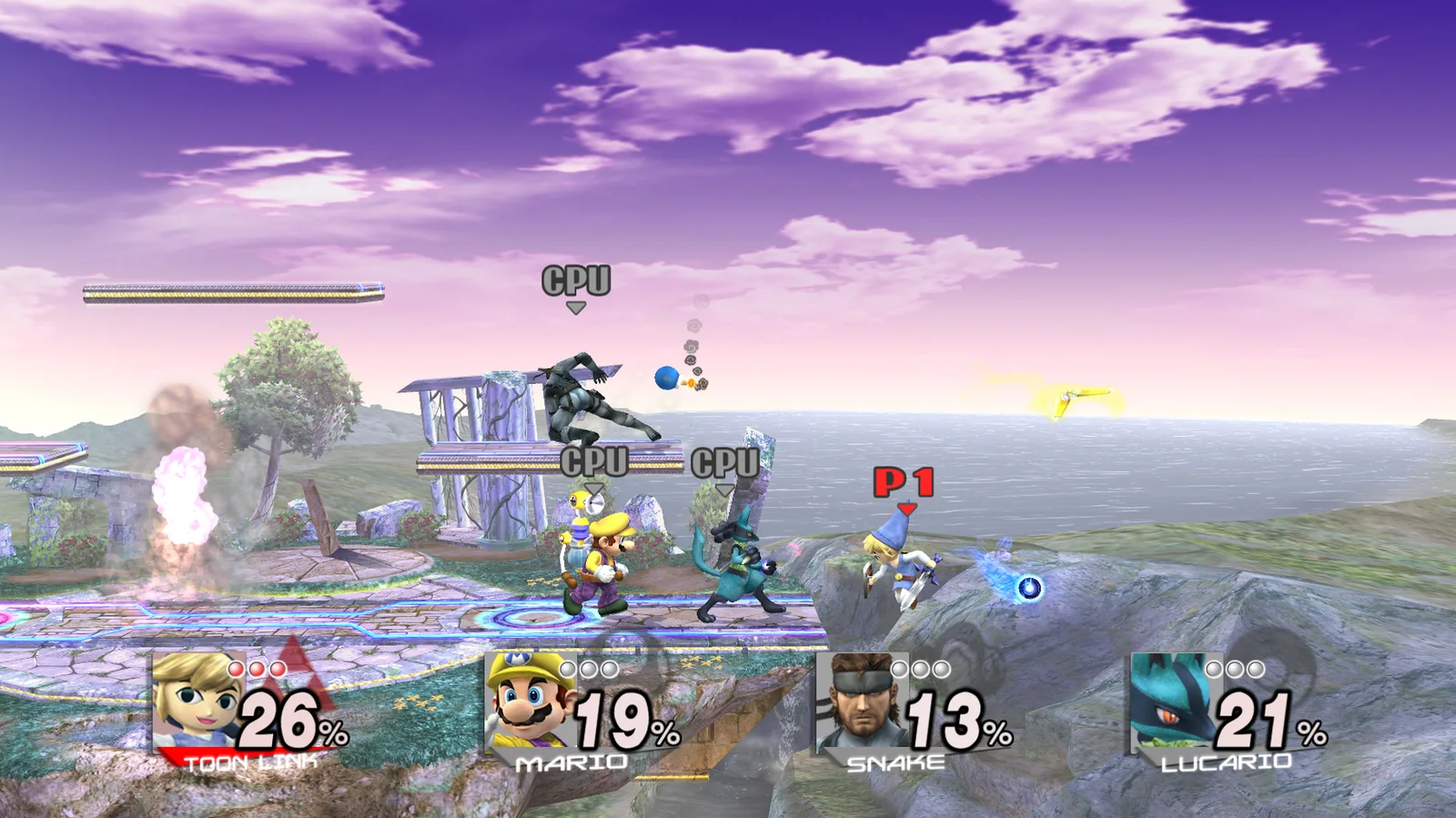
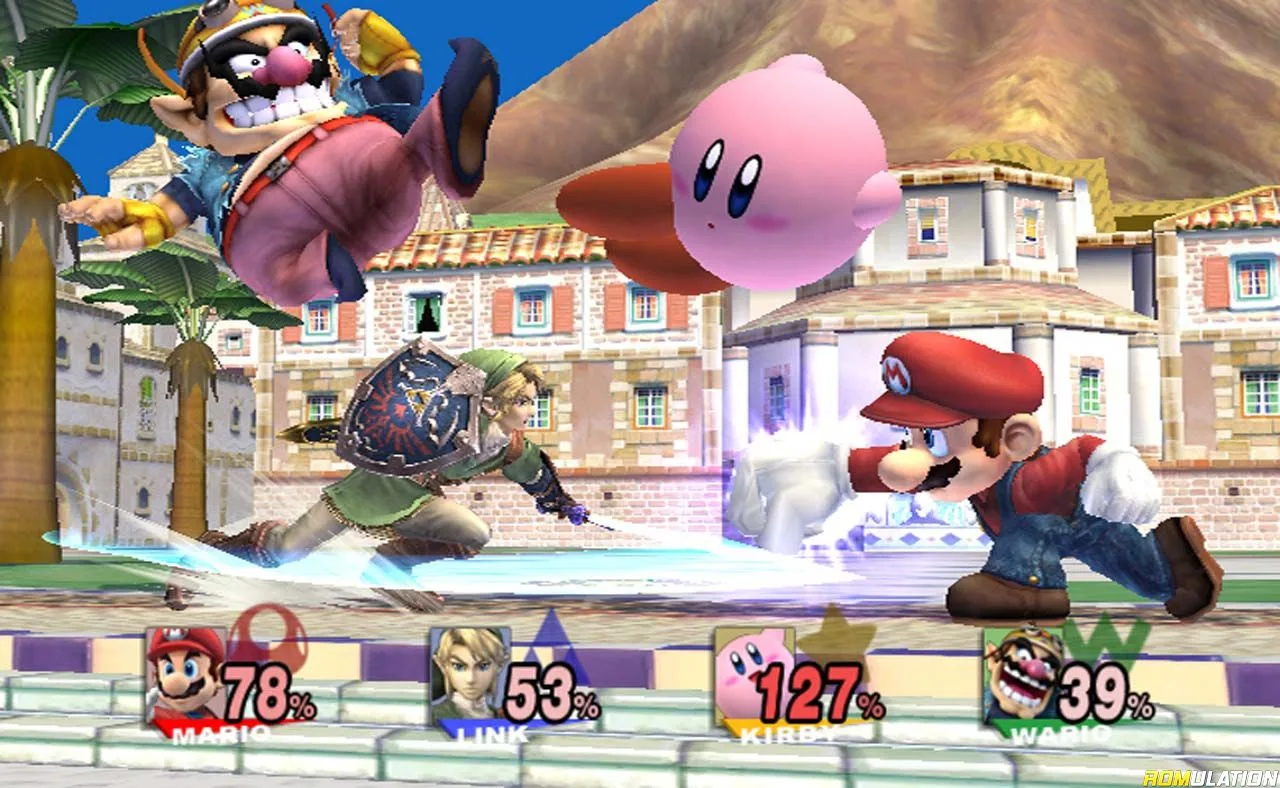
Brawl’s visual presentation marked a step forward from its predecessor, Super Smash Bros. Melee. While still retaining the franchise’s signature cartoonish aesthetic, the game leveraged the Wii’s hardware to deliver more detailed character models, environments, and special effects. The proprietary “Next-Gen Engine” allowed for greater flexibility in rendering complex animations and particle systems, contributing to a more dynamic and visually engaging experience. The developers also implemented various graphical enhancements, such as improved lighting and shading techniques, to create a richer sense of depth and atmosphere. However, the game’s visual fidelity was somewhat limited by the Wii’s hardware constraints, resulting in occasional frame rate dips during intense battles.
Jouabilité Mechanics and Core Systems
At its core, Brawl retains the fundamental gameplay mechanics that define the Super Smash Bros. series: players control a roster of iconic characters from various Nintendo franchises and battle each other with a variety of attacks, special moves, and items. The objective is to knock opponents off the stage by dealing damage and sending them flying. However, Brawl introduces several new gameplay elements, including the addition of “Final Smashes,” powerful ultimate attacks that can instantly defeat an opponent. The game also features a refined physics engine that allows for more dynamic interactions between characters and the environment. Furthermore, the introduction of tripping mechanics added a layer of unpredictability to battles, forcing players to adapt their strategies on the fly.
Level Design and World Atmosphere
Brawl’s stages are diverse and visually stunning, drawing inspiration from a wide range of Nintendo franchises and beyond. From the bustling streets of Hyrule Town to the treacherous landscapes of Corneria, each stage offers a unique atmosphere and set of challenges. The developers also incorporated interactive elements into many of the stages, such as moving platforms, environmental hazards, and hidden secrets. These elements add depth and replayability to the game, encouraging players to explore every nook and cranny. The level design often reflects the source material, providing fans with a nostalgic trip down memory lane while simultaneously introducing new players to beloved Nintendo worlds.
Narrative Depth and Character Profiles
While primarily a fighting game, Brawl features a surprisingly robust single-player adventure mode known as “The Subspace Emissary.” This mode tells an original story that weaves together characters and storylines from various Nintendo franchises. Players embark on a quest to save the world from a mysterious force known as the Subspace Gunship. The narrative is presented through cinematic cutscenes, in-game dialogue, and environmental storytelling. While not as deeply complex as some RPGs, “The Subspace Emissary” provides a compelling context for the game’s events and adds significant replay value. Each character also has unique animations and interactions that reflect their personalities and roles within the Nintendo universe.
Sound Design and Acoustic Realism
Brawl’s sound design is a crucial element of its immersive experience. The game features an extensive soundtrack composed by a team of talented musicians, including Nobuo Uematsu, Takahiro Nishi, and Shogo Sakai. The music seamlessly blends iconic melodies from various Nintendo franchises with original compositions that perfectly complement the on-screen action. Sound effects are also meticulously crafted to enhance the impact of attacks, special moves, and environmental interactions. From the satisfying thwack of a punch to the explosive roar of a Final Smash, every sound effect is designed to create a visceral and engaging experience.
Release Expectations and Community Hype
The announcement of Super Smash Bros. Brawl at E3 2005 generated immense hype within the gaming community. The promise of an expanded roster, new gameplay mechanics, and online multijoueur capabilities had fans eagerly anticipating its release. However, development was plagued by delays, leading to speculation about potential issues with the game’s quality. Despite these concerns, the anticipation remained high, fueled by periodic updates from Masahiro Sakurai and his team. The eventual release of Brawl in 2008 was met with widespread acclaim, solidifying its place as a landmark title in the Super Smash Bros. franchise.
Conclusion: The Future of Super Smash Bros. Brawl
Super Smash Bros. Brawl represents a significant achievement in game development, pushing the boundaries of what was possible on the Wii hardware. Its expansive roster, innovative gameplay mechanics, and compelling single-player adventure mode cemented its legacy as one of the most beloved fighting games of all time. While subsequent entries in the series have built upon its foundation, Brawl remains a touchstone for fans and a testament to the creative vision of Masahiro Sakurai and his team. Its influence can still be felt today, inspiring new generations of gamers and developers alike.
Source: Wikipedia
Galerie

Rejoignez la conversation