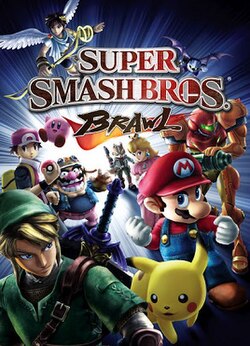
Introduction: The Next Chapter for Super Smash Bros. Brawl
Super Smash Bros. Brawl, released in 2008 for the Wii, represented a significant evolution for Nintendo’s iconic fighting game franchise. Developed by Sora Ltd. under the direction of Masahiro Sakurai, Brawl aimed to expand upon the foundation laid by its predecessors while introducing new features and characters that would appeal to both longtime fans and newcomers alike. The game marked a departure from previous installments, with a larger roster of playable fighters, including third-party characters, and a more expansive single-player experience. The anticipation surrounding Brawl was immense, fueled by promises of innovation and the sheer star power of its diverse cast.
Visual Direction and Graphics Engineering
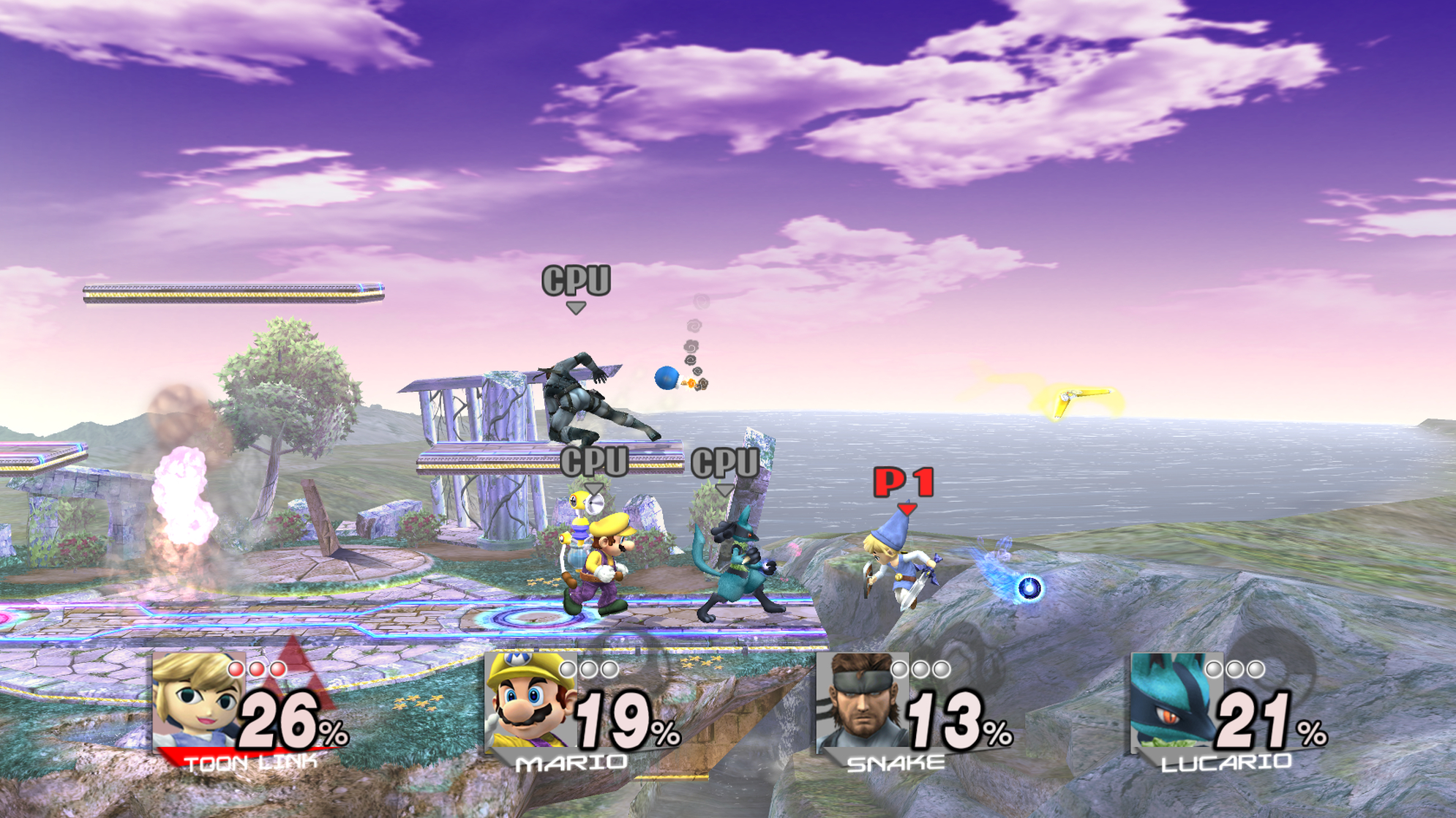
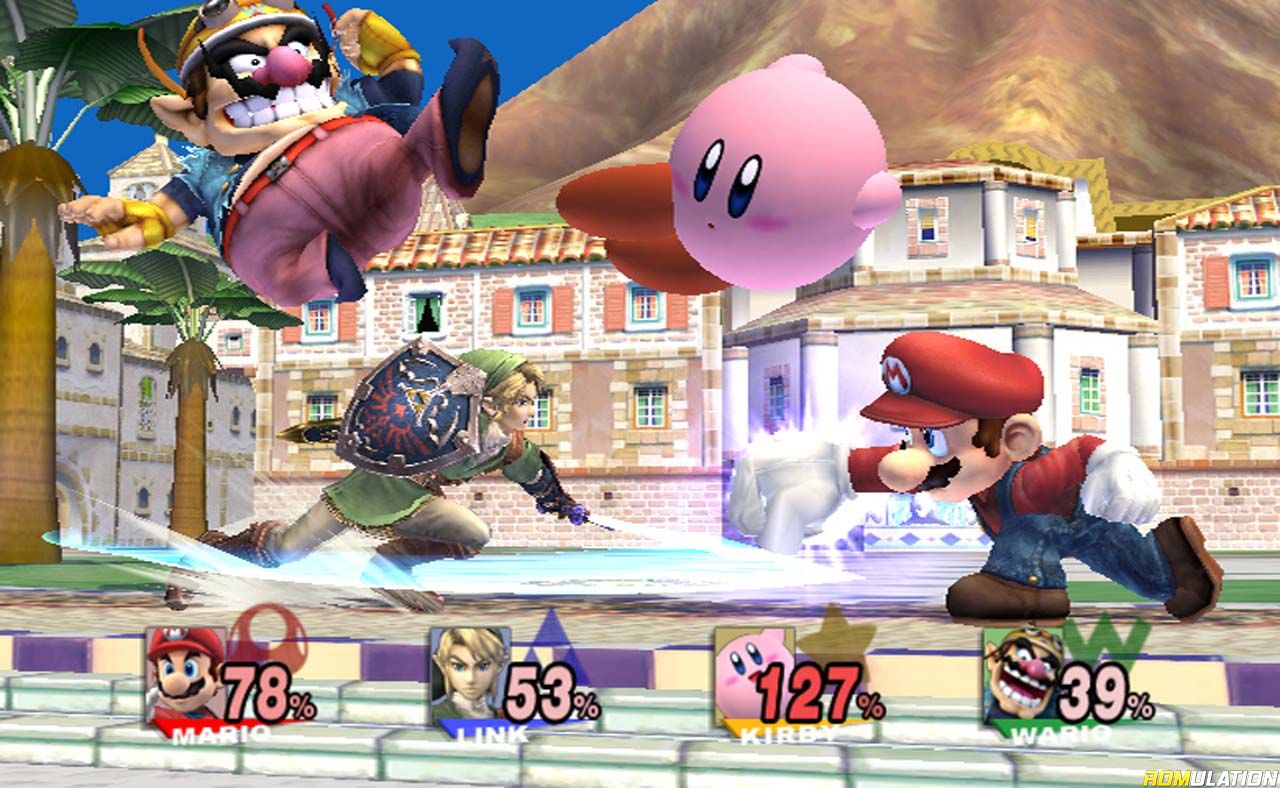
Brawl’s visual style represented a step forward for the Super Smash Bros. series on the Wii hardware. While constrained by the console’s technical limitations, Sora Ltd. managed to create vibrant and detailed character models and environments. The game utilized cel-shading techniques to achieve a distinctive aesthetic that blended cartoonish charm with a degree of realism. Character animations were fluid and expressive, capturing the unique personalities of each fighter. The developers employed various graphical effects, such as lighting and particle systems, to enhance the visual impact of battles. However, the Wii’s hardware limitations meant that some environments could appear somewhat simplistic compared to later installments in the series.
Gameplay Mechanics and Core Systems
At its core, Brawl retained the fundamental gameplay mechanics that defined the Super Smash Bros. franchise: players control a roster of characters with unique movesets and abilities, battling each other on diverse stages with the goal of knocking opponents off-screen. However, several key additions distinguished Brawl from its predecessors. The introduction of “Final Smashes,” powerful cinematic attacks unique to each character, added a new layer of spectacle to battles. The game also featured a more robust physics engine, leading to more unpredictable and chaotic interactions between fighters and the environment. Furthermore, the addition of shields allowed players to temporarily block incoming attacks, adding a strategic element to gameplay.
Level Design and World Atmosphere
Brawl’s stages were designed to be both visually appealing and strategically diverse. Each stage offered unique layouts, hazards, and interactive elements that could significantly impact the flow of battle. From recreations of iconic locations from various game franchises to entirely original creations, the stages provided a wide range of experiences for players. The developers paid close attention to creating distinct atmospheres for each stage, utilizing music, lighting, and environmental effects to immerse players in the world. Some stages featured dynamic elements that changed during gameplay, adding an element of unpredictability.
Narrative Depth and Character Profiles
While primarily a fighting game, Brawl incorporated a narrative framework through its single-player mode, “The Subspace Emissary.” This adventure mode followed a group of characters as they battled against a mysterious force threatening to consume the world. The story was presented through cinematic cutscenes and in-game dialogue, providing context for the events unfolding on screen. Each character possessed their own unique backstory and motivations, adding depth to their presence in the game. “The Subspace Emissary” offered a surprisingly engaging narrative experience for a fighting game, showcasing the developers’ commitment to creating a more comprehensive package.
Sound Design and Acoustic Realism
Brawl’s sound design was crucial in enhancing the overall immersive experience. The game featured a vast library of sound effects, ranging from character vocalizations to environmental ambience. The music selection was equally impressive, drawing upon iconic themes from various game franchises represented in the roster. The developers carefully synchronized the audio with the on-screen action, creating a dynamic and responsive auditory landscape. The use of positional audio further enhanced the sense of immersion, allowing players to pinpoint the source of sounds within the environment.
Release Expectations and Community Hype
The announcement of Super Smash Bros. Brawl generated immense excitement among fans. The promise of a larger roster, including third-party characters like Solid Snake and Sonic the Hedgehog, fueled anticipation for months leading up to its release. The game’s single-player mode, “The Subspace Emissary,” also piqued interest, as it represented a significant departure from previous installments in the series. Early previews showcased the game’s impressive visuals and diverse gameplay options, further amplifying the hype surrounding its launch.
Conclusion: The Future of Super Smash Bros. Brawl
Super Smash Bros. Brawl was more than just a fighting game; it was a celebration of gaming history and a testament to the power of collaboration. While constrained by the technical limitations of the Wii hardware, Sora Ltd. managed to create an experience that was both innovative and deeply satisfying. The game’s legacy continues to resonate with players today, influencing subsequent installments in the Super Smash Bros. series and solidifying its place as a landmark title in gaming history.
Source: Wikipedia


