

Om dette spil
Introduction: The Next Chapter for Super Mario Advance 4: Super Mario Bros. 3
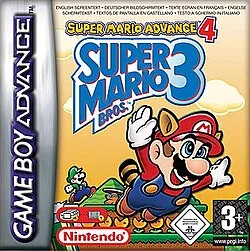
Super Mario Advance 4: Super Mario Bros. 3 isn’t just a remake; it’s a reimagining, a testament to Nintendo’s dedication to refining and expanding upon its classic titles. Released in 2003 for the Game Boy Advance, this iteration builds directly on the foundation laid by the original NES masterpiece and the enhanced version found within Super Mario All-Stars. It represents a significant step forward, leveraging the GBA’s processing power to deliver an experience that feels both familiar and refreshingly new. The game was initially unveiled at E3 2003, generating considerable buzz due to its promise of enhanced visuals, expanded gameplay features, and the intriguing integration of Nintendo’s e-Reader technology. This Masterclass Deep-Dive will dissect every facet of this iconic title, from its visual direction to its narrative depth, providing a comprehensive analysis for the discerning gamer.
Visual Direction and Graphics Engineering
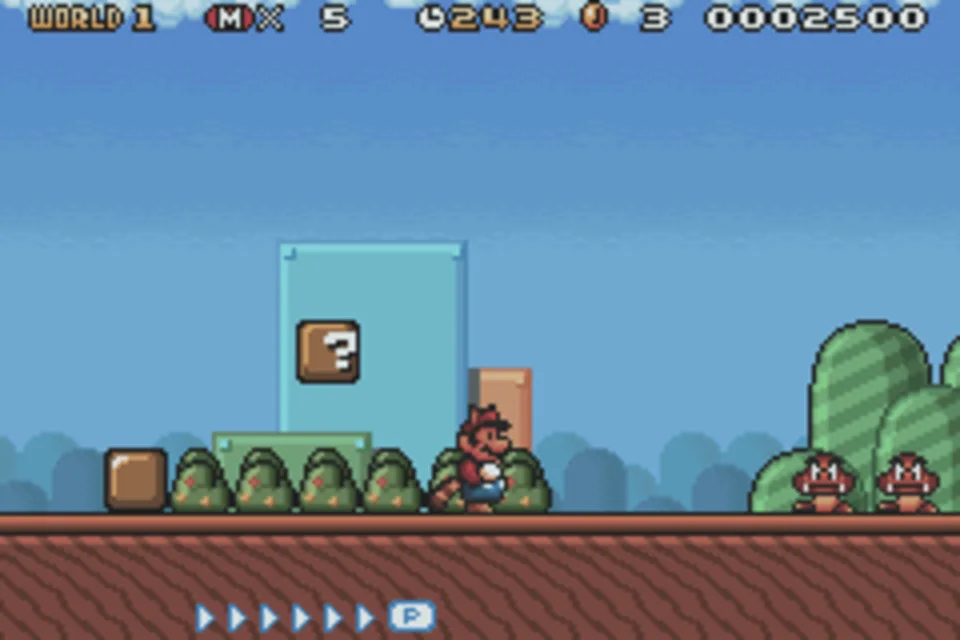
The visual overhaul in Super Mario Advance 4 is immediately noticeable. While retaining the core aesthetic of the original, the game benefits from the Game Boy Advance’s superior color palette and resolution. Sprites are more detailed, backgrounds are richer, and animations are smoother. The use of parallax scrolling creates a sense of depth that was simply impossible on the NES. However, it’s important to note that the visual enhancements aren’t just about increased fidelity; they also involve subtle artistic choices that enhance the overall atmosphere. For example, certain color palettes are used to evoke specific moods or highlight key elements within a level. The graphics engine, while proprietary and likely heavily optimized for the GBA hardware, showcases Nintendo’s mastery of resource management, squeezing every ounce of performance from the system.
Gameplay Mechanics and Core Systems
At its heart, Super Mario Advance 4 retains the core gameplay loop that made the original so addictive: running, jumping, collecting power-ups, and defeating enemies. However, several key enhancements elevate the experience. The addition of Luigi as a playable character introduces subtle differences in movement and abilities, adding replayability. The “Rabbit” suit returns, allowing for powerful ground pounds. Mere importantly, the game incorporates elements from other Mario titles, such as the ability to fly with the Tanooki Suit (though its implementation differs slightly). The control scheme is tight and responsive, making it easy to execute precise jumps and maneuvers. The inclusion of a multiplayer mode, based on the arcade classic Mario Bros., provides a welcome diversion for cooperative play.
Level Design and World Atmosphere
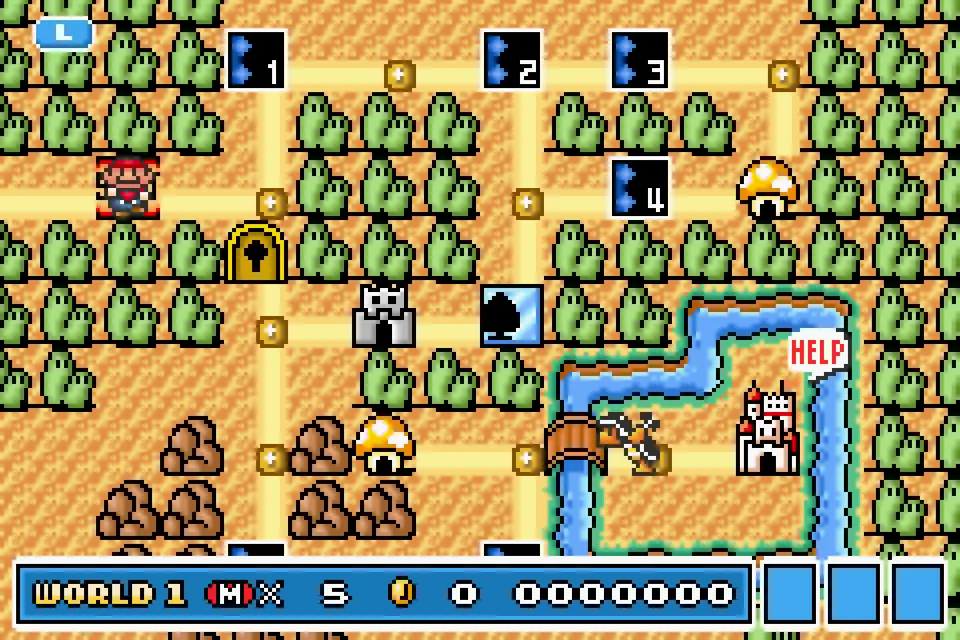
The level design in Super Mario Advance 4 is a masterful blend of nostalgia and innovation. Classic levels from the original game are meticulously recreated, often with subtle variations that add new challenges or secrets to uncover. New levels are also introduced, expanding the world of the Mushroom Kingdom and offering fresh experiences for players. The use of verticality is particularly noteworthy, as many levels feature multi-tiered structures that encourage exploration and reward skillful platforming. The atmosphere is carefully crafted through a combination of visual cues, musical scores, and enemy placement. Each kingdom feels distinct, with its own unique challenges and rewards.
Narrative Depth and Character Profiles
While Super Mario Bros. 3 was always more about gameplay than narrative, Super Mario Advance 4 subtly expands upon the story through visual cues and character interactions. The dialogue is minimal but effective, conveying a sense of urgency and determination. Princess Peach remains the damsel in distress, while Bowser continues his relentless pursuit of power. The introduction of Luigi as a playable character adds another layer to the narrative, highlighting his contrasting personality and abilities. While not a story-driven game in the modern sense, Super Mario Advance 4 provides enough context to engage players and motivate them to progress through the adventure.
Sound Design and Acoustic Realism
The sound design in Super Mario Advance 4 is another area where Nintendo excels. The iconic music from the original game is faithfully recreated, while new compositions add further depth and variety to the soundtrack. Sound effects are crisp and impactful, enhancing the sense of immersion. The addition of voice acting for Mario and Luigi, provided by Charles Martinet, adds a touch of personality and charm. While limited in scope, the audio design effectively complements the visuals and gameplay, creating a cohesive and engaging experience.
Release Expectations and Community Hype
The announcement of Super Mario Advance 4 generated significant hype within the gaming community. The promise of an enhanced remake of a beloved classic, coupled with the intriguing integration of Nintendo’s e-Reader technology, created a sense of anticipation. While the e-Reader functionality ultimately proved to be a limited feature, the core gameplay enhancements and visual improvements were enough to satisfy most players. The game was widely praised for its faithfulness to the original while also offering something new and exciting.
Conclusion: The Future of Super Mario Advance 4: Super Mario Bros. 3
Super Mario Advance 4: Super Mario Bros. 3 stands as a testament to Nintendo’s commitment to quality and innovation. It represents a significant step forward for the franchise, leveraging the power of the Game Boy Advance to deliver an enhanced and engaging experience. While the e-Reader functionality ultimately proved to be a limited feature, the core gameplay enhancements, visual improvements, and faithful recreation of the original game made it a critical and commercial success. The game’s legacy continues to inspire developers and captivate players, solidifying its place as a classic in the history of video games.
Source: Wikipedia
Galleri




Deltag i samtalen