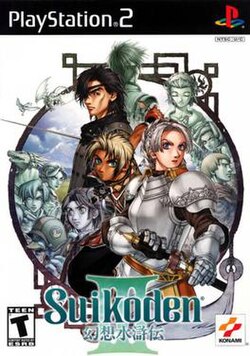
Introduction: The Next Chapter for Suikoden III
Suikoden III, released in 2002 for the PlayStation 2, represents a bold evolution within Konami's acclaimed RPG series. Building upon the foundation laid by its predecessors, it introduces innovative gameplay mechanics and narrative structures that distinguish it as a unique entry. This Masterclass Deep-Dive will dissect every facet of Suikoden III, from its groundbreaking "Trinity Sight System" to its intricate world design, providing an in-depth analysis for both seasoned veterans and newcomers eager to explore this classic title. We're not just looking at the surface; we're diving deep into the engine, the artistic vision, and the community impact that cemented Suikoden III's place in gaming history.
Visual Direction and Graphics Engineering
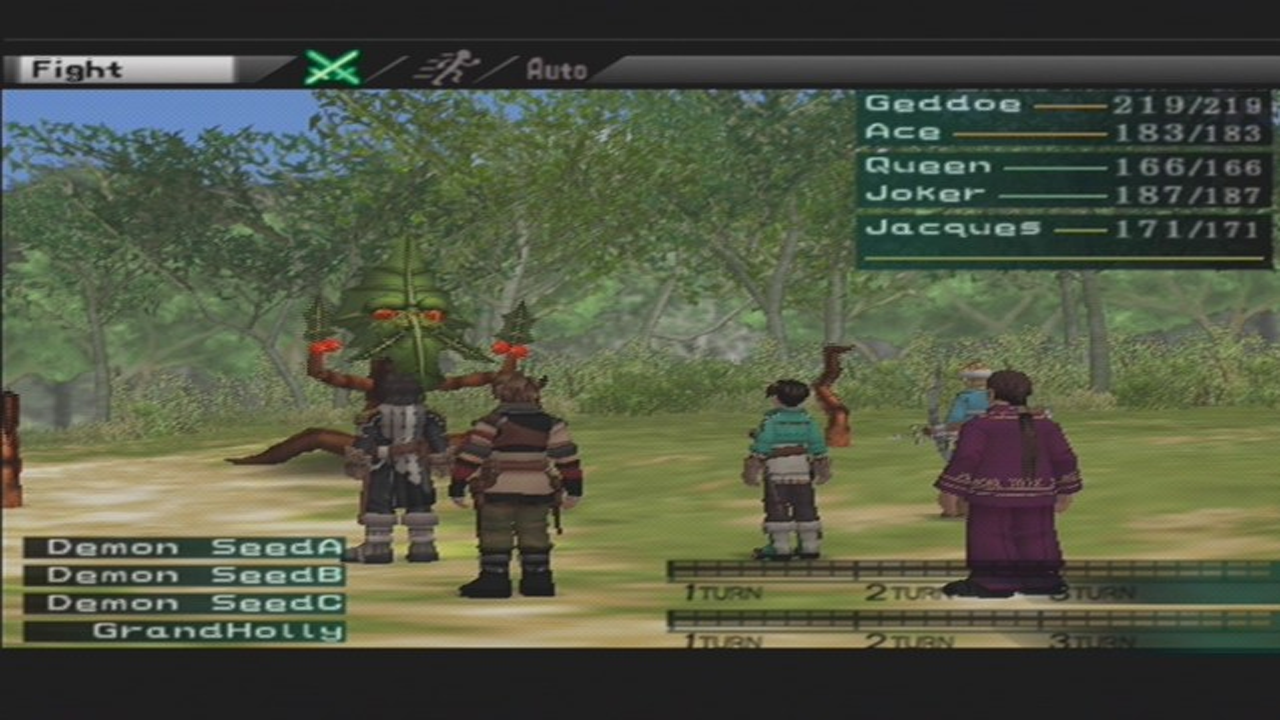
Suikoden III leverages the RenderWare engine to deliver a visually appealing experience for its time. While not pushing the PS2 hardware to its absolute limits, the game boasts detailed character models, vibrant environments, and impressive special effects. The art style is characterized by a blend of realism and fantasy, creating a world that feels both believable and magical. shows a typical in-game scene, highlighting the level of detail present in the environment design. The game's visual direction prioritizes clarity and readability, ensuring that players can easily distinguish characters and objects even during intense battles. While modern standards may reveal some limitations, the artistic choices made in Suikoden III contribute significantly to its overall charm and atmosphere.Gameplay Mechanics and Core Systems
The heart of Suikoden III lies in its innovative gameplay mechanics. The "Trinity Sight System" is arguably the most significant departure from previous entries, allowing players to experience the same events through the perspectives of three distinct protagonists: Hugo, Chris, and Geddoe. This system not only enriches the narrative but also influences gameplay choices and character interactions. The battle system retains the turn-based combat familiar to fans, with a focus on strategic party composition and skill utilization. A key element is the ability to recruit "Stars of Destiny," individuals who join your cause and contribute to your army. This recruitment mechanic adds depth and replayability, as different Stars offer unique abilities and impact the unfolding story.Level Design and World Atmosphere
Suikoden III's world is a tapestry of diverse landscapes, from lush grasslands to bustling cities and treacherous mountain passes. The level design effectively utilizes these environments to create memorable encounters and challenges. Each area feels distinct, with its own visual identity and set of inhabitants. The game masterfully blends exploration with narrative progression, encouraging players to uncover hidden secrets and interact with the world around them. showcases a panoramic view of one of the game's many environments, highlighting the attention to detail in the level design.Narrative Depth and Character Profiles
The "Trinity Sight System" is not merely a gimmick; it's integral to the game's narrative depth. By experiencing the same events from multiple perspectives, players gain a more nuanced understanding of the conflicts at play and the motivations of various factions. The three protagonists – Hugo, Chris, and Geddoe – are all compelling characters with their own strengths and weaknesses. Their individual stories intertwine and diverge, creating a complex web of relationships and allegiances. Supporting characters are equally well-developed, each contributing to the richness and complexity of the game's world.Sound Design and Acoustic Realism
The sound design in Suikoden III is crucial to immersing players in its world. The soundtrack, composed by Michiru Yamane, Takashi Yoshida, and Masahiko Kimura, perfectly complements the visuals and enhances the emotional impact of key moments. Sound effects are used effectively to create a sense of realism and urgency during battles and exploration. The voice acting, while limited, is generally well-executed and adds personality to the characters.Release Expectations and Community Hype
Upon its release, Suikoden III generated significant hype among RPG fans eager to experience Konami's latest offering. Reviews were largely positive, praising the game's innovative gameplay mechanics, compelling narrative, and overall polish. The "Trinity Sight System" was particularly well-received, as it offered a fresh perspective on storytelling within the genre. While some criticisms were directed at the graphics (a common issue for PS2 games), the overall consensus was that Suikoden III represented a worthy addition to the Suikoden legacy. shows gameplay footage from the game, demonstrating its core mechanics and visual style.Conclusion: The Future of Suikoden III
Suikoden III remains a beloved classic within the RPG community. Its innovative "Trinity Sight System" continues to be praised for its unique storytelling approach. While newer games may offer more advanced graphics and gameplay features, Suikoden III's charm and originality ensure its enduring appeal. The game serves as a testament to the power of creative design and compelling narratives in video game development. It is a must-play for fans of the genre and a valuable case study for aspiring game developers seeking inspiration from classic titles.
Source: Wikipedia
Google Preferred Source
Add us to your favorite news sources on Google
Get instant updates and breaking news directly in Google News