Introduction: The Next Chapter for Subnautica
Subnautica, a survival action-adventure game developed and published by Unknown Worlds Entertainment, has carved a unique niche in the gaming landscape. More than just another survival title, it’s an immersive experience that blends exploration, crafting, and a compelling narrative within a breathtaking underwater world. This deep dive will dissect every facet of Subnautica, from its visual design to its core gameplay mechanics, offering a comprehensive analysis for both seasoned gamers and newcomers alike. The anticipation surrounding the release of “Subnautica 2” in early access on May 14th, 2026, is palpable, fueled by the success of the original and the promise of new depths to explore.
Visual Direction and Graphics Engineering
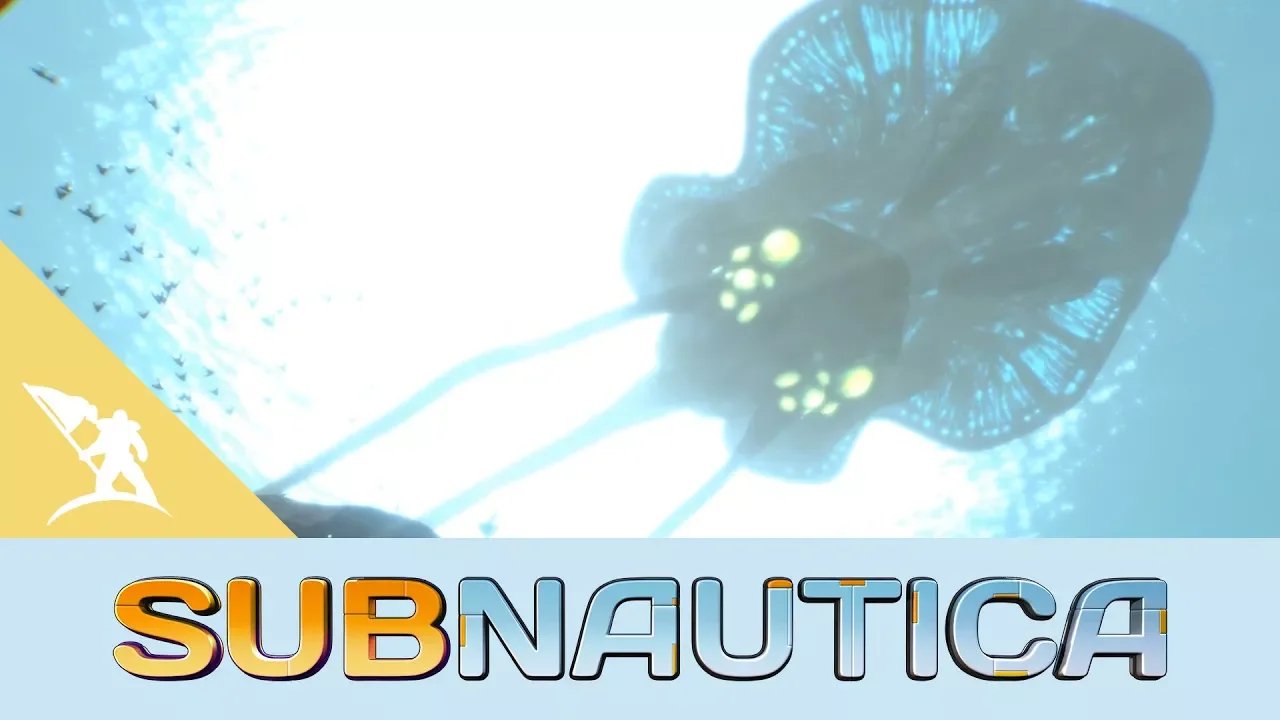
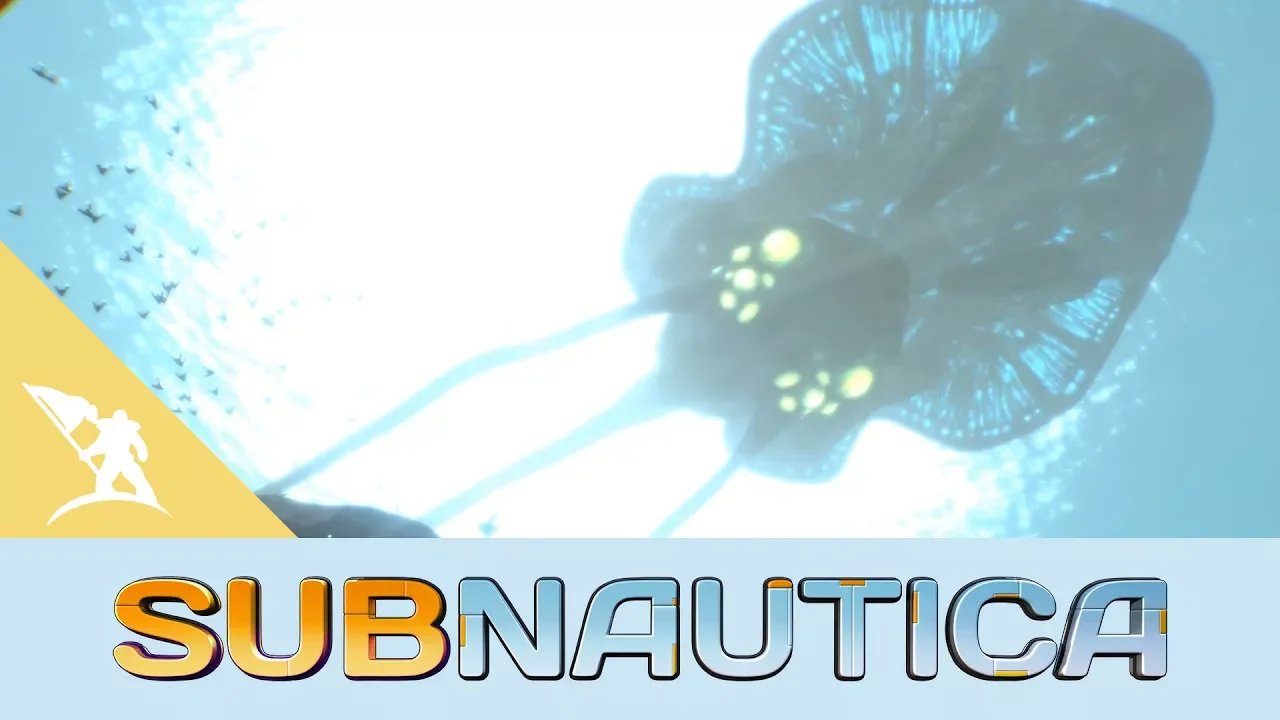
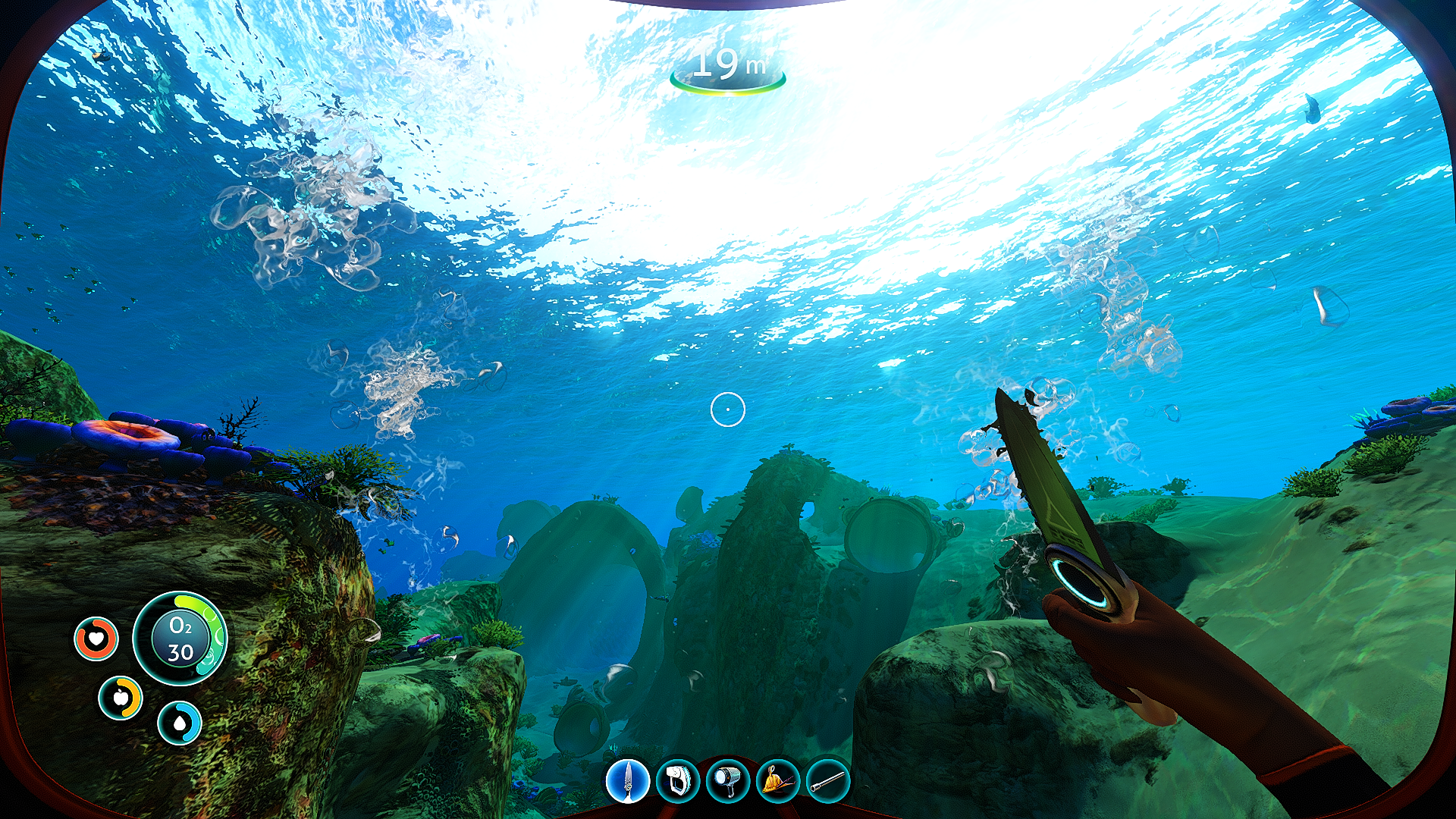
The visual direction of Subnautica is crucial to its immersive quality. The game leverages the Unity engine to create a stunning underwater environment, ranging from vibrant coral reefs teeming with life to dark, foreboding trenches where danger lurks. The lighting effects are particularly noteworthy, simulating the way sunlight filters through water and creating an atmosphere of both wonder and unease. While not pushing the absolute bleeding edge of graphical fidelity, the art style is highly effective in conveying a sense of scale and alien beauty. Optimization for various platforms, including the Nintendo Switch, was a key consideration during development, demonstrating the team’s commitment to accessibility. The use of volumetric lighting and advanced shader techniques contributes significantly to the game’s overall visual appeal.
Gameplay Mechanics and Core Systems
At its heart, Subnautica is a survival game, demanding players manage their hunger, thirst, oxygen levels, and health. Crafting plays a vital role, allowing players to create tools, weapons, and vehicles essential for exploration. The progression system encourages players to venture deeper into the ocean, unlocking new technologies and uncovering the secrets of the alien planet. The game’s physics engine is well-implemented, adding realism to underwater movement and interactions with objects. Resource management is key; players must carefully balance their needs with the limited resources available. The sense of vulnerability, coupled with the constant need to adapt and overcome challenges, makes for a compelling gameplay loop.
Level Design and World Atmosphere
The level design in Subnautica is masterful, creating a world that feels both vast and interconnected. Each biome offers unique challenges and rewards, encouraging players to explore every nook and cranny. The gradual descent into the ocean’s depths mirrors the player’s journey of discovery, revealing new environments and uncovering hidden secrets. The atmosphere is thick with a sense of mystery and danger, heightened by the game’s sound design and visual cues. The map system, while initially limited, expands as players unlock new technologies, providing a clearer understanding of their surroundings.
Narrative Depth and Character Profiles
While primarily focused on survival and exploration, Subnautica features a compelling narrative that unfolds through environmental storytelling and audio logs. Players piece together the events leading up to the crash and uncover the secrets of the alien planet. The protagonist, Ryley Robinson, is largely silent, allowing players to project themselves into the role and experience the world from their perspective. While not heavily character-driven in the traditional sense, the game’s narrative provides a strong motivation for exploration and discovery.
Sound Design and Acoustic Realism
The sound design in Subnautica is critical to its immersive quality. The sounds of the ocean – the gentle lapping of waves, the eerie groans of underwater creatures, and the creaking of submarines – create a palpable sense of atmosphere. The use of spatial audio enhances the feeling of being surrounded by water, adding another layer of realism to the experience. The soundtrack is subtle but effective, complementing the visuals without becoming intrusive.
Release Expectations and Community Hype
The release of “Subnautica 2” in early access on May 14th, 2026, has generated significant excitement within the gaming community. Building upon the success of the original, it promises new environments, creatures, and gameplay mechanics. The developers have been actively engaging with players, soliciting feedback and incorporating suggestions into the development process. This collaborative approach has fostered a strong sense of community ownership and anticipation for the sequel.
Conclusion: The Future of Subnautica
Subnautica is more than just a survival game; it’s an experience that stays with you long after the credits roll. Its unique blend of exploration, crafting, and narrative depth sets it apart from its peers. With the release of “Subnautica 2” on the horizon, the future looks bright for this beloved franchise. The developers have proven their ability to create immersive and engaging worlds, and we can only imagine what wonders await us in the depths of Subnautica 2.
Source: Wikipedia


