

Об этой игре
Introduction: The Next Chapter for Street Fighter V
Street Fighter V arrived in 2016 as the highly anticipated sequel to the critically acclaimed and commercially successful Street Fighter IV. Developed primarily by Capcom, with significant contributions from Dimps, and built upon the foundation of Unreal Engine 4, it promised a fresh take on the iconic fighting game formula while retaining the core elements that made its predecessors so beloved. The game aimed to deliver not only refined gameplay but also an expanded roster, deeper narrative, and enhanced online features. However, the road to success was paved with challenges, including initial content droughts and technical hiccups that would test the patience of even the most dedicated fans.
Visual Direction and Graphics Engineering
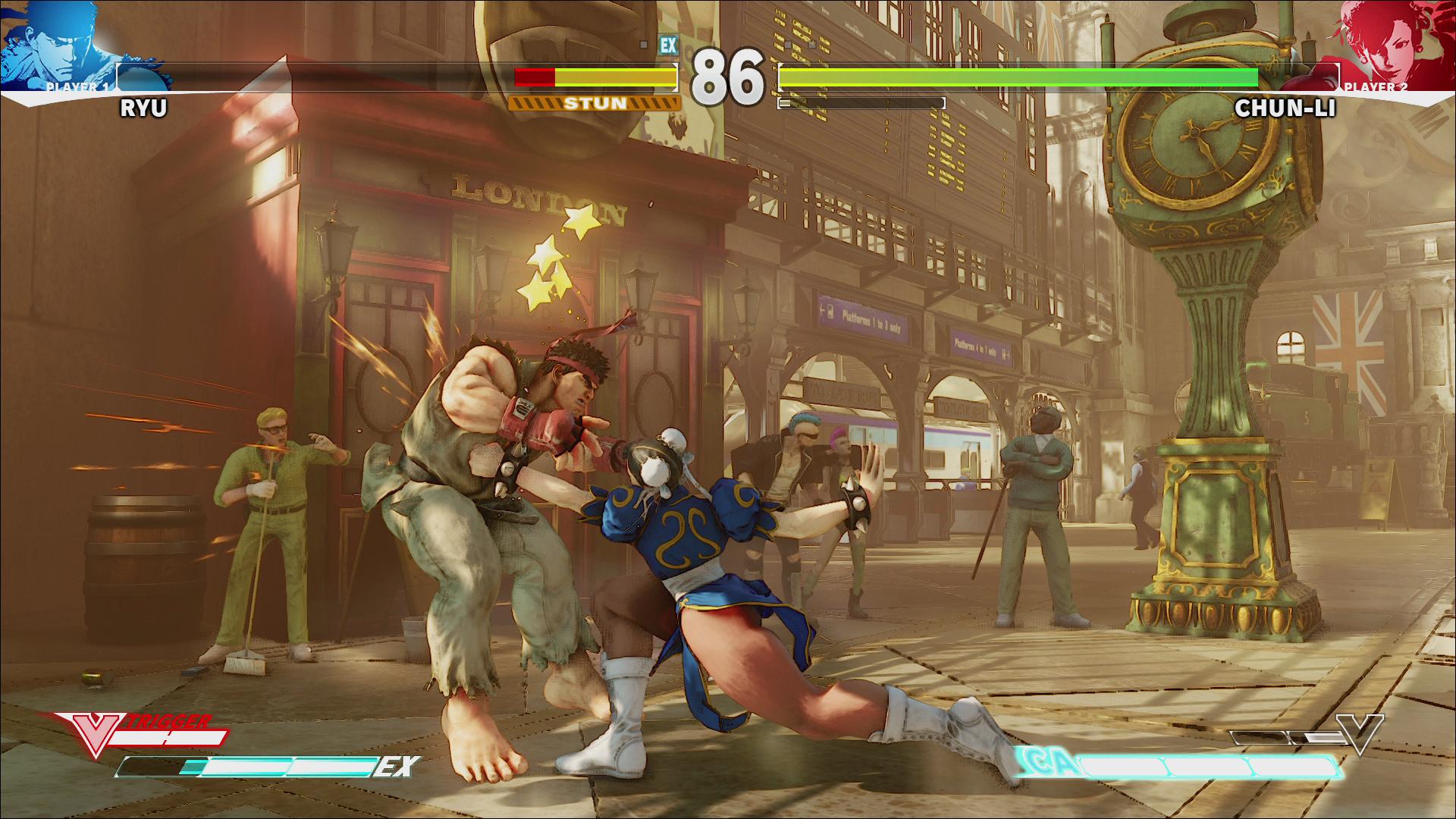
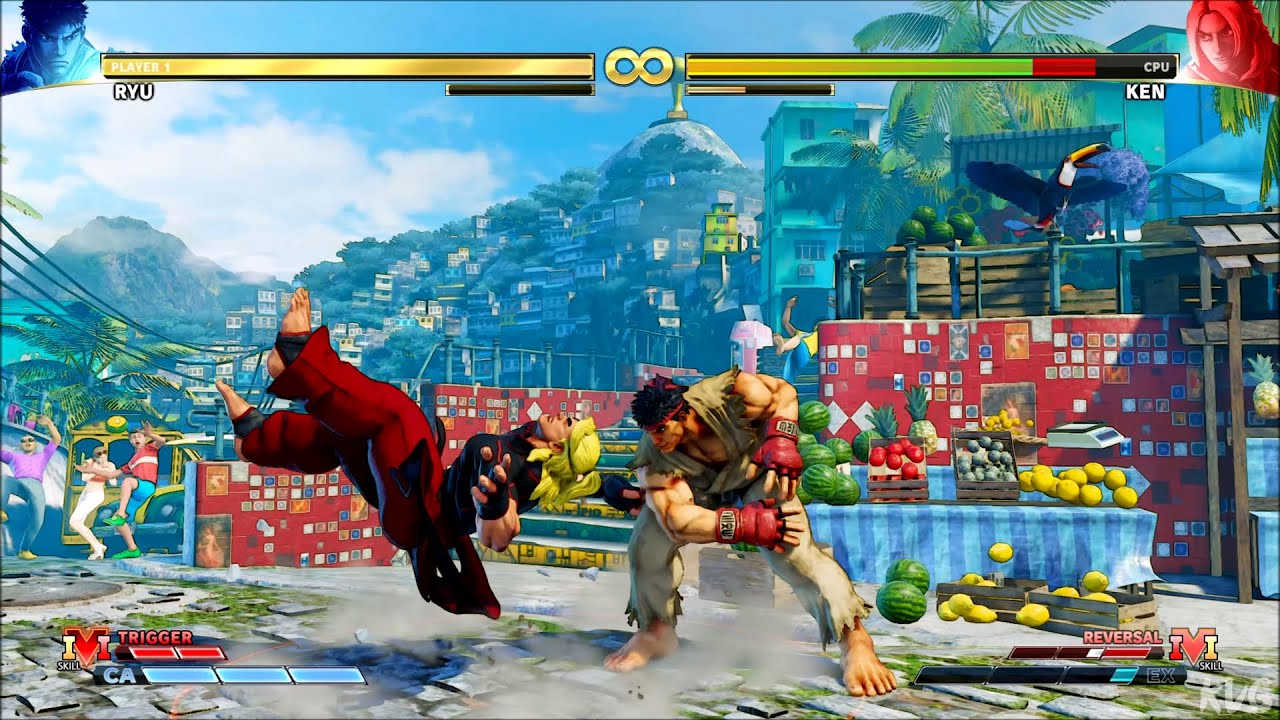
Street Fighter V’s visual direction represented a significant departure from the cel-shaded aesthetic of Street Fighter IV. While retaining a 2D fighting plane, the game embraced a more realistic character design with detailed textures and dynamic lighting effects powered by Unreal Engine 4. This allowed for greater expressiveness in character animations and a heightened sense of immersion during intense battles. The visual fidelity was impressive for its time, showcasing Capcom’s commitment to pushing the boundaries of what was possible within the fighting game genre. However, some critics felt that the more realistic approach detracted from the iconic, stylized look that had defined previous Street Fighter games. Optimization proved crucial, as maintaining a stable frame rate during fast-paced matches required careful balancing of visual quality and performance.
Геймплей Mechanics and Core Systems
At its heart, Street Fighter V built upon the established fighting game mechanics that fans have come to expect. The core gameplay loop revolved around mastering character-specific movesets, executing combos, and strategically utilizing special attacks. However, the introduction of the “V-Gauge” mechanic added a new layer of depth to the combat system. This gauge allowed players to perform unique actions such as V-Skills (character-specific abilities), V-Triggers (powerful buffs or defensive maneuvers), and Alpha Counters (risky but rewarding parries). Mastering these mechanics was essential for success, both in single-player mode and online competition. The game also featured a robust training mode that allowed players to hone their skills and experiment with different strategies.
Level Design and World Atmosphere
Street Fighter V’s stages were designed to be visually diverse and thematically relevant to the characters who inhabited them. From bustling cityscapes to exotic locales, each stage offered a unique atmosphere that enhanced the overall experience. While some stages were static backdrops, others featured dynamic elements such as moving objects or interactive environments. The level design aimed to provide both visual appeal and strategic opportunities for players. However, the limited number of initial stages was a point of criticism, with many fans eagerly anticipating new additions through post-launch content updates.
Narrative Depth and Character Profiles
Street Fighter V’s story mode, “A Shadow Falls,” delved deeper into the motivations and backstories of several key characters. While not as extensive as some other fighting games, it provided valuable context for understanding the events unfolding in the game’s universe. The narrative explored themes of betrayal, revenge, and the search for power. New characters like Necalli and Rashid were introduced, each with their own unique personalities and storylines. Existing characters received expanded backstories that shed new light on their relationships and motivations. However, some players felt that the story mode could have been more engaging and impactful.
Sound Design and Acoustic Realism
The sound design in Street Fighter V played a crucial role in creating an immersive and visceral experience. The impact of each punch, kick, and special attack was amplified by carefully crafted sound effects. The music, composed by a talented team of artists, ranged from adrenaline-pumping battle themes to atmospheric tracks that set the mood for specific stages and characters. The audio cues were designed to provide players with valuable information about their opponent’s actions, allowing them to react accordingly. The combination of impactful sound effects and memorable music helped to elevate the overall sensory experience.
Release Expectations and Community Hype
Street Fighter V entered a market saturated with highly competitive fighting games. Expectations were incredibly high, fueled by years of anticipation and speculation. The initial release was met with a mixture of excitement and apprehension. While many praised the refined gameplay mechanics and visual upgrades, others expressed disappointment over the limited roster and lack of content at launch. The community’s response played a significant role in shaping the game’s trajectory, with feedback influencing future updates and expansions. The online многопользовательская component was a major focus, aiming to provide a competitive and engaging experience for players of all skill levels.
Conclusion: The Future of Street Fighter V
Street Fighter V represents a pivotal moment in the franchise’s history. While it faced initial challenges related to content and technical issues, Capcom demonstrated a commitment to supporting the game through extensive updates and expansions. The introduction of new characters, stages, and gameplay modes helped to address early criticisms and ultimately transformed the experience into something more complete and satisfying. Its legacy is one of evolution and adaptation, showcasing the power of community feedback in shaping the future of a beloved franchise.

Source: Wikipedia
Галерея




Присоединяйтесь к обсуждению