Introduction: The Next Chapter for Stranded
Stranded, a pioneering title from Unreal Software, emerged as a freeware gem in 2003, captivating players with its Robinsonade survival experience. Developed by Peter Schauß, the game placed players on a hazardous island, tasking them with resource gathering, crafting, and ultimately, escape. Its influence extends to its sequel, Stranded II, released under a Creative Commons license, further solidifying its legacy. This deep-dive review explores the technical prowess, design choices, and lasting impact of this influential title.
Visual Direction and Graphics Engineering
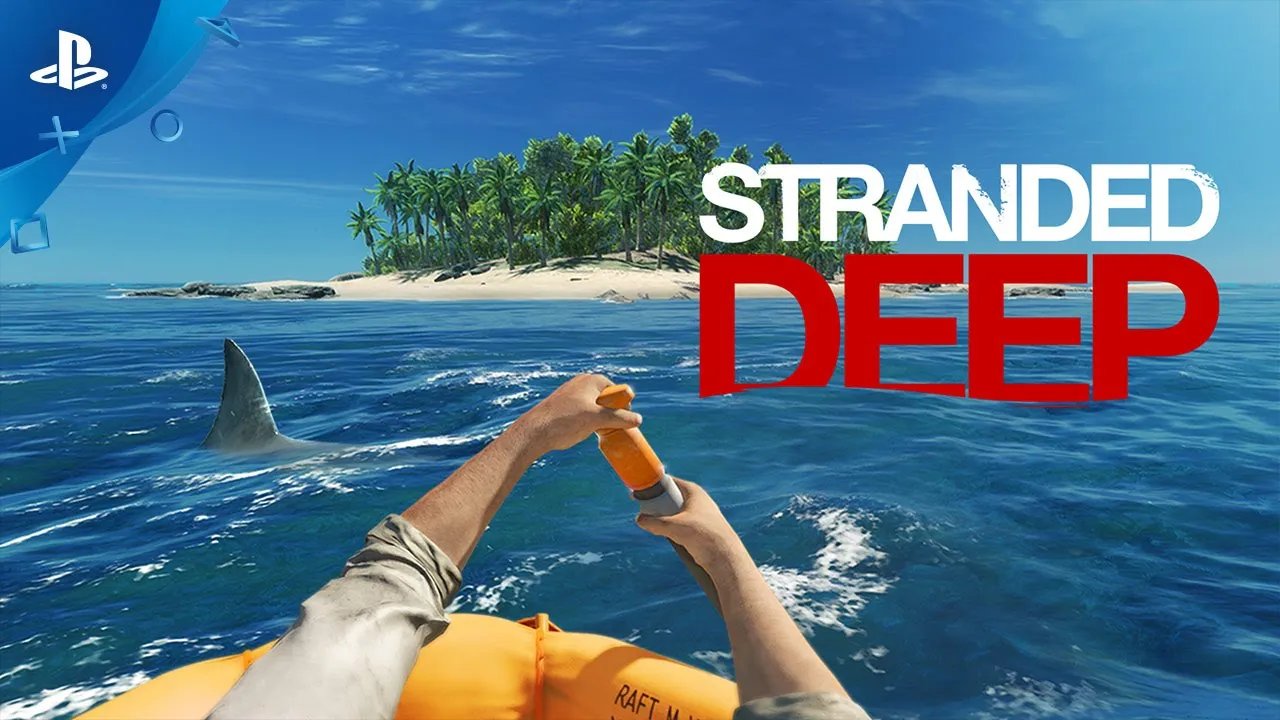
While limited by the technology of its time, Stranded showcased an early example of Unreal Engine's capabilities. The visual direction prioritized a sense of realism and immersion, utilizing textures and lighting to create a believable island environment. While not pushing graphical boundaries, the game effectively conveyed the harshness and beauty of the setting. This image demonstrates the level of detail possible even with early Unreal Engine technology.Gameplay Mechanics and Core Systems
Stranded's gameplay revolved around survival mechanics: resource management, crafting, and exploration. The core systems were elegantly designed, providing a compelling loop of gathering resources to craft tools for further exploration and improvement. This simple yet engaging system kept players invested in the long-term goal of escape. The game's intuitive interface made it accessible to a wide audience, while its depth provided ample challenge for experienced gamers.Level Design and World Atmosphere
The island environment was meticulously crafted, featuring diverse biomes ranging from sandy beaches to dense forests. Level design encouraged exploration and discovery, rewarding players with hidden resources and challenging encounters. The atmosphere was palpable, enhanced by the soundscape and visual cues that conveyed a sense of isolation and danger. This image highlights the varied environments within Stranded's island setting.Narrative Depth and Character Profiles
While primarily focused on gameplay, Stranded subtly incorporated narrative elements through environmental storytelling and limited character interactions. The player's journey was driven by a personal quest for survival and escape, fostering a sense of connection to the virtual world. This minimalist approach allowed players to project their own stories onto the experience, enhancing its replayability.Sound Design and Acoustic Realism
The sound design played a crucial role in creating an immersive experience. Realistic ambient sounds, such as crashing waves and rustling leaves, heightened the sense of presence on the island. The limited soundtrack was strategically used to emphasize key moments and enhance emotional impact. This attention to detail contributed significantly to the game's overall atmosphere.Release Expectations and Community Hype
Despite being released as freeware, Stranded generated significant buzz within the gaming community. Its unique blend of survival mechanics, engaging gameplay, and atmospheric presentation resonated with players seeking a different kind of experience. The subsequent release of Stranded II further fueled interest in the franchise, demonstrating its enduring appeal. This video showcases gameplay footage from Stranded, highlighting its core mechanics and visual style.Conclusion: The Future of Stranded
Stranded remains a testament to the power of innovative game design and technical ingenuity. Its influence can be seen in numerous survival games that followed, solidifying its place as a classic title. While not pushing graphical boundaries, its focus on engaging gameplay and atmospheric presentation ensured its lasting impact on the gaming landscape. The release of Stranded II further cemented its legacy, demonstrating the enduring appeal of this pioneering game.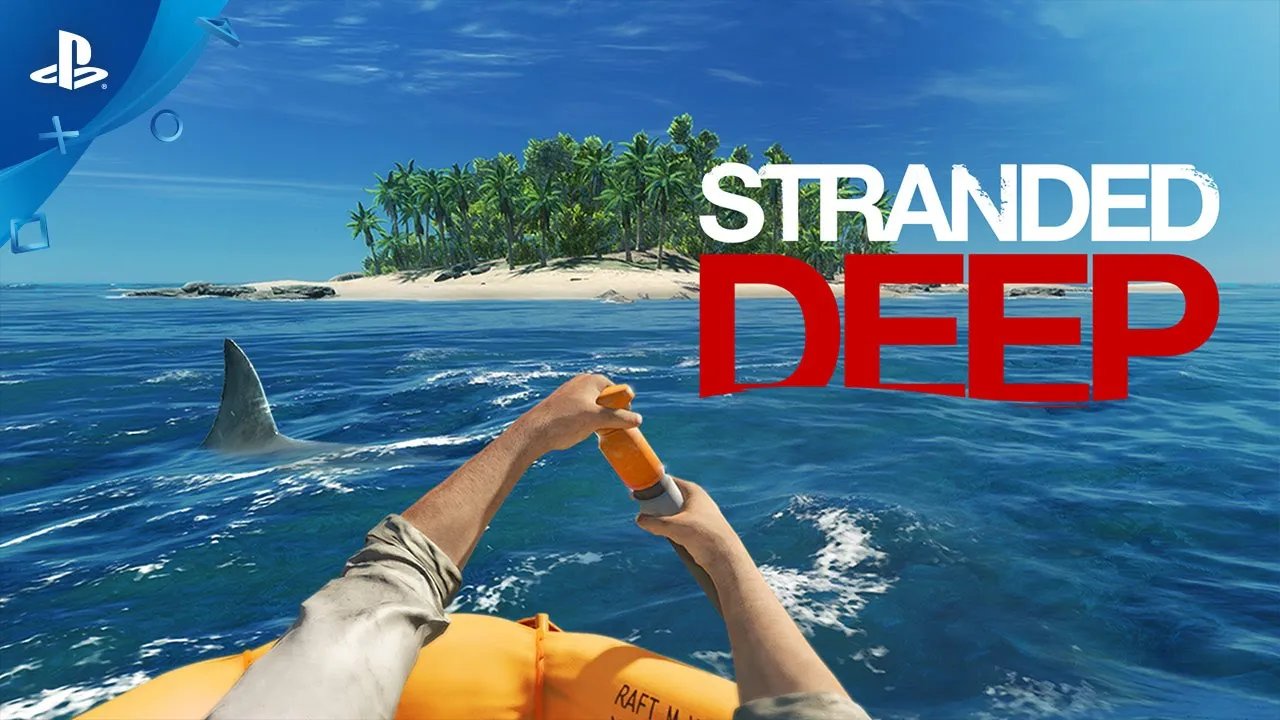
Source: Wikipedia
Google Preferred Source
Add us to your favorite news sources on Google
Get instant updates and breaking news directly in Google News