

Over dit spel
Introduction: The Next Chapter for Stardew Valley
Stardew Valley, a farming simulation RPG developed by Eric “ConcernedApe” Barone, transcends the typical indie darling status. It’s a testament to solo development prowess and a masterclass in crafting engaging gameplay loops. Released in 2016, it has cultivated a dedicated community and continues to evolve, prompting us to revisit its core strengths and potential future directions. This deep-dive review will dissect Stardew Valley’s design philosophy, technical execution, and lasting impact on the gaming landscape.
Visual Direction and Graphics Engineering
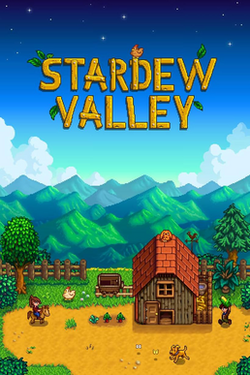
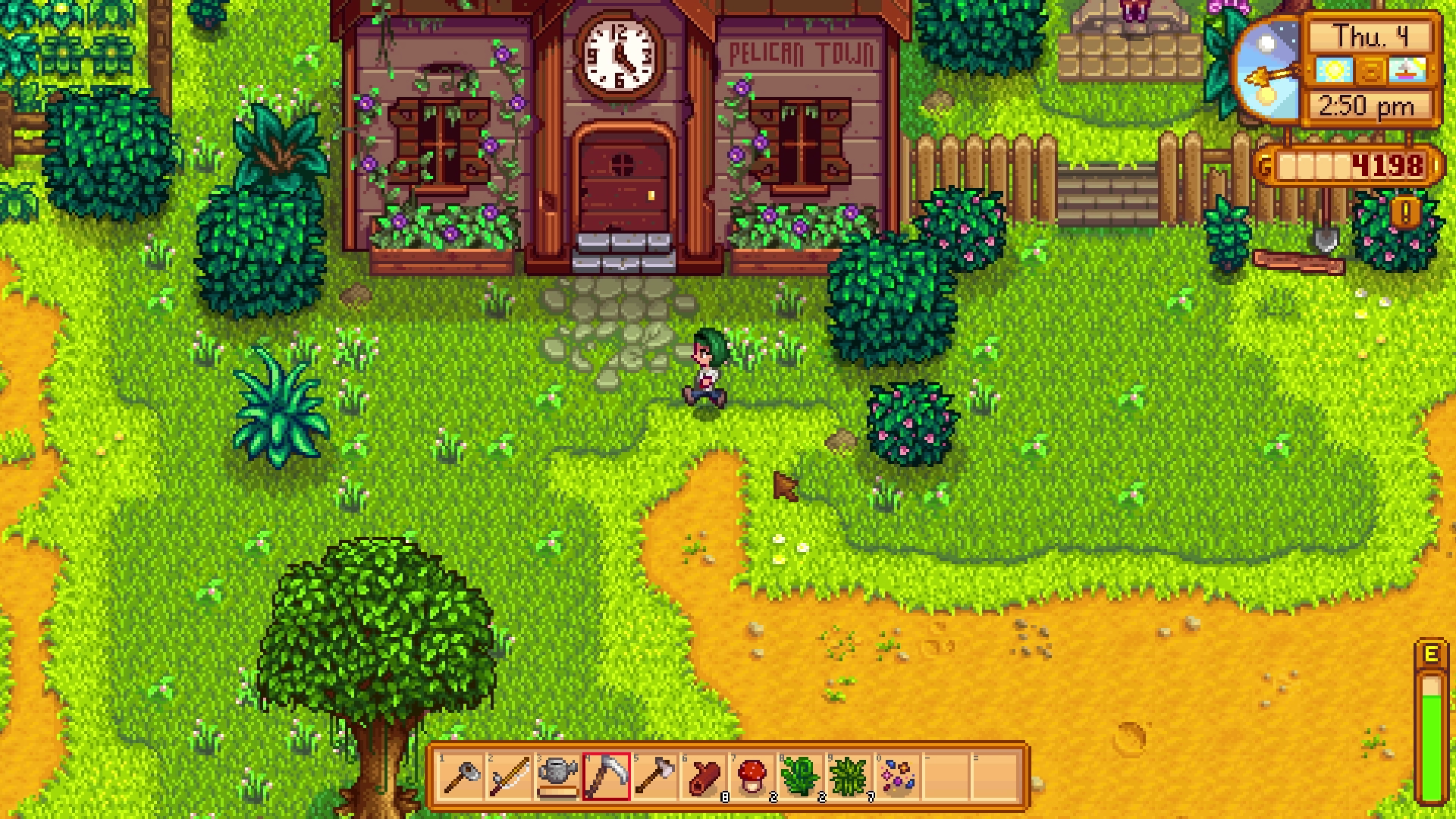
Stardew Valley employs a charming pixel art style that belies its depth. While seemingly simple, the visual direction is meticulously crafted to evoke a sense of warmth and nostalgia. The color palette is carefully chosen to represent each season accurately, from the vibrant greens of spring to the warm hues of autumn. The engine, MonoGame, allows for efficient rendering and scalability across various platforms. While not pushing graphical boundaries, the pixel art style contributes significantly to the game’s overall appeal and accessibility. Future updates could explore subtle enhancements to lighting or animation without sacrificing the core aesthetic.
Gameplay Mechanics and Core Systems
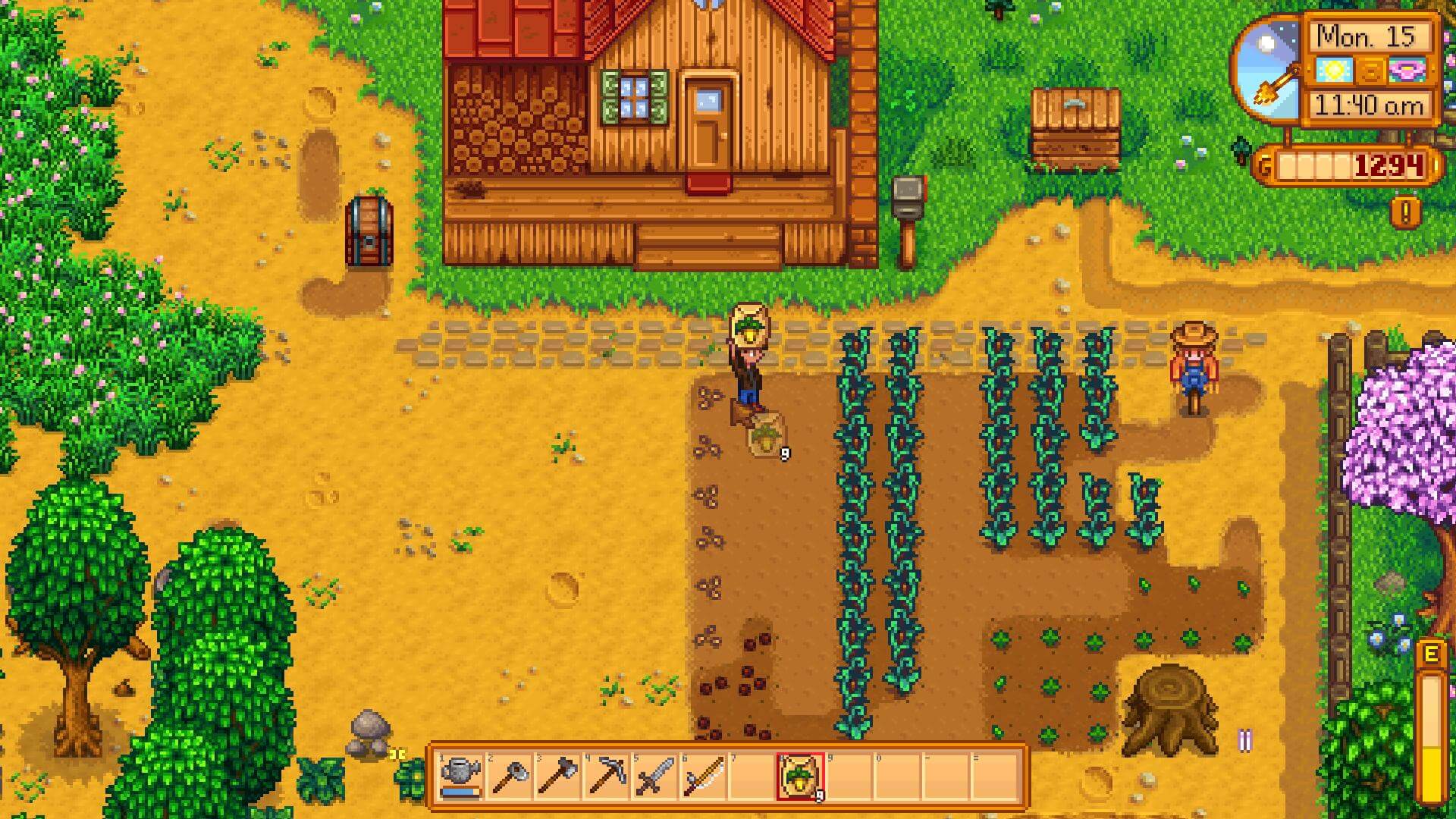
The heart of Stardew Valley lies in its intricate gameplay loop. Players manage a farm by clearing land, planting crops, raising animals, fishing, mining, and foraging. Each activity contributes to the player’s progression, unlocking new skills and opportunities. The game masterfully balances these systems, providing a constant stream of goals and rewards. The inclusion of social interactions with townspeople adds another layer of depth, fostering relationships that can lead to marriage and family. The core mechanics are intuitive yet surprisingly complex, offering endless possibilities for customization and experimentation.
Level Design and World Atmosphere
The world of Stardew Valley is more than just a collection of fields and buildings; it’s a living, breathing ecosystem. Each location, from the bustling town square to the mysterious mines, has its own unique atmosphere and secrets to uncover. The level design encourages exploration and rewards curiosity, with hidden areas and valuable resources waiting to be discovered. The changing seasons also impact the environment, altering the available crops, wildlife, and even the behavior of certain characters. This dynamic world creates a sense of immersion and makes each playthrough feel fresh and engaging.
Narrative Depth and Character Profiles
While seemingly simple on the surface, Stardew Valley boasts a surprisingly rich narrative depth. The story revolves around the player’s journey to revitalize their grandfather’s farm and reconnect with nature. However, it also explores themes of community, environmentalism, and personal growth. The townspeople are not mere NPCs; they have their own backstories, personalities, and motivations. Building relationships with them unlocks new quests, dialogue options, and even romantic possibilities. This focus on character development adds a layer of emotional resonance that elevates the game beyond a simple farming simulator.
Sound Design and Acoustic Realism
The sound design in Stardew Valley is often overlooked but plays a crucial role in creating its immersive atmosphere. The gentle melodies of the soundtrack perfectly complement the gameplay, evoking feelings of tranquility and nostalgia. The sounds of nature, from the chirping of birds to the rustling of leaves, add another layer of realism. The game also features distinct sound effects for each action, providing satisfying feedback to the player. While not groundbreaking, the audio design is consistently effective in enhancing the overall experience.
Release Expectations and Community Hype
Stardew Valley’s initial release was met with widespread acclaim, fueled by positive word-of-mouth and a dedicated online community. The game’s accessibility and depth resonated with players of all ages and backgrounds. The developer’s commitment to supporting the game with regular updates and expansions further solidified its popularity. The success of Stardew Valley has inspired countless indie developers and demonstrated the power of passion projects. The ongoing community hype ensures that the game will continue to thrive for years to come.
Conclusion: The Future of Stardew Valley
Stardew Valley is more than just a game; it’s a cultural phenomenon. Its enduring popularity stems from its combination of engaging gameplay, charming visuals, and heartfelt storytelling. While the core experience remains timeless, there are always opportunities for future enhancements. Potential updates could include new crops, animals, characters, or even entire regions to explore. However, any changes should be implemented with care to preserve the game’s unique charm and appeal. Stardew Valley has already cemented its place in gaming history, and its legacy will continue to inspire players and developers for generations to come.
Source: Wikipedia
Galerij

Praat mee