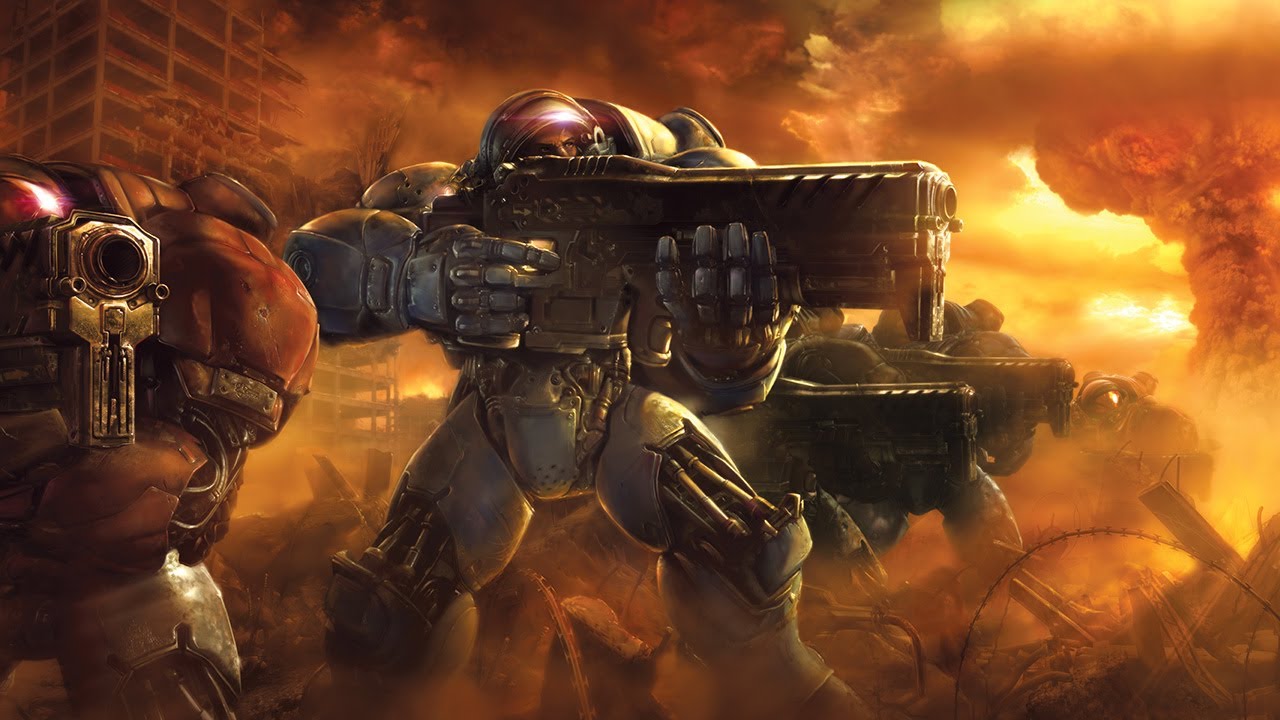
Introduction: The Next Chapter for StarCraft II: Wings of Liberty
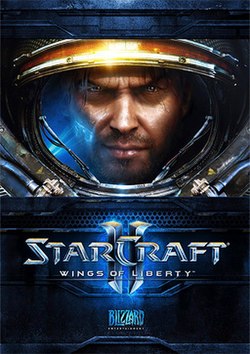
StarCraft II: Wings of Liberty, released in 2010, wasn’t just a sequel; it was the dawn of a new era for Blizzard’s iconic real-time strategy franchise. Building upon the legacy of its predecessor, *StarCraft*, and the expansion *Brood War*, Wings of Liberty introduced players to a refined gameplay experience, stunning visuals, and a compelling narrative centered on the Terran race. The game’s free-to-play model since 2017 has broadened its reach significantly, making it accessible to a new generation of gamers while preserving the core elements that made the original so beloved. This Masterclass Deep-Dive will dissect every facet of Wings of Liberty, from its groundbreaking engine to its unforgettable characters.
Visual Direction and Graphics Engineering
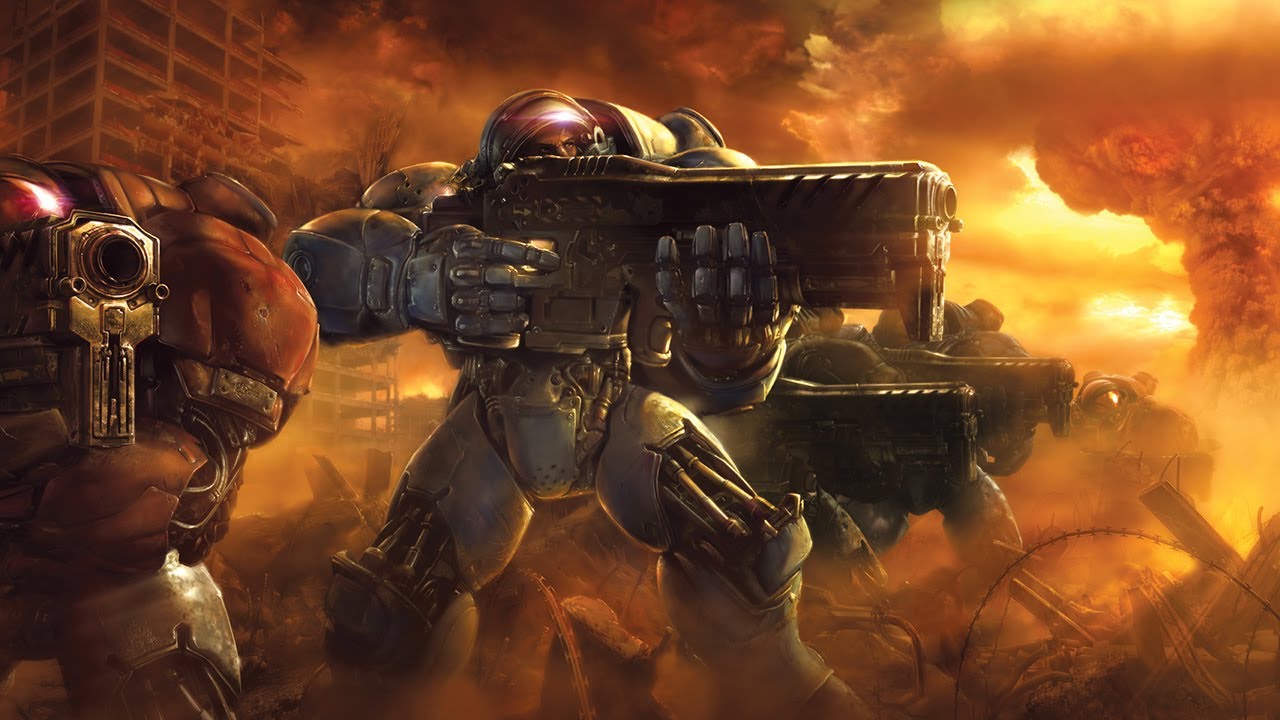
Blizzard Entertainment’s proprietary “Next-Gen” engine powered *StarCraft II: Wings of Liberty*, representing a significant leap in visual fidelity compared to the original *StarCraft*. The game boasts detailed character models, expansive environments rendered with advanced lighting effects, and dynamic particle systems that bring battles to life. While not pushing the boundaries of graphical innovation as seen in some contemporary titles, the engine’s strength lies in its optimization for real-time strategy gameplay. This allowed for large-scale battles with numerous units on screen without significant performance degradation. The visual style is a blend of realism and stylized design, creating a believable yet visually appealing universe.
Gameplay Mechanics and Core Systems
The core gameplay loop in *StarCraft II: Wings of Liberty* remains rooted in the classic RTS formula: gather resources, build bases, train units, and strategically defeat your opponent. However, Blizzard introduced several refinements to enhance the experience. Unit abilities were expanded, offering more tactical options. The interface was streamlined for improved usability, particularly during intense battles. Resource management remained crucial, demanding careful planning and efficient execution. The game’s difficulty curve is well-balanced, providing a challenging yet rewarding experience for both newcomers and veterans of the RTS genre. The multiplayer component is robust, featuring ranked matchmaking and custom games, ensuring endless replayability.
Level Design and World Atmosphere
The level design in *StarCraft II: Wings of Liberty* plays a crucial role in shaping the game’s atmosphere. Each map is meticulously crafted to provide strategic depth and visual appeal. From the bustling Terran cities to the desolate Zerg landscapes, each environment tells a story. The use of dynamic lighting and weather effects further enhances immersion. The campaign missions are diverse, ranging from intense base assaults to intricate rescue operations. The level design encourages players to experiment with different strategies and unit compositions, making each playthrough unique.
Narrative Depth and Character Profiles
The narrative in *StarCraft II: Wings of Liberty* centers on Jim Raynor’s fight against the oppressive Terran Dominion. The story is rich with political intrigue, moral dilemmas, and compelling character arcs. Characters like Kerrigan, Artanis, and Gabriel Reyes (later known as Reaper) are brought to life through excellent voice acting and nuanced writing. The game explores themes of freedom, oppression, and sacrifice, adding depth and emotional resonance to the gameplay experience. The story is presented through a combination of in-game cinematics, dialogue sequences, and environmental storytelling.
Sound Design and Acoustic Realism
The sound design in *StarCraft II: Wings of Liberty* is nothing short of exceptional. Each unit has its own distinct audio cues, creating a symphony of destruction during battles. The soundtrack, composed by Neal Acree and others, perfectly complements the on-screen action, enhancing the sense of urgency and excitement. Environmental sounds, such as wind, rain, and explosions, add to the game’s immersive quality. The sound design is not merely functional; it’s an integral part of the overall experience, contributing significantly to the game’s atmosphere and impact.
Release Expectations and Community Hype
The release of *StarCraft II: Wings of Liberty* was met with immense anticipation from both long-time fans and newcomers alike. Blizzard had built up significant hype in the years leading up to its launch, teasing new features, characters, and storylines. The game’s free-to-play model further fueled excitement, making it accessible to a wider audience. Upon release, *Wings of Liberty* largely delivered on its promises, receiving overwhelmingly positive reviews from critics and players alike. The community embraced the game wholeheartedly, creating countless custom maps, mods, and online communities dedicated to sharing strategies and experiences.
Conclusion: The Future of StarCraft II: Wings of Liberty
*StarCraft II: Wings of Liberty* remains a landmark achievement in real-time strategy gaming. Its blend of refined gameplay mechanics, stunning visuals, compelling narrative, and robust multiplayer component has solidified its place as a classic. While subsequent expansions built upon the foundation laid by *Wings of Liberty*, it will always be remembered as the game that ushered in a new era for the franchise. The transition to a free-to-play model has ensured its continued relevance, allowing new generations of players to experience the thrill of commanding armies and battling for galactic supremacy.
Source: Wikipedia


