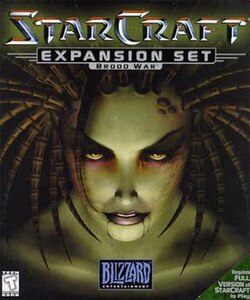
Introduction: The Next Chapter for StarCraft: Brood War
StarCraft: Brood War wasn't just an expansion; it was a culmination. Released in 1998, it built upon the already monumental success of StarCraft, solidifying its place as a cornerstone of real-time strategy gaming. Co-developed by Saffire and Blizzard Entertainment, Brood War delivered on the promise of more content, deeper gameplay, and an expanded universe that captivated players worldwide. It represented a significant leap forward in both scope and ambition, setting a new standard for expansion packs and leaving an indelible mark on the RTS genre. The anticipation surrounding its release was palpable, fueled by the original game's immense popularity and the promise of even greater challenges and rewards.
Visual Direction and Graphics Engineering
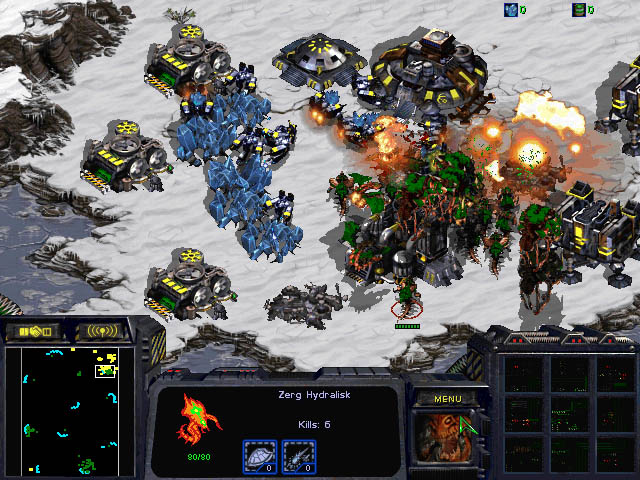
While Brood War didn't revolutionize graphics technology (that was more the domain of games like Half-Life), it refined and expanded upon the visual foundation laid by StarCraft. The proprietary "Next-Gen Engine" (as Blizzard called it) received subtle but impactful upgrades, allowing for denser environments, more detailed unit models, and enhanced particle effects. The art style remained true to its predecessor, maintaining the iconic look that defined the StarCraft universe. However, new map tilesets introduced fresh visual experiences, ranging from lush jungles to desolate wastelands, each contributing to the overall atmosphere of the game. The graphical improvements, while not groundbreaking by today's standards, were perfectly suited to the gameplay and contributed significantly to the immersive experience.Gameplay Mechanics and Core Systems
Brood War expanded upon StarCraft's core gameplay loop with a wealth of new units, abilities, and strategic options for each race: Terran, Zerg, and Protoss. The addition of powerful heroes like Zeratul and Jim Raynor added another layer of tactical depth, allowing players to leverage their unique skills to turn the tide of battle. New upgrades and technologies further customized unit builds and playstyles, encouraging experimentation and adaptation. The AI received improvements, making opponents more challenging and unpredictable. This constant evolution of gameplay mechanics ensured that even veteran players found new challenges and opportunities for mastery.Level Design and World Atmosphere
The level design in Brood War was a masterclass in environmental storytelling. Each campaign mission presented unique challenges and objectives, often requiring players to adapt their strategies on the fly. The introduction of new map tilesets significantly broadened the scope of the game world, allowing players to explore diverse environments ranging from dense forests to arid deserts. These varied landscapes not only provided stunning visuals but also influenced gameplay, forcing players to consider terrain advantages and environmental hazards. The level design was intricately woven with the narrative, creating a cohesive and immersive experience that drew players deeper into the StarCraft universe.Narrative Depth and Character Profiles
Brood War continued the epic storyline of StarCraft, delving deeper into the motivations and conflicts of its iconic characters. New campaigns explored the perspectives of both familiar faces and intriguing new additions to the cast. The narrative was rich with political intrigue, betrayals, and heroic sacrifices, creating a compelling drama that kept players invested in the fate of the Koprulu Sector. Characters like Kerrigan underwent significant transformations, adding layers of complexity to their personalities and motivations. The writing team, led by Chris Metzen, crafted a story that resonated with players long after they finished playing.Sound Design and Acoustic Realism
The sound design in Brood War was crucial to creating an immersive and engaging experience. From the iconic Terran Marine's "This is Marine! Come in!" callout to the chilling sounds of the Zerg Swarm, every audio cue played a vital role in conveying information and building tension. The soundtrack, composed by Tracy W. Bush, Jason Hayes, and Glenn Stafford, perfectly complemented the on-screen action, enhancing the emotional impact of key moments. The sound effects were meticulously crafted to provide realistic feedback for player actions, further immersing them in the world of StarCraft.Release Expectations and Community Hype
The release of Brood War was met with immense anticipation from the gaming community. Having already established itself as a global phenomenon, StarCraft had cultivated a dedicated fanbase eager for more content and deeper gameplay. The promise of new campaigns, units, and upgrades fueled speculation and excitement in online forums and gaming magazines. Blizzard capitalized on this hype by releasing trailers and screenshots that showcased the game's enhanced visuals and expanded universe. The release itself was a major event, with players worldwide logging on to experience the next chapter in the StarCraft saga.Conclusion: The Future of StarCraft: Brood War
StarCraft: Brood War remains a timeless classic, a testament to Blizzard's commitment to quality and innovation. Its enduring popularity is evident in its continued presence in online communities and competitive gaming scenes. While newer RTS games have emerged, Brood War's unique blend of strategic depth, compelling narrative, and iconic characters continues to resonate with players old and new. The release of StarCraft: Remastered further cemented its legacy, bringing the game to a new generation while preserving its original charm. Its influence can be seen in countless games that followed, solidifying its place as a cornerstone of the RTS genre.
Source: Wikipedia
Google Preferred Source
Add us to your favorite news sources on Google
Get instant updates and breaking news directly in Google News