Introduction: The Next Chapter for Star Wars: The Force Unleashed
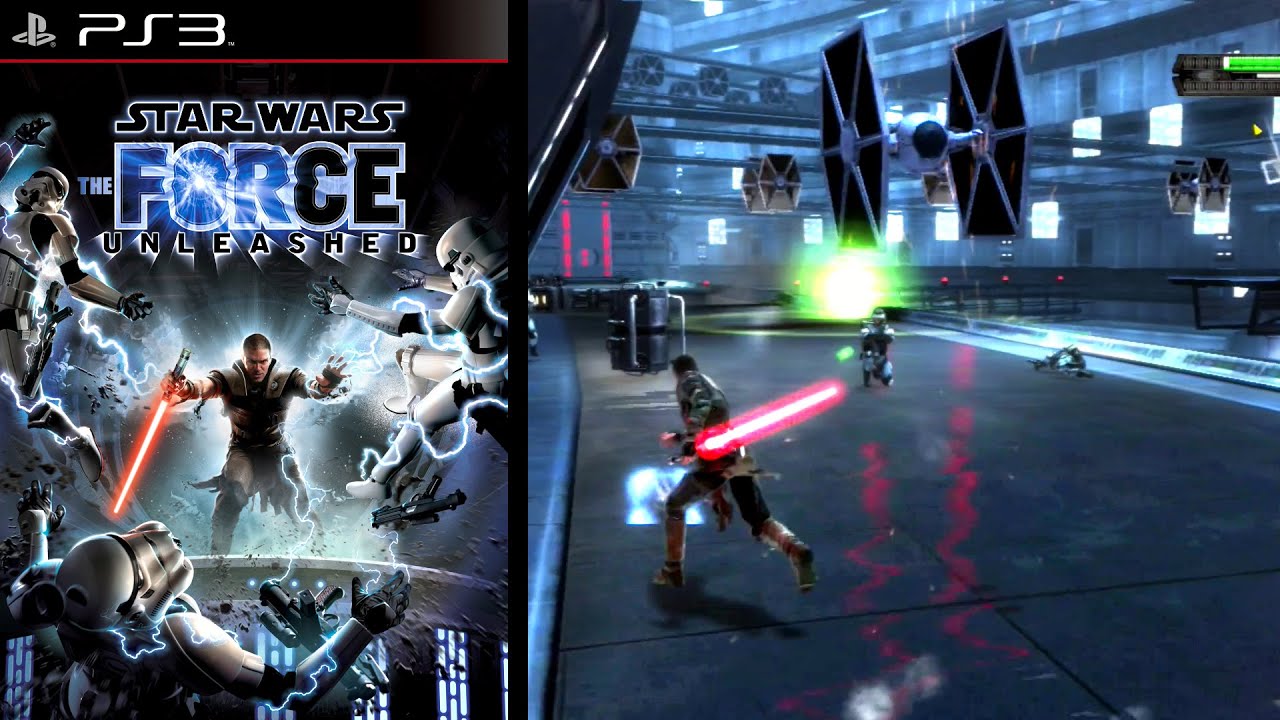
Star Wars: The Force Unleashed arrived in 2008 as a bold experiment, bridging the gap between Episodes III and IV. Developed by LucasArts (with various studios handling different platforms), it offered players a unique perspective on Darth Vader’s machinations and introduced Starkiller, a powerful apprentice tasked with eliminating Jedi survivors. This Masterclass delves into the game’s development, exploring its technical achievements, narrative ambitions, and lasting impact on the Star Wars universe. The initial release spanned multiple platforms, from high-powered consoles like PS3 and Xbox 360 to more modest devices such as the Nintendo DS and even mobile phones, showcasing impressive adaptability in game engine design.
Visual Direction and Graphics Engineering
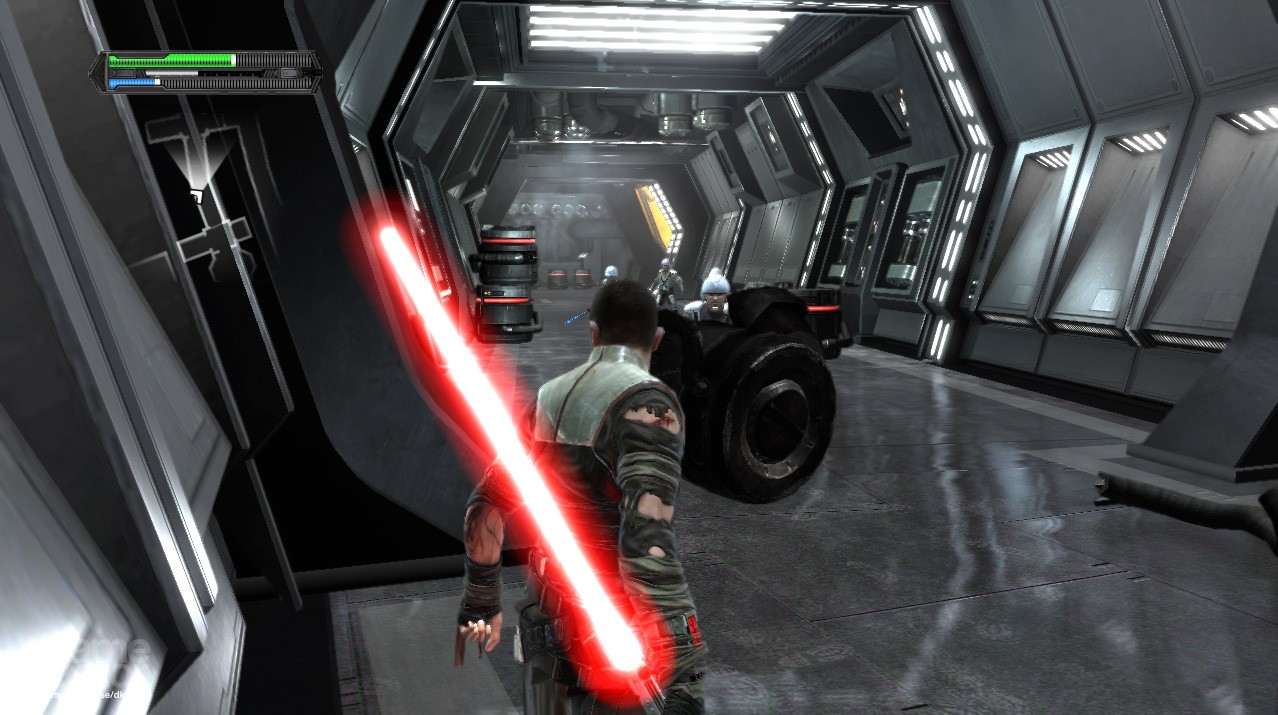
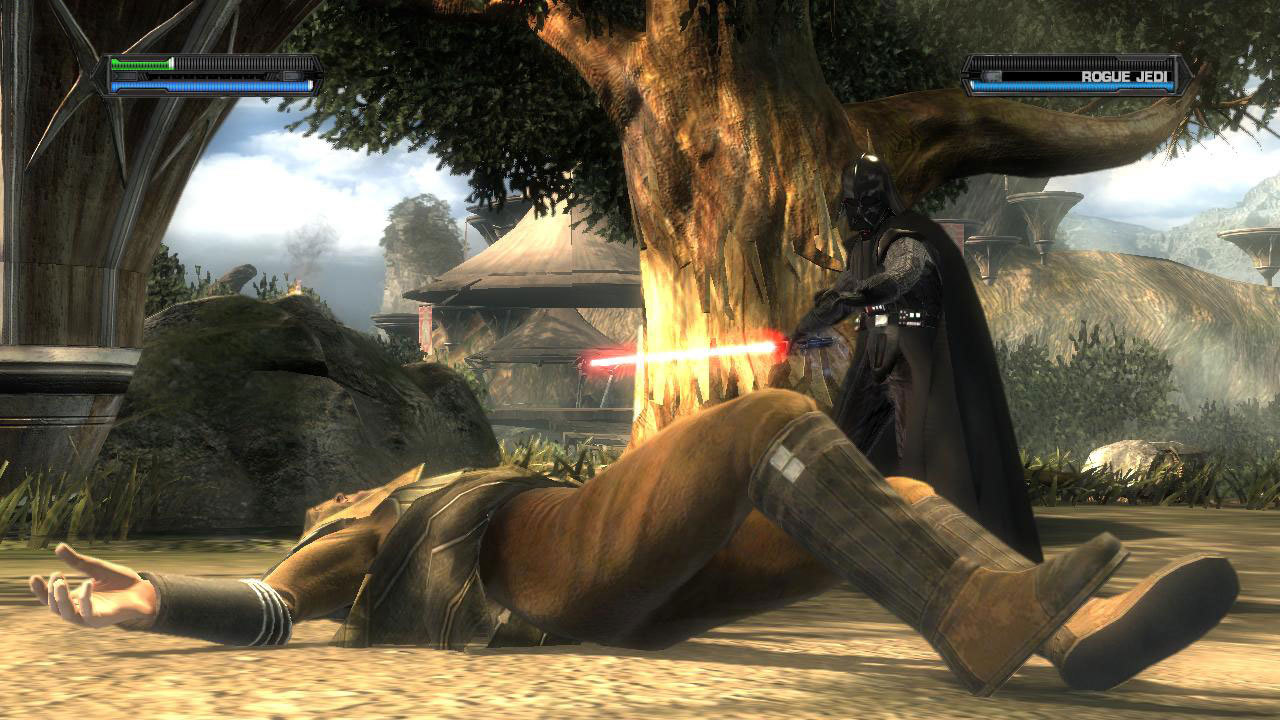
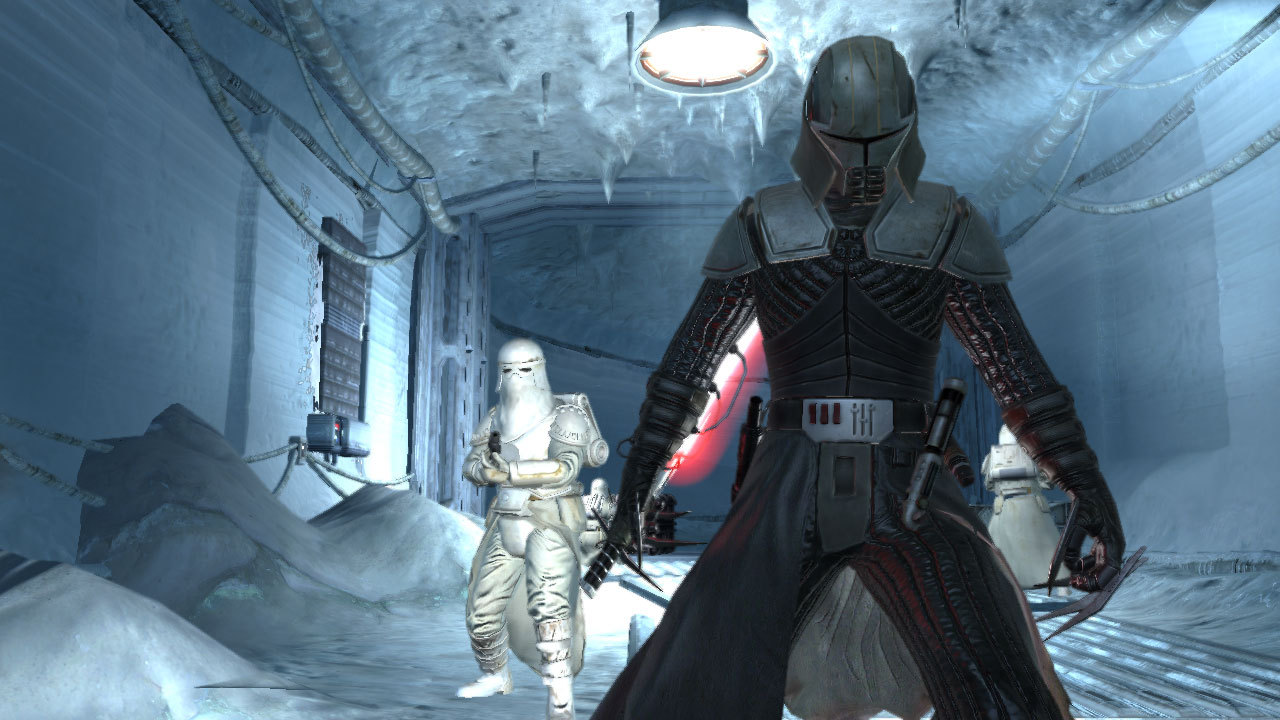
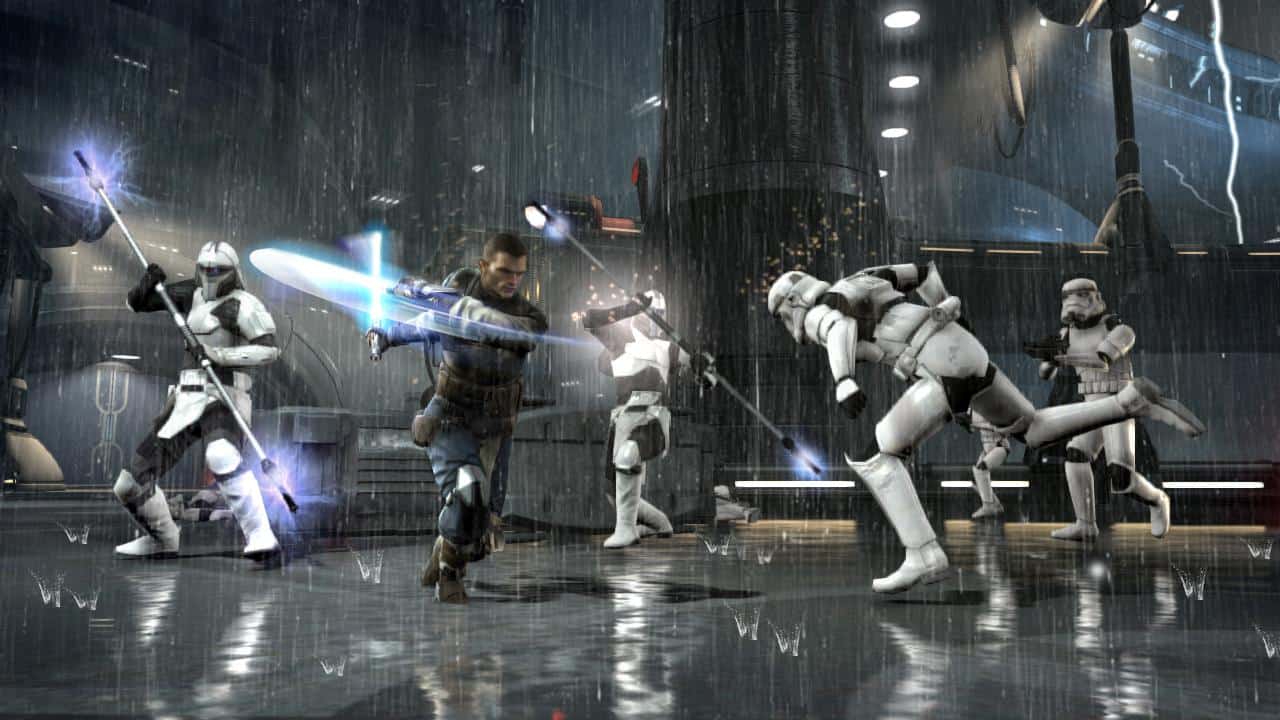
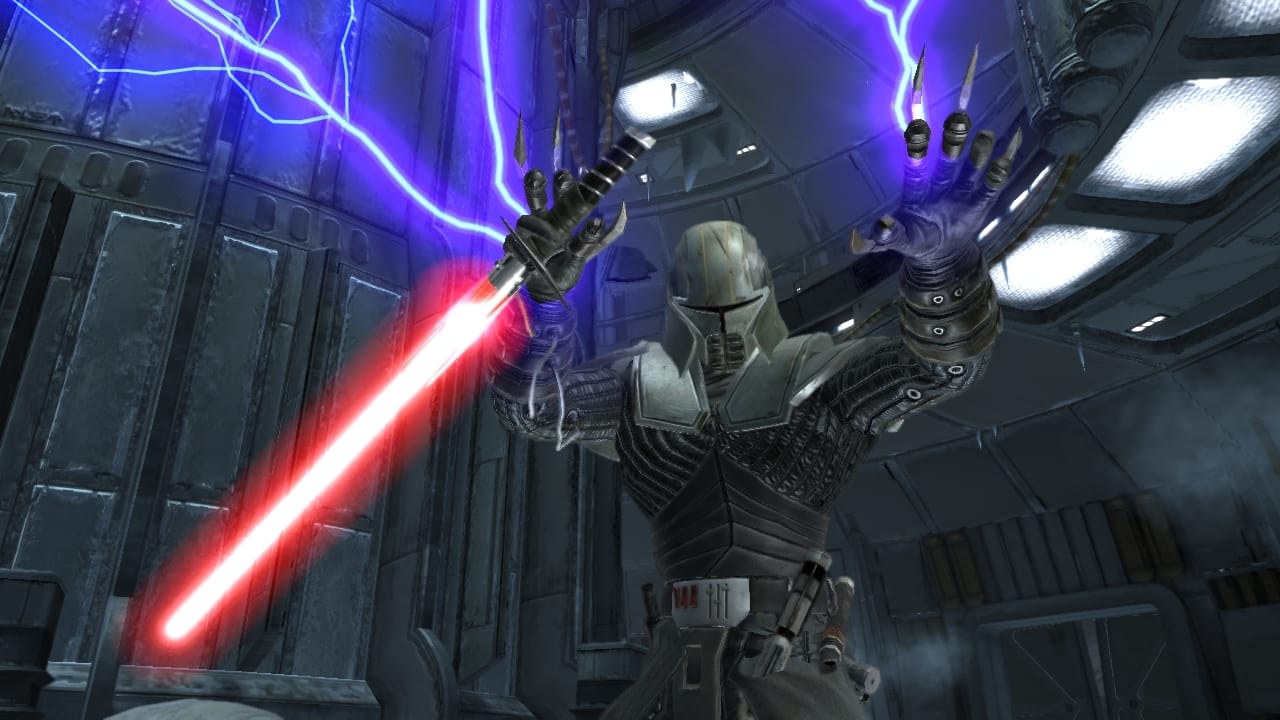
The visual direction of *Star Wars: The Force Unleashed* aimed for a balance between capturing the iconic aesthetic of the Star Wars universe and pushing the graphical capabilities of its target platforms. While not reaching the photorealistic heights of later titles, the game delivered impressive particle effects, detailed character models (especially Darth Vader), and expansive environments. The proprietary engine allowed for dynamic lighting and shadowing, enhancing the atmosphere of key locations like the Death Star and various planets. The Wii version, while graphically simpler, still managed to capture the essence of the experience with clever use of color palettes and stylized visuals. Aspyr’s enhanced remaster on Nintendo Switch brought a significant visual upgrade, showcasing the game’s potential even after years.
Gameplay Mechanics and Core Systems
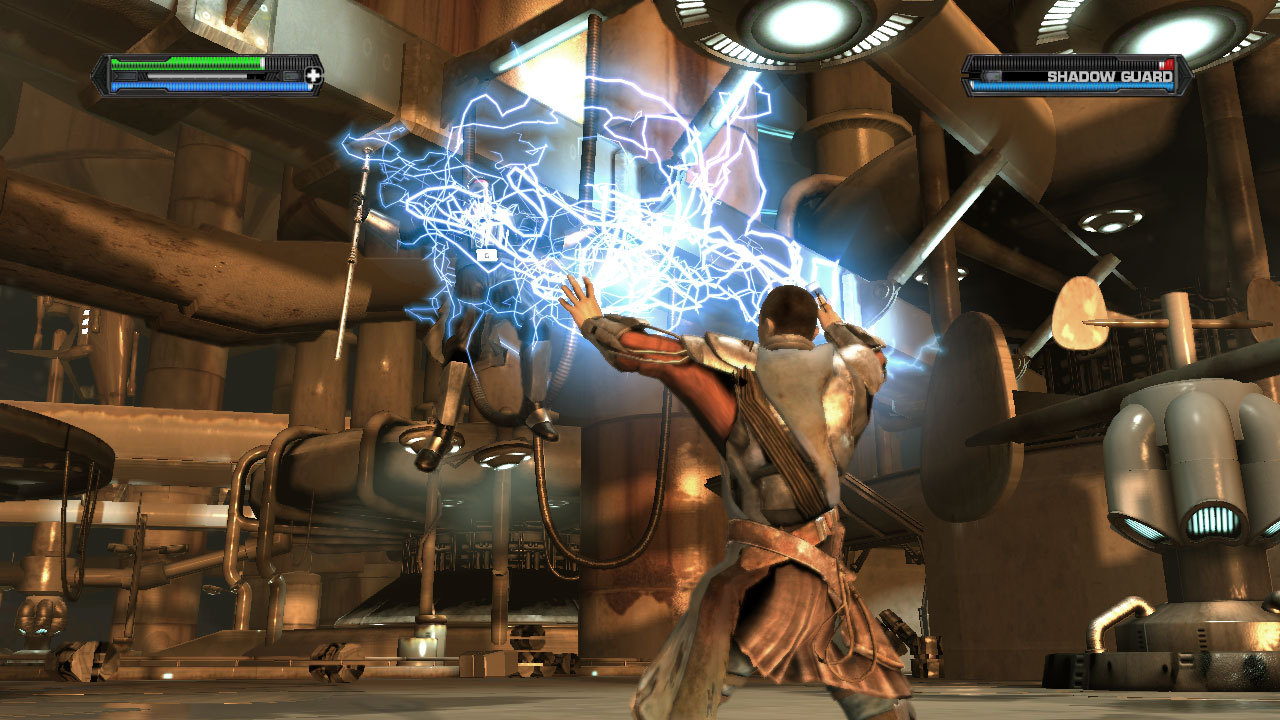
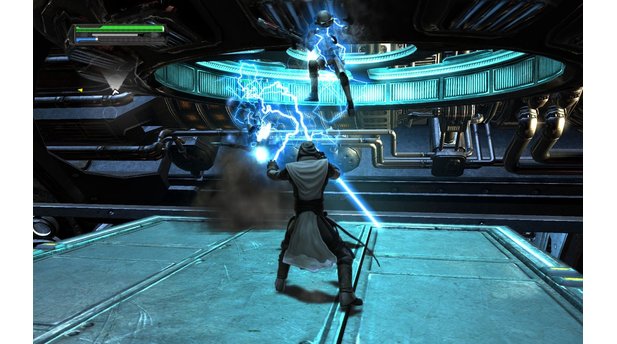
The gameplay in *Star Wars: The Force Unleashed* centered around Starkiller’s mastery of the Force. Players could manipulate objects, levitate enemies, unleash devastating attacks, and utilize various Force powers to overcome challenges. The combat system was designed to be both accessible and deep, allowing for a wide range of playstyles. Starkiller’s signature move, “Galactic Marquee,” allowed him to grab multiple enemies and hurl them into each other, creating spectacular displays of destruction. The game also featured vehicle sections, including piloting battleships and speeder bikes, adding variety to the gameplay experience.
Level Design and World Atmosphere
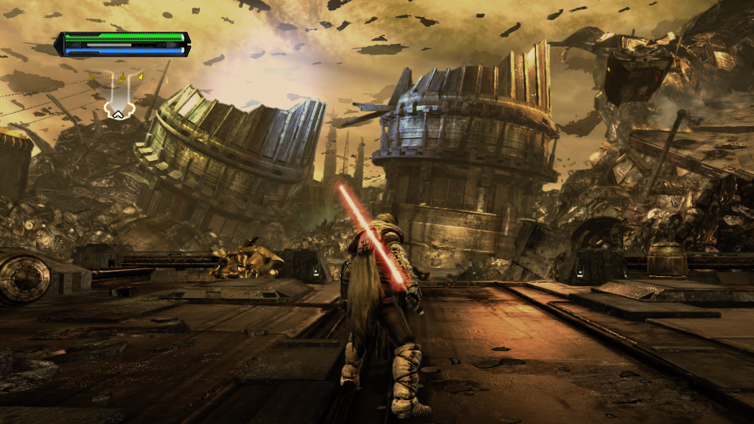
The level design in *Star Wars: The Force Unleashed* was crucial in establishing a sense of scale and immersion. Players explored iconic locations like the Death Star, various planets, and rebel bases, each meticulously crafted to reflect its place within the Star Wars universe. The game cleverly used environmental storytelling, revealing details about the events unfolding around Starkiller. The level design often incorporated puzzles and challenges that required players to utilize their Force powers creatively.
Narrative Depth and Character Profiles
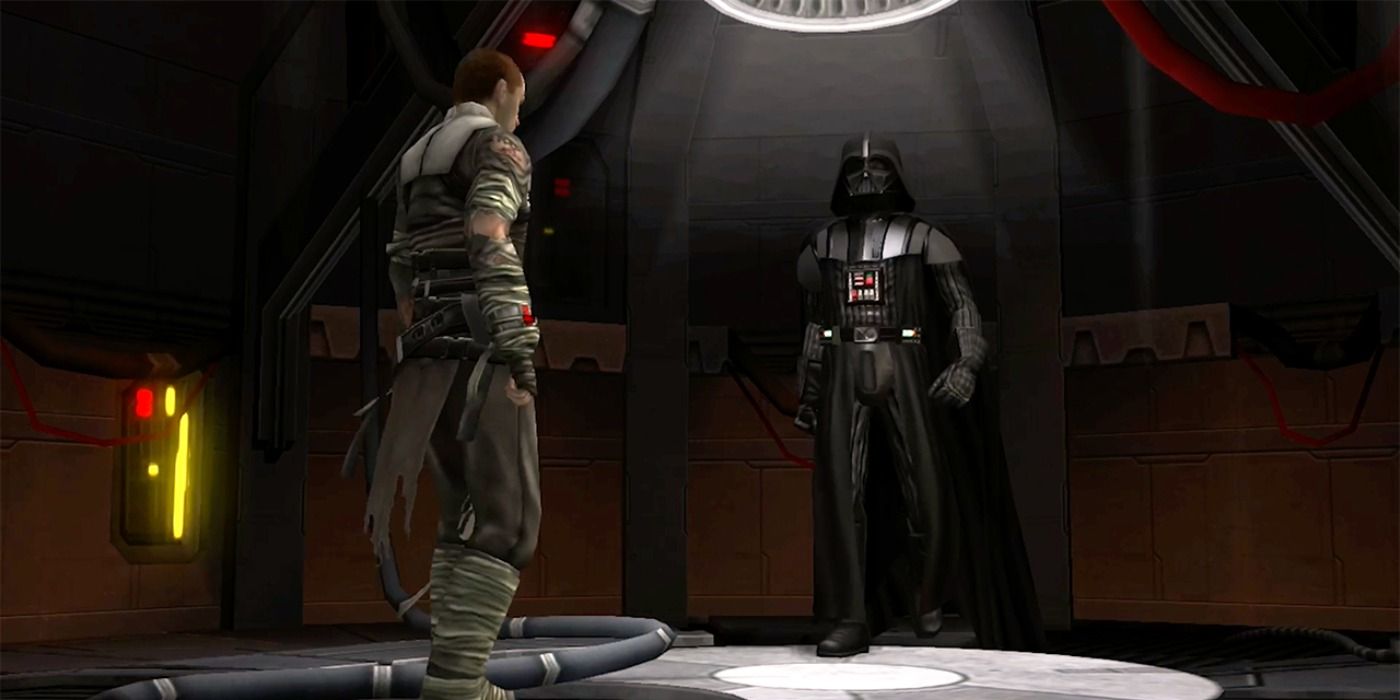
*Star Wars: The Force Unleashed* offered a compelling narrative that explored Darth Vader’s methods of maintaining control over the galaxy. The game introduced Starkiller, a complex character torn between his loyalty to Vader and his own growing sense of morality. Supporting characters like Juno Eclipse, a rebel spy who becomes an uneasy ally to Starkiller, added depth and intrigue to the story. The narrative cleverly intertwined with existing Star Wars lore, providing context for events leading up to Episode IV.
Sound Design and Acoustic Realism
The sound design in *Star Wars: The Force Unleashed* was integral to creating a believable and immersive experience. Iconic sounds from the original trilogy, such as lightsaber clashes and TIE fighter engines, were faithfully recreated. The game also featured a dynamic soundtrack that responded to the on-screen action, enhancing the intensity of key moments. The voice acting was generally well-received, with James Arnold Taylor delivering a memorable performance as Starkiller.
Release Expectations and Community Hype
Prior to its release, *Star Wars: The Force Unleashed* generated significant hype within the Star Wars community. The prospect of playing as Darth Vader’s secret apprentice and exploring events between Episodes III and IV was highly appealing. Marketing materials emphasized the game’s action-packed gameplay and cinematic presentation. While some initial reviews were mixed, praising the gameplay but criticizing certain aspects of the story, the overall reception was positive, fueled by the game’s unique premise and satisfying combat system.
Conclusion: The Future of Star Wars: The Force Unleashed
*Star Wars: The Force Unleashed* remains a significant entry in the Star Wars gaming landscape. Its innovative gameplay mechanics, compelling narrative, and unique perspective on Darth Vader’s reign solidified its place as a fan favorite. Aspyr’s Nintendo Switch remaster breathed new life into the title, showcasing its enduring appeal. While not without its flaws, *Star Wars: The Force Unleashed* successfully expanded the Star Wars universe and provided players with an unforgettable experience.
Source: Wikipedia