Introduction: The Next Chapter for Star Wars: Republic Commando
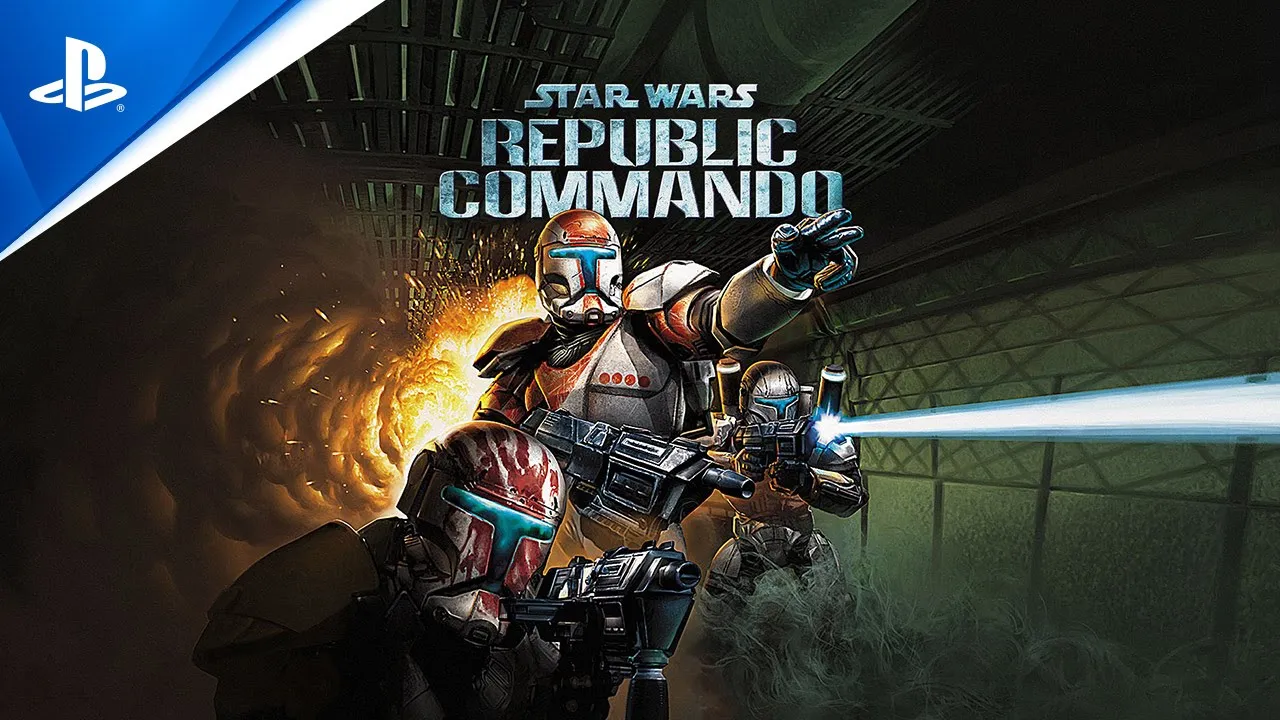
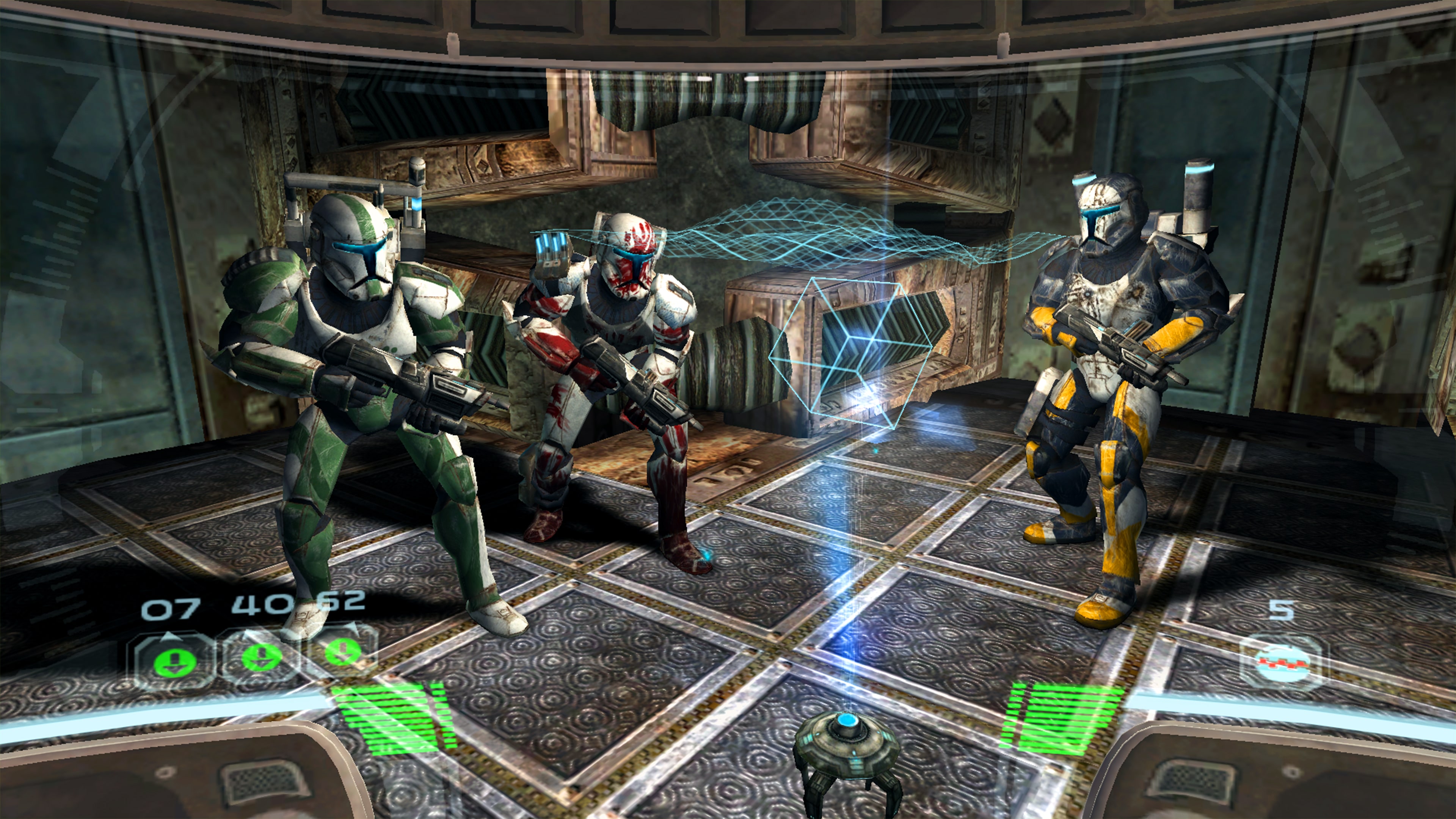
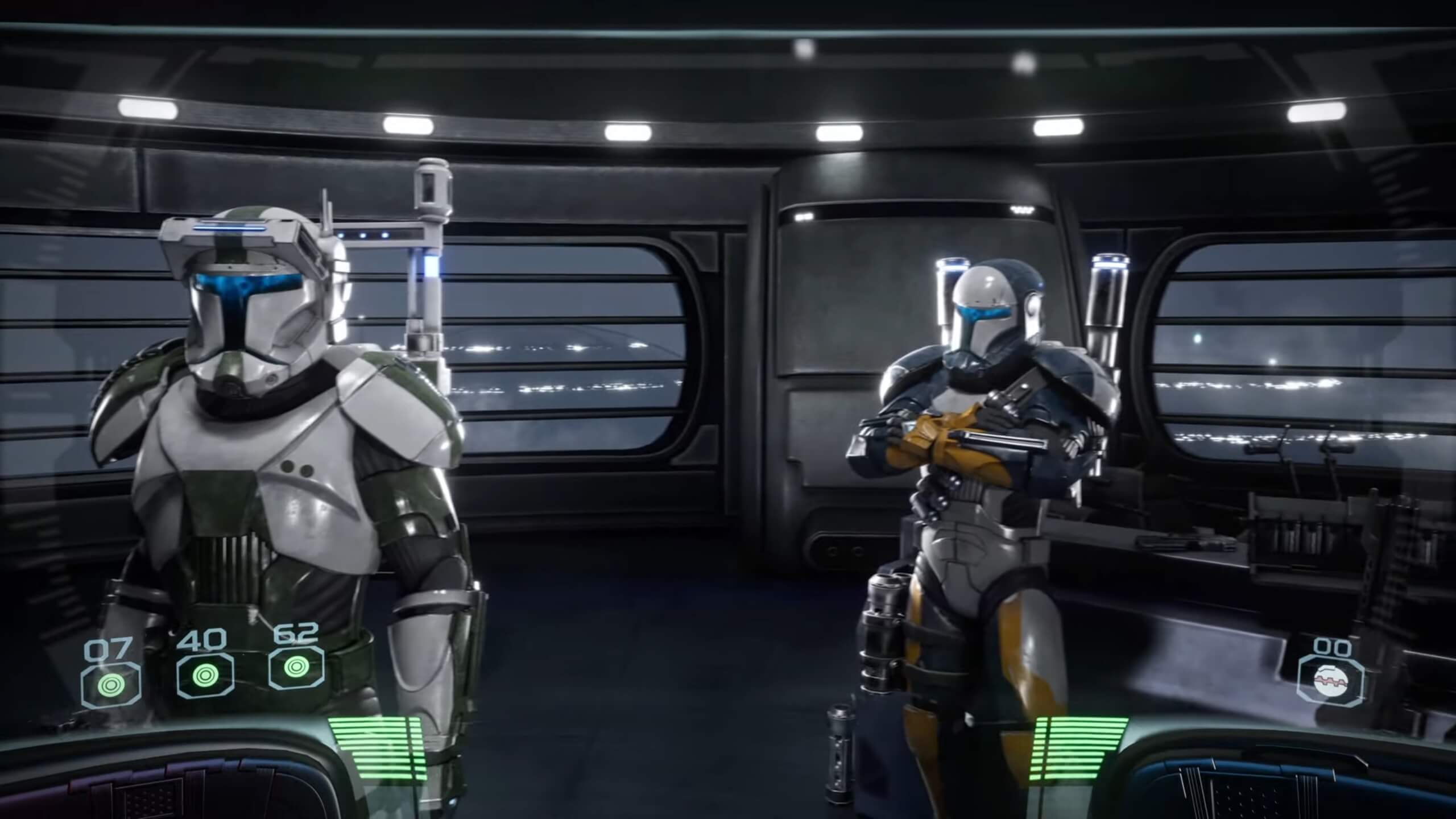
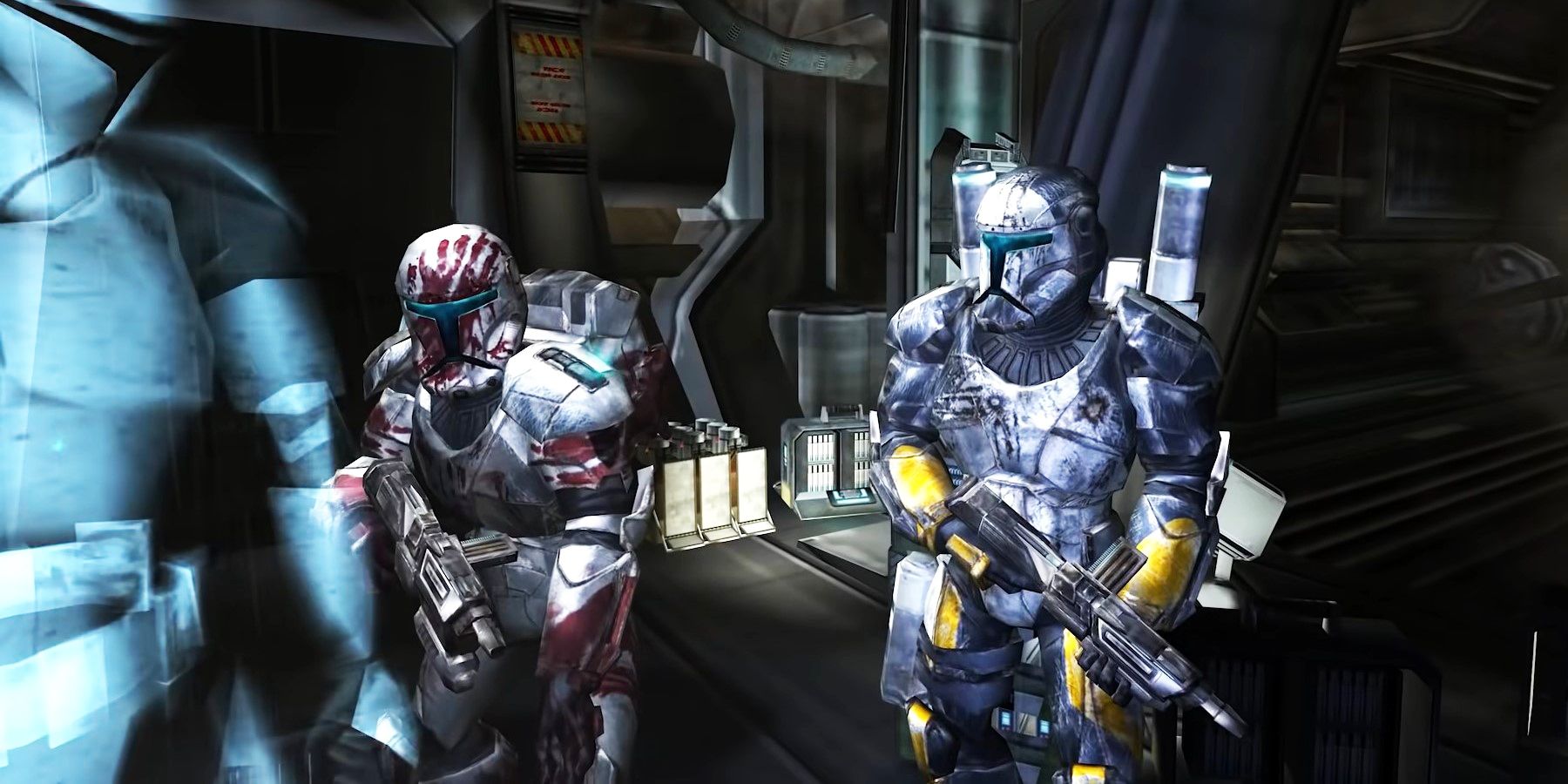
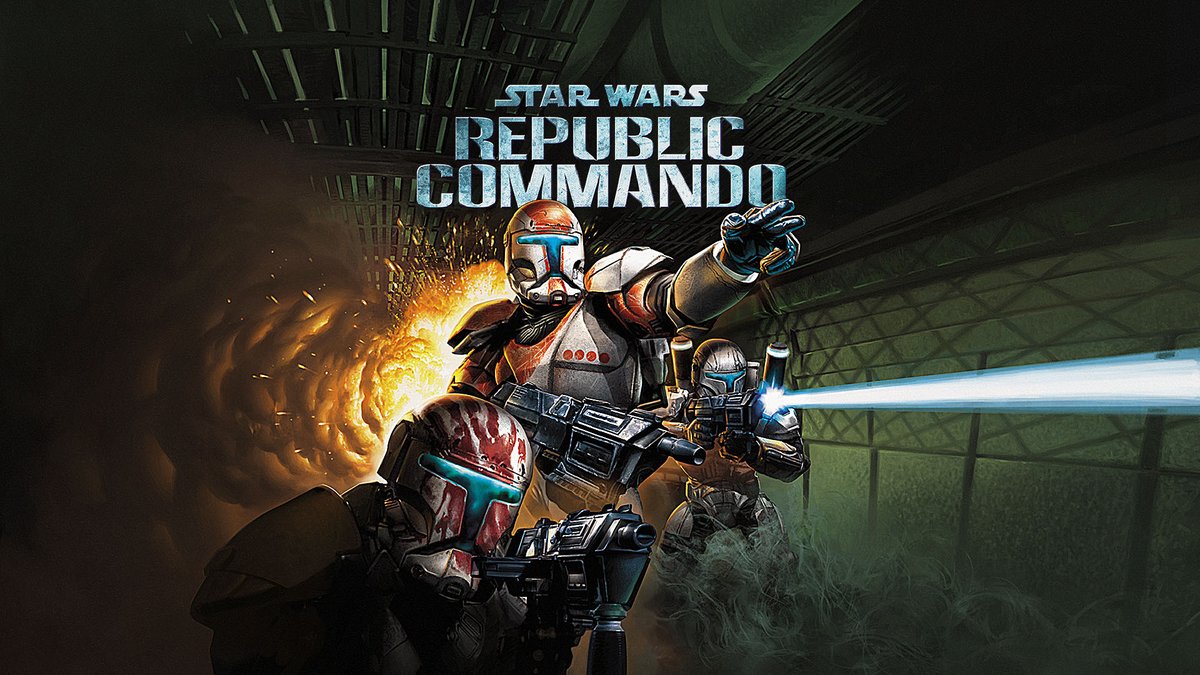
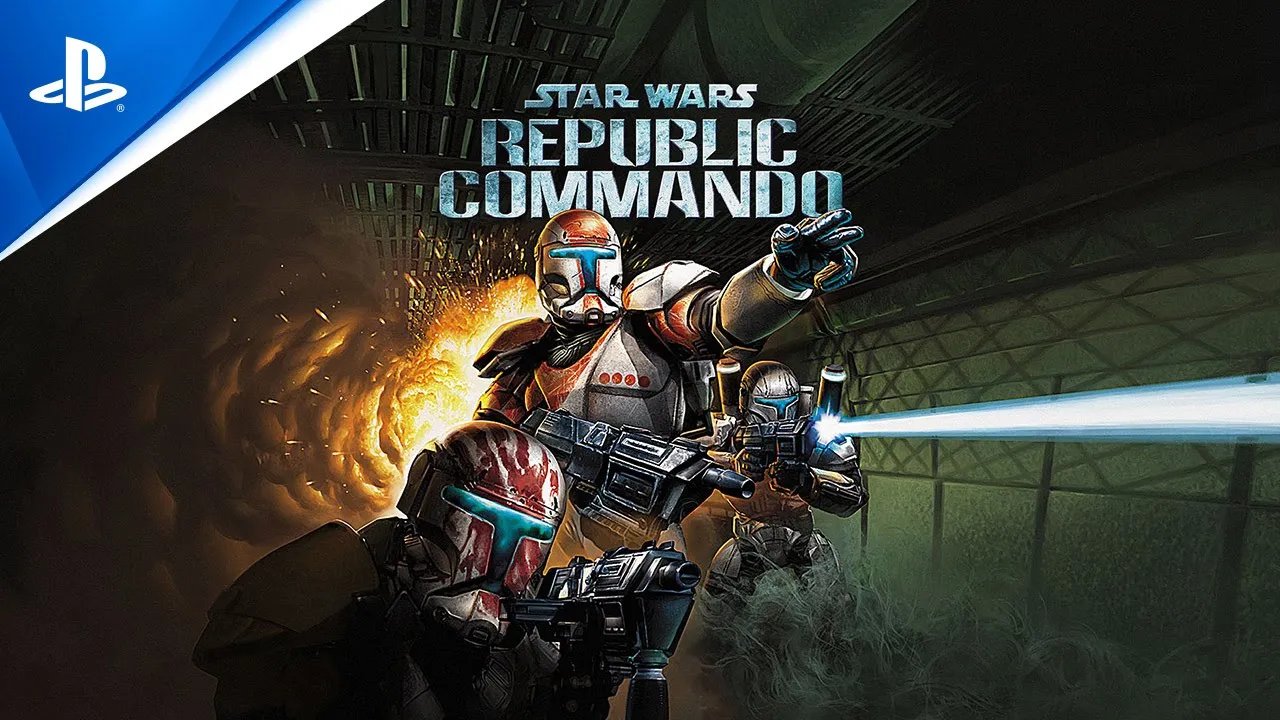
Star Wars: Republic Commando, released in 2005, wasn’t just another shooter capitalizing on the iconic franchise. It was a bold attempt to deliver a unique tactical experience within the Star Wars universe, focusing on the gritty reality of clone trooper operations during the Clone Wars. Developed by LucasArts and built upon the Unreal Engine 2, the game distinguished itself with its focus on squad-based tactics, offering players direct control over Boss, the leader of Delta Squad, while issuing commands to his fellow clones: Scorch, Fixer, and Sev. This Masterclass Deep-Dive will dissect every facet of Republic Commando, from its visual direction and gameplay mechanics to its narrative depth and lasting impact on the Star Wars gaming landscape.
Visual Direction and Graphics Engineering
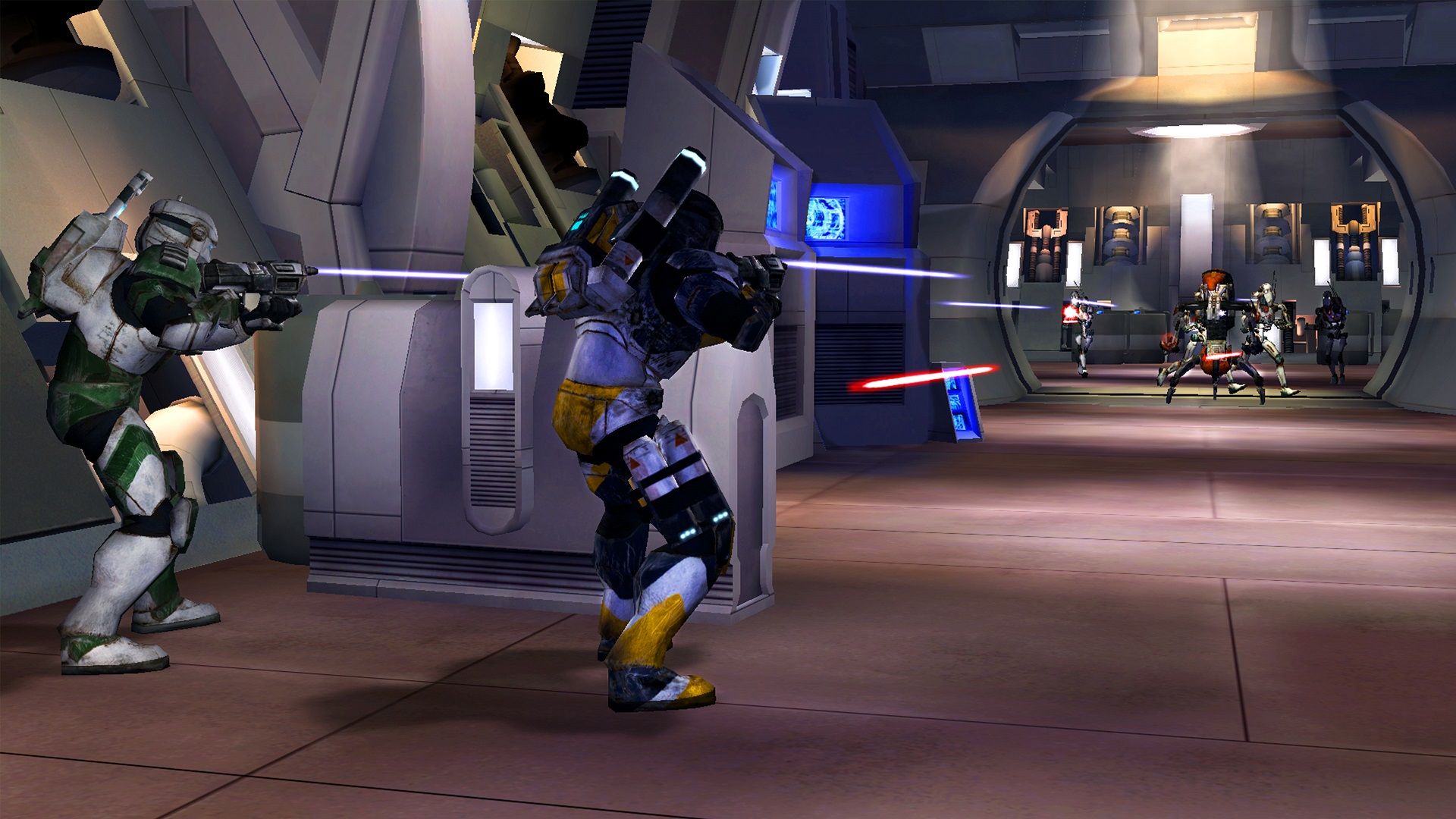
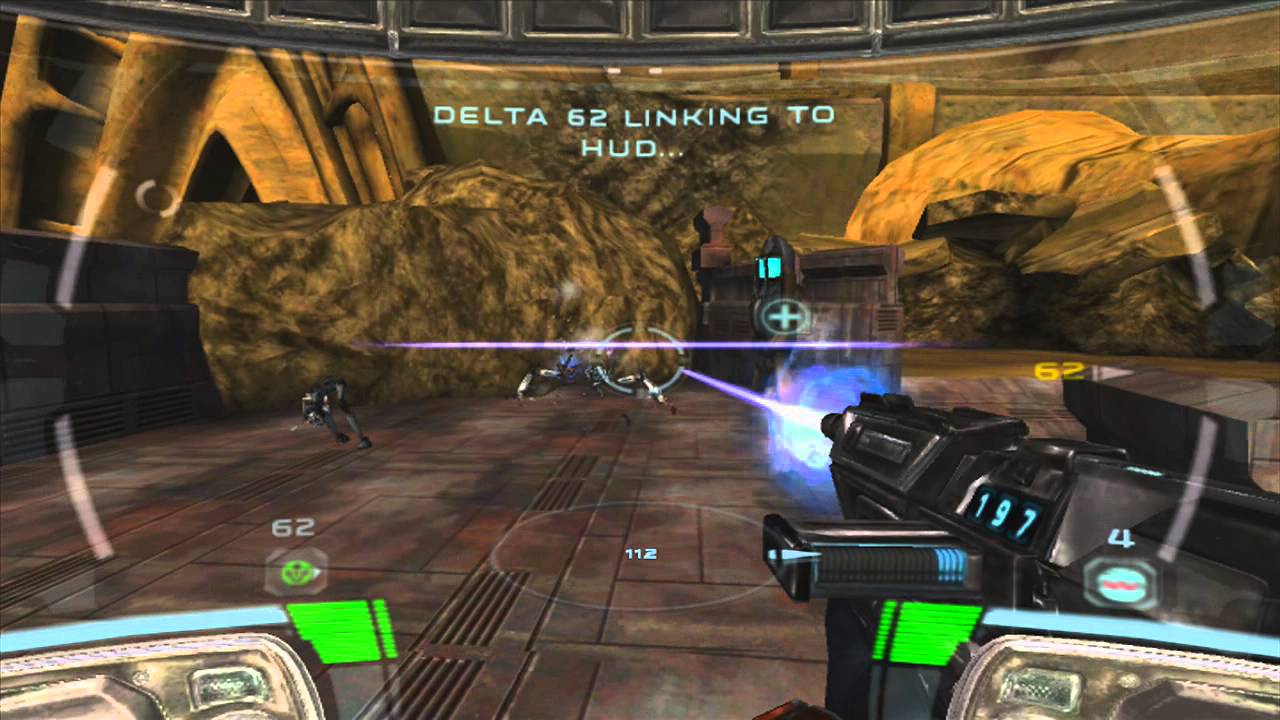
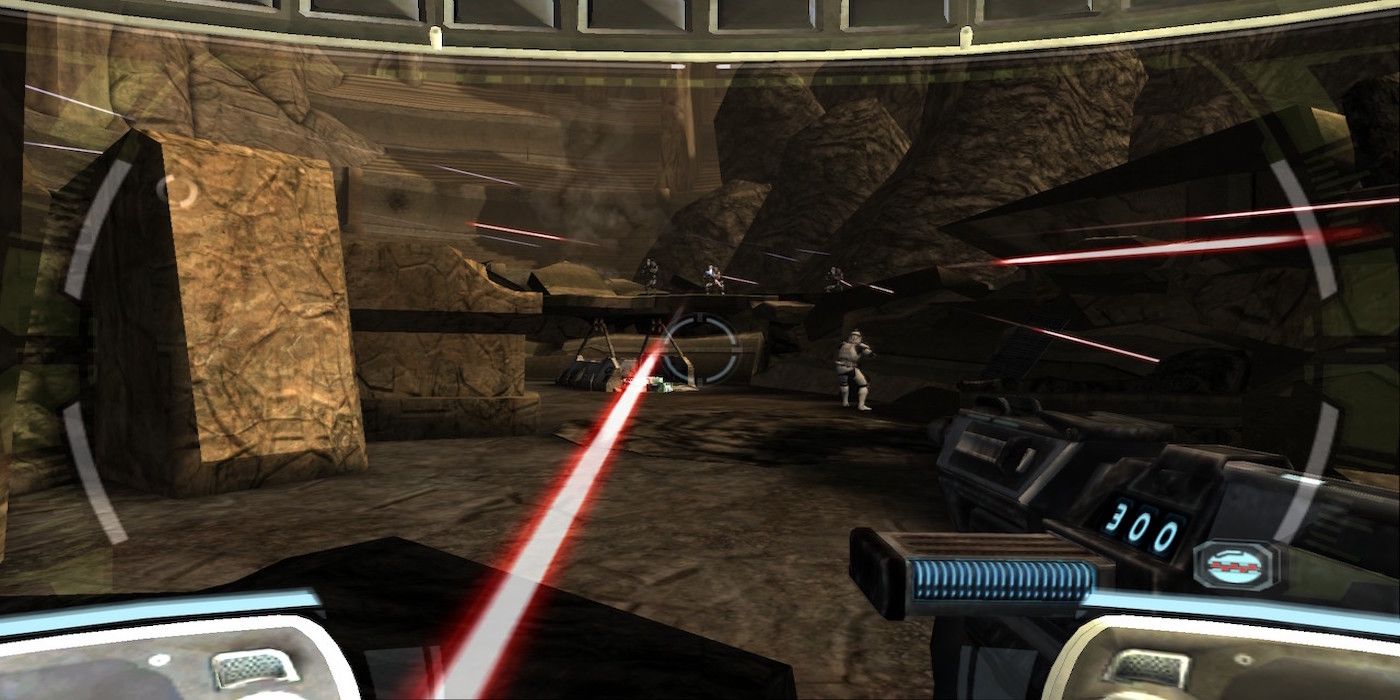
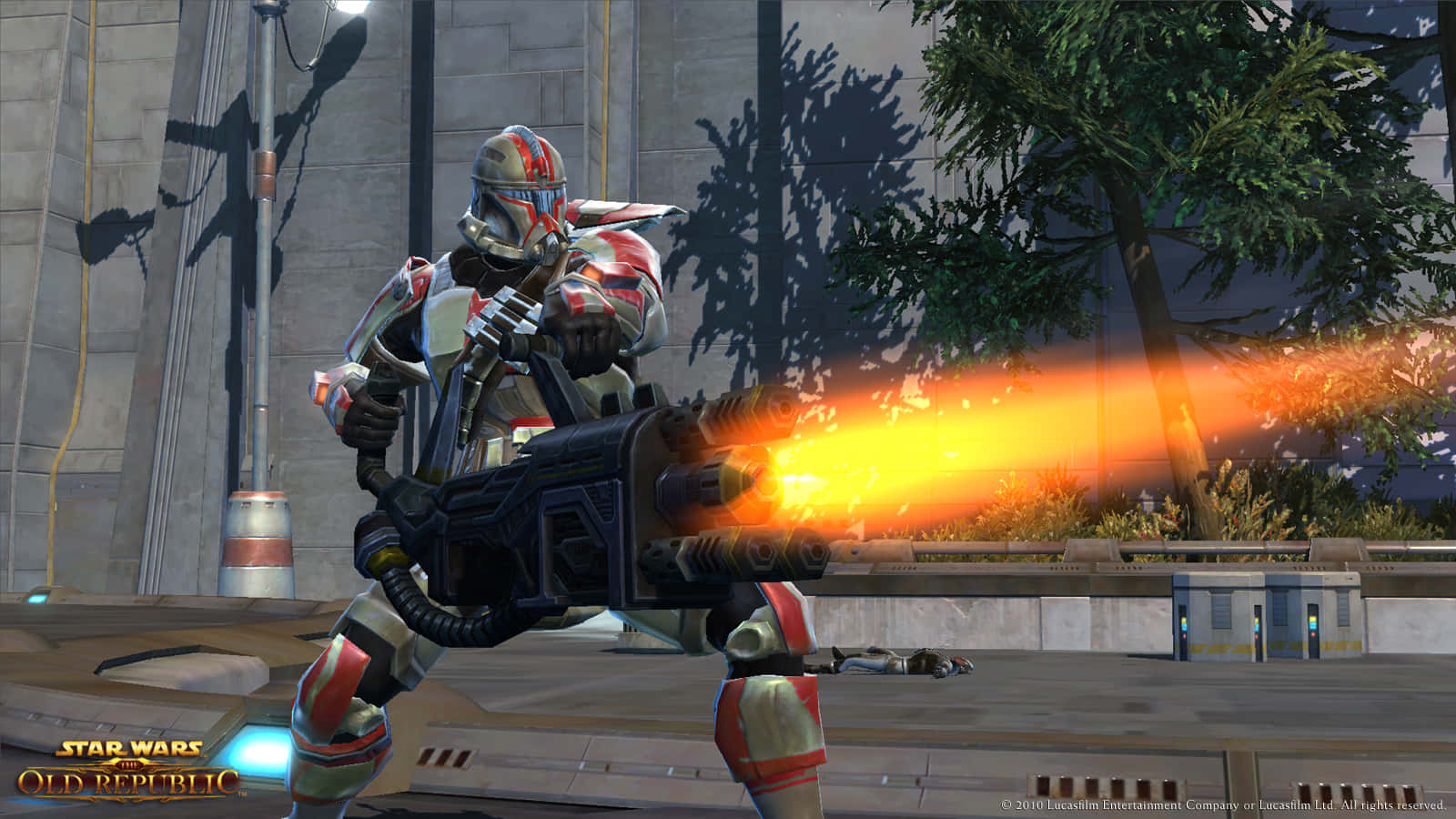
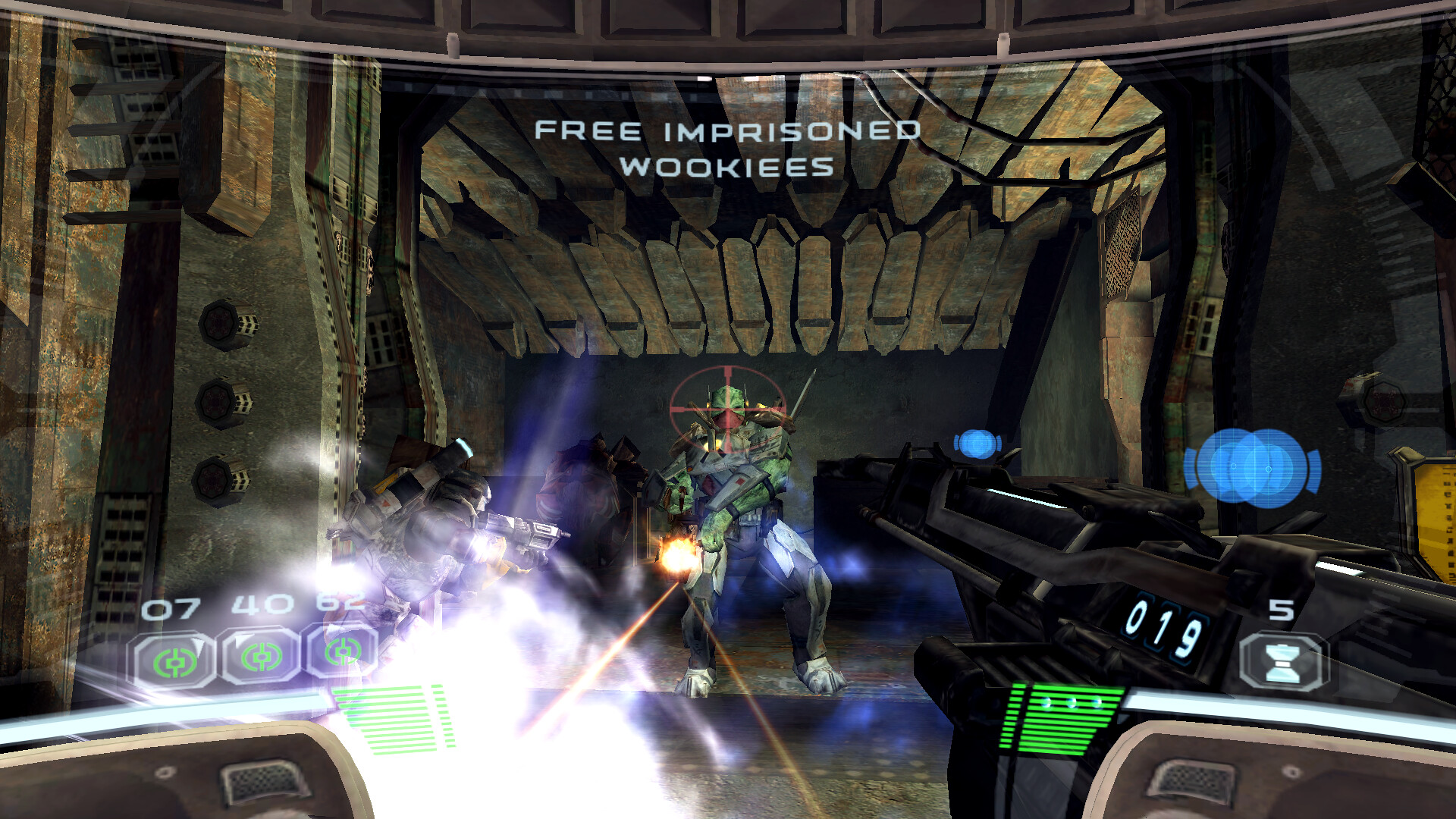
Built upon Unreal Engine 2, a technology that was pushing boundaries at the time, Republic Commando presented a visually distinct aesthetic for the Star Wars universe. While not as technologically advanced as later iterations of the engine, it successfully captured the industrial feel of the Clone Wars era. The environments, ranging from bustling Coruscant to the harsh battlefields of Geonosis, were meticulously crafted to immerse players in the conflict. The character models, though somewhat dated by today’s standards, conveyed a sense of realism and individuality for each clone trooper. The game utilized lighting and particle effects to create dynamic combat scenarios, adding to the overall visual impact. While limitations existed due to the engine’s age, the art direction effectively translated the Star Wars aesthetic into a playable experience.
Gameplay Mechanics and Core Systems
Republic Commando’s core gameplay revolves around tactical squad command. Players directly control RC-1138 (“Boss”) while issuing commands to his three squadmates. These commands range from basic movement and firing stances to more complex actions like breaching doors, providing cover fire, or setting up ambushes. The game encourages strategic thinking and planning, as players must consider the strengths and weaknesses of each clone trooper when approaching different combat situations. Fixer’s skills with heavy weaponry, Scorch’s proficiency in demolition, and Sev’s reconnaissance abilities all play crucial roles in mission success. This squad-based approach set Republic Commando apart from other Star Wars shooters that often focused on lone wolf protagonists.
Level Design and World Atmosphere
The level design in Republic Commando is a critical component of its immersive experience. Each map is carefully constructed to provide a variety of tactical opportunities, encouraging players to experiment with different approaches. From the claustrophobic corridors of Separatist bases to the expansive battlefields of open-world environments, each location feels distinct and authentic to the Star Wars universe. The game effectively utilizes verticality and environmental hazards to create challenging encounters that require careful planning and execution. The level design complements the gameplay mechanics perfectly, providing a constant stream of tactical puzzles for players to solve.
Narrative Depth and Character Profiles
While not as expansive as some other Star Wars games, Republic Commando boasts a surprisingly deep narrative focused on the experiences of Delta Squad. Players witness firsthand the camaraderie, sacrifices, and moral dilemmas faced by clone troopers during the Clone Wars. Each member of Delta Squad possesses a unique personality and skillset, contributing to the overall dynamic of the team. The game explores themes of loyalty, duty, and the psychological toll of war, adding depth and complexity to the gameplay experience. While Boss is the player-controlled protagonist, the other members of Delta Squad are equally important to the story, each with their own motivations and backstories.
Sound Design and Acoustic Realism
The sound design in Republic Commando plays a crucial role in creating an immersive and believable combat environment. The iconic sounds of Star Wars weaponry, from blaster fire to heavy artillery, are faithfully reproduced, adding weight and impact to every engagement. Environmental audio cues, such as the hum of machinery or the distant sounds of battle, further enhance the sense of realism. The voice acting is generally well-executed, bringing the characters to life and conveying their emotions effectively. The sound design works in perfect harmony with the visuals and gameplay mechanics, creating a cohesive and engaging experience.
Release Expectations and Community Hype
Upon its release in 2005, Star Wars: Republic Commando generated considerable hype within the gaming community. Fans were eager to experience a new take on the Star Wars universe, one that focused on the often-overlooked clone troopers. The game’s unique gameplay mechanics, tactical squad command system, and focus on narrative depth set it apart from other Star Wars titles. While initial reviews were generally positive, some critics noted limitations due to the age of the Unreal Engine 2. Despite these criticisms, Republic Commando quickly gained a dedicated following, with players praising its immersive atmosphere, challenging gameplay, and compelling story.
Conclusion: The Future of Star Wars: Republic Commando
Star Wars: Republic Commando remains a beloved title within the Star Wars gaming landscape. Its unique blend of tactical squad command, engaging narrative, and atmospheric world-building has earned it a dedicated following over the years. While its technical limitations are evident by today’s standards, its core gameplay mechanics and immersive atmosphere continue to resonate with players. The recent enhanced port for the Nintendo Switch and PlayStation 4 demonstrates the enduring appeal of Republic Commando and its continued relevance within the Star Wars gaming universe. Its legacy as a unique and innovative Star Wars experience is secure, and it serves as a testament to the power of creative game design and compelling storytelling.
Source: Wikipedia