


About this game
Introduction: Stealth Espionage Reimagined
In an era where space operas dominate the gaming landscape, “Star Wars: Eclipse” stands out not just for its ambitious scope but for how it redefines stealth and espionage in a galaxy far, far away. Developed by Quantic Dream, renowned for its narrative-driven titles such as “Heavy Rain” and “Detroit: Become Human,” this new addition to the Star Wars universe promises an immersive experience that blends action, adventure, and intricate storylines into a seamless whole. Set during the time of the First Order’s rise, players will find themselves in the shoes of Lucia, a high-ranking agent whose mission involves infiltrating the mysterious Architects’ compound—a key piece in the puzzle of galactic politics during this tumultuous period.
This preview delves deep into what makes “Eclipse” a standout title. From its visual prowess to its intricate combat systems and narrative depth, we explore how Quantic Dream has managed to create an experience that not only honors Star Wars lore but also pushes boundaries in terms of gameplay mechanics and storytelling techniques.
Visual Splendor: Pushing the Limits of Unreal Engine 5
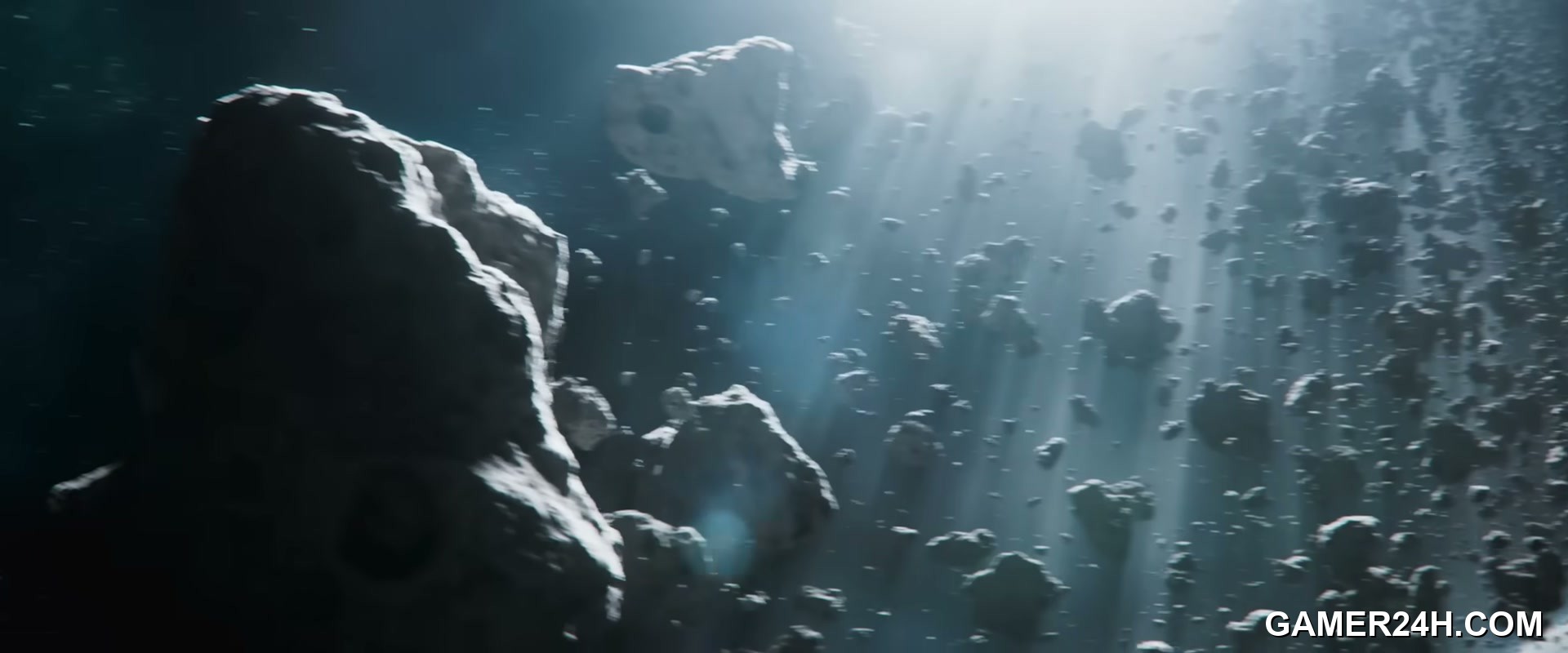
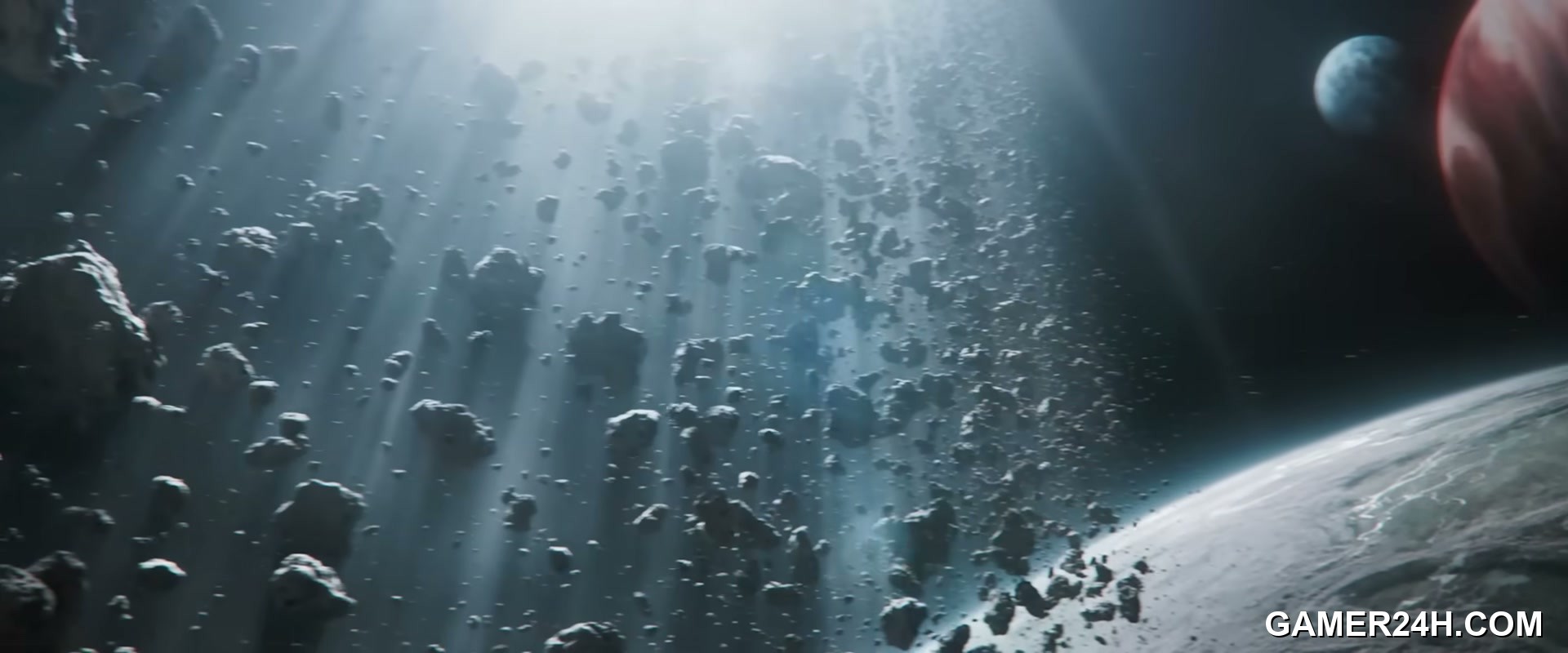
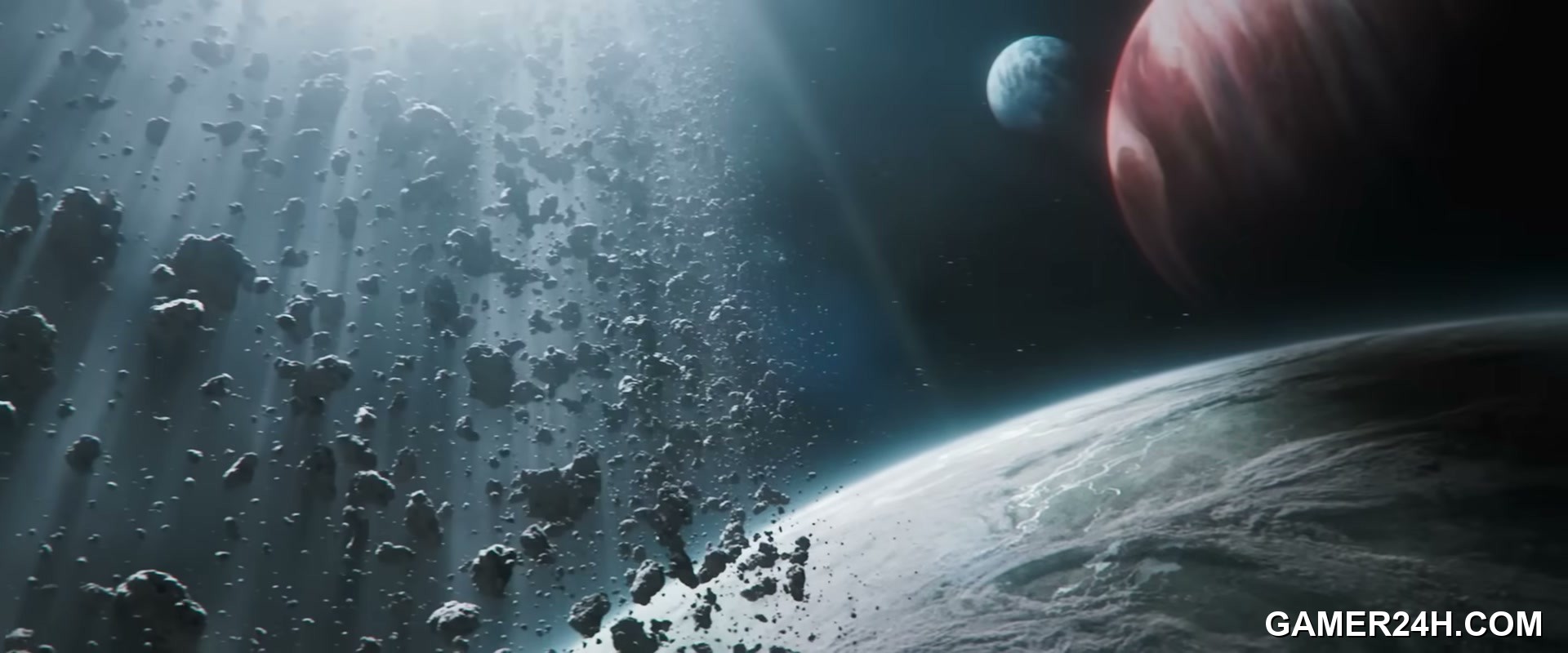
“Star Wars: Eclipse” dazzles from its very first frame, showcasing the unparalleled visual fidelity made possible by Unreal Engine 5. The game’s developers have meticulously crafted an environment that feels alive with detail and depth. From the sprawling vistas of barren moons to the neon-lit corridors of secret bases, each setting is brimming with texture, lighting effects, and dynamic weather systems.
The use of Nanite technology within UE5 allows for stunningly detailed models and environments without performance sacrifices. This means players can expect a level of visual realism that transports them directly into the Star Wars universe. The Lumen system further enhances this by dynamically adjusting real-time global illumination, creating an atmosphere where light behaves in ways that mimic reality—whether it’s casting intricate shadows through foliage or illuminating vast, empty chambers with a single beam.
Moreover, the game leverages UE5’s Material and Animation systems to animate characters and objects with fluidity and grace. This is particularly evident during environmental interactions such as climbing over debris-strewn landscapes or sneaking past security cameras. The result is an immersive experience where players feel deeply connected to their surroundings, enhancing both the gameplay and narrative components of “Eclipse.”
Combat & Systems: Tactical Espionage and Combat Dynamics
“Eclipse” challenges traditional notions of stealth-based games by integrating a robust combat system that complements its espionage elements. Players must navigate complex security systems while also engaging in intense firefights when necessary. This balance is achieved through an intuitive control scheme and dynamic AI behavior, ensuring that every mission requires strategic thinking.
The game features a variety of weapons and gadgets—each with unique attributes and usage scenarios. For instance, players can use silenced blasters for quick takeouts or deploy stealth drones to gather intelligence and disable security measures remotely. This arsenal allows for adaptability in how missions are approached, whether through direct confrontation or subtle manipulation of the environment.
In addition to combat mechanics, “Eclipse” introduces an intricate espionage system that rewards players for using their wits rather than brute force. Players can hack into computer terminals to unlock new pathways, alter security protocols to their advantage, and even use disguises to blend in with enemy forces. These elements create a rich tapestry of possibilities within each level, encouraging experimentation and creative problem-solving.
Gameplay & Atmosphere Analysis: Portals and Tension
At the heart of “Eclipse’s” gameplay is its unique portal mechanic—a feature that adds an extra layer of strategy to both exploration and combat scenarios. Players can open portals between two designated points, allowing them to bypass obstacles or swiftly reposition themselves in a firefight. This feature introduces new dimensions to level design, creating puzzles and challenges that require players to think spatially.
The atmosphere is another key aspect of the game’s immersion. The Architects’ compound, for example, is filled with eerie silence punctuated by sudden bursts of tension—be it through the sound of approaching footsteps or an unexpected security breach. These elements create a palpable sense of danger and suspense that keeps players on edge at all times.
Additionally, “Eclipse” employs sophisticated AI behaviors to simulate realistic enemy reactions to player actions. Whether sneaking past guards, triggering alarms, or engaging in combat, enemies will respond dynamically based on the situation, adding layers of unpredictability to each encounter.
Narrative & Characters: The Architects’ Mystery and Lucia’s Mission
The narrative at the core of “Eclipse” revolves around a complex web of intrigue involving the enigmatic Architects—a shadowy organization operating behind the scenes. Their influence spans across various factions, including both the Resistance and the First Order, complicating player objectives and moral dilemmas.
Lucia, our protagonist, is tasked with uncovering the truth about this secretive group while navigating her own personal motivations. Her background as a high-ranking agent brings depth to her character, blending loyalty with curiosity. As players progress through missions, they unravel layers of Lucia’s past, revealing why she takes on such dangerous assignments and how these decisions impact those around her.
The narrative is further enriched by interactions with other key characters who have their own agendas within the Architects’ hierarchy. These relationships create a multifaceted storyline where trust is scarce and every decision carries significant weight. Through dialogue options and mission choices, players influence Lucia’s path, shaping both personal outcomes and broader galactic events.
Acoustic Preservation / Audio Design: Sounds of Silence and Combat
The audio design in “Eclipse” plays a crucial role in setting the tone and enhancing gameplay immersion. The game masterfully uses sound to convey tension and suspense—whether it’s the eerie silence that precedes an ambush or the subtle clicks of security systems being disabled by hacking tools.
Combat sequences are particularly impactful, with each gunshot echoing through corridors or reverberating off metallic surfaces, creating a visceral experience for players. Meanwhile, ambient noises such as distant alarms or whispered conversations add depth to environmental storytelling, immersing users further into the world of espionage and danger.
The inclusion of an original score that blends orchestral arrangements with electronic elements complements these audio cues perfectly. Composers have crafted music tracks that resonate emotionally while also adapting dynamically based on player actions—intensifying during intense combat or fading away to emphasize moments of quiet reflection.
Critical Reception: Expectations and First Impressions
As anticipation builds for “Star Wars: Eclipse,” the gaming community eagerly awaits insights into its quality and innovation. Early reviews suggest that while Quantic Dream’s narrative-driven approach remains intact, it has expanded significantly in scope and depth. Critics praise the game’s visual fidelity, noting how Unreal Engine 5 elevates the Star Wars universe to new heights of realism.
However, some have expressed concerns regarding pacing and complexity—particularly around the learning curve for mastering the combination of espionage mechanics and combat tactics. Despite these minor critiques, there is widespread recognition that “Eclipse” pushes boundaries in terms of storytelling within the action-adventure genre.
First impressions from early playthroughs highlight a captivating blend of familiar Star Wars elements with fresh gameplay innovations. Players are drawn into a narrative that challenges preconceived notions about heroes and villains while offering a richly detailed world to explore.
Conclusion: The Vanguard of Next-Gen Action
In conclusion, “Star Wars: Eclipse” emerges as more than just another entry in the prolific Star Wars saga; it serves as a testament to Quantic Dream’s capability to innovate within established franchises. By integrating cutting-edge technology with deep narrative layers and engaging gameplay mechanics, the game sets itself apart as a frontrunner in next-generation action-adventure titles.
As players embark on Lucia’s mission to unravel the Architects’ secrets, they will be immersed in a world where stealth meets firepower, where moral ambiguity reigns supreme, and where every decision could alter the course of galactic history. “Eclipse” not only delivers an unforgettable gaming experience but also cements its place as a must-play title for fans of both Star Wars and immersive storytelling alike.
.single-share-action-btn:hover { transform: translateY(-2px); box-shadow: 0 6px 20px rgba(37, 99, 235, 0.4) !important; background: linear-gradient(135deg, #0369a1 0%, #1d4ed8 50%, #4338ca 100%) !important; } .single-share-action-btn:active { transform: translateY(0); box-shadow: 0 2px 8px rgba(37, 99, 235, 0.2) !important; } .share-section, .entry-share, .post-share-bar { display: none !important; }Gallery








No comments