Introduction: Stealth Espionage Reimagined
Stage Fright, an eagerly anticipated title by Ghost Town Games, is set to redefine the stealth and espionage genre upon its release. This game is not just a new entry in the world of action-adventure games; it’s a bold rethinking of what stealth gameplay can offer players. With Stage Fright, gamers will find themselves immersed in a meticulously crafted tale that combines intricate plot twists with cutting-edge technology and a visually stunning environment, all built using Unreal Engine 5.
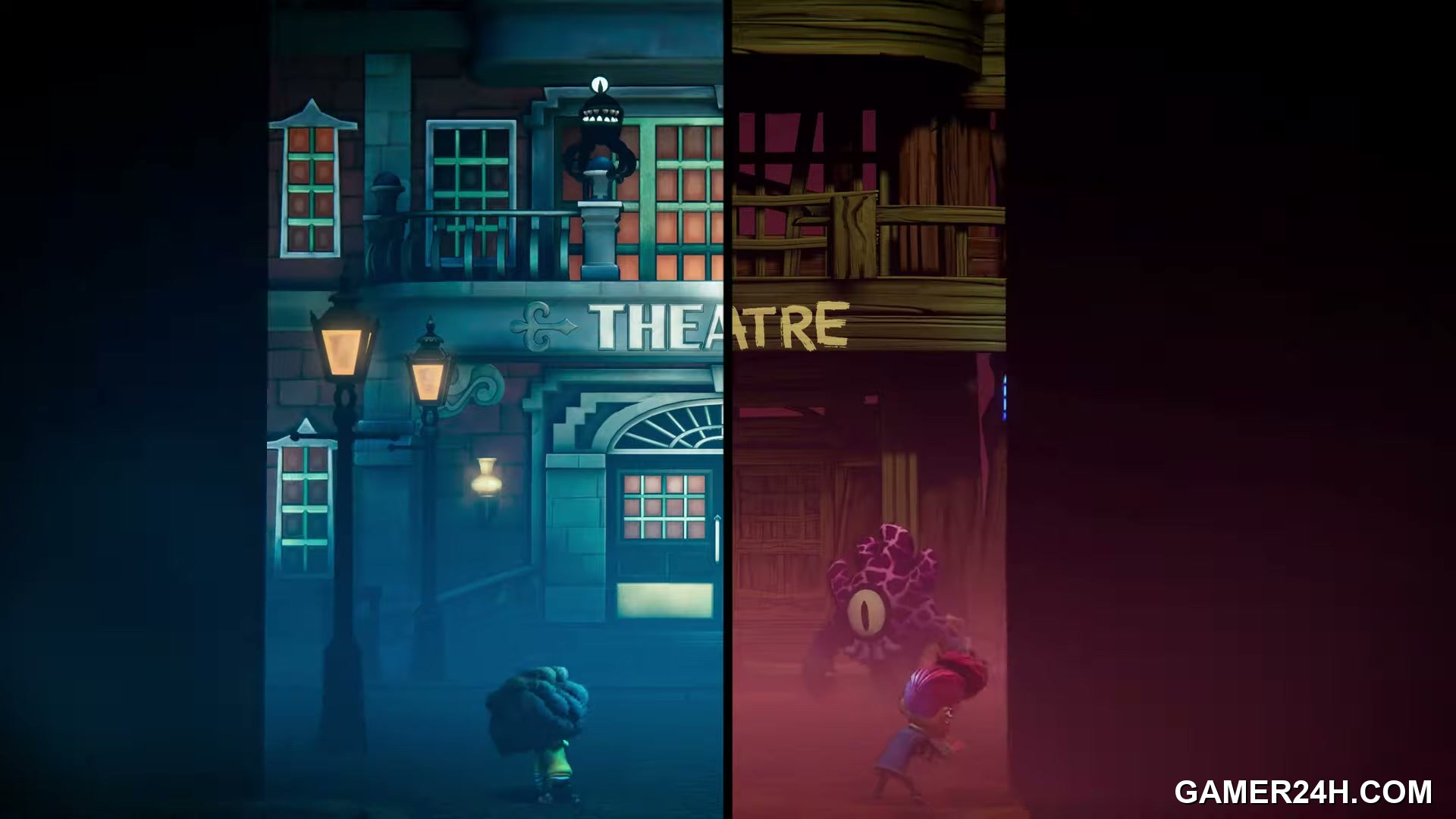
Visual Splendor: Pushing the Limits of Unreal Engine 5

Stage Fright‘s visual design is nothing short of breathtaking. Utilizing the full capabilities of Unreal Engine 5, Ghost Town Games has created a world that feels alive and dynamic. The game’s environments range from sleek corporate skyscrapers to gritty underground lairs, each meticulously detailed with realistic textures and lighting effects that enhance immersion.
The use of advanced lighting techniques, such as Lumen real-time global illumination and Nanite virtualized geometry, allows for stunning visual fidelity without sacrificing performance. This technology ensures that players are treated to a seamless experience where shadows play an integral role in the gameplay mechanics. Additionally, the game’s color palette is thoughtfully chosen to reflect the mood of each level, enhancing both atmosphere and narrative depth.
Combat & Systems: Tactical Espionage and Combat Dynamics

The combat system in Stage Fright offers a unique blend of stealth and direct confrontation. Players control Lucia, an elite spy with a variety of tools at her disposal, including non-lethal gadgets like tranquilizer darts and hacking devices to take out guards without leaving a trace. The game’s level design encourages the use of these tools, often requiring players to adapt their tactics based on situational awareness.
However, Stage Fright also caters to those who prefer direct confrontation by allowing Lucia to engage in more traditional combat scenarios when stealth is not an option. The game’s enemy AI is impressively nuanced, capable of reacting intelligently to the player’s actions and maintaining a sense of unpredictability that keeps players on their toes.
The inclusion of a deep customization system for Lucia allows for tailored playstyles. Players can upgrade her gadgets, improve her stealth abilities, or even unlock new combat moves through experience points gained from successful missions. This flexibility ensures that every player has the opportunity to shape Lucia into an espionage agent uniquely suited to their preferences.
Gameplay & Atmosphere Analysis: Portals and Tension

A key feature of Stage Fright‘s gameplay is its use of portals, which serve as both a narrative device and a gameplay mechanic. These portals allow Lucia to travel between different sections of the game world instantly, providing strategic advantages such as bypassing heavily guarded areas or setting up ambushes.
The tension in Stage Fright is palpable from start to finish. The developers have crafted an environment where every action can have consequences. A single mistake could result in mission failure, heightening the sense of urgency and importance of each decision made by players. This constant pressure ensures that players are always engaged, whether they’re planning their next move or executing a well-timed ambush.
The atmosphere is further enhanced through environmental storytelling; players will uncover clues about the game’s mystery architects as they progress, leading to a deeper understanding of the narrative and driving them forward in pursuit of answers. This blend of gameplay mechanics and atmospheric design creates an experience that keeps players hooked from beginning to end.
Narrative & Characters: The Architects’ Mystery and Lucia’s Mission

The central mystery in Stage Fright revolves around the enigmatic architects who are responsible for building the complex network of portals within which much of the game takes place. Players will unravel this mystery by piecing together clues hidden throughout the levels, leading to a deeper understanding of these figures and their motivations.
The narrative is anchored by Lucia, an ex-architect turned spy whose mission is to uncover the truth about her former employers while navigating treacherous corporate politics and deadly espionage tactics. Her character development is substantial; players will see her evolve from a cold-blooded operative into someone with a more personal stake in solving the mystery.
The supporting cast of characters, each with their own motivations and secrets, adds layers to the story. From rival spies to dubious allies, every interaction has the potential to reveal new information or pose challenges that require creative solutions.
Acoustic Preservation / Audio Design: Sounds of Silence and Combat

The audio design in Stage Fright plays a crucial role in enhancing both gameplay and atmosphere. The game’s sound effects range from the soft footsteps of a sneaking agent to the thud of combat encounters, each meticulously crafted to provide immediate feedback on player actions.
Sound is also used effectively as an indicator of danger; players must remain acutely aware of their surroundings through hearing as much as sight. Environmental sounds like ticking clocks and distant conversations add depth to the game world, making it feel more real.
The sound design for combat is particularly noteworthy. The juxtaposition between stealthy movements and the sudden burst of violence highlights the contrast in gameplay styles, creating a visceral experience that reinforces the tension inherent in Lucia’s missions.
Critical Reception: Expectations and First Impressions

As anticipation builds for Stage Fright, early reviews have hinted at a game poised to make waves within its genre. Critics praise the game’s visual splendor, citing the use of Unreal Engine 5 as instrumental in creating an immersive world that feels alive and dynamic.
The gameplay mechanics receive high marks for their depth and innovation. The portal system is hailed as both clever and challenging, offering players new ways to approach traditional stealth scenarios. Combat mechanics are praised for being engaging yet fair, providing a satisfying experience when direct confrontation is necessary.
Narrative elements have also garnered attention, with the mystery surrounding the architects generating intrigue among reviewers eager to unravel the story’s secrets alongside Lucia. Character development and world-building receive acclaim for their ability to draw players deeper into Stage Fright‘s universe.
Conclusion: The Vanguard of Next-Gen Action

Stage Fright stands out not just as an entry in the stealth genre, but as a harbinger of what’s to come from game developers embracing new technologies and gameplay innovations. Its combination of stunning visuals, engaging combat mechanics, immersive narrative elements, and clever use of audio design sets it apart.
The game represents Ghost Town Games’ bold vision for the future of action-adventure games, pushing boundaries in ways that will undoubtedly influence the genre moving forward. As players embark on Lucia’s journey to uncover the truth behind the architects, they’re likely to find themselves captivated by a world that is both familiar and entirely new.