Introduction: The Next Chapter for Spyro the Dragon
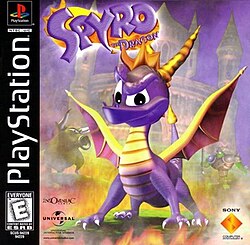
Spyro the Dragon, a title that resonates with nostalgia for many gamers, represents a pivotal moment in platforming history. Developed by Insomniac Games and published by Sony Computer Entertainment, this 1998 PlayStation classic wasn’t just another game; it was an experience. It set a new standard for open-world exploration within the confines of a 3D environment, offering players unprecedented freedom to roam and discover its vibrant world. This deep dive will dissect every facet of Spyro the Dragon, from its groundbreaking engine to its enduring legacy.
Visual Direction and Graphics Engineering
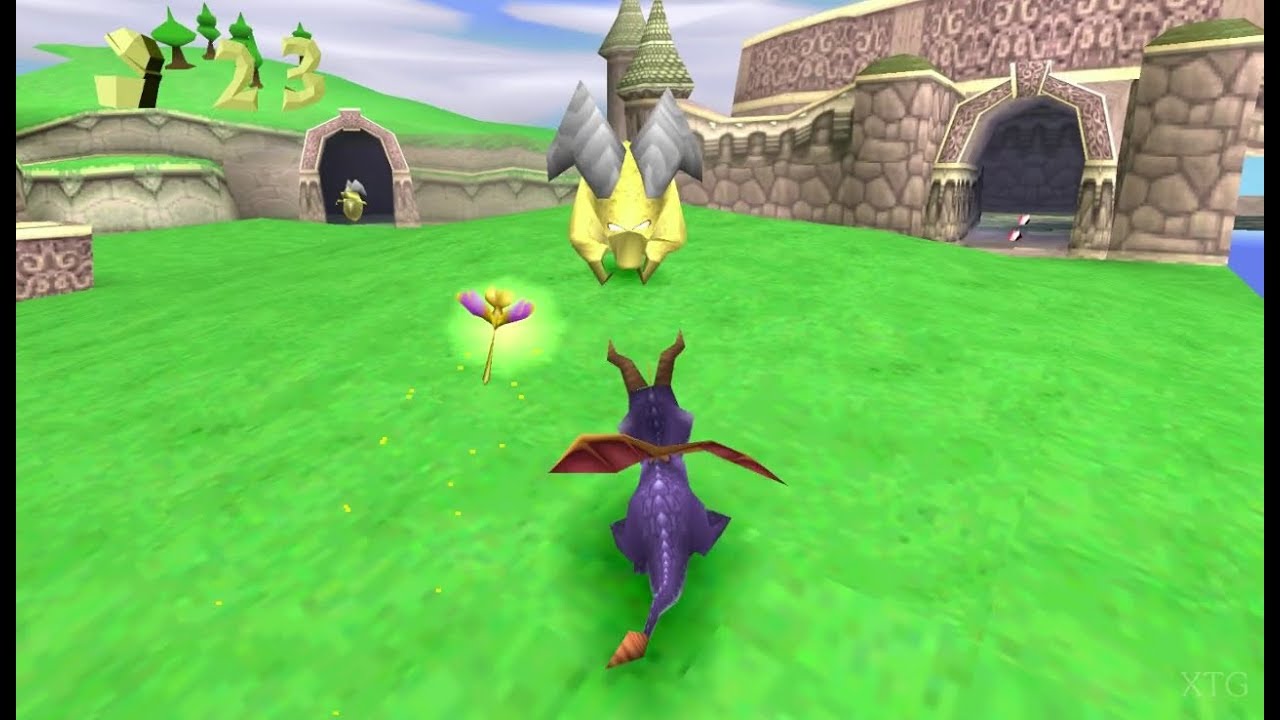
Spyro’s visual style was revolutionary for its time. The game utilized a proprietary next-gen engine that allowed for expansive environments and detailed character models, pushing the PlayStation hardware to its limits. While blocky by today’s standards, Spyro’s art direction remains charming, with bright colors and expressive animations that bring the Dragon Kingdom to life. The game’s visual design was carefully crafted to create a sense of wonder and adventure, encouraging players to explore every nook and cranny of its diverse landscapes.
Gameplay Mechanics and Core Systems
The core gameplay loop in Spyro revolves around exploration, collection, and combat. Players control Spyro as he navigates the Dragon Kingdom, collecting gems, rescuing dragons trapped in crystal, and battling Gnasty Gnorc’s minions. Spyro’s abilities – fire breath, a charging attack, and gliding – are essential for overcoming obstacles and defeating enemies. The game rewards exploration with hidden areas and secrets, encouraging players to experiment and master Spyro’s diverse skillset.
Level Design and World Atmosphere
Spyro’s level design is a masterpiece of environmental storytelling. Each Homeworld is distinct, offering unique challenges and visual experiences. From the lush Artisans homeworld to the fiery Cloud Spires, each environment feels handcrafted and brimming with personality. The game seamlessly blends platforming with exploration, rewarding players who take the time to discover its hidden pathways and secrets.
Narrative Depth and Character Profiles
While Spyro’s narrative is relatively simple, it’s delivered with charm and heart. Spyro himself is a lovable protagonist, driven by a strong sense of justice and a desire to protect his friends. Sparx, his dragonfly companion, provides comic relief and serves as an integral part of Spyro’s abilities. The supporting cast of dragons adds depth and personality to the world, creating a memorable cast of characters that players will quickly grow attached to.
Sound Design and Acoustic Realism
The sound design in Spyro is equally impressive. Stewart Copeland’s soundtrack perfectly complements the game’s visuals, creating an immersive and unforgettable audio experience. The sounds of Spyro’s fire breath, the crunching of gems, and the cries of enemies all contribute to the game’s overall sense of realism and immersion.
Release Expectations and Community Hype
Upon its release, Spyro the Dragon was met with critical acclaim and quickly became a fan favorite. Its innovative gameplay, charming characters, and stunning visuals set it apart from other platformers of the time. The game’s success spawned a franchise that continues to captivate players today. The community surrounding Spyro remains incredibly active, constantly sharing memories, artwork, and modding projects.
Conclusion: The Future of Spyro the Dragon
Spyro the Dragon is more than just a game; it’s a cultural icon. Its influence can be seen in countless games that followed, and its legacy continues to inspire developers and players alike. While remasters and reboots have attempted to recapture the magic of the original, nothing truly compares to experiencing Spyro for the first time on the PlayStation. The future of Spyro remains bright, with new installments promising to expand upon the world and characters that we all know and love.
Source: Wikipedia


