Introduction: The Next Chapter for Spec Ops: The Line
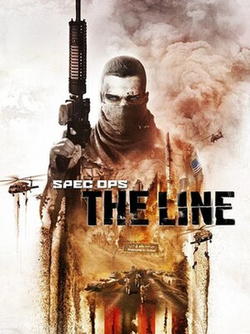
Spec Ops: The Line, released in 2012, represents a bold and often unsettling departure from the typical military shooter formula. Developed by Yager Development and published by 2K, this title isn’t just about shooting; it’s a deliberate exploration of war’s psychological toll on soldiers and the player’s own complicity in simulated violence. While rooted in the Spec Ops lineage, the game reboots the franchise with a narrative deeply inspired by Joseph Conrad’s “Heart of Darkness” and Francis Ford Coppola’s “Apocalypse Now,” creating an experience designed to challenge players’ perceptions of entertainment and morality within the context of video games. The game aims for a physically opposing experience, forcing players to question their own thoughts about treating war as mere entertainment.
Visual Direction and Graphics Engineering
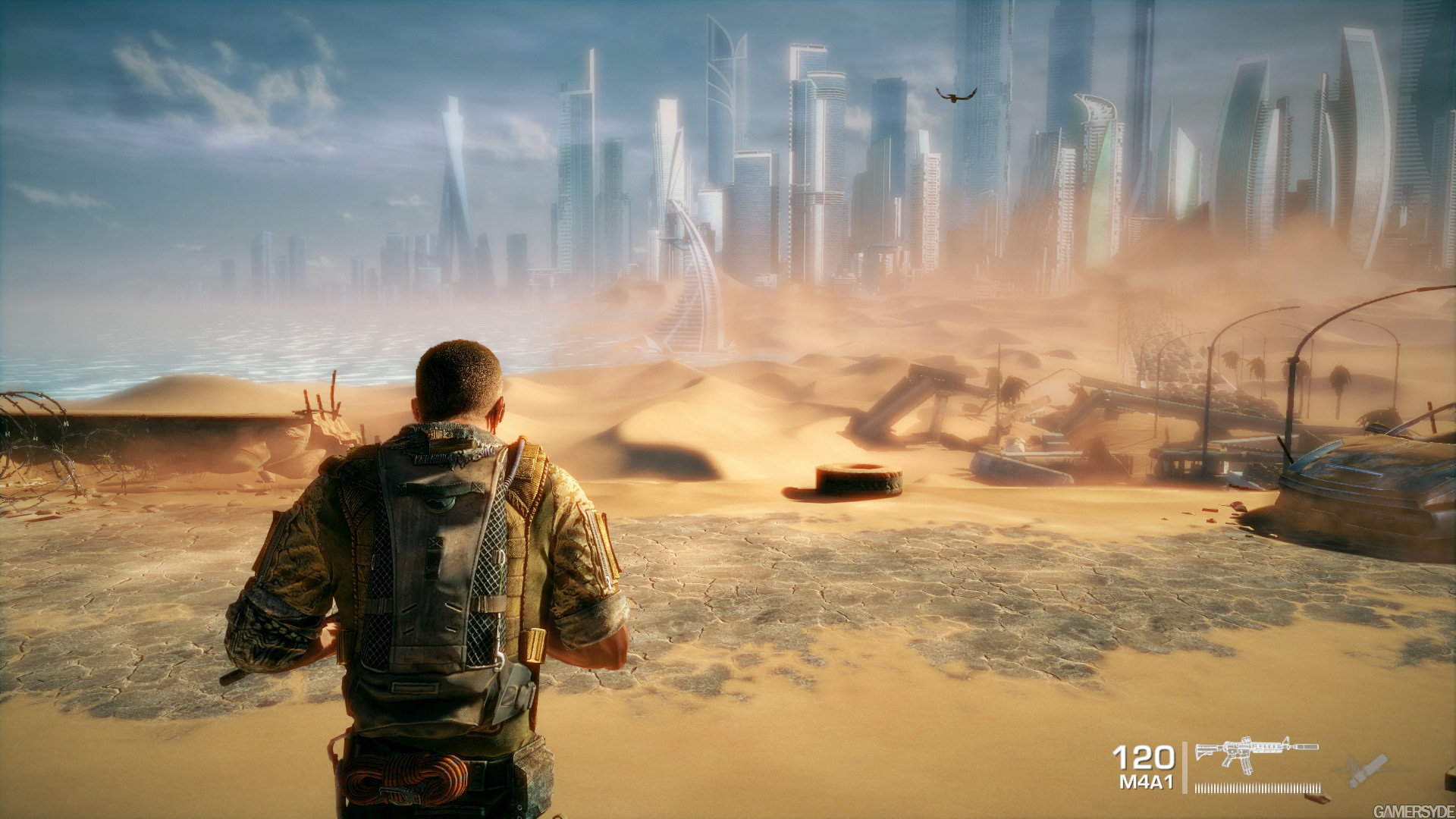
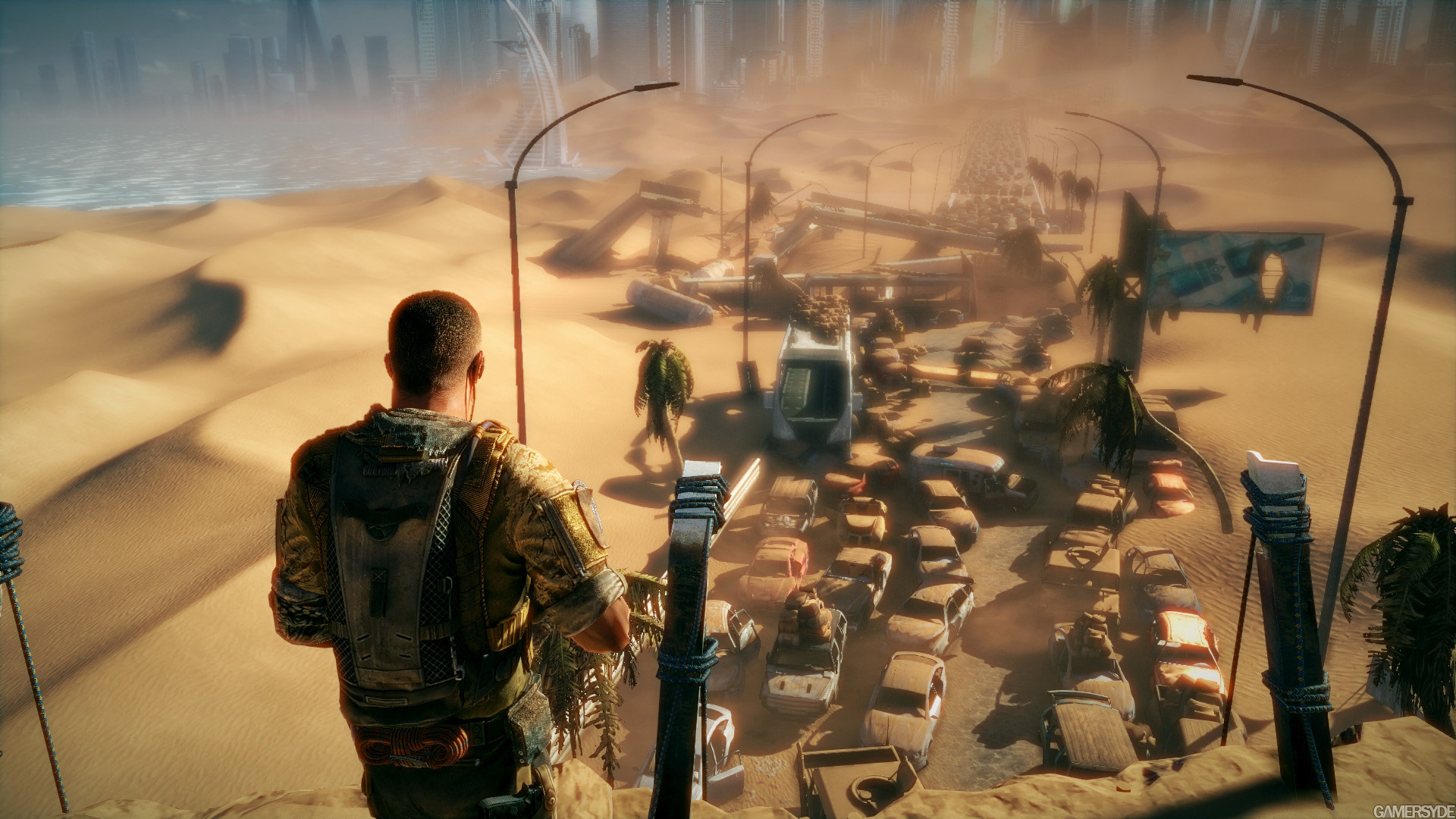
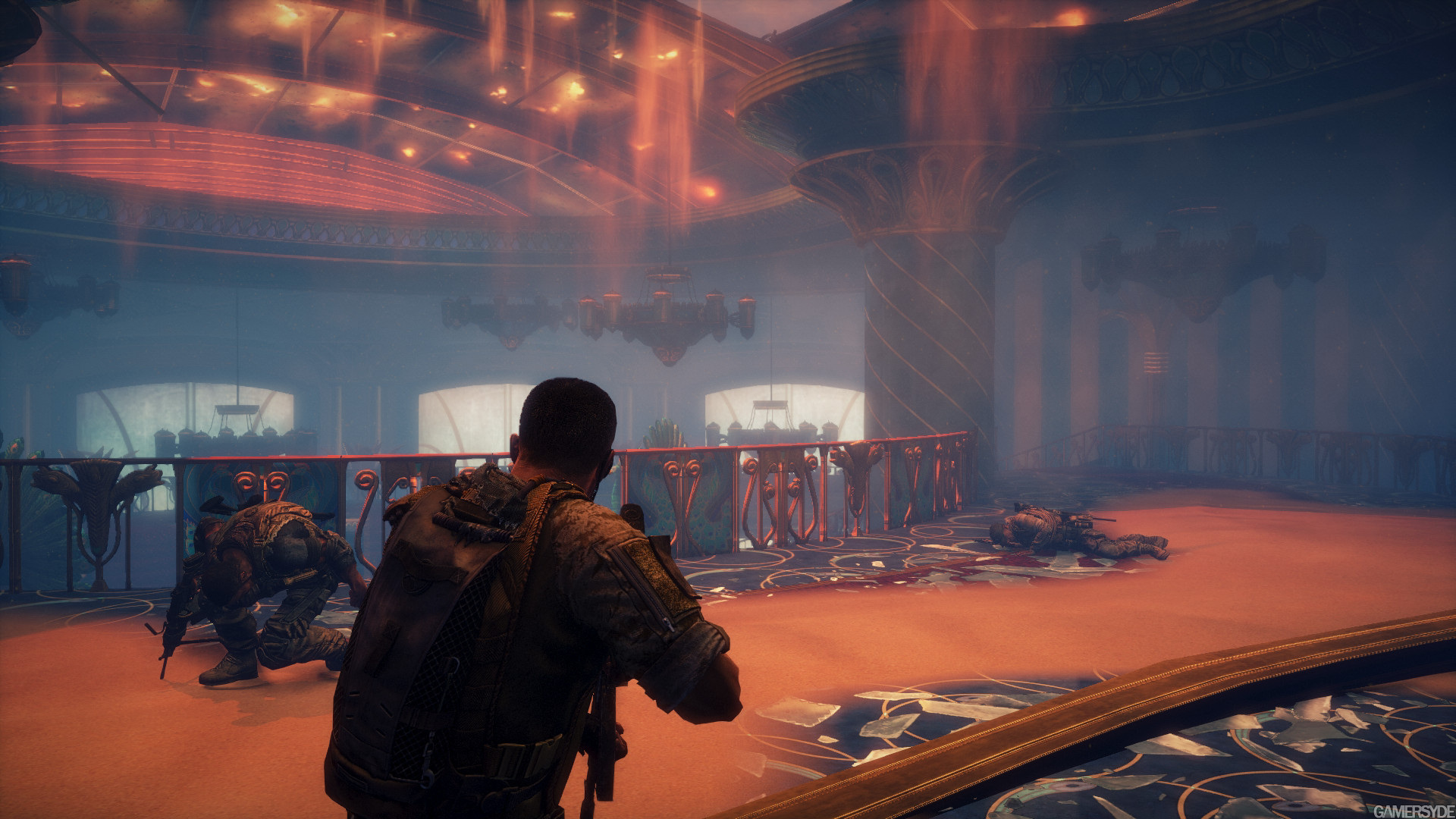
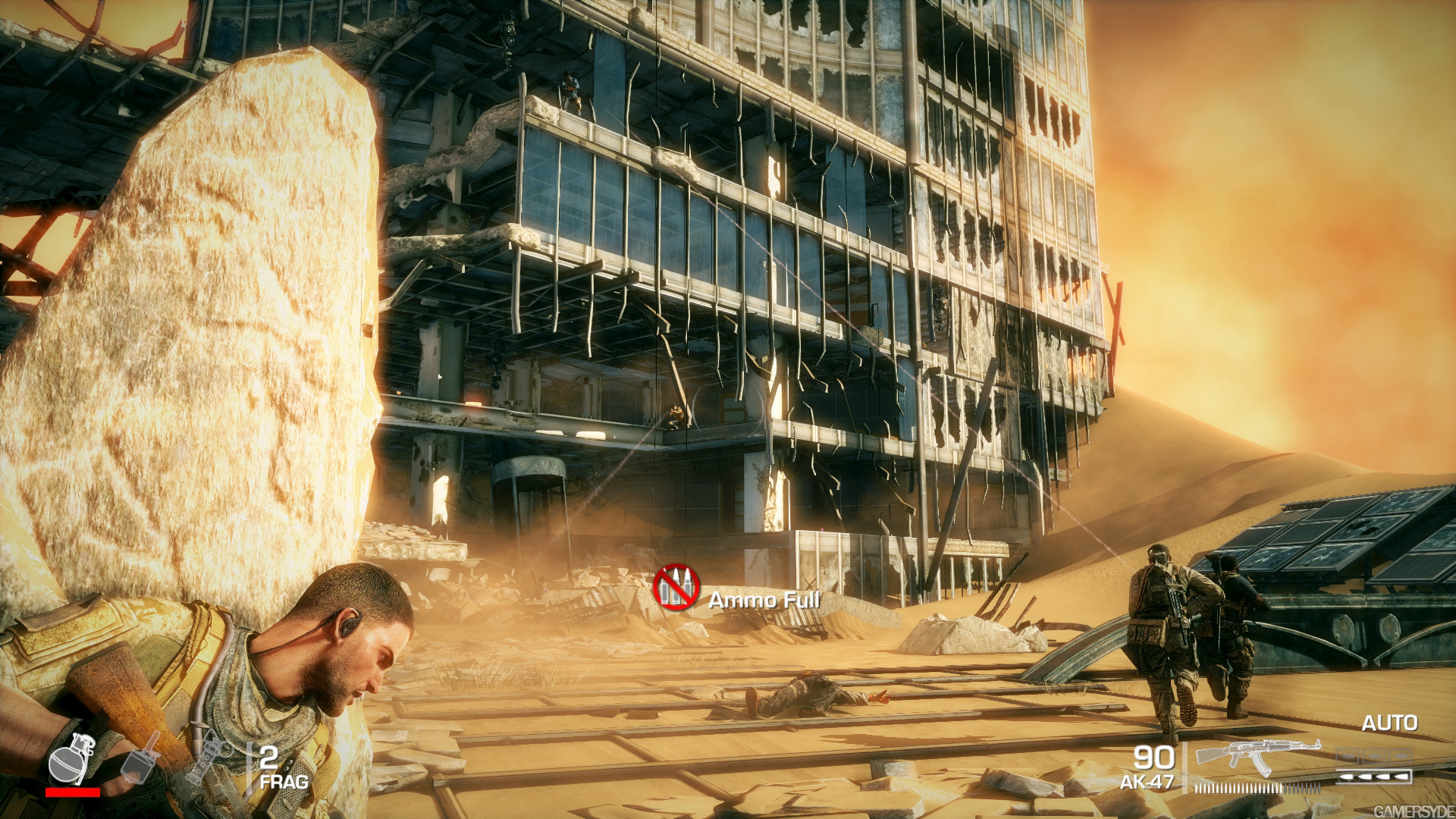
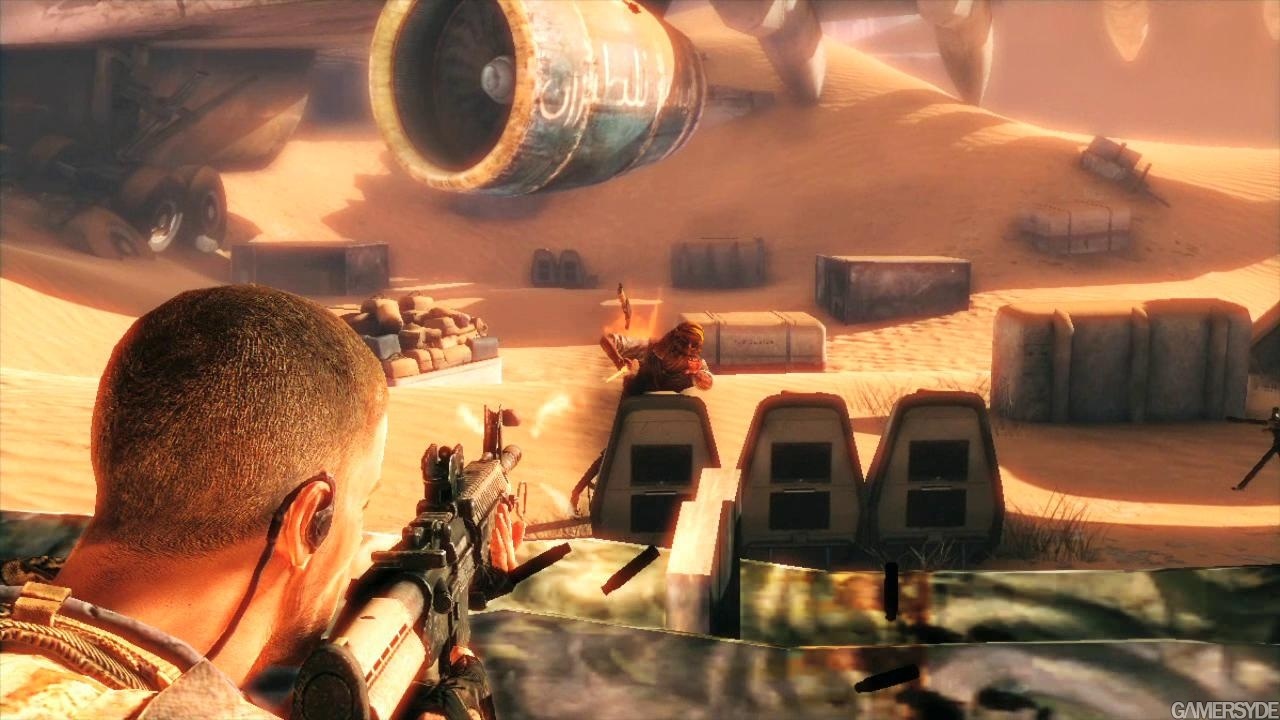
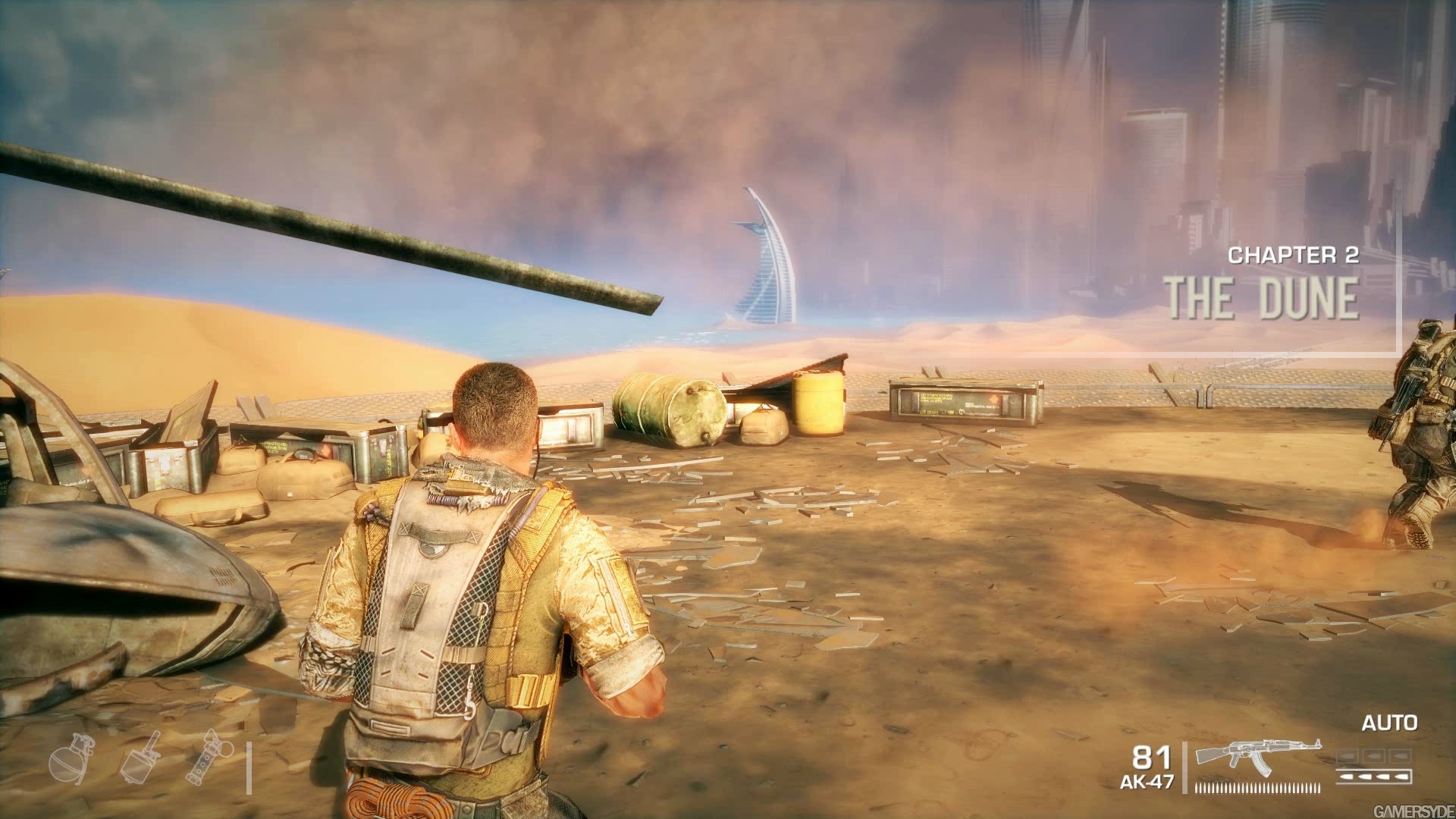
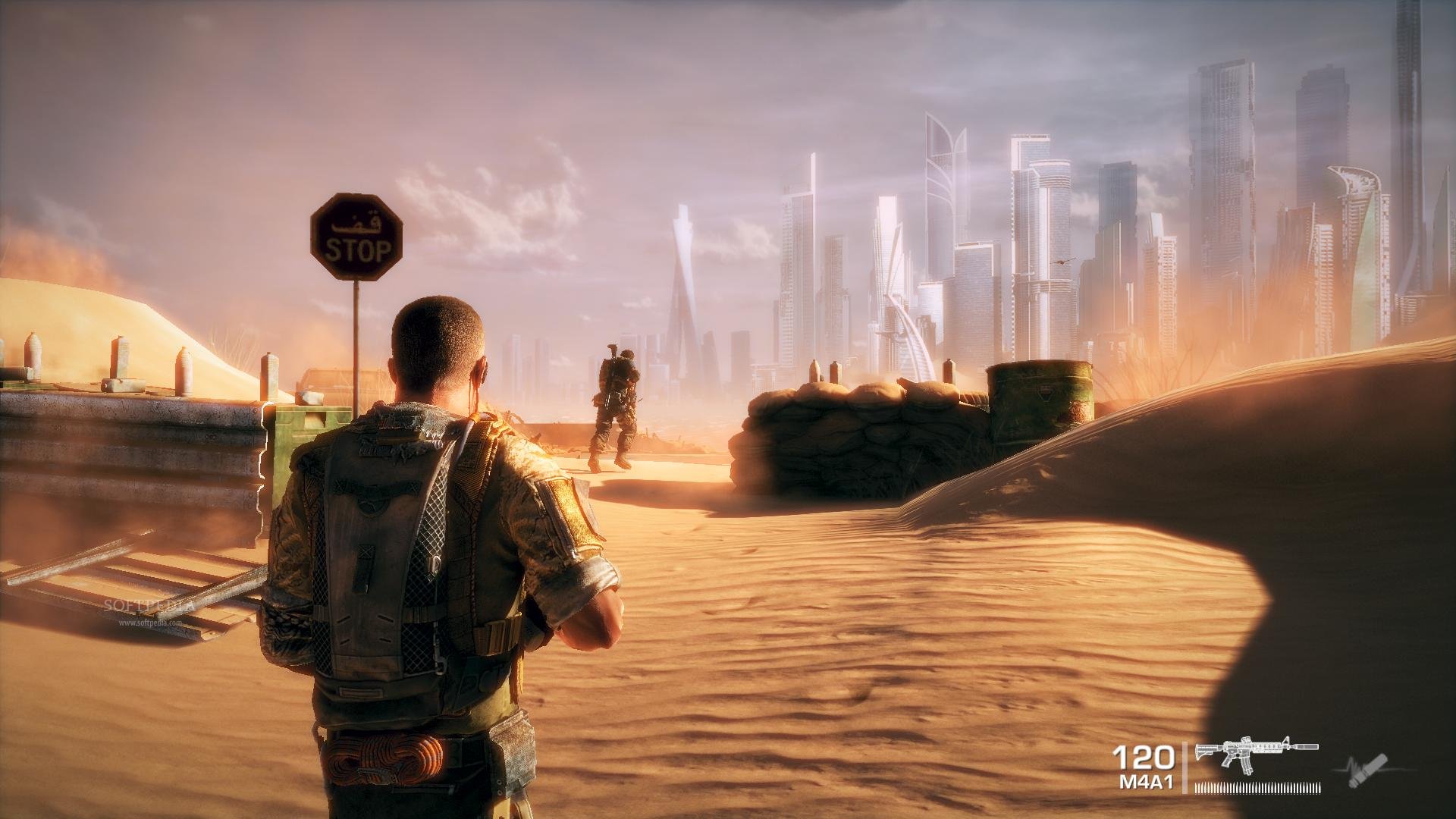
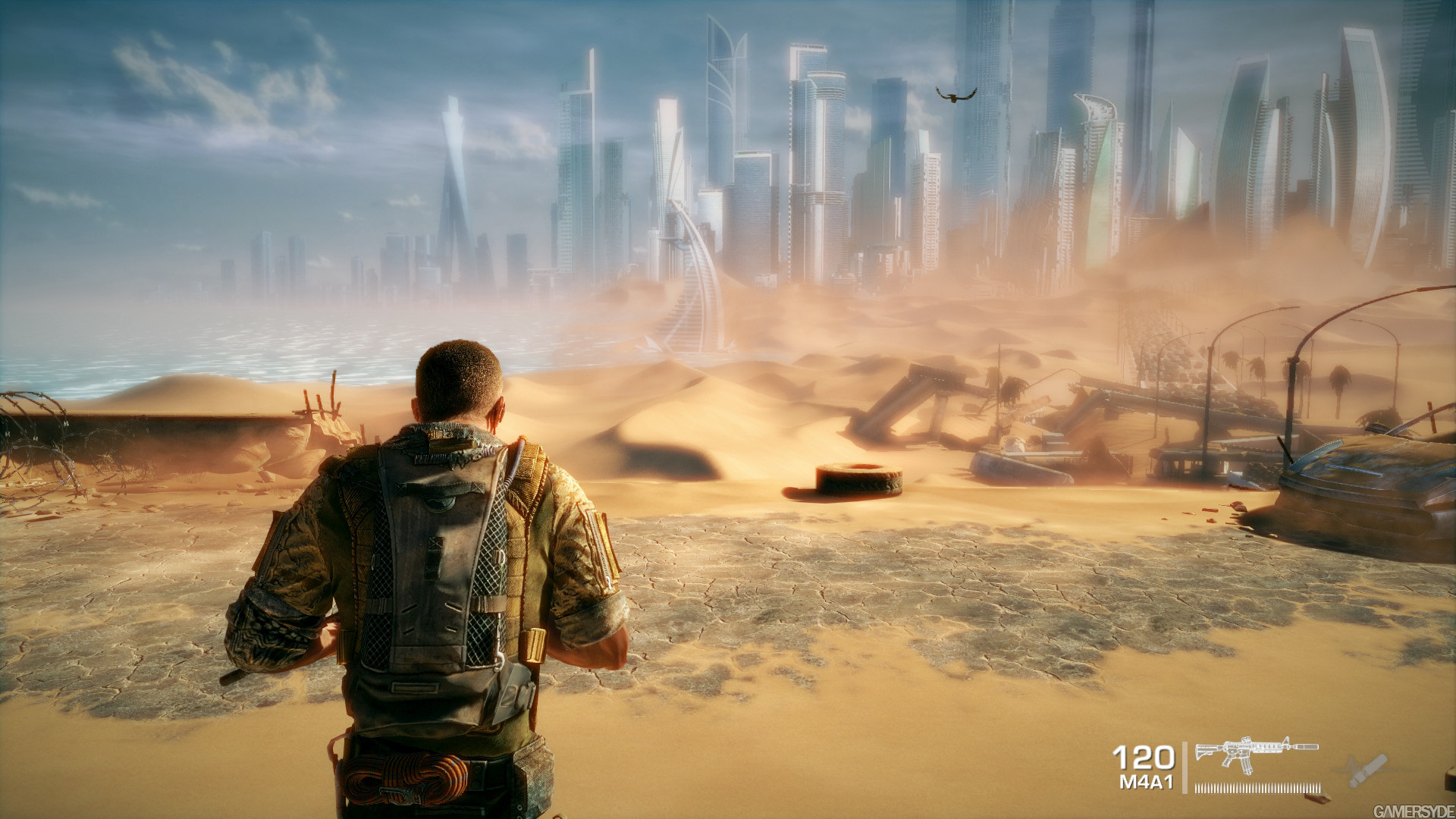
Spec Ops: The Line leverages Unreal Engine 3 to deliver its visuals. While not pushing the boundaries of graphical fidelity by today’s standards, the game effectively uses lighting, particle effects, and environmental destruction to create a sense of oppressive atmosphere and escalating chaos. The visual design is crucial in conveying the story’s themes; Dubai, once a symbol of luxury and modernity, is rendered as a desolate wasteland ravaged by sandstorms and conflict. This stark contrast between what was and what is serves as a constant reminder of the destructive power of war. The game utilizes dynamic lighting to create dramatic shadows and highlights, further enhancing the sense of unease and danger.
Gameplay Mechanics and Core Systems
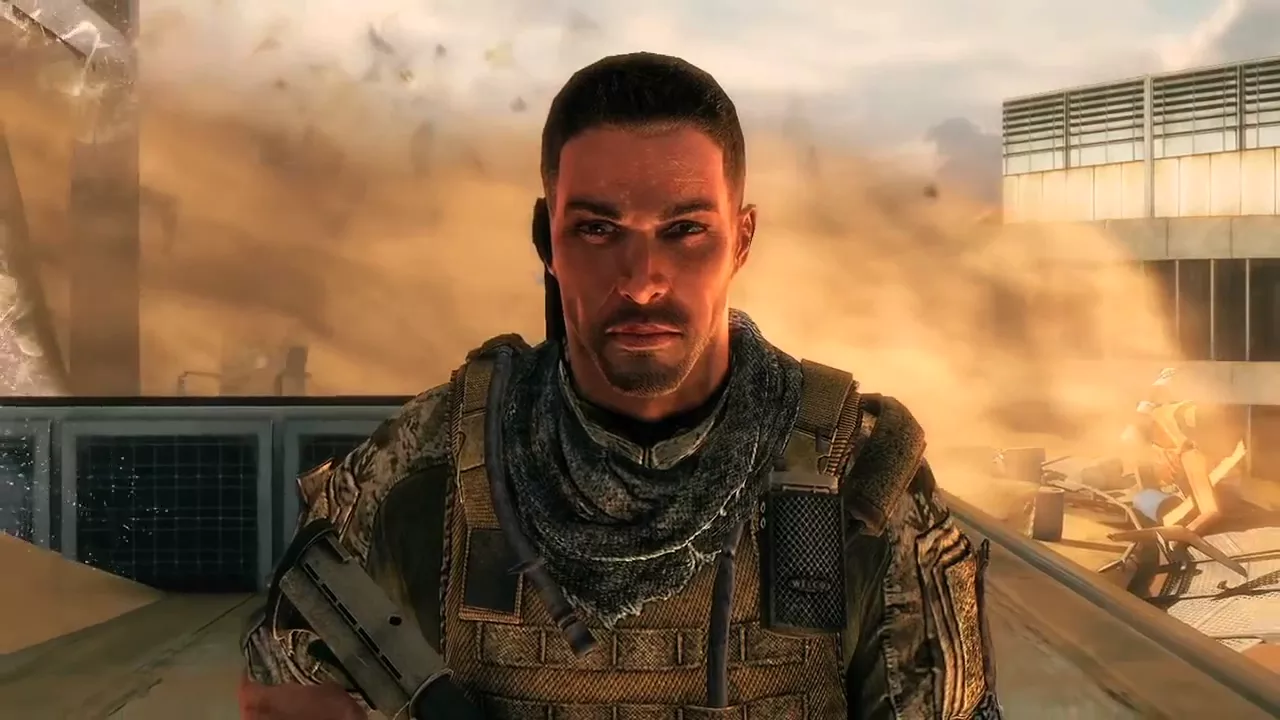
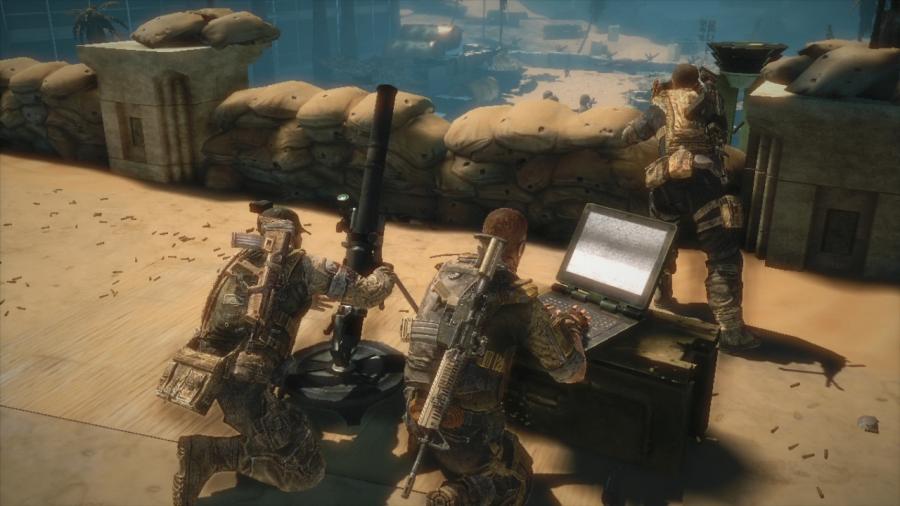
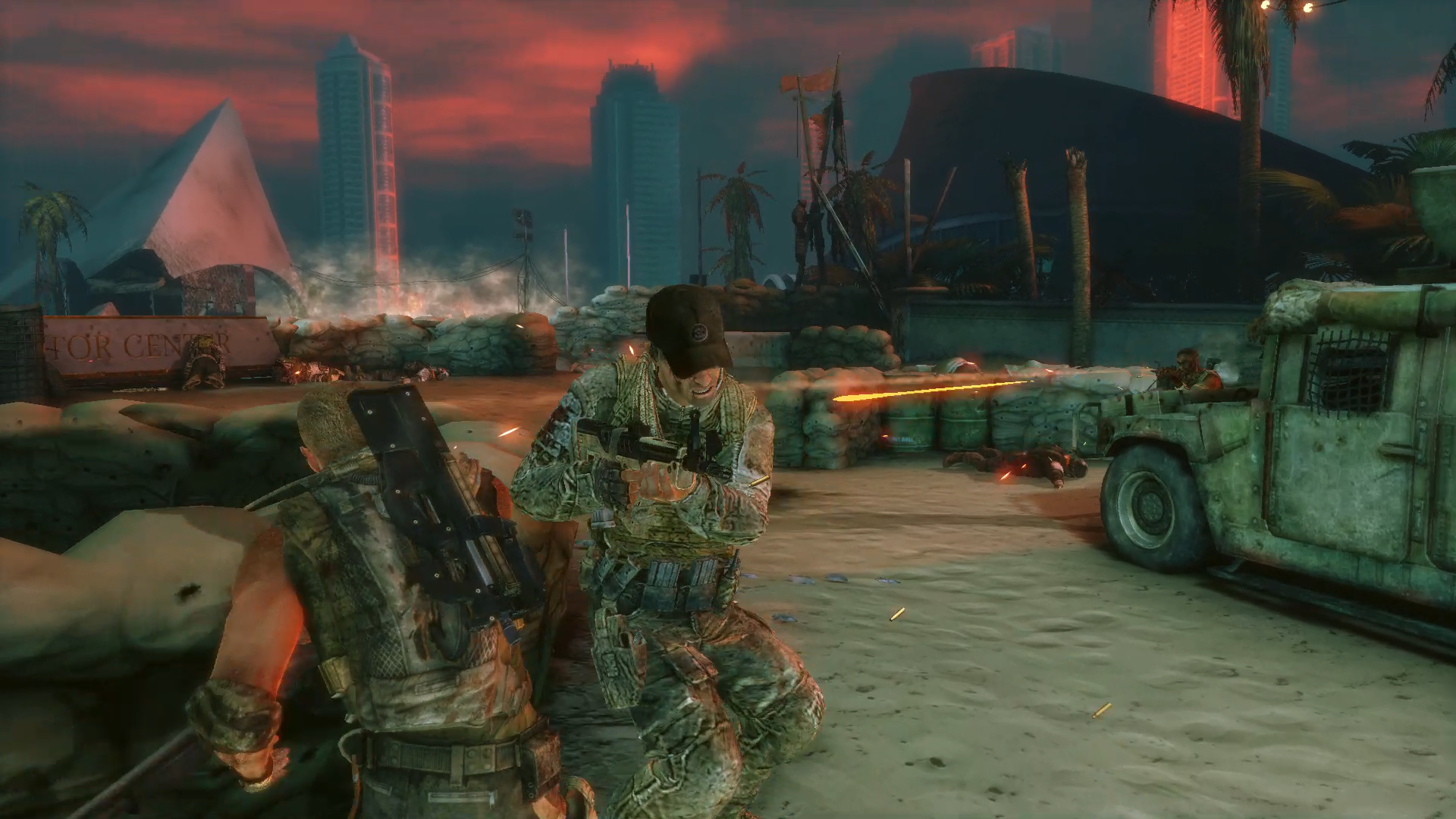
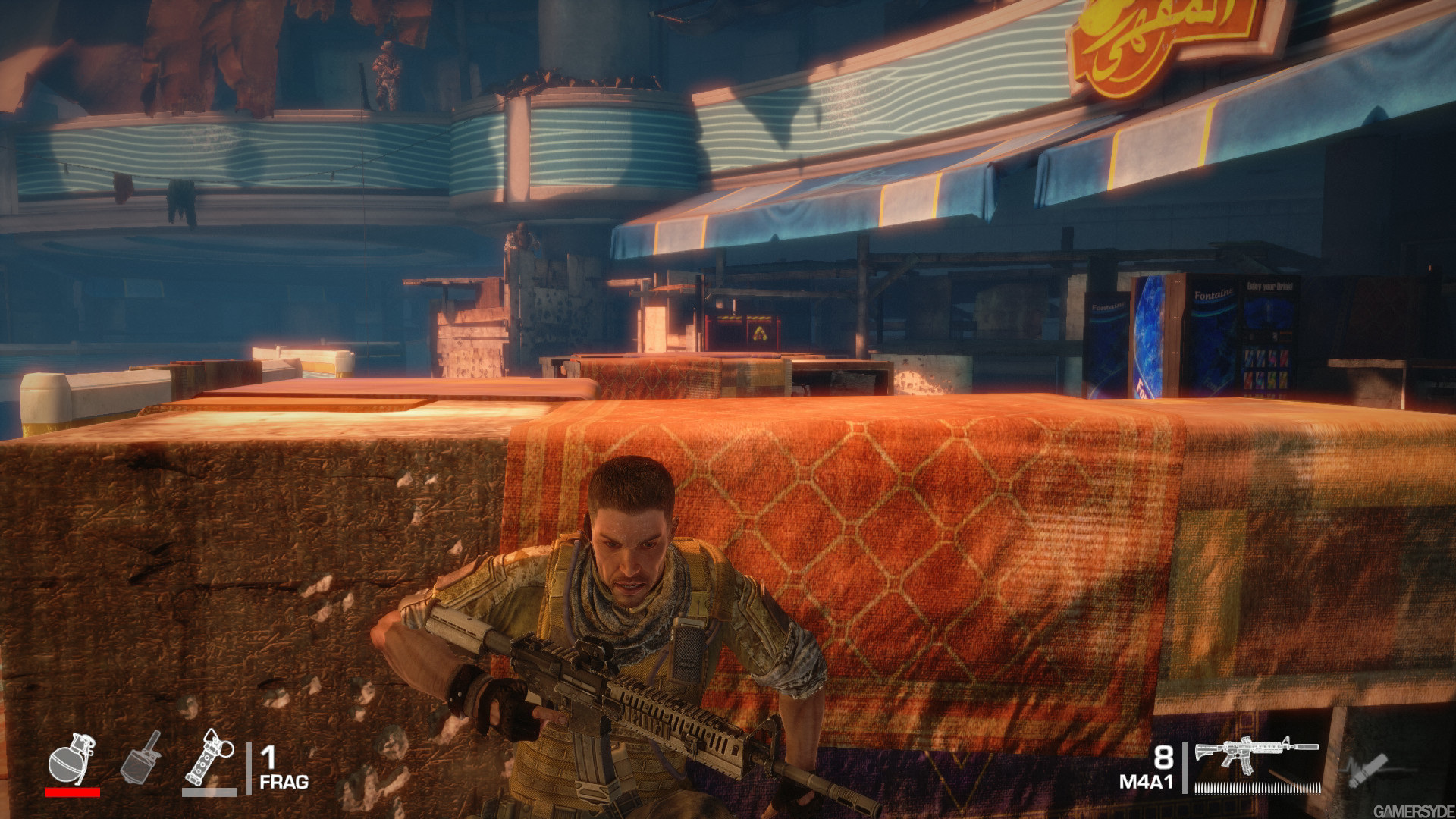
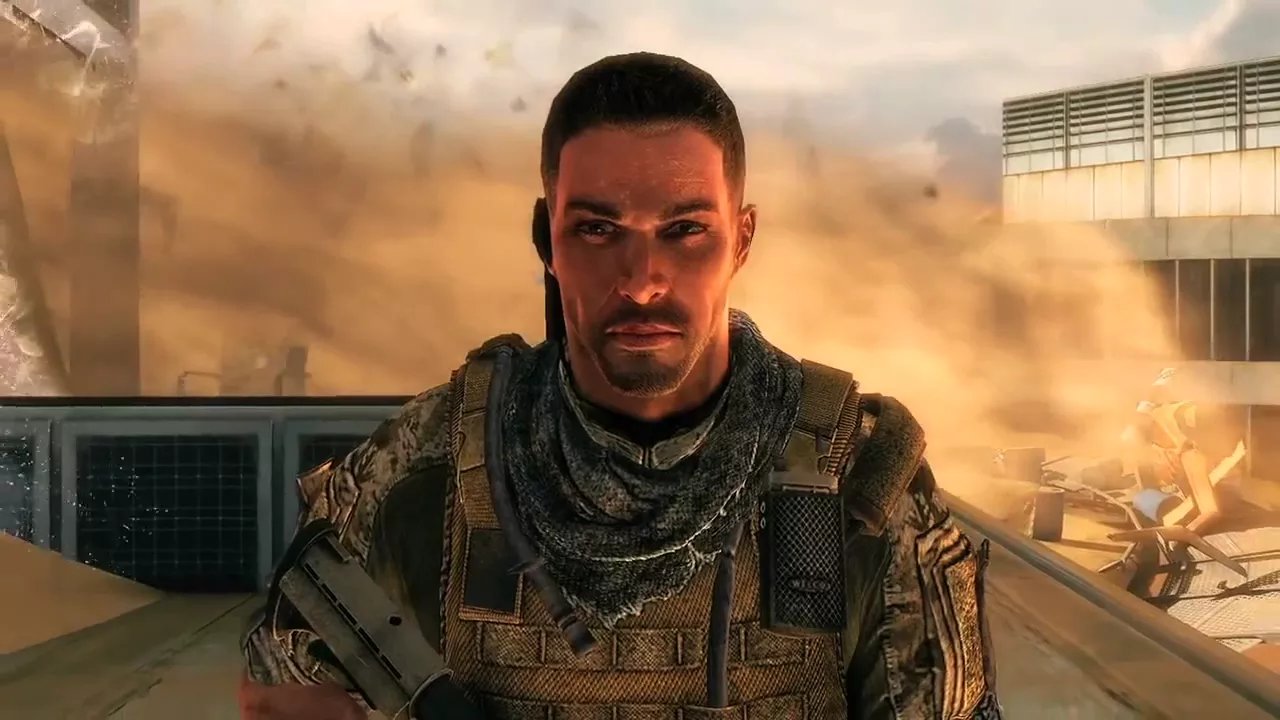
The core gameplay mechanics in Spec Ops: The Line are fairly standard for a third-person shooter. Players control Captain Martin Walker and his Delta Force team as they navigate through Dubai. Cover-based shooting, vaulting over obstacles, and utilizing various gadgets are all part of the experience. However, what sets this game apart is how these mechanics are interwoven with the narrative. The player’s choices, often presented as seemingly insignificant decisions, have profound consequences on the story and the fate of Walker and his team. These choices aren’t always clear-cut; they force players to confront difficult moral dilemmas and grapple with the ramifications of their actions.
Level Design and World Atmosphere
The level design in Spec Ops: The Line is meticulously crafted to create a sense of escalating tension and psychological breakdown. Dubai, once a vibrant metropolis, is now a desolate landscape filled with sandstorms, abandoned buildings, and pockets of resistance. Each district tells a story of its own, revealing the events that led to the city’s downfall. The environment itself becomes a character in the game, constantly reminding the player of the destructive power of war and the fragility of human civilization. The level design is not just about navigating obstacles; it’s about immersing the player in a world on the brink of collapse.
Narrative Depth and Character Profiles
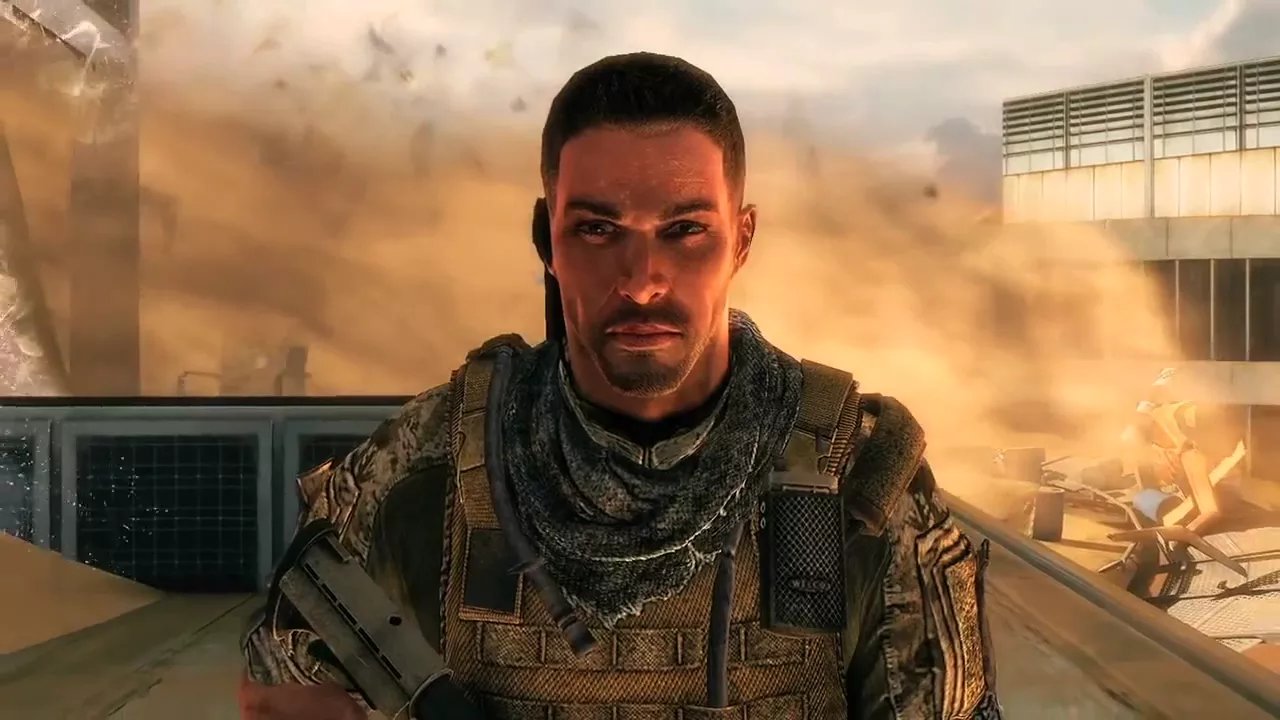
The narrative depth is arguably the game’s strongest asset. Captain Martin Walker, initially portrayed as a typical military hero, gradually unravels under the immense pressure of his mission. His descent into madness is both compelling and disturbing, forcing players to question their own perceptions of heroism and morality. The supporting characters are equally well-developed, each with their own motivations and flaws. Their interactions with Walker contribute to the overall sense of unease and psychological turmoil. The game’s narrative isn’t just about telling a story; it’s about exploring the human cost of war and the fragility of the human psyche.
Sound Design and Acoustic Realism
The sound design in Spec Ops: The Line is crucial in creating an immersive and unsettling atmosphere. The constant roar of sandstorms, the distant sounds of gunfire, and the eerie silence of abandoned buildings all contribute to a sense of isolation and dread. The game’s soundtrack is equally effective, using subtle musical cues to heighten tension and evoke emotional responses. The sound design isn’t just about creating realistic sound effects; it’s about manipulating the player’s emotions and drawing them deeper into the game’s psychological landscape.
Release Expectations and Community Hype
Prior to its release, Spec Ops: The Line generated considerable hype within the gaming community, largely due to its unconventional approach to the military shooter genre. Players were intrigued by the promise of a narrative-driven experience that would challenge their expectations and force them to confront difficult moral dilemmas. However, some players expressed concerns about whether the game could live up to its ambitious goals. The game’s release was met with both praise and criticism, with many reviewers highlighting its unique approach to storytelling and its willingness to explore controversial themes.
Conclusion: The Future of Spec Ops: The Line
Spec Ops: The Line remains a significant title in the history of video games, not just for its gameplay mechanics but also for its bold narrative choices and its willingness to challenge players’ perceptions of war and entertainment. While it may not have achieved mainstream success, it has earned a dedicated following among gamers who appreciate its unconventional approach and its thought-provoking themes. The game serves as a reminder that video games can be more than just mindless action; they can be powerful tools for exploring complex issues and challenging our own beliefs.
Source: Wikipedia