

Tietoja tästä pelistä
Introduction: The Next Chapter for Soulcalibur III
Soulcalibur III, released in 2005 by Namco for the PlayStation 2, represented a significant evolution within the acclaimed weapon-based fighting game franchise. Building upon the foundation laid by its predecessors, particularly Soulcalibur II, this installment aimed to refine existing mechanics while introducing innovative features that would resonate with both veteran players and newcomers alike. Developed under the direction of Jin Okubo, Shinobu Nimura, and Taisuke Aihara, Soulcalibur III marked a pivotal moment in the series’ history, solidifying its position as a cornerstone of the fighting game genre. The game was more than just an upgrade; it was a carefully crafted experience designed to push the boundaries of what was possible on the PlayStation 2 hardware.
Visual Direction and Graphics Engineering
Soulcalibur III showcased impressive visuals for its time, leveraging the capabilities of the PlayStation 2 to deliver detailed character models, intricate weapon designs, and dynamic environments. The game’s visual direction prioritized a balance between realism and stylized aesthetics, resulting in a unique artistic identity that distinguished it from other fighting games. While limited by the hardware constraints of the era, the development team employed various techniques to enhance the overall graphical fidelity, including advanced lighting effects, detailed textures, and carefully choreographed animations. The proprietary “Next-Gen Engine” was specifically optimized for this title, allowing for more complex character models and larger environments than previous installments. This engine allowed for a greater level of detail in both the characters and stages, contributing to the game’s immersive quality.
Pattavuus Mechanics and Core Systems
At its core, Soulcalibur III retained the fundamental gameplay mechanics that defined the Soulcalibur series: weapon-based combat with a focus on strategic positioning, precise timing, and intricate combo execution. However, the development team introduced several new features designed to enhance the depth and complexity of the gameplay experience. The most notable addition was the “Character Creation” mode, which allowed players to design their own unique fighters from a selection of 13 different occupations, each with its own distinct fighting styles and weapon choices. This feature provided an unprecedented level of customization and replayability, allowing players to create characters that perfectly suited their individual preferences. The game also featured a robust single-player mode called “Tales of Souls,” which offered a compelling narrative experience comparable to the “Edge Master” mode from Soul Edge.
Level Design and World Atmosphere
The level design in Soulcalibur III played a crucial role in establishing the game’s immersive atmosphere. Each stage was meticulously crafted to reflect the diverse cultural influences that shaped the world of Soulcalibur, ranging from ancient castles and bustling marketplaces to serene temples and treacherous landscapes. The environments were not merely static backdrops; they were dynamic elements that interacted with the gameplay, offering strategic advantages and hazards for players to exploit. The attention to detail in the level design contributed significantly to the overall sense of immersion, drawing players into the rich tapestry of the Soulcalibur universe.
Narrative Depth and Character Profiles
Soulcalibur III boasted a compelling narrative that explored the complex relationships between its diverse cast of characters. The story delved into themes of destiny, betrayal, and redemption, offering a nuanced portrayal of the motivations and struggles that drove each character’s actions. The game featured a robust single-player mode called “Chronicles of the Sword,” which allowed players to experience the unfolding narrative through the eyes of their own created characters. This feature provided a unique perspective on the events of the story, allowing players to forge their own connections with the world of Soulcalibur.
Sound Design and Acoustic Realism
The sound design in Soulcalibur III played a vital role in enhancing the game’s immersive quality. The soundtrack featured a diverse range of musical styles, from orchestral scores to traditional Japanese instruments, creating an evocative atmosphere that perfectly complemented the on-screen action. The sound effects were meticulously crafted to provide realistic feedback for every impact, clash, and movement, further immersing players in the world of Soulcalibur. The combination of music and sound effects created a truly unforgettable auditory experience.
Release Expectations and Community Hype
Prior to its release, Soulcalibur III generated significant hype within the gaming community. Fans eagerly anticipated the new features, improved graphics, and expanded roster of characters that were promised in pre-release materials. The game was widely regarded as one of the most highly anticipated titles for the PlayStation 2, and its release was met with considerable excitement. The anticipation surrounding Soulcalibur III reflected the strong following that the series had cultivated over the years, and the game ultimately lived up to the expectations of many fans.
Conclusion: The Future of Soulcalibur III
Soulcalibur III stands as a testament to the enduring appeal of weapon-based fighting games and the innovative spirit of Namco’s Project Soul team. While it may be a product of its time, limited by the hardware capabilities of the PlayStation 2, its impact on the fighting game genre remains undeniable. The introduction of features like Character Creation and Tales of Souls significantly expanded the gameplay possibilities, while the refined combat mechanics and immersive presentation solidified its place as a classic. Although Namco Bandai Pelit took over development for subsequent installments, Soulcalibur III served as a crucial stepping stone in the series’ evolution, paving the way for future innovations and solidifying its legacy within the hearts of gamers worldwide.

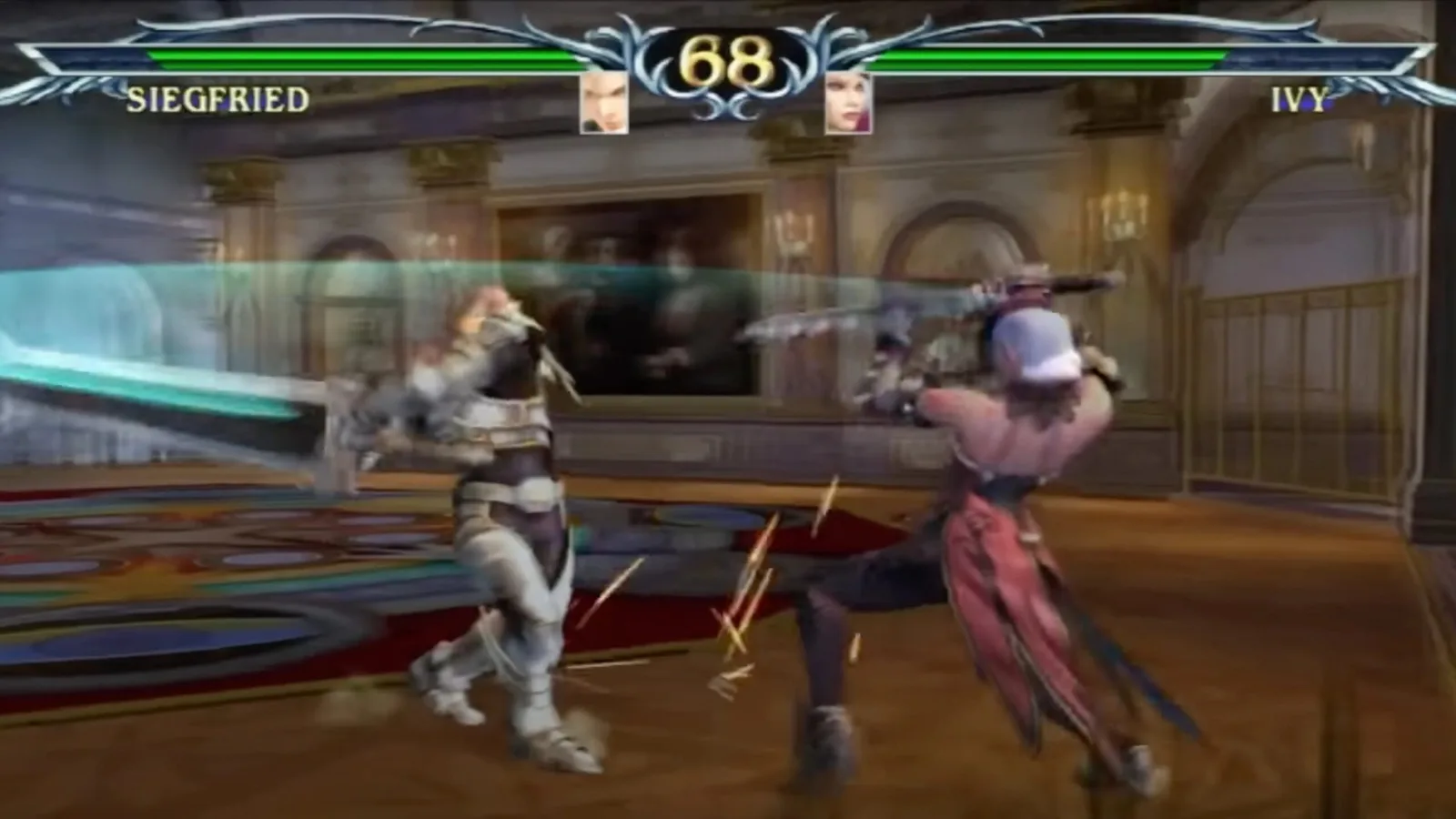
Source: Wikipedia
Galleria

Liity keskusteluun