Introduction: The Next Chapter for SOMA
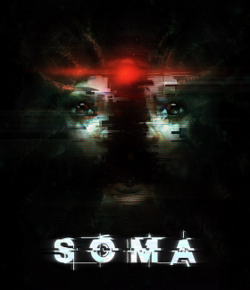
SOMA, a survival horror game developed by Frictional Games, isn’t just another jump scare simulator. It’s a profound exploration of consciousness, identity, and the very nature of existence, all wrapped in a terrifying underwater setting. Released initially in 2015, it has since become a benchmark for narrative depth and atmospheric immersion in the horror genre. This deep-dive review will dissect every aspect of SOMA, from its groundbreaking engine to its chilling story, providing an unparalleled look at what makes this game so special. We’re not just reviewing a game; we’re analyzing a philosophical treatise disguised as a horror experience.
Visual Direction and Graphics Engineering
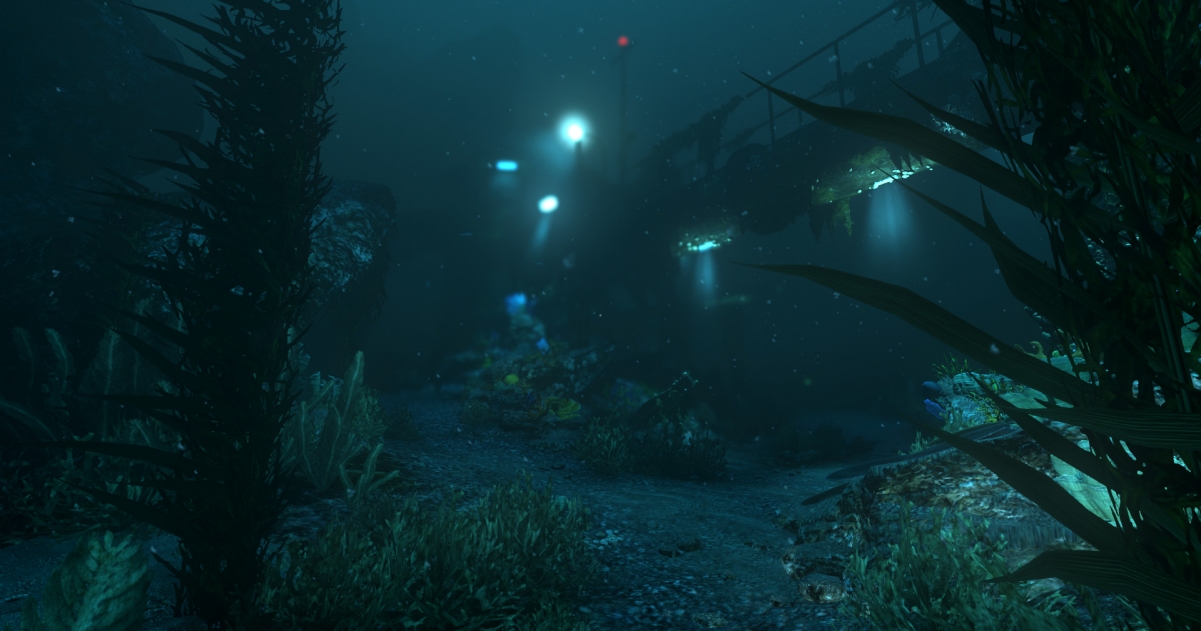
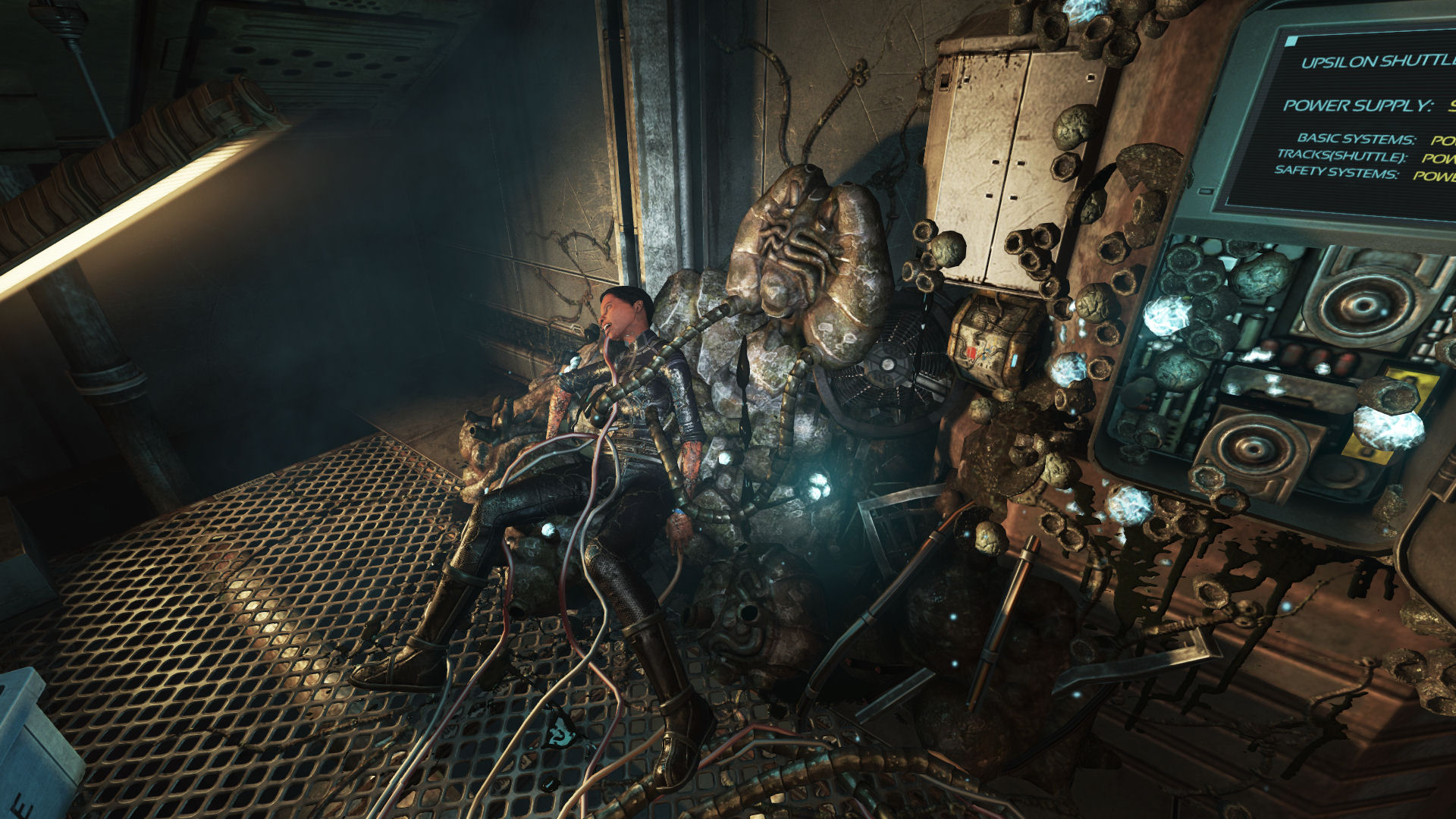
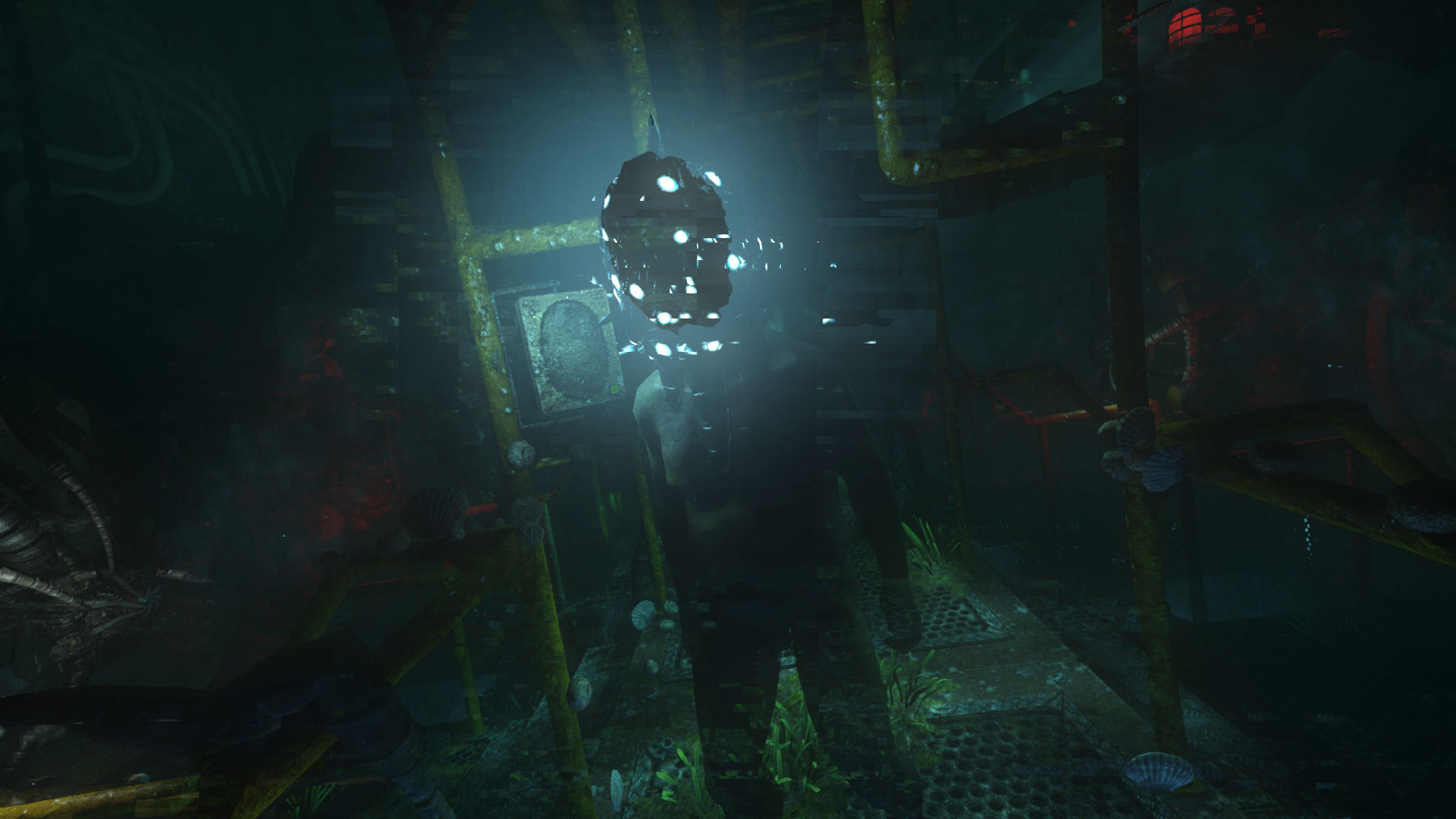
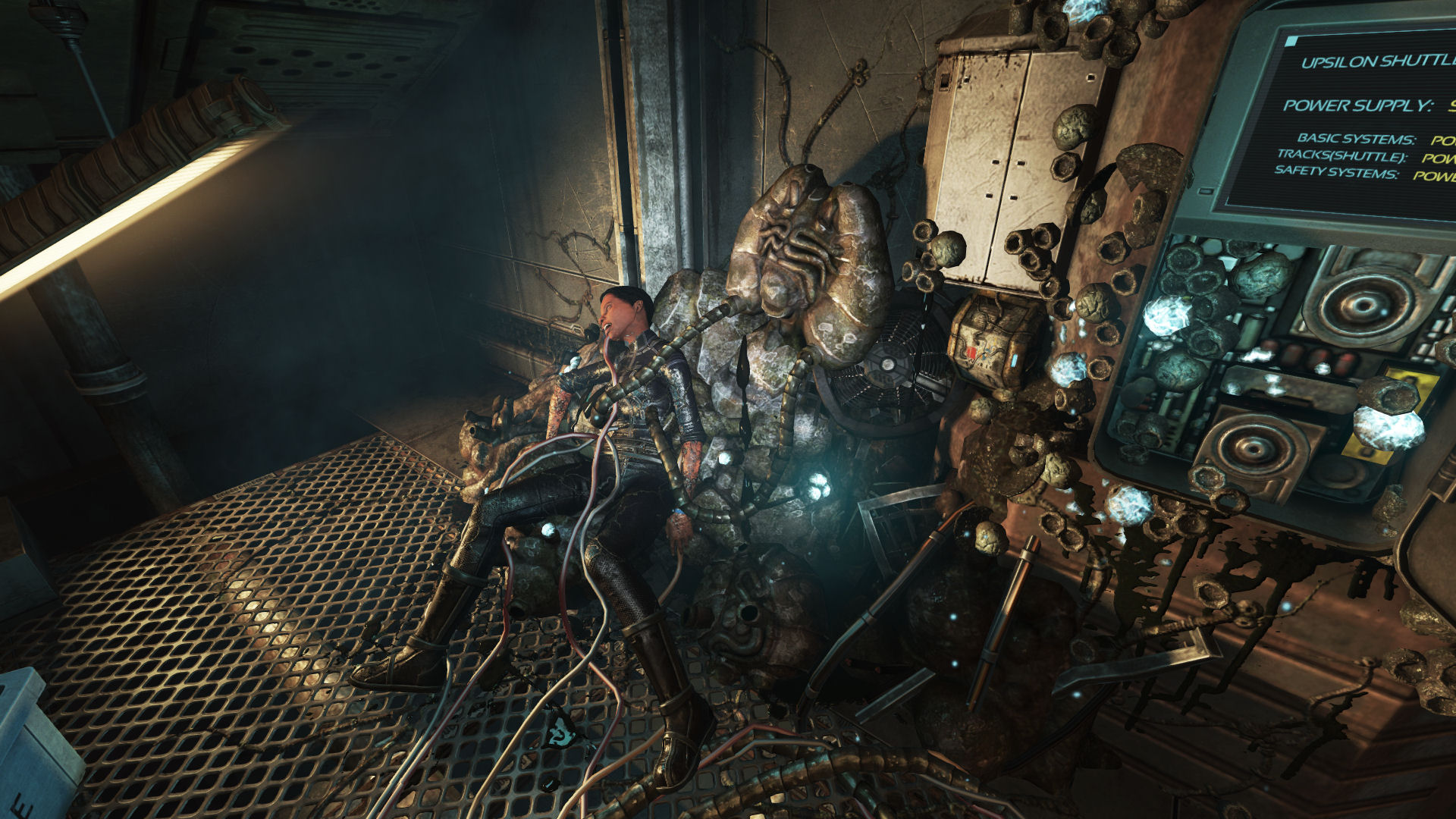
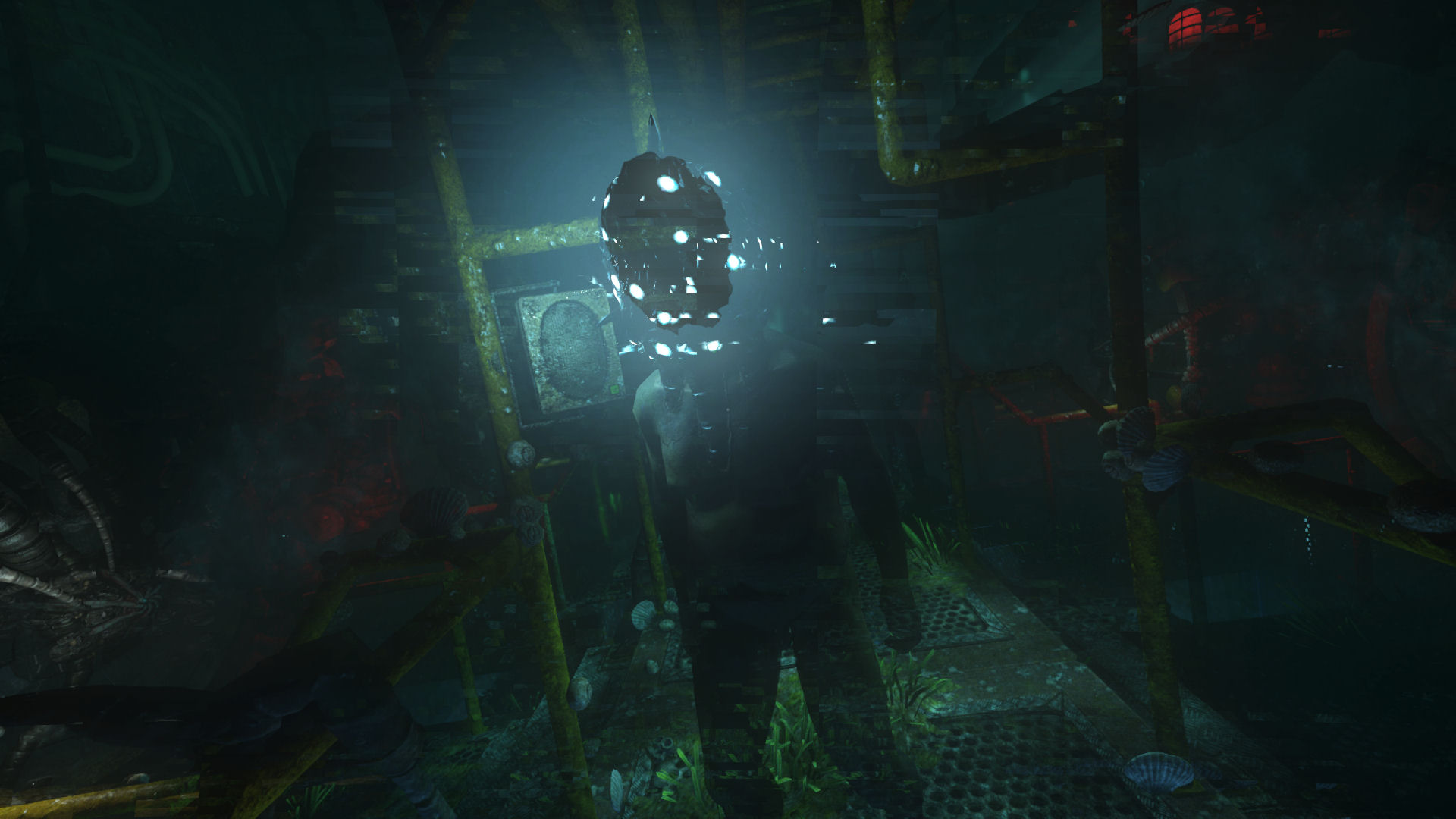
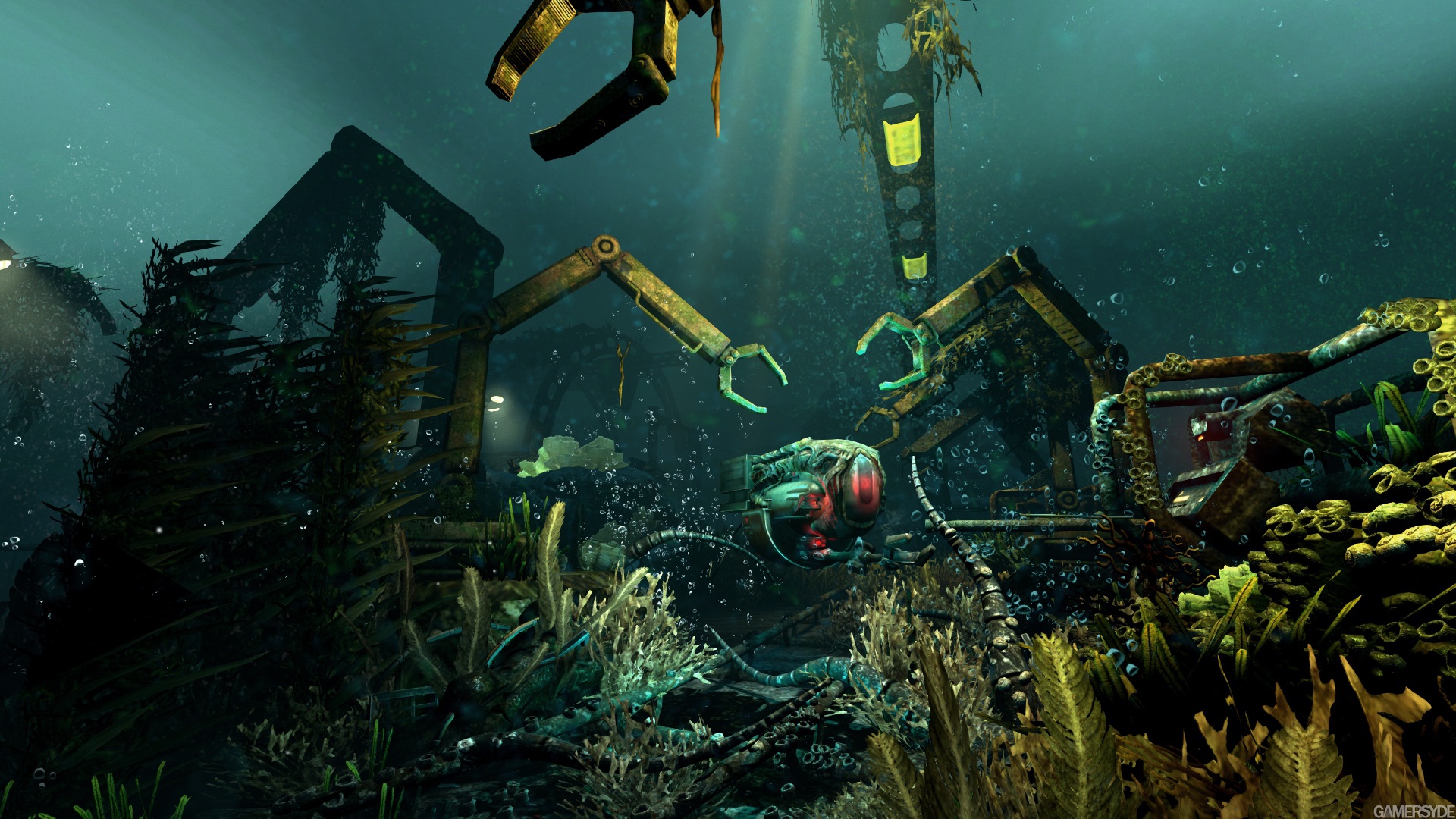
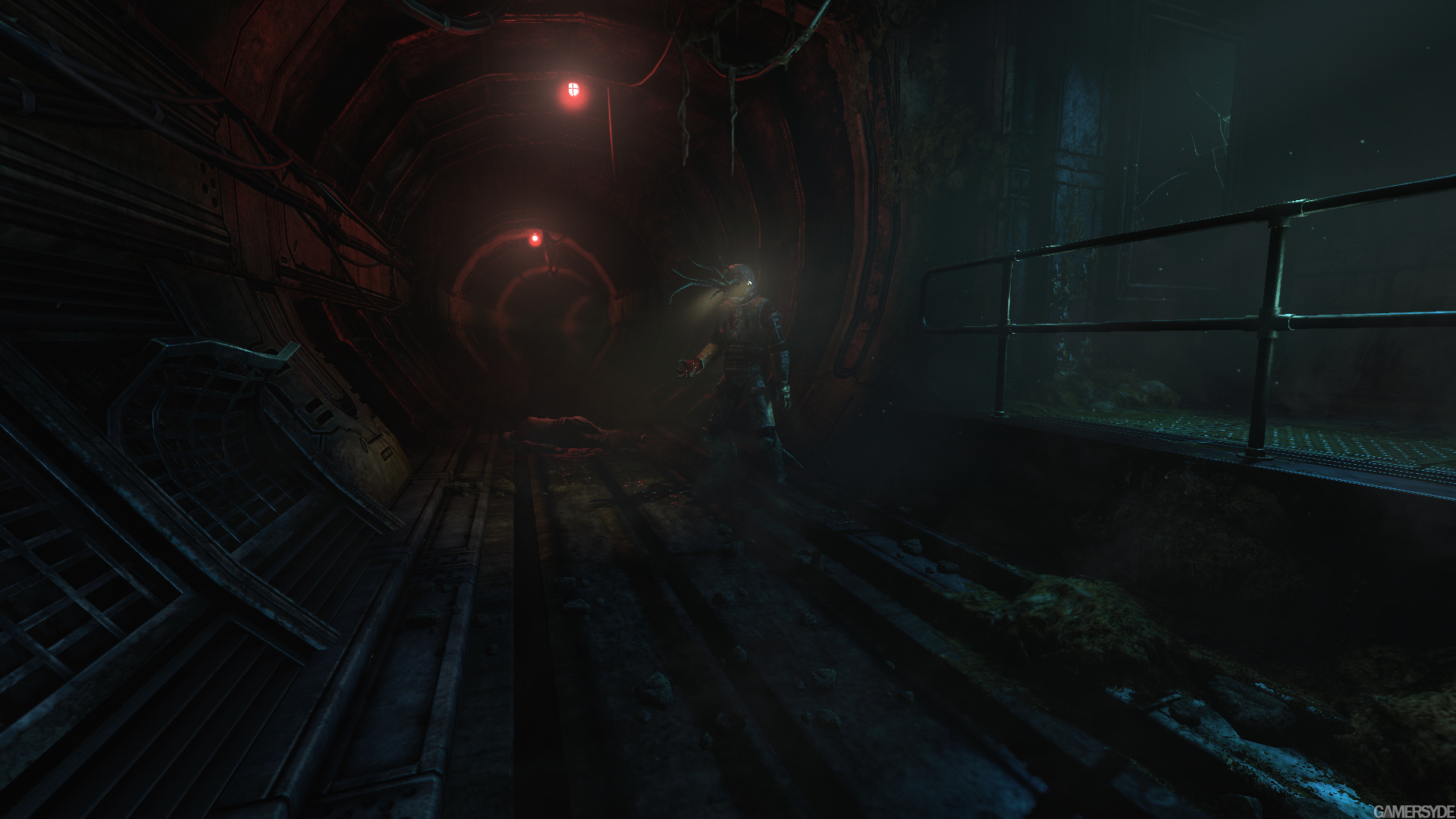
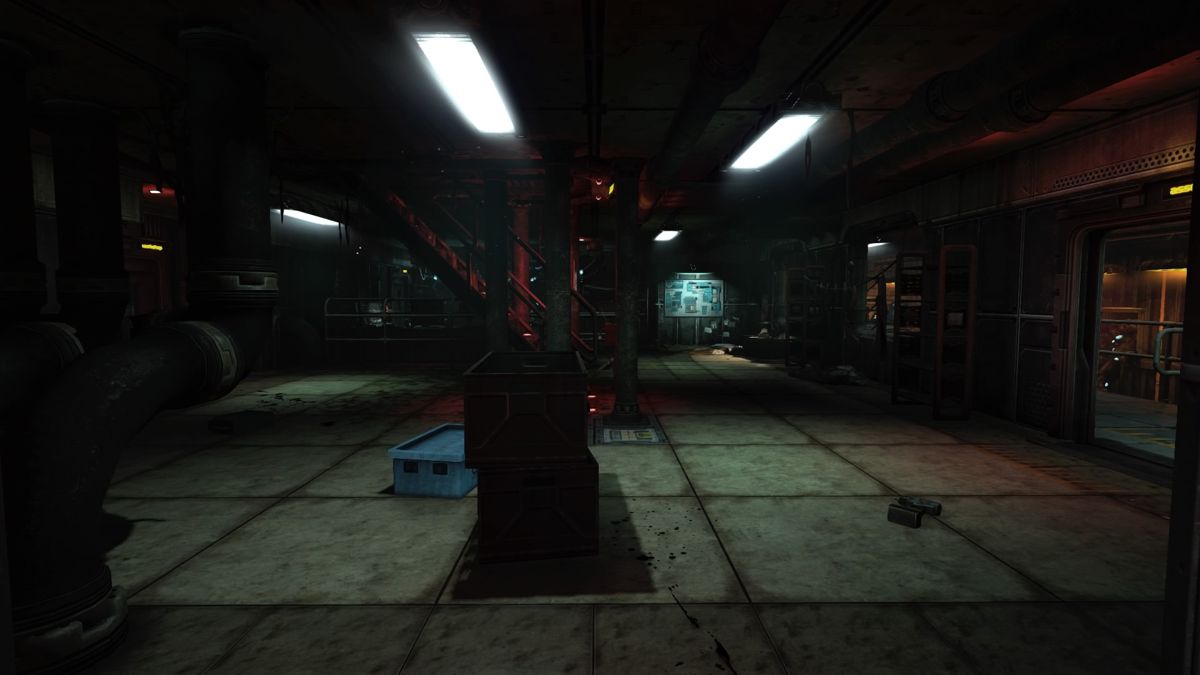
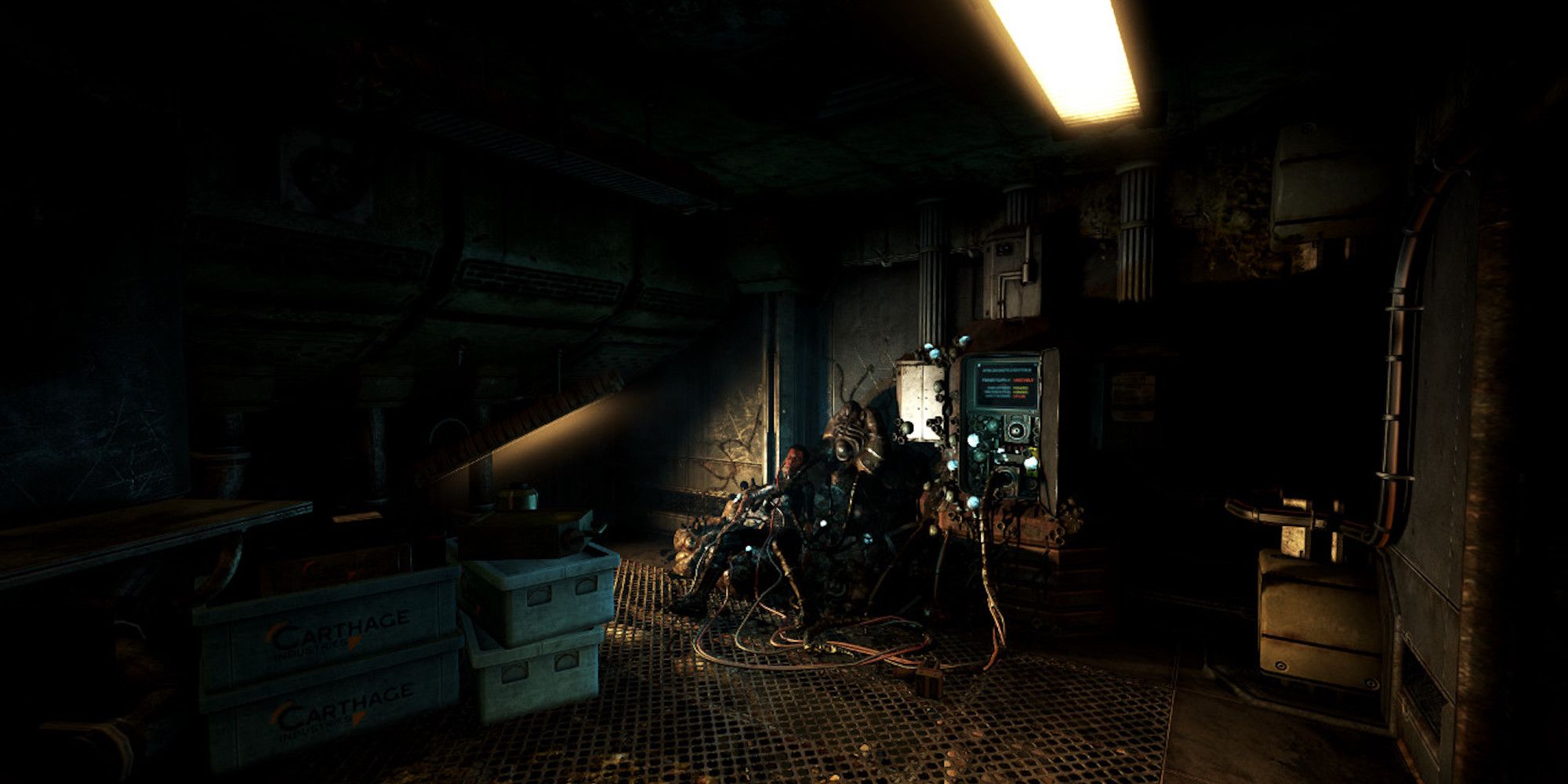
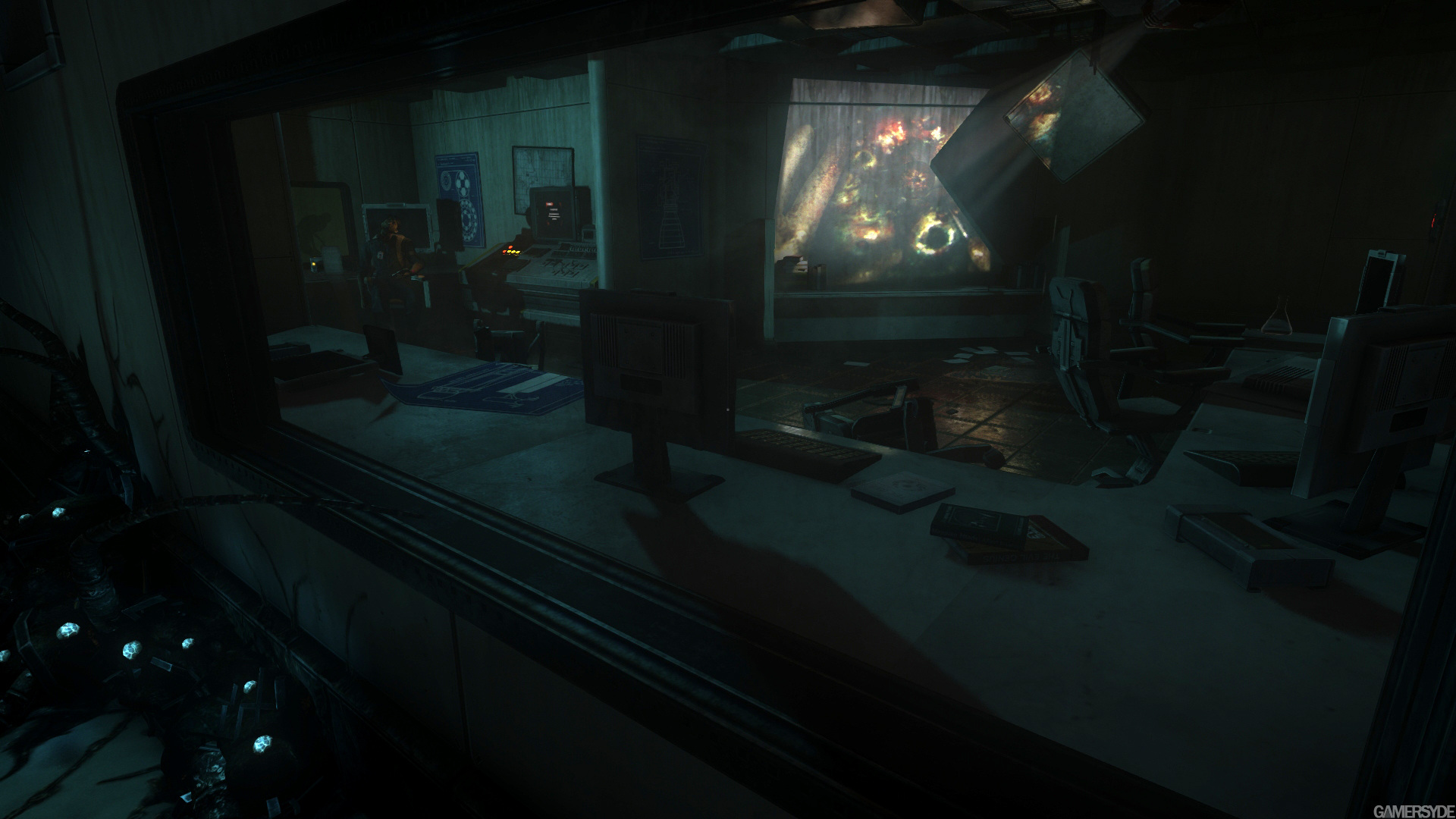
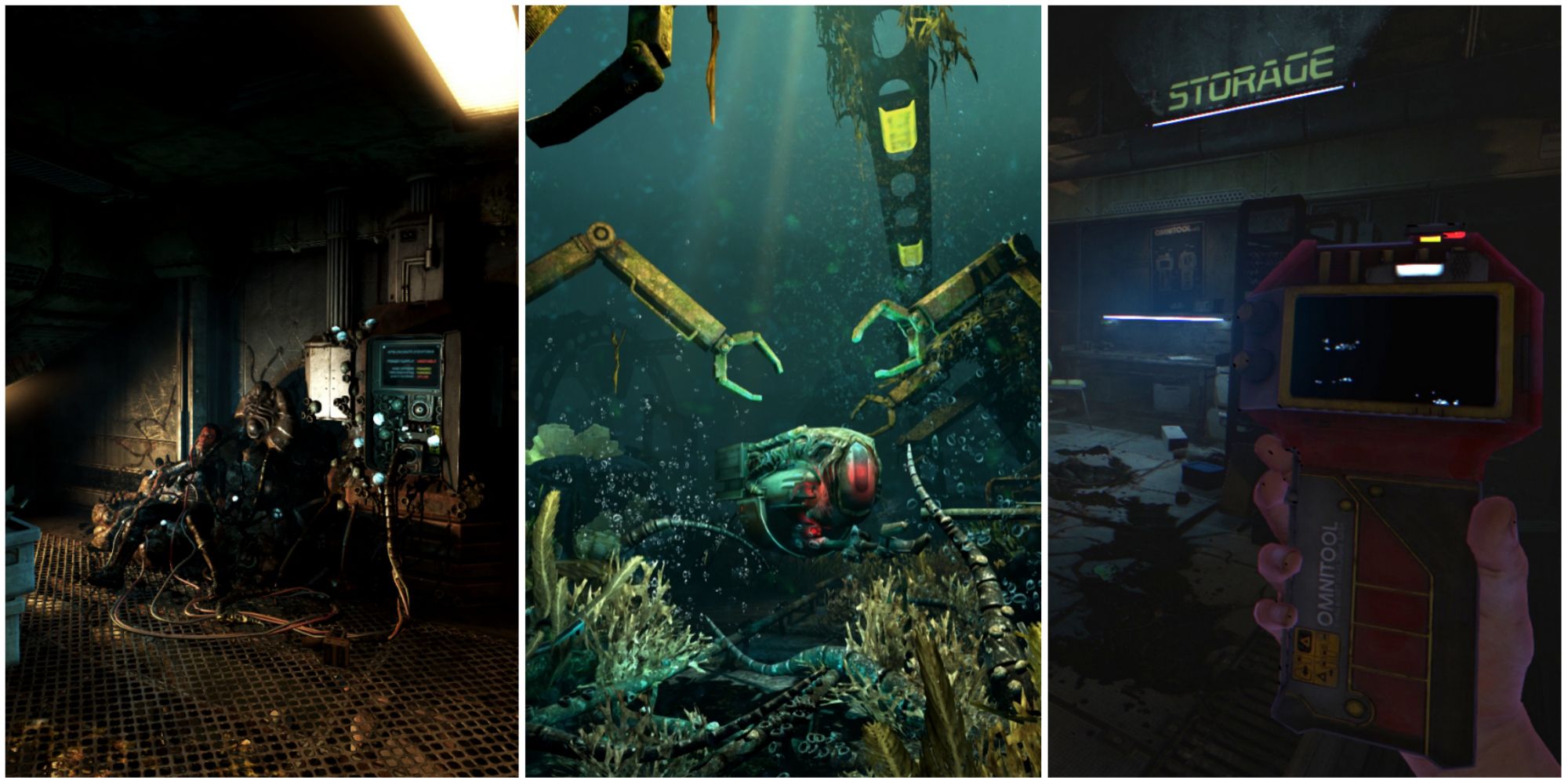
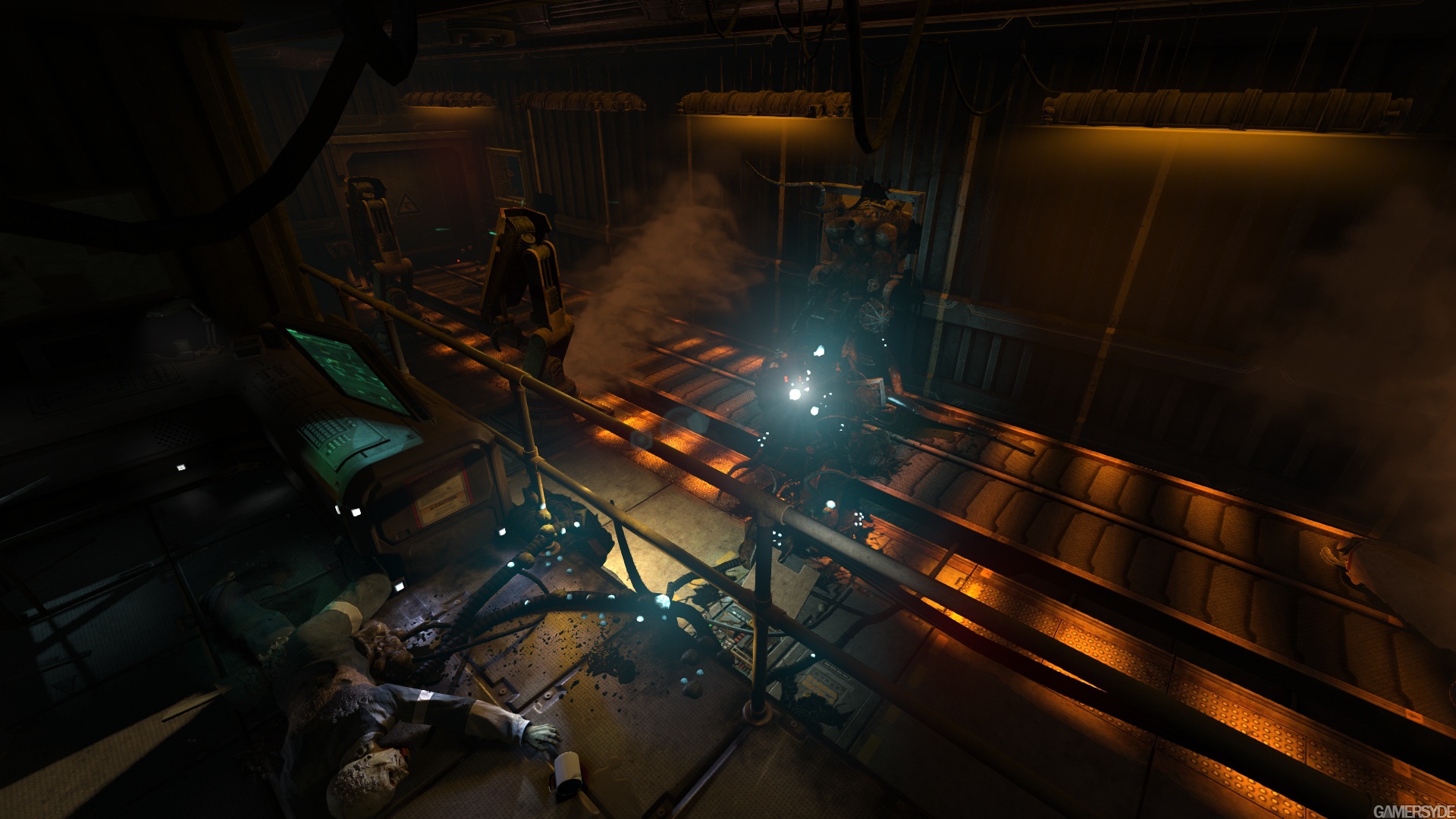
SOMA leverages the HPL Engine 3, a proprietary engine developed by Frictional Games. While not boasting photorealistic graphics in the vein of AAA titles, the visual style is deliberately chosen to enhance the game’s atmosphere. The underwater environment is rendered with a sense of claustrophobia and isolation, using carefully crafted lighting and textures to create a feeling of unease. The limited visibility and decaying infrastructure contribute significantly to the overall sense of dread. The engine prioritizes performance and stability, allowing for smooth gameplay even on modest hardware. This focus on optimization allows players to fully immerse themselves in the experience without being bogged down by technical issues.
Gameplay Mechanics and Core Systems
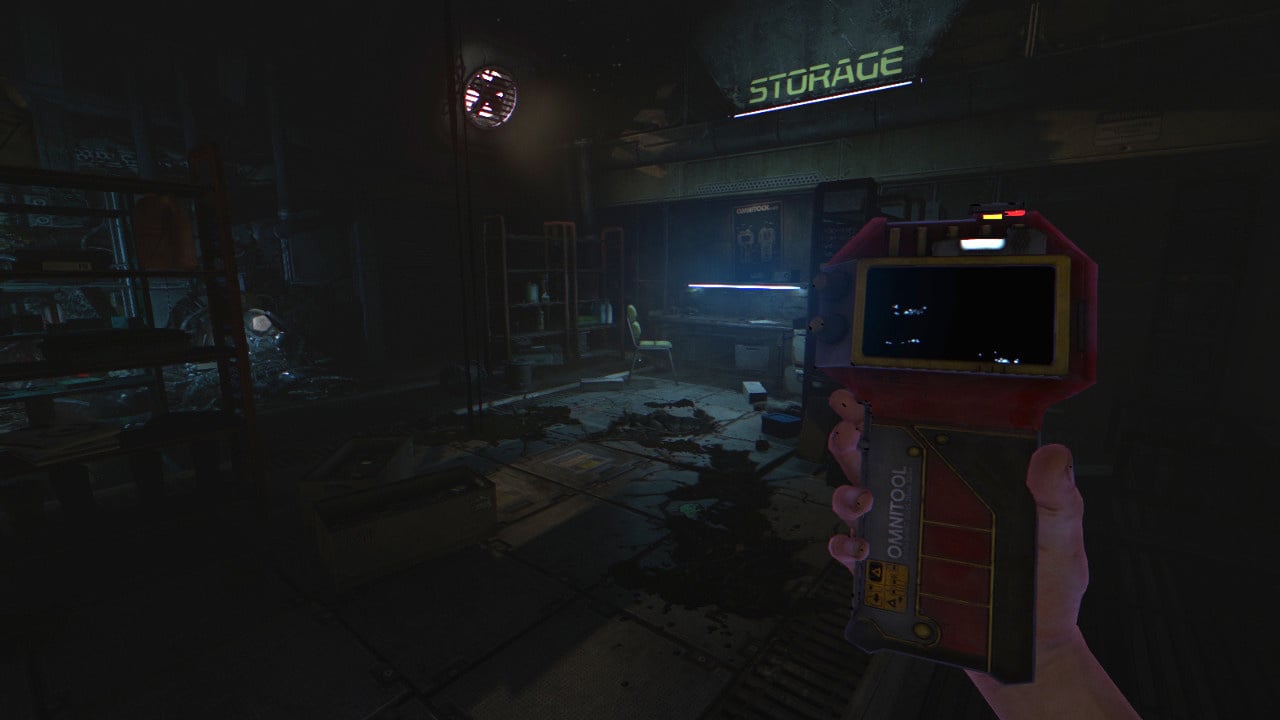
SOMA distinguishes itself from typical horror games by de-emphasizing combat and inventory management. The primary focus is on exploration, puzzle-solving, and stealth. Players must rely on their wits and resourcefulness to navigate the treacherous underwater facility and avoid encounters with hostile entities. The “proxy” mechanic, where players can interact with machines to solve puzzles or distract enemies, adds a unique layer of strategic gameplay. This design choice reinforces the game’s themes of vulnerability and helplessness, forcing players to confront their fears rather than relying on brute force.
Level Design and World Atmosphere
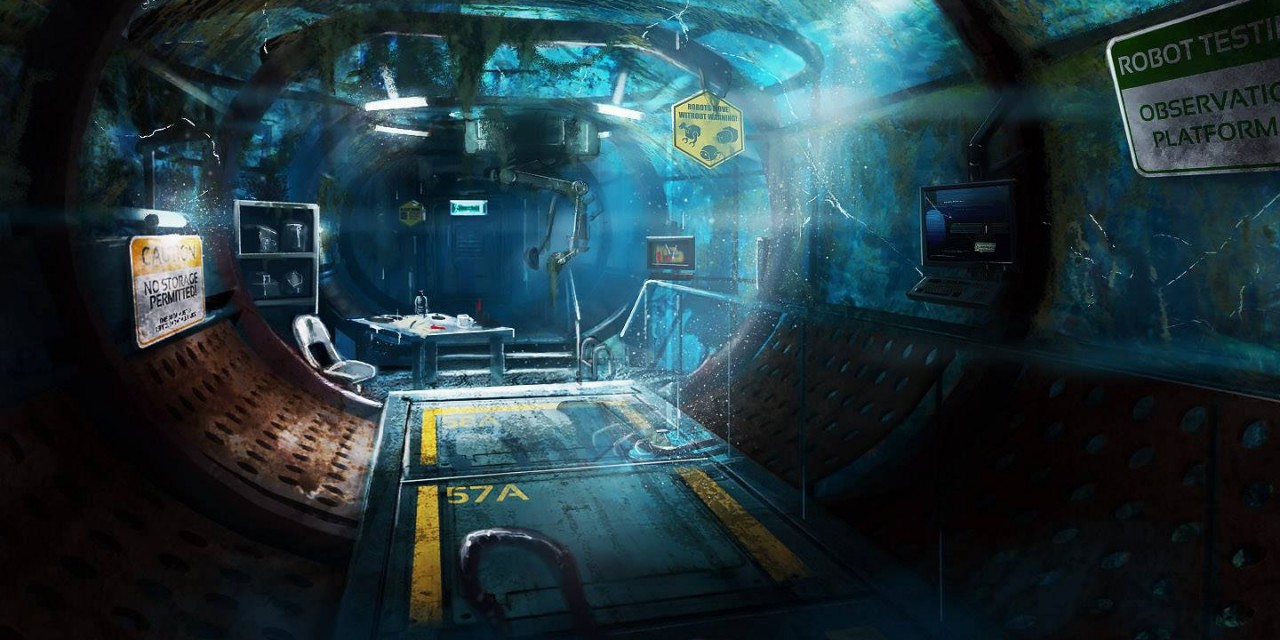
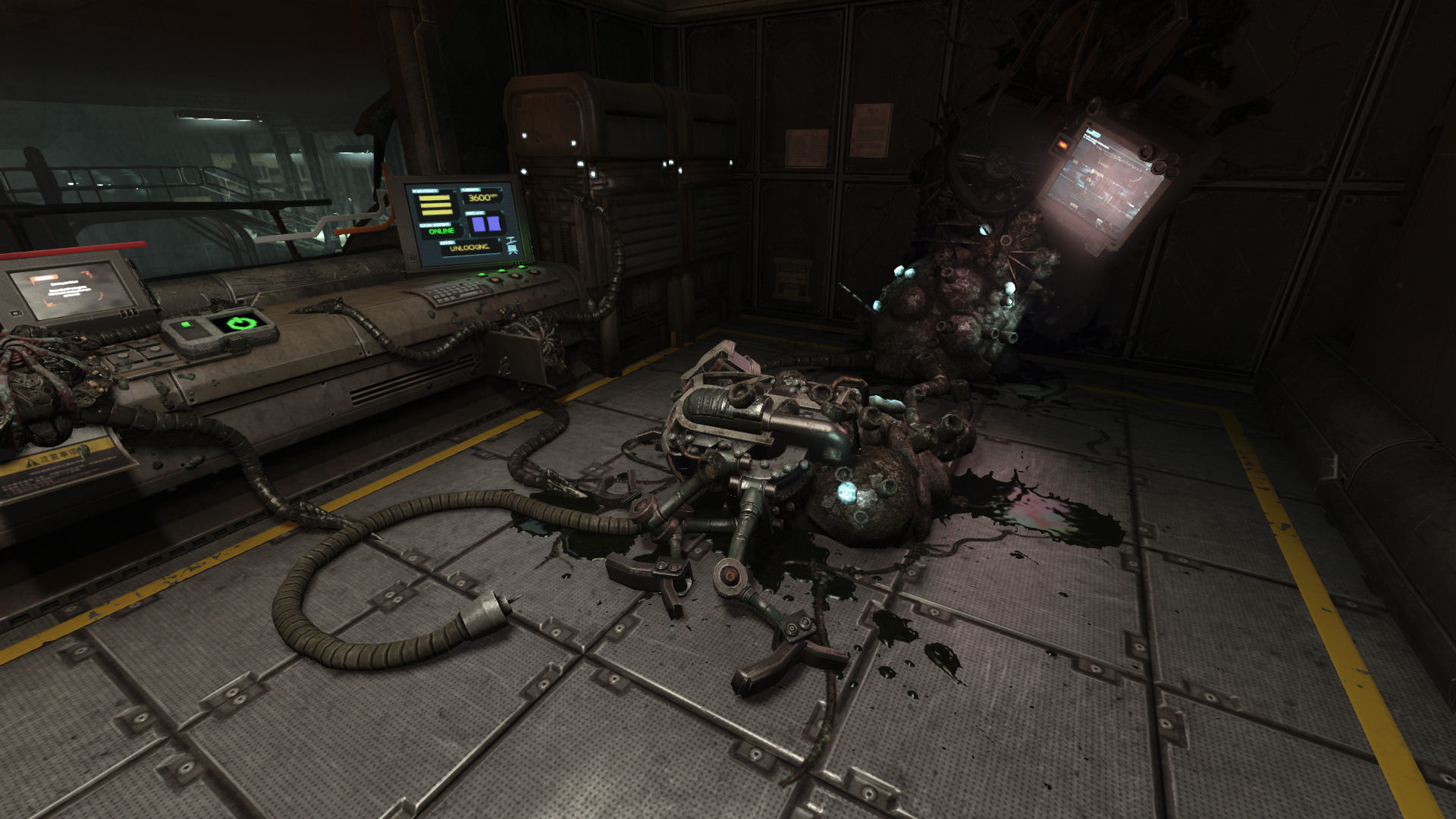
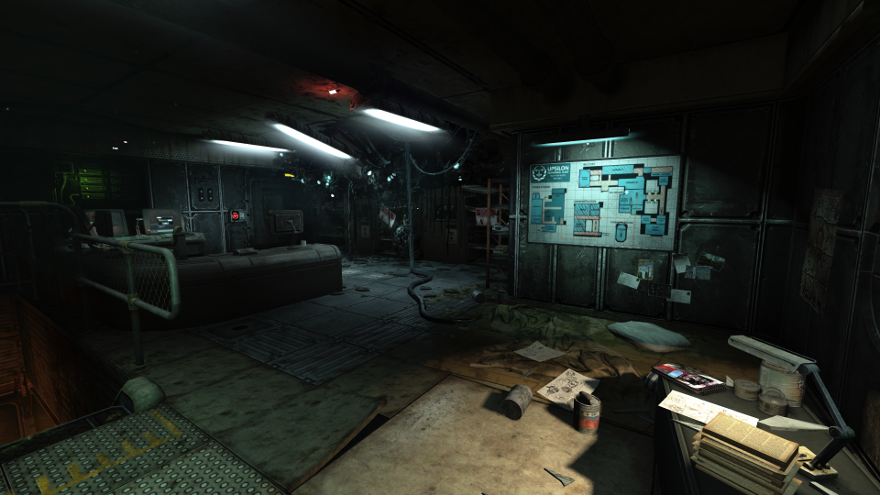
The level design in SOMA is masterful, creating a sense of constant tension and unease. The underwater research facility PATHOS-II is meticulously crafted, with each room telling a story about its former inhabitants. The decaying infrastructure, flickering lights, and unsettling sounds create an atmosphere that is both terrifying and captivating. The game’s use of verticality further enhances the feeling of claustrophobia, as players navigate narrow corridors and precarious platforms.
Narrative Depth and Character Profiles
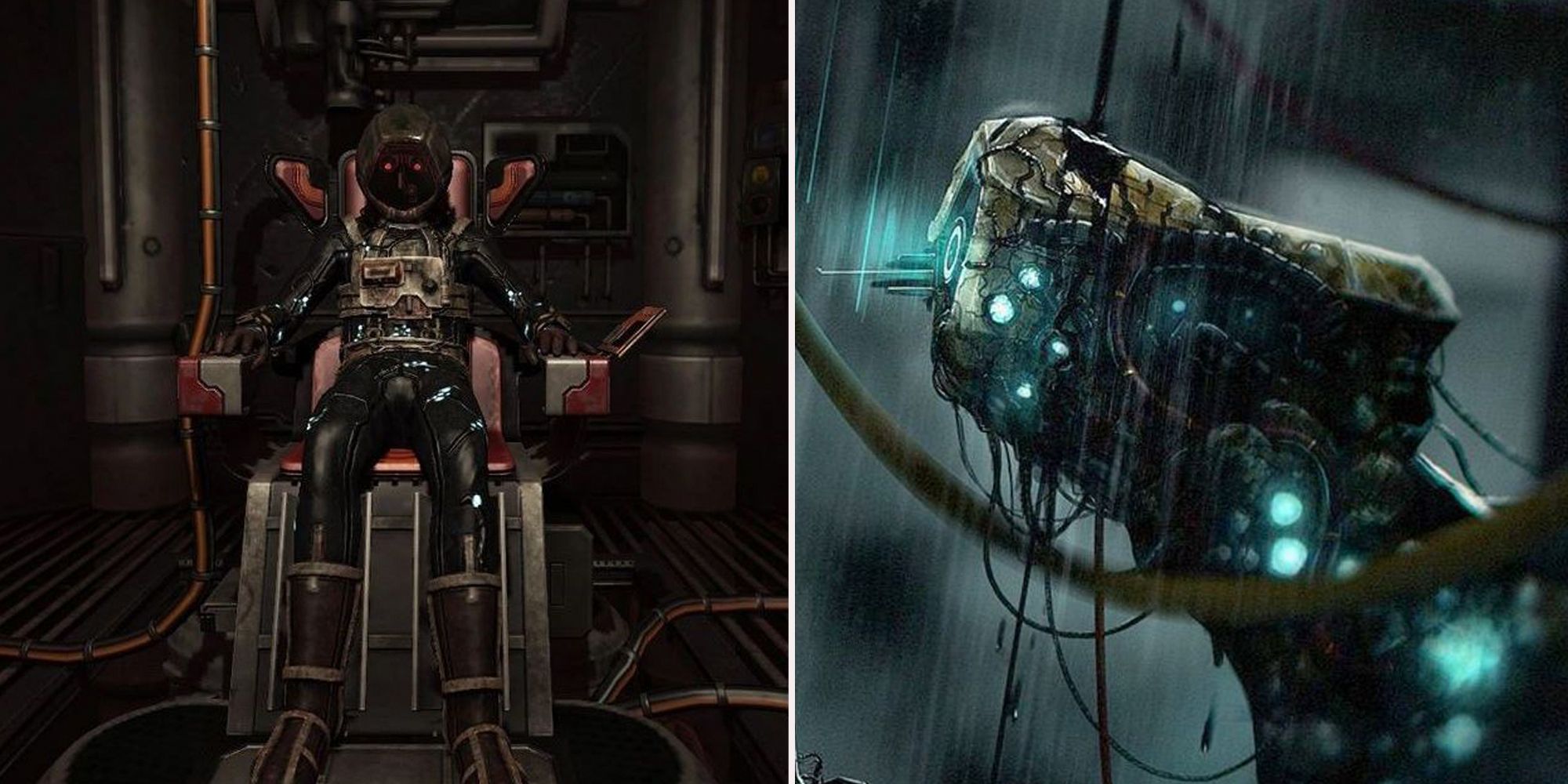
SOMA’s narrative is its strongest asset. The story explores complex themes of consciousness, identity, and what it truly means to be human. Simon Jarrett, the protagonist, finds himself in a terrifying situation, forced to confront not only external threats but also his own internal struggles. The game features memorable characters, both human and artificial, each with their own motivations and perspectives. The narrative unfolds gradually, revealing new layers of complexity as players progress through the story.
Sound Design and Acoustic Realism
The sound design in SOMA is exceptional, playing a crucial role in creating the game’s immersive atmosphere. The subtle creaks and groans of the decaying facility, the distant echoes of machinery, and the unsettling vocalizations of the artificial intelligences all contribute to the sense of dread.
The use of binaural audio further enhances the experience, allowing players to pinpoint the source of sounds with remarkable accuracy. This level of detail creates a truly visceral and unforgettable horror experience.
Release Expectations and Community Hype
The release of SOMA was met with considerable anticipation within the gaming community, particularly among fans of Frictional Games’ previous titles like Amnesia: The Dark Descent. The game’s unique blend of psychological horror, philosophical themes, and innovative gameplay mechanics generated significant buzz leading up to its launch. The positive reception from critics and players alike solidified SOMA’s place as a must-play title for fans of the genre.
Conclusion: The Future of SOMA
SOMA is more than just a game; it’s an experience that challenges players to confront their own understanding of consciousness and identity. Its masterful blend of psychological horror, philosophical themes, and innovative gameplay mechanics sets it apart from other titles in the genre. While a direct sequel may not be on the horizon, the legacy of SOMA continues to inspire developers and captivate players alike. It remains a benchmark for narrative depth and atmospheric immersion, solidifying its place as a true masterpiece of interactive storytelling.
Source: Wikipedia

.png)
.png)