Introduction: The Next Chapter for Sleeping Dogs
Sleeping Dogs, a 2012 action-adventure title developed by United Front Games and published by Square Enix, represents a unique blend of open-world gameplay, martial arts combat, and a compelling narrative set against the vibrant backdrop of Hong Kong. While initially conceived as part of the True Crime series under Activision Blizzard, its eventual release under Square Enix marked a significant turning point, allowing for a more focused development cycle and ultimately shaping the game we know today. This deep-dive review will dissect every facet of Sleeping Dogs, from its technical foundations to its artistic vision, providing an in-depth analysis that goes beyond surface-level observations.
Visual Direction and Graphics Engineering
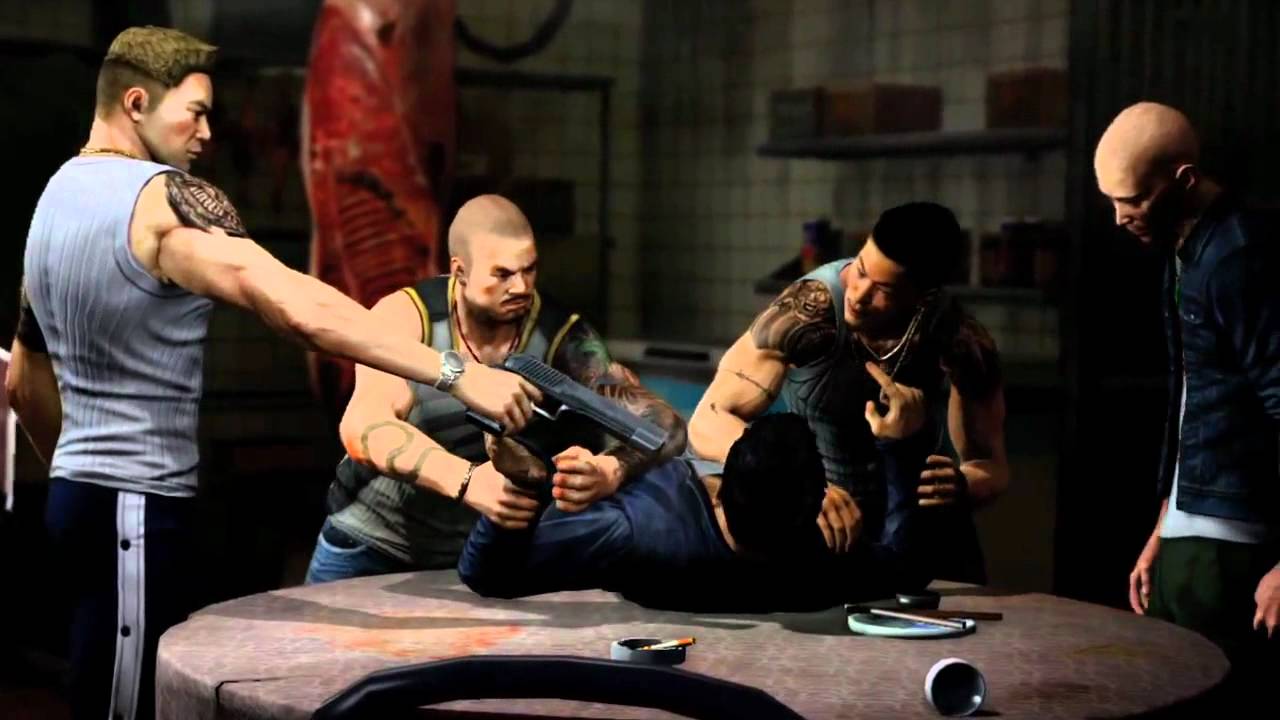
Sleeping Dogs boasts a proprietary next-gen engine designed by United Front Games. While not as technically advanced as some contemporary titles, the engine effectively captures the essence of Hong Kong’s bustling streets, neon-lit alleys, and towering skyscrapers. The visual direction prioritizes authenticity, with meticulous attention paid to recreating the city’s unique architectural styles and cultural nuances. showcases the game’s impressive environmental detail, highlighting the intricate textures and dynamic lighting that bring Hong Kong to life. While optimization was a challenge given the open-world nature of the game, the developers managed to create a visually engaging experience across PlayStation 3, Windows, and Xbox 360. The use of color palettes is particularly noteworthy, with vibrant hues contrasting against the often gritty realism of the criminal underworld.
Gameplay Mechanics and Core Systems
The core gameplay loop in Sleeping Dogs revolves around Wei Shen’s dual life as an undercover cop and a member of the Sun On Yee Triad. Players seamlessly transition between these roles, engaging in both legal investigations and illegal activities. The combat system is a highlight, featuring a visceral and satisfying mix of martial arts moves, hand-to-hand fighting, and gunplay. Wei Shen’s ability to perform acrobatic maneuvers, such as wall jumps and takedowns, adds another layer of depth to the combat experience. Driving mechanics are also present, allowing players to navigate Hong Kong in various vehicles. The game features a karma system that influences how NPCs react to the player’s actions, adding a dynamic element to the open-world environment. illustrates Wei Shen executing a signature martial arts move, showcasing the fluidity and responsiveness of the combat animations.
Level Design and World Atmosphere
Hong Kong itself serves as the primary level design in Sleeping Dogs, offering players a sprawling urban playground to explore. The city is divided into distinct districts, each with its own unique atmosphere and challenges. From the crowded markets of Mong Kok to the upscale shopping streets of Causeway Bay, every corner of Hong Kong feels authentic and lived-in. The level design encourages exploration, rewarding players who venture off the beaten path with hidden collectibles, side missions, and breathtaking views. The game’s open-world structure allows for a high degree of player freedom, enabling them to approach objectives in their own way.
Narrative Depth and Character Profiles
The narrative of Sleeping Dogs is a compelling blend of crime drama, action thriller, and cultural exploration. Wei Shen’s journey from rookie cop to seasoned undercover agent is fraught with danger, betrayal, and moral dilemmas. The supporting cast is equally well-developed, each character contributing to the rich tapestry of Hong Kong society. The game delves into themes of loyalty, corruption, and the complexities of navigating a world where right and wrong are often blurred. Wei Shen’s internal conflict as he struggles to maintain his cover while upholding his sense of justice adds another layer of depth to the narrative.
Sound Design and Acoustic Realism
The sound design in Sleeping Dogs plays a crucial role in immersing players in the world of Hong Kong. The bustling city streets are brought to life with authentic ambient sounds, from the chatter of street vendors to the blare of traffic. The soundtrack features a mix of traditional Chinese instruments and modern electronic music, creating a unique sonic landscape that complements the game’s visuals. The sound effects for combat are particularly impactful, adding weight and realism to every punch, kick, and gunshot.
Release Expectations and Community Hype
Prior to its release under Square Enix, Sleeping Dogs faced significant development challenges and delays as part of the True Crime series. This led to tempered expectations among gamers. However, the re-branding and renewed focus on the game’s core strengths generated a wave of excitement in the gaming community. The promise of an authentic Hong Kong experience with a unique blend of martial arts combat and open-world gameplay proved to be a winning formula.
Conclusion: The Future of Sleeping Dogs
Sleeping Dogs remains a cult classic, praised for its innovative gameplay mechanics, immersive world, and compelling narrative. While it may not have achieved mainstream success, its enduring popularity speaks volumes about its quality and originality. The game’s unique blend of Eastern and Western influences continues to resonate with players, making it a must-play for fans of action-adventure titles.
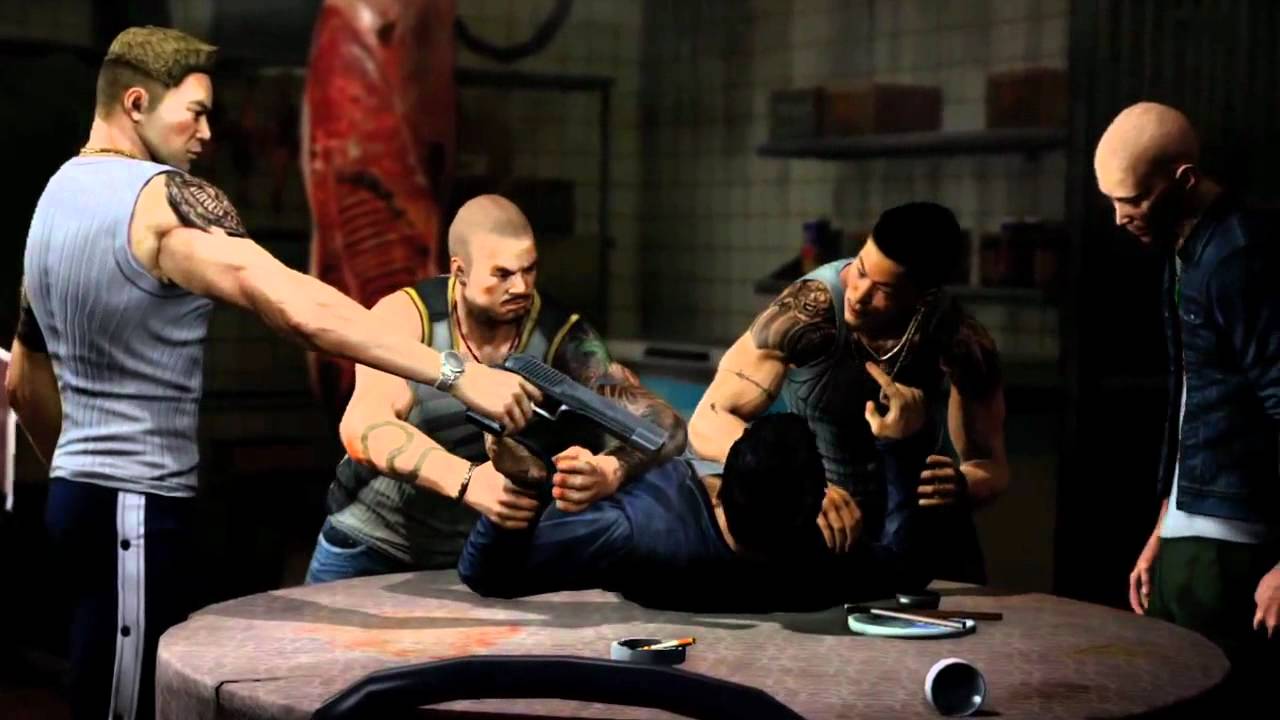
showcases gameplay footage that highlights the core mechanics and immersive atmosphere of Sleeping Dogs.

Source: Wikipedia


