

Om dette spil
Introduction: The Next Chapter for Slay the Spire
Slay the Spire, a deceptively simple yet profoundly engaging roguelike deck-building game, burst onto the scene in 2019 and quickly became a phenomenon. Developed by the independent studio Mega Crit, it carved out its own niche within the crowded landscape of indie games, captivating players with its addictive gameplay loop and strategic depth. Mere than just a game, Slay the Spire represents a masterclass in design, demonstrating how elegant mechanics and procedural generation can create an experience that is both endlessly replayable and deeply satisfying. This deep-dive analysis will explore the core elements that make Slay the Spire so compelling, from its visual style to its intricate gameplay systems.
Visual Direction and Graphics Engineering
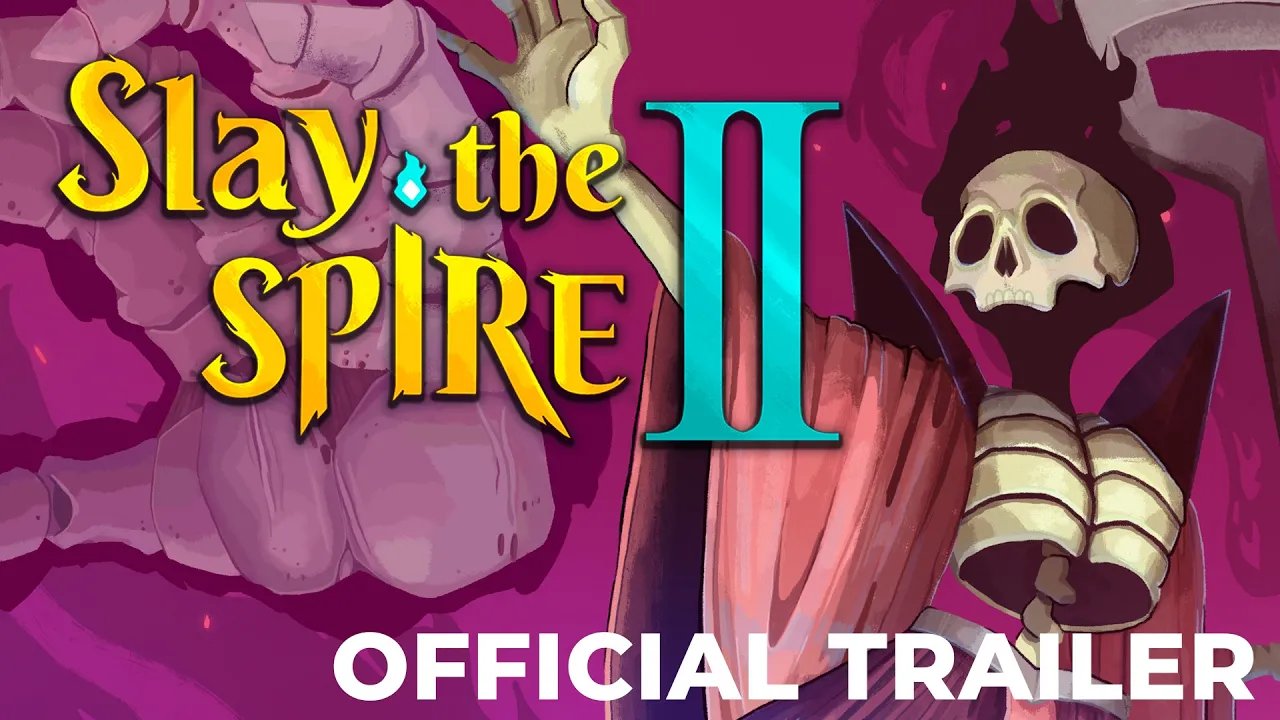
Slay the Spire’s visual aesthetic is characterized by a clean, almost minimalist art style. The hand-drawn character portraits and card illustrations are charming and expressive, conveying personality and flavor without overwhelming the player. This deliberate simplicity allows the core gameplay mechanics to take center stage. While not pushing graphical boundaries, the game utilizes its assets efficiently, creating a visually appealing experience that runs smoothly on a wide range of hardware. The use of color palettes is also noteworthy; each character has their own distinct visual identity reflected in their card art and overall presentation.
Gameplay Mechanics and Core Systems
At its heart, Slay the Spire is a deck-building game where players strategically construct a deck of cards to overcome increasingly challenging encounters. The core gameplay loop revolves around exploring procedurally generated floors, battling enemies, acquiring new cards, and making crucial decisions about which cards to include in your deck. Each character offers a unique playstyle, with distinct starting decks and special abilities that encourage experimentation and strategic adaptation. The game’s difficulty is finely tuned, providing a constant sense of challenge while remaining fair and rewarding for players who master its intricacies.
Level Design and World Atmosphere
The Spire itself is more than just a vertical climb; it’s a dynamic environment filled with diverse encounters and hidden secrets. Each floor presents unique challenges, from powerful enemies to treacherous traps. The procedural generation ensures that no two playthroughs are ever quite the same, encouraging players to adapt their strategies and explore different approaches. While the visual representation of the Spire is relatively simple, the variety of environments and events keeps the experience fresh and engaging.
Narrative Depth and Character Profiles
While Slay the Spire doesn’t rely on a sprawling narrative, each character possesses a distinct personality and backstory that adds depth to the gameplay experience. Through dialogue and event encounters, players gradually uncover fragments of their characters’ pasts, adding context to their motivations and abilities. This subtle approach to storytelling allows players to connect with the characters on a personal level, enhancing the overall sense of immersion.
Sound Design and Acoustic Realism
The sound design in Slay the Spire is crucial to creating an immersive and engaging experience. The music is atmospheric and evocative, perfectly complementing the game’s visuals and gameplay. Sound effects are crisp and impactful, providing feedback on player actions and enhancing the sense of danger during combat encounters. The combination of these elements creates a cohesive audio landscape that draws players deeper into the world of the Spire.
Release Expectations and Community Hype
From its early access release to its full launch and subsequent expansions, Slay the Spire has consistently generated significant community hype. Its addictive gameplay loop and strategic depth have made it a favorite among streamers and online communities. The game’s success is a testament to the power of word-of-mouth marketing and the enduring appeal of well-crafted indie games.
Conclusion: The Future of Slay the Spire
Slay the Spire has left an indelible mark on the gaming landscape, popularizing the roguelike deck-building genre and inspiring countless imitators. Its success is a testament to the power of elegant design, strategic depth, and addictive gameplay. As we look to the future, it’s clear that Slay the Spire will continue to be a beloved classic for years to come.

Source: Wikipedia
Galleri

Deltag i samtalen