
Introduction: The Next Chapter for SimCity 3000
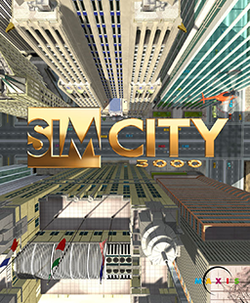
SimCity 3000, released in 1999 by Maxis and published by Electronic Arts, represents a significant evolution within the beloved city-building simulation franchise. Building upon the foundation laid by its predecessor, SimCity 2000, this installment introduced a host of new features, refined gameplay mechanics, and a more sophisticated approach to urban planning. While retaining the core essence of the series – allowing players to design, manage, and nurture thriving metropolises – SimCity 3000 aimed to provide a deeper and more engaging experience for both seasoned veterans and newcomers alike. The game’s success hinged on its ability to balance innovation with familiarity, offering a fresh perspective while staying true to the spirit of what made SimCity so enduringly popular.
Visual Direction and Graphics Engineering
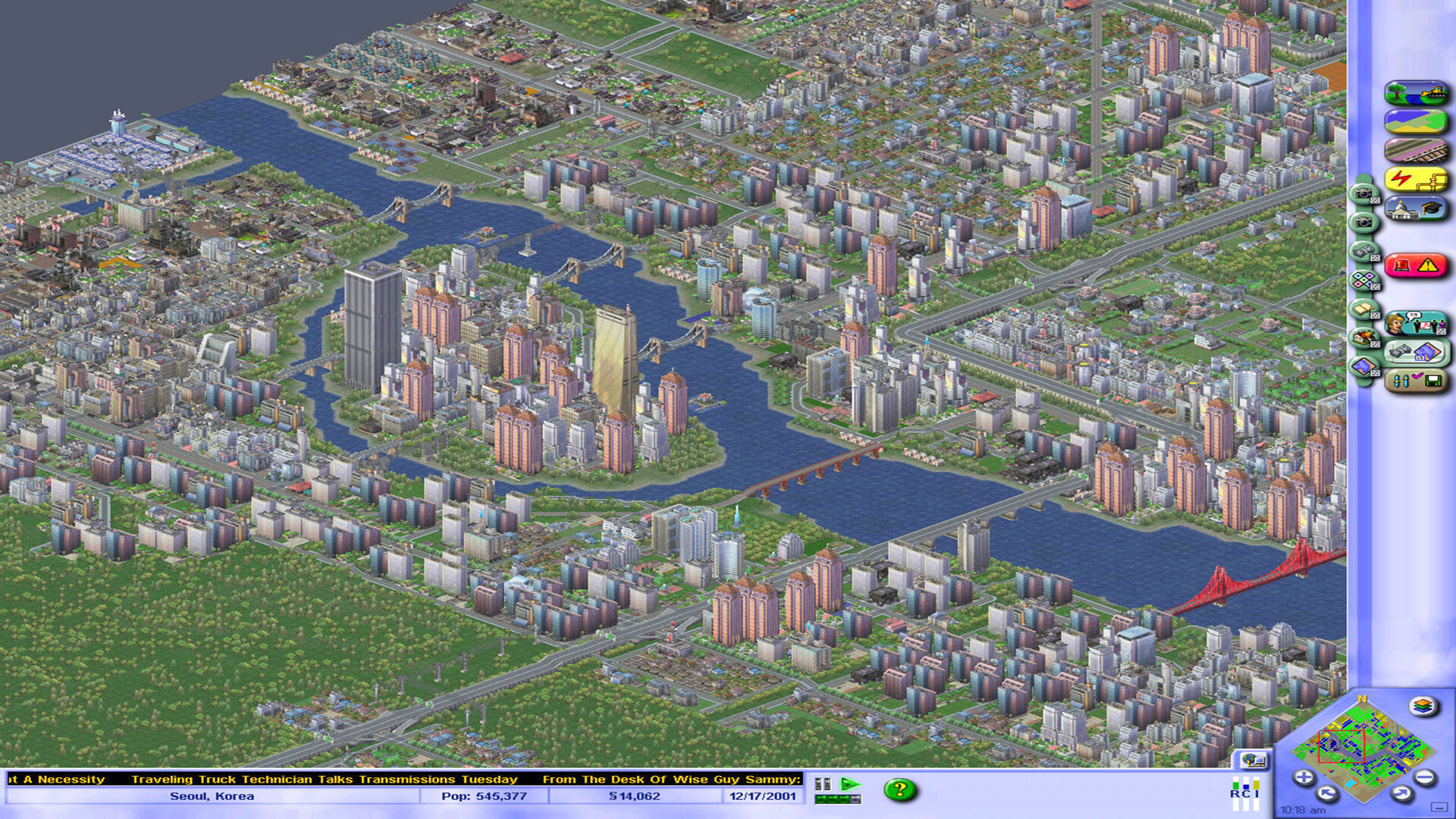
SimCity 3000 marked a subtle but noticeable advancement in the visual presentation compared to earlier entries. While not boasting cutting-edge graphics by today’s standards, the game employed a proprietary “Next-Gen” engine that allowed for more detailed building models, improved landscape rendering, and enhanced special effects. The isometric perspective remained, offering a clear overview of the city, but textures were sharper, and animations were smoother. This visual upgrade contributed to a greater sense of immersion, allowing players to appreciate the intricate details of their creations. The developers focused on creating a believable urban environment, with realistic lighting and atmospheric effects that brought the cityscape to life.
Gameplay Mechanics and Core Systems
The gameplay in SimCity 3000 built upon the established formula while introducing several key innovations. Waste management became a crucial element, forcing players to carefully consider the environmental impact of their decisions. The introduction of agricultural structures added another layer of complexity, requiring players to balance food production with industrial development. Zoning density was expanded, providing greater control over land use and urban planning. These additions, combined with refined economic models and more realistic traffic simulations, created a more challenging and rewarding gameplay experience. Players had to master the intricacies of resource management, infrastructure development, and citizen satisfaction to build truly successful cities.
Level Design and World Atmosphere
While SimCity 3000 didn’t feature pre-designed levels in the traditional sense, the game offered a vast and customizable world for players to explore. The procedural generation system allowed for endless possibilities, ensuring that each playthrough was unique. Players could terraform the landscape, create rivers and lakes, and strategically place buildings to optimize their city layout. The atmospheric effects, such as weather patterns and day-night cycles, further enhanced the sense of realism and immersion. This freedom to shape the environment was a key element of the game’s appeal, allowing players to express their creativity and build cities that reflected their own vision.
Narrative Depth and Character Profiles
SimCity 3000, like its predecessors, focused primarily on gameplay mechanics rather than a strong narrative structure. However, the game subtly incorporated elements of storytelling through the simulation itself. The needs and desires of the citizens, represented by various advisors and consultants, provided glimpses into the social and economic dynamics of the city. These interactions, while not forming a traditional plotline, added depth to the gameplay experience and encouraged players to consider the human element in their urban planning decisions. The game’s success lay in its ability to create a believable world where player actions had meaningful consequences for the virtual population.
Sound Design and Acoustic Realism
The sound design in SimCity 3000 played a crucial role in creating an immersive and engaging experience. The game featured a diverse soundtrack that dynamically adapted to the events unfolding in the city, ranging from bustling urban sounds to serene natural landscapes. Ambient noises, such as traffic, construction, and industrial activity, further enhanced the sense of realism. The sound effects were carefully crafted to provide feedback on player actions and create a cohesive auditory environment. This attention to detail contributed significantly to the game’s overall polish and appeal.
Release Expectations and Community Hype
The release of SimCity 3000 was highly anticipated by fans of the series, who eagerly awaited the next evolution in urban simulation gameplay. The game benefited from a strong marketing campaign that highlighted its new features and improvements over its predecessor. Online forums and communities buzzed with speculation and excitement leading up to the launch date. The positive reviews and word-of-mouth generated after release further fueled the hype, solidifying SimCity 3000’s position as a must-have title for city-building enthusiasts.
Conclusion: The Future of SimCity 3000
SimCity 3000 represents a significant milestone in the evolution of the SimCity franchise. By introducing new gameplay mechanics, refining existing systems, and enhancing the overall presentation, Maxis successfully delivered an experience that both honored its legacy and pushed the boundaries of urban simulation. While subsequent entries in the series would continue to innovate, SimCity 3000 remains a beloved classic for its blend of accessibility, depth, and enduring appeal. Its impact on the genre is undeniable, solidifying its place as a cornerstone of city-building games.

Source: Wikipedia


