Introduction: The Next Chapter for Shin Megami Tensei: Persona 4
Shin Megami Tensei: Persona 4, a cornerstone title in Atlus’s acclaimed franchise, represents more than just a game; it’s an experience. Released initially for the PlayStation 2 and subsequently enhanced with *Persona 4 Golden* on the Vita, followed by ports to modern platforms, the game has captivated audiences worldwide. This deep-dive review will dissect every facet of Persona 4, from its groundbreaking visual direction to its compelling narrative, exploring why it remains a benchmark in JRPG design. We’re not just looking at a game; we’re examining a cultural phenomenon that continues to evolve and inspire.
Visual Direction and Graphics Engineering
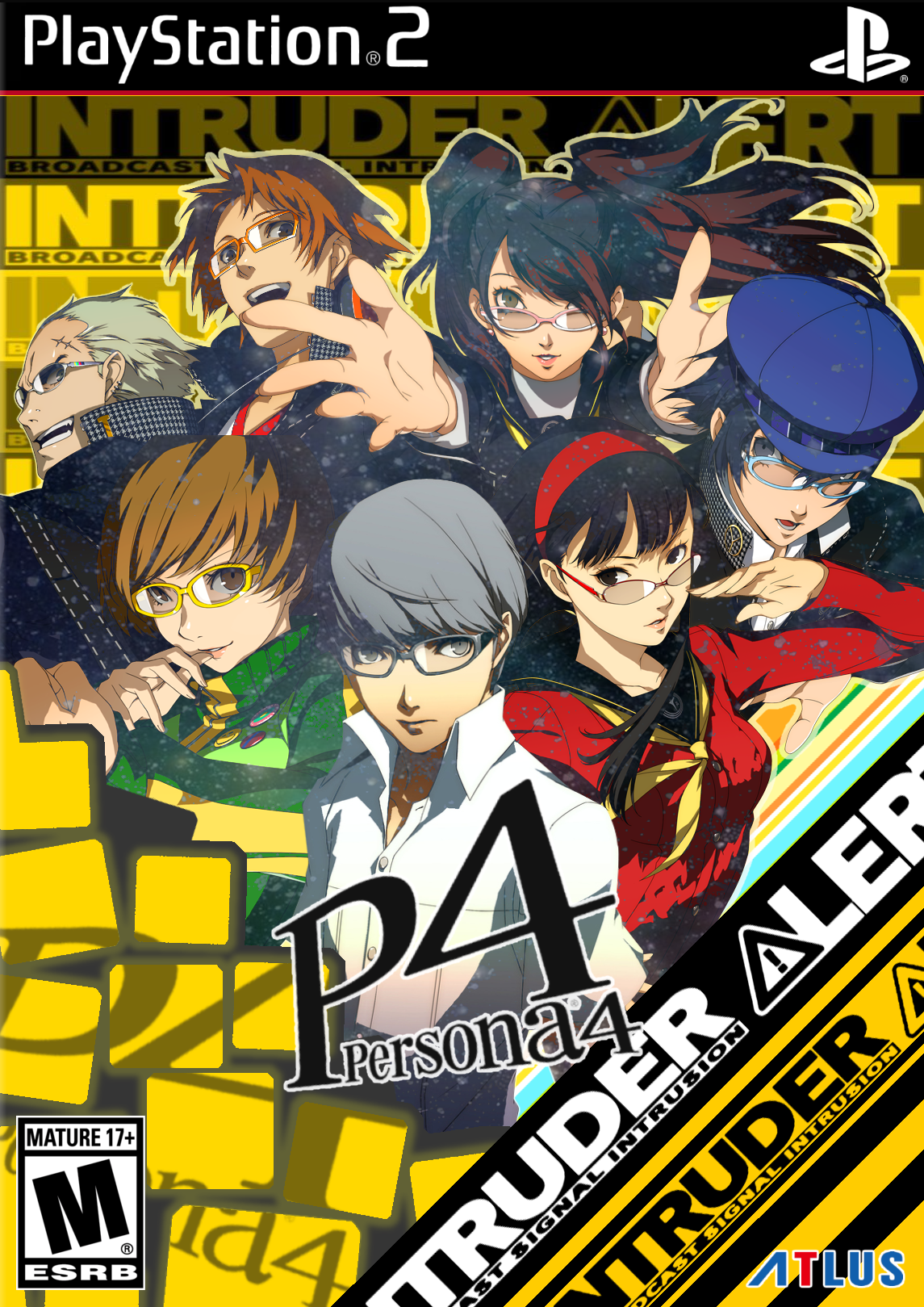
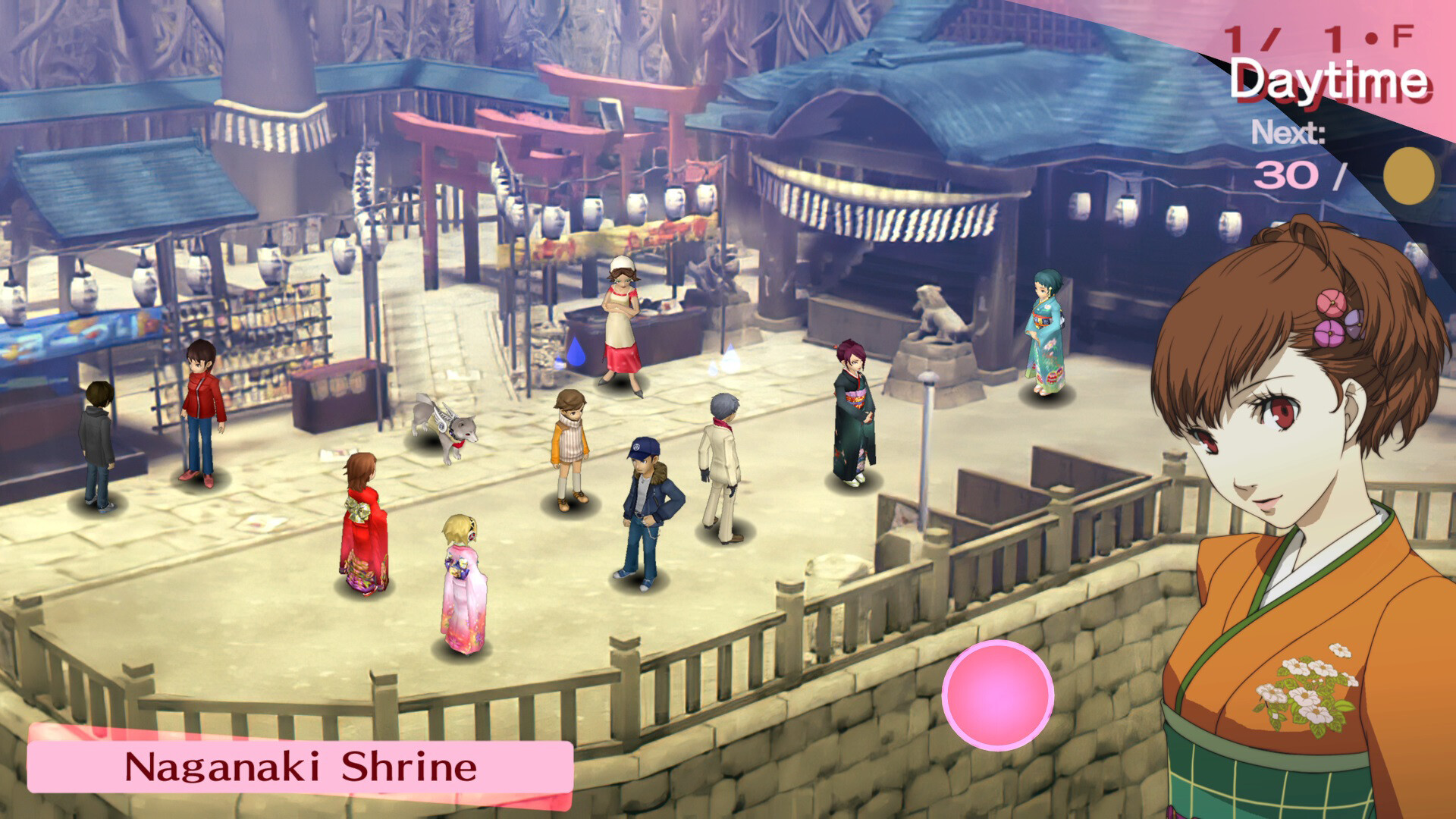
The original PlayStation 2 release of Persona 4 showcased a distinctive anime-inspired aesthetic, pushing the hardware to its limits. Character designs are iconic, blending realism with stylized exaggeration. *Persona 4 Golden* introduced enhanced visuals, including higher resolution textures and improved character models, further refining the already appealing art style. The use of vibrant colors creates a sense of energy and optimism that contrasts beautifully with the darker themes explored within the game’s narrative. The engine, while proprietary, cleverly utilized lighting effects to create atmosphere and depth. This visual approach was revolutionary for its time and continues to hold up remarkably well even today. The evolution from PS2 to modern platforms demonstrates a careful balance between preserving the original artistic vision and leveraging advancements in graphical technology.
Gameplay Mechanics and Core Systems
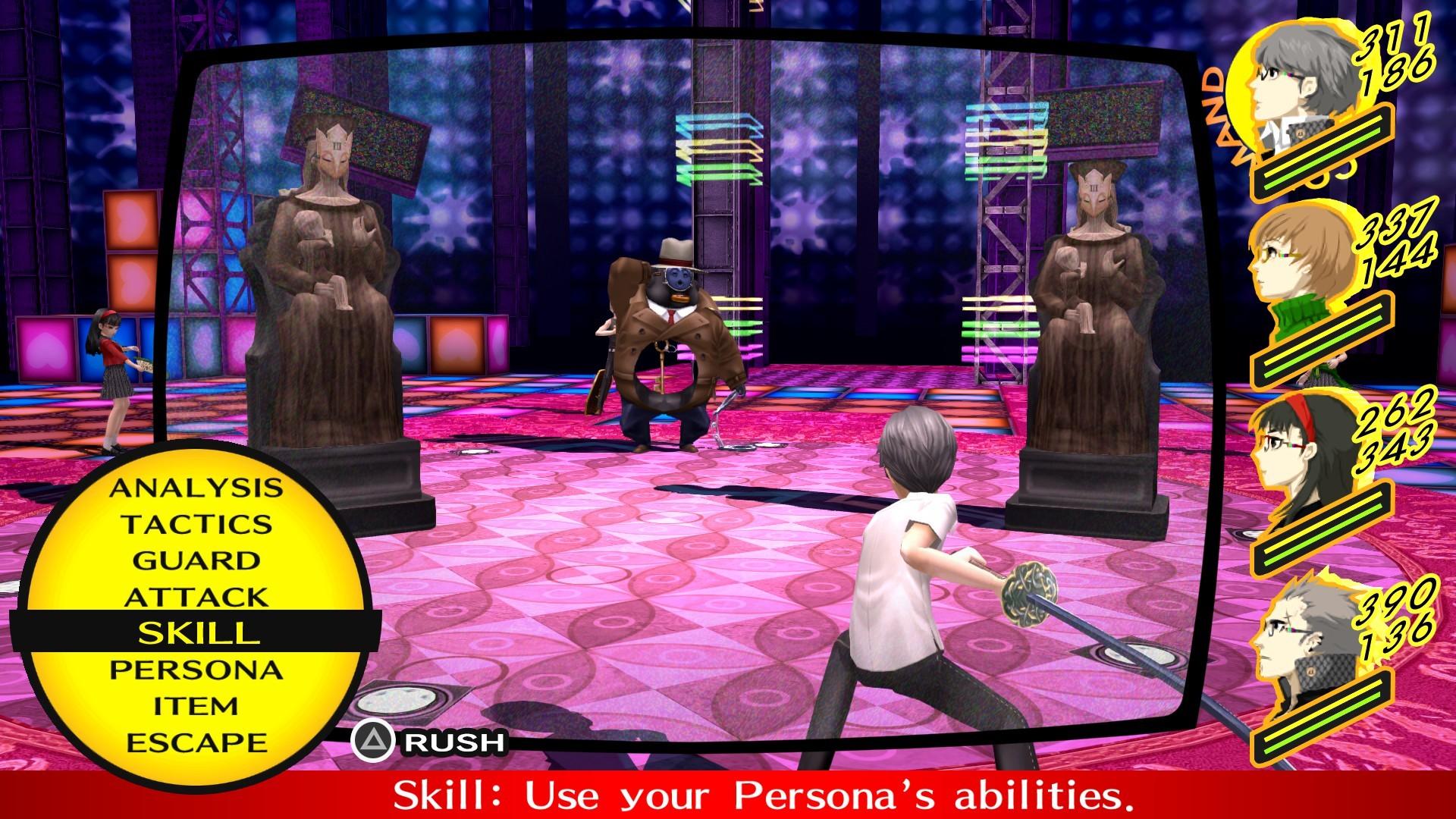
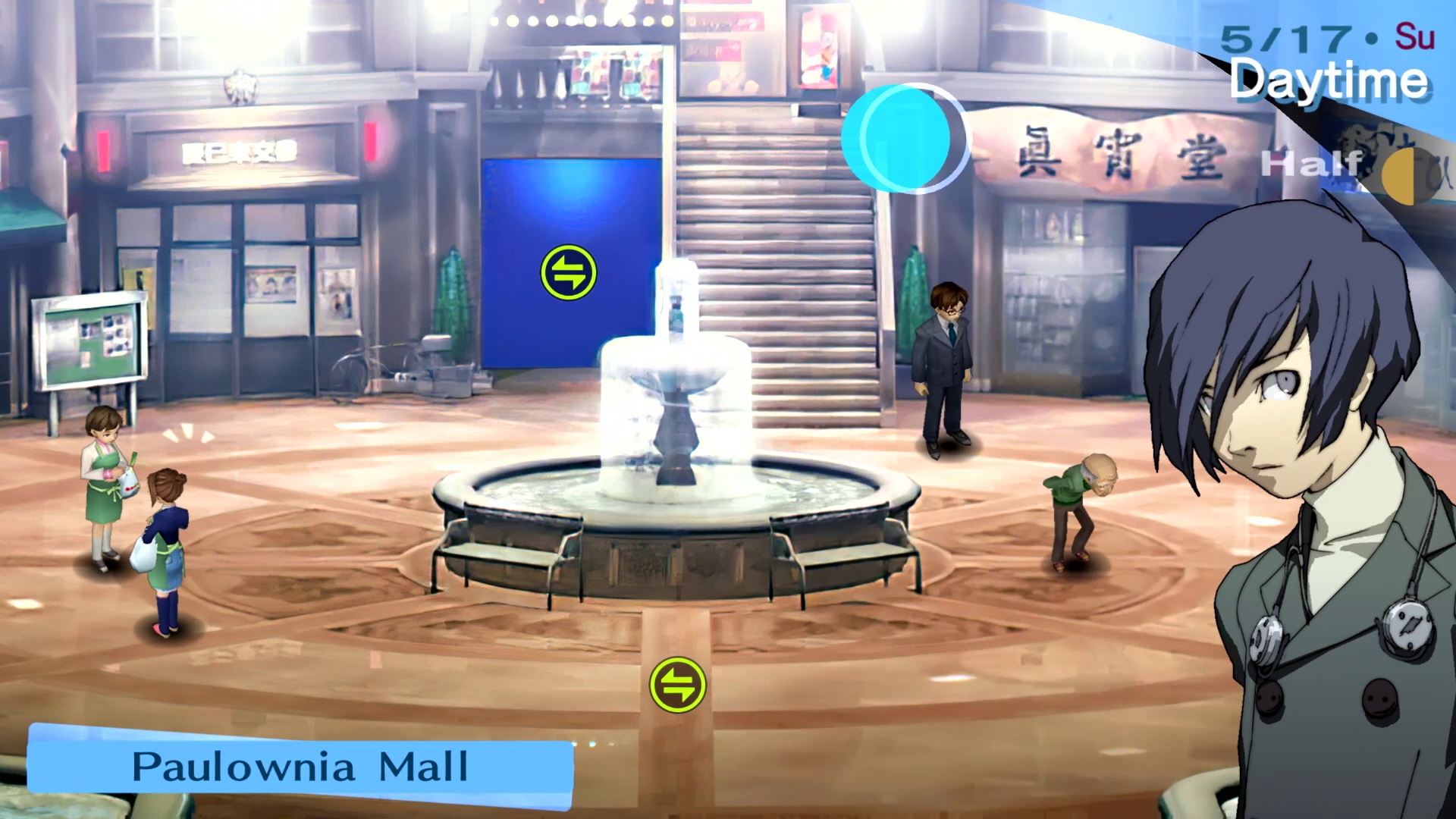
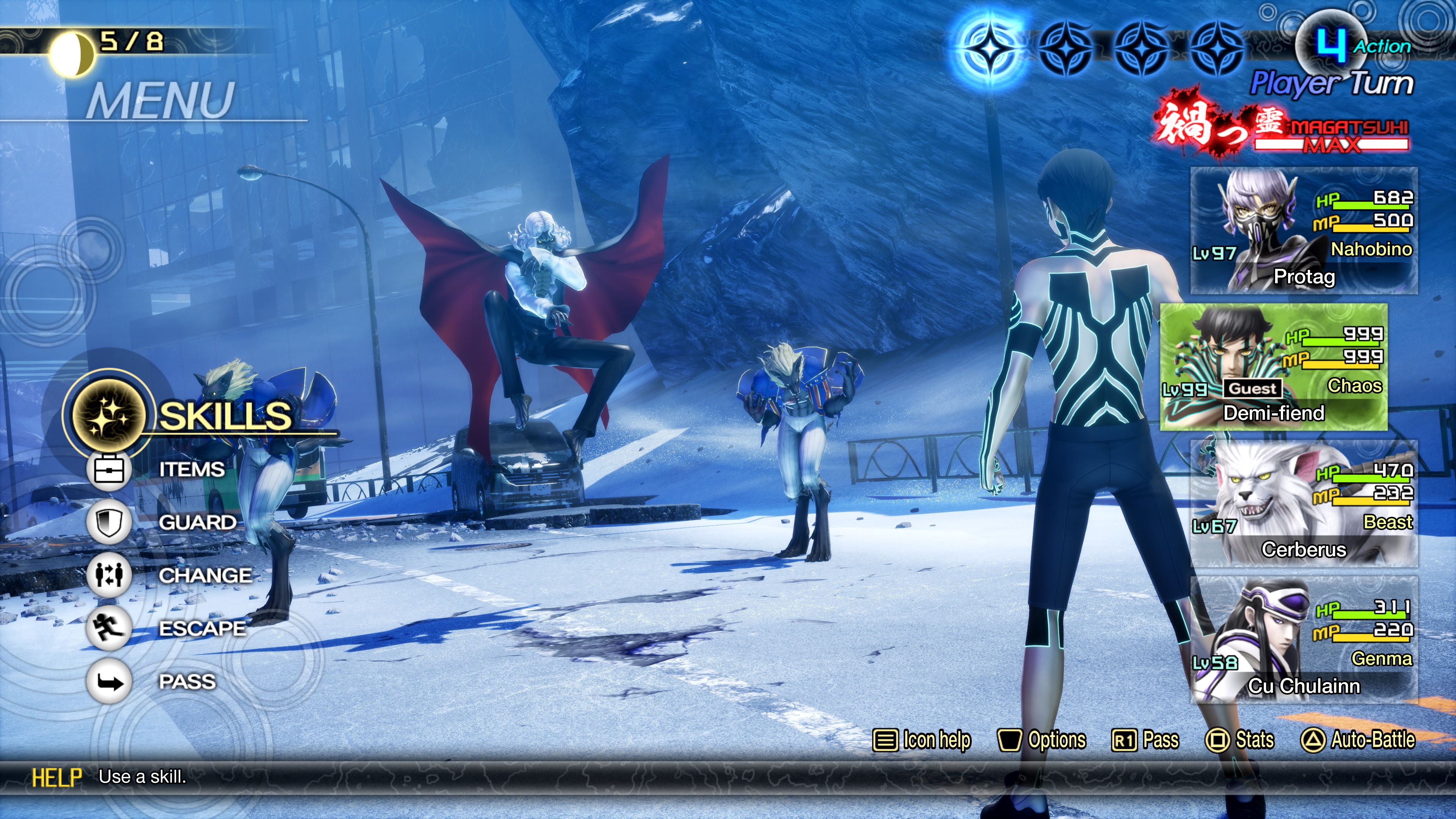
Persona 4’s gameplay loop is addictive, blending social simulation with dungeon crawling. Players manage their character’s daily life, attending school, building relationships (Social Links), and participating in extracurricular activities. These Social Links are crucial, as they directly impact the power of Personas, the manifestations of the protagonist’s psyche that are essential for combat. The turn-based combat system is strategic and rewarding, requiring players to exploit enemy weaknesses and utilize a variety of skills and abilities. The “Shuffle Time” mechanic in dungeons adds an element of chance and excitement, allowing players to potentially inflict all damage on an enemy with a single attack. This combination of social interaction and dungeon exploration creates a unique and engaging gameplay experience that sets Persona 4 apart from other JRPGs.
Level Design and World Atmosphere
The world of Persona 4 is meticulously crafted, with each location feeling distinct and lived-in. From the bustling streets of Inaba to the eerie atmosphere of the TV Dungeon, every environment contributes to the game’s overall sense of immersion. The level design in the dungeons is intricate and challenging, often requiring players to solve puzzles and navigate treacherous traps. The use of music and sound effects further enhances the atmosphere, creating a truly unforgettable experience. The attention to detail in the world-building is remarkable, making Inaba feel like a real place that players can explore and connect with.
Narrative Depth and Character Profiles
Persona 4’s narrative is a masterclass in storytelling, exploring themes of identity, friendship, and acceptance. The protagonist, along with his group of friends, are all well-developed characters with their own unique personalities and motivations. The story unfolds gradually, drawing players deeper into the mysteries surrounding the murders that plague Inaba. The relationships between the characters are complex and nuanced, making them feel like real people. The game tackles mature themes with sensitivity and intelligence, making it a truly thought-provoking experience.
Sound Design and Acoustic Realism
The soundtrack of Persona 4 is iconic, featuring a blend of upbeat pop songs and atmospheric instrumental pieces. The music perfectly complements the game’s visuals and narrative, creating an unforgettable auditory experience. The sound effects are also meticulously crafted, adding to the overall sense of immersion. From the subtle sounds of footsteps in the TV Dungeon to the dramatic swells of orchestral music during boss battles, every sound effect is carefully placed to enhance the player’s experience.
The voice acting, while not always perfect, adds another layer of depth to the characters and their interactions.
Release Expectations and Community Hype
The release of *Persona 4 Golden* on modern platforms generated significant hype within the gaming community. Fans eagerly anticipated the opportunity to experience this classic game with enhanced visuals and gameplay features. The ports were generally well-received, although some players expressed concerns about certain aspects of the control scheme and localization. The success of these releases demonstrates the enduring appeal of Persona 4 and its ability to connect with new audiences. The upcoming *Persona 4 Revival* is generating even more excitement, promising a complete reimagining of the classic game for next-generation consoles.
Conclusion: The Future of Shin Megami Tensei: Persona 4
Shin Megami Tensei: Persona 4 remains a landmark achievement in JRPG design. Its unique blend of social simulation, dungeon crawling, and compelling narrative has captivated players for years. The enhanced versions on modern platforms have brought this classic game to a new generation of fans, while the upcoming *Persona 4 Revival* promises to further expand upon its legacy. The enduring popularity of Persona 4 is a testament to its timeless appeal and its ability to connect with players on an emotional level. It’s more than just a game; it’s a cultural phenomenon that continues to evolve and inspire.

Source: Wikipedia