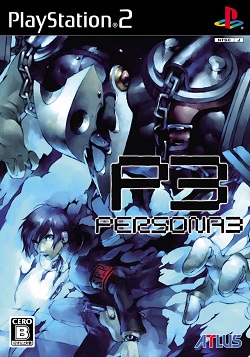
Introduction: The Next Chapter for Shin Megami Tensei: Persona 3 FES
Shin Megami Tensei: Persona 3 FES isn’t just a game; it’s a cultural phenomenon. This enhanced version of the already groundbreaking Persona 3 represents a significant leap forward, refining and expanding upon an experience that redefined JRPG conventions. It’s more than just a re-release; it’s a testament to Atlus’ commitment to its fanbase and a bold statement about the enduring power of compelling storytelling and innovative gameplay. This Masterclass Deep-Dive will dissect every facet of Persona 3 FES, from its visual presentation to its intricate narrative structure, providing an unparalleled look at what makes this title so special.
Visual Direction and Graphics Engineering
The visual direction in Persona 3 FES is a fascinating blend of stylized anime aesthetics and the technical limitations (and opportunities) presented by the PlayStation 2 hardware. Atlus masterfully uses lighting and shadow to create a sense of atmosphere, particularly during the “Dark Hour” sequences. The character designs are iconic, instantly recognizable, and perfectly capture the personalities of the cast. While technically dated by today’s standards, the art style holds up remarkably well, thanks to its deliberate choices and artistic flair. shows a comparison of early concept art versus final in-game renders, highlighting the evolution of the visual style. The proprietary engine, while not pushing polygon counts to the extreme, allowed for expressive animations and detailed environments that contributed significantly to the game’s immersive quality.
Gameplay Mechanics and Core Systems
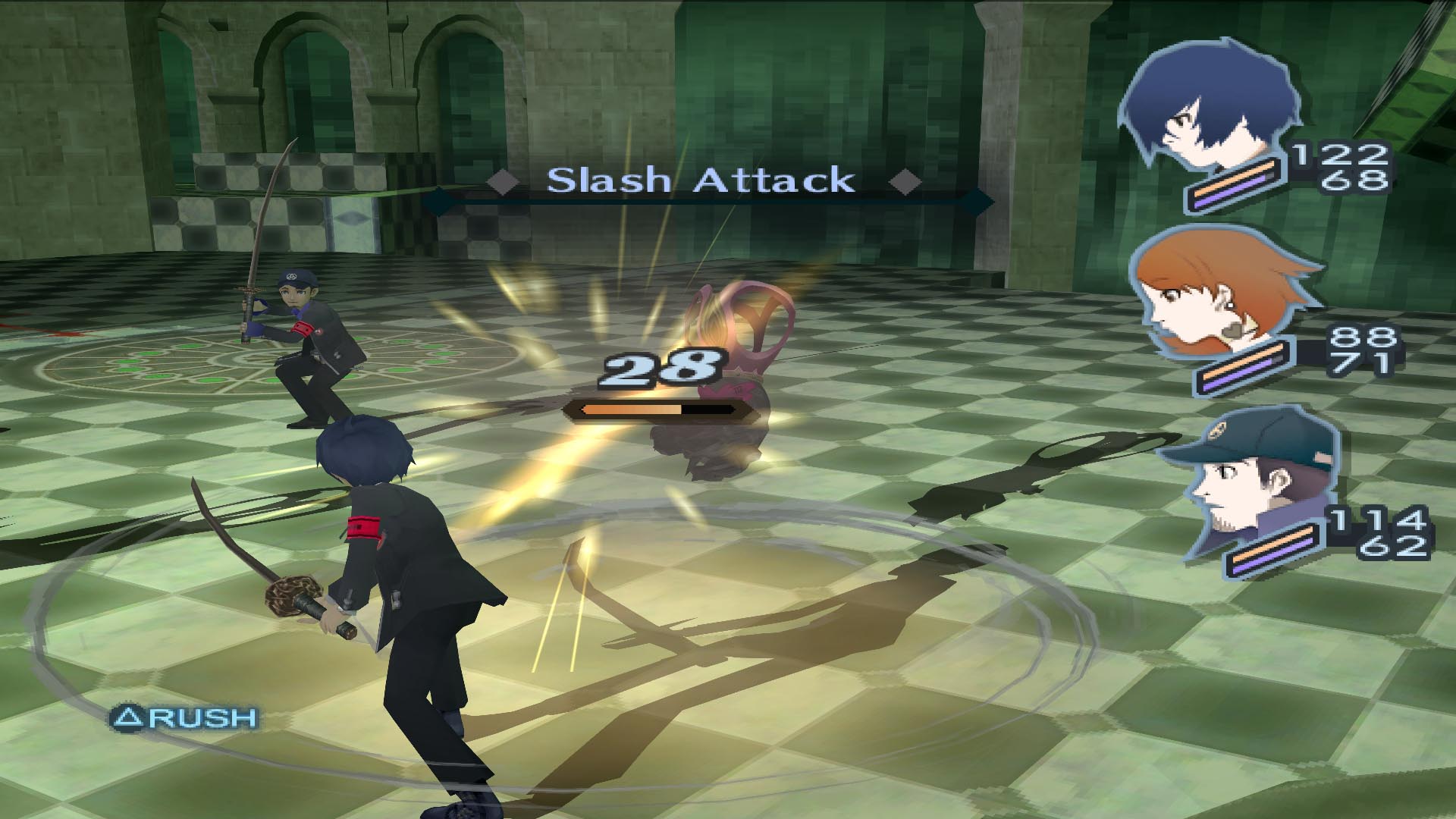
Persona 3 FES builds upon a core gameplay loop that is both engaging and strategically deep. The Social Link system, where building relationships with characters unlocks new Personas and abilities, adds a unique layer of depth rarely seen in RPGs. The combat system, while turn-based, features innovative mechanics like “All-Out Attacks” which require teamwork and strategic planning. Managing your time between school life, social activities, and battling Shadows is crucial to success. The addition of new content in FES, including the Aigis epilogue, expands upon this core gameplay loop, offering players even more opportunities to connect with the characters and explore the world.
Level Design and World Atmosphere
The level design in Persona 3 FES is a masterclass in creating atmosphere. From the bustling streets of Tatsumiya City to the eerie landscapes of the Tartarus dungeon, each location feels distinct and memorable. The use of music and lighting plays a crucial role in establishing the mood, whether it’s the upbeat melodies of everyday life or the haunting sounds of the Dark Hour. The environments are not just static backdrops; they actively contribute to the overall experience, drawing players deeper into the world. showcases concept art for Tartarus, illustrating the intricate design and intended atmosphere of this key location.
Narrative Depth and Character Profiles
Persona 3 FES boasts a narrative that is both emotionally resonant and intellectually stimulating. The story explores themes of loss, identity, and the search for meaning in a world teetering on the brink of chaos. The characters are complex and relatable, each grappling with their own personal demons. The relationships between the characters are at the heart of the experience, driving the plot forward and creating moments of genuine connection. The Aigis epilogue adds significant depth to the narrative, providing closure for players who have invested heavily in the story.
Sound Design and Acoustic Realism
The sound design in Persona 3 FES is nothing short of exceptional. Shoji Meguro’s soundtrack is a masterpiece, seamlessly blending orchestral scores with electronic beats to create an unforgettable auditory experience. The voice acting is top-notch, bringing the characters to life with nuance and emotion. The use of ambient sounds further enhances the immersion, creating a world that feels alive and responsive. From the subtle hum of the city to the chilling cries of the Shadows, every sound plays a crucial role in shaping the player’s experience.
Release Expectations and Community Hype
The release of Persona 3 FES was met with immense anticipation from fans eager to experience the enhanced version of a beloved classic. The addition of new content, including the Aigis epilogue, further fueled the hype. Reviews were overwhelmingly positive, praising the game’s improved visuals, expanded storyline, and overall refinement. The community rallied around the title, creating fan art, sharing stories, and celebrating the enduring legacy of Persona 3. [[INJECT_VIDEO]] shows a compilation of fan reactions to the release of Persona 3 FES, highlighting the passion and excitement surrounding the game.
Conclusion: The Future of Shin Megami Tensei: Persona 3 FES
Shin Megami Tensei: Persona 3 FES is more than just a game; it’s a cultural touchstone that continues to resonate with players years after its release. Its innovative gameplay, compelling narrative, and unforgettable characters have cemented its place as one of the greatest JRPGs of all time. The recent remake, Persona 3 Reload, demonstrates the enduring appeal of this classic title and ensures that its legacy will continue for generations to come. The future looks bright for Persona 3, with new players discovering its magic and long-time fans eagerly anticipating what’s next.
Source: Wikipedia


