Introduction: The Next Chapter for Shaman King: Soul Fight
"Shaman King: Soul Fight" arrives not merely as a game, but as a pilgrimage. A long-awaited adaptation of the beloved manga and anime series, it promises to deliver the spiritual depth and strategic combat that fans have craved for years. This isn's just another fighting game; it's an interactive experience designed to immerse players in the world of shamanism, forging connections with iconic characters and unraveling a narrative rich in lore and intrigue. The "Highly Anticipated" label isn't hyperbole; it reflects the collective anticipation building within the gaming community.Visual Direction and Graphics Engineering
The visual presentation of "Shaman King: Soul Fight" is nothing short of breathtaking. Developers have clearly prioritized fidelity to the source material while simultaneously pushing the boundaries of what's possible in a modern fighting game engine. Character models are meticulously crafted, capturing the unique personalities and designs from the manga with stunning detail. The environments, ranging from lush forests to ancient ruins, are rendered with a level of atmospheric realism that draws players deeper into the world. showcases the intricate details in character design, highlighting the dedication to preserving the original aesthetic. The graphics engine appears optimized for both high-end PCs and consoles, ensuring broad accessibility without compromising visual quality.Gameplay Mechanics and Core Systems
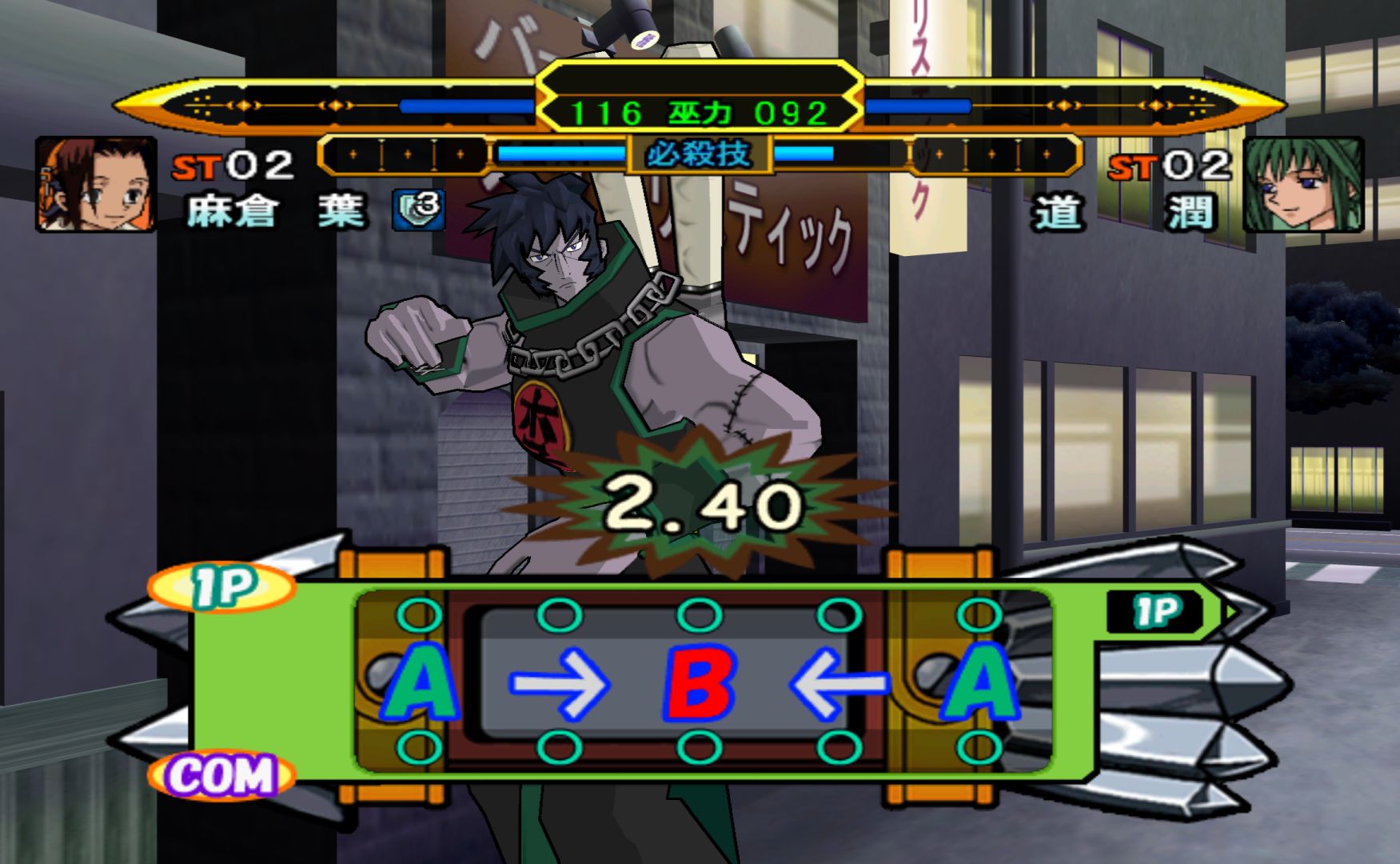
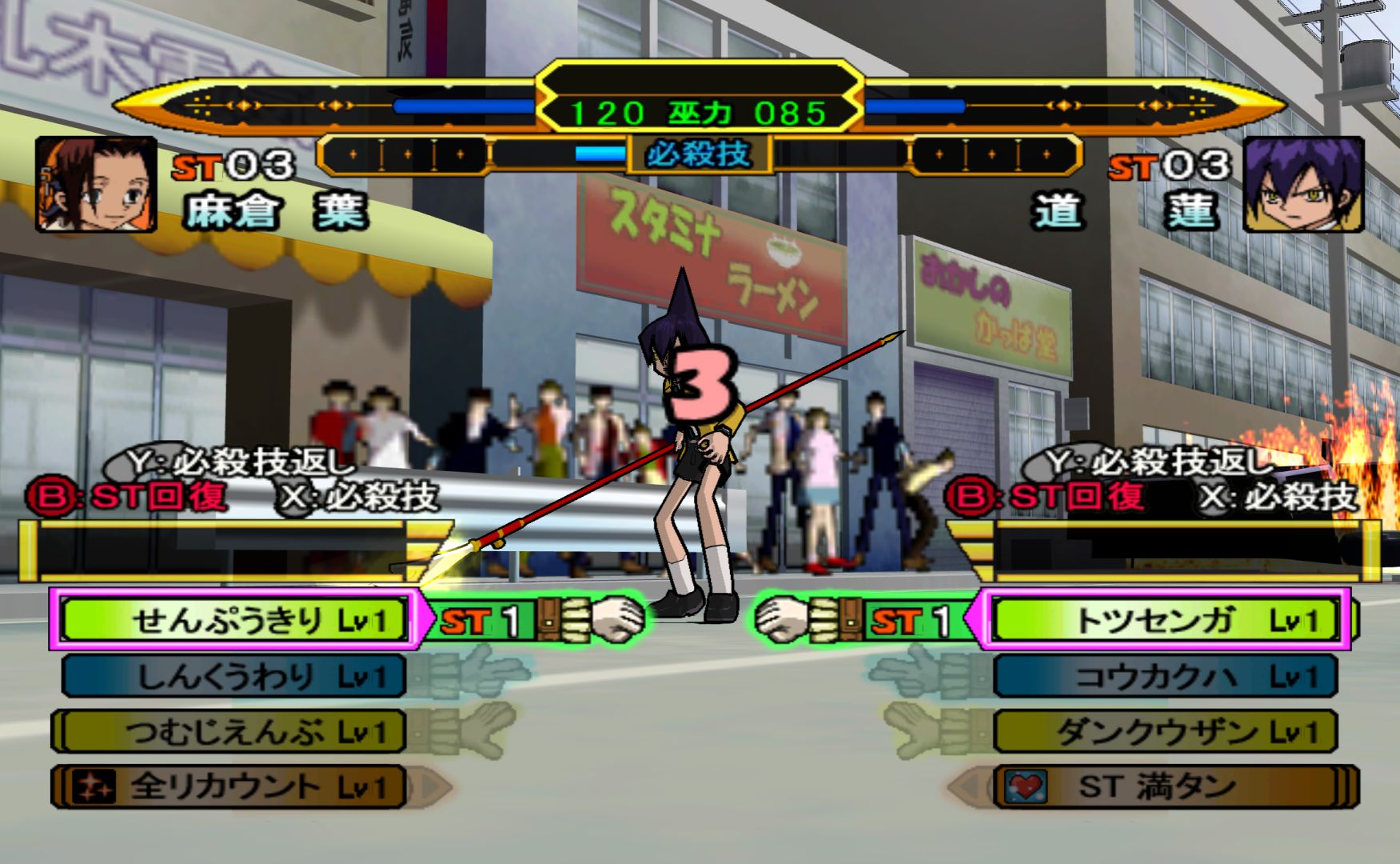
"Shaman King: Soul Fight" distinguishes itself through its innovative combat system, which goes far beyond simple button mashing. The core mechanic revolves around the strategic deployment of "spirits," each possessing unique abilities and elemental affinities. Mastering the nuances of spirit combinations and understanding enemy weaknesses is crucial for victory. The game features a robust tutorial system that gradually introduces players to these complex mechanics, ensuring a smooth learning curve even for newcomers to the series. Online multiplayer modes offer ranked and unranked matches, fostering a competitive scene where players can test their skills against others from around the world. provides an in-depth look at the combat system, demonstrating the strategic depth and visual spectacle of spirit battles.Level Design and World Atmosphere
The level design in "Shaman King: Soul Fight" is a masterclass in environmental storytelling. Each stage is meticulously crafted to reflect the unique geography and culture of the Shaman King universe. From the vibrant landscapes of the Spirit World to the desolate battlefields of human conflict, each environment tells a story. Interactive elements within the stages add another layer of immersion, allowing players to uncover hidden secrets and engage with the world in meaningful ways. The attention to detail extends beyond mere aesthetics; the level design actively influences gameplay, creating opportunities for strategic maneuvers and tactical advantages.Narrative Depth and Character Profiles
The narrative depth in "Shaman King: Soul Fight" is a key differentiator. While action-packed combat takes center stage, the game also delves into the complex relationships between characters and explores the philosophical underpinnings of shamanism. Iconic figures like Yoh Asakura, Anna Kyoufuu, and Hao Asakura are brought to life with nuanced performances and compelling backstories. The game's narrative structure allows players to experience key moments from the original story while also introducing new perspectives and expanding upon existing lore. Character profiles offer detailed insights into each character's motivations, abilities, and relationships, enriching the overall gaming experience.Sound Design and Acoustic Realism
The sound design in "Shaman King: Soul Fight" is a crucial element that elevates the game to another level of immersion. The soundtrack seamlessly blends traditional Japanese instruments with modern orchestral arrangements, creating an evocative atmosphere that perfectly complements the on-screen action. Sound effects are meticulously crafted to convey the impact and power of each spirit attack, adding weight and realism to the combat encounters. Voice acting performances are top-notch, bringing depth and emotion to the characters' dialogue. The overall audio experience is a testament to the developers' commitment to creating a truly immersive world.Release Expectations and Community Hype
The release of "Shaman King: Soul Fight" has been met with an unprecedented level of community hype. Years of anticipation have culminated in a fervent desire among fans to experience this interactive adaptation of their beloved series. Pre-order numbers are through the roof, and social media is abuzz with speculation and excitement. The developers have actively engaged with the community throughout the development process, soliciting feedback and incorporating suggestions into the final product. This collaborative approach has fostered a strong sense of ownership among fans, further fueling the anticipation for the game's release. captures the palpable excitement surrounding the upcoming launch.Conclusion: The Future of Shaman King: Soul Fight
"Shaman King: Soul Fight" represents more than just a new fighting game; it's a testament to the enduring power of storytelling and the dedication of developers who are passionate about bringing beloved franchises to life in interactive form. With its stunning visuals, innovative gameplay mechanics, and deep narrative depth, this title has the potential to redefine what players expect from a fighting game adaptation. The future looks bright for "Shaman King: Soul Fight," with plans for post-launch content updates, including new characters, stages, and gameplay modes. This is just the beginning of an exciting journey into the world of shamanism, and fans are eagerly awaiting the next chapter. showcases concept art hinting at potential future expansions.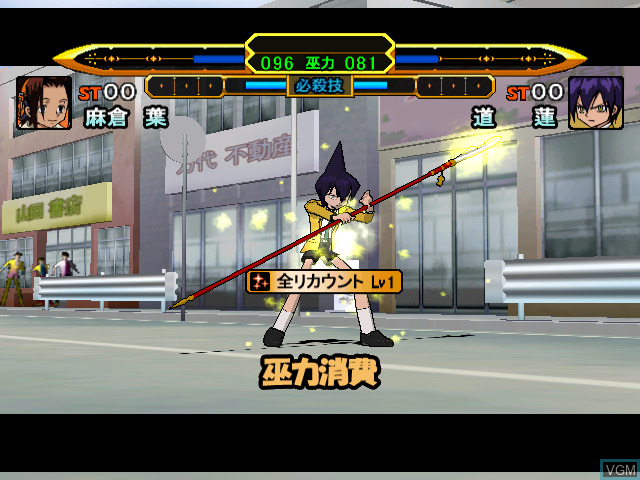
Source: Wikipedia