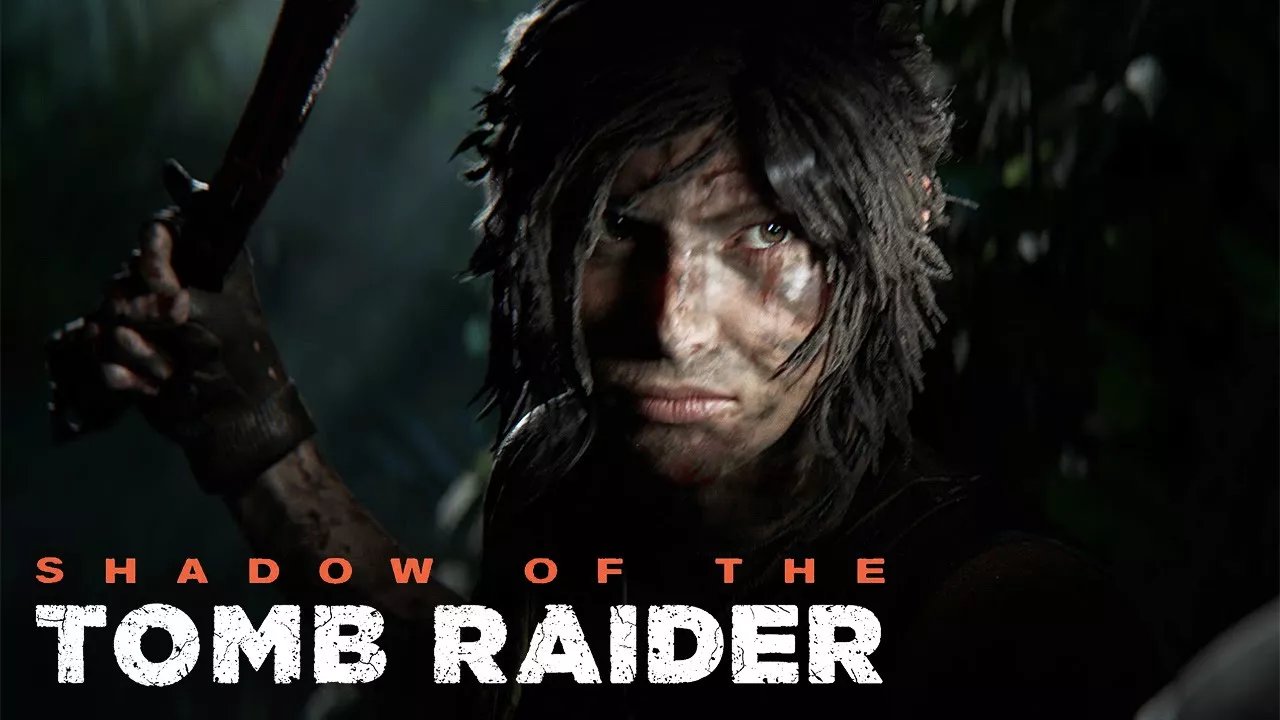
Introduction: The Next Chapter for Shadow of the Tomb Raider
Shadow of the Tomb Raider, developed by Eidos-Montréal and published by Square Enix, marks a pivotal moment in Lara Croft’s origin story. Building upon the foundation laid by its predecessors, particularly Rise of the Tomb Raider, this installment delves deeper into themes of survival, sacrifice, and the consequences of unchecked ambition. The game serves as the concluding chapter of the Survivor trilogy, bringing closure to the narrative arc that began with the 2013 reboot. Players are thrust into a perilous journey across the diverse landscapes of South America, facing not only formidable enemies but also the looming threat of a Mayan apocalypse.
Visual Direction and Graphics Engineering
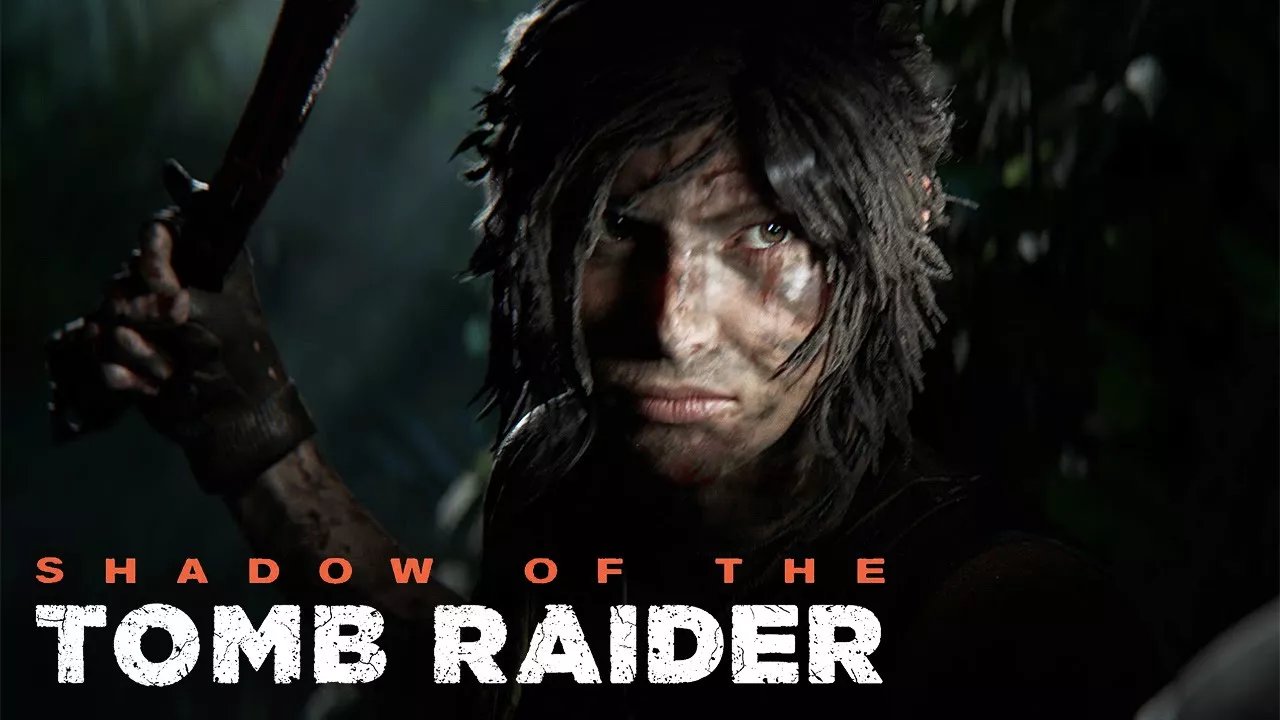
Eidos-Montréal leveraged its proprietary next-gen engine to create a visually stunning experience in Shadow of the Tomb Raider. The game’s graphics are characterized by lush environments, detailed character models, and realistic lighting effects. The visual direction emphasizes realism and immersion, aiming to transport players into the heart of the action. showcases the intricate details present within the game’s environments, highlighting the team’s commitment to creating a believable and engaging world. The engine allows for dynamic weather systems, volumetric lighting, and advanced shader effects that contribute significantly to the overall visual fidelity. Optimization was also a key focus, ensuring that players could experience these visuals across a range of hardware configurations.
Gameplay Mechanics and Core Systems
Shadow of the Tomb Raider refines and expands upon the gameplay mechanics introduced in previous installments. The core loop revolves around exploration, puzzle-solving, combat, and traversal. Lara’s movement abilities are enhanced with new techniques for navigating challenging environments, including rope ascenders and mudflow escapes. The game places a strong emphasis on stealth, allowing players to approach encounters strategically and avoid direct confrontation whenever possible. Combat is visceral and demanding, requiring precise aiming and tactical awareness. The crafting system allows players to create essential tools and upgrades using scavenged resources, adding another layer of depth to the gameplay experience. illustrates Lara utilizing a new traversal technique, highlighting the game’s focus on player agency and environmental interaction.
Level Design and World Atmosphere
The level design in Shadow of the Tomb Raider is meticulously crafted to create a sense of immersion and discovery. The environments are vast and interconnected, encouraging exploration and rewarding players who venture off the beaten path. Each location is rich with detail and atmosphere, drawing inspiration from real-world landmarks and cultures. From the dense jungles of Peru to the towering ruins of Mexico, each environment presents unique challenges and opportunities for both traversal and combat. The game’s level design seamlessly blends puzzle-solving elements with action sequences, creating a dynamic and engaging experience that keeps players on their toes.
Narrative Depth and Character Profiles
The narrative in Shadow of the Tomb Raider delves deeper into Lara Croft’s character development, exploring her vulnerabilities and strengths as she confronts increasingly difficult choices. The story is driven by a compelling plot involving a paramilitary organization known as Trinity and an ancient Mayan prophecy that threatens to unleash a global catastrophe. Lara must race against time to prevent this apocalypse while grappling with the consequences of her past actions. The game features a cast of memorable characters, both allies and enemies, who contribute to the richness and complexity of the narrative.
Sound Design and Acoustic Realism
The sound design in Shadow of the Tomb Raider plays a crucial role in creating an immersive and believable world. Ambient sounds, such as the rustling of leaves, the calls of exotic birds, and the distant roar of waterfalls, contribute to the sense of presence within each environment. The game also features a dynamic soundtrack that adapts to the player’s actions and the unfolding events of the story. Weapon sounds are impactful and visceral, adding weight and realism to combat encounters.
Release Expectations and Community Hype
Prior to its release, Shadow of the Tomb Raider generated significant hype within the gaming community. Fans eagerly anticipated the next chapter in Lara Croft’s origin story, drawn by the promise of enhanced gameplay mechanics, stunning visuals, and a compelling narrative. The game was widely praised for its immersive world, challenging puzzles, and satisfying combat.
Conclusion: The Future of Shadow of the Tomb Raider
Shadow of the Tomb Raider represents a significant achievement in the Tomb Raider franchise, building upon the foundations laid by its predecessors while pushing the boundaries of visual fidelity and gameplay mechanics. The game’s success has solidified Lara Croft’s position as one of gaming’s most iconic characters and paved the way for future installments in the series.
showcases a compilation of gameplay moments, highlighting the diverse range of experiences offered by Shadow of the Tomb Raider.
Source: Wikipedia


