Introduction: The Next Chapter for San Francisco Rush 2049
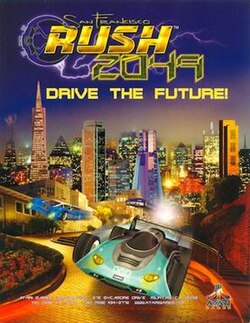
San Francisco Rush 2049, a title that evokes both nostalgia and anticipation, represents a significant evolution in the Rush series. Developed by Atari Games and later ported to various platforms under the Midway Games West banner, this futuristic racing game promised a thrilling experience set against the iconic backdrop of San Francisco. While retaining the core arcade-style gameplay that defined its predecessors, San Francisco Rush 2049 introduced innovative features and visual enhancements that aimed to redefine the genre. The game’s journey from arcades to home consoles, including Dreamcast, Nintendo 64, and Game Boy Color, reflects its enduring appeal and adaptability across different gaming ecosystems.
Visual Direction and Graphics Engineering
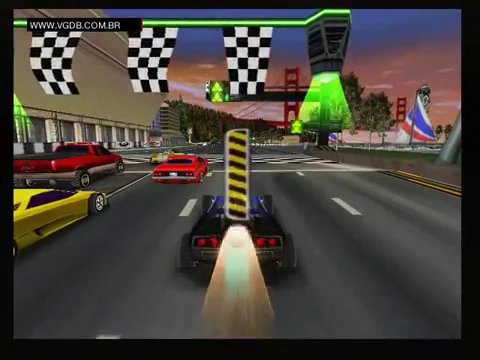
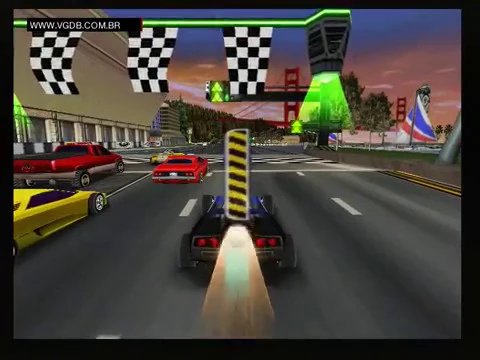
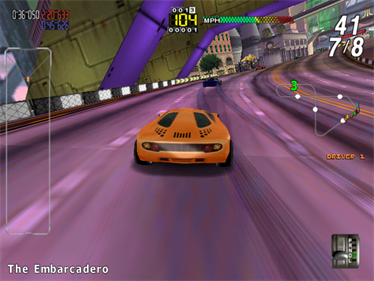
The visual direction of San Francisco Rush 2049 was a bold step forward, aiming to capture the essence of a futuristic San Francisco while maintaining the game’s signature arcade aesthetic. The proprietary Next-Gen engine, though limited by the hardware of its time, delivered vibrant colors, detailed environments, and dynamic lighting effects that brought the city to life. The inclusion of wings on the vehicles in the 3D console versions added another layer of visual flair, allowing for aerial maneuvers and adding a unique element to the racing experience. While not pushing the boundaries of graphical fidelity by today’s standards, the game’s visuals were impressive for its era and contributed significantly to its overall appeal.
Gameplay Mechanics and Core Systems
At its heart, San Francisco Rush 2049 is an arcade racing game built around speed, precision, and a healthy dose of chaos. The core gameplay mechanics are straightforward: race against opponents, navigate challenging tracks, and utilize power-ups to gain an advantage. However, the game’s depth lies in its tight controls, responsive handling, and the constant need for quick reflexes. The inclusion of aerial maneuvers, thanks to the deployable wings, added a unique dimension to the racing experience, allowing players to take shortcuts, evade obstacles, and unleash devastating attacks on their rivals. Mastering these mechanics was crucial to achieving victory and unlocking the game’s full potential.
Level Design and World Atmosphere
The level design in San Francisco Rush 2049 is a masterful blend of iconic landmarks and futuristic reimagining. The tracks weave through familiar locations, such as Lombard Street and Fisherman’s Wharf, but with a distinct sci-fi twist. Floating platforms, neon lights, and towering skyscrapers create a visually stunning and immersive environment that perfectly captures the game’s unique atmosphere. Each track presents its own set of challenges, from tight corners to treacherous jumps, demanding precision and skill from the player. The level design is not only visually appealing but also strategically crafted to provide a balanced and engaging racing experience.
Narrative Depth and Character Profiles
While primarily focused on gameplay, San Francisco Rush 2049 does feature a light narrative thread that adds context to the racing action. The game’s story revolves around a futuristic competition where racers battle for supremacy in a technologically advanced version of San Francisco. While not as deeply developed as some other racing games, the narrative provides a framework for the events unfolding on the tracks and adds a layer of intrigue to the overall experience. Character profiles are presented through brief introductions and visual representations, adding personality to the diverse cast of racers competing for glory.
Sound Design and Acoustic Realism
The sound design in San Francisco Rush 2049 plays a crucial role in enhancing the game’s immersive quality. The engine roars, tires screech, and explosions reverberate through the speakers, creating a visceral audio experience that complements the fast-paced action on screen. Mike Henry’s soundtrack perfectly captures the energy and excitement of the futuristic racing competition, while Barry Leitch’s sound effects add another layer of realism to the game. The combination of music and sound effects creates an unforgettable auditory landscape that draws players deeper into the world of San Francisco Rush 2049.
Release Expectations and Community Hype
The release of San Francisco Rush 2049 was met with considerable anticipation, fueled by the success of its predecessors and the promise of a visually stunning and gameplay-rich experience. The game’s transition from arcades to home consoles generated significant buzz among fans eager to explore the futuristic world of San Francisco on their own terms. The inclusion of new features, such as deployable wings and enhanced graphics, further fueled the hype surrounding the release. While not without its technical limitations, the game delivered on its promise of a thrilling and immersive racing experience that captivated players worldwide.
Conclusion: The Future of San Francisco Rush 2049
San Francisco Rush 2049 stands as a testament to the enduring appeal of arcade-style racing games. Its blend of fast-paced gameplay, visually stunning environments, and futuristic setting created a unique and memorable experience that resonated with players across different platforms. While the sequel, Hot Rod Rebels, was ultimately cancelled, and L.A. Rush took the series in a new direction, San Francisco Rush 2049 remains a beloved classic that continues to inspire nostalgia and admiration. Its legacy serves as a reminder of the power of innovation and creativity in shaping the future of gaming.
Source: Wikipedia


