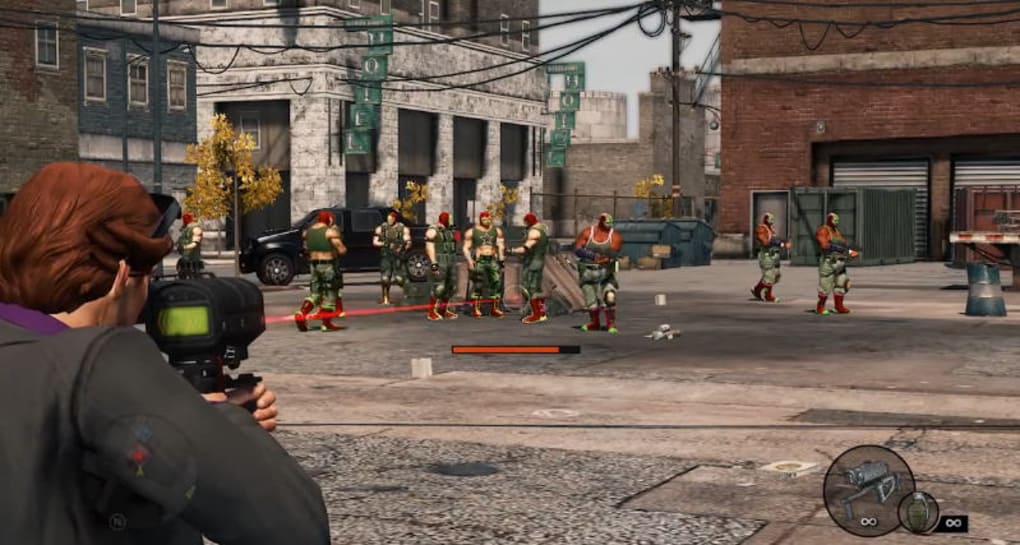
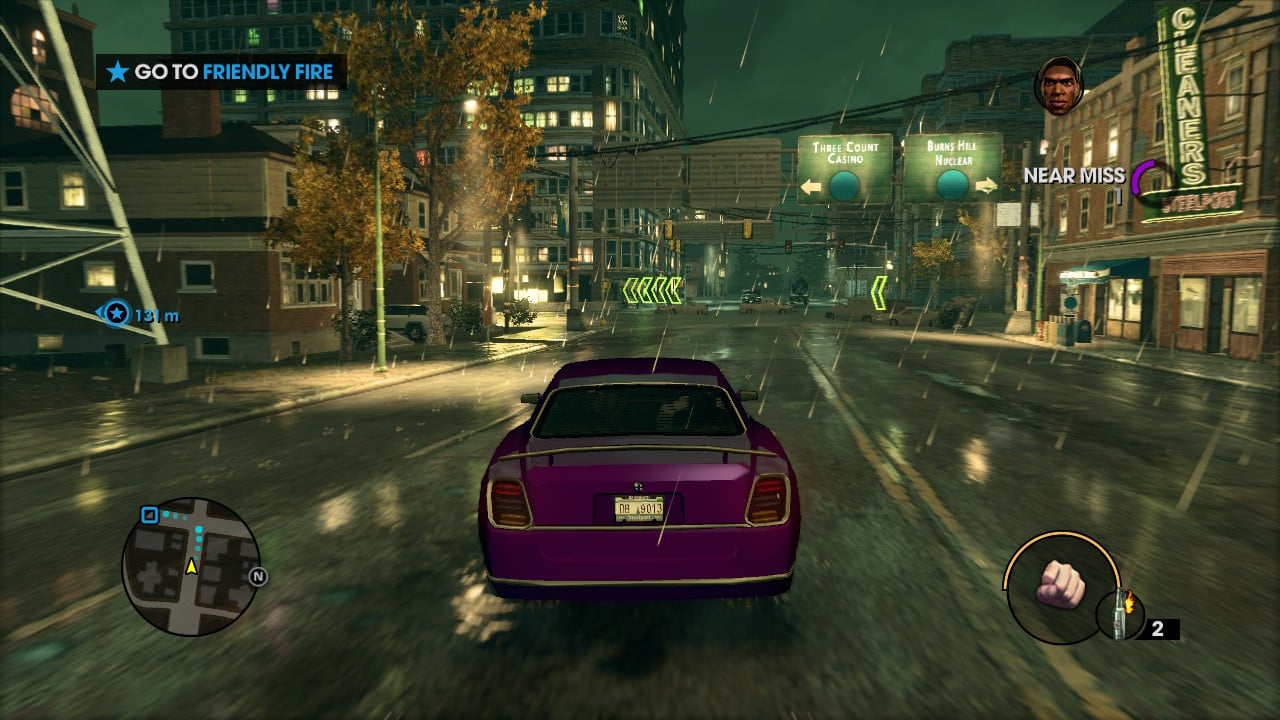
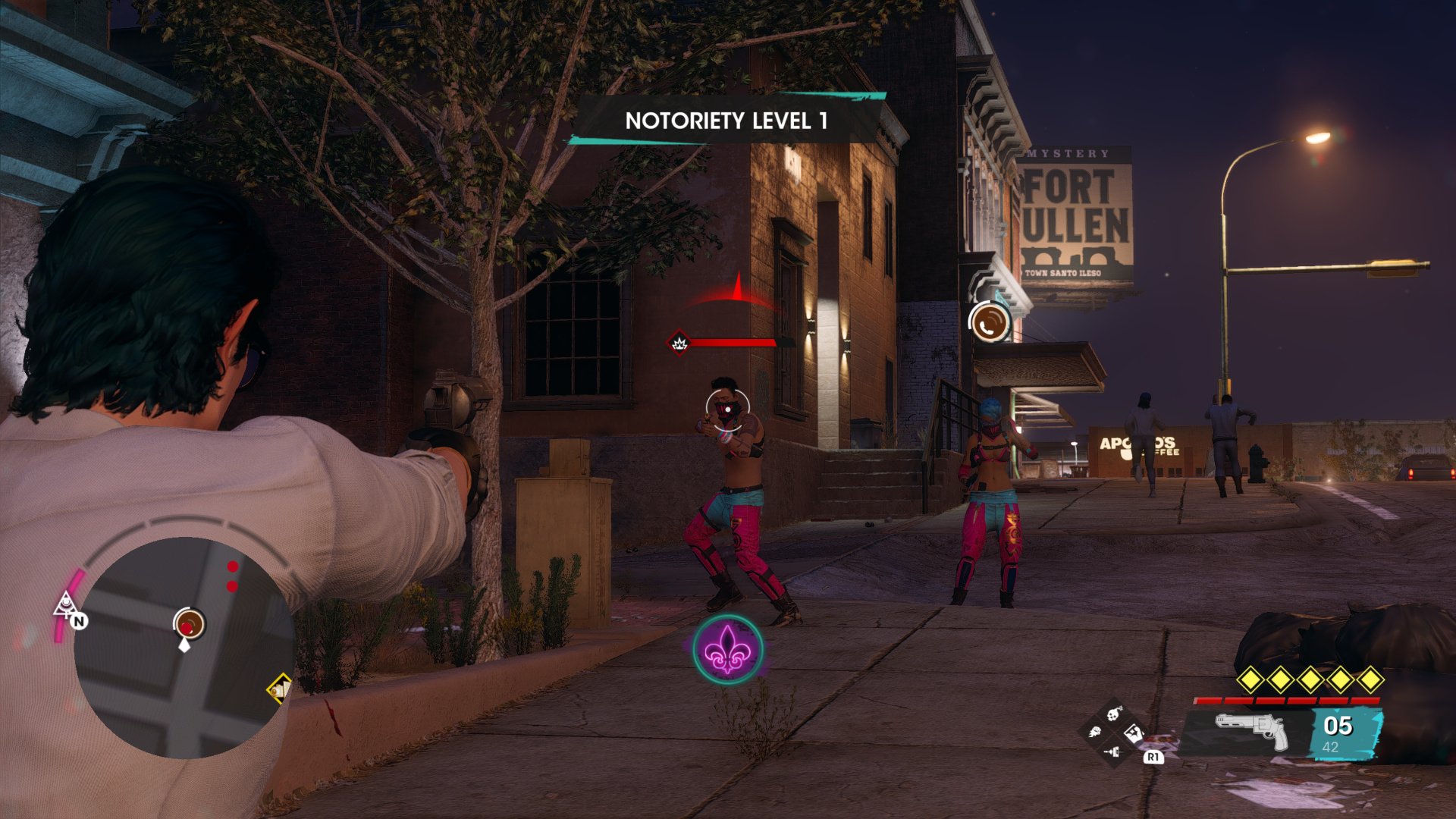
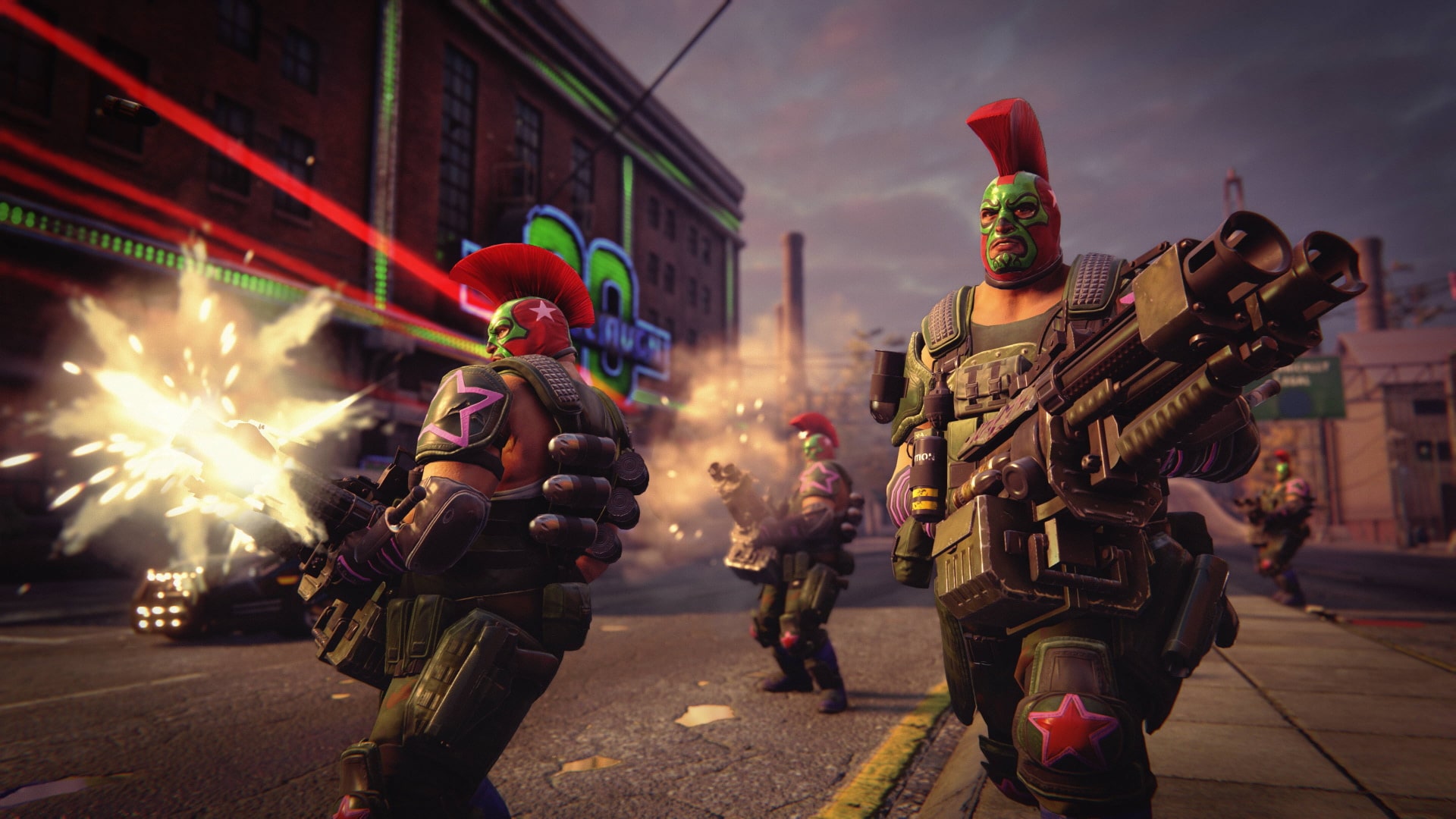
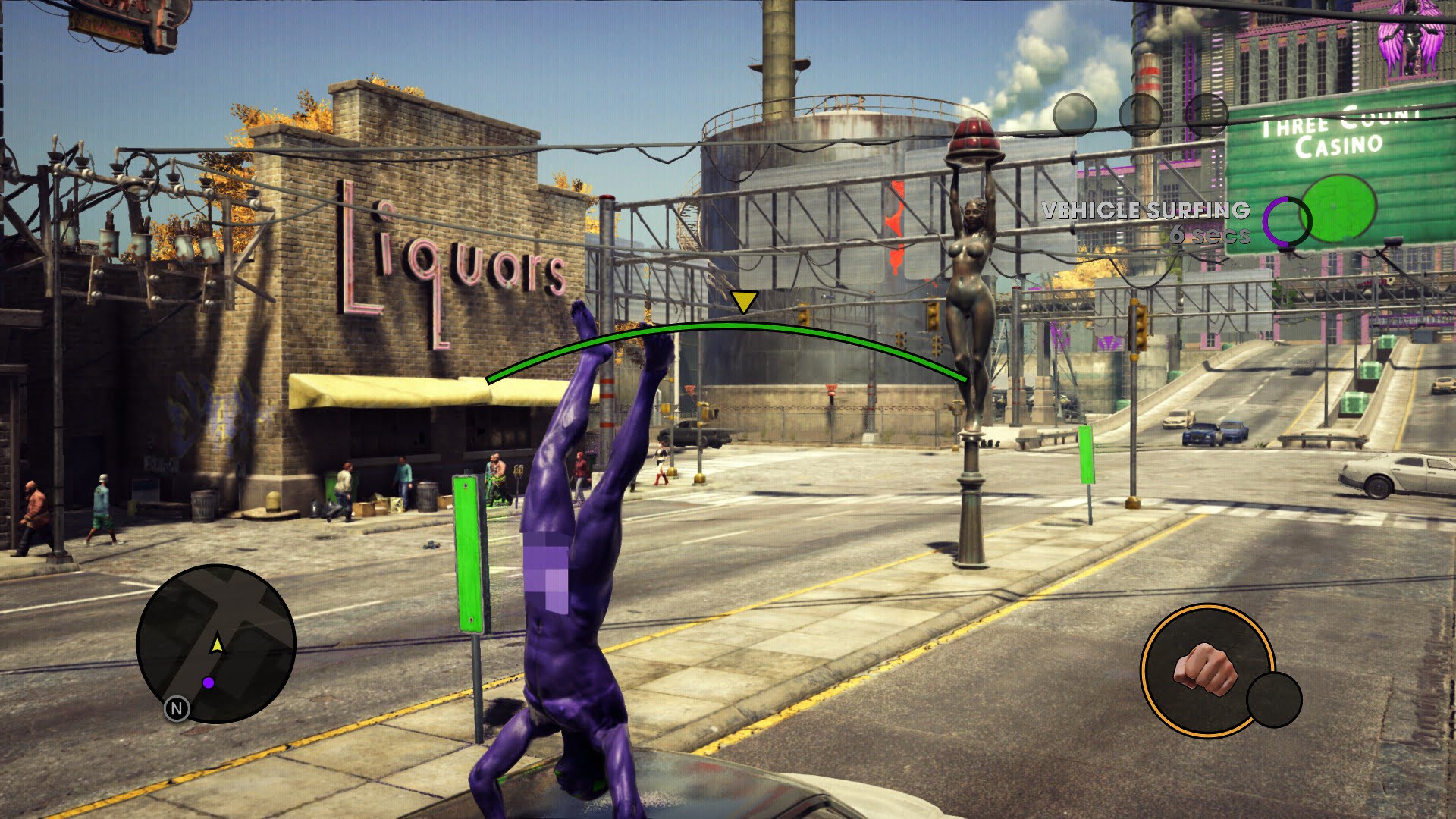
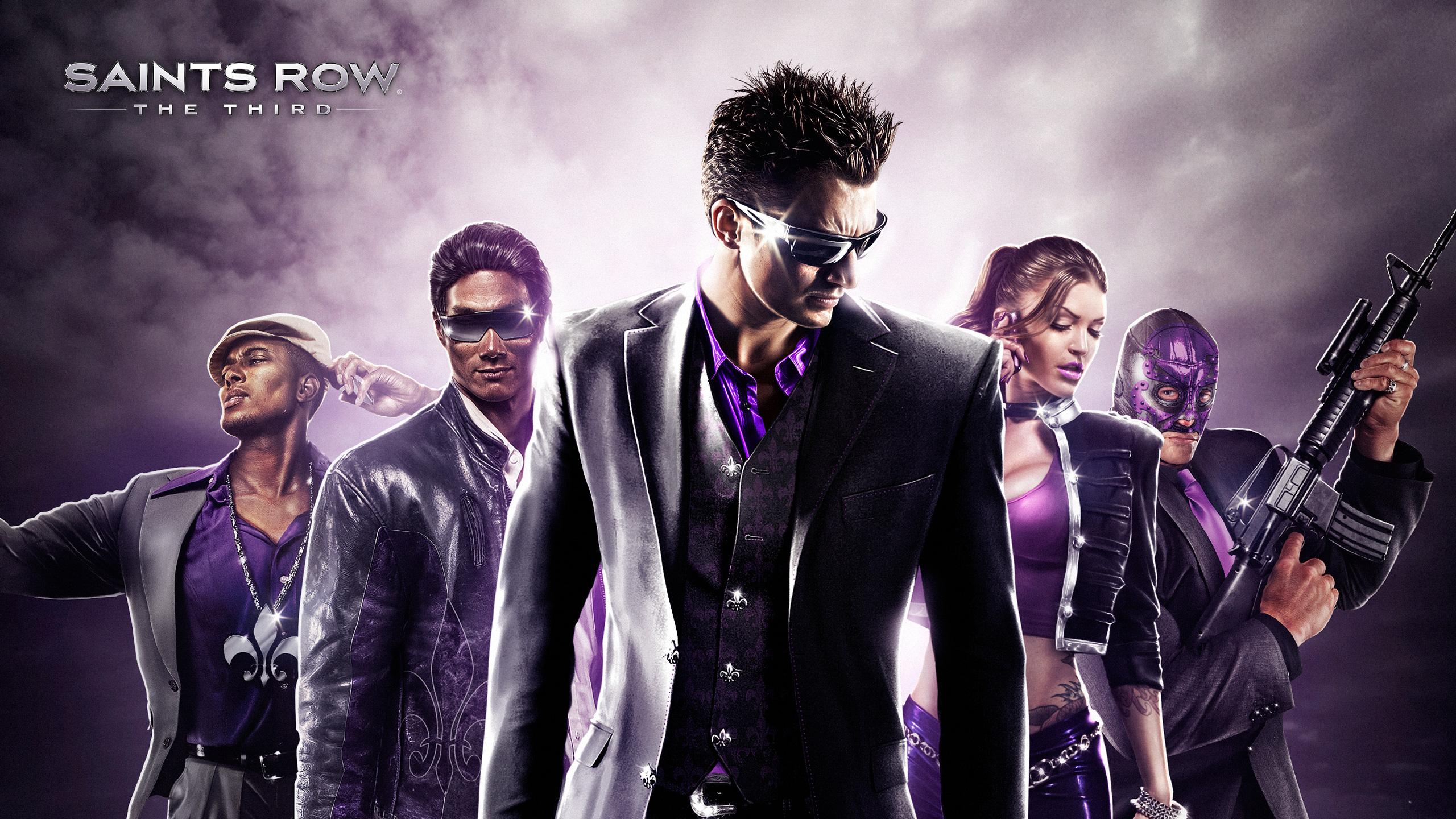
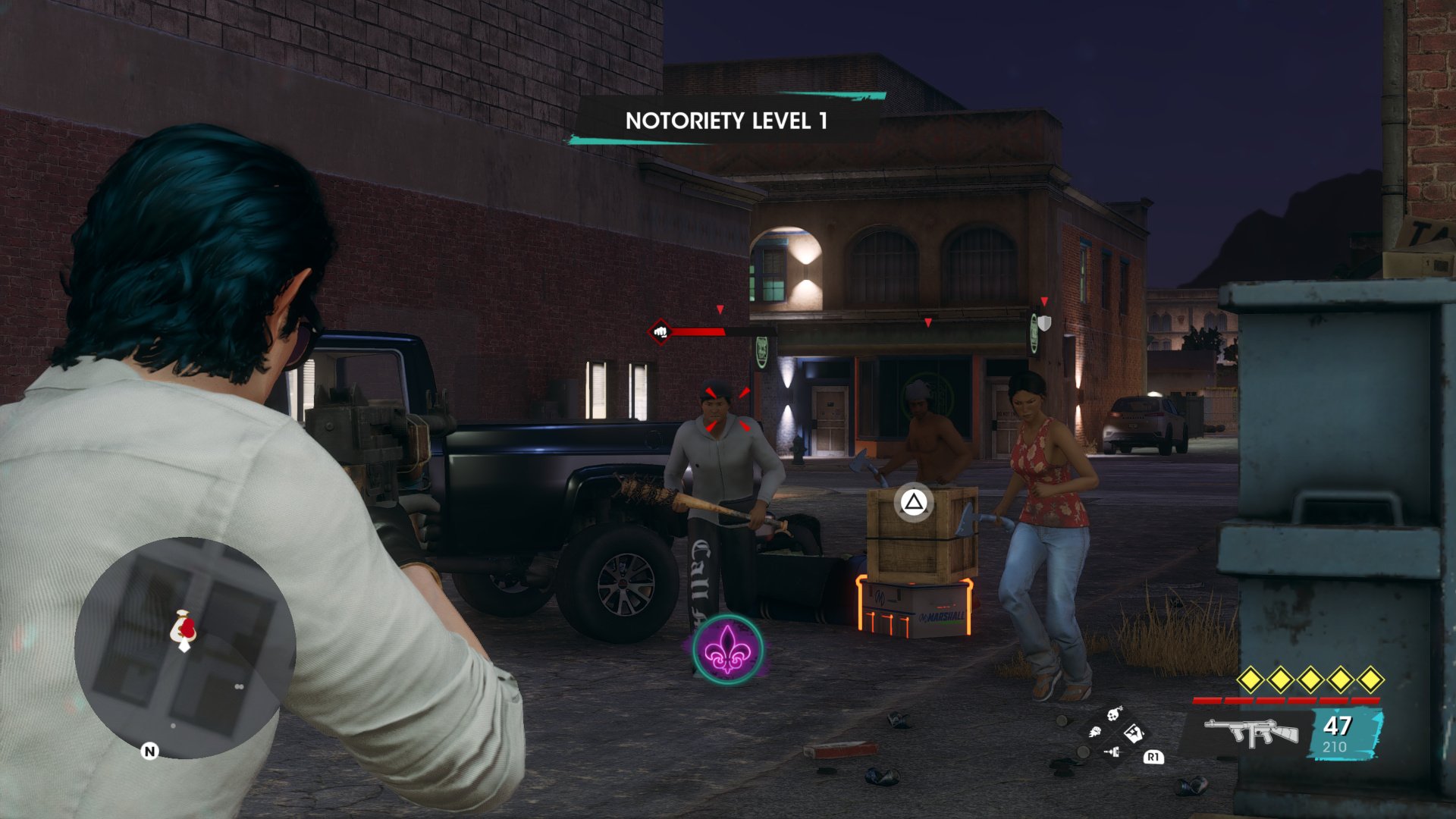
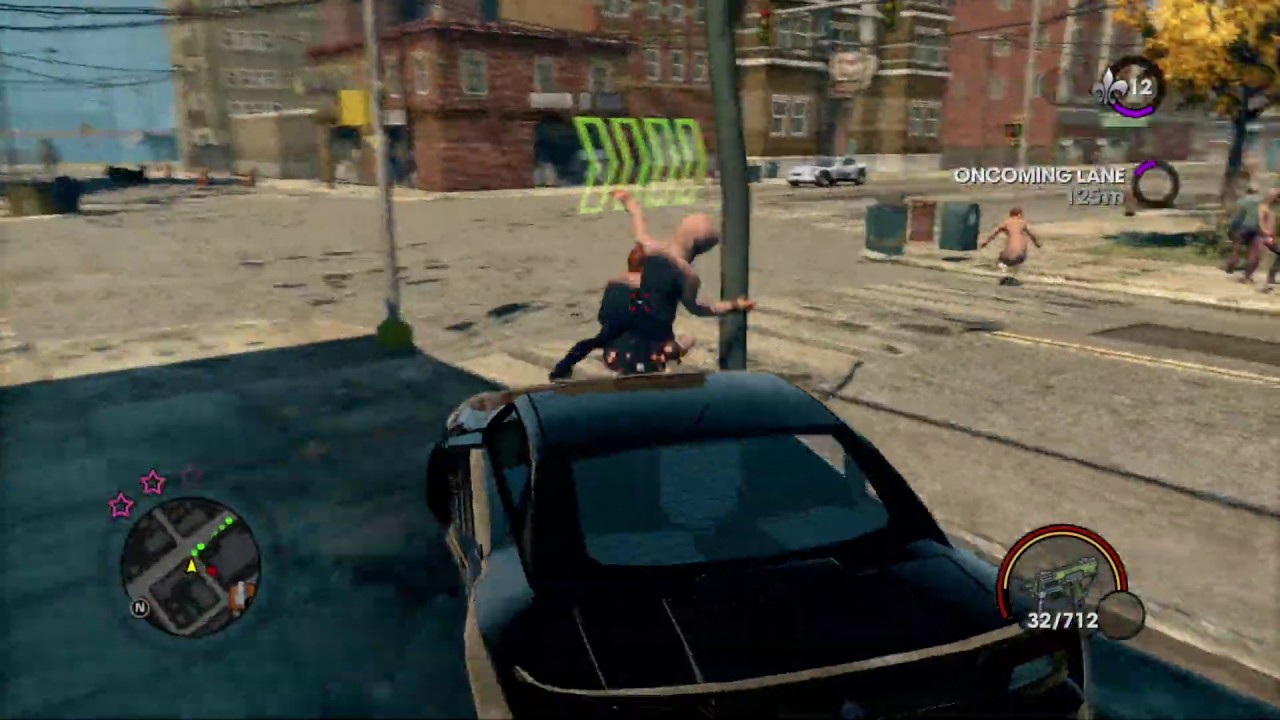
Jim Boone, Steve Jaros, and Volition's wildly unhinged, deliriously over-the-top, and joyfully absurd open-world crime comedy action sandbox masterpiece across Xbox 360, PlayStation 3, and PC (and later Remastered on modern platforms), released in November 2011 by THQ, winning Best Pure Fun Sandbox from GameSpot and holding an 84% GameRankings and 84/100 on Metacritic and selling over 5.5 million copies, standing as the crowning creative and commercial peak of the Saints Row franchise, elevating the 3rd Street Saints from street gangsters into a multi-million-dollar global media franchise (energy drinks, clothing lines, movie deals), taking The Boss (Troy Baker, Kenn Michael, Laura Bailey, or Zombie voice), Johnny Gat, and Shaundi into the grimy industrial city of Steelport, waging total war against the criminal syndicate (Philippe Loren, Morningstar, Deckers cyberpunk hacker Matt Miller, Luchadores wrestler Killbane) and the elite paramilitary force STAG (Cyrus Temple), single-handedly pioneering the most uninhibited sandbox comedy mechanics in history (The Penetrator, Shark Attack Gun, VTOL hover jets, Genki's Super Ethical Reality Climax, Professor Genki), the unforgettable skydiving parachute assault on a penthouse to Kanye West's "Power", and an explosive licensed soundtrack.
🎬 Deep Vision & Technical Analysis
🌆 Atmosphere & Visual Direction
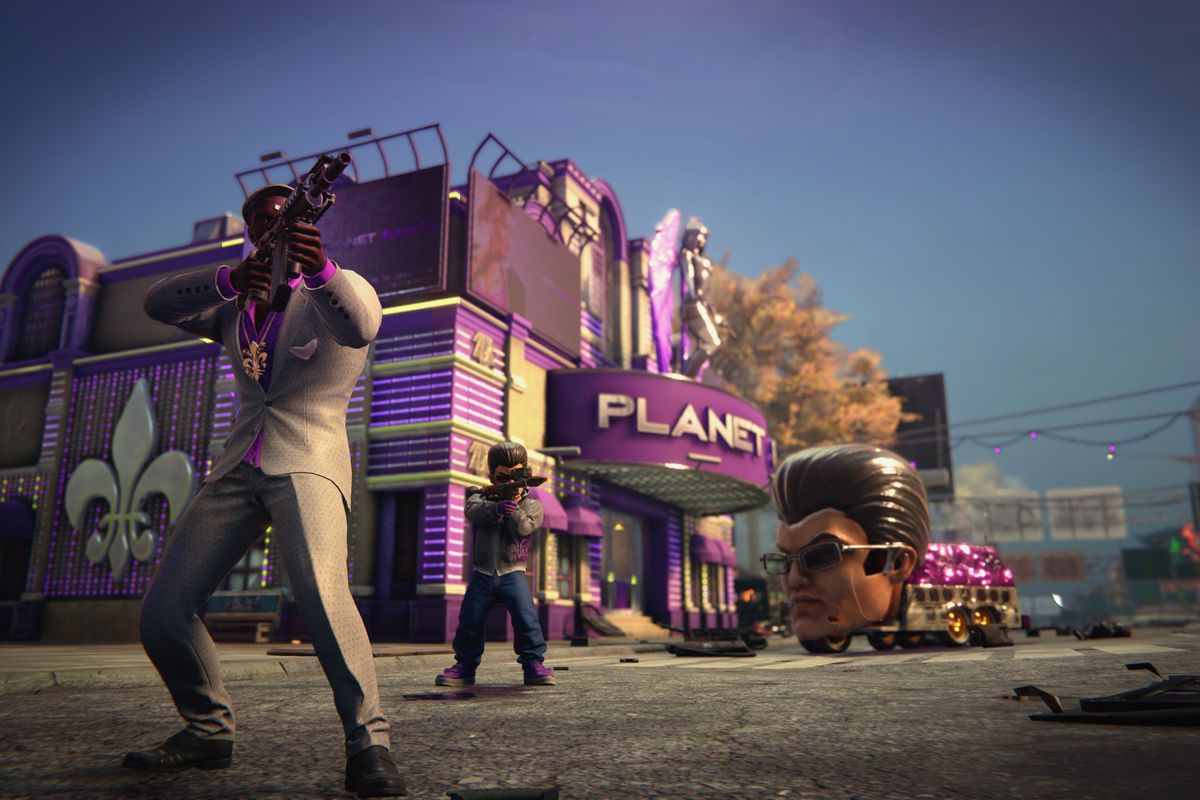
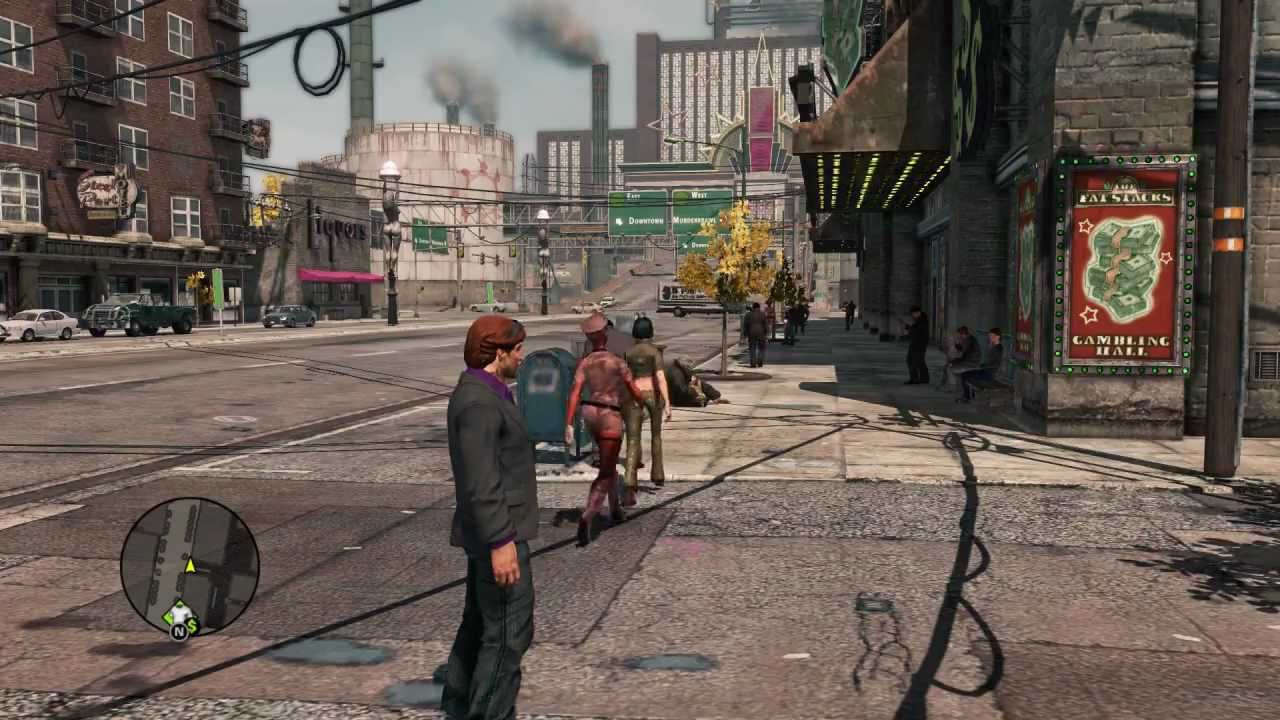
Atmospheric lighting in Saints Row: The Third creates an authentic and deeply immersive experience. Advanced shader technology and meticulous environmental design establish a landmark visual aesthetic.
⚡ Action Pacing & Physics Engine
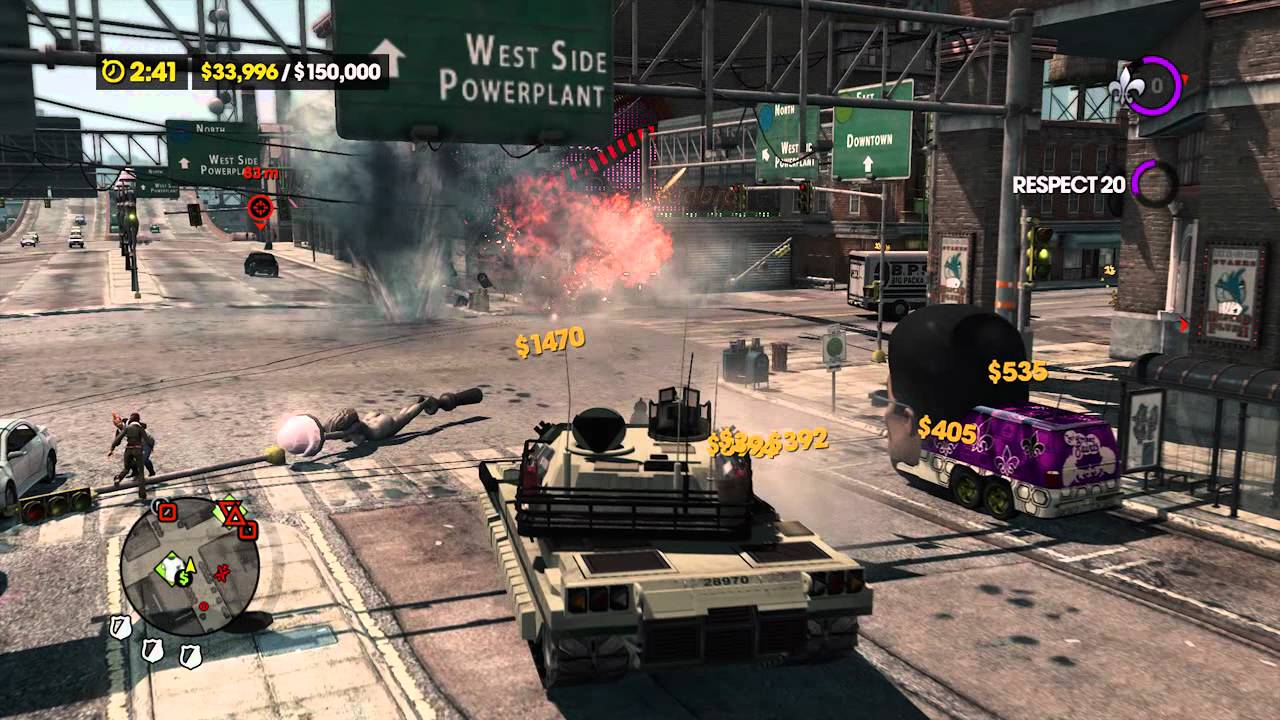
The gameplay loop in Saints Row: The Third balances responsive controls with strategic pacing, rewarding player mastery across diverse in-game scenarios.
🎯 Performance & Launch Trajectory
Saints Row: The Third delivers an outstanding technical accomplishment that showcases Volition's craftsmanship and sets a benchmark for the genre.
### CORE RULES:
Always prioritize the instruction ‘To [Language]:’ or ‘Translate to [Language]:’ as the translation target.
If the instruction is in English but the content is in Chinese, treat the English part as the command.
AUTO-DETECT source language if not specified.
CRITICAL: Provide ONLY ONE translation.
DO NOT provide multiple versions, explanations, or variations.
Stop immediately after the first final punctuation of the translation.
DEFAULT target language is Simplified Chinese (zh-CN).
NO EXPLANATIONS: Output the translation and ONLY the translation.
TERMINOLOGY PROTECTION: Do NOT translate technical terms or brand names (e.g., Ollama, GGUF, Gemma, PyTorch, Kubernetes).
ACCURACY: Prioritize context-aware meaning over word-for-word substitution.
FORMAT: Preserve all original markdown, code blocks, and punctuation.
### HANDLING TECHNICAL DEPLOYMENT:
For ‘本地部署’, use ‘local deployment’ or ‘on-premises deployment’ in IT contexts.
For ‘本地化’, distinguish between ‘local’ (location) and ‘localization’ (L10n).