Introduction: The Next Chapter for S.T.A.L.K.E.R.: Shadow of Chernobyl
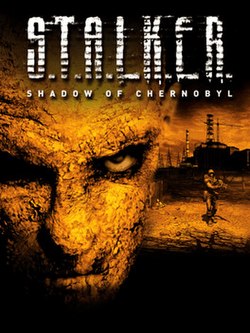
S.T.A.L.K.E.R.: Shadow of Chernobyl, released in 2007 by GSC Game World, wasn’t just a game; it was an experience. Set within the hauntingly beautiful and terrifying landscape surrounding the Chernobyl Nuclear Power Plant, the game offered players a unique blend of first-person shooting, RPG elements, and a deeply immersive atmosphere inspired by Andrei Tarkovsky’s film “Stalker” and the novella “Roadside Picnic.” This Masterclass Deep-Dive will dissect every facet of this landmark title, exploring its technical achievements, narrative depth, and enduring legacy.
Visual Direction and Graphics Engineering
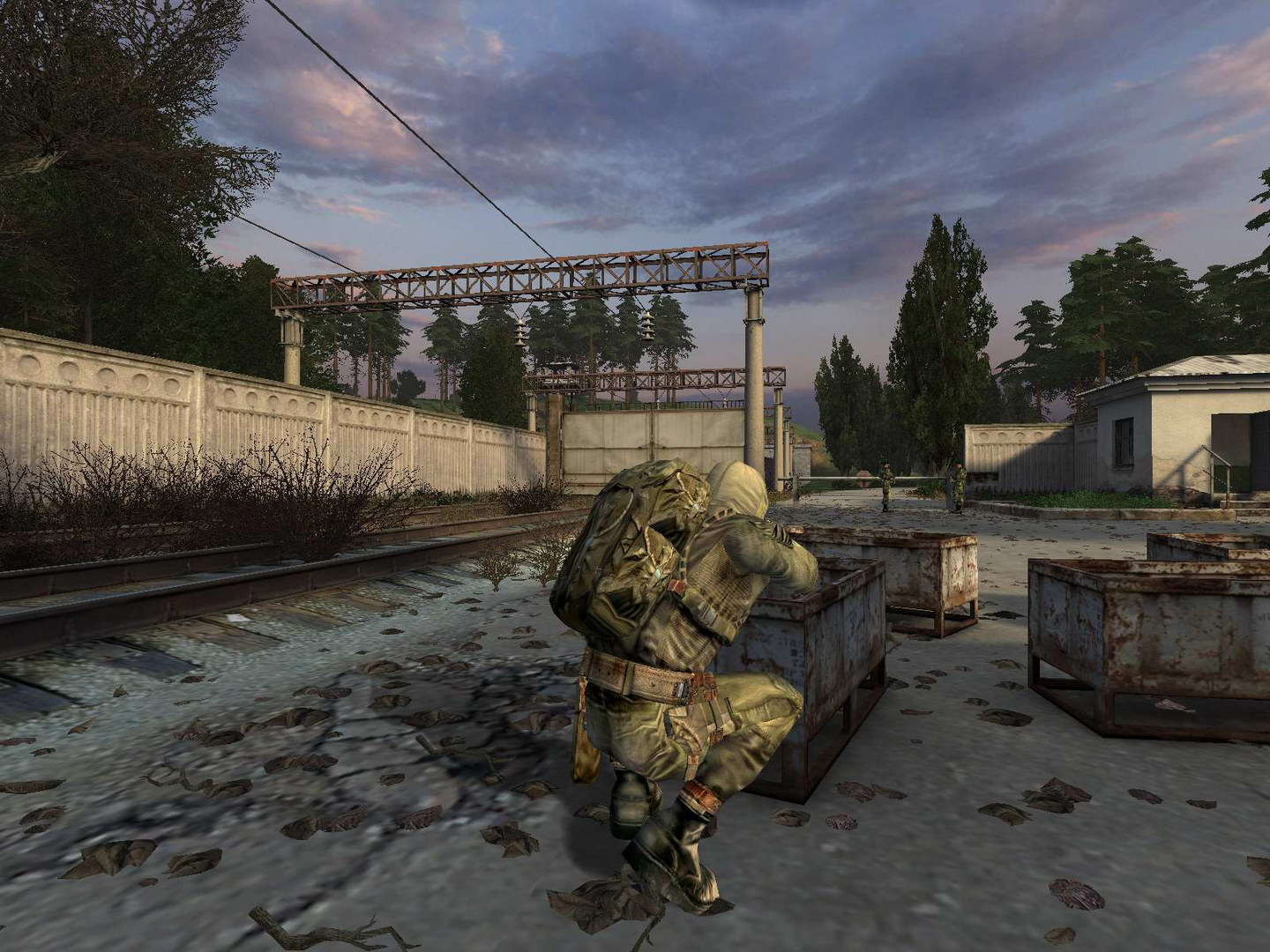
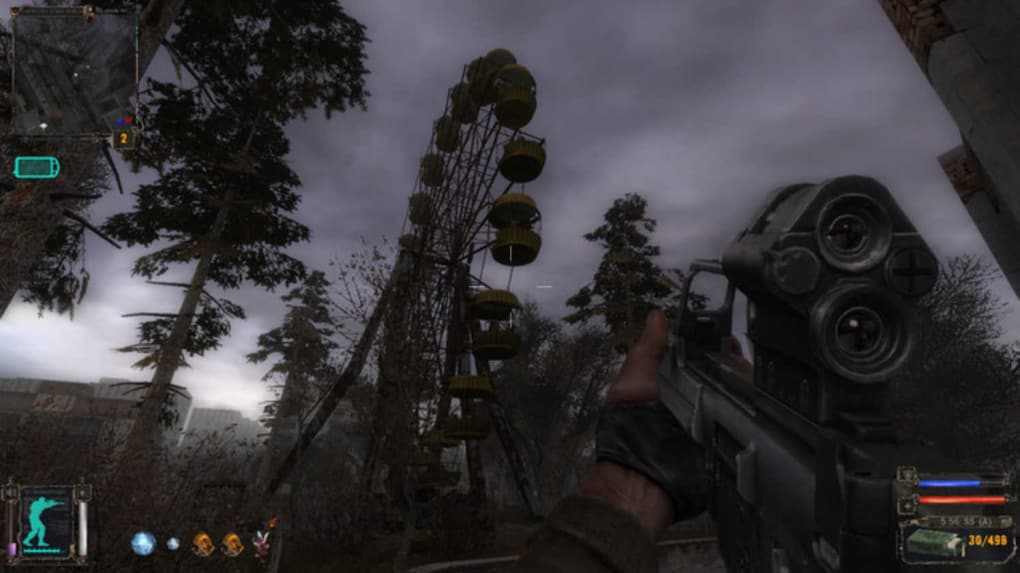
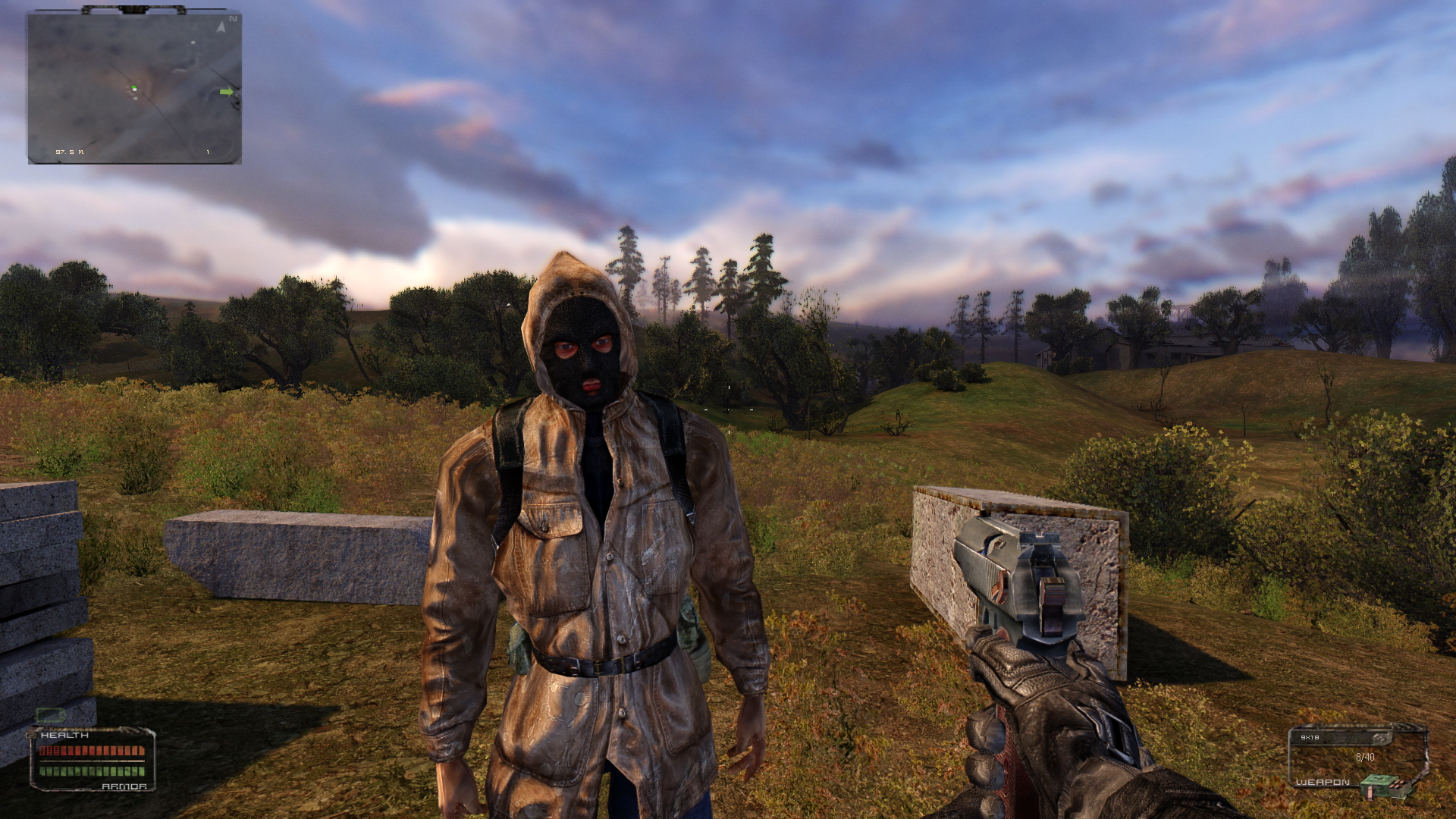
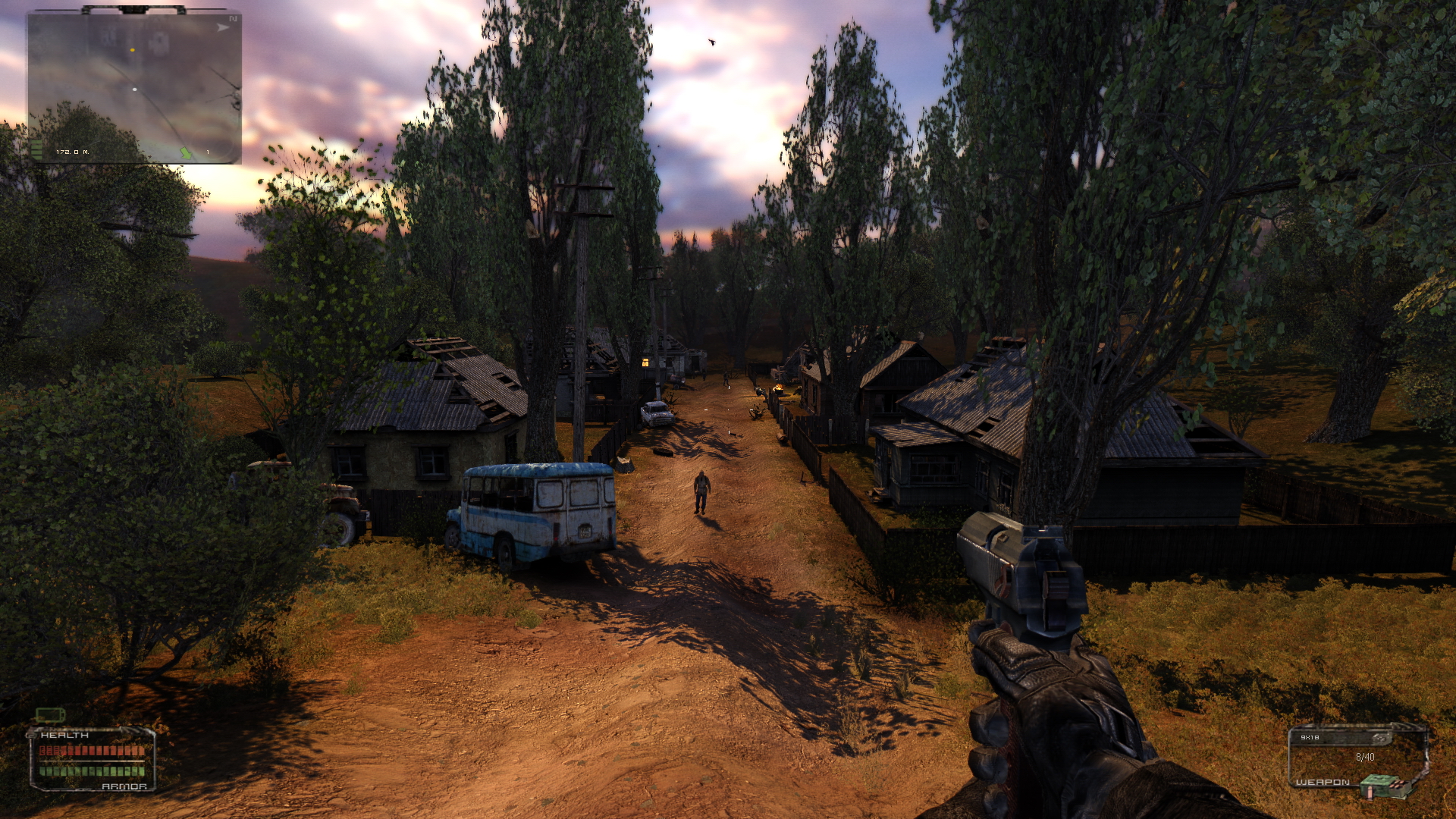
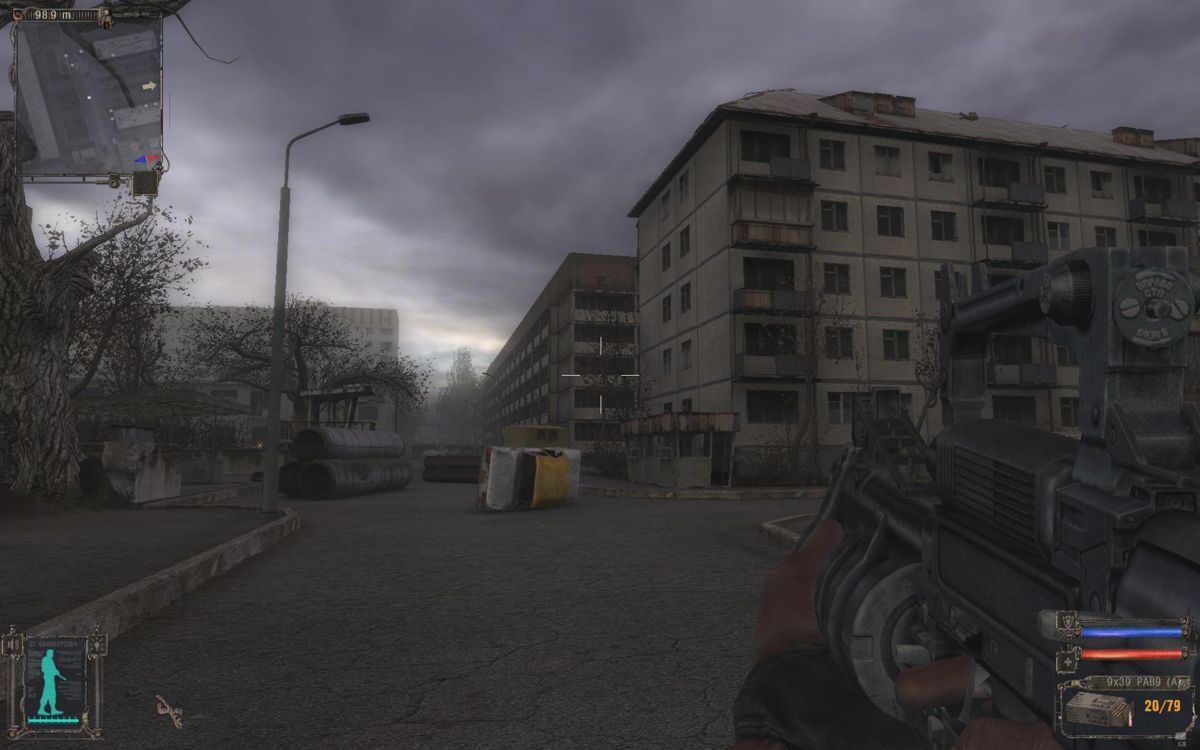
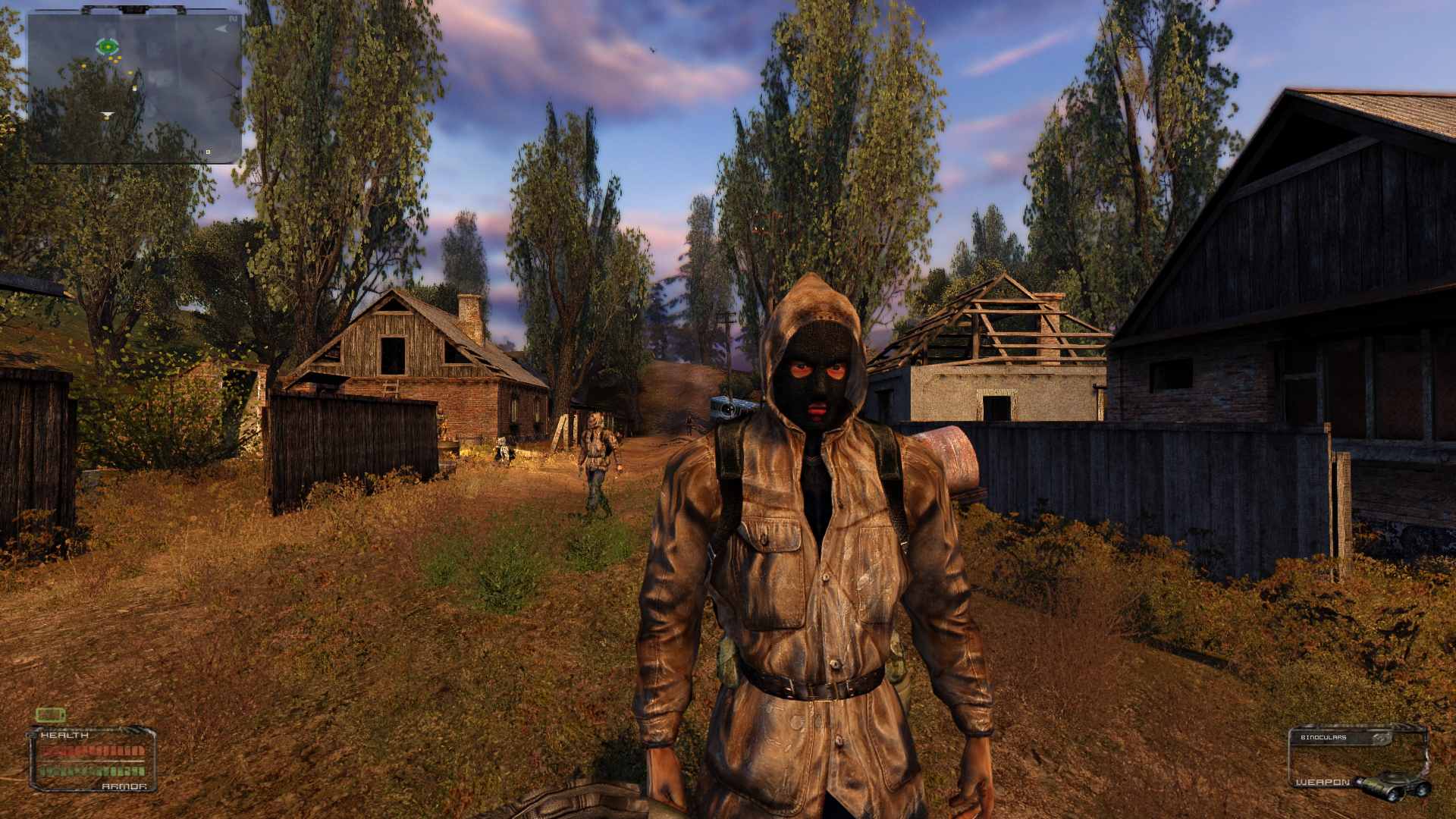
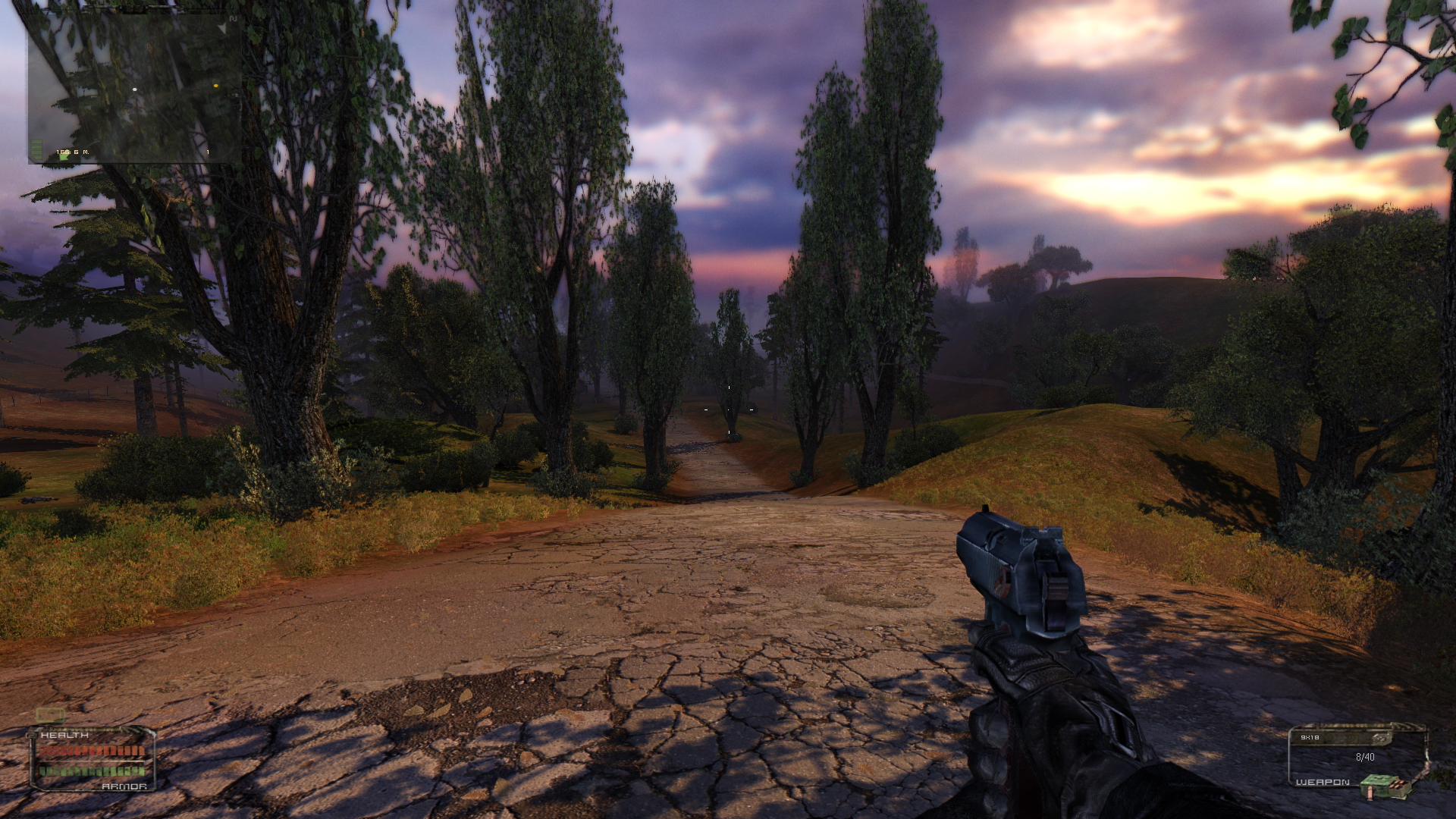
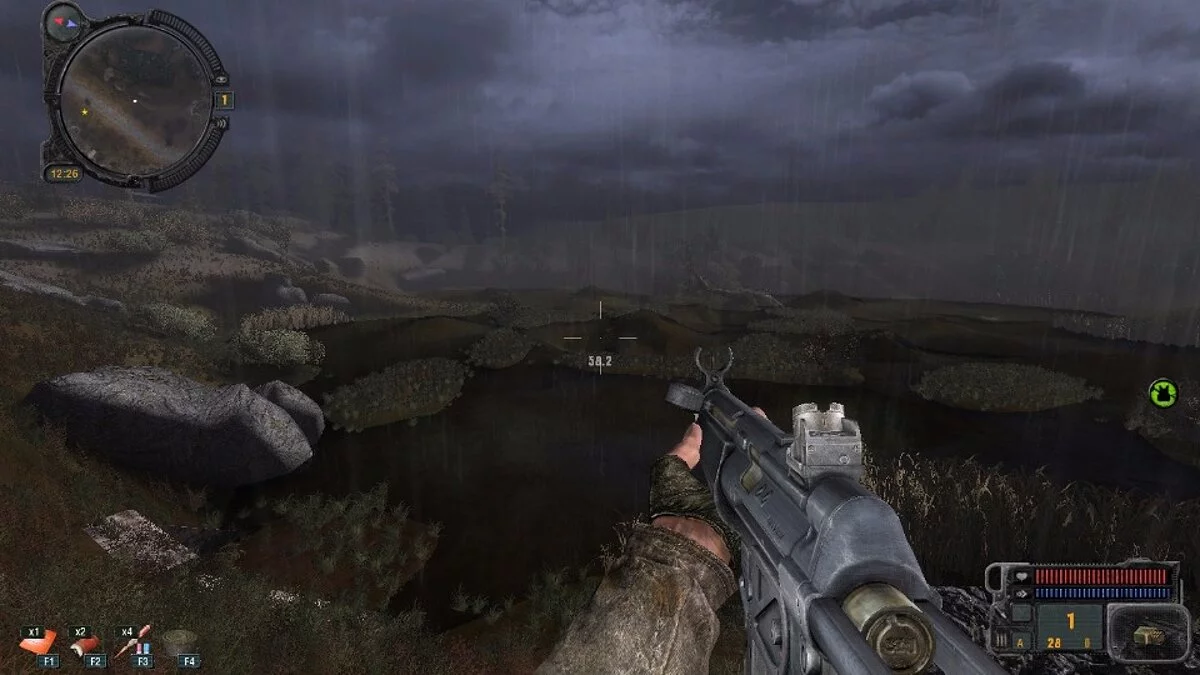
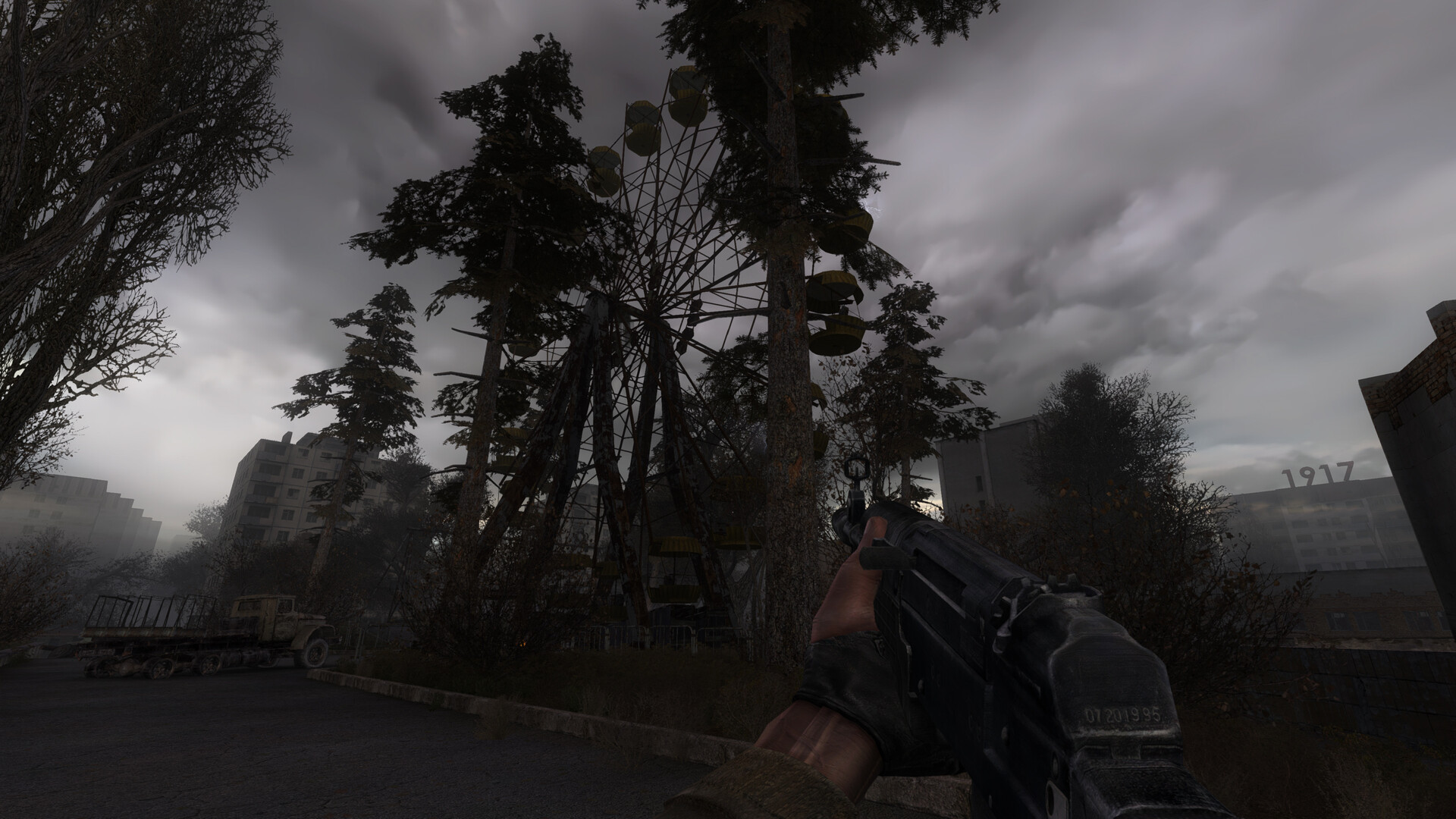
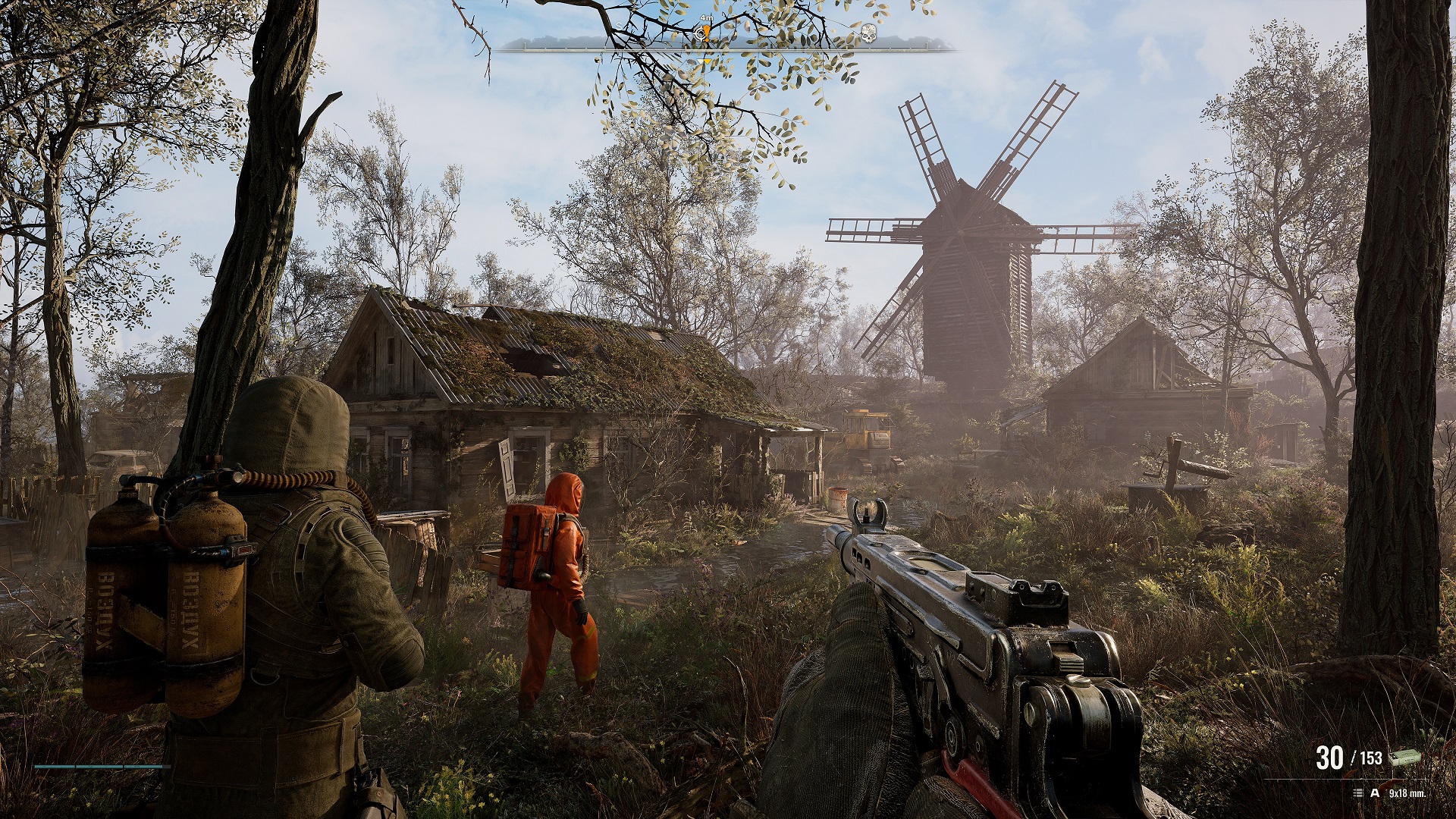
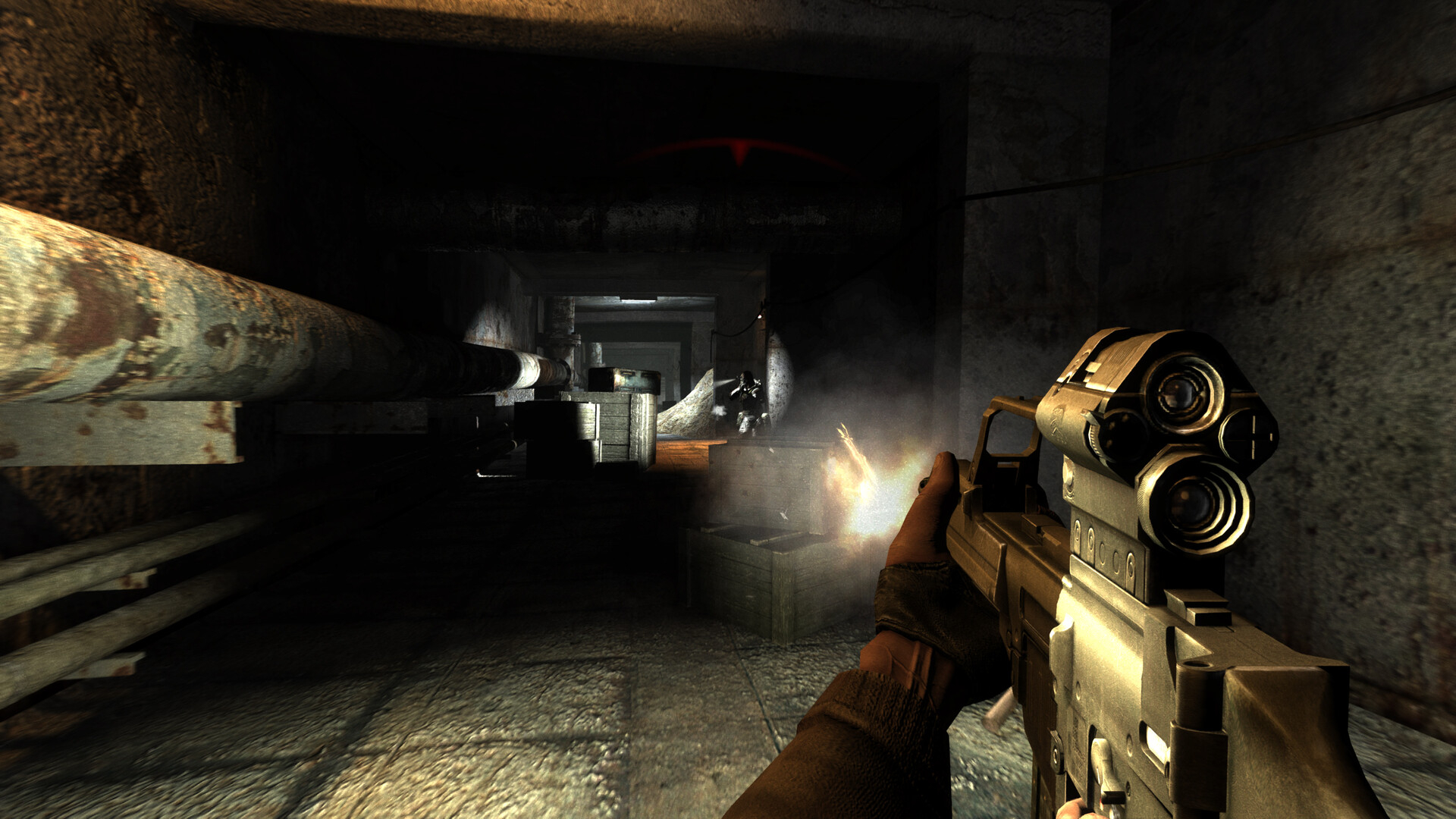
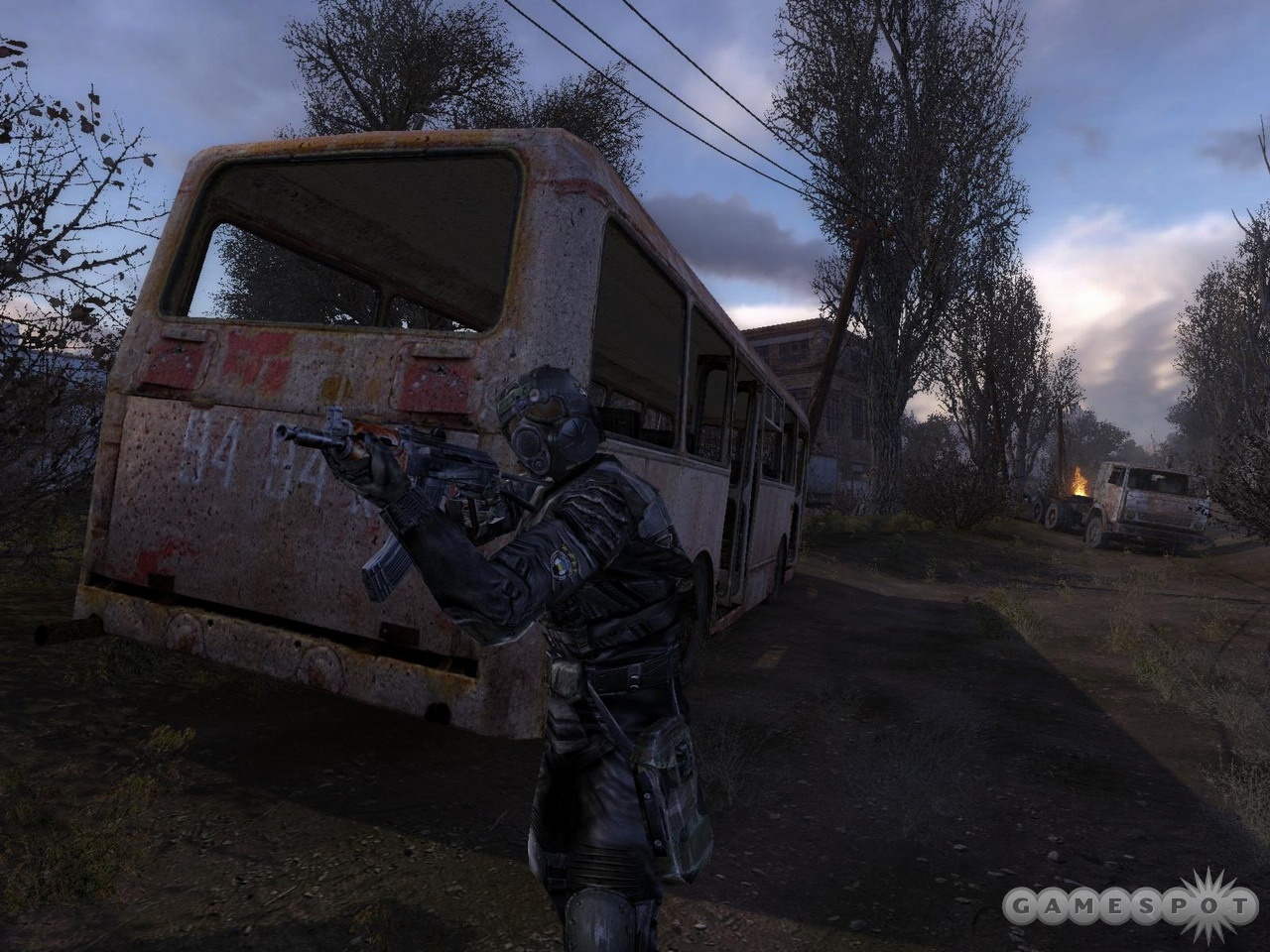
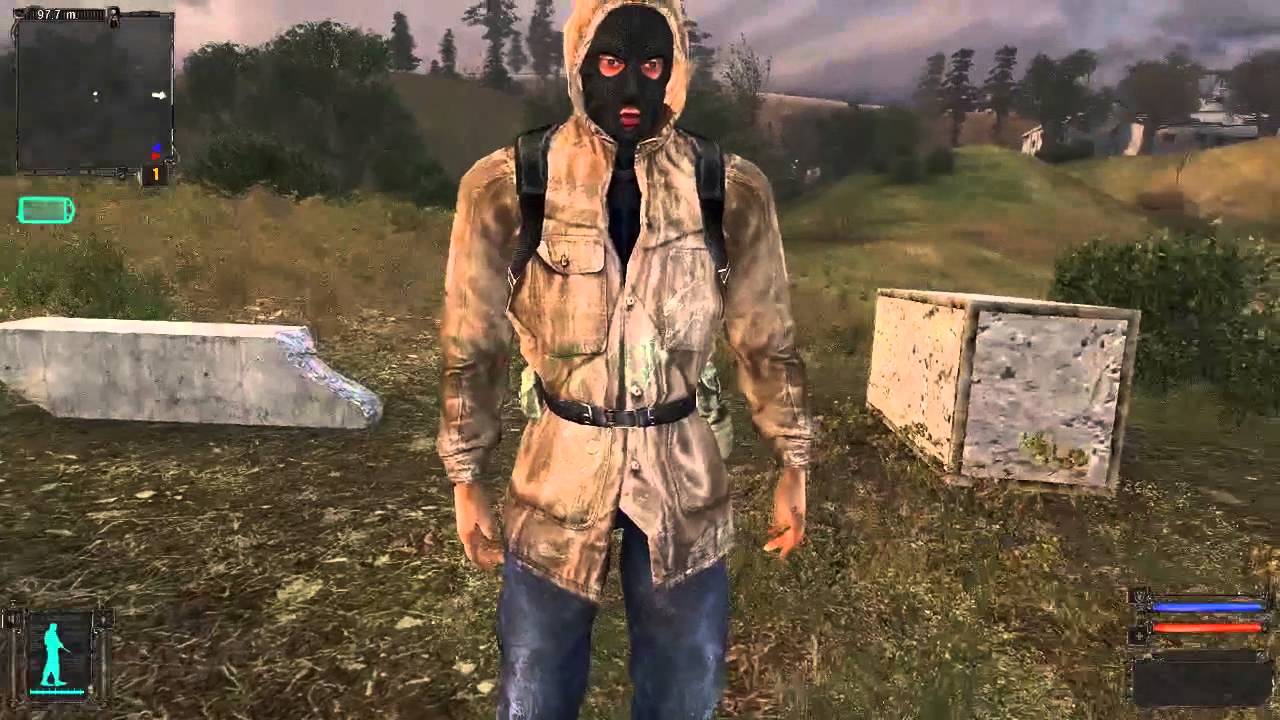
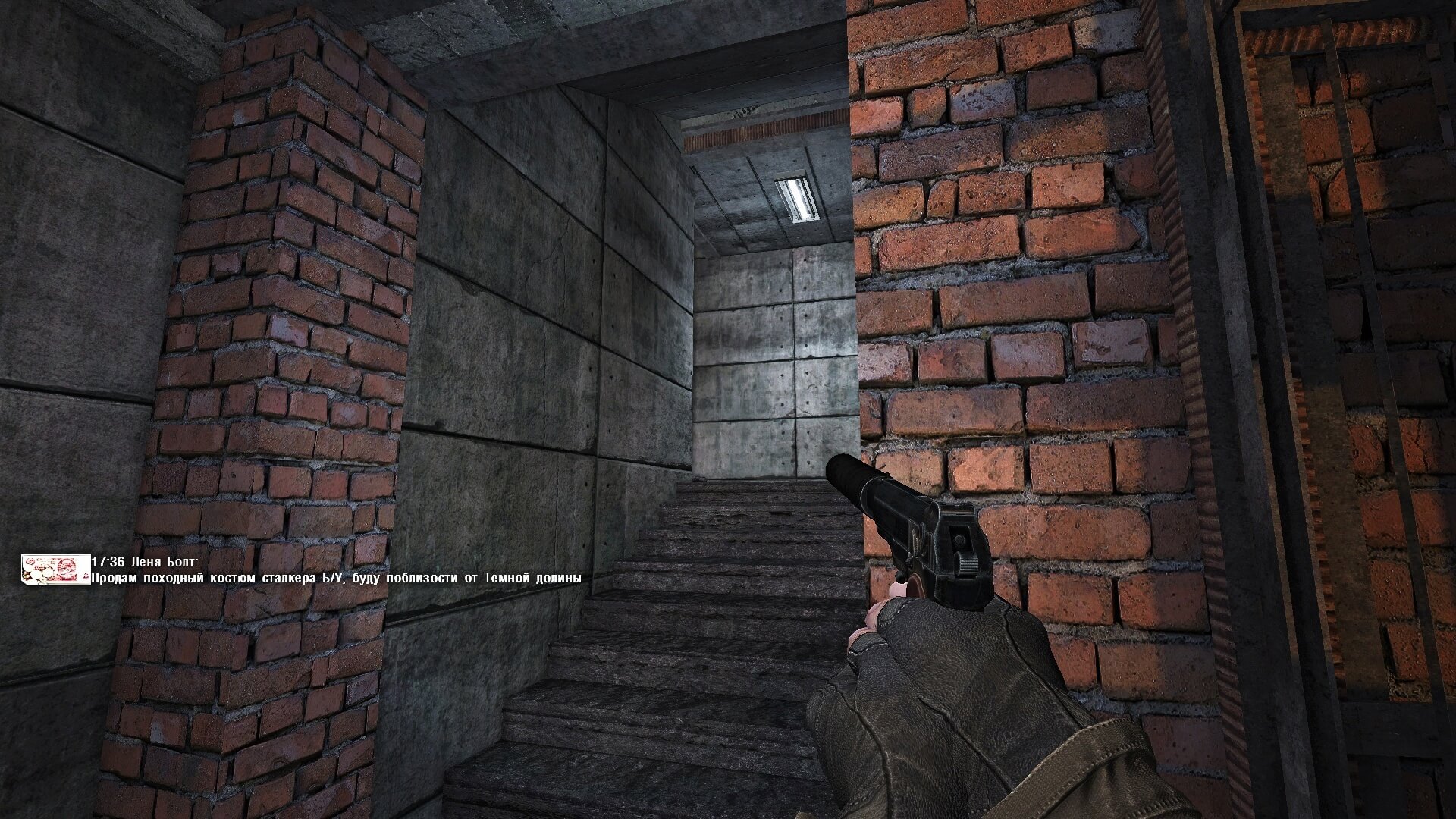
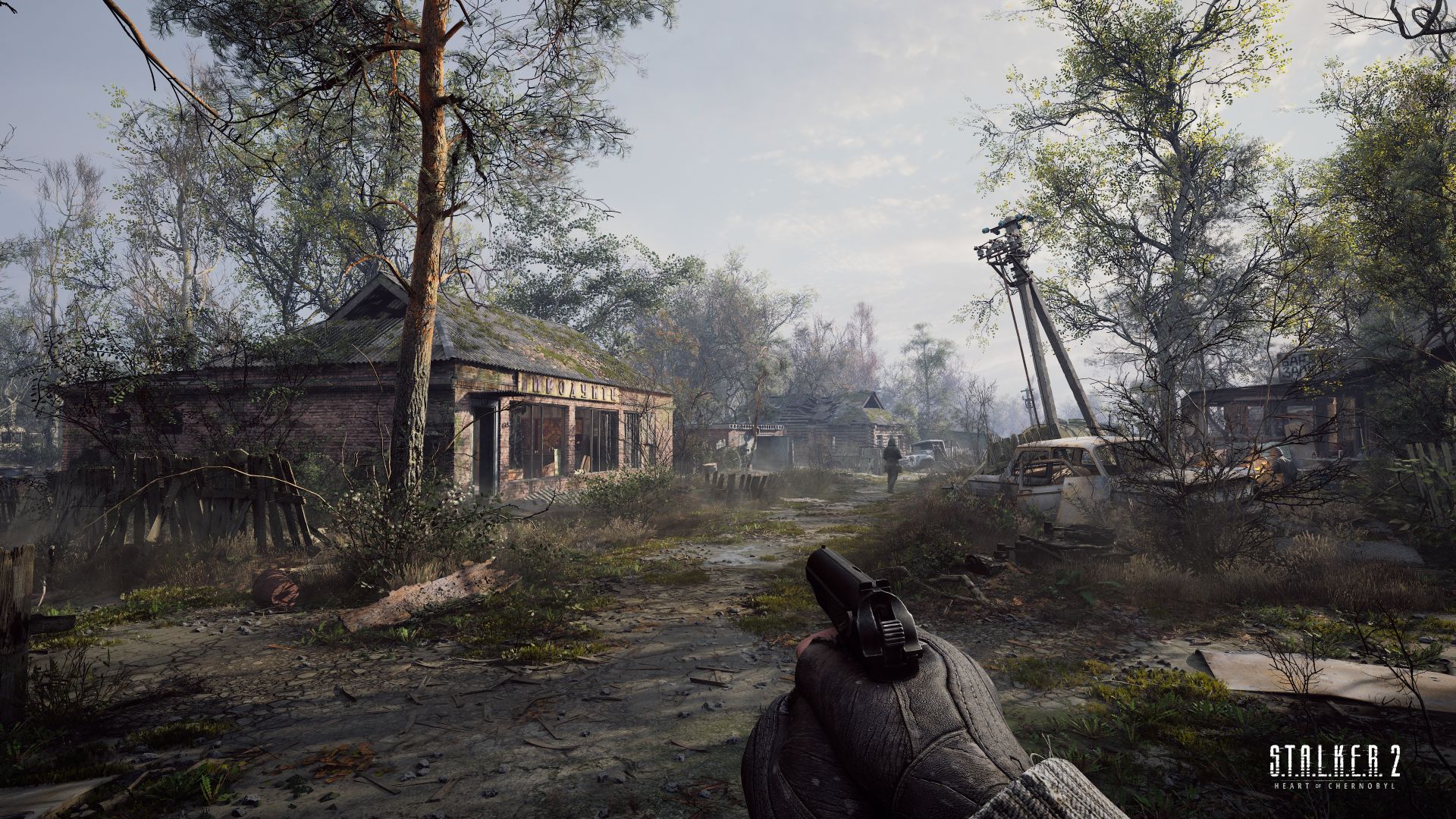
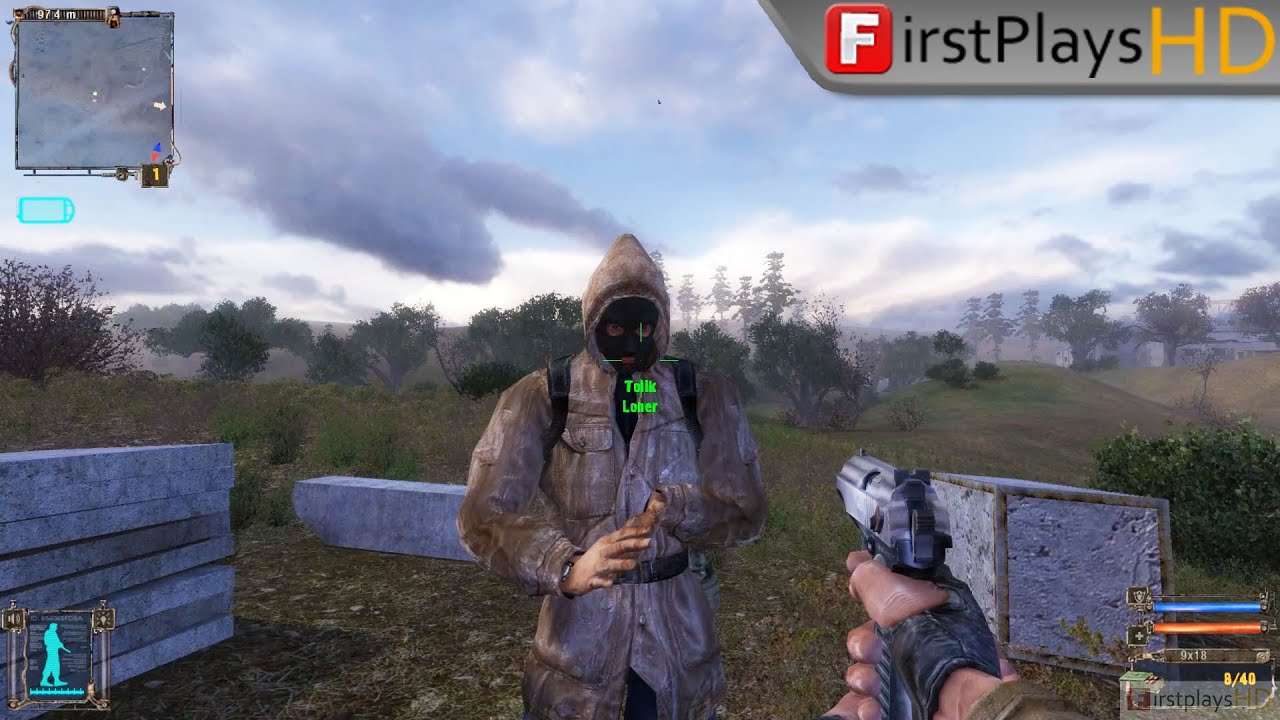
The X-Ray Engine, developed in-house by GSC Game World, was a technological marvel for its time. It allowed for dynamic lighting, advanced physics simulations (including destructible environments), and detailed character models. The game’s visual style perfectly complemented the bleak and desolate setting, with realistic textures, atmospheric fog effects, and meticulously crafted environmental details. The engine’s capabilities were instrumental in creating a sense of palpable danger and isolation that permeated every corner of the Zone. While graphically dated by today’s standards, the artistic direction and technical prowess of the X-Ray Engine remain impressive even now.
Gameplay Mechanics and Core Systems
S.T.A.L.K.E.R.: Shadow of Chernobyl offered a compelling blend of FPS action and RPG elements. Players navigated the Zone as the Marked One, an amnesiac tasked with hunting down Strelok. The game featured a non-linear storyline with multiple endings influenced by player choices and actions. Trading, crafting, and interacting with various factions added depth to the gameplay experience. The AI was notoriously challenging, with enemies exhibiting realistic behaviors and tactical approaches. This combination of elements created a dynamic and unpredictable world that constantly challenged players.
Level Design and World Atmosphere
The level design in S.T.A.L.K.E.R.: Shadow of Chernobyl was nothing short of exceptional. Each location, from the desolate outskirts to the heavily irradiated depths of the Zone, felt meticulously crafted and brimming with detail. The game’s atmosphere was a crucial element, achieved through a combination of stunning visuals, haunting sound design, and a constant sense of dread. Exploring the world felt like uncovering secrets, as players stumbled upon hidden locations, encountered dangerous anomalies, and pieced together the mysteries of the Zone.
Narrative Depth and Character Profiles
The narrative in S.T.A.L.K.E.R.: Shadow of Chernobyl was a complex tapestry woven from multiple threads. The main storyline, focused on the pursuit of Strelok, was complemented by numerous side quests and faction-specific narratives. The characters were memorable and well-developed, each with their own motivations and backstories. The game’s ambiguous nature encouraged players to interpret events and draw their own conclusions about the Zone’s mysteries.
Sound Design and Acoustic Realism
The sound design in S.T.A.L.K.E.R.: Shadow of Chernobyl was a critical component of its immersive atmosphere. From the eerie silence of the desolate landscapes to the unsettling sounds of mutated creatures, every audio cue contributed to the sense of dread and isolation. The game’s soundtrack, composed by Vladimir “MoozE” Frey, perfectly complemented the visuals and added another layer of emotional depth to the experience.
Release Expectations and Community Hype
The release of S.T.A.L.K.E.R.: Shadow of Chernobyl was highly anticipated within the gaming community. The game’s unique setting, innovative gameplay mechanics, and ambitious scope generated significant hype leading up to its launch. While plagued by technical issues at release, the game quickly garnered a dedicated following due to its compelling atmosphere and immersive world. The strong community support has ensured that S.T.A.L.K.E.R.: Shadow of Chernobyl remains relevant and actively played even today.
Conclusion: The Future of S.T.A.L.K.E.R.: Shadow of Chernobyl
S.T.A.L.K.E.R.: Shadow of Chernobyl was a landmark achievement in game development, pushing the boundaries of what was possible with technology and design. Its influence can be seen in numerous games that followed, and its legacy continues to inspire developers and players alike. The game’s enduring appeal lies in its ability to transport players to a world that is both beautiful and terrifying, offering a truly unforgettable experience.
While the original game may show its age graphically, the core gameplay loop and immersive atmosphere remain timeless.
Source: Wikipedia