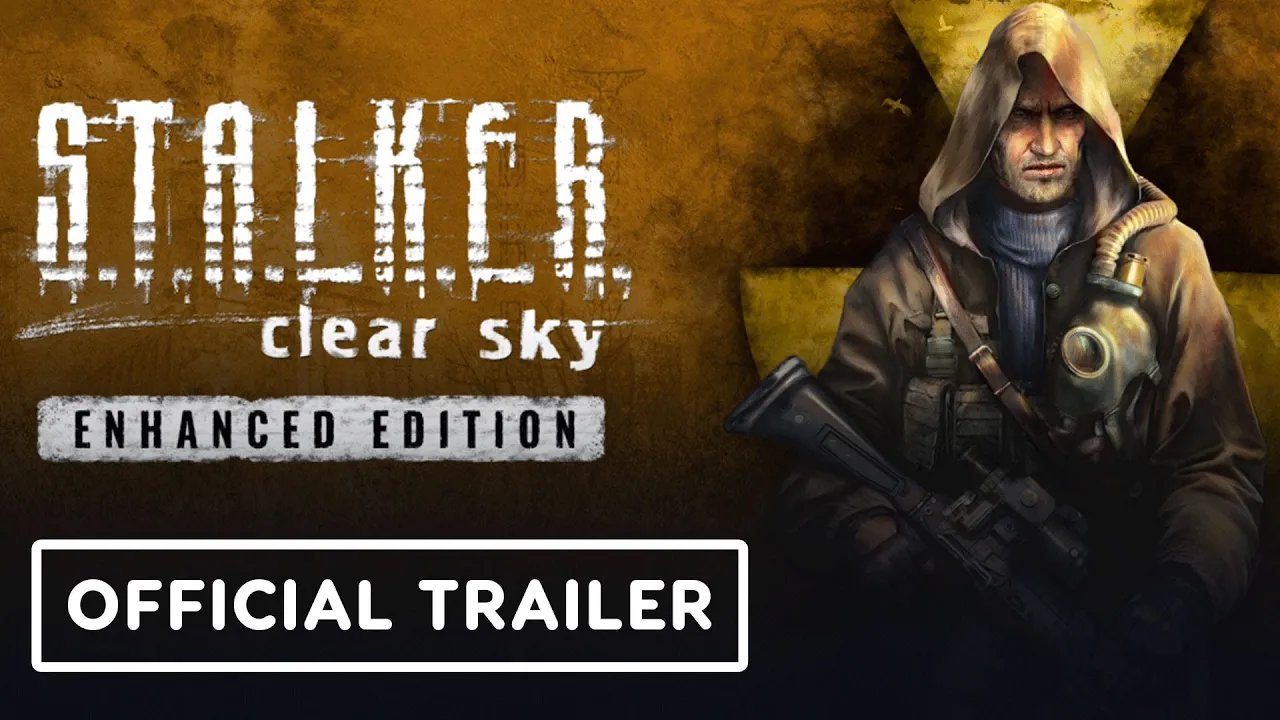
Introduction: The Next Chapter for S.T.A.L.K.E.R.: Clear Sky
S.T.A.L.K.E.R.: Clear Sky arrived in , a pivotal moment for the franchise. Positioned as a prequel to the acclaimed Shadow of Chernobyl, it aimed to bridge the gap between the original game and its sequel, Call of Pripyat. While not universally praised, Clear Sky represented an attempt to refine the core S.T.A.L.K.E.R. experience, introducing new features and attempting to address some of the criticisms leveled at its predecessor. This deep dive will examine what made Clear Sky tick, from its technical underpinnings to its narrative ambitions.
Visual Direction and Graphics Engineering
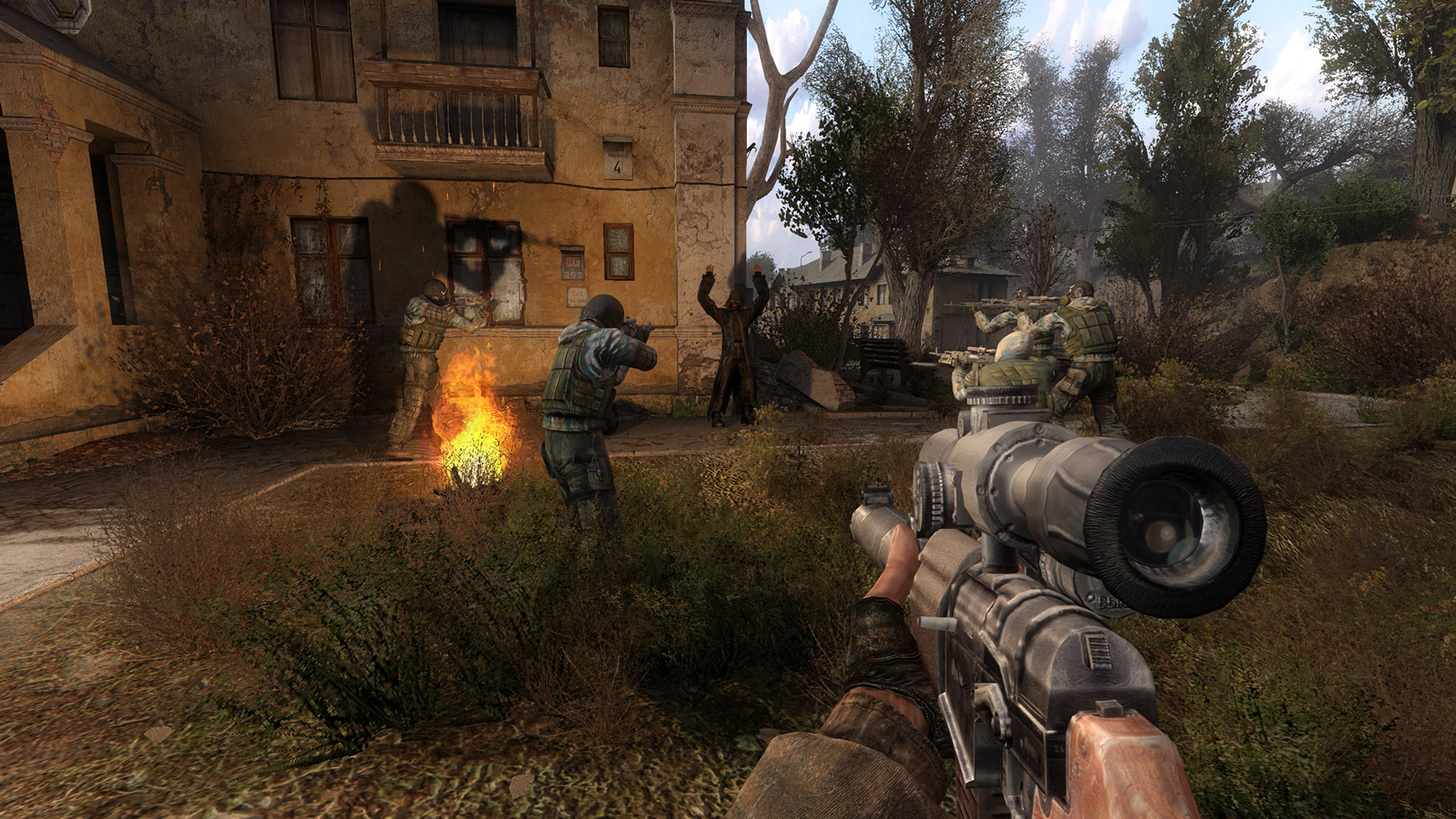
Clear Sky leveraged the powerful X-Ray Engine, a testament to GSC Game World’s commitment to pushing graphical fidelity in a challenging environment. The game maintained the bleak, atmospheric visuals that defined the series, with detailed textures, dynamic lighting, and realistic weather effects. While not groundbreaking by modern standards, the visual presentation effectively conveyed the sense of desolation and danger inherent in the Chernobyl Exclusion Zone. The X-Ray Engine allowed for impressive environmental detail, contributing significantly to the game’s immersive quality.
Gameplay Mechanics and Core Systems
Clear Sky built upon the established S.T.A.L.K.E.R. gameplay loop of exploration, combat, and survival. New features included enhanced weapon customization options, allowing players to modify their firearms with attachments and upgrades. The faction system was also refined, offering more nuanced interactions and opportunities for alliances or rivalries. While the core mechanics remained familiar, these additions aimed to provide a fresh layer of depth and player agency.
Level Design and World Atmosphere
The game’s level design sought to expand upon the existing map from Shadow of Chernobyl while introducing new areas like the abandoned town of Limansk. The environments were meticulously crafted to evoke a sense of isolation and danger, with crumbling buildings, overgrown vegetation, and lurking threats around every corner. The atmosphere was crucial to the S.T.A.L.K.E.R. experience, and Clear Sky largely succeeded in maintaining that feeling of oppressive dread.
Narrative Depth and Character Profiles
The narrative of Clear Sky centered on the character of “Scar,” a mercenary tasked with resolving conflicts between various factions within the Zone. While the story was not universally lauded, it provided a framework for exploring the motivations and ideologies of different groups vying for control. The game attempted to delve into the psychological impact of living in such a hostile environment, but some critics found the characters somewhat underdeveloped.
Sound Design and Acoustic Realism
The sound design played a critical role in creating the immersive atmosphere of Clear Sky. Realistic weapon sounds, environmental effects, and creature vocalizations all contributed to the sense of danger and isolation. The game also featured a haunting musical score that complemented the visuals and narrative perfectly.
The audio landscape was carefully crafted to heighten the player’s awareness of their surroundings and create moments of genuine tension.
Release Expectations and Community Hype
The release of S.T.A.L.K.E.R.: Clear Sky was met with a mix of anticipation and apprehension within the gaming community. Fans were eager to see how GSC Game World would build upon the foundation laid by Shadow of Chernobyl, while also hoping that the game would address some of the issues that had plagued the original release. The hype surrounding the game was palpable, but ultimately, it failed to fully live up to expectations for many players.
Conclusion: The Future of S.T.A.L.K.E.R.: Clear Sky
S.T.A.L.K.E.R.: Clear Sky represents a fascinating chapter in the history of the franchise. While it may not be considered a masterpiece, it offered valuable insights into the world and characters that would later be explored in Call of Pripyat. The game’s technical achievements, atmospheric visuals, and immersive sound design continue to resonate with fans even today. Its legacy lies in its contribution to the overall S.T.A.L.K.E.R. experience and its enduring appeal to players seeking a challenging and rewarding survival horror adventure.
Source: Wikipedia


