

Despre acest joc
Introduction: The Next Chapter for S.T.A.L.K.E.R.: Call of Pripyat
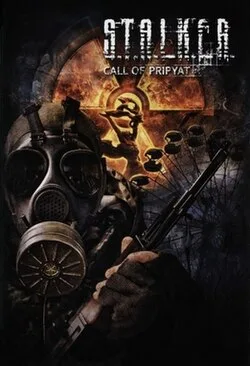
S.T.A.L.K.E.R.: Call of Pripyat arrived in 2009 as the third major installment in GSC Game World’s critically acclaimed survival horror series, building upon the foundations laid by Shadow of Chernobyl and Clear Sky. Mai mult than just a sequel, it represented a refinement and expansion of the core S.T.A.L.K.E.R. experience, offering players a vast open world to explore, compelling narratives to unravel, and a constant struggle for survival against both human adversaries and the Zone’s mutated creatures. This Masterclass Deep-Dive will dissect every facet of Call of Pripyat, from its groundbreaking X-Ray engine to its immersive sound design, providing an in-depth analysis for seasoned gamers and newcomers alike.
Visual Direction and Graphics Engineering
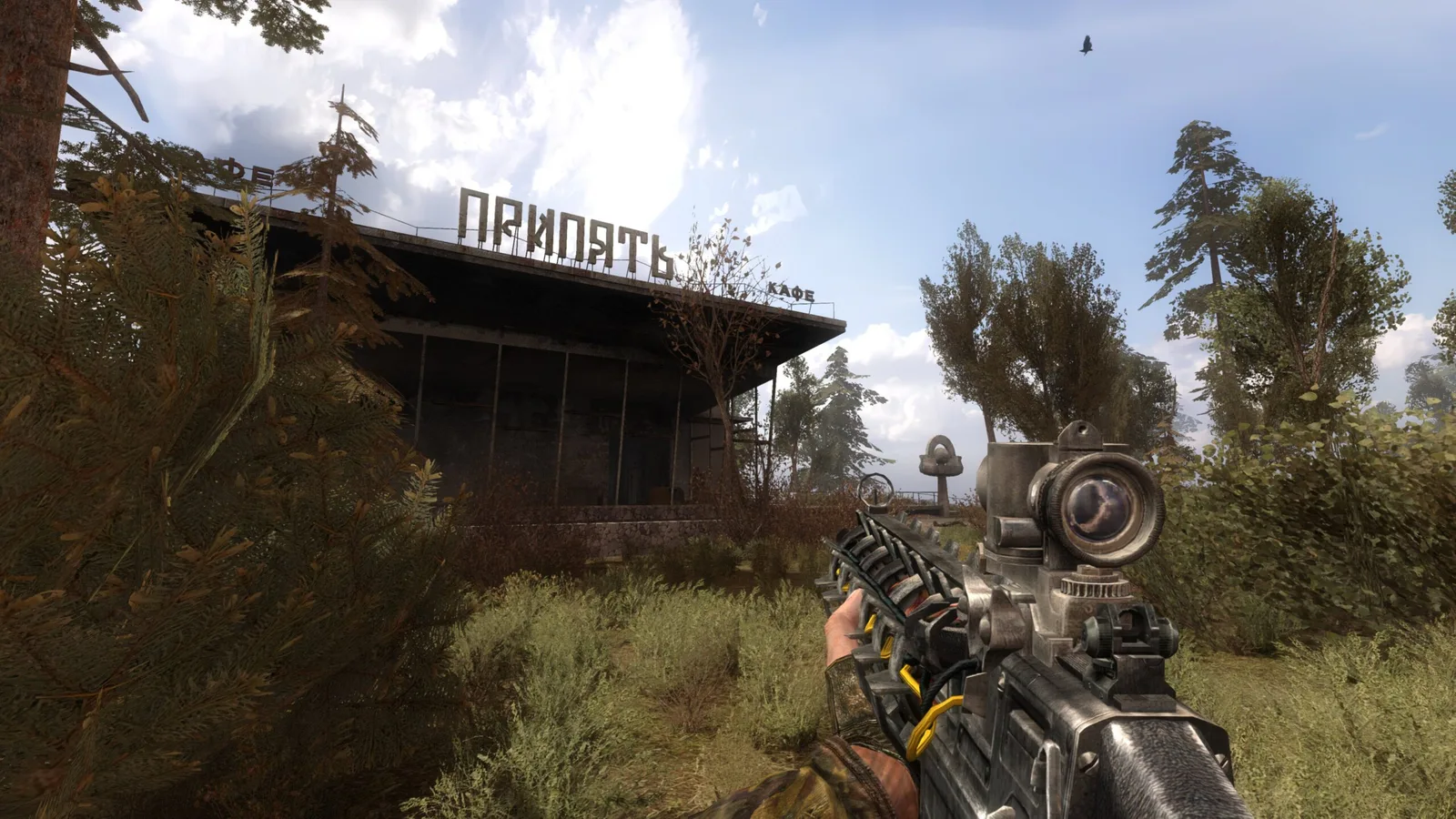
Call of Pripyat leveraged the power of GSC Game World’s proprietary X-Ray Engine, a technology that pushed the boundaries of visual fidelity at the time. The game featured advanced lighting effects, realistic material rendering, and detailed environmental textures, creating a truly immersive and believable depiction of the Chernobyl Exclusion Zone. While not as graphically demanding as modern titles, the engine allowed for dynamic weather systems, volumetric fog, and destructible environments, adding to the sense of realism and danger. The visual direction was crucial in establishing the game’s atmosphere: a blend of post-apocalyptic desolation and eerie beauty.
Mecanică de joc Mechanics and Core Systems
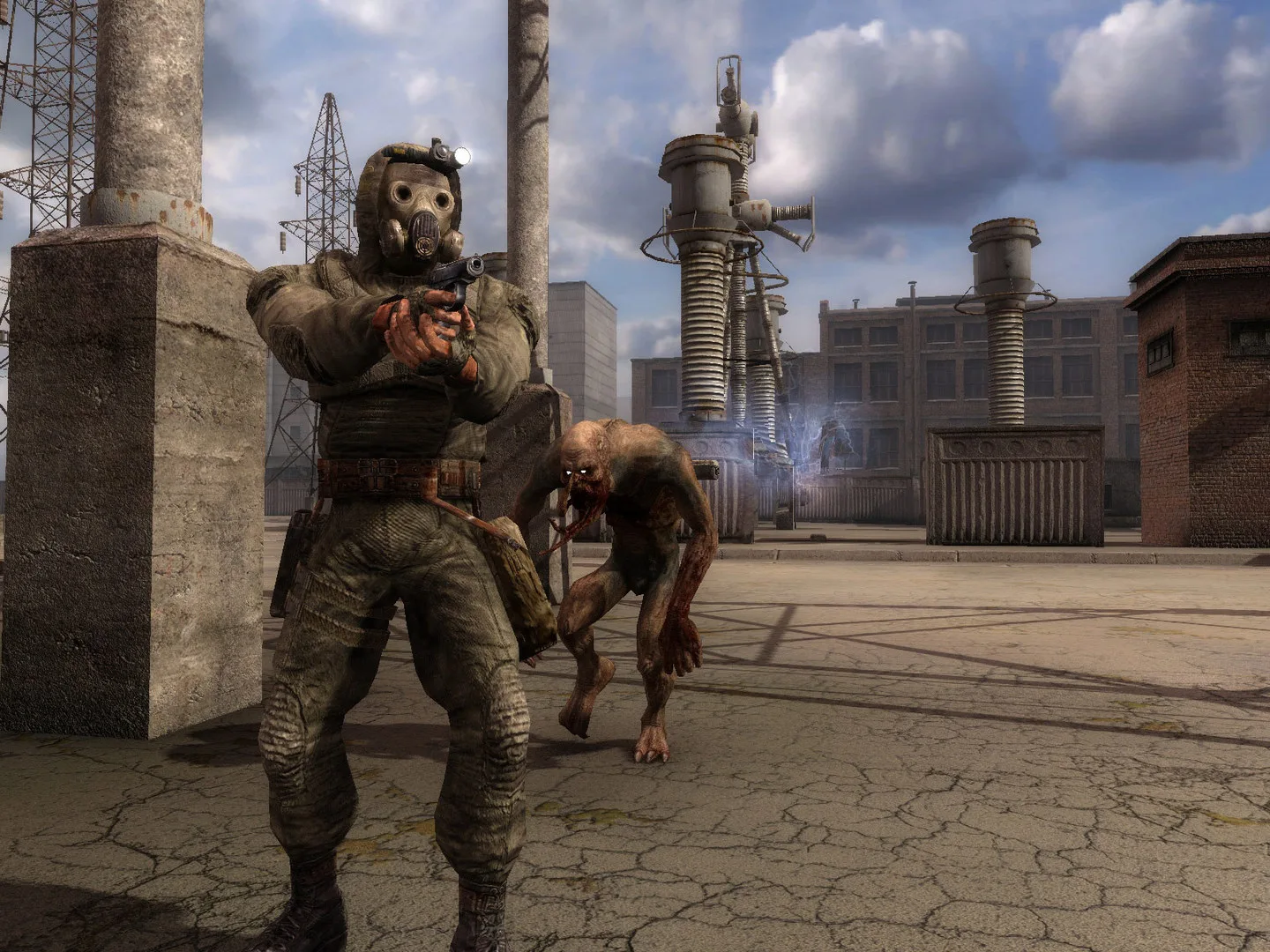
The core gameplay loop in Call of Pripyat revolves around exploration, resource management, combat, and quest completion. Players take on the role of Major Alexander Degtyarev, tasked with investigating the cause of a failed military operation near the city of Pripyat. The game emphasizes survival; players must manage their health, radiation levels, hunger, and thirst while scavenging for supplies and avoiding dangerous encounters. Weapon degradation is a key element, forcing players to maintain their equipment or risk malfunctions in critical situations. The AI behavior of both human enemies and creatures was also noteworthy, providing challenging and unpredictable combat scenarios.
Level Design and World Atmosphere
The game’s level design is characterized by its vast open world, divided into distinct zones such as the Zone, Yanov (including Jupiter and Kopachy), and the ghost city of Pripyat itself. Each area possesses a unique atmosphere and set of challenges, encouraging exploration and discovery. The attention to detail in recreating the Chernobyl Exclusion Zone was remarkable, with landmarks and locations inspired by real-world sites. The game’s atmosphere is a crucial element, blending post-apocalyptic horror with a sense of melancholic beauty.
Narrative Depth and Character Profiles
Call of Pripyat features a compelling narrative that delves into the mysteries surrounding the Zone and its inhabitants. Players interact with a diverse cast of characters, each with their own motivations and backstories. The game’s story is driven by player choices, leading to multiple possible outcomes and encouraging replayability. Major Degtyarev, the protagonist, is a stoic and determined character whose investigation uncovers a web of secrets and conspiracies.
Sound Design and Acoustic Realism
The sound design in Call of Pripyat played a vital role in creating an immersive and unsettling atmosphere. The game featured realistic weapon sounds, ambient environmental noises, and a haunting musical score that perfectly complemented the visuals. The use of positional audio further enhanced the sense of immersion, allowing players to pinpoint the location of enemies and other threats based on sound cues.
Release Expectations and Community Hype
Upon its release, Call of Pripyat was met with both excitement and apprehension from the S.T.A.L.K.E.R. community. While praised for its improved gameplay mechanics and expanded world, it also faced criticism for technical issues and bugs. Despite these challenges, the game ultimately resonated with fans who appreciated its commitment to creating a truly immersive and challenging survival horror experience. The anticipation surrounding the game was palpable, fueled by years of development and speculation.
Conclusion: The Future of S.T.A.L.K.E.R.: Call of Pripyat
S.T.A.L.K.E.R.: Call of Pripyat remains a landmark title in the survival horror genre, celebrated for its immersive world, challenging gameplay, and compelling narrative. While technical issues plagued its initial release, the game’s strengths ultimately outweighed its flaws, earning it a dedicated fanbase and lasting legacy. The future of the S.T.A.L.K.E.R. franchise remains uncertain, but Call of Pripyat stands as a testament to GSC Game World’s vision and commitment to creating unforgettable gaming experiences.
Source: Wikipedia
Galerie

Alătură-te conversației