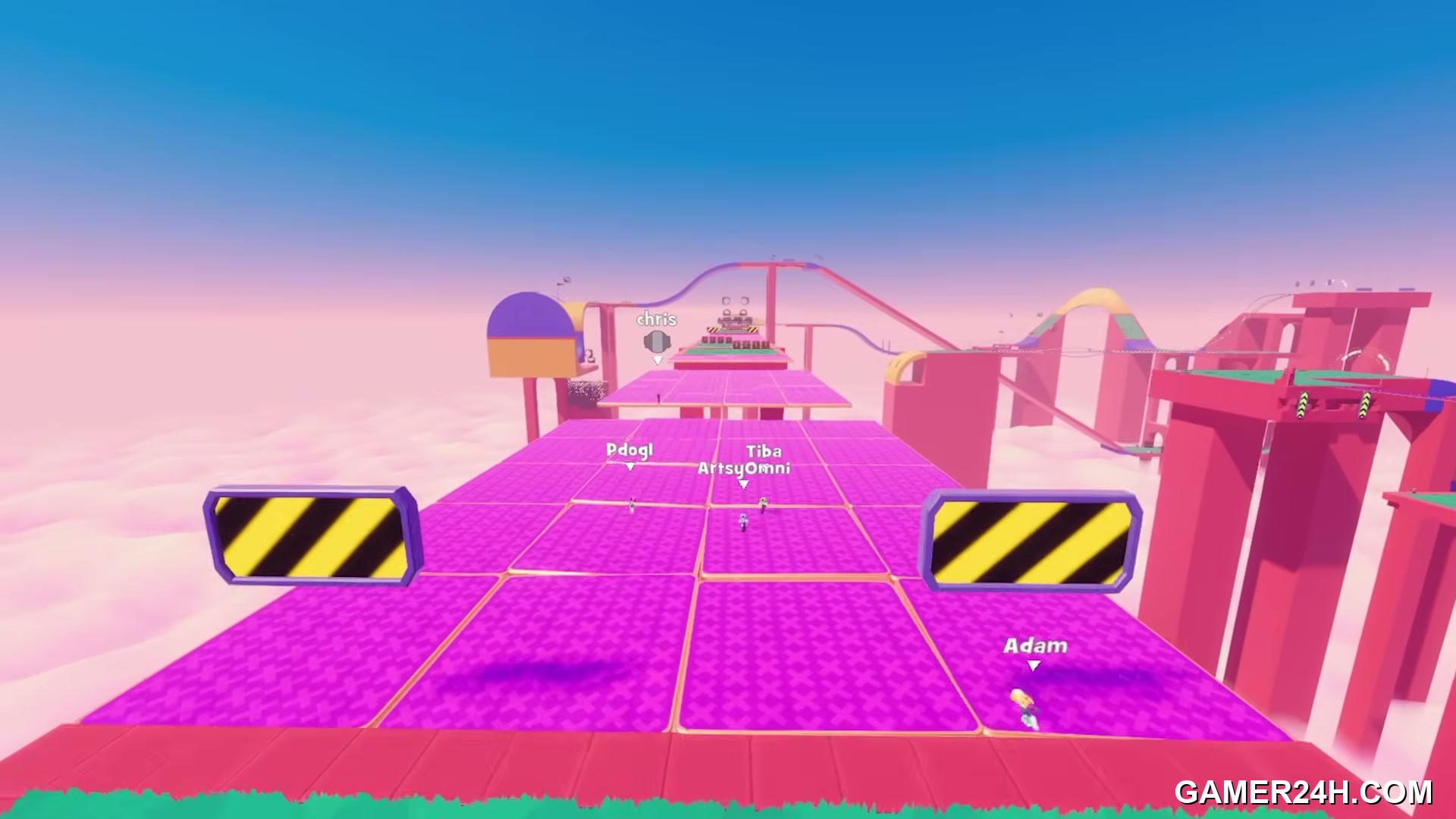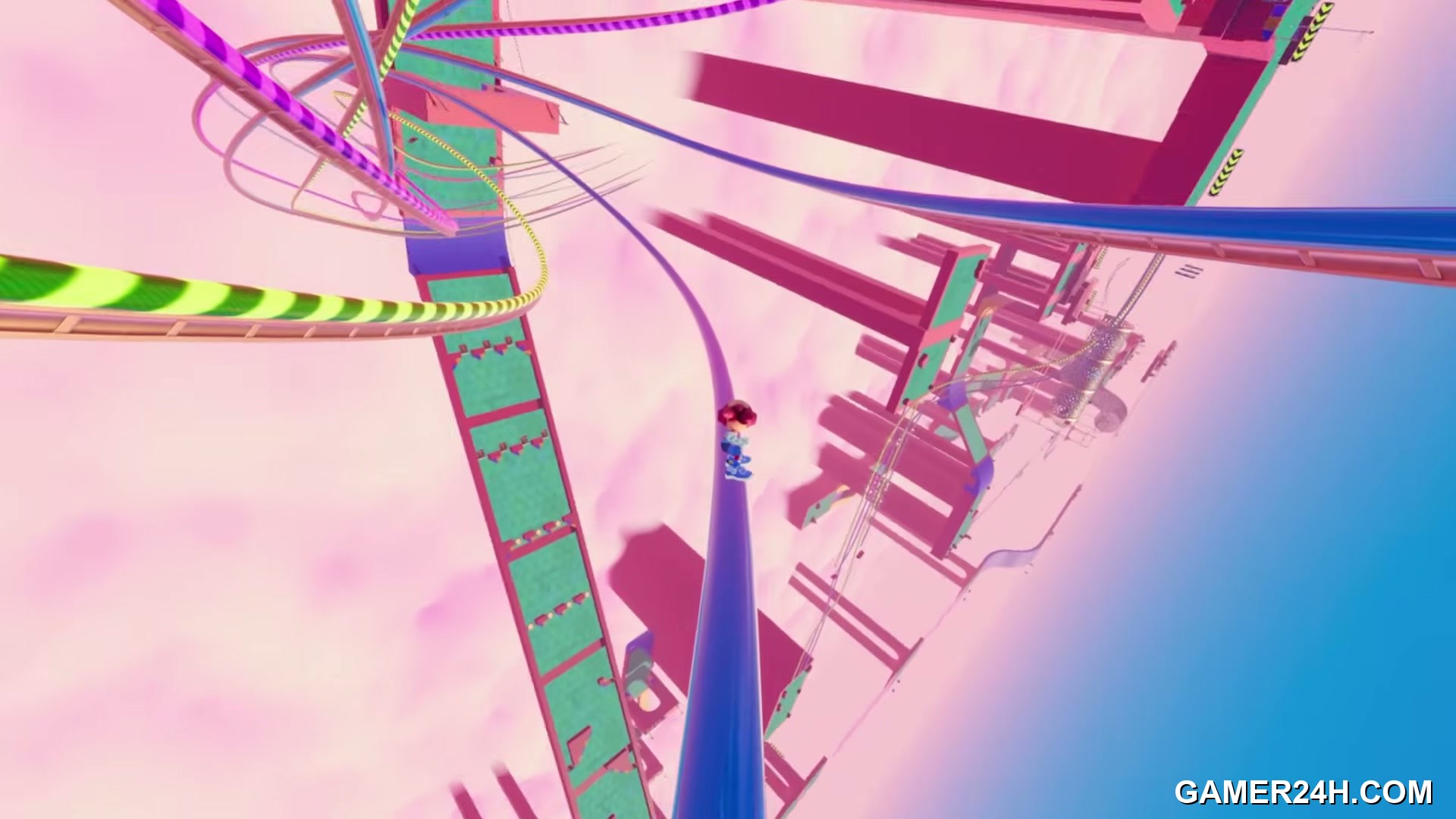
Introduction: Stealth Espionage Reimagined
In an era where video games are increasingly becoming spectacles of visual and auditory excellence, “Rollin’ Rascal” emerges as a beacon of innovation within the stealth and platformer genres. Developed by Kiskadee Games in collaboration with Curiomatic, this upcoming title promises to redefine what it means to be a modern espionage game. Set against the backdrop of a dystopian cityscape, players take on the role of Lucia, an agent tasked with infiltrating heavily guarded facilities to retrieve stolen data and dismantle criminal syndicates from within.
Rollin’ Rascal’s narrative is as intricate and layered as its gameplay mechanics, blending elements of tactical stealth, parkour-like movement, and combat into a seamless experience that challenges players to think creatively and act decisively. The game’s setting in the sprawling metropolis of Neo-Verona provides a rich tapestry for its story, where political intrigue and corporate espionage intertwine to create a world teetering on the brink of collapse.
This article delves deep into what makes “Rollin’ Rascal” stand out among other titles in its genre. From its stunning visuals powered by Unreal Engine 5 to its innovative combat mechanics and immersive narrative, we explore how this game is poised to become one of the most talked-about releases of the year.
Visual Splendor: Pushing the Limits of Unreal Engine 5
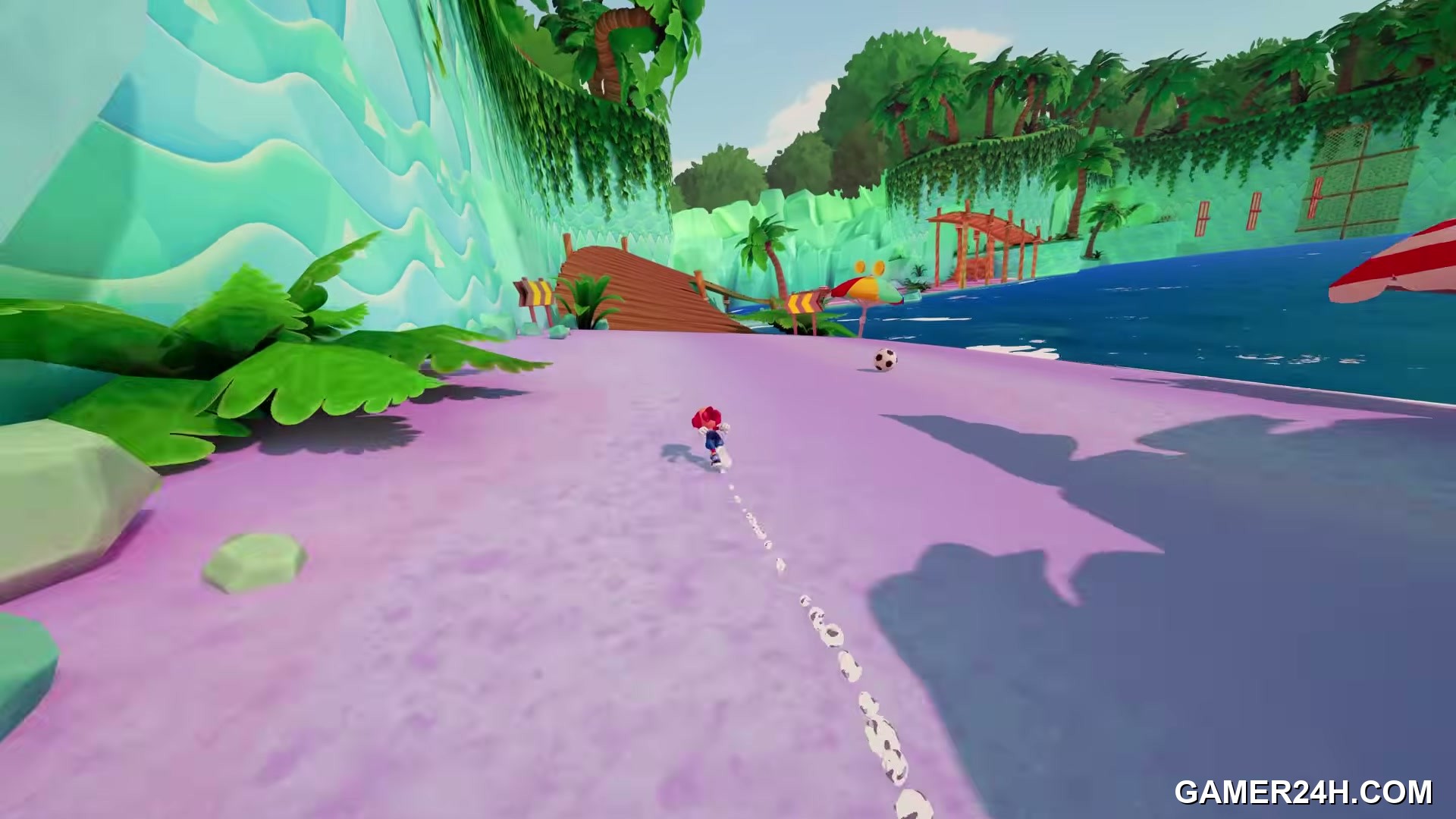
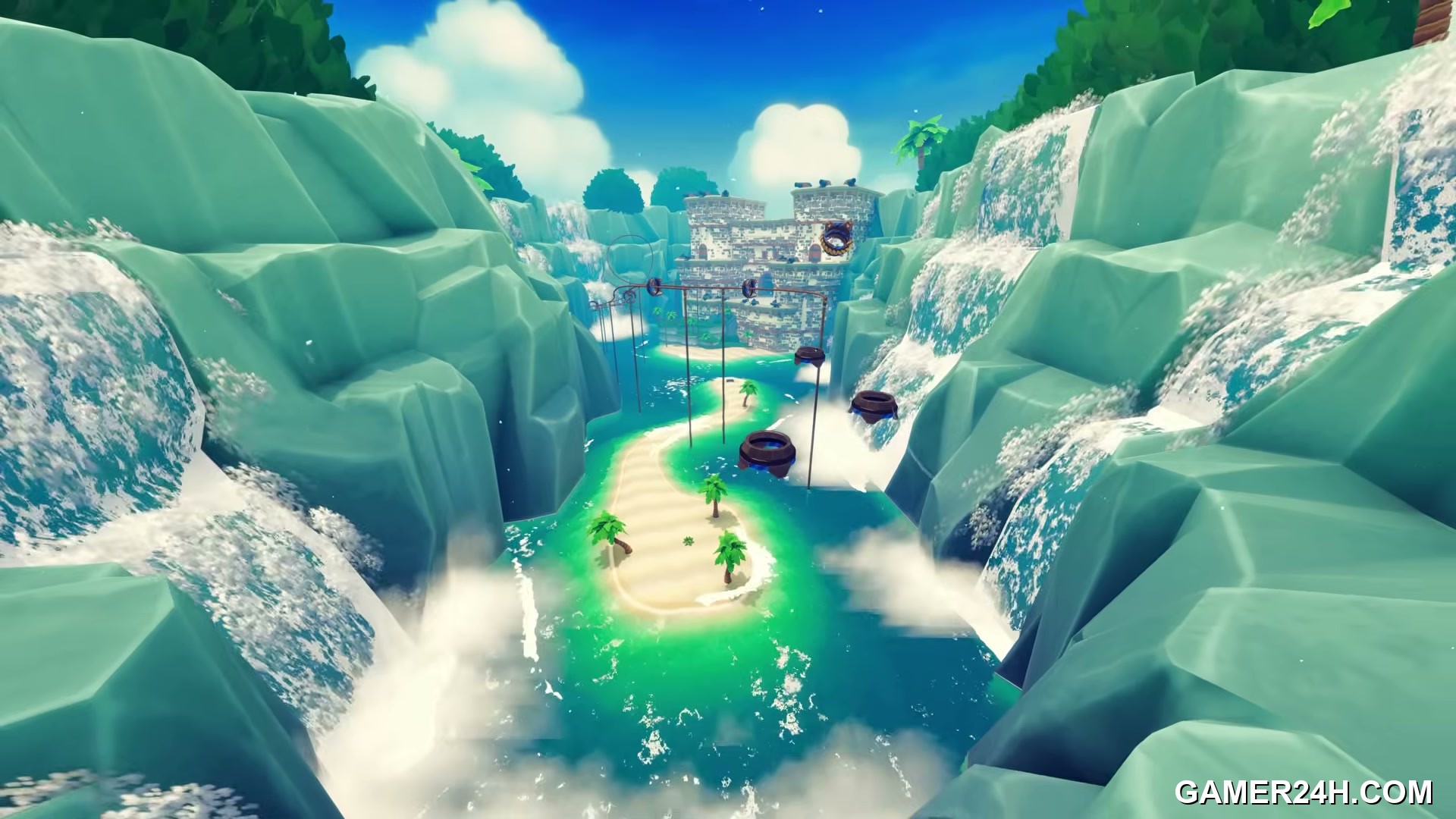
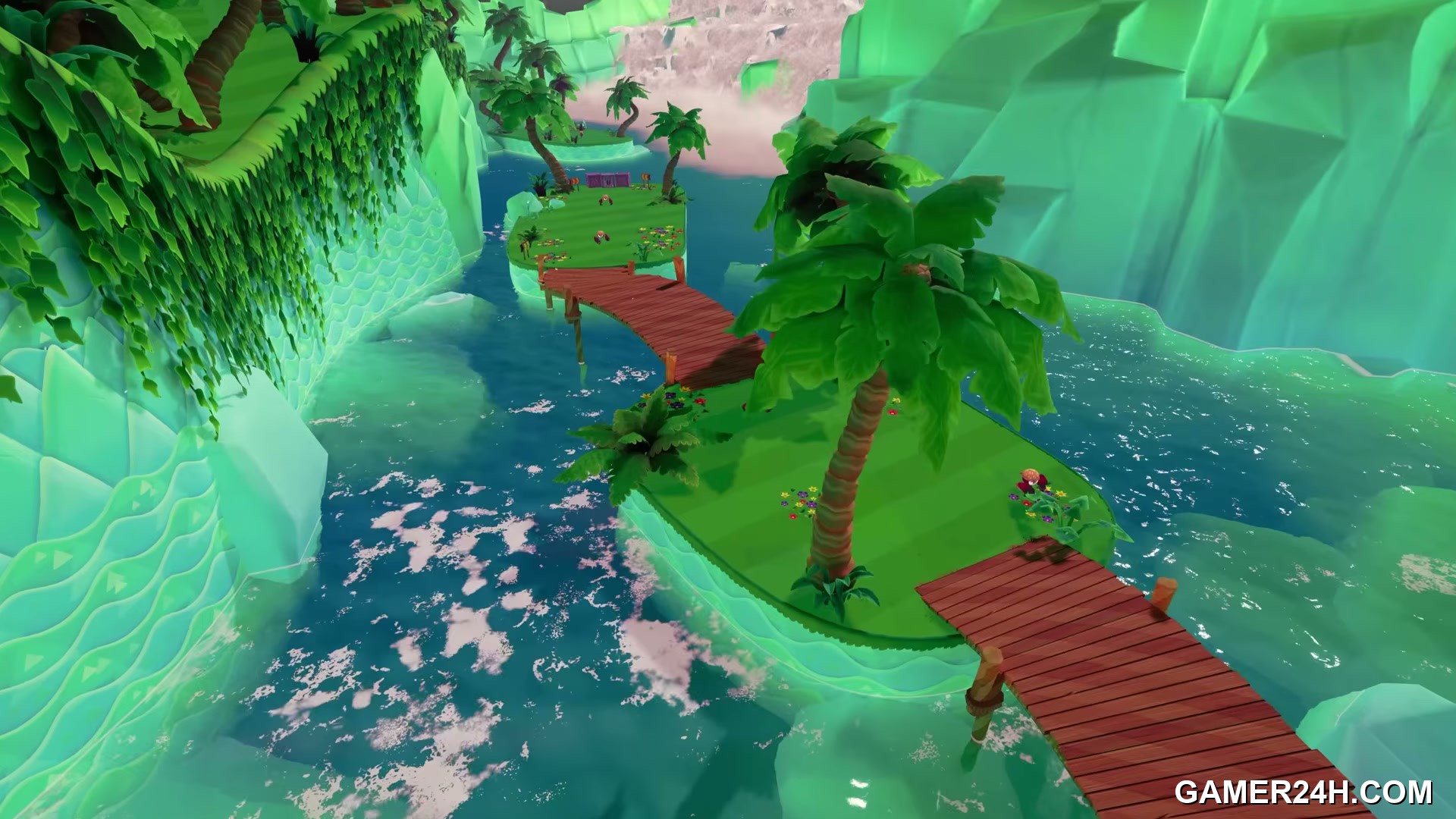
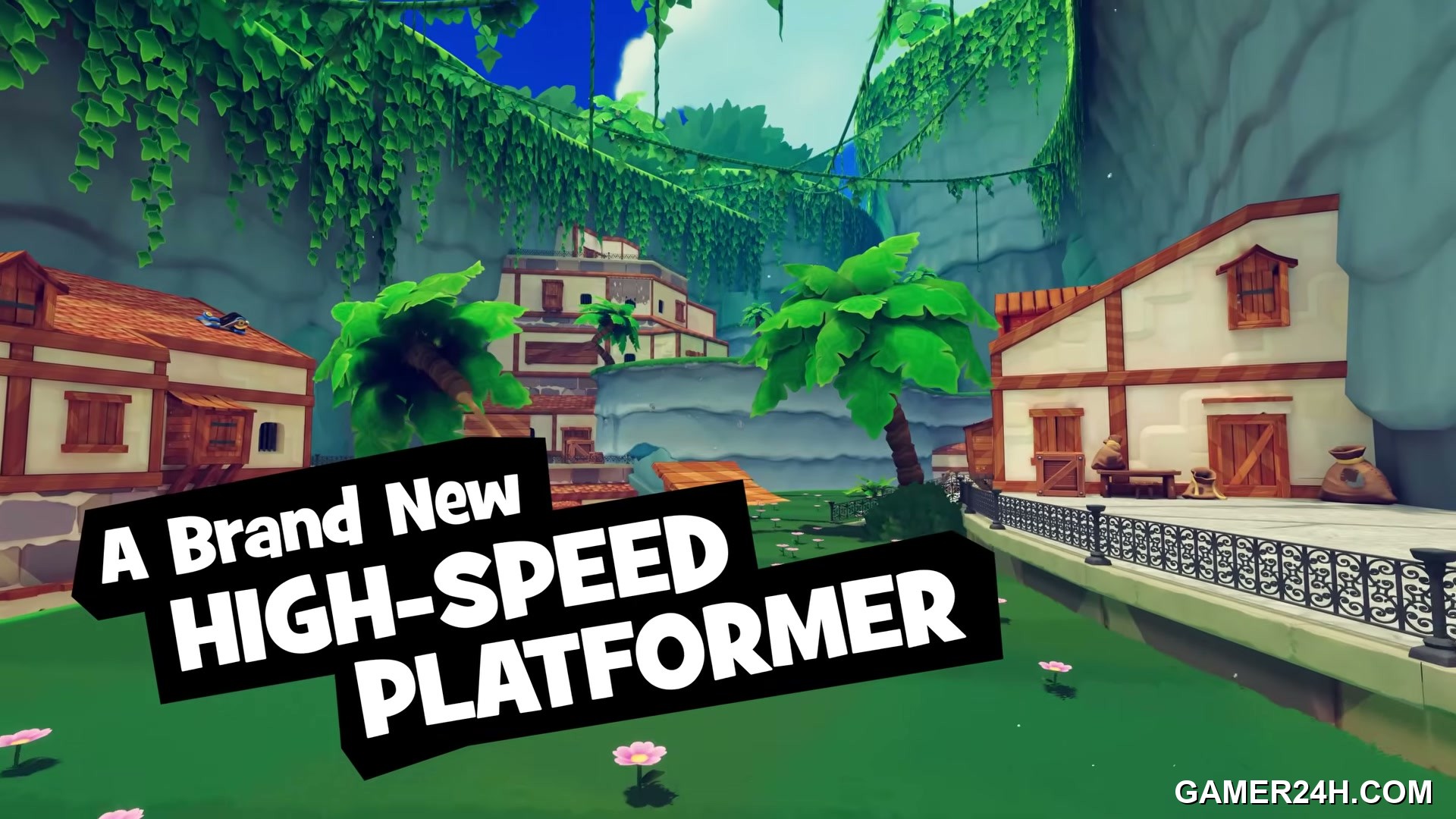
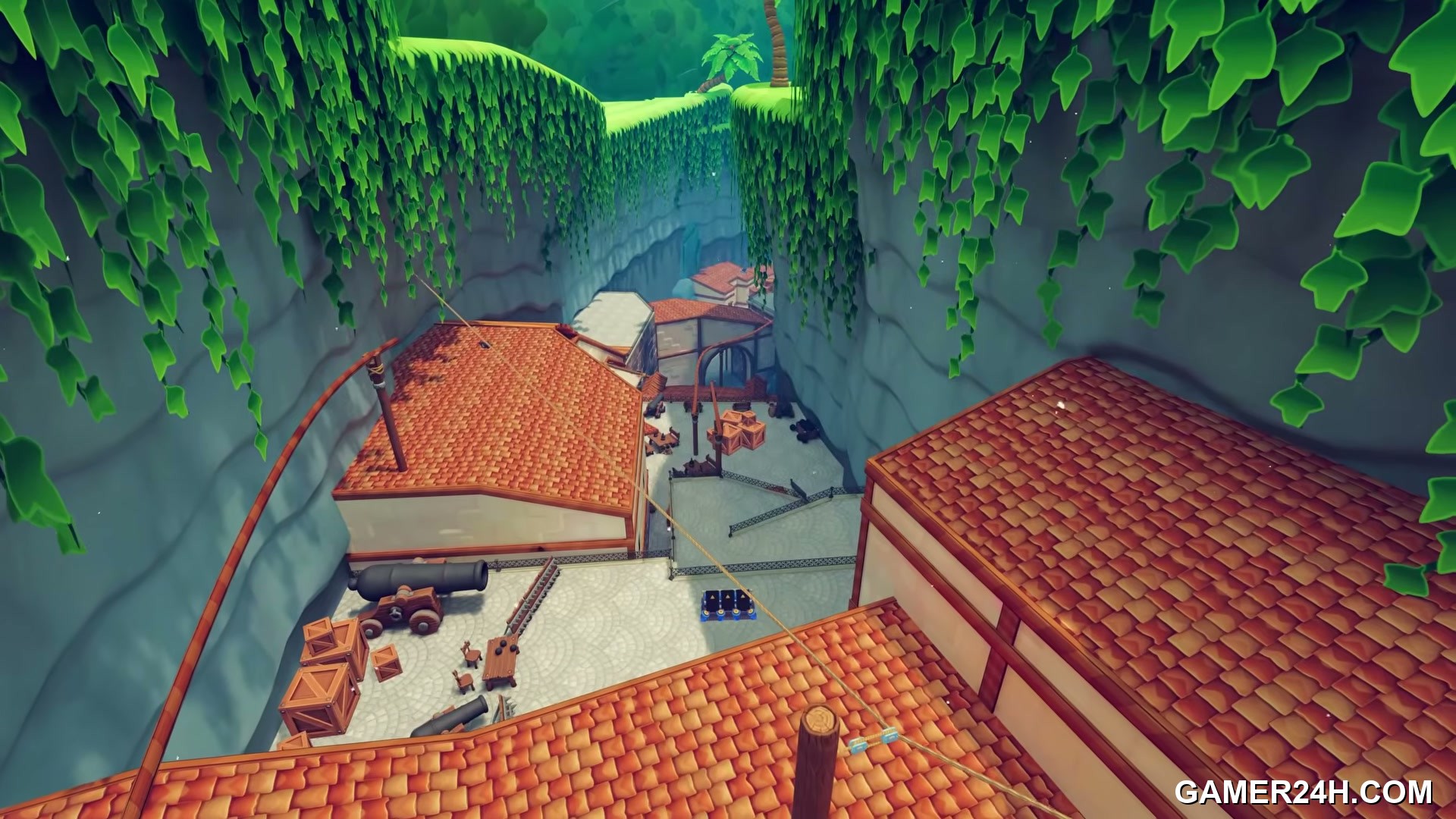
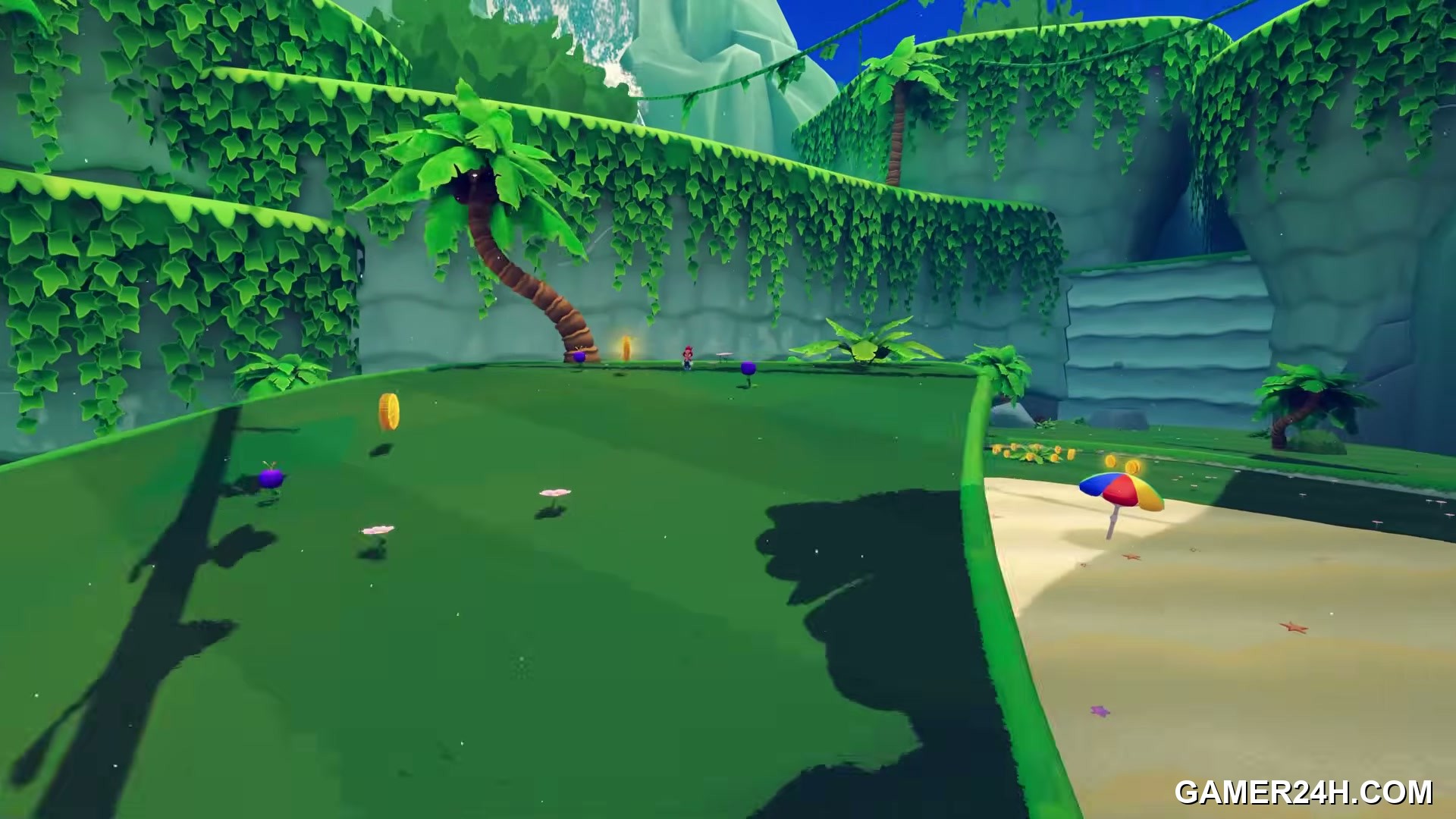
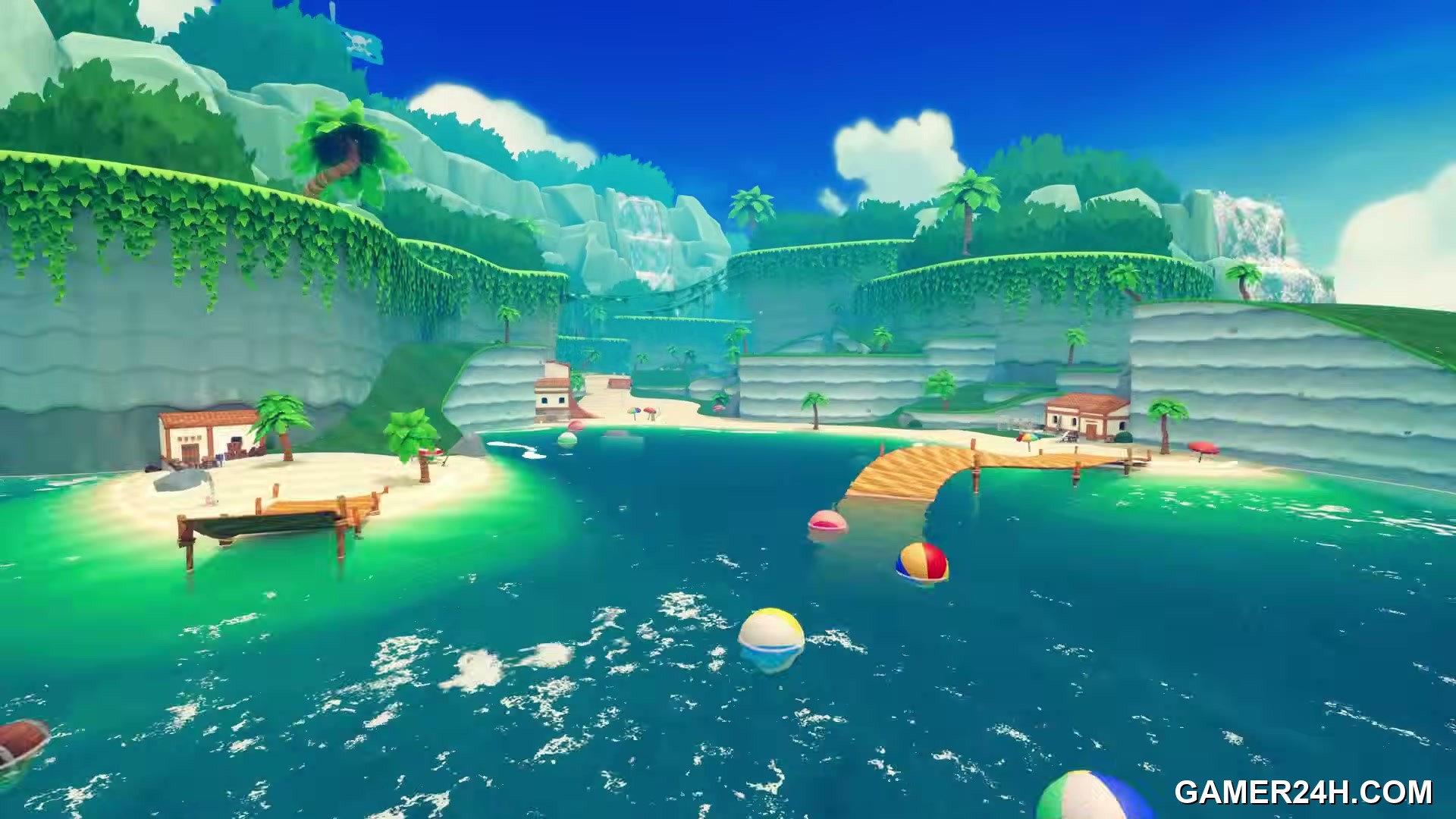
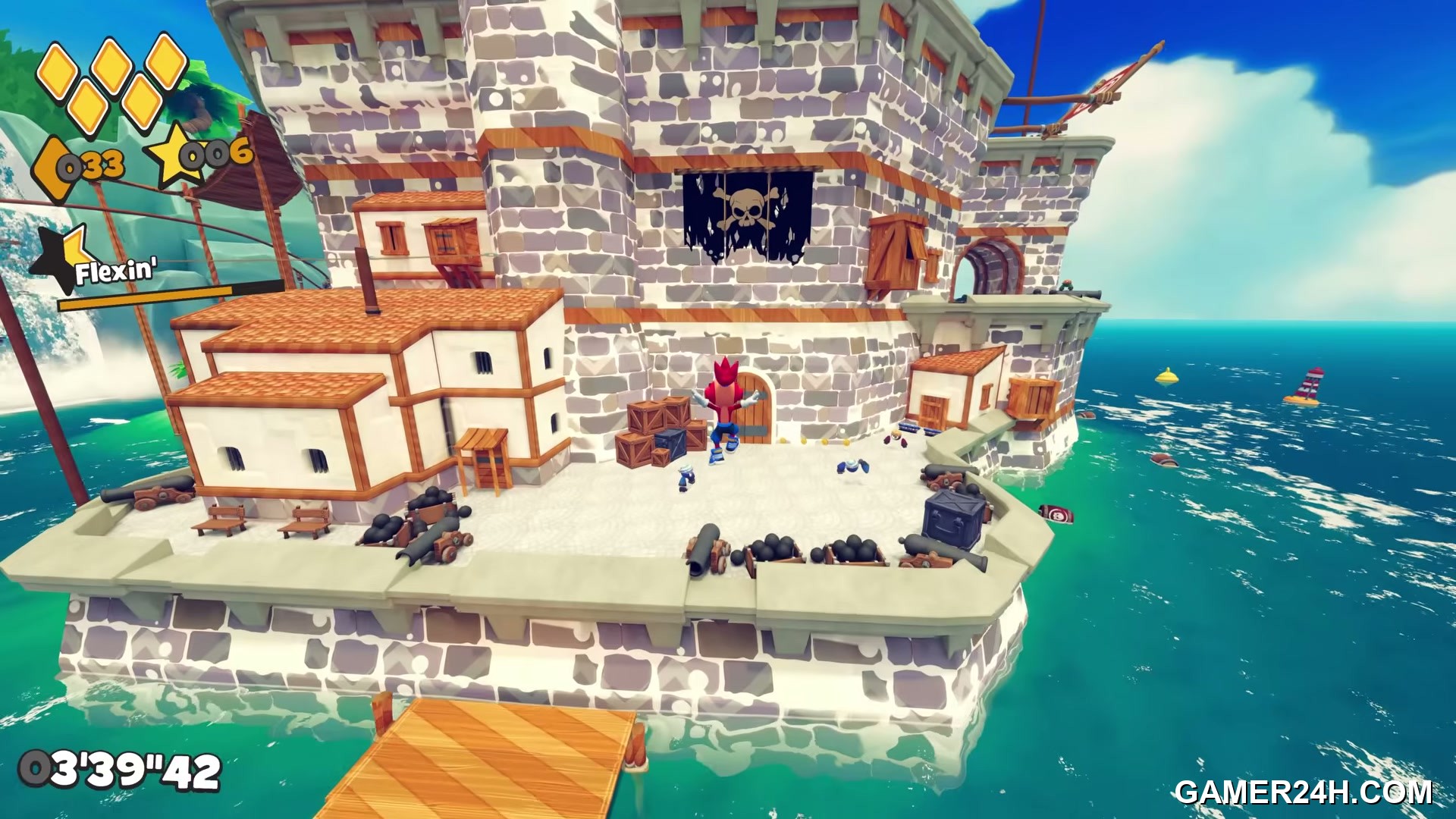
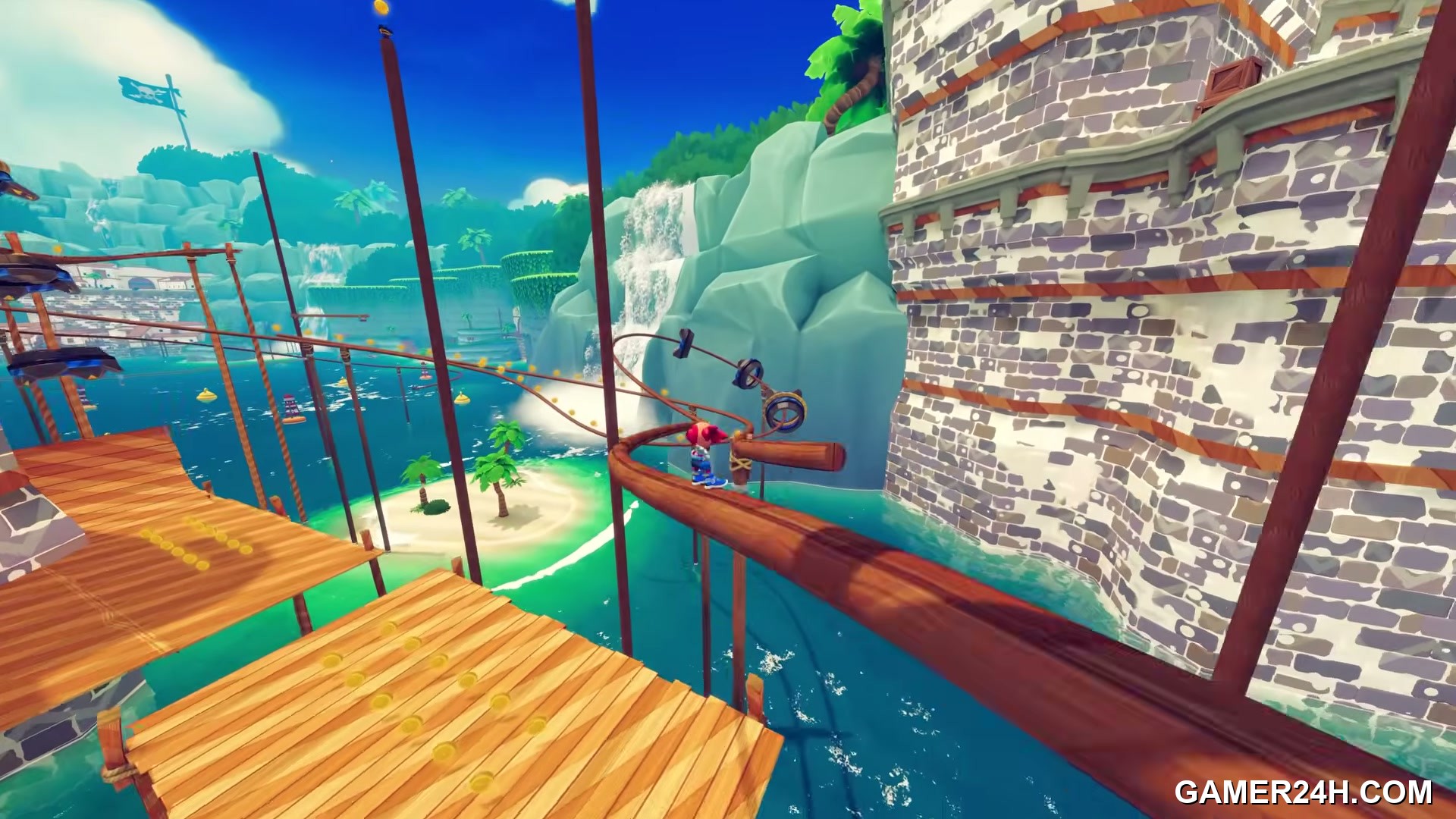
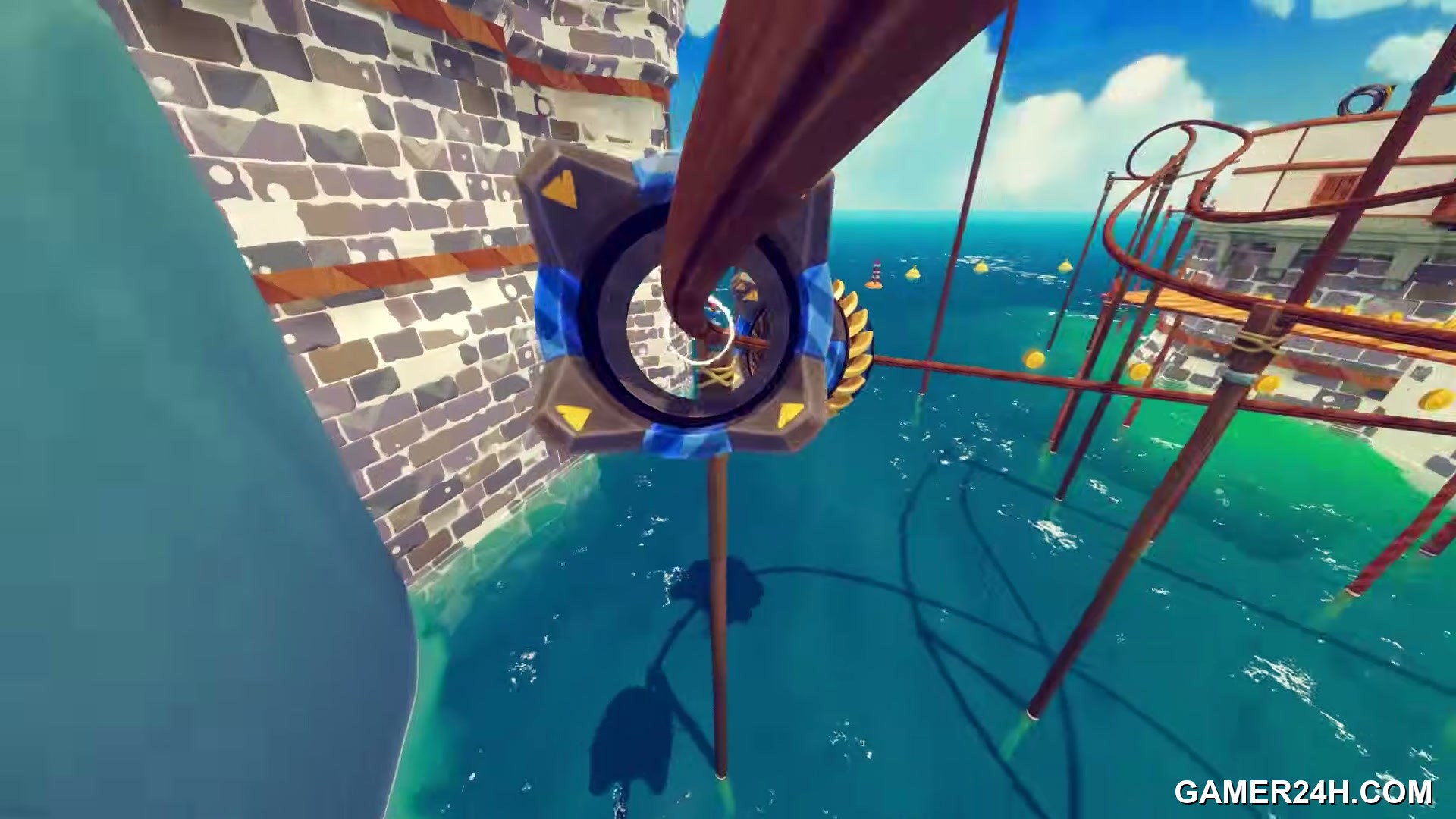
The visual landscape of “Rollin’ Rascal” is a testament to Kiskadee Games’ and Curiomatic’s commitment to pushing the boundaries of graphical fidelity. Utilizing Unreal Engine 5, the developers have created an environment that is both stunningly beautiful and meticulously detailed, providing players with a visually immersive experience that rivals any AAA title.
The game’s world is built around a sprawling metropolis named Neo-Verona, which features towering skyscrapers, bustling streets filled with diverse characters, and intricate sewer systems beneath the surface. Each area of the city has its own unique aesthetic; from neon-lit commercial districts to dimly lit alleyways teeming with danger.
One of the standout features of “Rollin’ Rascal’s” visuals is the seamless integration of dynamic lighting effects and realistic physics simulations. Shadows shift realistically as players navigate through environments, and particle systems create a sense of depth and immersion that elevates the game above typical platformers. The use of Unreal Engine 5’s Nanite technology ensures that even the most intricate details are rendered in real-time without performance penalties.
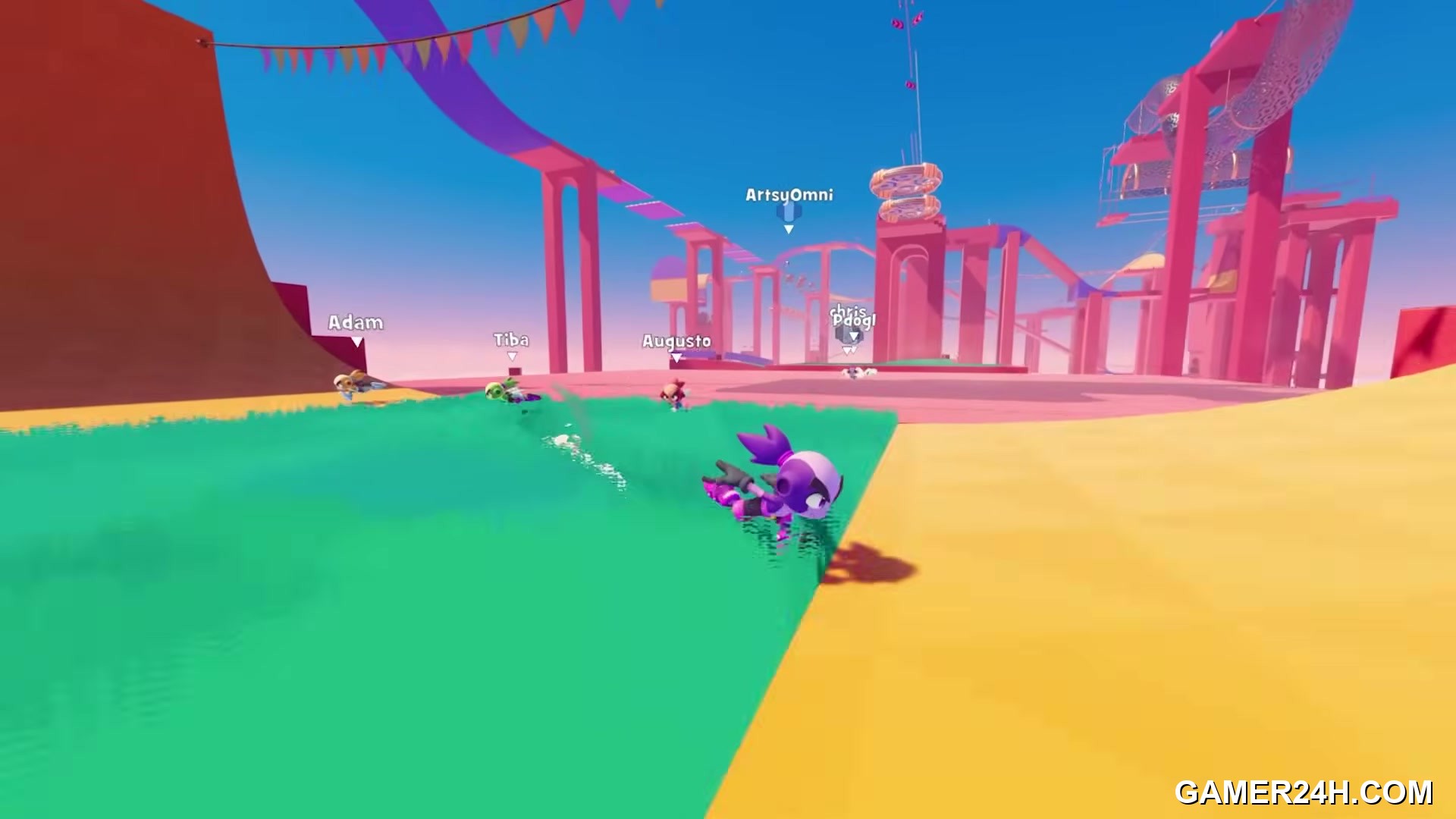
Art direction plays a critical role in establishing the mood and atmosphere of “Rollin’ Rascal”. From the cool blues and grays of corporate offices to the warmer tones found in residential areas, each setting has its own distinct color palette. This attention to detail not only enhances the visual appeal but also serves to reinforce the game’s narrative themes.
Combat & Systems: Tactical Espionage and Combat Dynamics
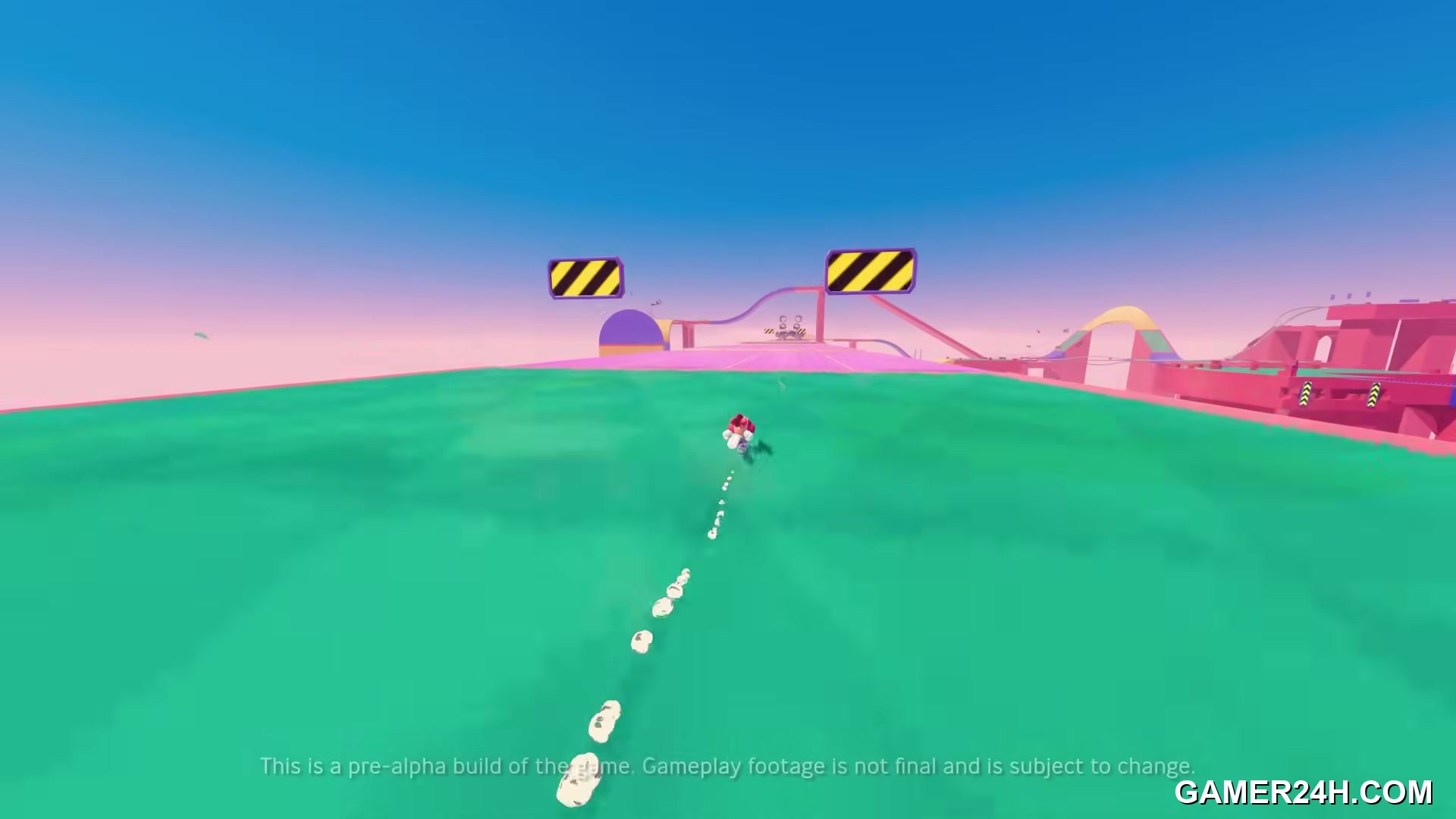
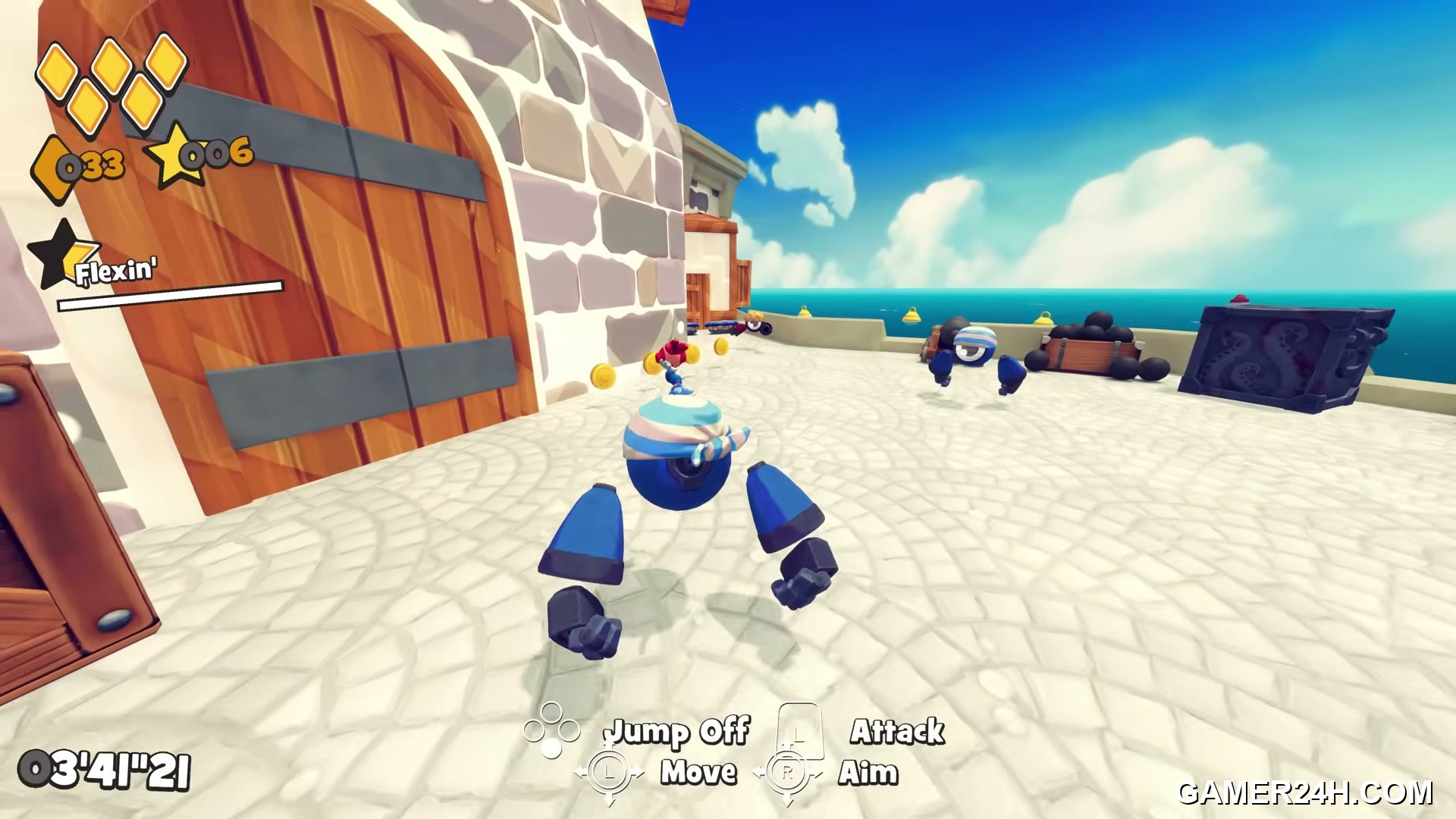
“Rollin’ Rascal” takes the concept of stealth gameplay to new heights by incorporating a robust combat system that challenges players to think tactically rather than rely solely on evasion. The game offers several distinct approaches to handling threats, from non-lethal takedowns to more aggressive combat options.
Central to this design is Lucia’s arsenal, which includes various tools and gadgets designed for both stealth and direct confrontation. Players can utilize items like smoke grenades, tranquilizers, and high-tech weapons to outmaneuver enemies. Each tool has its own unique use case, encouraging players to experiment with different strategies based on the situation at hand.
Combat in “Rollin’ Rascal” also emphasizes player choice and adaptability. The game features a dynamic difficulty system that adjusts challenges based on how players approach situations. For instance, attempting stealth might lead to easier confrontations due to reduced enemy awareness, while opting for direct combat increases the risk but provides greater rewards such as resources or information.
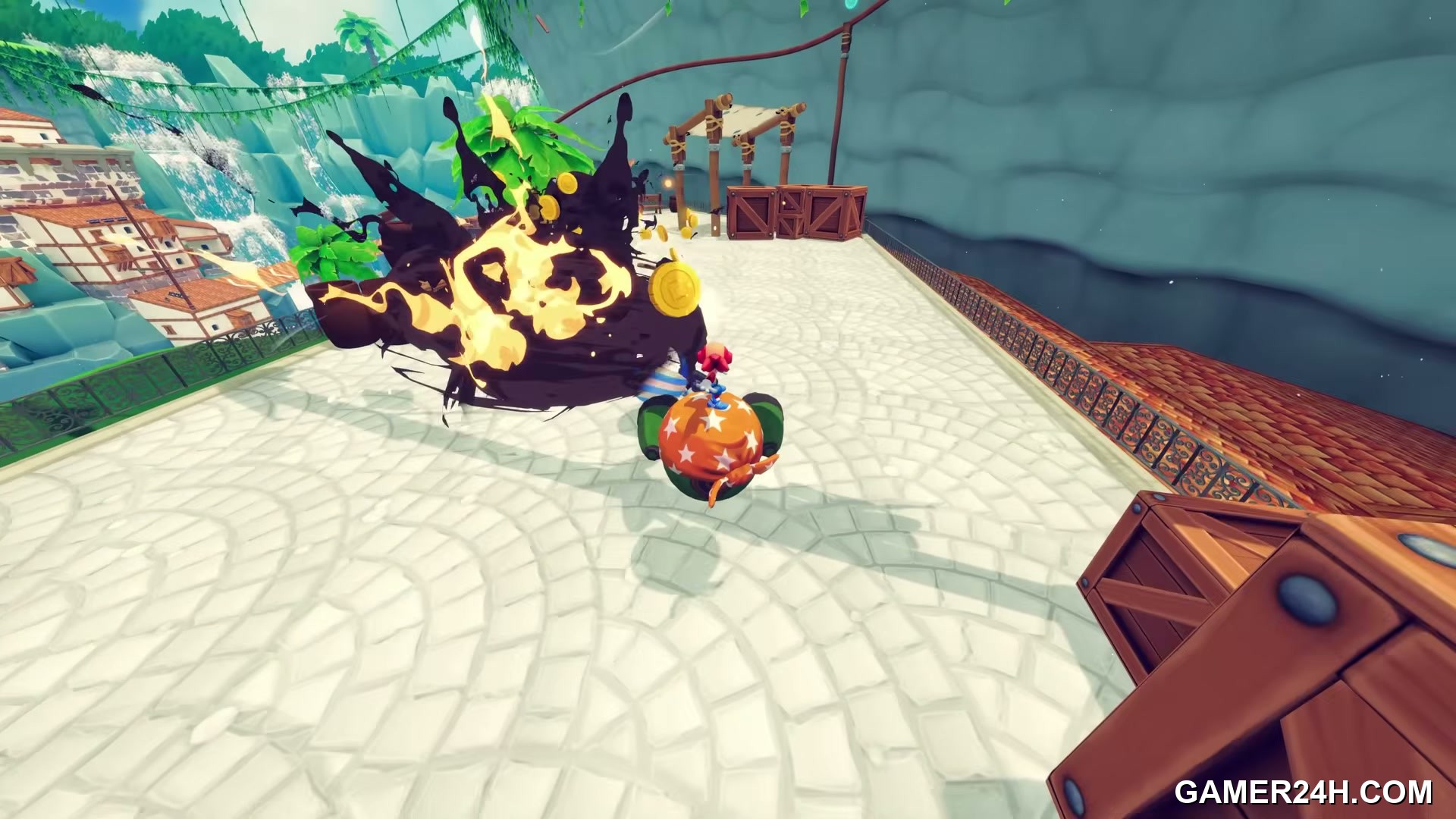
Another key feature is the integration of environmental elements into combat scenarios. Players can use objects like crates and furniture as cover during firefights or employ them offensively by throwing or dropping items on enemies from above. This adds a layer of depth to encounters, making each battle feel unique and engaging.
Additionally, the game incorporates a health regeneration system that rewards players for maintaining stealth over prolonged periods without detection. This mechanic encourages strategic thinking about when to engage in combat versus waiting out hostile situations until they dissipate naturally, adding another dimension to the gameplay experience.
Gameplay & Atmosphere Analysis: Portals and Tension
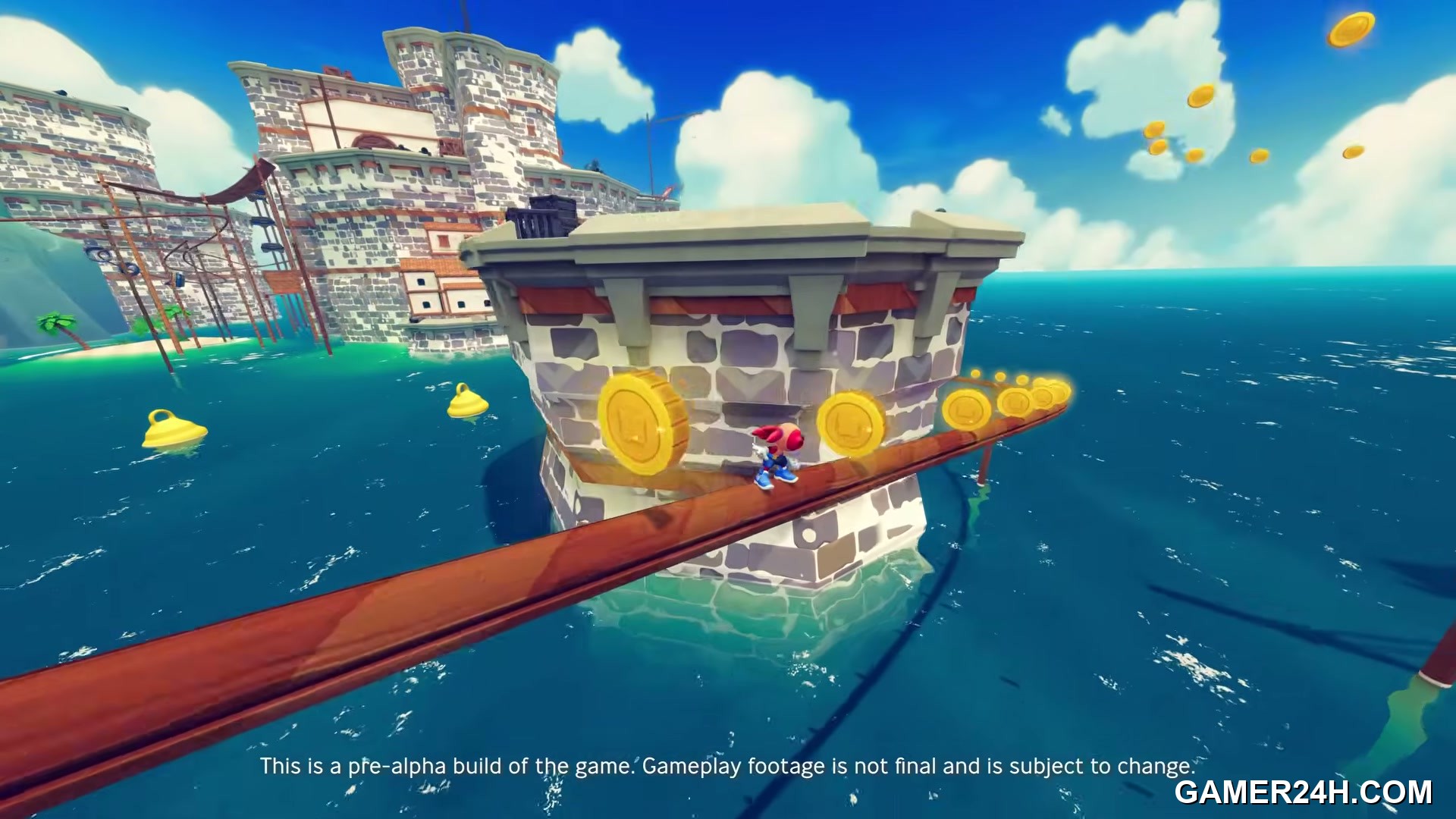
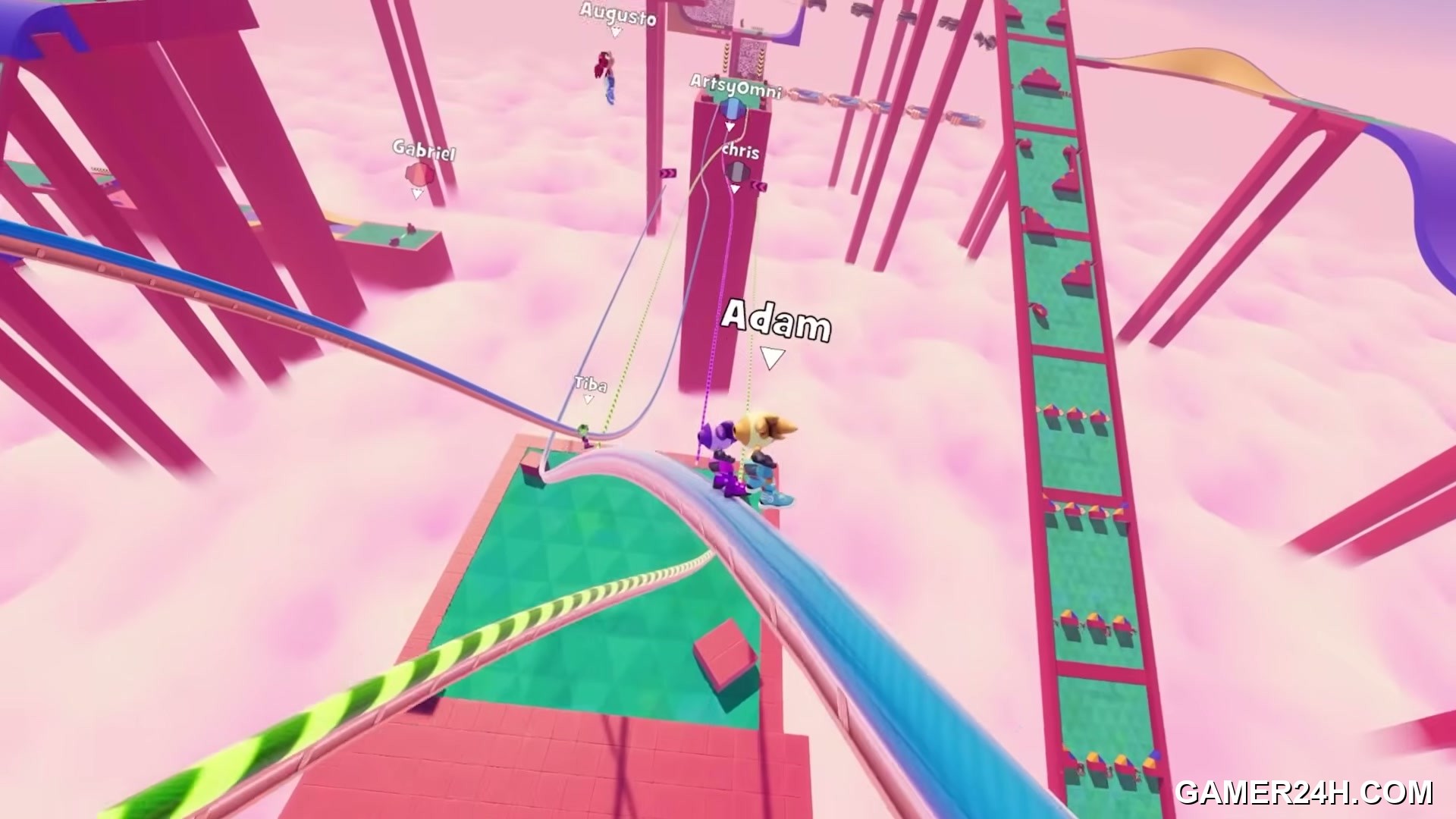
At the heart of “Rollin’ Rascal’s” gameplay lies its innovative use of portals as both a core mechanic and a narrative device. These portals allow Lucia to bypass obstacles by creating shortcuts, enabling her to move between different areas instantaneously while maintaining secrecy. The strategic placement of these portals throughout levels creates an intricate network that players must decipher in order to progress efficiently.
The portal system is not only about convenience but also adds significant tension and challenge to the gameplay experience. Players are required to consider how their actions might trigger enemy alerts or draw unwanted attention, making each decision carry weight within the mission’s context. This dynamic ensures that every move feels consequential, enhancing immersion and engagement throughout the game.
Furthermore, “Rollin’ Rascal” excels in crafting a tense atmosphere that mirrors its high-stakes narrative. The game utilizes a mix of environmental storytelling and direct player interaction to build suspense. As Lucia navigates through hostile territories, she encounters various clues and hidden messages left by rival operatives or mysterious allies. These elements serve not only to advance the plot but also to deepen the world’s lore and character motivations.
Sound design plays an integral role in establishing this atmosphere of tension. The game features a sophisticated audio system that responds dynamically to player actions and environmental conditions. Stealthy movements produce minimal noise, while clumsy steps or sudden alerts trigger immediate changes in the ambient soundscape, signaling danger nearby. This creates a constant state of awareness for players, adding another layer of challenge as they navigate through treacherous environments.
Overall, “Rollin’ Rascal” succeeds not just by providing engaging gameplay mechanics but also by weaving these elements into a cohesive narrative framework that keeps players invested in both the story and their character’s survival. The interplay between stealth navigation and combat strategies, combined with atmospheric design choices, sets this title apart as an exemplary entry in its genre.
Narrative & Characters: The Architects’ Mystery and Lucia’s Mission
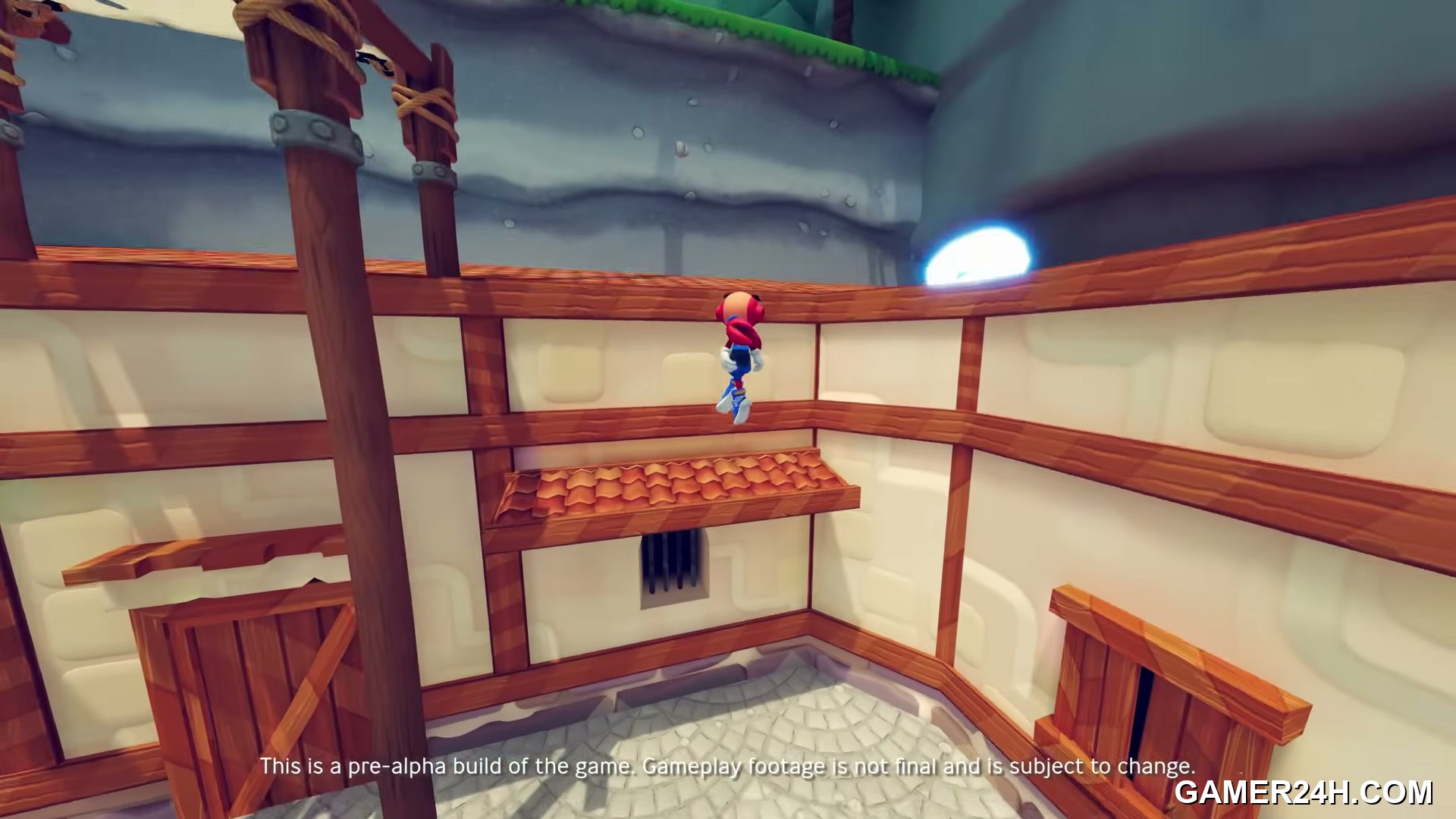
The narrative of “Rollin’ Rascal” is as intricate and compelling as its gameplay mechanics. Centering around the enigmatic character of Lucia, the game unfolds a tale of corporate espionage, political intrigue, and personal struggle set against the backdrop of Neo-Verona’s shadowy underbelly.
Lucia herself serves as both protagonist and anti-hero, torn between her loyalty to an underground resistance movement known as The Architects and the demands of her mission. As players progress through the game, they uncover a complex web of alliances and betrayals that challenge traditional notions of heroism and villainy. Lucia’s journey is marked by moral dilemmas and personal sacrifices, making her character resonate deeply with players.
The narrative is further enriched by an ensemble cast of memorable characters, each contributing to the multifaceted plot. From corporate executives to street-level informants, these individuals offer unique perspectives on Neo-Verona’s societal dynamics and political machinations. Their interactions with Lucia shape key moments in the story, influencing mission objectives and revealing new layers of intrigue.
The Architects, Lucia’s employer, remain shrouded in mystery throughout much of the game. Players are left to speculate about their true intentions and motivations as they piece together clues scattered across levels. This element of uncertainty adds a layer of depth to the narrative, encouraging players to question what is real and what may be part of some grander plan.
Furthermore, “Rollin’ Rascal” incorporates an array of cutscenes and dialogue options that allow for branching narratives based on player choices. These decisions impact not only Lucia’s personal relationships but also broader story arcs, providing a sense of agency within the unfolding drama.
In summary, through its richly detailed world and deeply engaging characters, “Rollin’ Rascal” crafts an enthralling narrative experience that intertwines seamlessly with its gameplay mechanics. This fusion creates a cohesive and immersive adventure that captivates players from start to finish.
Acoustic Preservation / Audio Design: Sounds of Silence and Combat
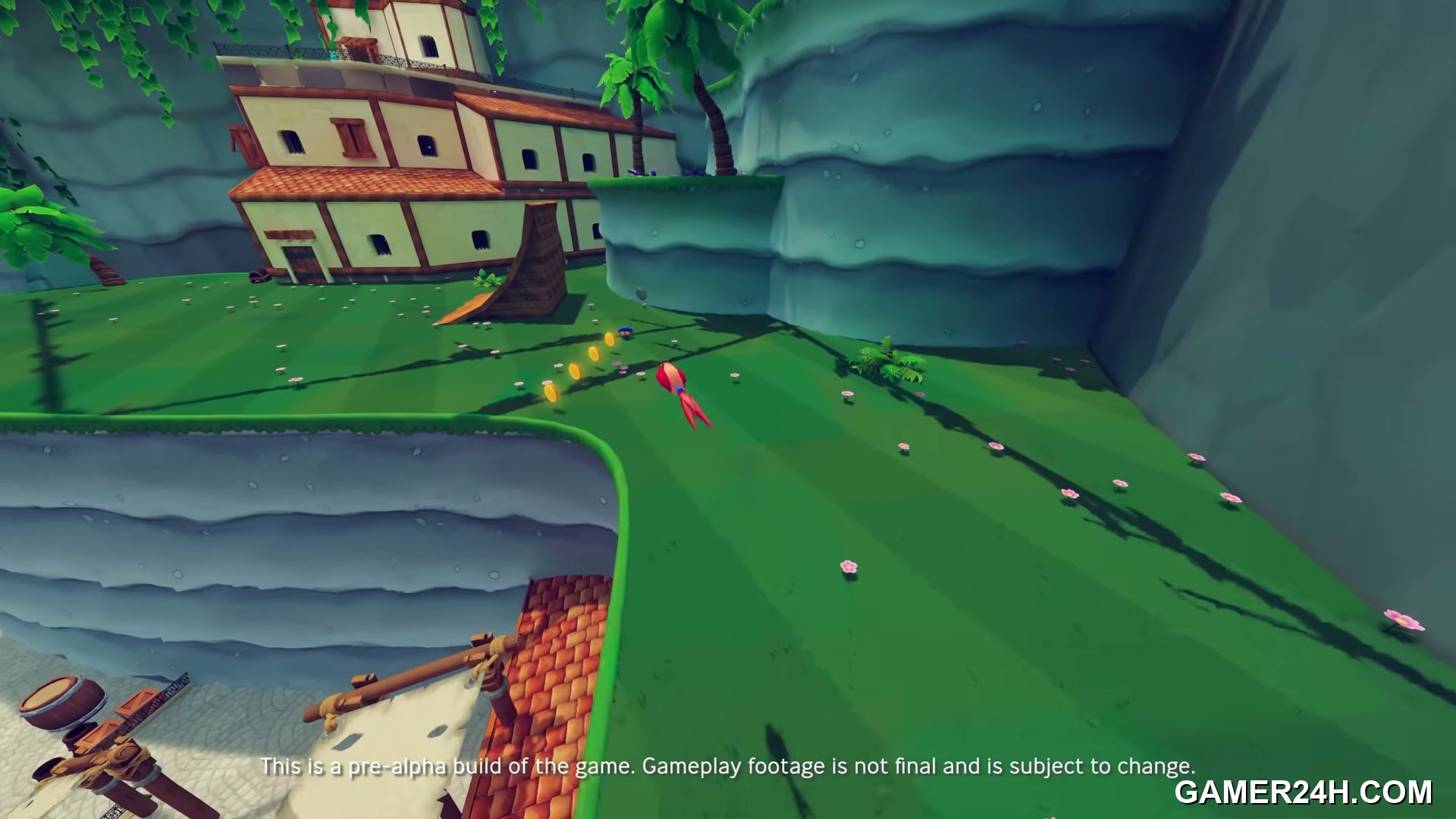
The audio design in “Rollin’ Rascal” is a masterclass in creating an immersive atmosphere, leveraging both silence and sound to enhance player engagement. The game’s auditory landscape plays a crucial role in building tension and providing immediate feedback on the environment’s state.
Silence is perhaps one of the most effective tools used within the game’s audio design. When Lucia successfully navigates through enemy territory without detection, the world falls into an eerie silence that emphasizes her stealthy movements. This momentary absence of noise serves to heighten player awareness and anticipation, making each step feel more deliberate and impactful.
Conversely, when danger looms or Lucia engages in combat, the game’s sound design shifts dramatically. The crisp sounds of gunshots, the metallic clangs of melee attacks, and the breathy gasps of struggling enemies create a vivid auditory portrait of conflict. Each weapon has its own distinct audio signature, allowing players to quickly identify threats based on the type of noise produced.
Background music also plays an integral part in setting the tone for different sections of “Rollin’ Rascal”. From the tense and suspenseful scores during stealth missions to more intense orchestral arrangements during combat sequences, the soundtrack complements the visual and gameplay elements perfectly. The dynamic range of these audio cues ensures that players remain engaged and responsive to changes in the environment.
Another innovative aspect is the use of environmental sound effects. As Lucia moves through various environments such as abandoned warehouses or bustling marketplaces, subtle background noises like distant chatter, machinery hums, or wind gusts add authenticity to each setting. These sounds are meticulously crafted to reflect the mood and atmosphere of specific areas, further enhancing the player’s immersion.
In summary, “Rollin’ Rascal” demonstrates exceptional audio design that complements its visual splendor and gameplay mechanics seamlessly. Through a careful balance of silence and sound, the game creates an immersive auditory experience that elevates every aspect of the player’s journey through Neo-Verona.
Critical Reception: Expectations and First Impressions
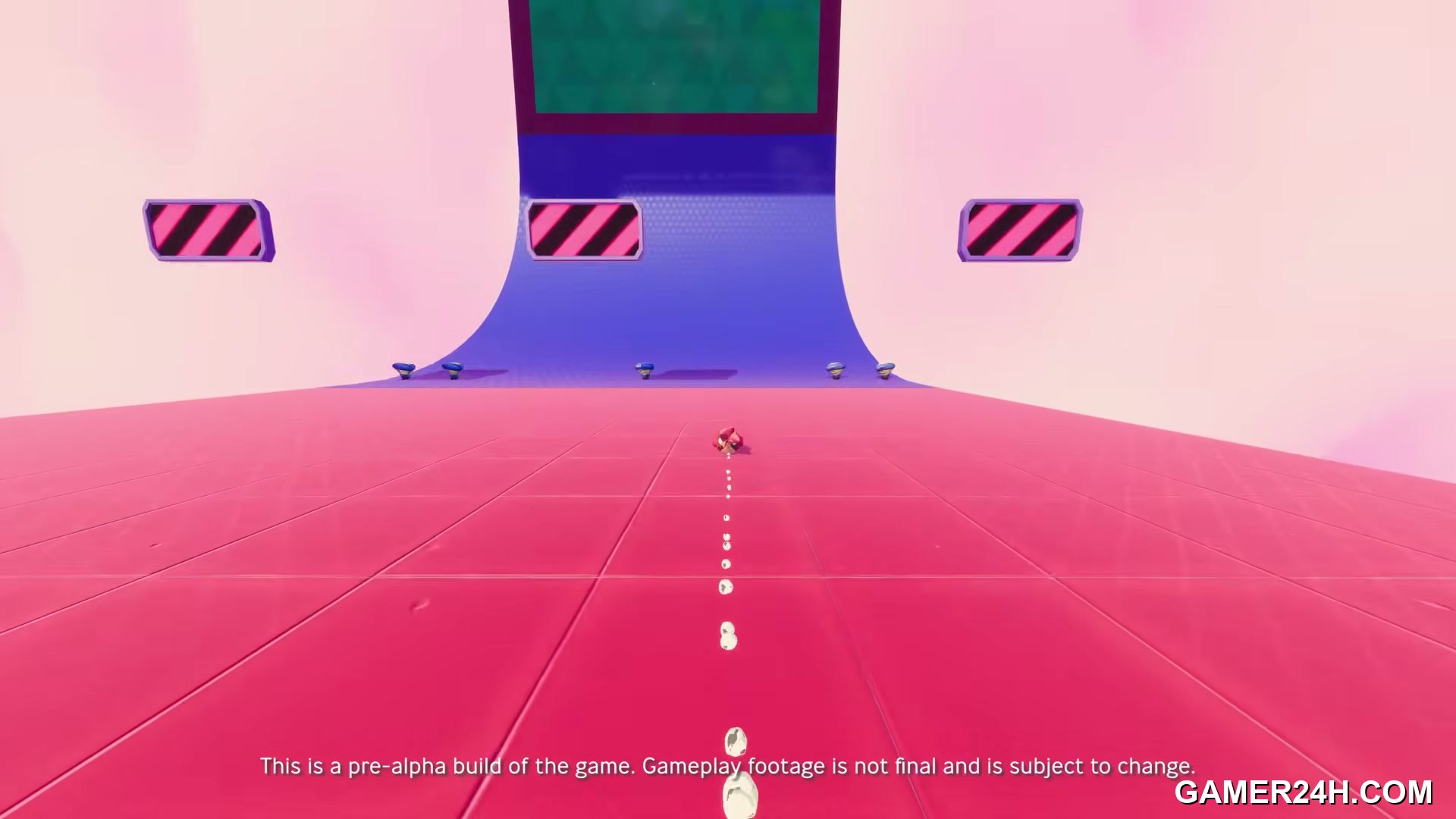
As anticipation builds for “Rollin’ Rascal,” critical reception has begun to shape expectations among gaming enthusiasts. The title has garnered significant attention due to its unique blend of stealth gameplay, dynamic combat systems, and rich narrative depth set against the backdrop of Neo-Verona’s dystopian cityscape.
Early reviews highlight several standout features that have caught the eye of critics:
1. **Visual Aesthetics**: Critics praise the game’s use of Unreal Engine 5 for creating a visually stunning environment with intricate details, dynamic lighting effects, and realistic physics.
2. **Innovative Gameplay Mechanics**: The portal system and the integration of environmental elements into combat scenarios are noted as fresh and engaging additions to stealth gameplay.
3. **Narrative Complexity**: The intertwining storylines involving Lucia and The Architects, alongside diverse character interactions, have been lauded for their depth and emotional resonance.
4. **Sound Design Excellence**: Critics commend the game’s ability to use silence and sound effectively to enhance tension and immersion.
However, some initial critiques point out areas where “Rollin’ Rascal” might face challenges:
1. **Learning Curve**: The combination of stealth navigation and combat mechanics could pose a steep learning curve for new players.
2. **Technical Performance**: While the game is visually impressive, there are concerns regarding potential technical issues on less powerful hardware.
Despite these minor reservations, “Rollin’ Rascal” has earned widespread acclaim from both critics and fans alike for its bold experimentation with traditional stealth gameplay elements and its commitment to delivering a cohesive narrative experience that engages players intellectually as well as emotionally.
Conclusion: The Vanguard of Next-Gen Action
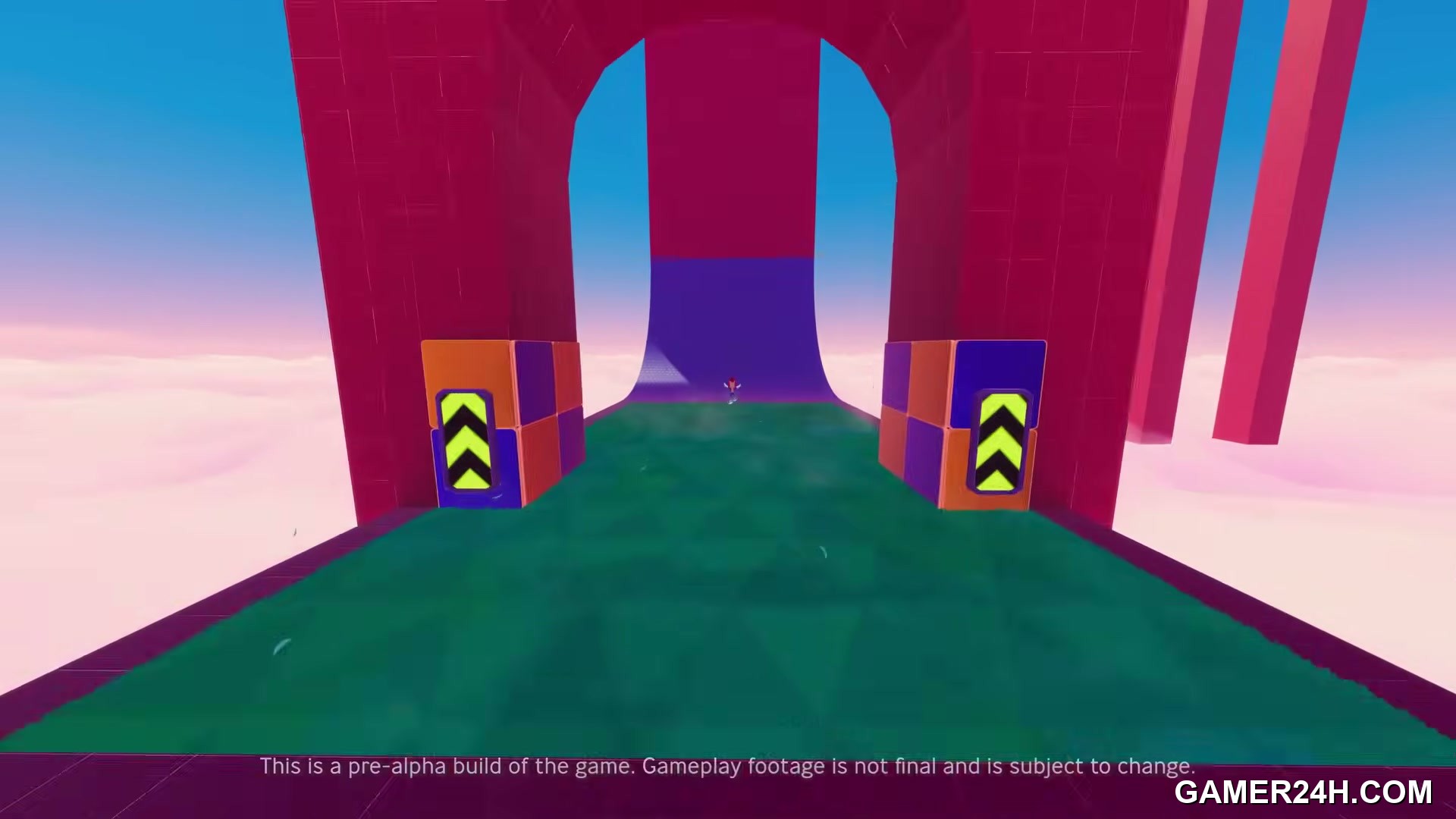
In conclusion, “Rollin’ Rascal” stands out not just within the platformer genre but also in the broader landscape of next-generation action games. Through its innovative use of Unreal Engine 5 for stunning visuals, a robust and dynamic combat system that complements stealth gameplay, an intricate narrative woven with engaging characters, and masterful audio design, “Rollin’ Rascal” sets new standards for immersive gaming experiences.
The game’s unique approach to combining traditional stealth mechanics with modern elements such as portal technology and environmental combat creates a fresh and challenging experience. Additionally, its rich storytelling and well-crafted world make it more than just a game—it becomes an interactive narrative journey that players will remember long after they’ve completed their missions in Neo-Verona.
As “Rollin’ Rascal” approaches release, the anticipation among gamers is palpable. This title promises to be not only a standout entry in its genre but also a testament to what can be achieved when creative vision meets cutting-edge technology.