Introduction: The Next Chapter for Rogue Legacy
Rogue Legacy, a name synonymous with addictive gameplay and procedural generation, has carved a unique space in the gaming landscape. Developed and published by Cellar Door Games, this 2013 platformer masterfully blends roguelike elements with tight controls and a compelling sense of progression. The game’s success spawned a sequel, Rogue Legacy 2, further solidifying its place as a modern classic. This deep-dive review will dissect the original Rogue Legacy, exploring its visual style, gameplay mechanics, level design, narrative depth, sound design, release expectations, and ultimately, its lasting impact on the gaming world.
Visual Direction and Graphics Engineering
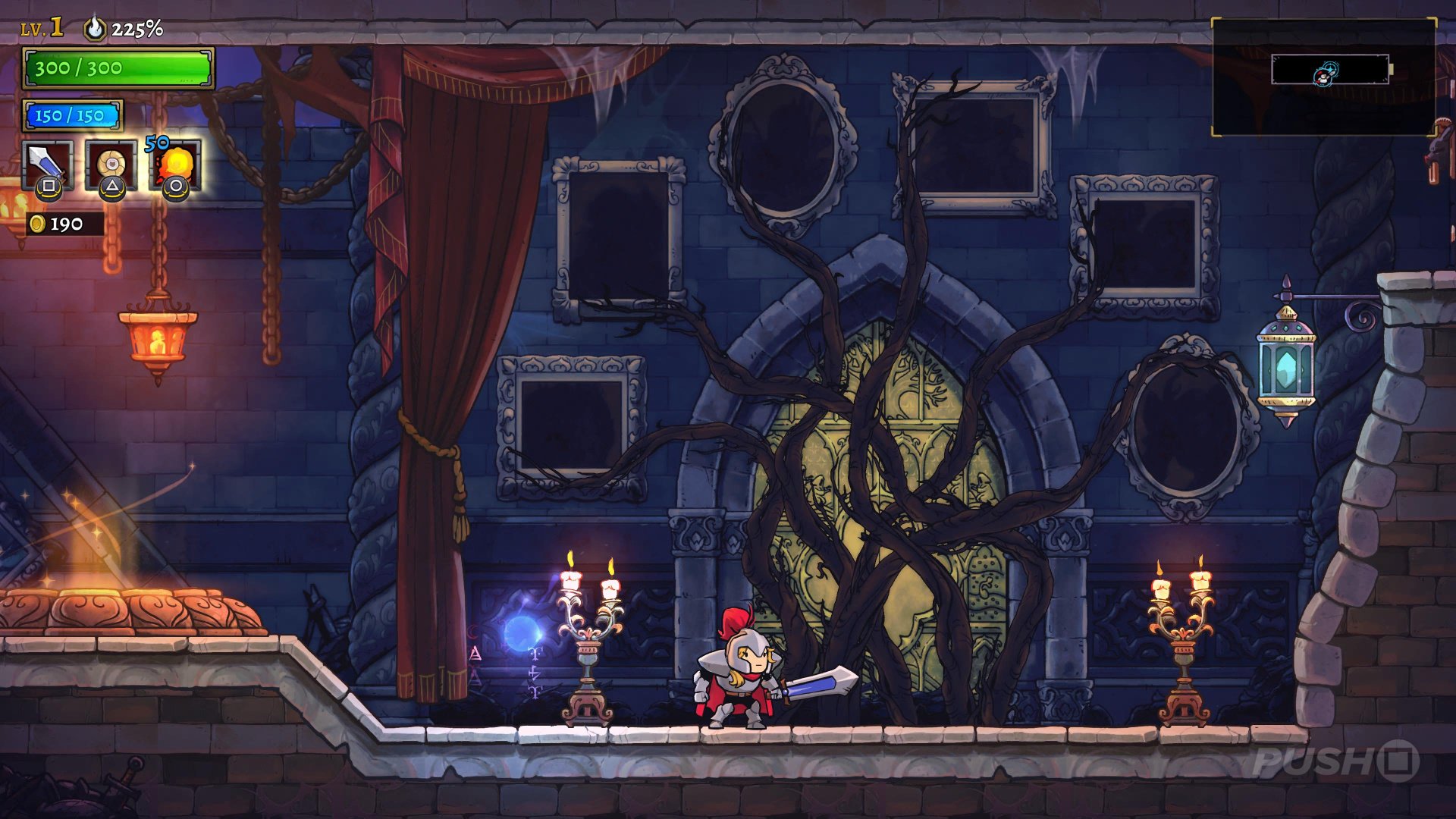
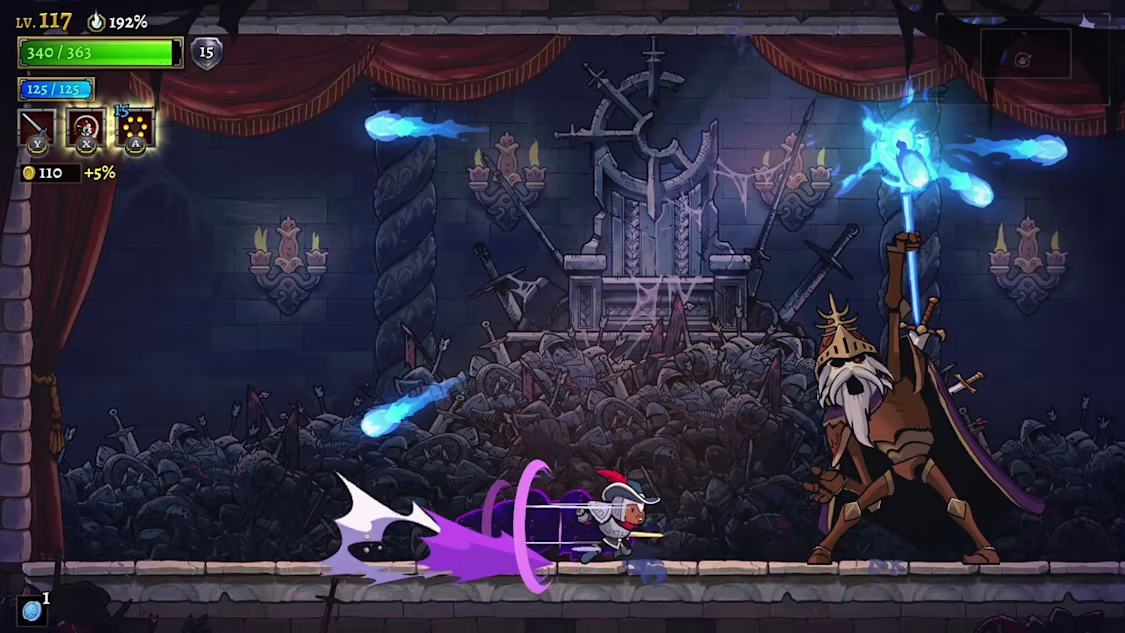
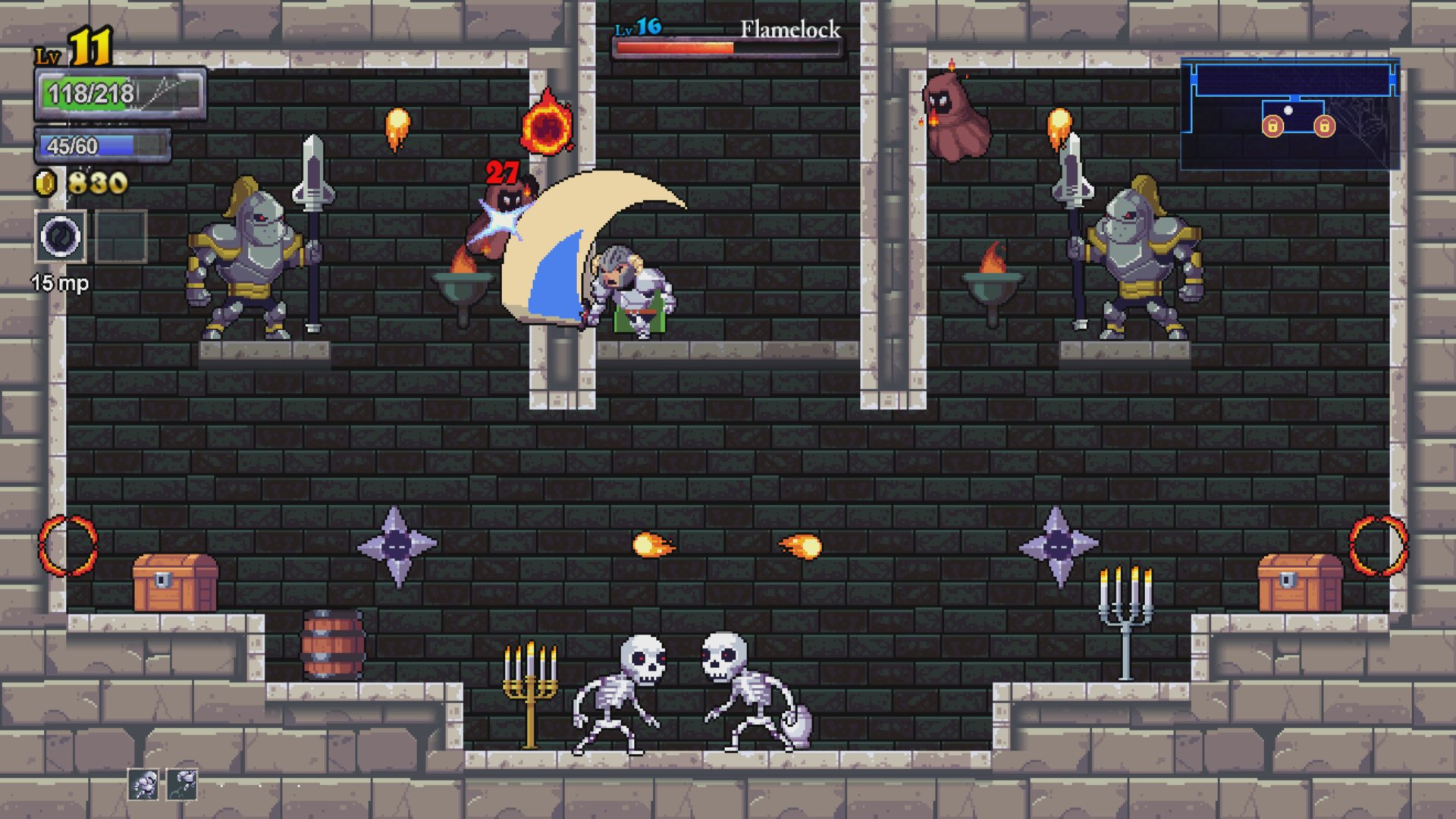
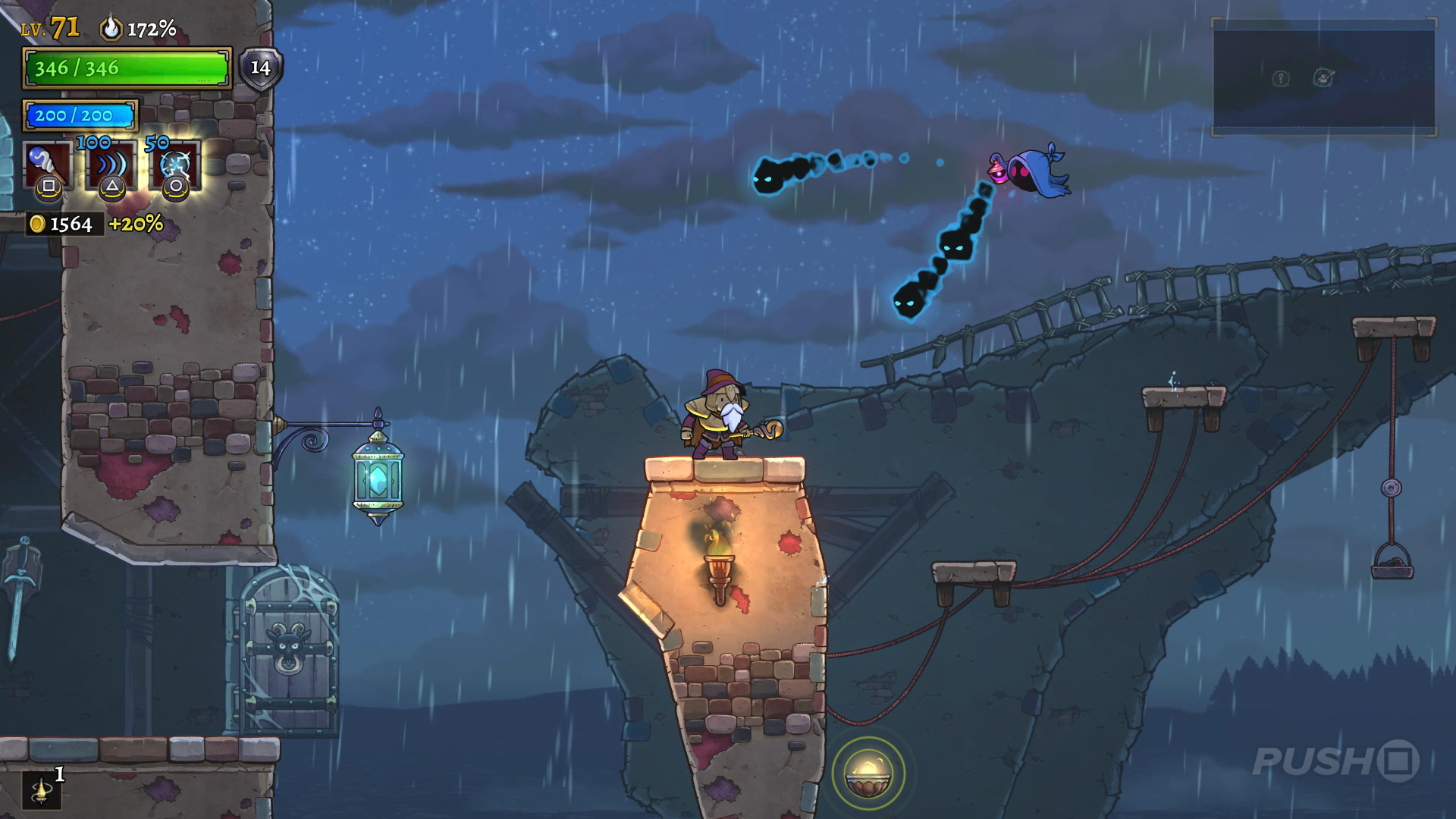
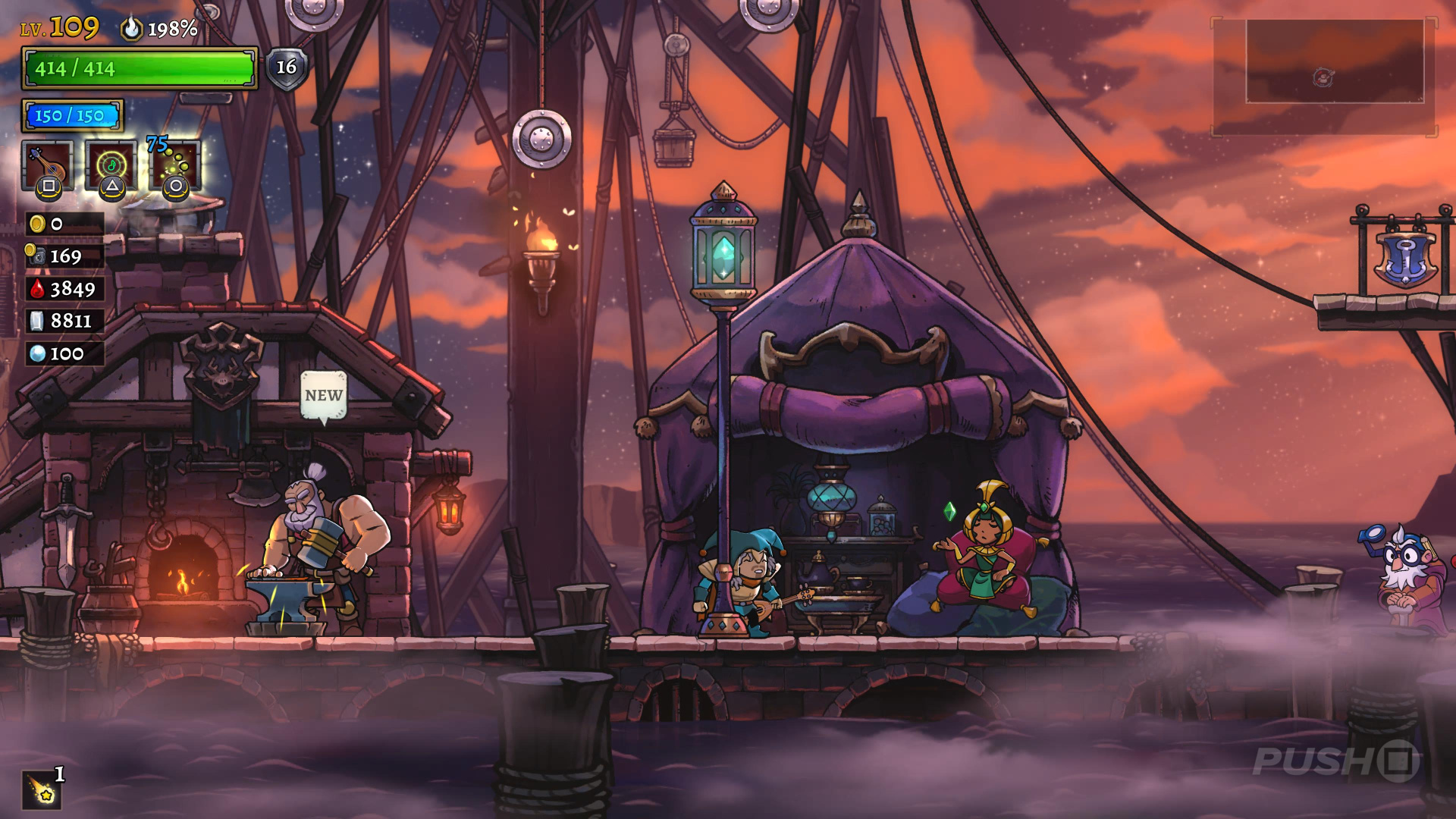
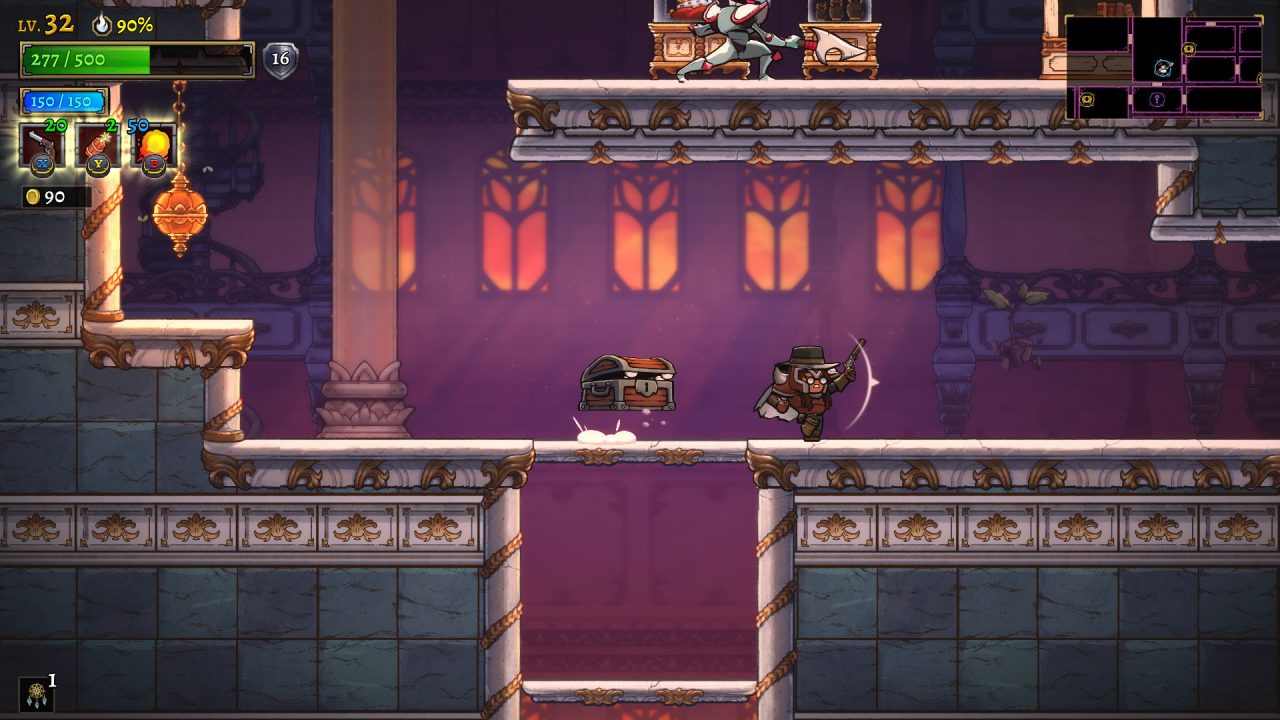
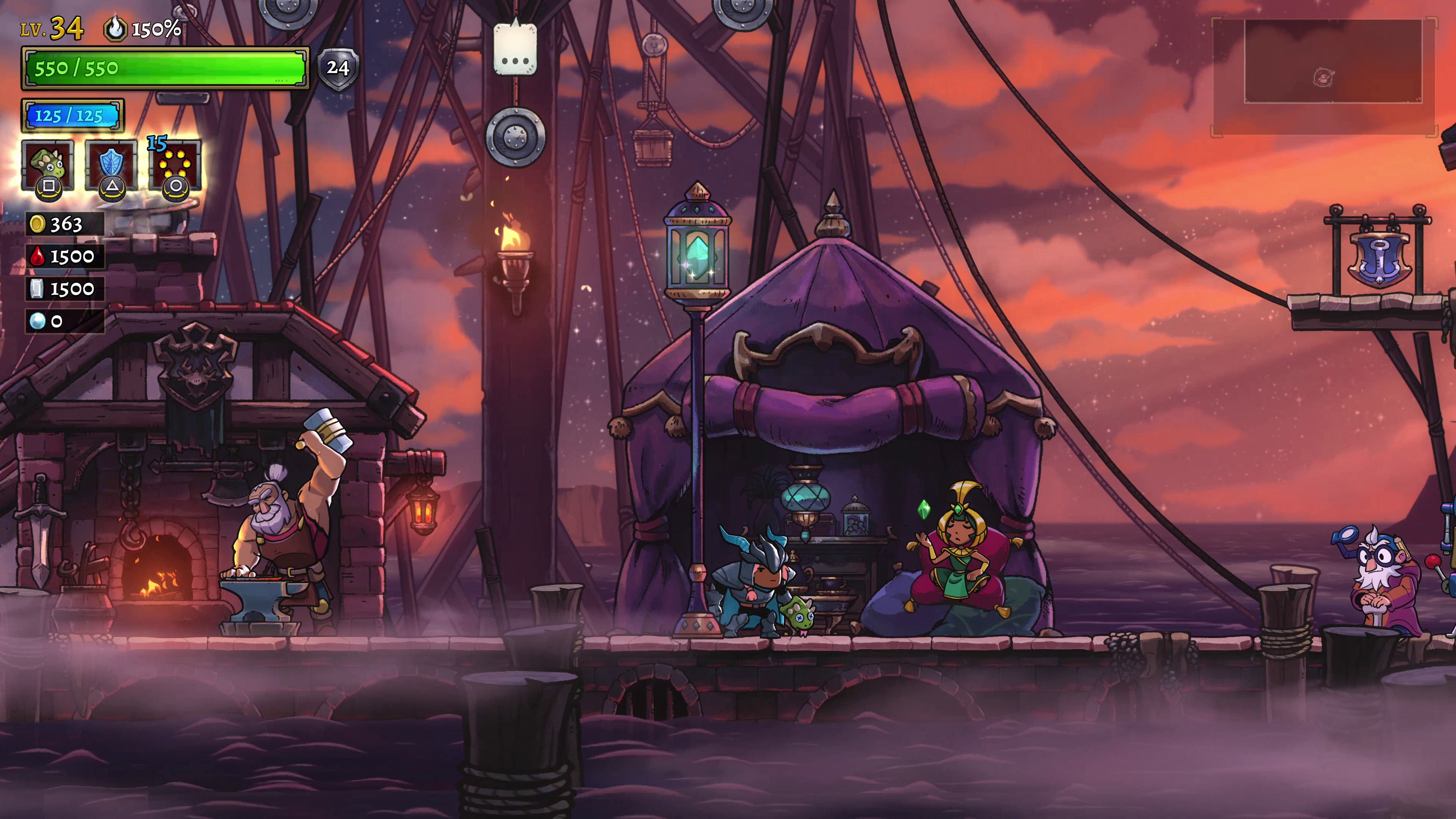
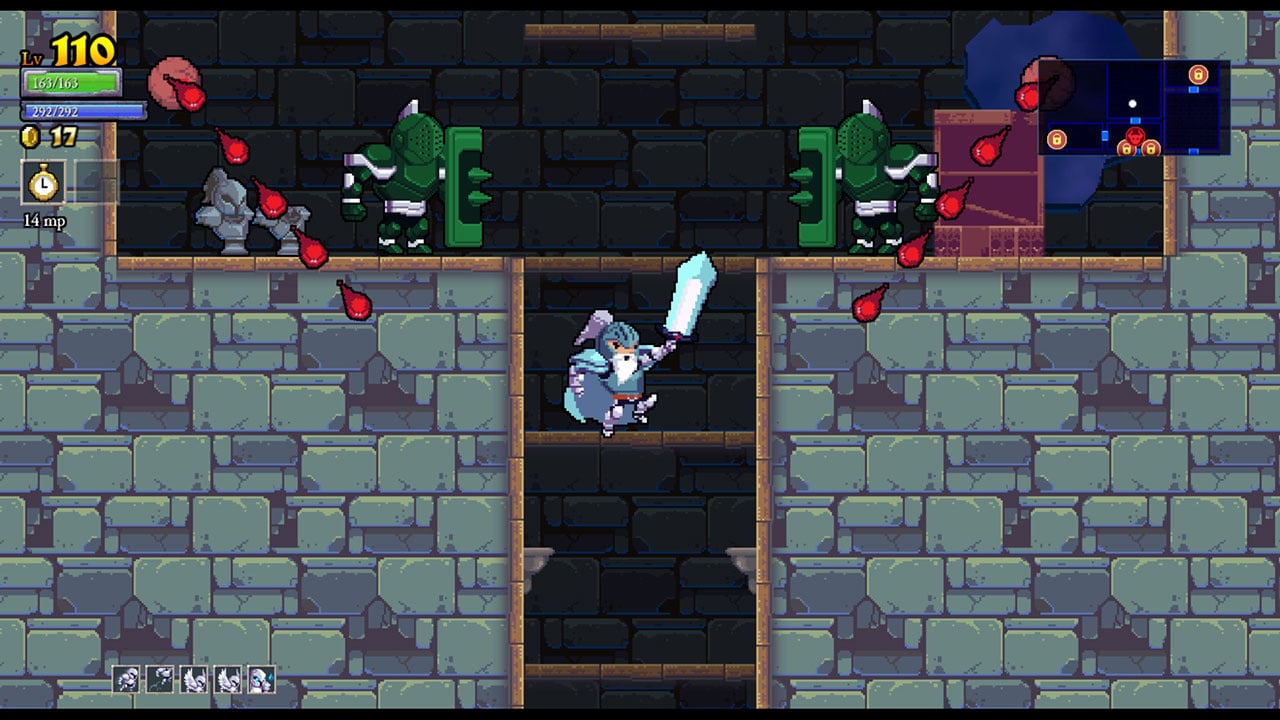
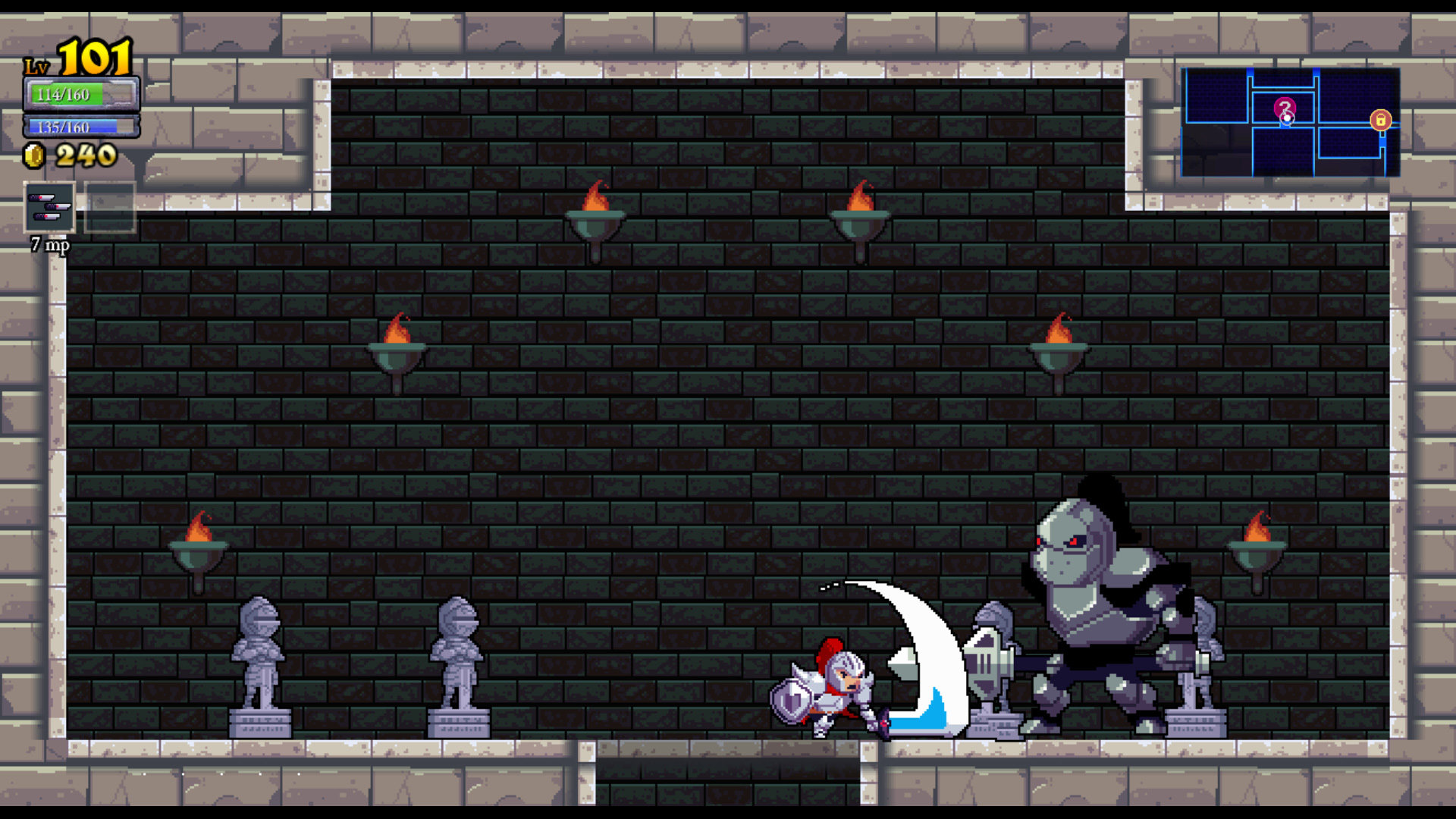
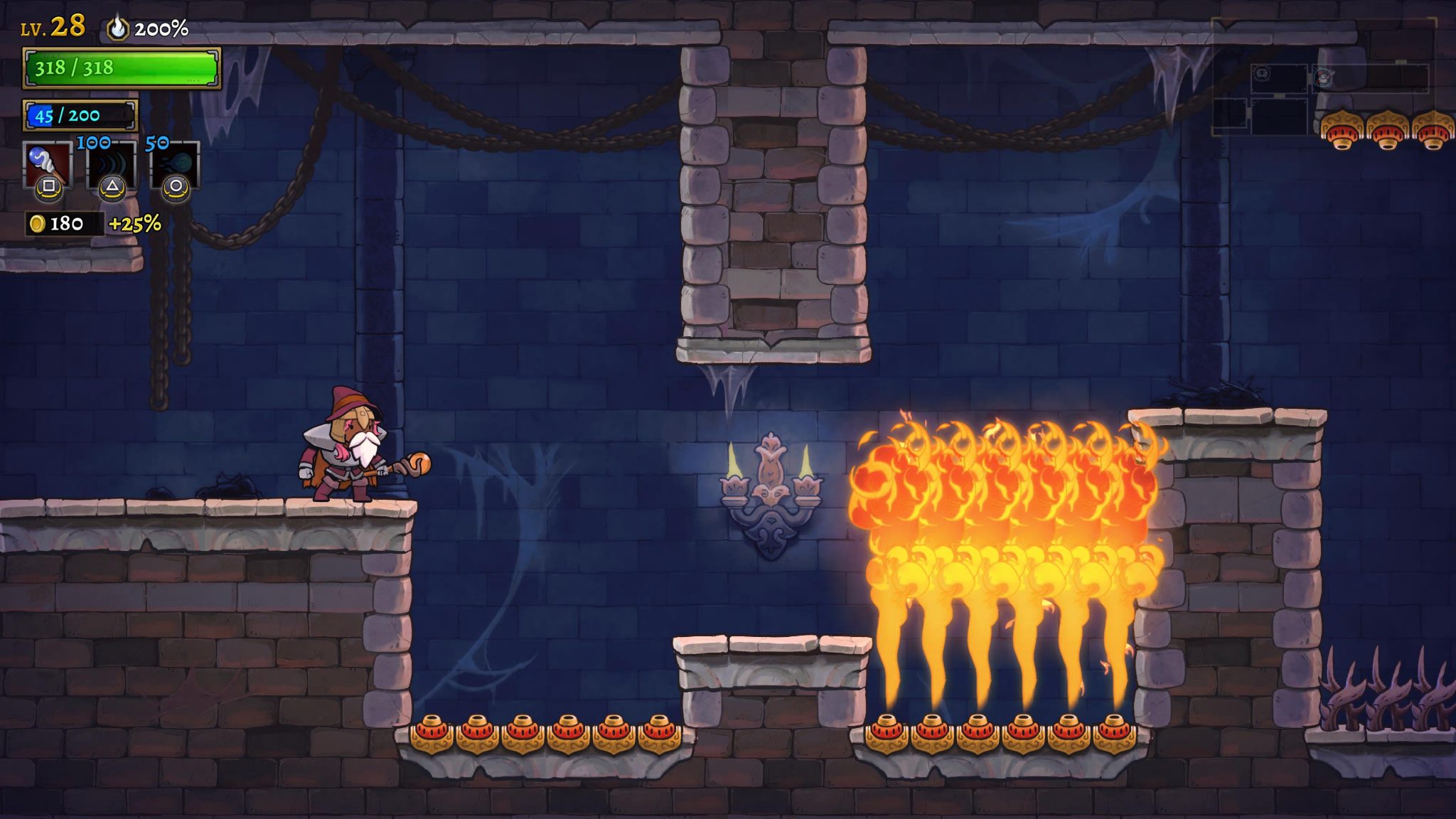
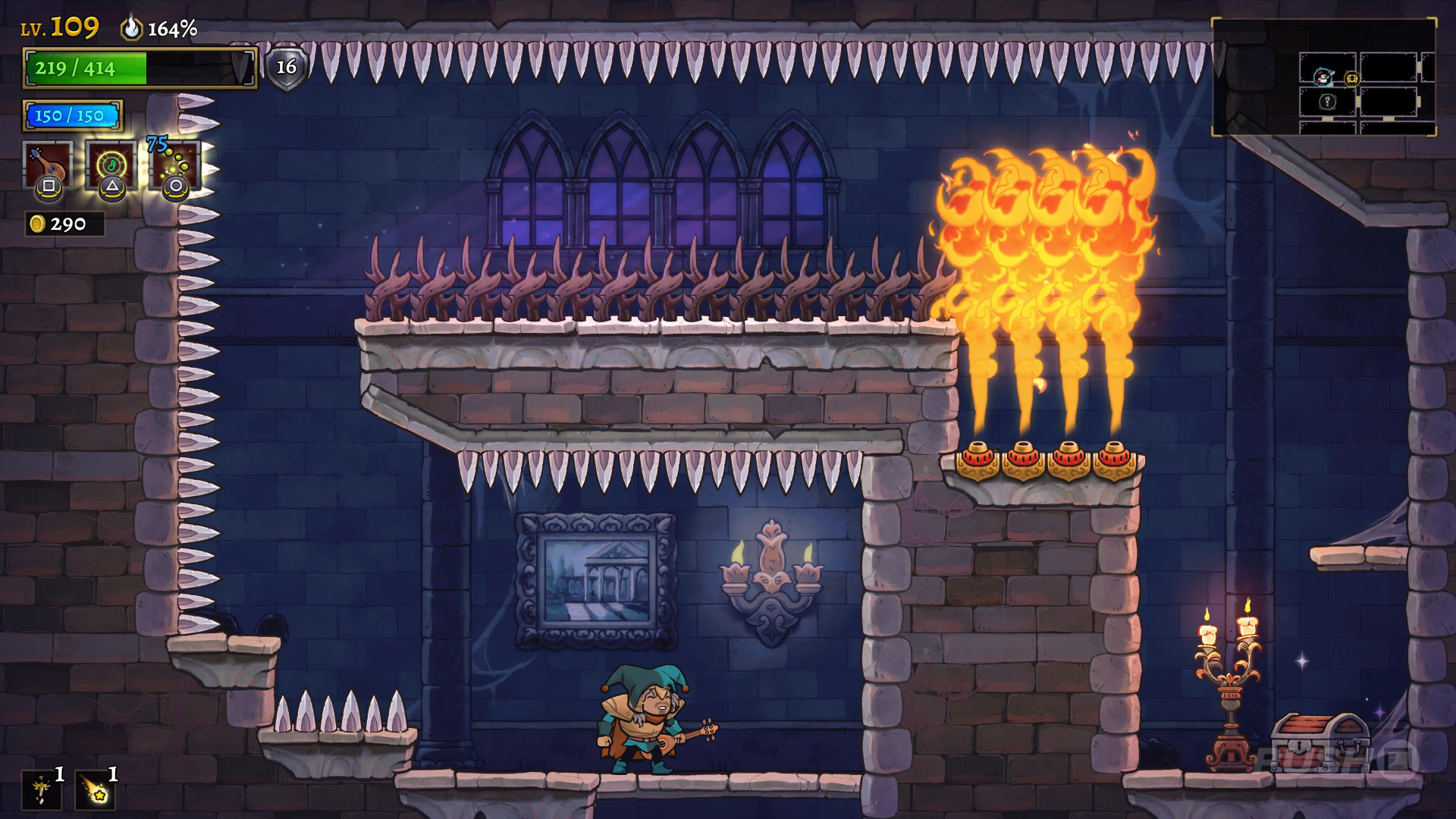
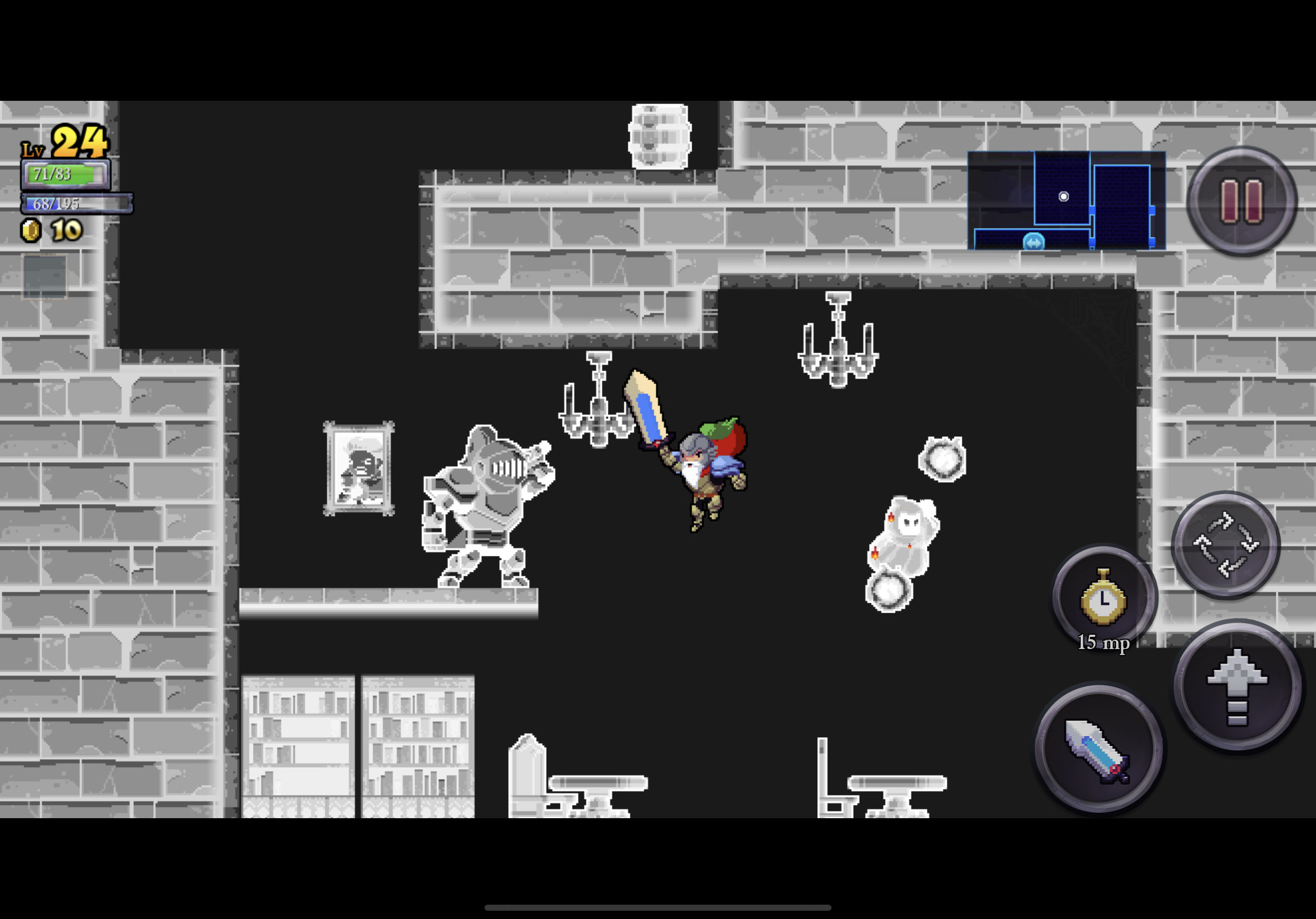
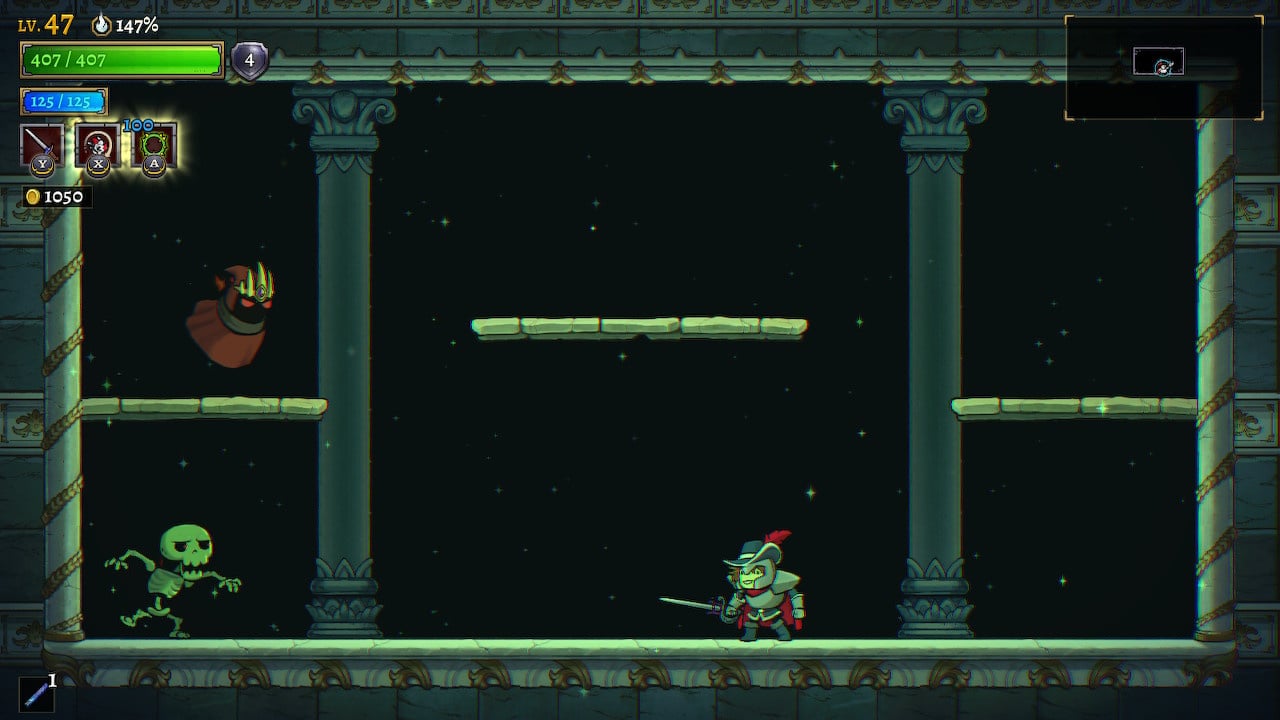
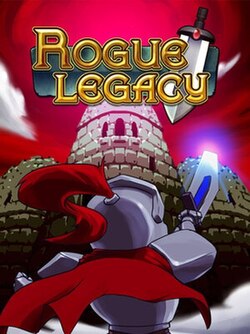
Rogue Legacy’s art style is deceptively simple. The pixelated graphics, while not pushing any technical boundaries, are incredibly charming and contribute significantly to the game’s overall aesthetic. This choice allows for a focus on gameplay and level design rather than demanding high-end hardware. The limited color palette is used effectively to create distinct environments, each with its own unique atmosphere. While seemingly basic, the visual style is carefully considered, ensuring clarity and readability during fast-paced action sequences. The graphics engine, Microsoft XNA, allowed for rapid prototyping and iteration, a crucial factor in the game’s development process.
Gameplay Mechanics and Core Systems
At its heart, Rogue Legacy revolves around a simple yet incredibly engaging gameplay loop: explore a procedurally generated castle, defeat enemies, collect gold, and ultimately, die. Upon death, players choose from a selection of randomly generated heirs, each with unique traits, abilities, and even disabilities that impact gameplay. This “heir system” is the game’s defining feature, ensuring that no two playthroughs are ever quite the same. The core mechanics – jumping, slashing, and occasional magic attacks – are tight and responsive, making for a satisfyingly challenging experience. The strategic use of gold to upgrade various aspects of the castle, such as unlocking new abilities or improving existing ones, adds another layer of depth to the gameplay.
Level Design and World Atmosphere
Despite being procedurally generated, Rogue Legacy’s levels are carefully crafted to provide a consistent sense of progression and challenge. Each room is designed with specific enemy placements, traps, and secrets in mind. The four distinct environments – each with its own visual theme and set of enemies – offer a welcome variety. The atmosphere within the castle is palpable, ranging from eerie and unsettling to surprisingly beautiful. The level design encourages exploration and rewards players who are willing to take risks.
Narrative Depth and Character Profiles
While Rogue Legacy doesn’t rely on a traditional narrative structure, it subtly weaves a story through its environments, enemy designs, and character interactions. Each heir has their own unique personality and backstory, hinted at through dialogue and visual cues. The game encourages players to experiment with different heirs and discover the secrets hidden within the castle.
Sound Design and Acoustic Realism
The sound design in Rogue Legacy is crucial to creating a sense of immersion and tension. The subtle ambient sounds, combined with the impactful sound effects of combat, create a palpable atmosphere. The music, while understated, effectively complements the gameplay and enhances the overall experience.
Release Expectations and Community Hype
Rogue Legacy was initially released on PC in 2013 to critical acclaim. Its unique blend of roguelike elements and tight platforming quickly garnered a dedicated following. The game’s success led to ports for various platforms, including consoles and mobile devices. The community surrounding Rogue Legacy is incredibly active, with players constantly sharing tips, strategies, and fan-made content.
Conclusion: The Future of Rogue Legacy
Rogue Legacy remains a testament to the power of innovative gameplay mechanics and thoughtful design. Its enduring popularity speaks volumes about its quality and replayability. While Rogue Legacy 2 builds upon the foundation laid by its predecessor, the original game continues to be a beloved classic. It’s a must-play for fans of platformers, roguelikes, and anyone looking for a challenging and rewarding gaming experience.
Source: Wikipedia