
Introduction: The Next Chapter for Rocket League
Rocket League, the vehicular soccer phenomenon that took the gaming world by storm in 2015, continues to evolve and captivate players. Developed and published by Psyonix, it’s a unique blend of arcade-style soccer and high-octane car combat. Building upon the foundation laid by its predecessor, Supersonic Acrobatic Rocket-Powered Battle-Cars, Rocket League has consistently delivered exhilarating gameplay and fostered a vibrant community. This deep dive will explore the game’s visual direction, core mechanics, level design, narrative elements (or lack thereof), sound design, release expectations, and ultimately, the future of this enduring title.
Visual Direction and Graphics Engineering
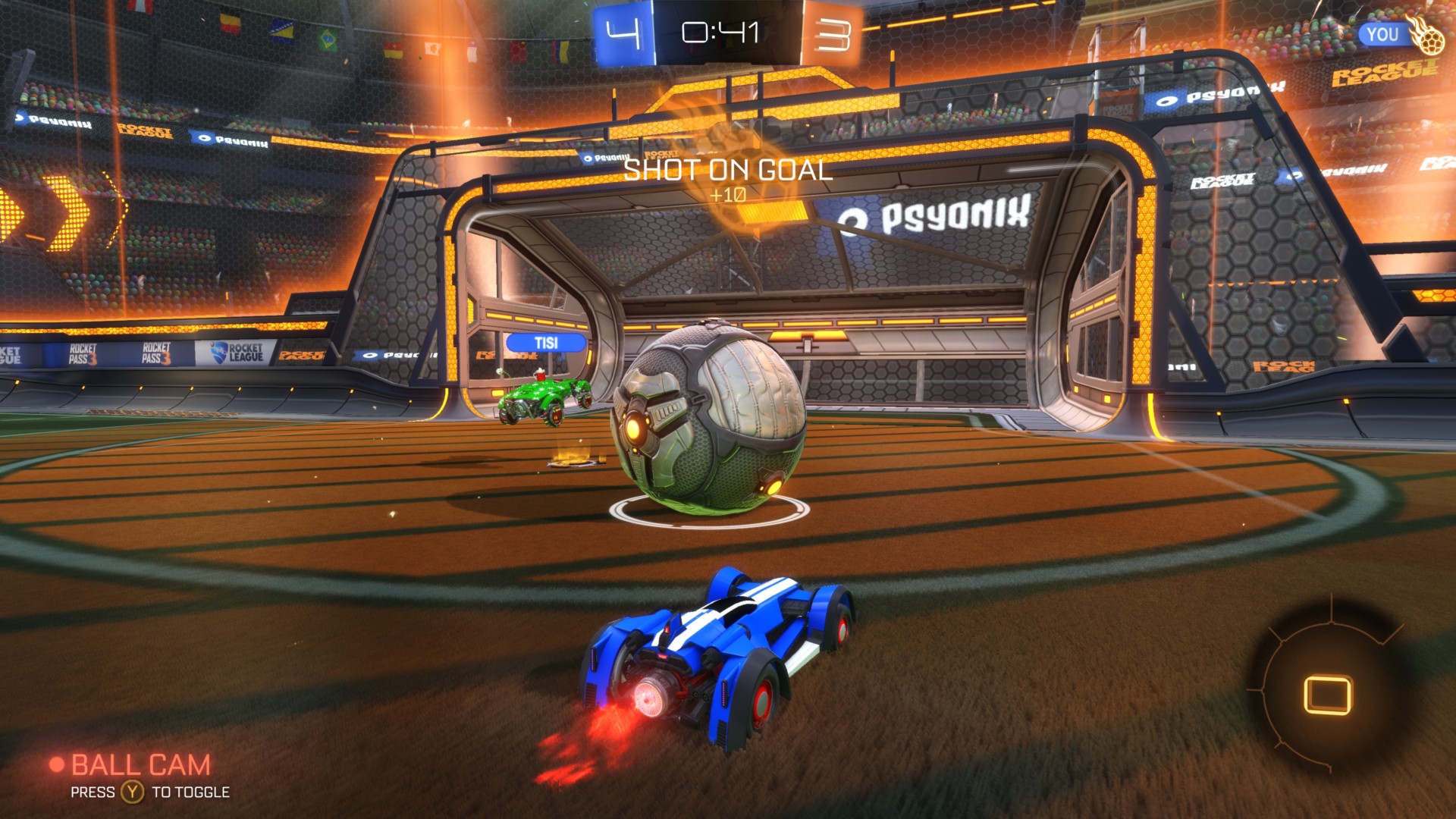
Rocket League leverages the power of Unreal Engine 2, a choice that allows for both stylized visuals and robust physics simulation. While not pushing the boundaries of graphical fidelity in the same way as some AAA titles, the game’s art style is clean, vibrant, and easily readable, crucial for fast-paced gameplay. The car designs are iconic and instantly recognizable, each with its own unique personality. Psyonix has consistently updated the game with new cosmetic items, allowing players to personalize their vehicles and express themselves. The physics engine is a critical component, enabling realistic vehicle handling and spectacular aerial maneuvers. Optimizations have been ongoing since launch to ensure smooth performance across various platforms.
Gameplay Mechanics and Core Systems
At its core, Rocket League’s gameplay is deceptively simple: use rocket-powered cars to hit a giant ball into the opposing team’s goal. However, the depth of skill required to master aerial control, strategic positioning, and teamwork is immense. The game features a robust single-player campaign for players to hone their skills, as well as extensive online multiplayer modes, including ranked play and casual matches. A key element is the boost system, which allows cars to fly and perform powerful shots. Mastering boost management is crucial for success. The game’s physics engine plays a vital role in creating realistic car handling and satisfying collisions.
Level Design and World Atmosphere
Rocket League’s arenas are diverse and imaginative, ranging from the standard rectangular field to gravity-defying structures and themed environments. Each arena presents unique challenges and opportunities for strategic play. The game features a rotating selection of arenas, keeping the gameplay fresh and engaging. While not explicitly narrative-driven, the arenas often hint at larger worlds and potential stories, sparking the imagination of players.
Narrative Depth and Character Profiles
Rocket League is primarily focused on gameplay rather than a deep narrative experience. However, the game’s community has created its own lore and backstories for the various characters and teams. The absence of a traditional storyline allows players to focus on the core mechanics and create their own experiences within the game world. While there are no explicit character profiles, the cosmetic items often provide clues about potential personalities and affiliations.
Sound Design and Acoustic Realism
The sound design in Rocket League is crucial for providing feedback to the player and enhancing the overall experience. The roar of the engines, the impact of collisions, and the satisfying *thwack* of a well-placed shot all contribute to the game’s visceral appeal. The soundtrack complements the fast-paced action, creating an energetic and immersive atmosphere.
Release Expectations and Community Hype
Rocket League has consistently maintained a strong community following since its initial release. Psyonix actively engages with players through social media and in-game events, fostering a sense of belonging and encouraging participation. New content updates, including new cars, arenas, and game modes, are regularly released to keep the gameplay fresh and exciting. The free-to-play transition further expanded the player base and generated significant buzz within the gaming community.
Conclusion: The Future of Rocket League
Rocket League’s enduring popularity is a testament to its simple yet addictive gameplay, vibrant community, and consistent updates. While the game may not push the boundaries of graphical fidelity or narrative complexity, it excels in delivering a unique and engaging experience that continues to captivate players worldwide. As technology advances and new gaming trends emerge, Rocket League has proven its ability to adapt and remain relevant, solidifying its place as a true icon in the world of esports and casual gaming.

Source: Wikipedia


