Introduction: The Next Chapter for Rise of the Tomb Raider
Rise of the Tomb Raider, developed by Crystal Dynamics and published by Microsoft Studios and Square Enix, represents a significant step forward in Lara Croft’s journey. Building upon the foundation laid by the 2013 reboot, this installment delves deeper into her character, exploring her resilience and determination as she confronts both external threats and internal struggles. The game seamlessly blends thrilling action sequences with intricate puzzle-solving, all set against the breathtaking backdrop of Siberia. It’s a direct sequel to the 2013 title, continuing the “Survivor” trilogy and offering players a compelling narrative experience that expands upon the established lore while introducing fresh challenges and environments.
Visual Direction and Graphics Engineering
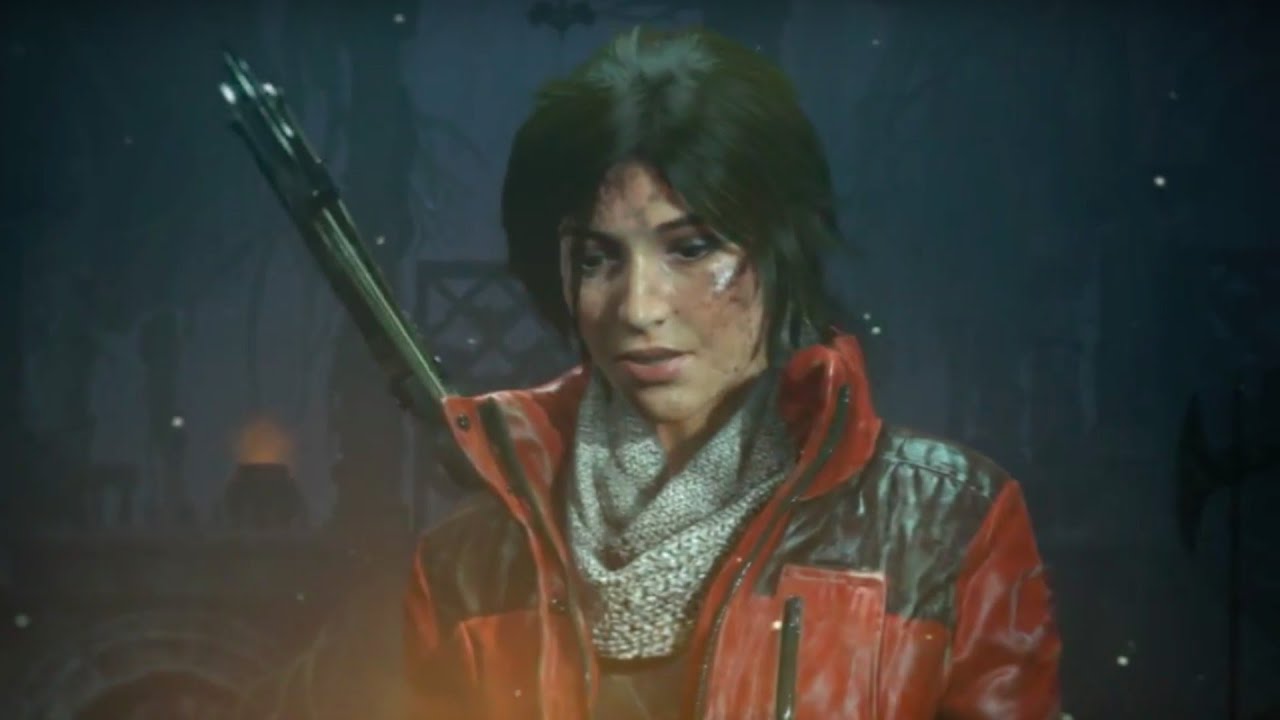
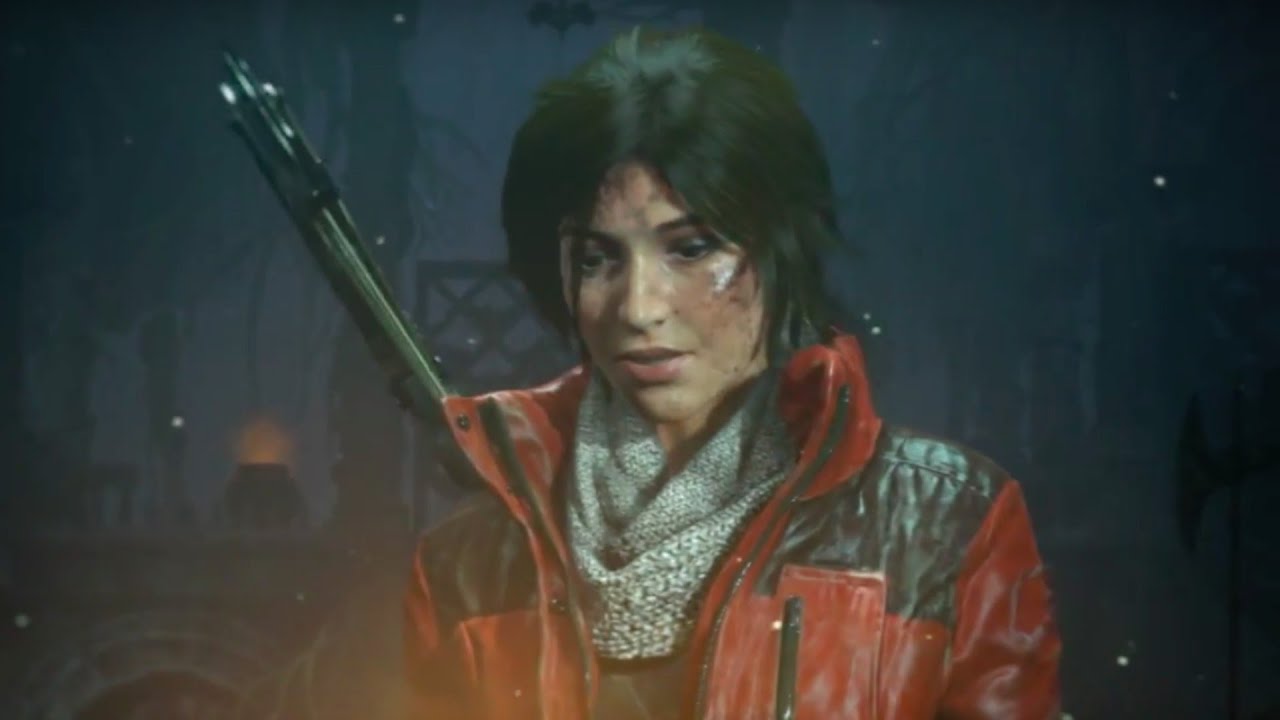
Rise of the Tomb Raider showcases stunning visuals powered by a proprietary next-generation engine. The game’s graphics are characterized by realistic textures, dynamic lighting, and detailed character models. The Siberian landscapes are rendered with remarkable fidelity, capturing the harsh beauty of the environment. The developers leveraged advanced rendering techniques to create a sense of immersion, allowing players to truly feel like they are exploring the frozen wilderness. The engine’s capabilities extend beyond mere aesthetics; it also plays a crucial role in supporting the game’s physics-based interactions and environmental effects, contributing to a more believable and engaging gameplay experience. Optimization was clearly a priority, allowing the game to run smoothly on a range of hardware configurations.
Gameplay Mechanics and Core Systems
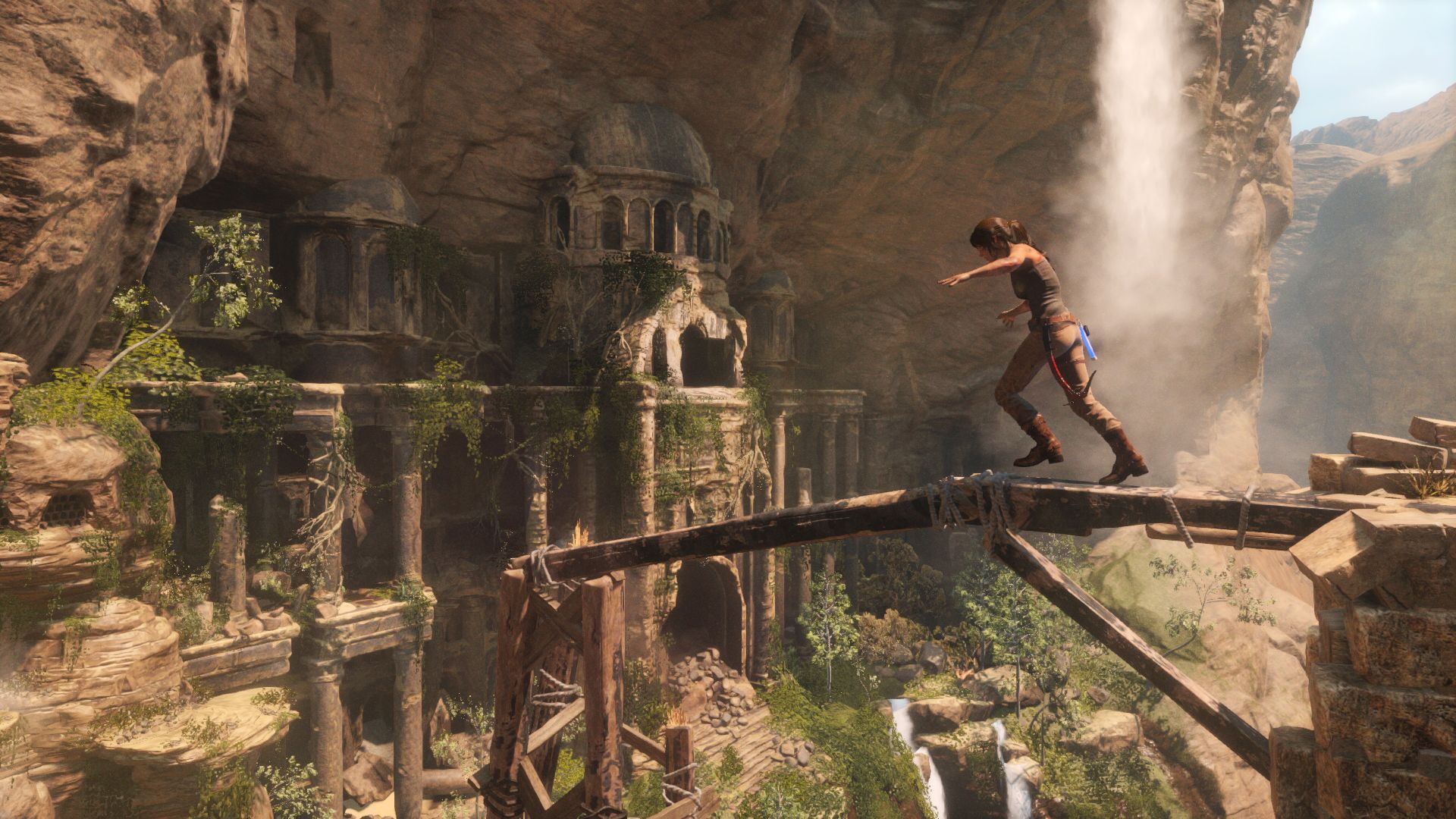
The core gameplay loop revolves around exploration, combat, puzzle-solving, and resource management. Lara Croft is equipped with a diverse arsenal of weapons, ranging from pistols and rifles to bows and axes. Players can customize their playstyle by upgrading weapons and crafting useful items using scavenged resources. The game introduces new traversal mechanics, such as base jumping and climbing, which add depth and variety to the exploration experience. Combat encounters are challenging but rewarding, requiring players to utilize stealth tactics, strategic positioning, and precise aiming. The puzzle tombs offer a significant departure from linear gameplay, demanding careful observation, logical thinking, and skillful execution.
Level Design and World Atmosphere
The level design in Rise of the Tomb Raider is exceptional, seamlessly blending open-world exploration with carefully crafted environments. The Siberian landscapes are vast and varied, ranging from snow-covered mountains to dense forests and ancient ruins. Each location is meticulously detailed, creating a sense of authenticity and immersion. The game’s atmosphere is enhanced by dynamic weather effects, realistic sound design, and a haunting musical score. The challenge tombs, in particular, stand out for their intricate designs and demanding puzzles, offering players a true test of their problem-solving skills.
Narrative Depth and Character Profiles
The narrative in Rise of the Tomb Raider delves deeper into Lara Croft’s character, exploring her motivations, fears, and vulnerabilities. The story follows her quest to uncover the secrets of the lost city of Kitezh while battling the paramilitary organization Trinity. The game features a compelling cast of characters, each with their own unique personalities and backstories. Rhianna Pratchett’s writing brings depth and nuance to the narrative, creating a memorable and emotionally resonant experience for players. Lara’s internal struggles are just as important as the external threats she faces, making her a more relatable and complex protagonist.
Sound Design and Acoustic Realism
The sound design in Rise of the Tomb Raider is crucial to its immersive quality. The game features realistic weapon sounds, environmental effects, and character dialogue. The musical score complements the gameplay perfectly, enhancing the atmosphere and emotional impact of key moments. The acoustic realism adds another layer of immersion, making players feel truly present in the Siberian wilderness. From the crunch of snow underfoot to the roar of a distant predator, every sound is carefully crafted to contribute to the overall experience.
Release Expectations and Community Hype
The release of Rise of the Tomb Raider was highly anticipated by fans of the franchise. Building upon the success of the 2013 reboot, expectations were high for this sequel. The game delivered on those expectations, offering a refined gameplay experience, stunning visuals, and a compelling narrative. The community embraced the game wholeheartedly, praising its attention to detail, challenging puzzles, and engaging story. Pre-release marketing campaigns effectively generated excitement and anticipation, leading to strong sales figures and positive critical reception.
Conclusion: The Future of Rise of the Tomb Raider
Rise of the Tomb Raider represents a significant milestone in Lara Croft’s evolution as a character and a testament to Crystal Dynamics’ commitment to delivering high-quality gaming experiences. The game successfully builds upon the foundation laid by its predecessor, offering a refined gameplay loop, stunning visuals, and a compelling narrative that captivates players from beginning to end. While the future of the franchise remains uncertain, Rise of the Tomb Raider has undoubtedly left a lasting impact on the gaming landscape, solidifying Lara Croft’s place as an iconic figure in video game history.

Source: Wikipedia


