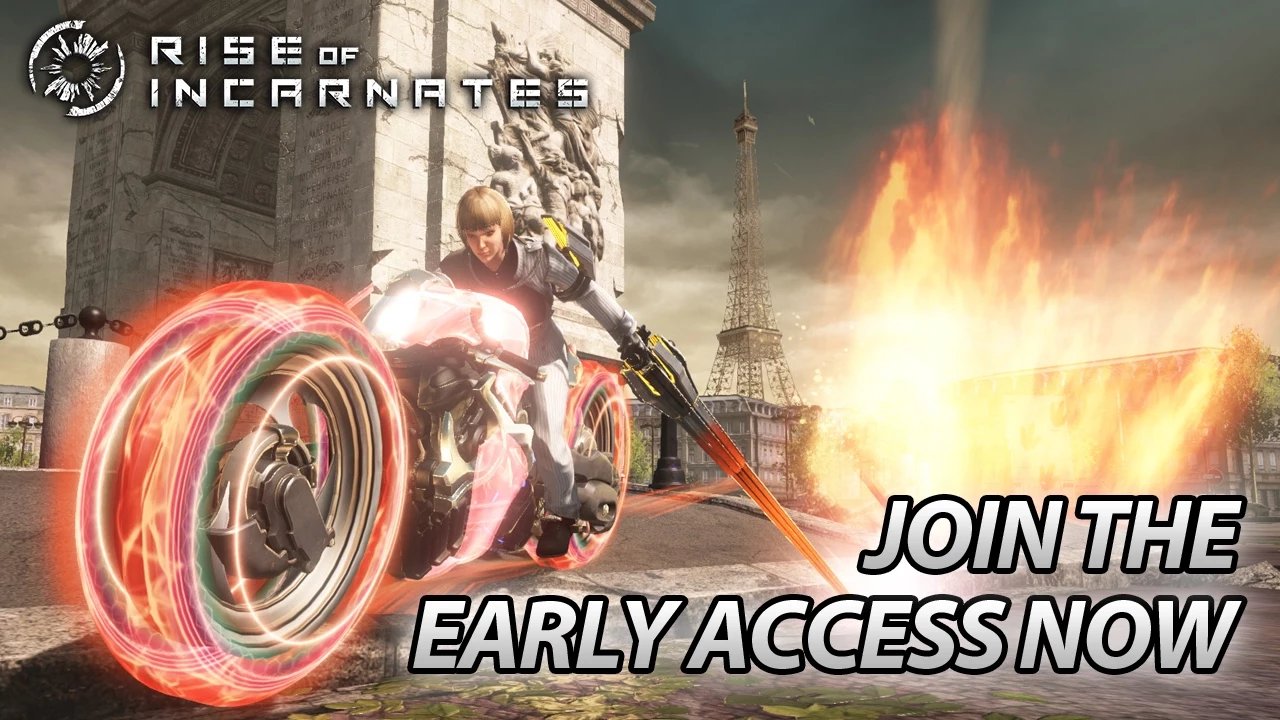
Introduction: The Next Chapter for Rise of Incarnates
Rise of Incarnates, a multiplayer fighting game developed and published by Bandai Namco Entertainment, arrived on the scene in July 2015. While its lifespan was tragically short, ending with online servers closing just months later in December 2015, it left an indelible mark on the fighting game community. Developed by a team boasting experience from Soulcalibur, Tekken, and Mobile Suit Gundam: Extreme Vs., Rise of Incarnates promised a unique blend of close-quarters combat and long-range assaults, powered by Bandai Namco's proprietary Orochi 3 engine. This Masterclass Deep-Dive will dissect every facet of the game, from its visual direction to its ultimately unrealized potential.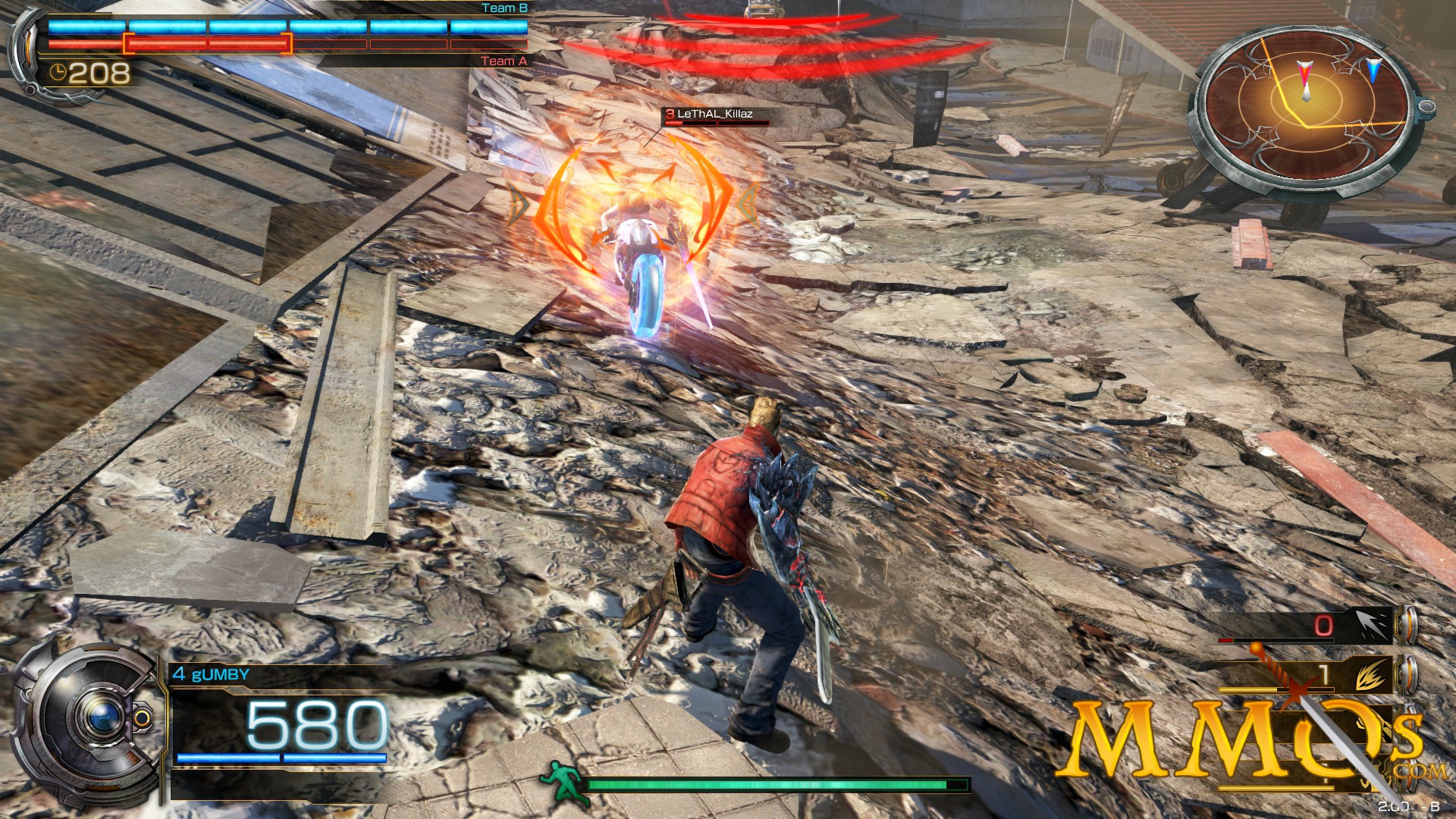
Visual Direction and Graphics Engineering
The visual style of Rise of Incarnates aimed for a stylized realism, blending detailed character models with vibrant arena designs. The Orochi 3 engine, while not pushing the boundaries of graphical fidelity at the time, provided a solid foundation for showcasing the unique transformations and abilities of the "Incarnates." Character animations were fluid and impactful, crucial for conveying the weight and power of each fighter's attacks. The game utilized particle effects to great effect, particularly during special moves and ultimate abilities, adding a layer of visual spectacle. While not groundbreaking by today's standards, the graphics served the gameplay well, providing clear feedback on character actions and environmental interactions.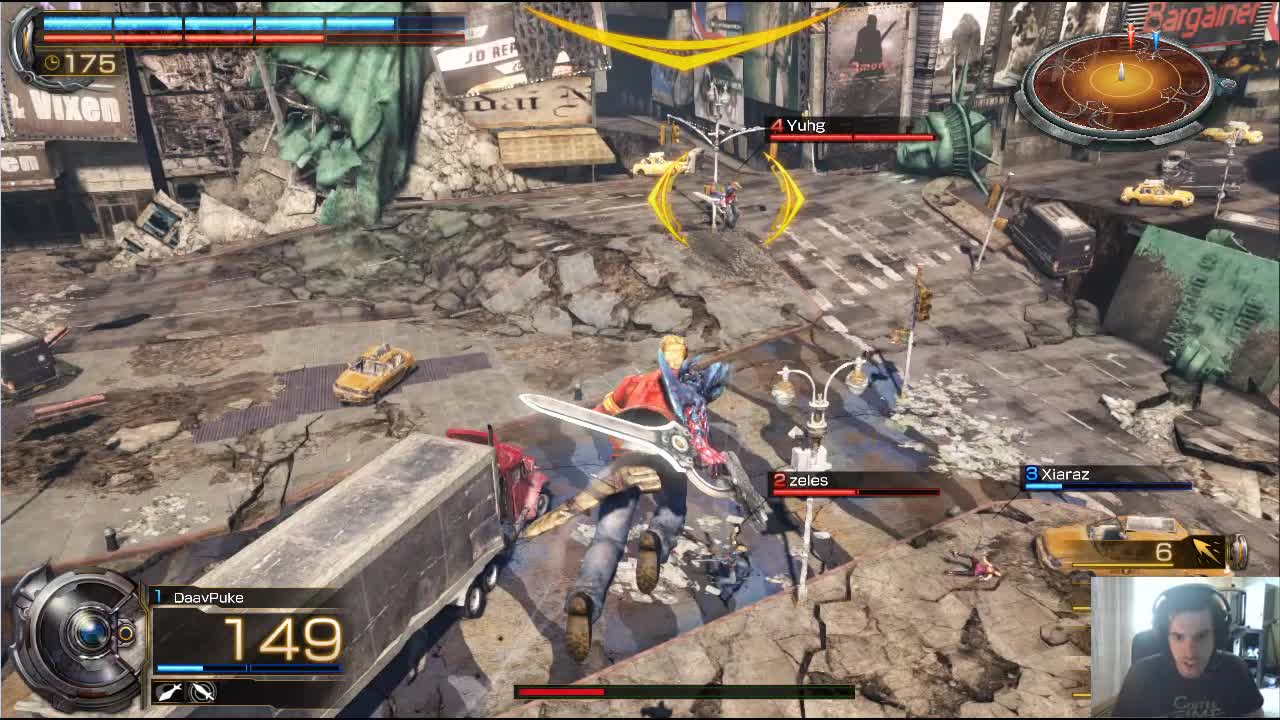
Gameplay Mechanics and Core Systems
Rise of Incarnates distinguished itself with its 2-on-2 team battles, demanding strategic coordination and diverse character compositions. The core mechanic revolved around switching between two characters during a match, allowing players to adapt to different situations and exploit opponent weaknesses. Each "Incarnate" possessed unique abilities, ranging from powerful melee attacks to long-range projectiles and transformative powers. Mastering the game required not only individual skill but also an understanding of team synergy and strategic character selection. The Orochi 3 engine facilitated these mechanics by providing a responsive control scheme and robust netcode for online play.
Level Design and World Atmosphere
The arenas in Rise of Incarnates were diverse and visually striking, reflecting the game's post-apocalyptic setting. From crumbling cityscapes to otherworldly landscapes, each arena offered a unique backdrop for the intense battles. The level design incorporated interactive elements, such as destructible environments and environmental hazards, adding another layer of complexity to the gameplay. While not expansive open worlds, the arenas were meticulously crafted to enhance the overall atmosphere and provide strategic advantages or disadvantages based on player positioning.Narrative Depth and Character Profiles
While primarily a fighting game, Rise of Incarnates featured a narrative framework centered around the "Incarnates," humans who have awakened mythical powers in a world ravaged by catastrophic events known as "cube phenomena." Each character possessed a distinct backstory and motivations, adding depth to their on-screen actions. The story was largely conveyed through pre-match introductions and brief cutscenes, providing context for the ongoing conflict between the Incarnates. While not a narrative-driven experience in the traditional sense, the underlying lore added a layer of intrigue and encouraged players to explore the characters' individual stories.Sound Design and Acoustic Realism
The sound design in Rise of Incarnates played a crucial role in immersing players in the game world. Impactful sound effects accompanied each attack, providing clear feedback on successful hits and dodges. The soundtrack was composed by Hiroyuki Fujita, known for his work on other Bandai Namco titles, and featured a blend of orchestral arrangements and electronic music that complemented the game's action-packed gameplay. Environmental sounds further enhanced the atmosphere, creating a sense of immersion in the post-apocalyptic world.Release Expectations and Community Hype
Announced early in 2014 and showcased at E3 that same year, Rise of Incarnates generated considerable hype within the fighting game community. The promise of unique gameplay mechanics, combined with the pedigree of the development team, created a sense of anticipation for what was to come. However, the game's short lifespan ultimately fell short of these expectations, leaving many players disappointed by its premature closure.Conclusion: The Future of Rise of Incarnates
Rise of Incarnates, despite its brief existence, remains a fascinating case study in game development and community engagement. While the reasons for its closure are complex and likely multifaceted, the game's innovative gameplay mechanics and unique visual style left a lasting impression on those who experienced it. The legacy of Rise of Incarnates serves as a reminder of the importance of long-term support and ongoing development in maintaining a thriving online community. While a direct sequel may be unlikely, the spirit of innovation that defined Rise of Incarnates continues to inspire developers and players alike.
Source: Wikipedia
Google Preferred Source
Add us to your favorite news sources on Google
Get instant updates and breaking news directly in Google News