Introduction: The Next Chapter for Resident Evil – Code: Veronica
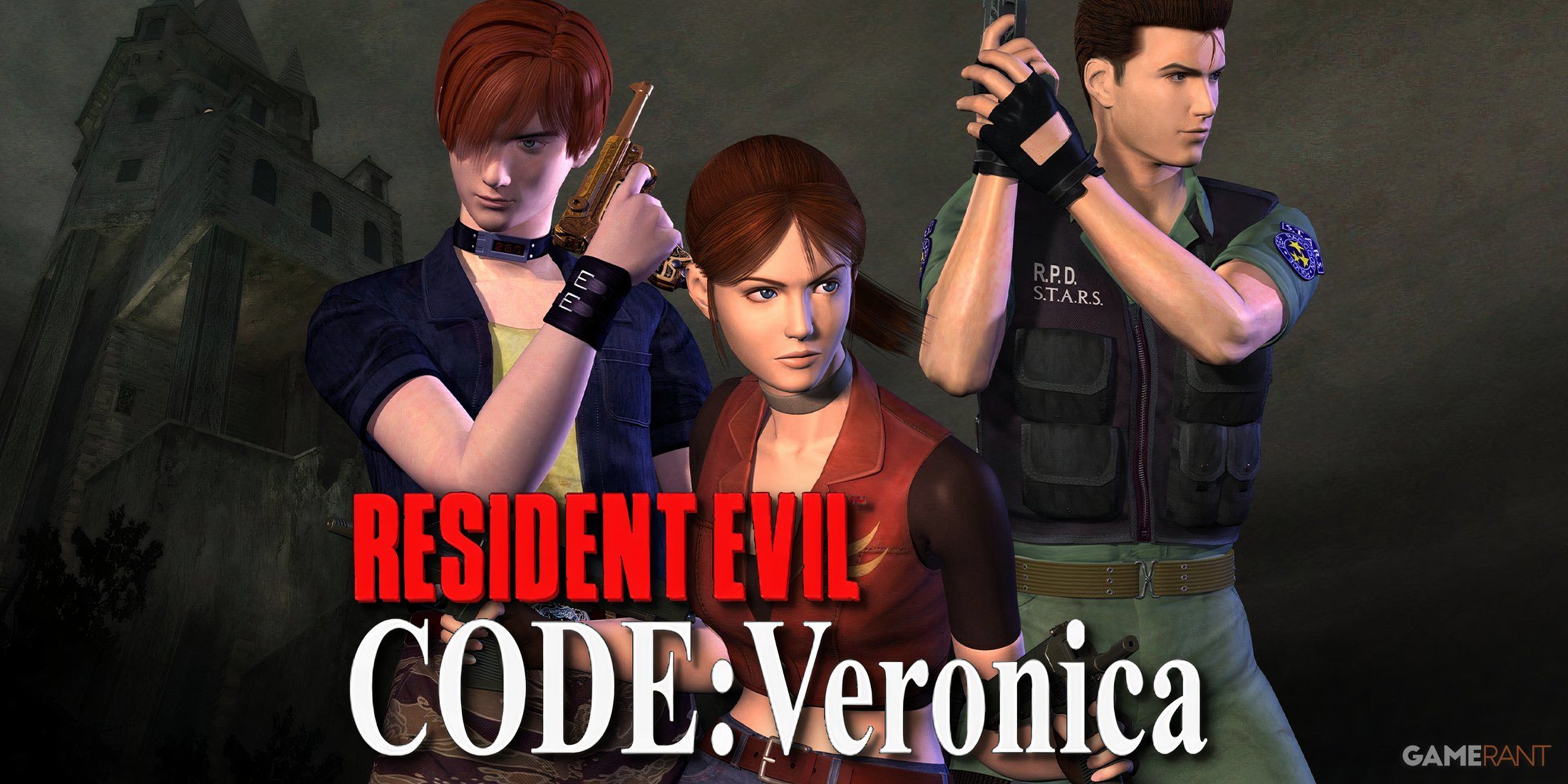
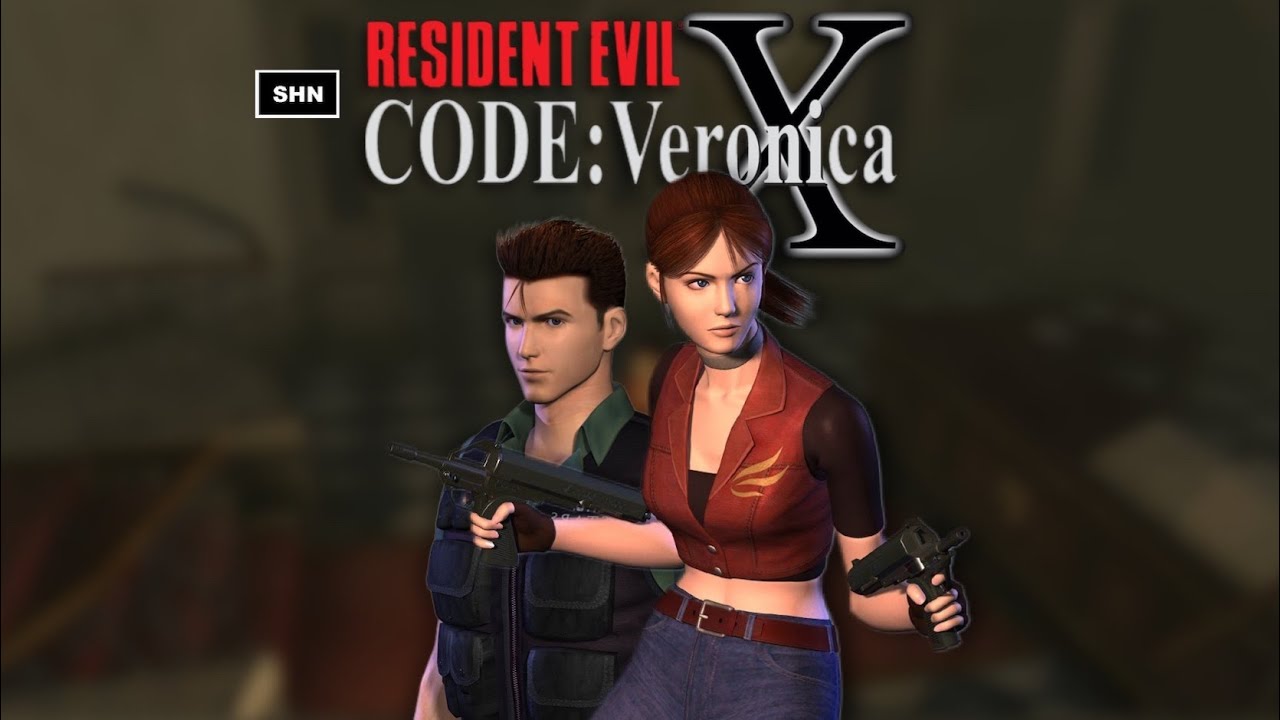
Resident Evil – Code: Veronica marked a pivotal moment in the franchise's history, representing Capcom's ambitious leap from the PlayStation to the Dreamcast. Developed by Capcom Production Studio 4, this installment aimed to redefine survival horror with its real-time 3D environments and dynamic camera movement, setting it apart from its predecessors that relied heavily on pre-rendered backgrounds. The game picks up where Resident Evil 2 and Resident Evil 3: Nemesis left off, following Claire Redfield and her brother Chris as they navigate a deadly conspiracy involving the Umbrella Corporation's remnants. This Masterclass Deep-Dive will dissect every facet of Code: Veronica, from its groundbreaking graphics engine to its compelling narrative, providing an in-depth analysis for discerning gamers.
Visual Direction and Graphics Engineering
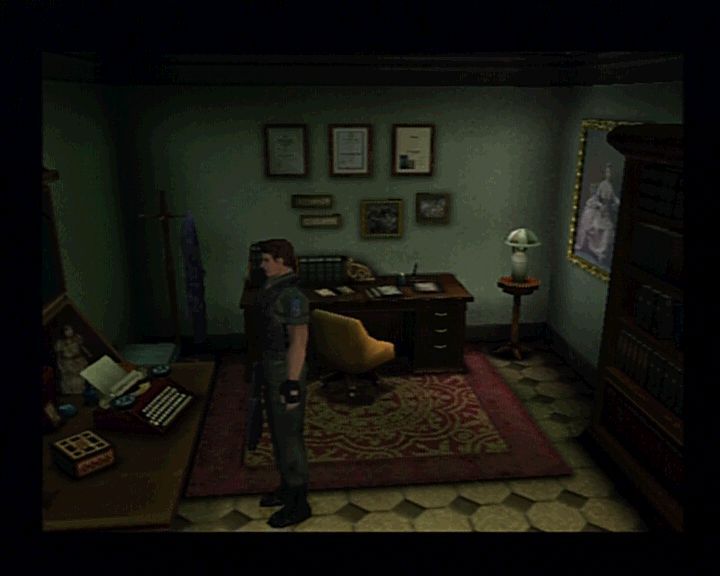
Code: Veronica was a visual tour de force for the Dreamcast. The transition to real-time 3D environments allowed for greater freedom in level design and camera angles, creating a more immersive experience. While limited by the hardware of the time, Capcom's MT Framework engine pushed the console to its limits, delivering detailed character models, intricate textures, and dynamic lighting effects. The game's visual style aimed for a balance between realism and stylized horror, creating an atmosphere that was both unsettling and visually engaging. The use of particle effects, particularly during combat encounters, added another layer of spectacle to the gameplay.
Gameplay Mechanics and Core Systems
Staying true to its survival horror roots, Code: Veronica retained the series' core mechanics: limited resources, challenging puzzles, and terrifying enemies. However, Capcom introduced several new features to enhance the gameplay experience. The "zombie steering" mechanic, allowing players to briefly control zombies to solve puzzles or create distractions, added a unique tactical element. The introduction of quick-time events (QTEs) during intense action sequences heightened the sense of urgency and danger. Inventory management remained crucial, forcing players to make difficult choices about which items to carry.
Level Design and World Atmosphere
The game's level design was meticulously crafted to create a palpable sense of dread and isolation. From the claustrophobic prison island of Rockfort to the sprawling Antarctic research facility of Northern Ice, each location felt distinct and oppressive. The environments were filled with intricate details, hidden passages, and unsettling surprises. The use of lighting and sound played a crucial role in creating an atmosphere of constant tension, keeping players on edge throughout their journey.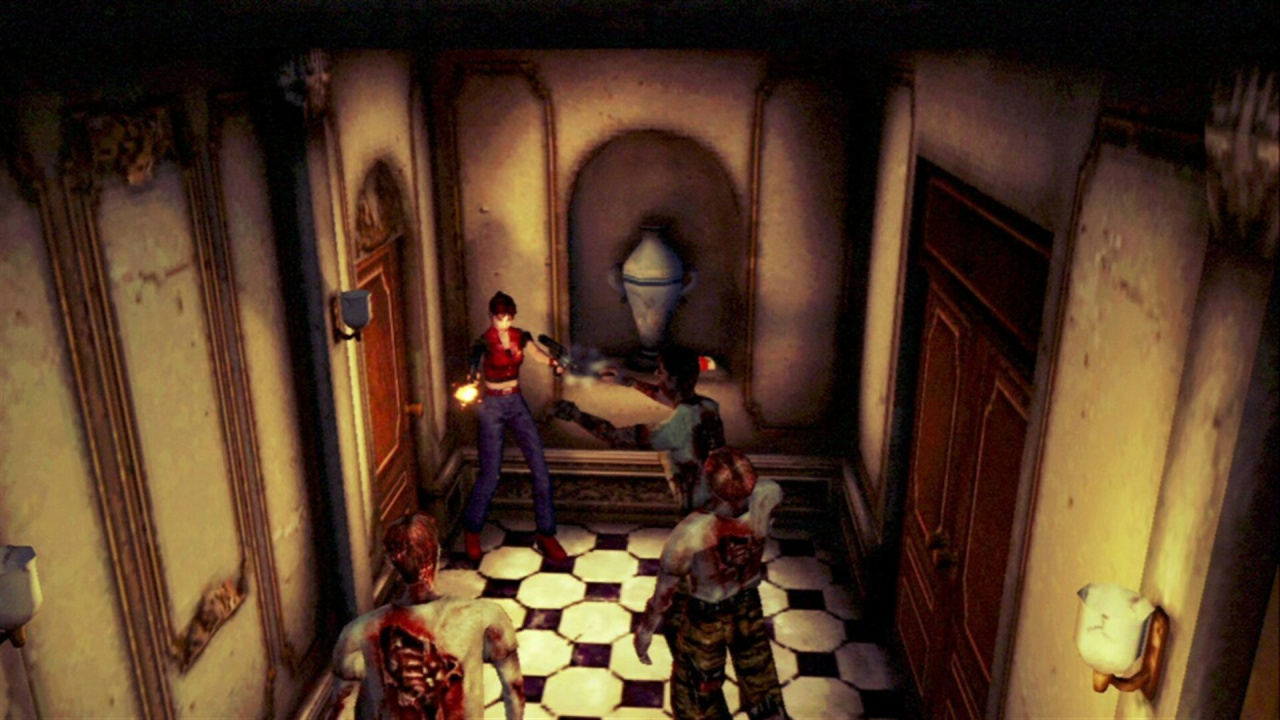
Narrative Depth and Character Profiles
Code: Veronica's narrative expanded upon the established lore of the Resident Evil universe, delving deeper into the conspiracies surrounding Umbrella Corporation and its nefarious experiments. Claire Redfield's character development continued from her appearance in Resident Evil 2, showcasing her resilience and determination. The introduction of new characters, such as Steve Burnside, added fresh perspectives to the story. The game explored themes of betrayal, survival, and the consequences of unchecked scientific ambition.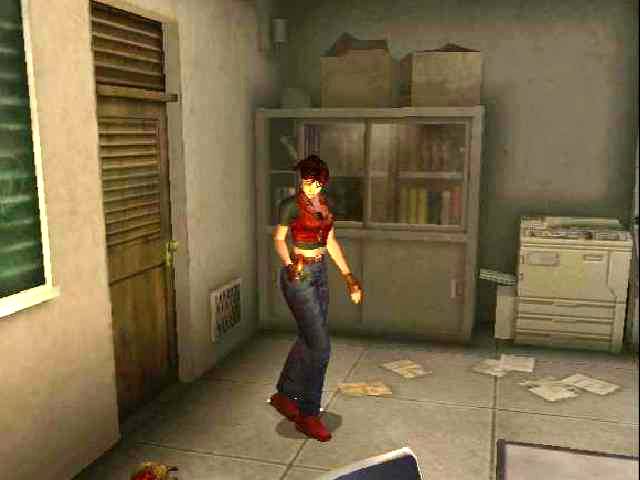
Sound Design and Acoustic Realism
The sound design in Code: Veronica was instrumental in creating a truly immersive horror experience. From the unsettling groans of zombies to the eerie silence of the Antarctic wilderness, every sound effect contributed to the game's atmosphere of dread. The soundtrack, composed by Takeshi Miura, Hijiri Anze, and Sinae Kasahara, perfectly complemented the visuals, enhancing the sense of tension and suspense. The use of directional audio further heightened the feeling of immersion, allowing players to pinpoint the location of threats based on sound alone.
Release Expectations and Community Hype
The announcement of Resident Evil – Code: Veronica generated significant hype within the gaming community. Fans eagerly anticipated Capcom's next installment in the beloved survival horror franchise, particularly given its ambitious move to the Dreamcast platform. The promise of real-time 3D environments and enhanced gameplay mechanics fueled excitement among long-time fans and newcomers alike. Pre-release coverage highlighted the game's potential to redefine the genre and set a new standard for survival horror experiences.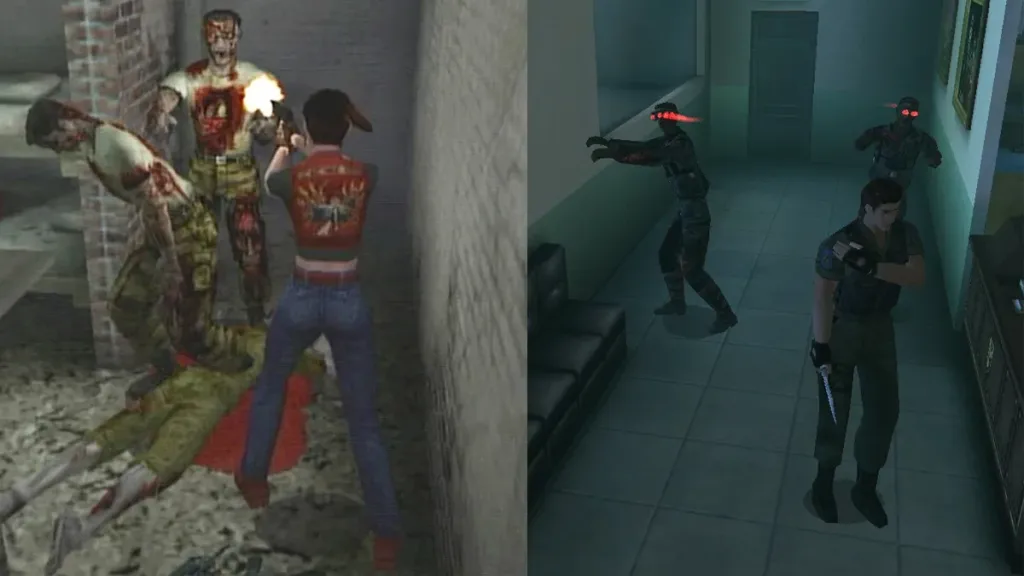
Conclusion: The Future of Resident Evil – Code: Veronica
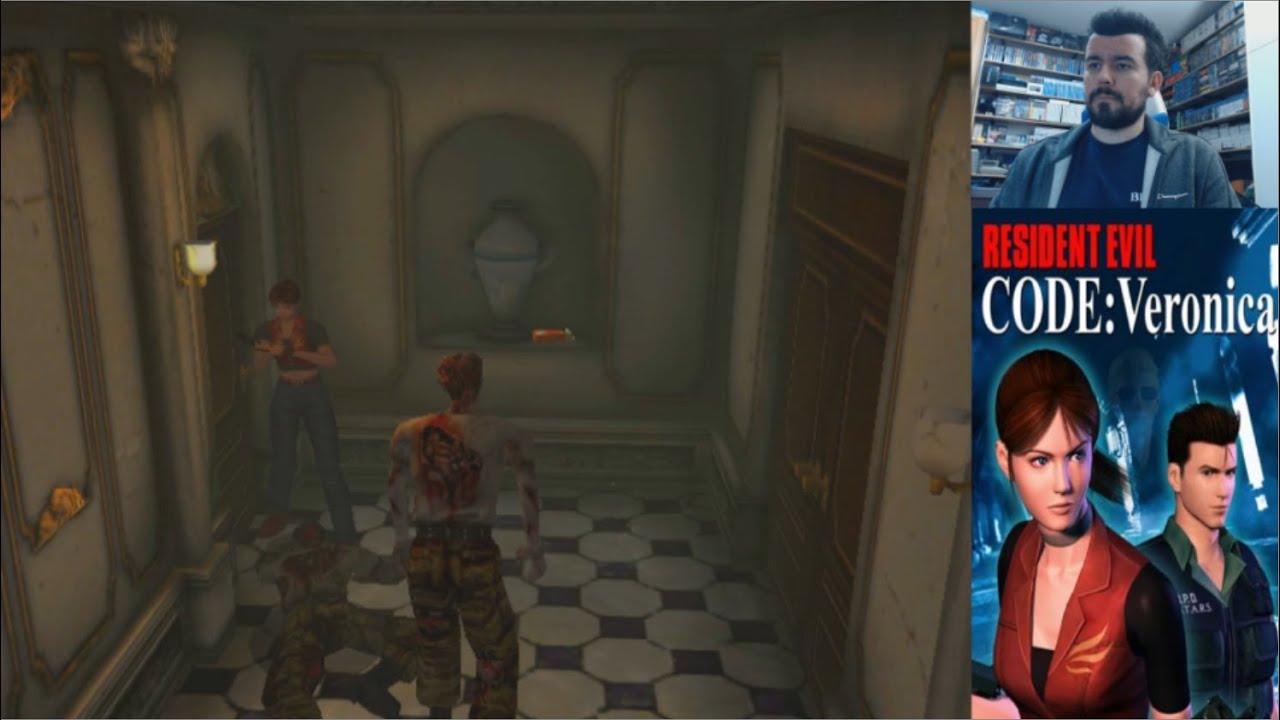
Resident Evil – Code: Veronica stands as a testament to Capcom's commitment to innovation within the survival horror genre. Its groundbreaking use of real-time 3D environments, combined with its compelling narrative and challenging gameplay, cemented its place as a classic in the franchise's history. While limited by the hardware of the Dreamcast, the game pushed the console to its limits, delivering an unforgettable experience that continues to resonate with gamers today. [[INJECT_VIDEO]] The legacy of Code: Veronica paved the way for future installments in the Resident Evil series, inspiring developers to push the boundaries of what was possible within the survival horror genre.

Source: Wikipedia
Google Preferred Source
Add us to your favorite news sources on Google
Get instant updates and breaking news directly in Google News