

Über dieses Spiel
Introduction: The Next Chapter for Ratchet & Clank Future: Tools of Destruction
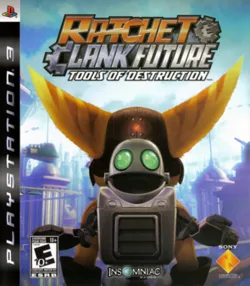
Ratchet & Clank Future: Tools of Destruction, released in 2007, marked a significant leap forward for the beloved franchise. Moving beyond the PlayStation 2 and PSP, this title was built from the ground up for the PlayStation 3, leveraging its enhanced hardware capabilities to deliver a visually stunning and mechanically refined experience. This installment not only continued the core gameplay loop of shooting and platforming that defined the series but also introduced new weapons, gadgets, and environments, solidifying its place as a cornerstone in the Ratchet & Clank legacy. It was more than just a port; it was a reimagining designed to showcase the power of next-generation gaming.
Visual Direction and Graphics Engineering
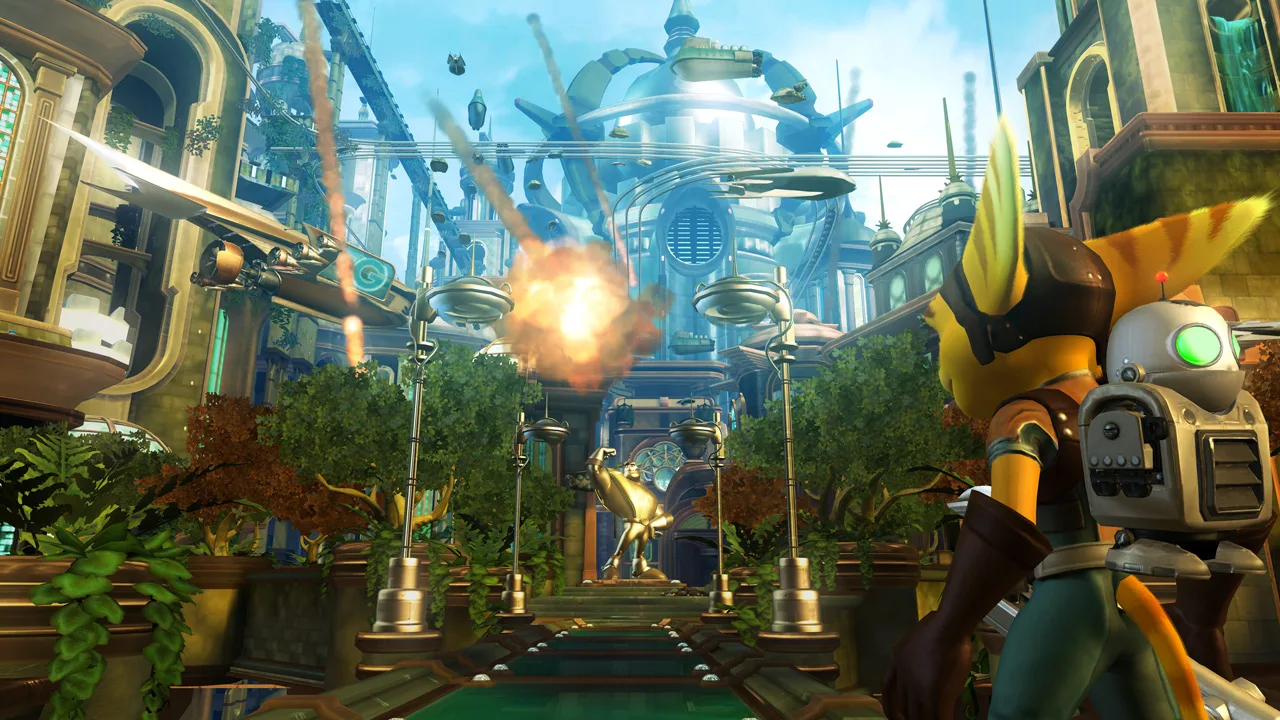
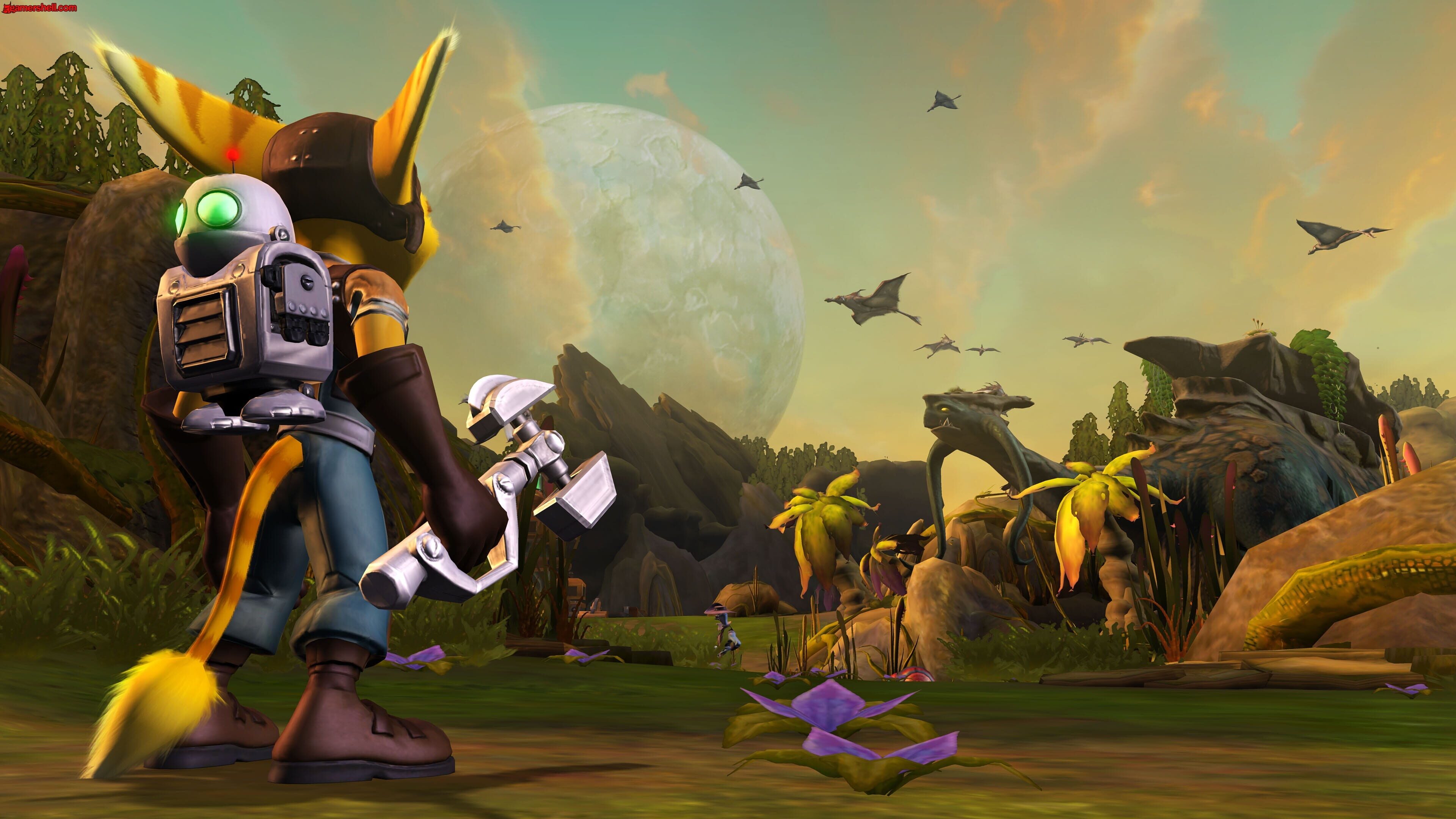
Tools of Destruction pushed the visual boundaries of what was possible on the PS3 at the time. Insomniac Spiele’ proprietary engine allowed for incredibly detailed character models, expansive environments teeming with life, and spectacular special effects. The game employed advanced rendering techniques to create a sense of depth and scale that was previously unattainable in the series. The lighting system, in particular, played a crucial role in establishing the mood and atmosphere of each planet, from the lush jungles of Veldspar to the desolate landscapes of Cranius. While some textures might appear dated by today’s standards, the overall artistic direction remains impressive, showcasing a commitment to visual fidelity that was ahead of its time. The use of cel-shading, while still present, felt more refined and integrated with the environment, enhancing the cartoonish aesthetic without sacrificing detail.
Gameplay Mechanics and Core Systems
The core gameplay loop remained faithful to the series’ roots: a blend of third-person shooting and acrobatic platforming. Ratchet, as always, was the primary combatant, wielding an arsenal of increasingly powerful weapons. Clank continued to play a supporting role, providing tactical assistance and occasionally taking control for puzzle-solving segments. New additions included the “Transmogrifier,” a device that allowed Ratchet to transform enemies into helpful allies, adding a unique strategic element to combat encounters. The weapon upgrades were more extensive than in previous installments, allowing players to customize their arsenal to suit their preferred playstyle. The game also introduced new movement options for Ratchet, such as the ability to wall-run and perform double jumps, further enhancing the fluidity of gameplay.
Level Design and World Atmosphere
Tools of Destruction featured a diverse range of planets, each with its own distinct visual style and gameplay challenges. From the vibrant cityscapes of Metropolis to the treacherous swamps of Bogon, each environment felt meticulously crafted to provide a unique experience. The level design was generally linear but offered ample opportunities for exploration and discovery. Hidden areas often contained valuable collectibles and unlockable content, rewarding players who took the time to venture off the beaten path. The game’s atmosphere was enhanced by its dynamic weather systems and day-night cycles, which added another layer of immersion.
Narrative Depth and Character Profiles
While maintaining the lighthearted tone characteristic of the series, Tools of Destruction delved deeper into the motivations of its characters. The story revolved around a conflict between the Galactic Rangers and the tyrannical Chairman Takabali, exploring themes of justice, freedom, and sacrifice. Ratchet’s character arc saw him grappling with his role as a hero and coming to terms with the responsibilities that came with it. Clank continued to provide Ratchet with moral support and strategic guidance, while new characters like Qwark added humor and levity to the narrative.
Sound Design and Acoustic Realism
The sound design in Tools of Destruction was crucial in creating an immersive and engaging experience. The game featured a dynamic soundtrack that seamlessly blended orchestral scores with electronic music, perfectly complementing the on-screen action. Weapon sounds were impactful and satisfying, while environmental effects added to the sense of realism. The voice acting was generally well-executed, bringing the characters to life and adding personality to the narrative.
Release Expectations and Community Hype
The release of Tools of Destruction was highly anticipated by fans of the Ratchet & Clank series. The move to the PlayStation 3 promised a significant upgrade in terms of graphics and gameplay, and early previews generated considerable buzz. The game’s unique blend of humor, action, and platforming appealed to a wide audience, and its positive reception further solidified its place as a must-have title for PS3 owners. The DualShock 3 rumble support was also a notable feature, adding another layer of tactile feedback to the gameplay experience.
Conclusion: The Future of Ratchet & Clank Future: Tools of Destruction
Ratchet & Clank Future: Tools of Destruction remains a landmark achievement in the franchise’s history. It successfully transitioned the series to the PlayStation 3 while retaining the core elements that made it so beloved. [[INJECT_VIDEO]] While some aspects may show their age, its innovative gameplay mechanics, stunning visuals, and engaging story continue to resonate with players today. It served as a crucial stepping stone for future installments in the series, paving the way for even greater heights of innovation and creativity. The game’s legacy is undeniable, solidifying its place as a true classic in the world of gaming.
Source: Wikipedia
Galerie




Diskutieren Sie mit