Introduction: The Next Chapter for Project Torque
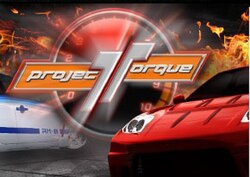
Project Torque, a multiplayer online racing game (MMORG), has experienced a complex history marked by multiple iterations and regional variations. Originally developed by Invictus Games and published initially by Aeria Games & Entertainment, it later transitioned to Jogara Ltd. in 2019. Known as Level-R outside North America and HEAT Online in its 2010 North American release, the game has always centered around high-octane racing with a strong emphasis on vehicle tuning and customization. This deep dive will explore Project Torque's technical achievements, gameplay mechanics, and overall impact on the online racing genre.
Visual Direction and Graphics Engineering
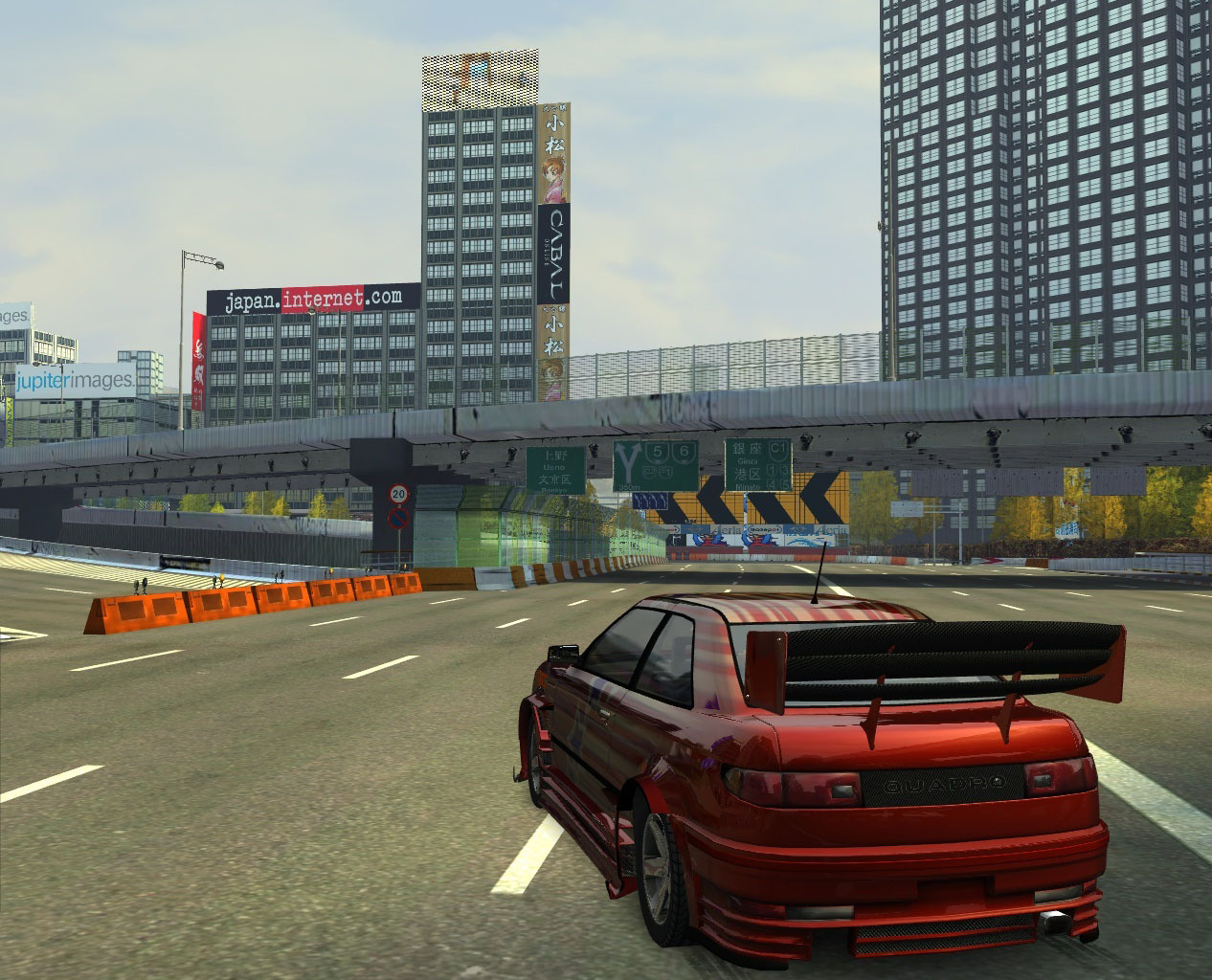
Project Torque utilized a proprietary next-gen engine, aiming for a visually engaging experience. While specific details about the engine's architecture remain scarce, early previews suggested an attempt to balance visual fidelity with performance optimization for a wide range of hardware configurations. The game featured detailed car models, allowing players to appreciate the nuances of their chosen vehicles. The environments, while not always photorealistic, were designed to be diverse and engaging, ranging from urban landscapes to winding mountain roads. The visual style leaned towards a slightly stylized aesthetic, aiming for a balance between realism and artistic flair.Gameplay Mechanics and Core Systems
The core gameplay of Project Torque revolved around competitive online racing. Players could choose from a variety of vehicles, each with its own unique handling characteristics and performance attributes. A key element was the extensive customization system, allowing players to fine-tune their cars' engines, suspensions, and aerodynamics to optimize them for different track conditions and driving styles. The game featured various race modes, including circuit racing, time trials, and elimination events, providing a diverse range of challenges for players of all skill levels.Level Design and World Atmosphere
Project Torque's level design played a crucial role in creating an immersive and engaging experience. The tracks were designed to be both challenging and rewarding, featuring a mix of tight corners, long straights, and dynamic elements such as weather effects and traffic. The environments themselves were diverse, ranging from bustling cityscapes to picturesque countryside settings. This variety helped to keep the gameplay fresh and exciting, encouraging players to explore different tracks and discover new driving techniques.Narrative Depth and Character Profiles
While Project Torque primarily focused on gameplay, it did incorporate elements of narrative depth through in-game events and character interactions. These elements added a layer of context to the racing experience, providing players with a sense of progression and accomplishment. The game's online community also played a significant role in shaping the overall narrative, as players formed teams, competed for championships, and forged lasting friendships.Sound Design and Acoustic Realism
The sound design in Project Torque was carefully crafted to enhance the immersive experience. Realistic engine sounds, tire squeals, and collision effects helped to bring the game's world to life. The soundtrack, while not always prominent, complemented the gameplay and added to the overall atmosphere. The audio cues also played a crucial role in providing players with feedback on their performance, such as indicating when they were approaching a corner or losing traction.Release Expectations and Community Hype
The release of Project Torque generated significant hype within the online racing community. Players eagerly anticipated the opportunity to compete against each other in high-octane races and customize their dream cars. The game's unique blend of gameplay mechanics, visual style, and online features set it apart from its competitors and helped to establish a dedicated fanbase.Conclusion: The Future of Project Torque
Project Torque represents an interesting chapter in the history of online racing games. While its development has been marked by various iterations and regional variations, the game's core appeal lies in its blend of competitive gameplay, extensive customization options, and vibrant online community. Its legacy continues to inspire developers and players alike, demonstrating the enduring power of immersive gaming experiences.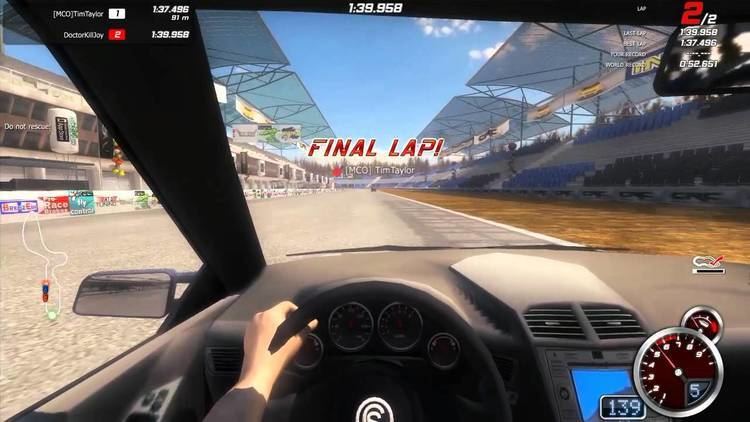
Source: Wikipedia
Google Preferred Source
Add us to your favorite news sources on Google
Get instant updates and breaking news directly in Google News