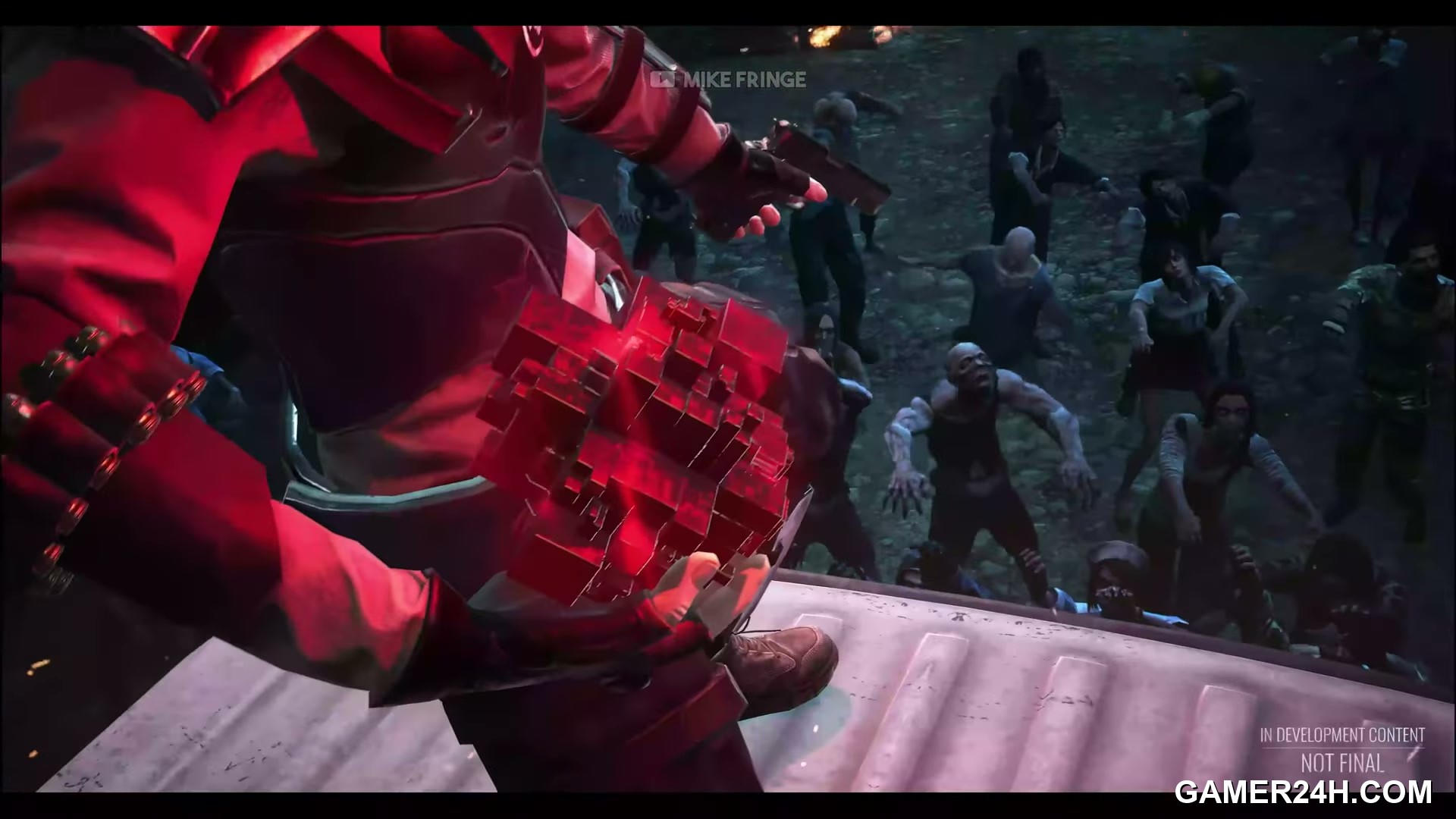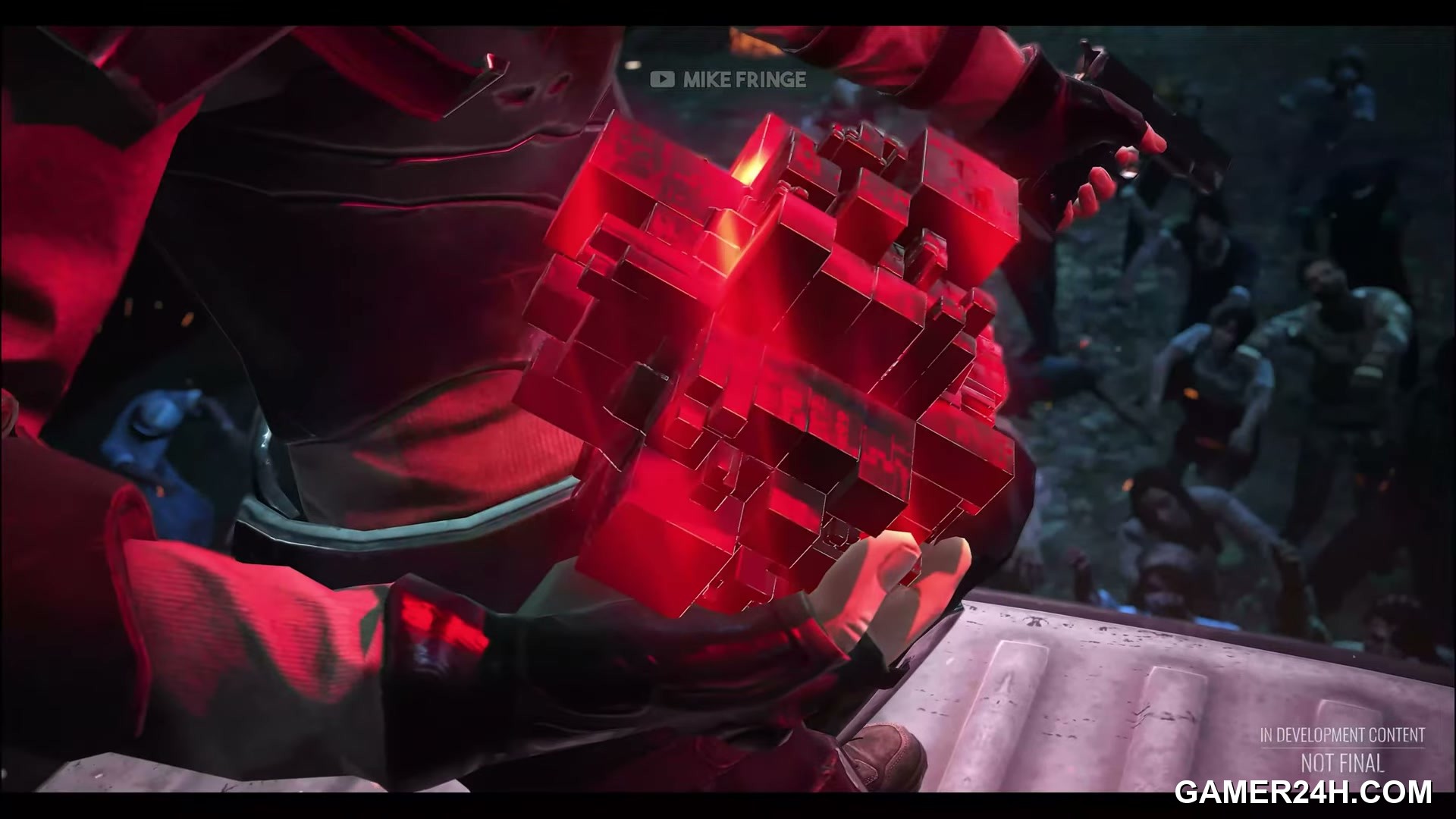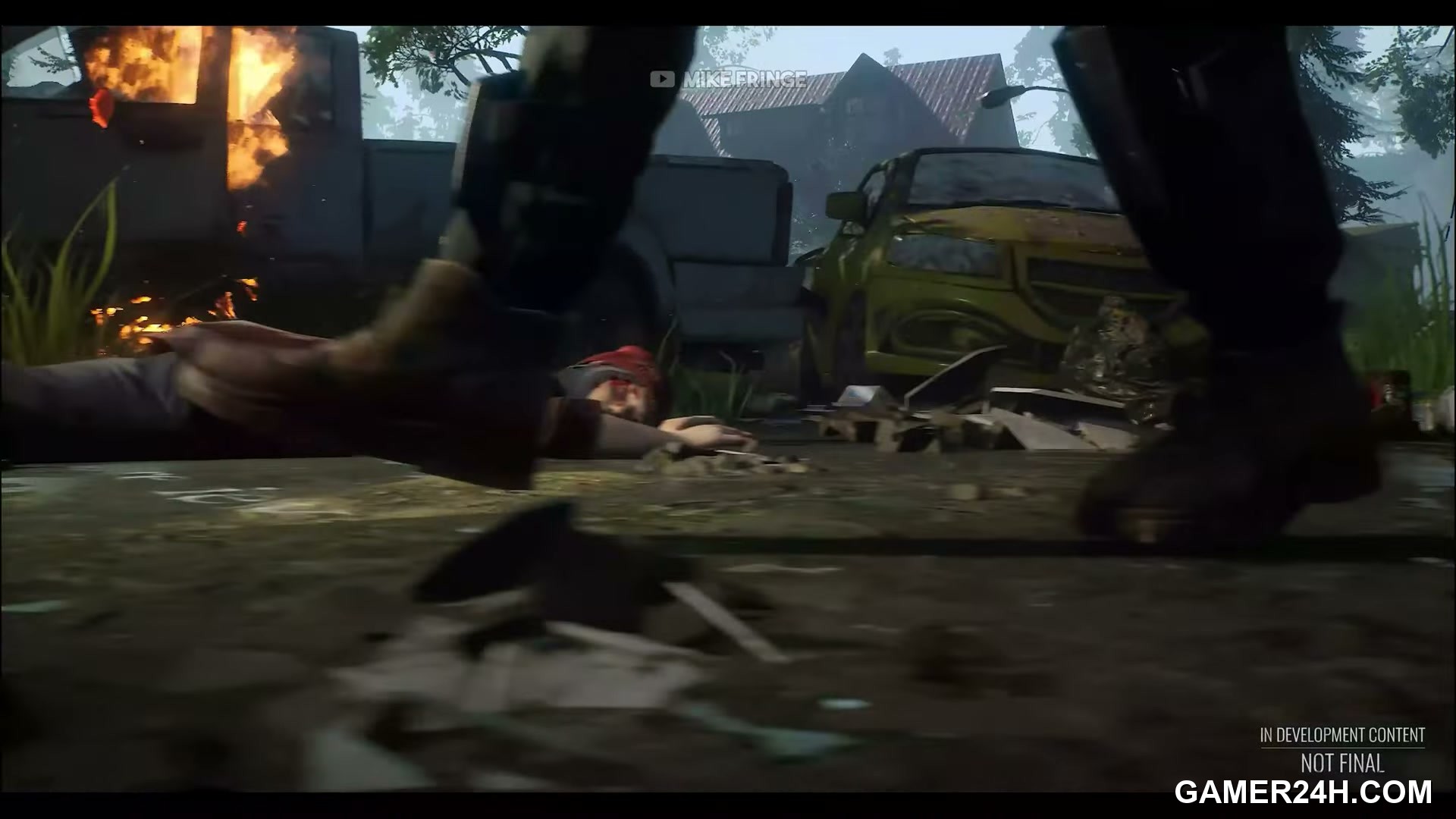
Introduction: Stealth Espionage Reimagined
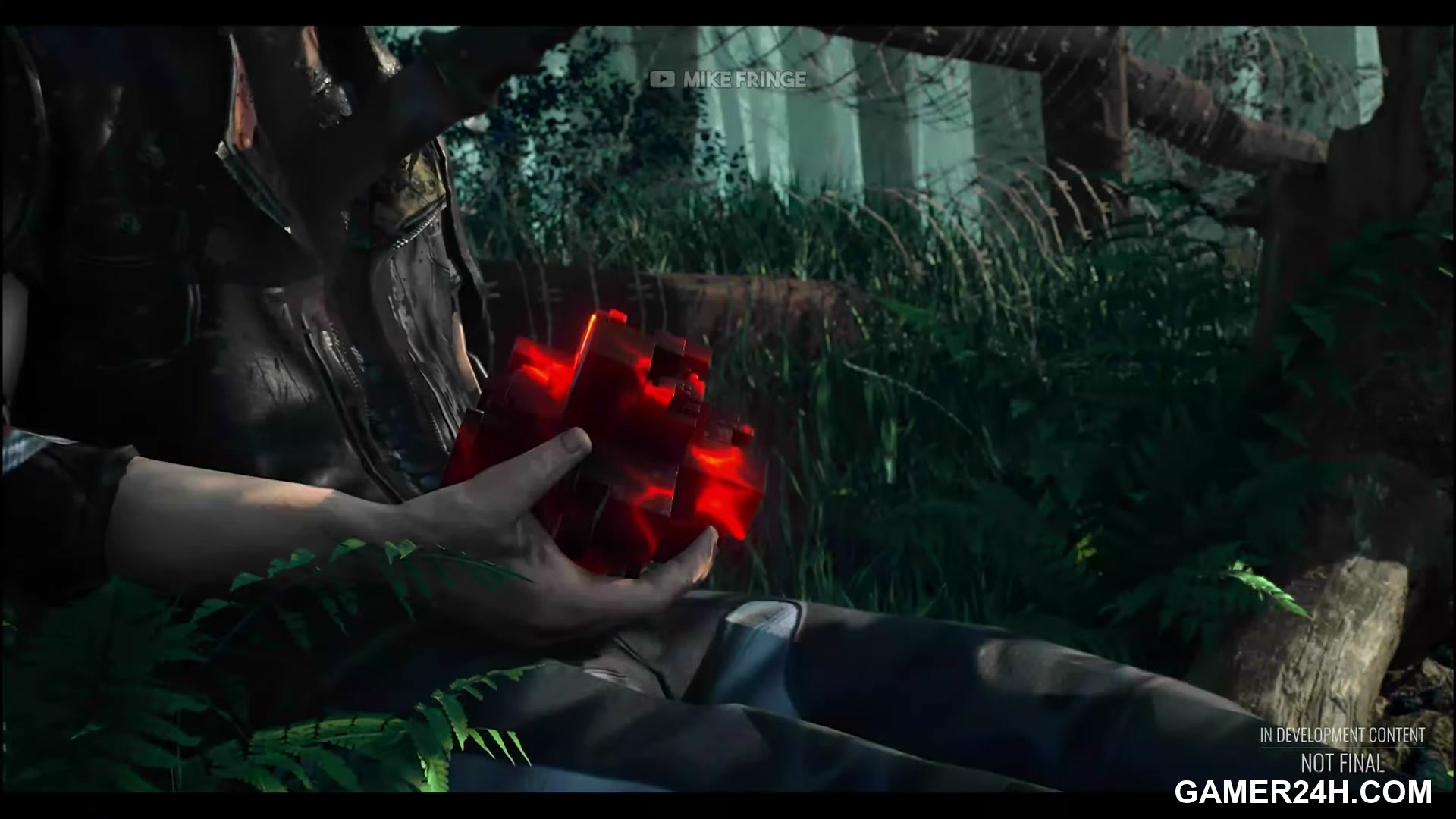
Project Survival, developed by Magnus Games Studio and set to launch this fall, represents a significant leap forward in the realm of survival games with an espionage twist. This article delves into the game's cutting-edge features, immersive narrative, and groundbreaking gameplay mechanics that promise to redefine what it means to be both a spy and survivor in a world on the brink of collapse.
Visual Splendor: Pushing the Limits of Unreal Engine 5
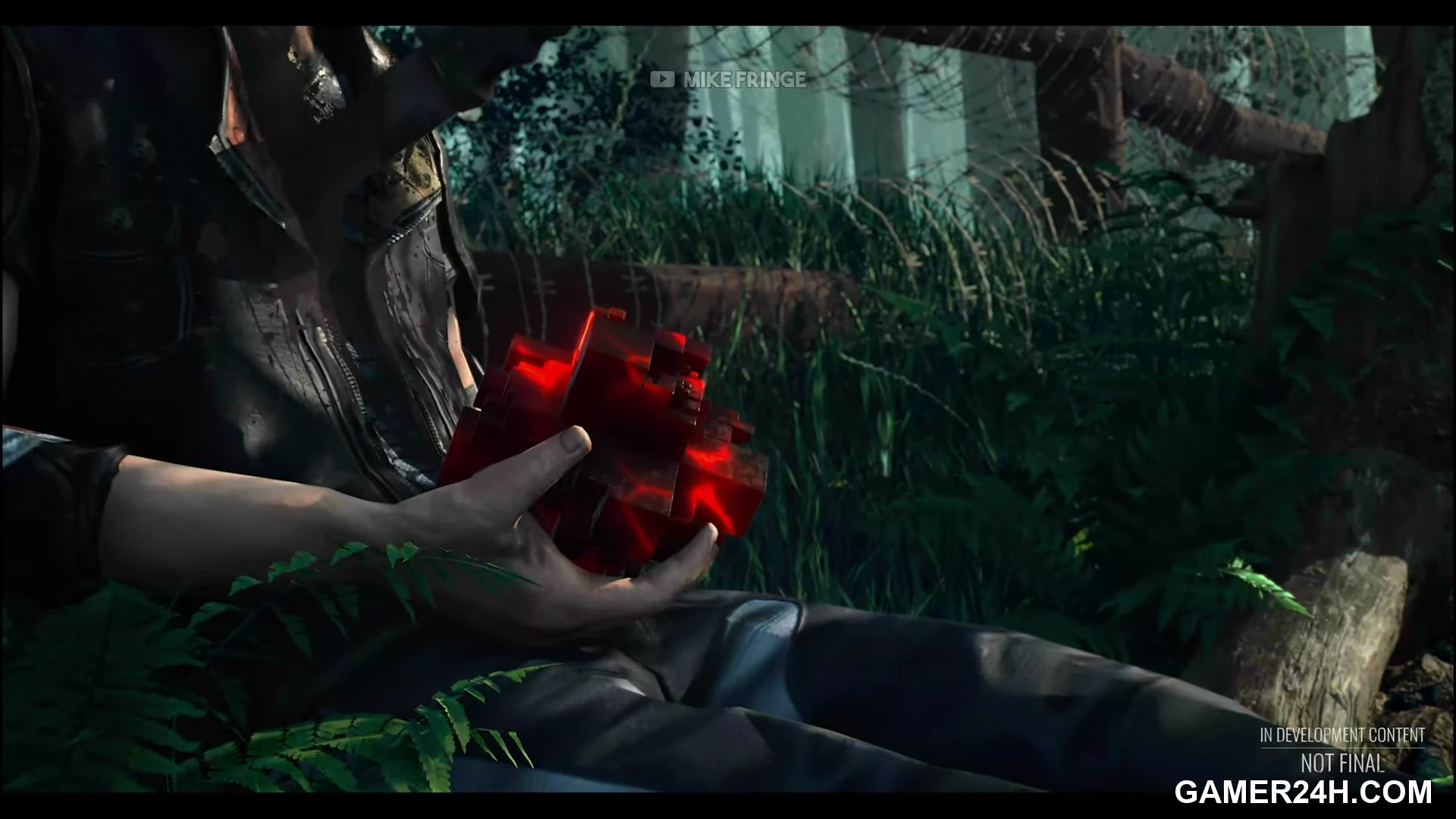
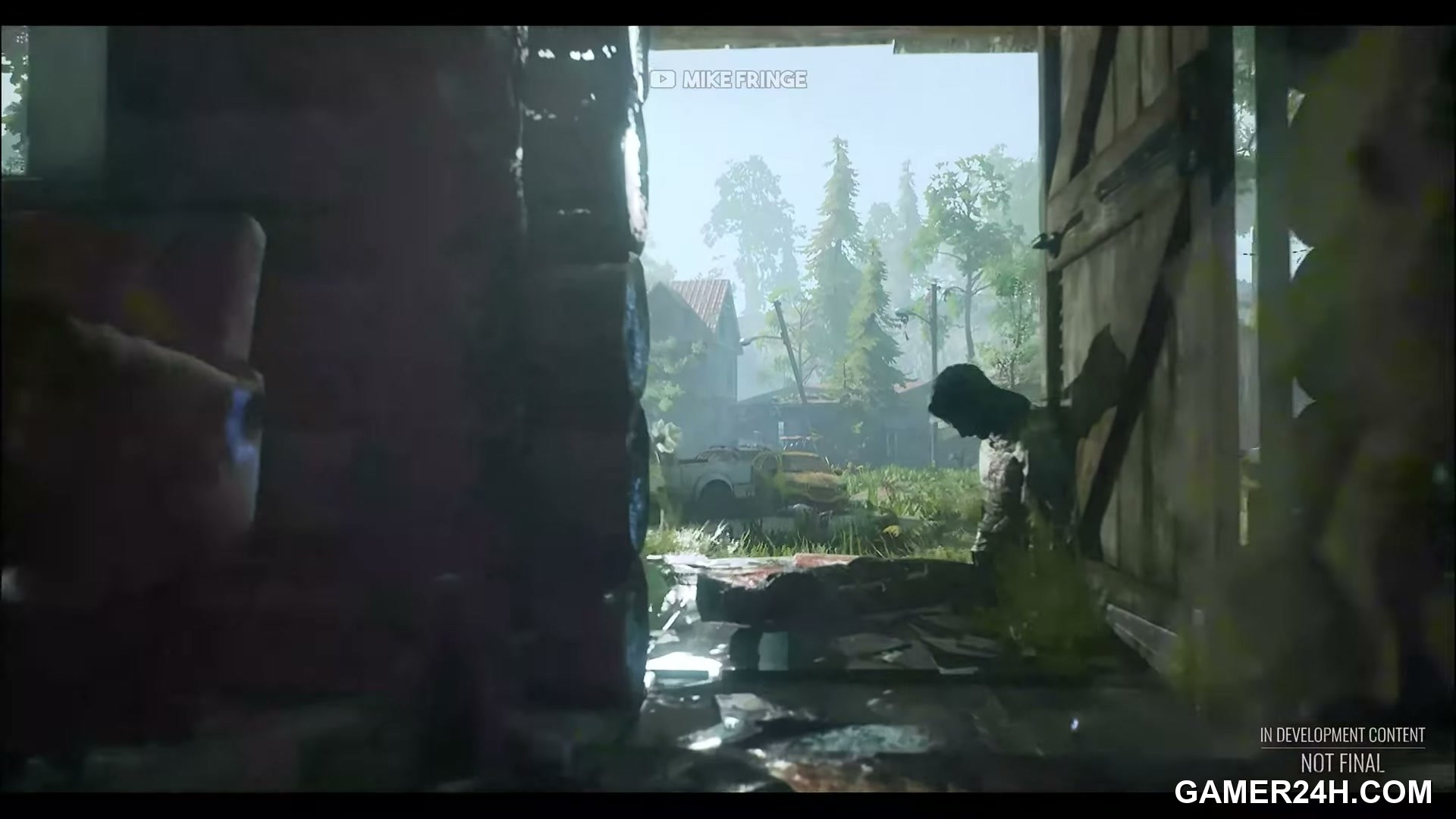
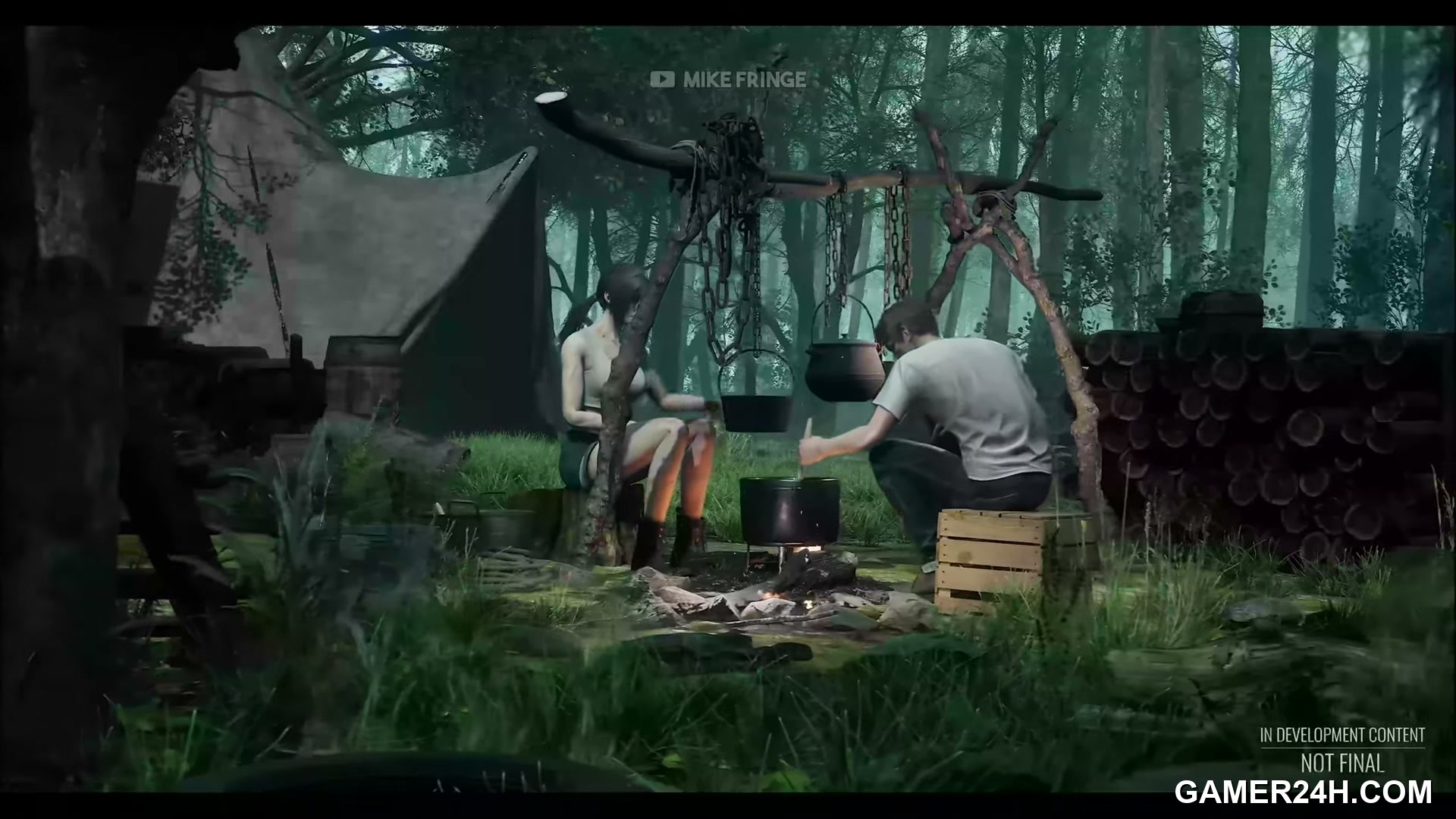
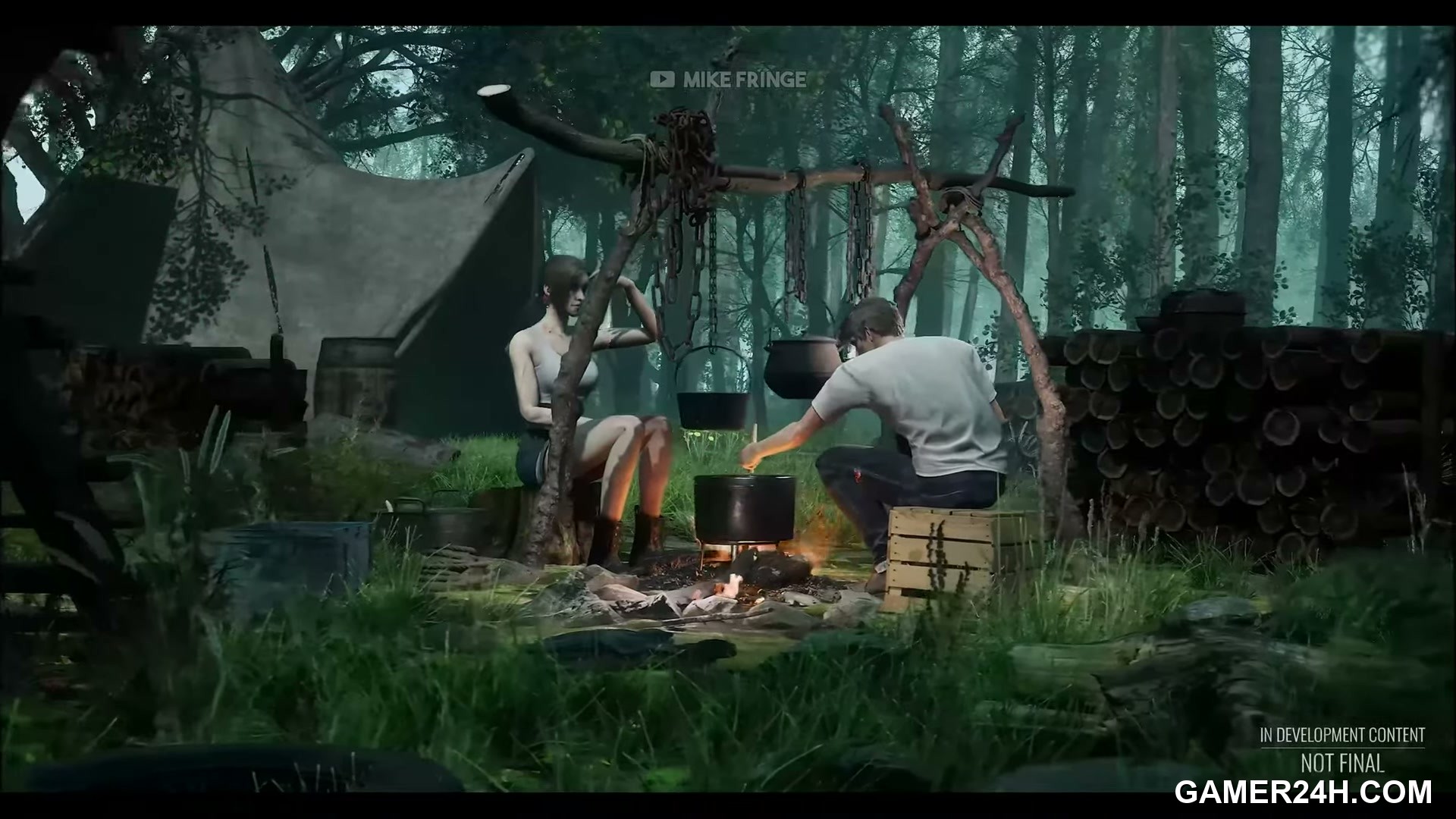
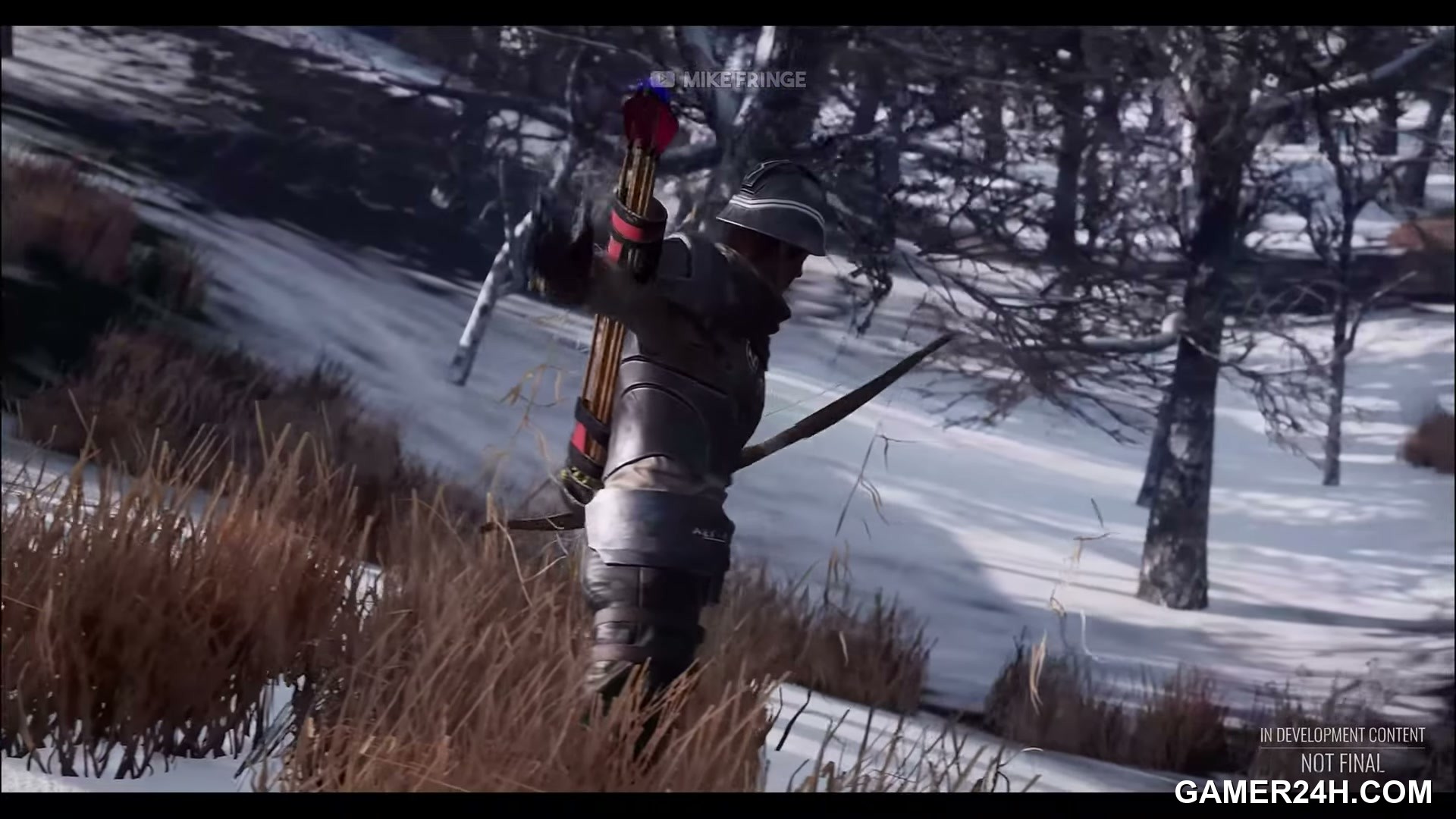
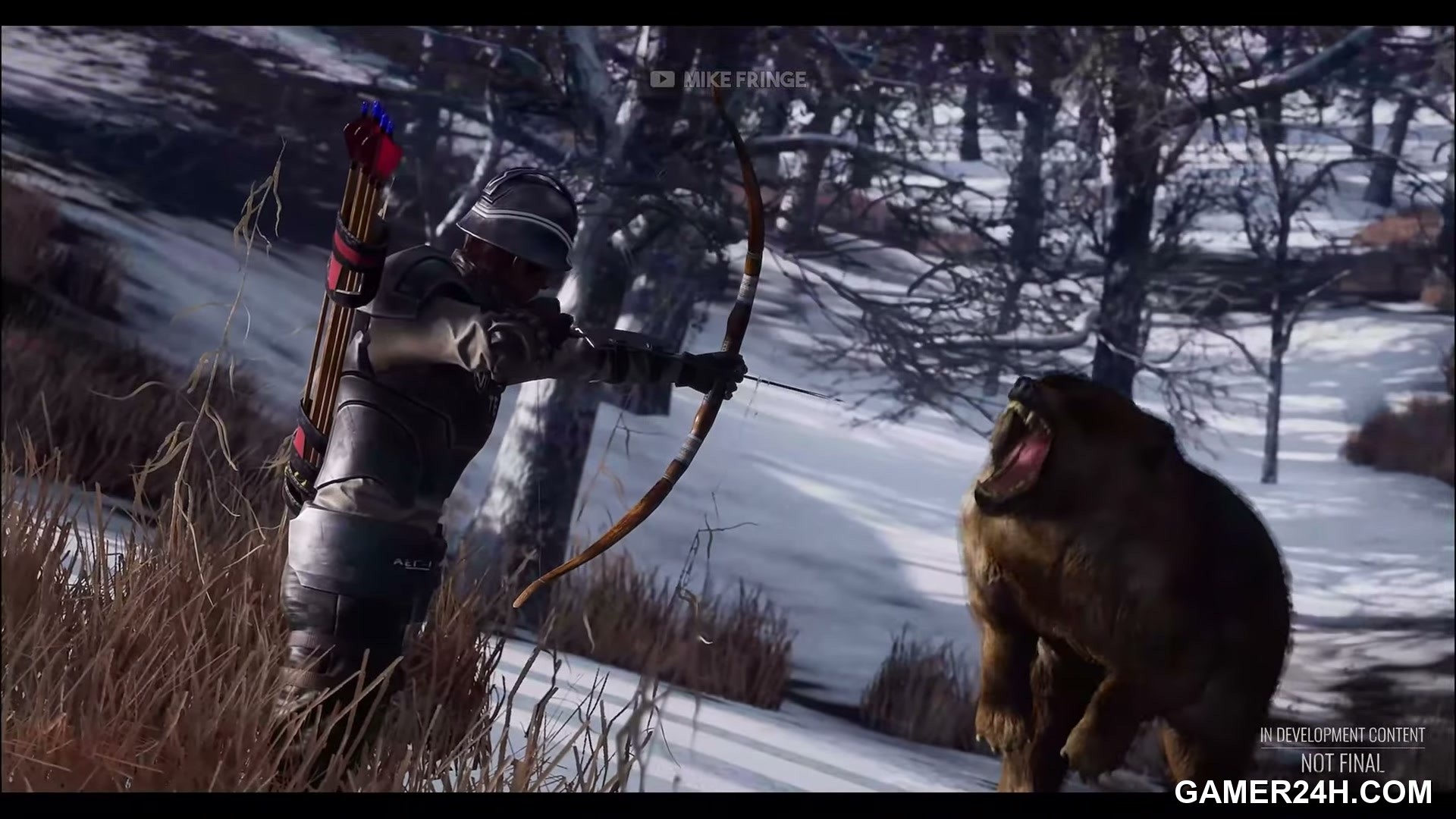
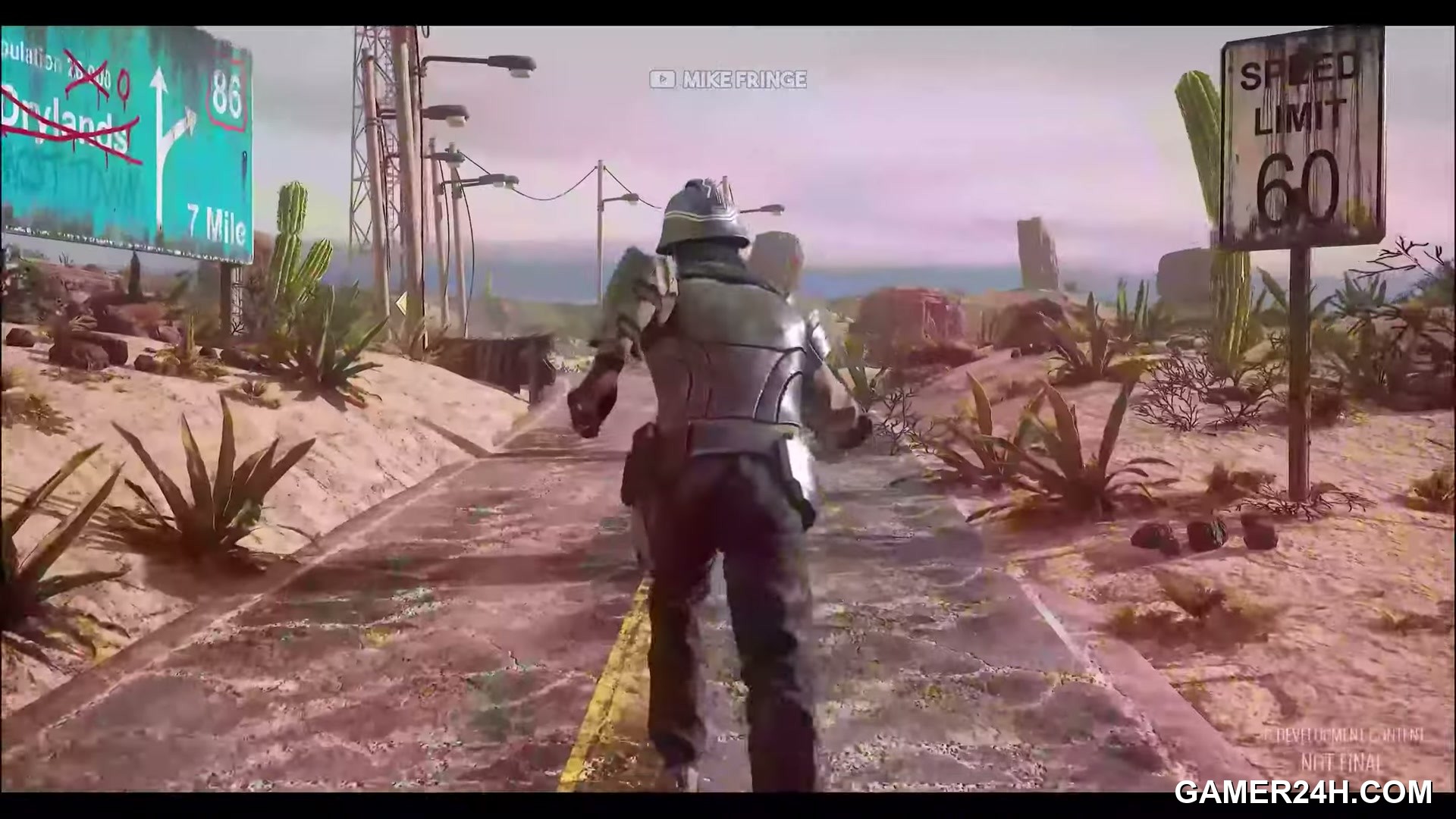
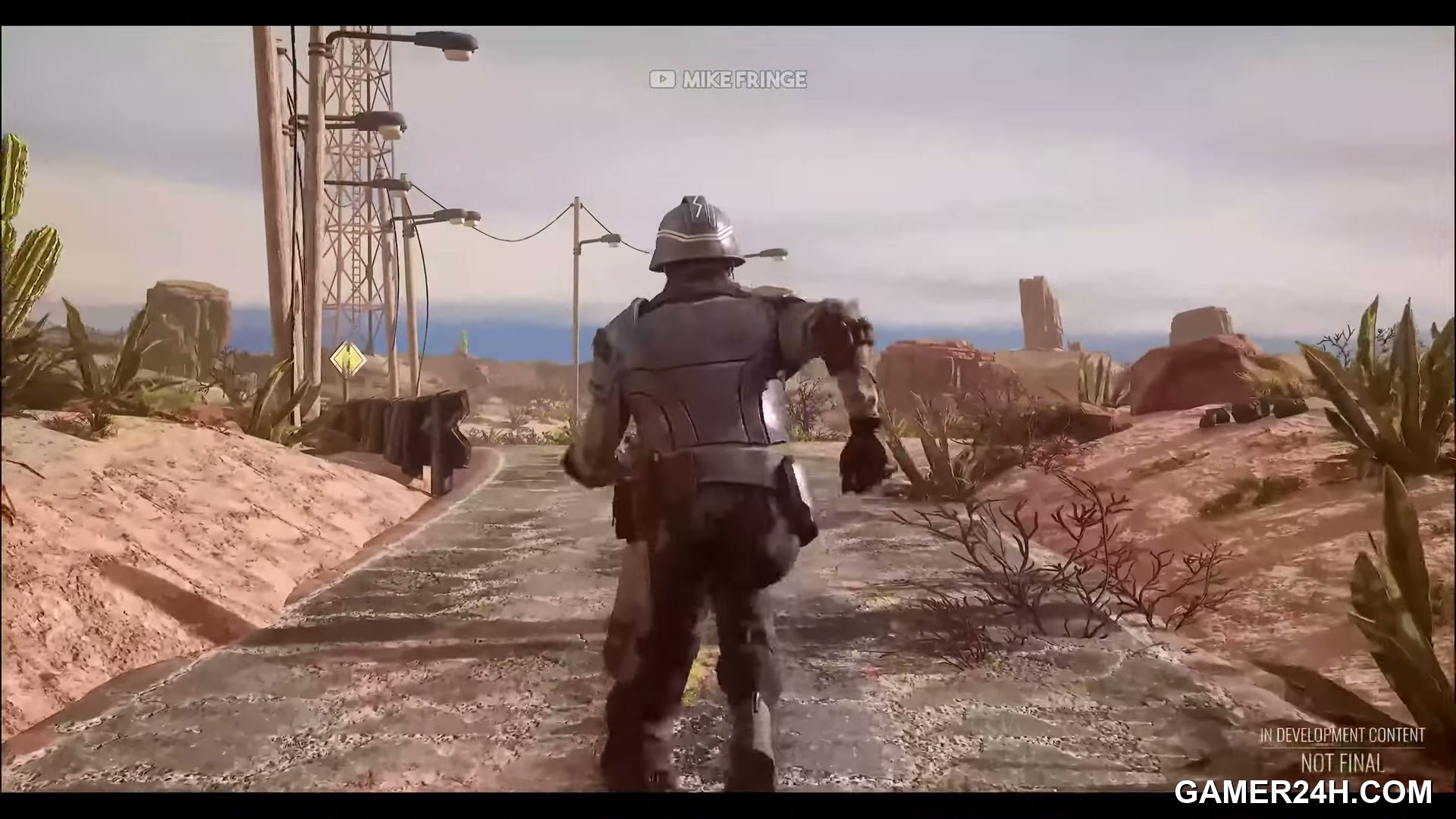
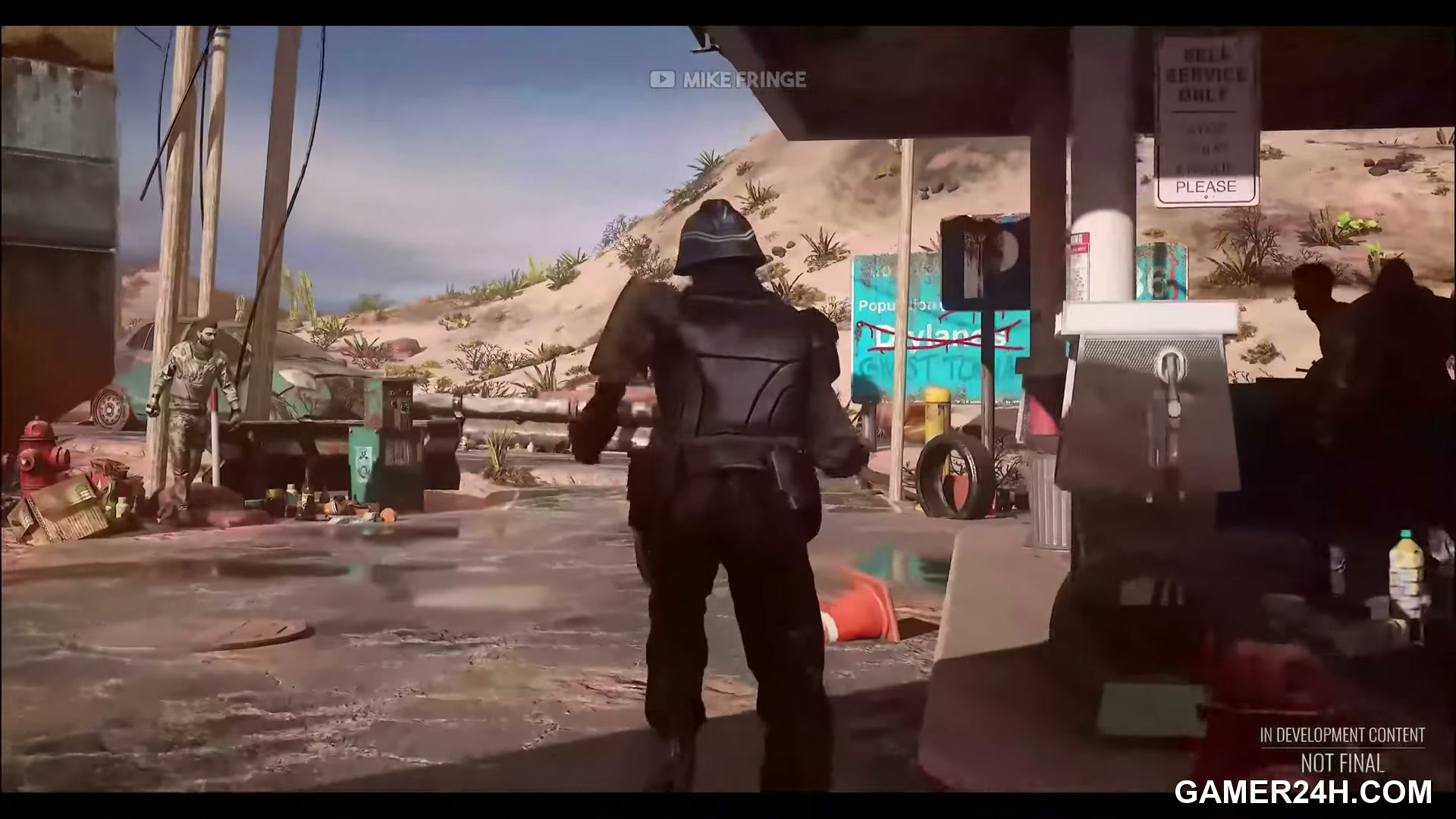
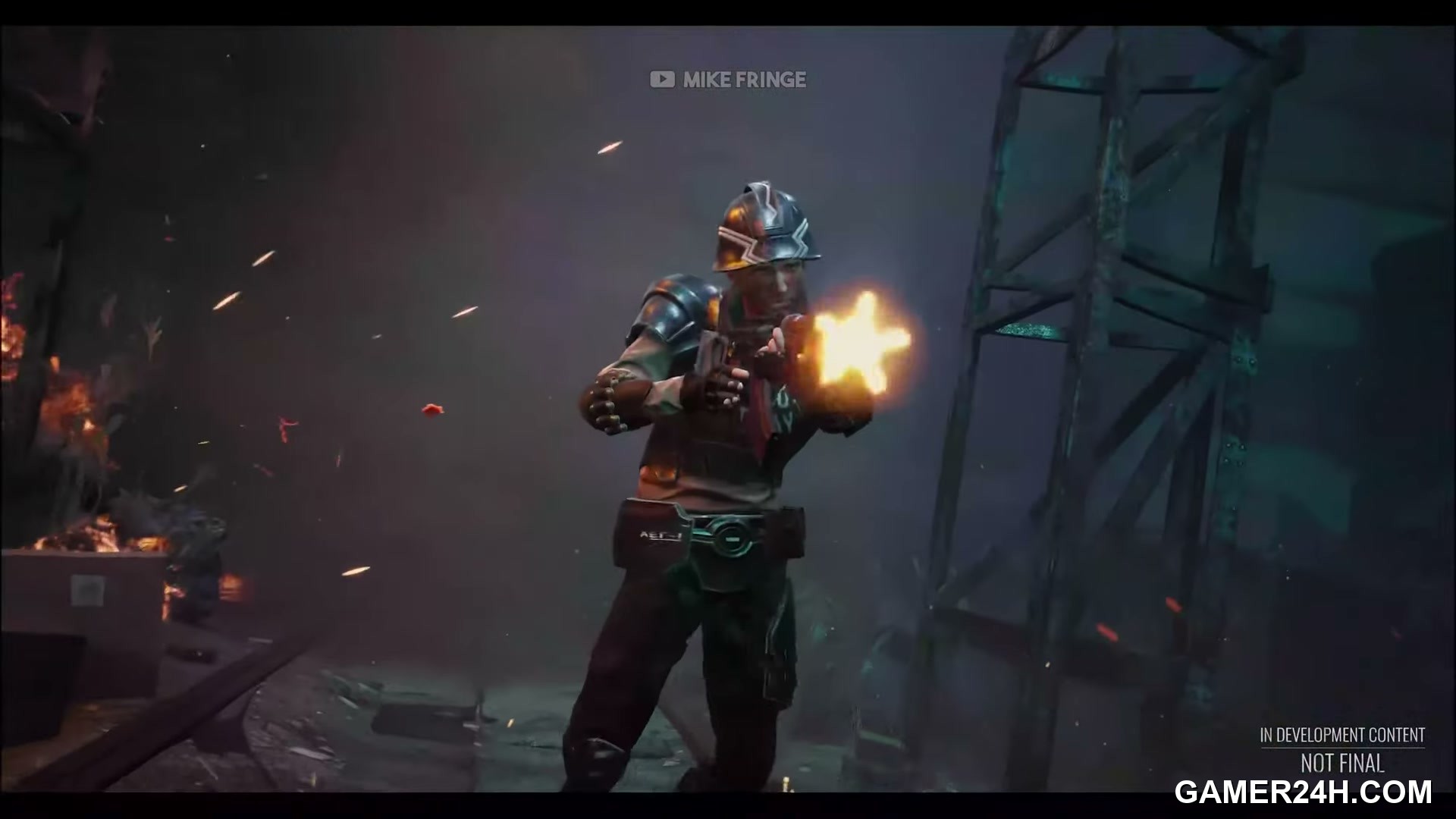
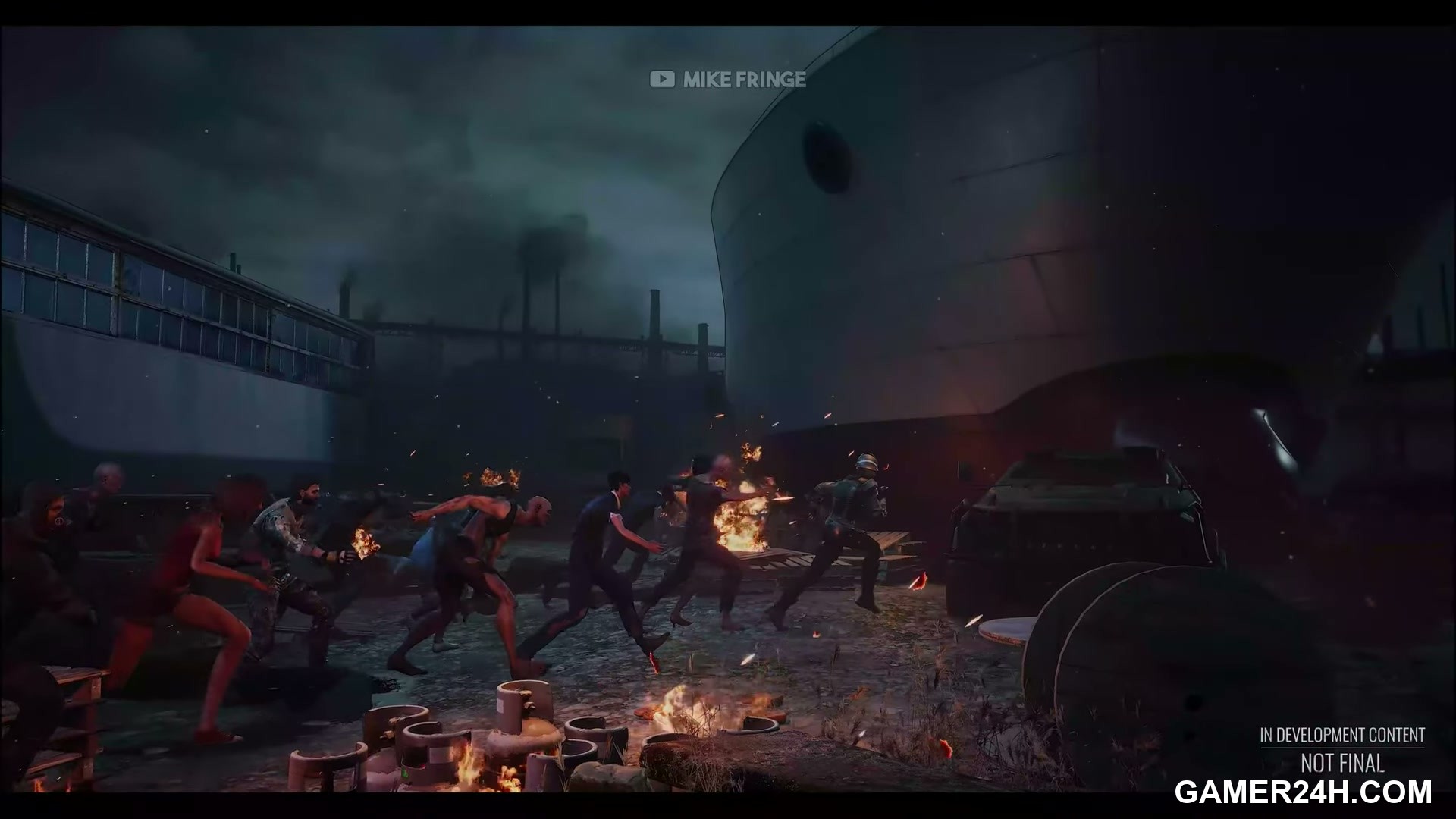
Project Survival is crafted using the latest iteration of Epic Games' Unreal Engine, which allows Magnus Games Studio to deliver unparalleled visual fidelity and performance. The game's environments range from the bustling streets of a futuristic megacity to abandoned rural towns reclaimed by nature. Each setting is meticulously detailed with realistic weather effects, dynamic lighting, and physics-based interactions that make every location feel alive.
One of the most striking aspects of Project Survival's visuals is its color palette. The game employs a muted yet vibrant spectrum that enhances the sense of danger and urgency. This aesthetic choice complements the narrative's tone of secrecy and high stakes, immersing players in a world where every decision can mean life or death.
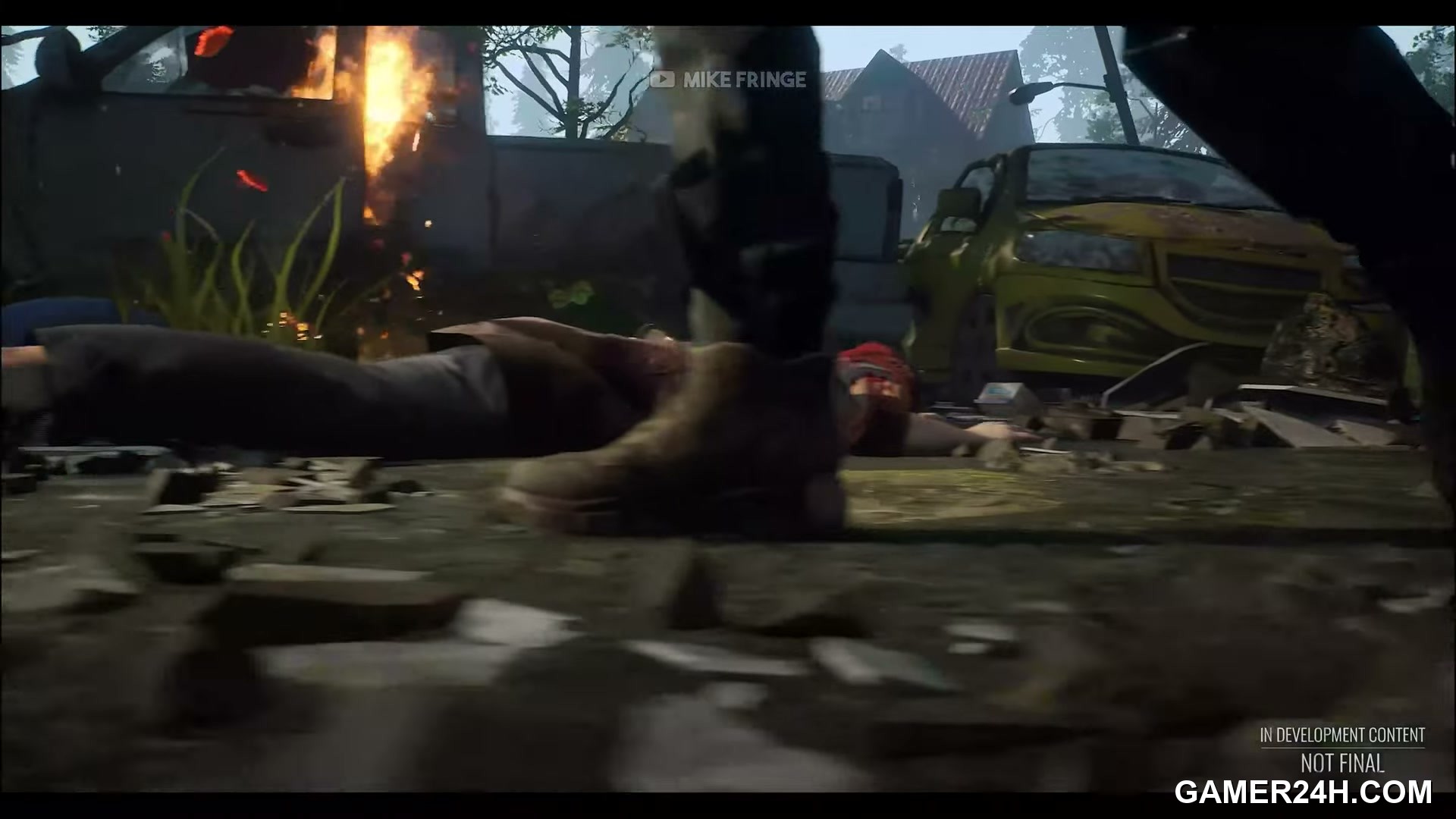
The use of Unreal Engine 5 also enables Project Survival to achieve impressive frame rates even on mid-tier hardware, ensuring that the game remains accessible while still offering top-tier visual quality. This technological prowess is crucial for maintaining player immersion and performance during both stealthy navigation and intense combat sequences.
Combat & Systems: Tactical Espionage and Combat Dynamics
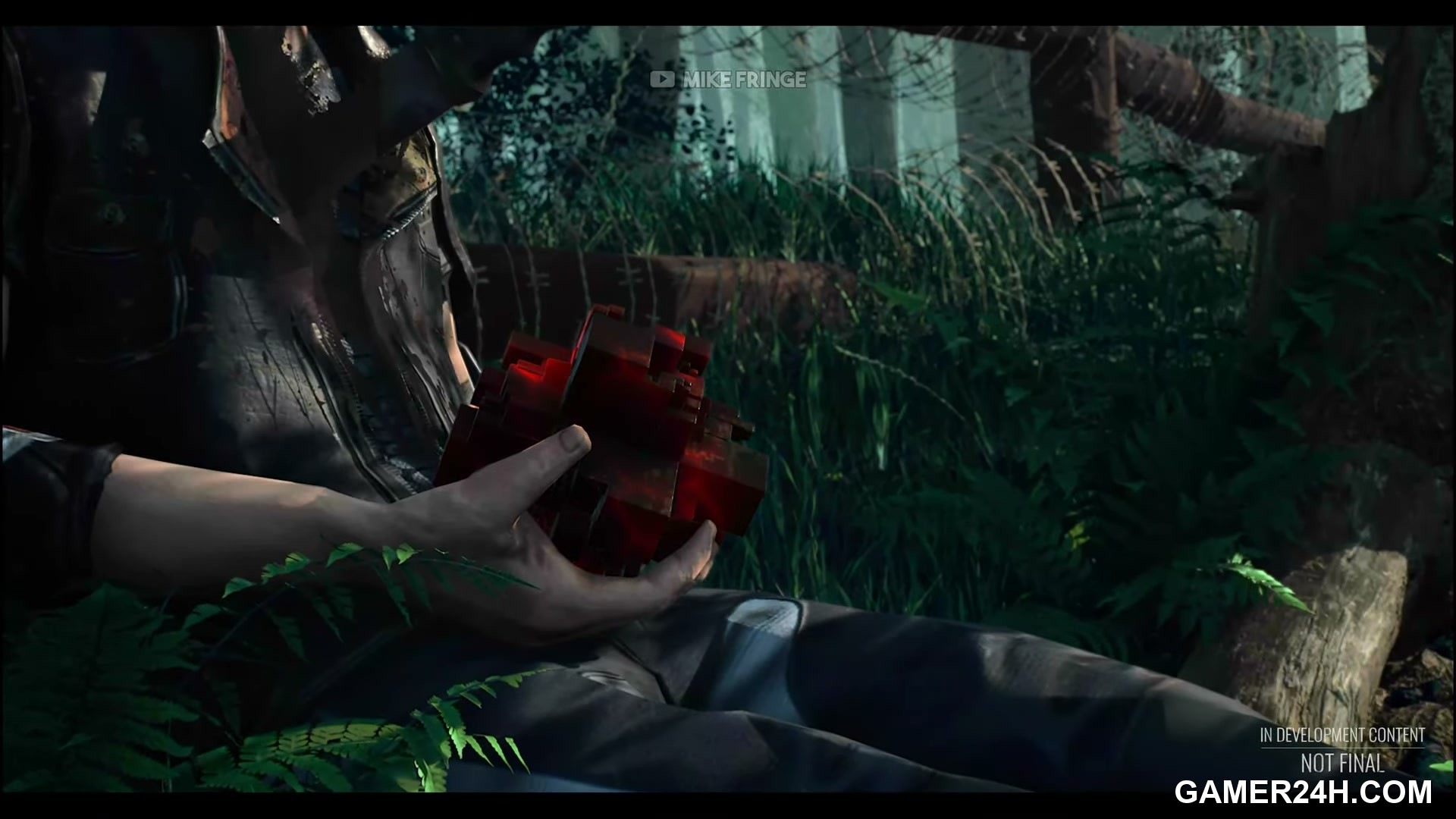
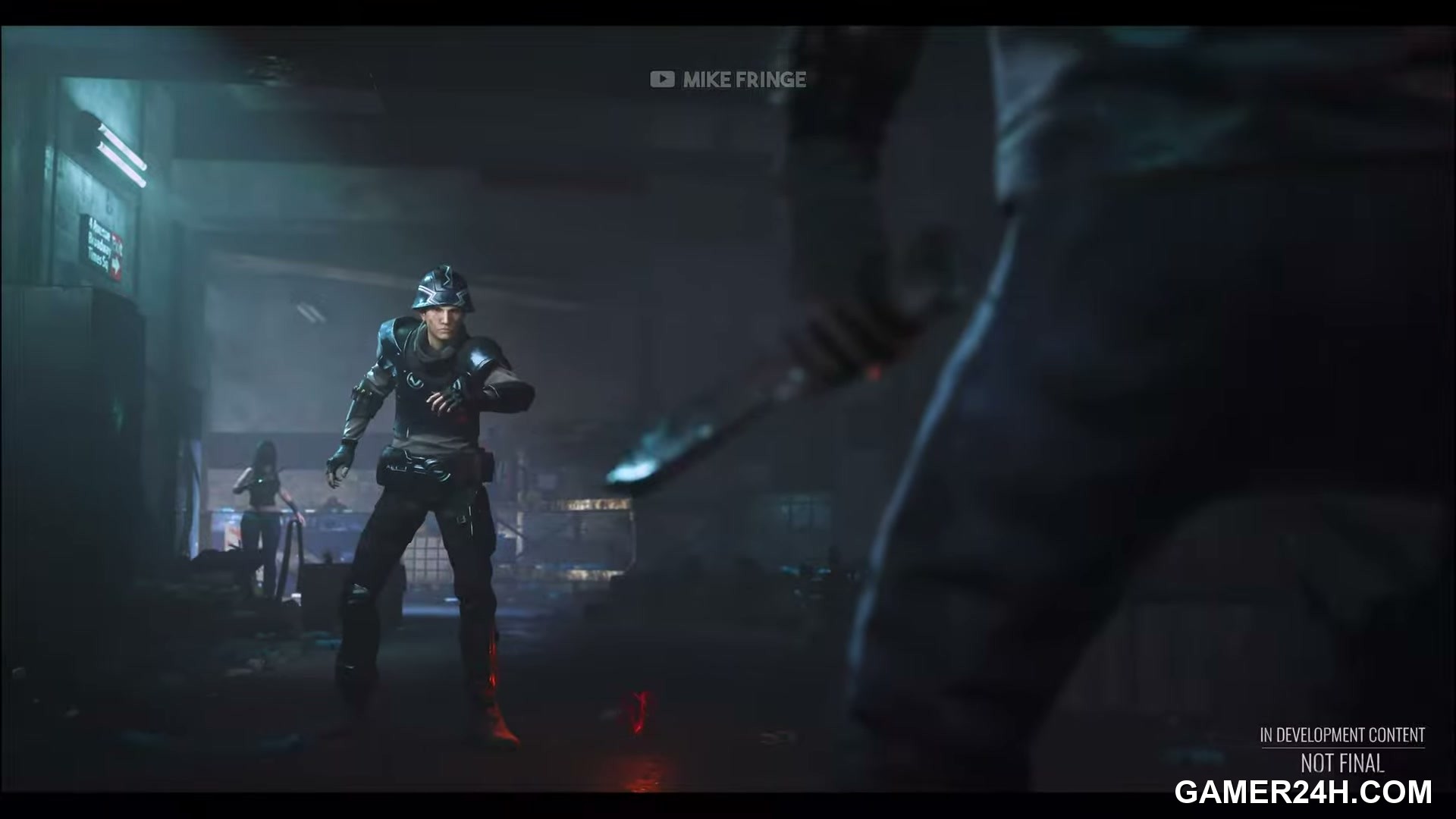
In Project Survival, players must balance the art of espionage with survival tactics in a hostile world. The game's combat system is designed to reward strategic thinking, encouraging players to use stealth and environmental elements rather than relying solely on brute force.
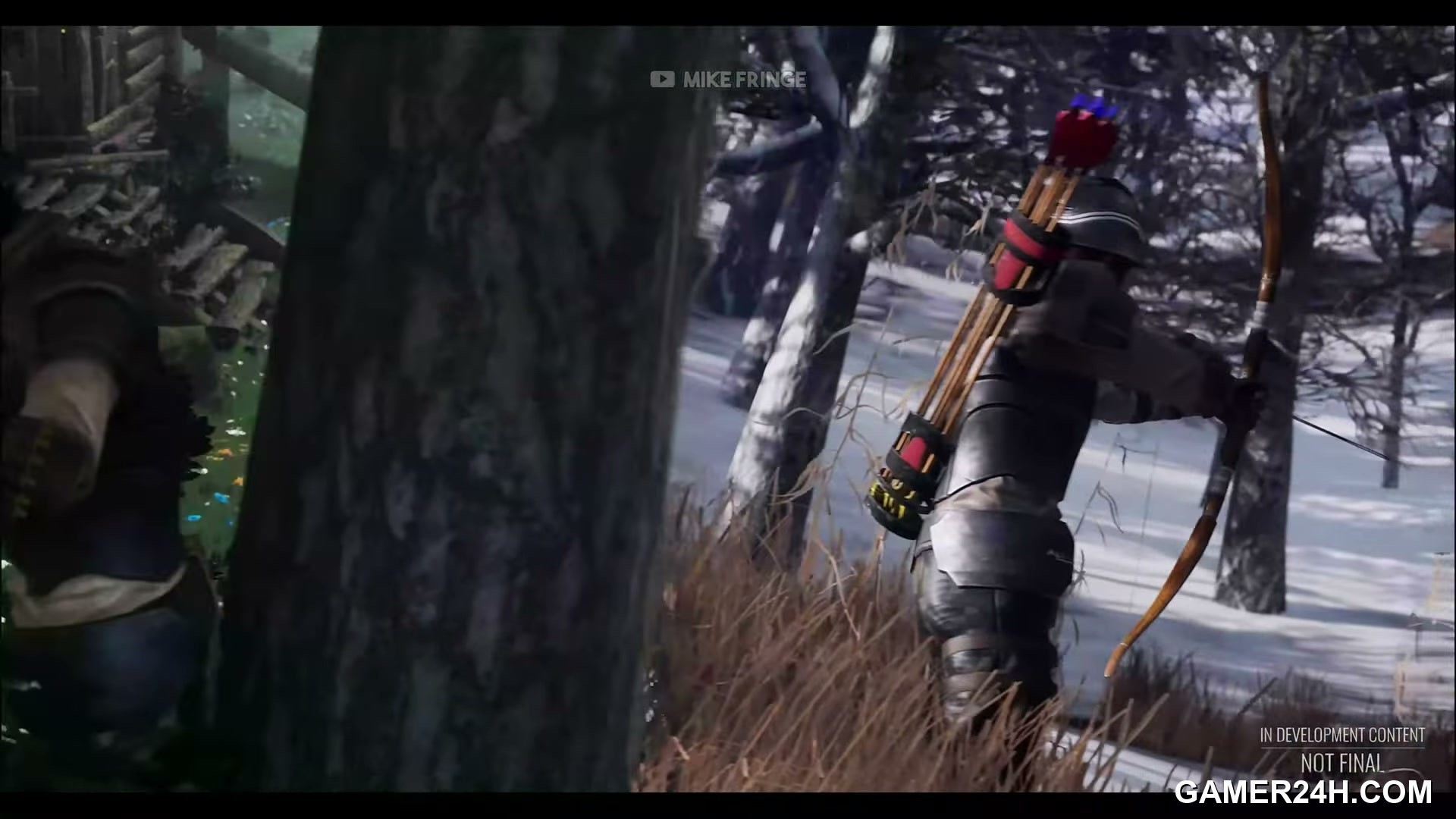
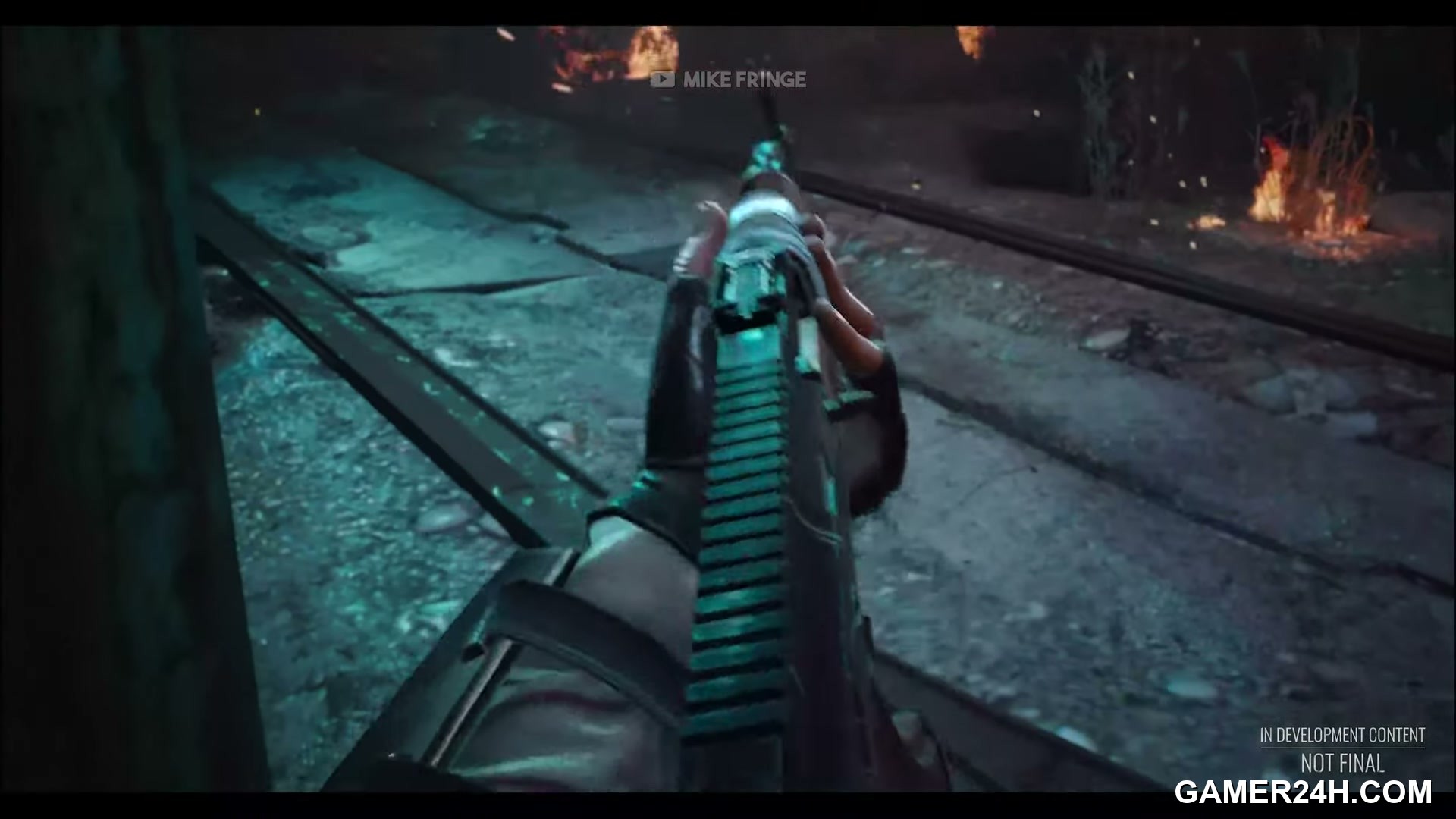
The mechanics incorporate a unique blend of hand-to-hand combat, weapon handling, and gadget usage that reflect the modern espionage genre. Players can craft or acquire gadgets such as smoke bombs, silenced pistols, and EMP devices, each with its own tactical uses in different scenarios. This versatility ensures that players always have options for dealing with threats, whether they choose to avoid confrontation altogether or engage opponents head-on.
One of the most intriguing aspects of the combat system is the integration of environmental interaction. For instance, players can use objects like chairs and tables as improvised weapons, while also utilizing cover systems to evade detection and take out enemies from a distance. The inclusion of these elements adds depth to the gameplay, requiring players to constantly adapt their strategies based on the situation at hand.
Furthermore, Project Survival's AI is designed to be unpredictable yet responsive, providing a challenging experience that keeps players on their toes. Enemies are equipped with advanced detection systems and can react intelligently to player actions, making each encounter unique and demanding of careful planning.
Gameplay & Atmosphere Analysis: Portals and Tension
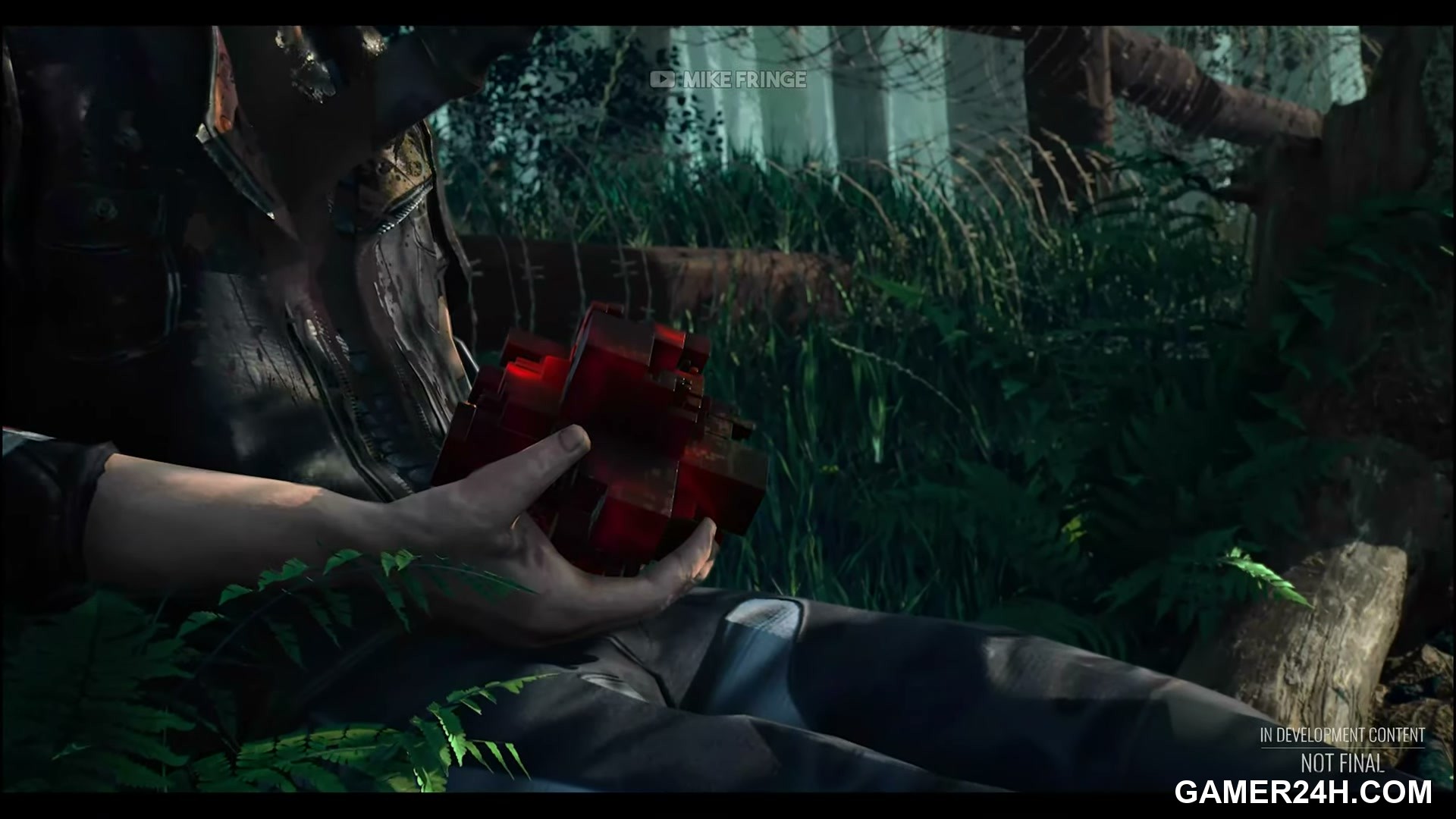
The gameplay in Project Survival revolves around a core mechanic known as 'Portals'. These are mysterious gateways that transport players between different dimensions or timelines, each with its own set of challenges and secrets. Navigating through these portals adds an element of unpredictability to the game's progression, as players must adapt their survival strategies based on the unique conditions found in each realm.
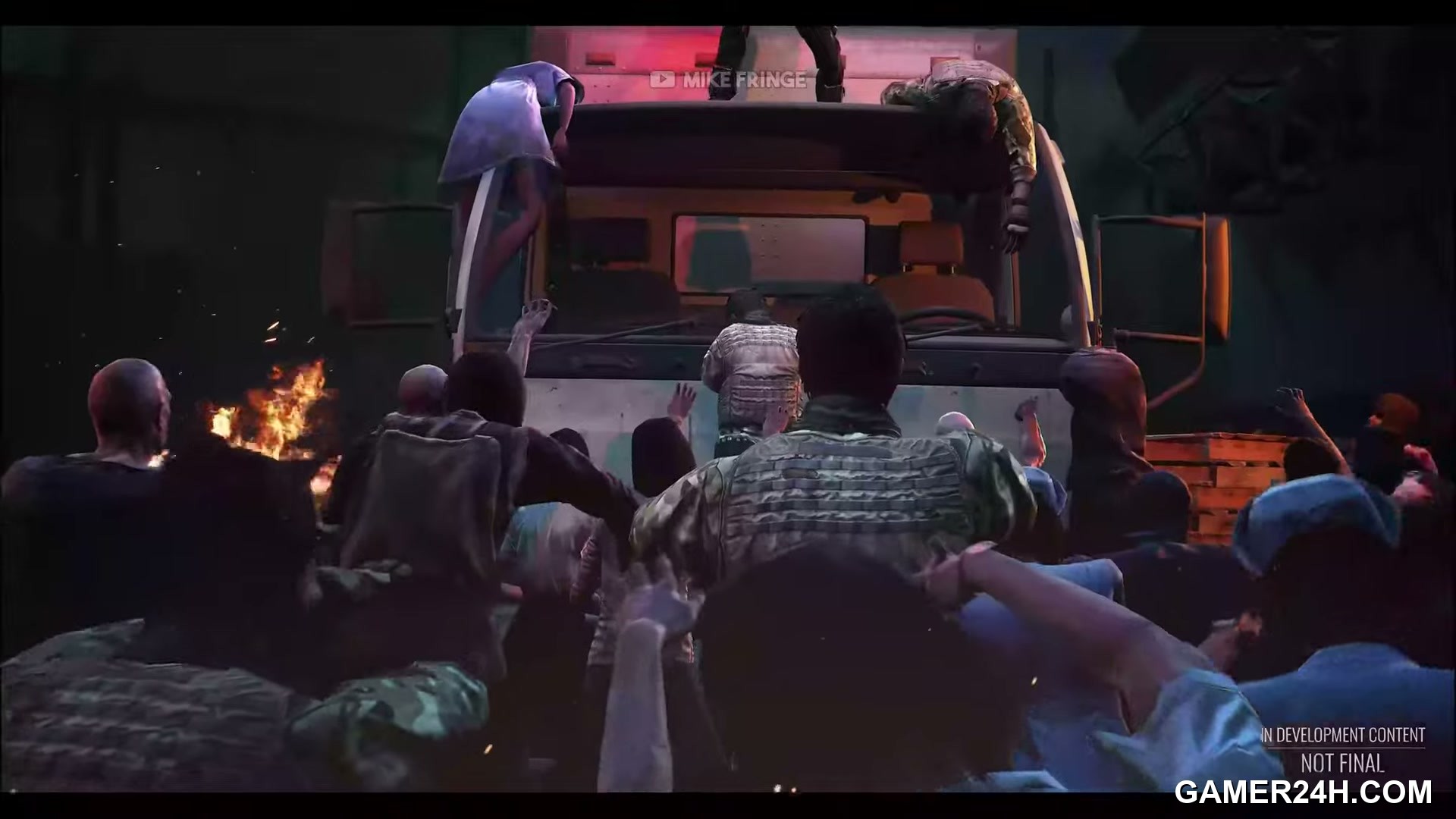
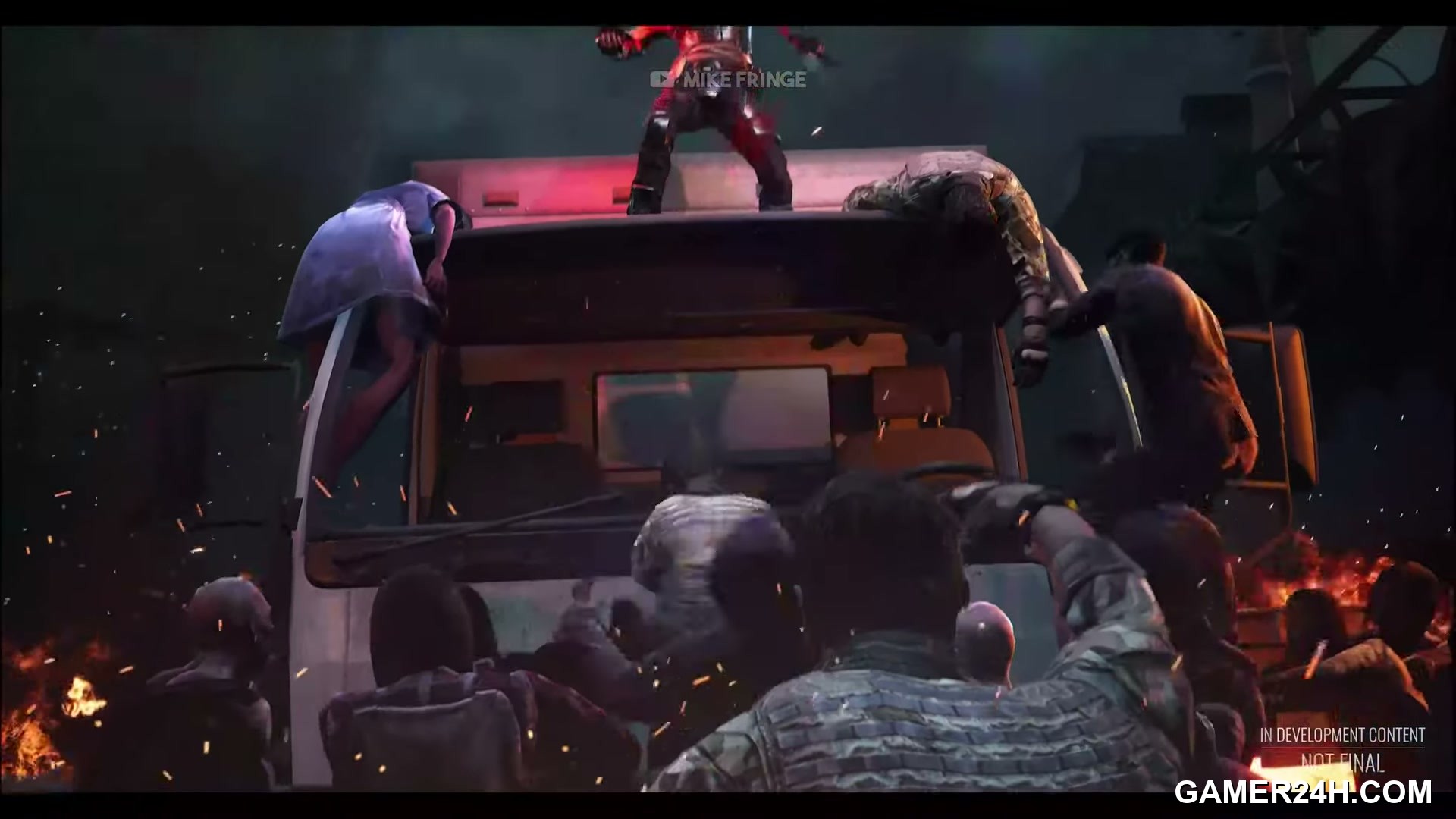
One of the most captivating aspects of Project Survival's atmosphere is its ability to build tension and suspense. The game excels at creating environments where every shadow could hide an enemy or a clue, keeping players engaged through constant vigilance. Sound design plays a crucial role in this aspect, with subtle ambient noises signaling potential threats.
The pacing of the game is carefully balanced to maintain player engagement without overwhelming them. While there are moments of high-intensity combat and stealth, periods of exploration and resource management are interspersed to provide breaks from tension. This cyclical structure ensures that players remain invested in both short-term objectives and long-term survival goals.
Additionally, the game's narrative unfolds gradually through a combination of audio logs, environmental storytelling, and character interactions. This approach not only provides context for the player's actions but also adds layers to the world, making it feel more lived-in and believable.
Narrative & Characters: The Architects' Mystery and Lucia's Mission
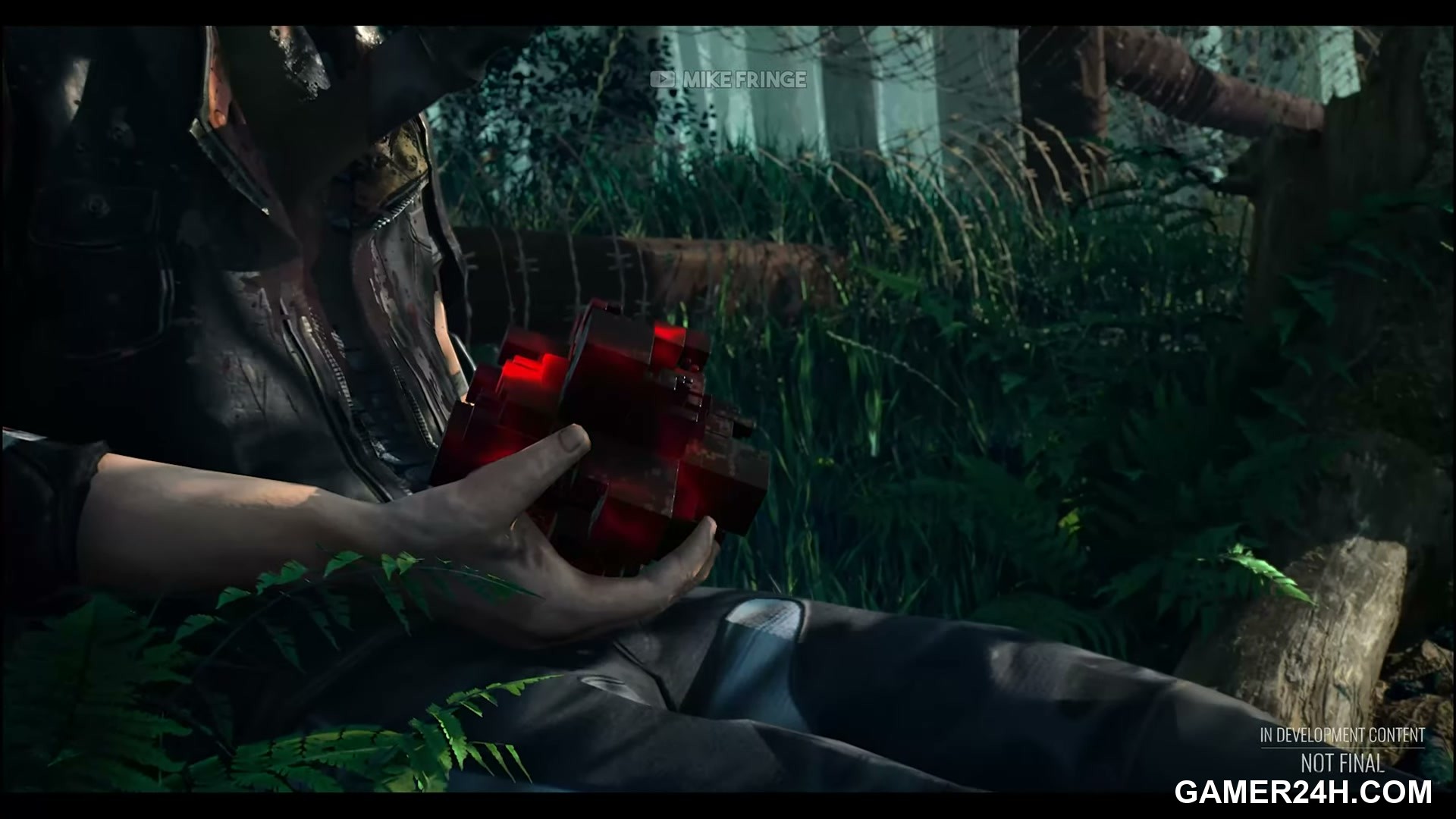
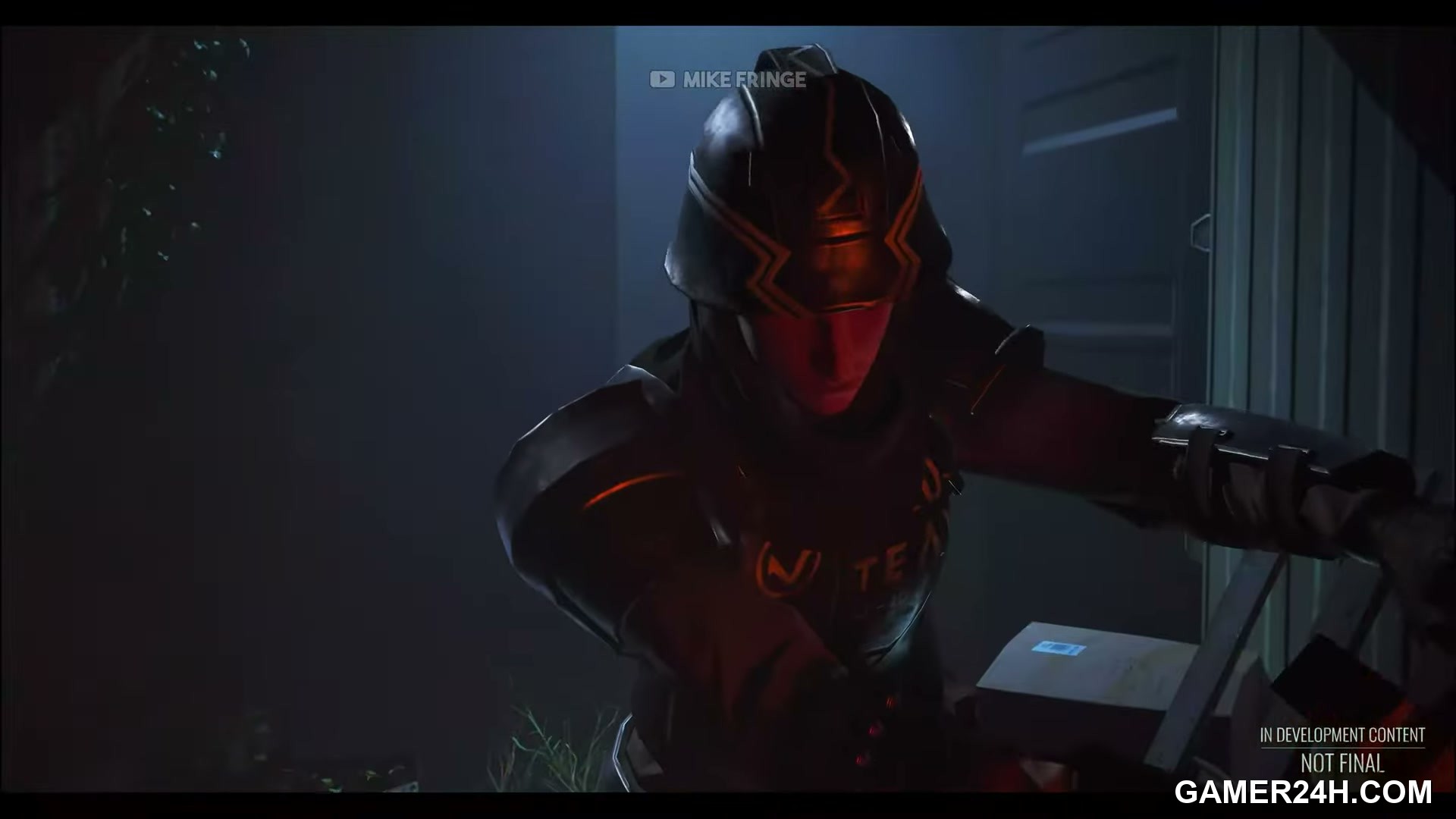
The narrative of Project Survival centers around a clandestine organization known as 'The Architects', who manipulate events across different dimensions to achieve their shadowy goals. Players take on the role of Lucia, an elite operative tasked with uncovering the truth behind The Architects' machinations and thwarting them.
Lucia is a complex character whose background story unfolds gradually through gameplay. She possesses a mix of determination and skepticism, making her interactions with other characters both intriguing and emotionally compelling. As players progress, Lucia's past and motivations become clearer, adding depth to the game's overarching themes of control and resistance.
The Architects themselves remain enigmatic figures, their true intentions and identities shrouded in mystery until late into the game. This narrative design keeps players invested by continually raising questions about the nature of reality within Project Survival's world.
Acoustic Preservation / Audio Design: Sounds of Silence and Combat
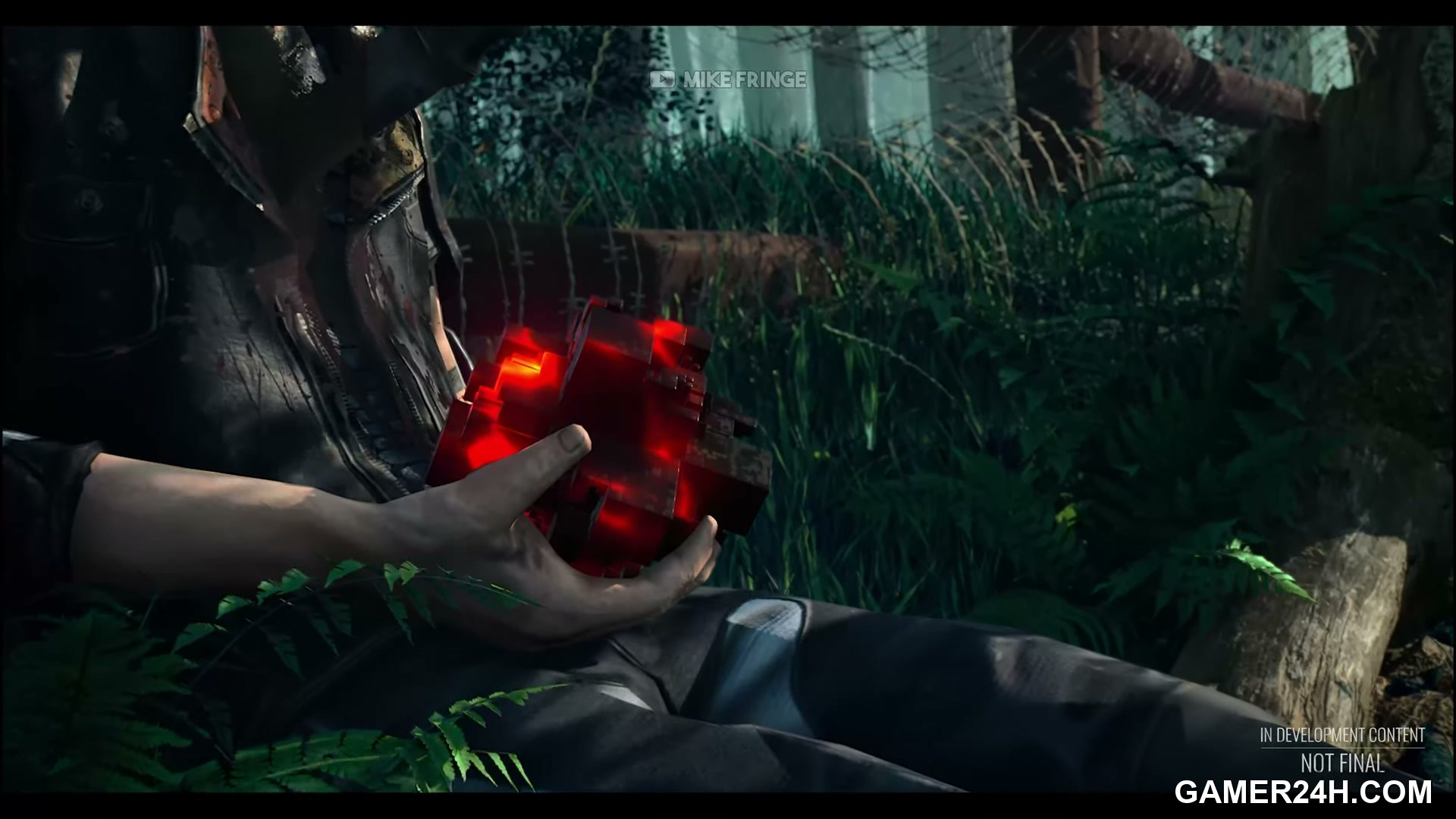
The audio design in Project Survival is a crucial component of its immersive experience. The game utilizes a sophisticated sound system that enhances the player's situational awareness, making auditory cues as important as visual ones.
In stealth sections, ambient sounds play a pivotal role in creating tension and realism. Footsteps echoing through abandoned buildings, distant screams cutting through the silence, and subtle rustling of foliage all contribute to an atmosphere where every sound could signal danger. This acoustic environment compels players to move cautiously and listen intently.
During combat sequences, the audio design shifts focus towards realistic weapon sounds and environmental impacts. Gunshots reverberate with clarity, providing a visceral impact that complements the visual feedback. Combined with the game's use of directional audio cues, this creates a sense of immersion where players feel truly present in each moment.
Moreover, the music composition in Project Survival is designed to be dynamic and responsive to player actions. Tracks range from tense strings during stealth missions to adrenaline-pumping orchestral scores during intense firefights, enhancing the emotional impact of key moments throughout the game's narrative arc.
Critical Reception: Expectations and First Impressions
Project Survival's pre-release buzz has been considerable within gaming circles, with many industry insiders predicting it to be one of the year's most anticipated titles. Early preview builds have garnered praise for their technical polish, particularly in areas such as graphics fidelity and AI responsiveness.
Reviewers highlight the game's innovative use of portals and its deep integration into both gameplay mechanics and narrative structure as standout features. The level design is also noted for offering a unique blend of urban and rural settings that challenges players' survival instincts differently depending on the environment.
However, initial feedback has not been entirely without criticism. Some reviewers have pointed out minor technical issues such as occasional frame rate drops during intense sequences, although these are expected to be addressed through ongoing development updates leading up to release day.
Conclusion: The Vanguard of Next-Gen Action
Project Survival stands poised at the forefront of next-generation action gaming, combining innovative gameplay mechanics with a rich narrative and stunning visuals. By pushing boundaries in stealth espionage and survival genres, Magnus Games Studio has crafted an experience that promises to captivate players looking for depth and immersion.
The game's unique blend of environmental interaction, tactical combat, and atmospheric storytelling sets it apart from contemporary titles. As Project Survival approaches release, the gaming community eagerly awaits its arrival, anticipating a new standard in interactive entertainment that challenges perceptions of what is possible within virtual worlds.