

Bu oyun hakkında
Introduction: The Next Chapter for Pro Evolution Soccer 6
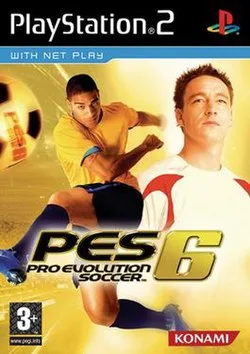
Pro Evolution Soccer 6 (PES6), also known as Winning Eleven: Pro Evolution Soccer 2007 in some regions, arrived on the scene as a pivotal moment in the franchise’s history. Building upon the solid foundation laid by its predecessors, PES6 aimed to refine existing mechanics and introduce subtle yet impactful changes that would resonate with both casual fans and hardcore simulation enthusiasts. This installment marked a significant step forward for the series, particularly with its simultaneous release across multiple platforms, including the then-new Xbox 360. While retaining the core essence of what made Pro Evolution Soccer so beloved, PES6 also faced the challenge of adapting to evolving hardware capabilities and player expectations.
Visual Direction and Graphics Engineering
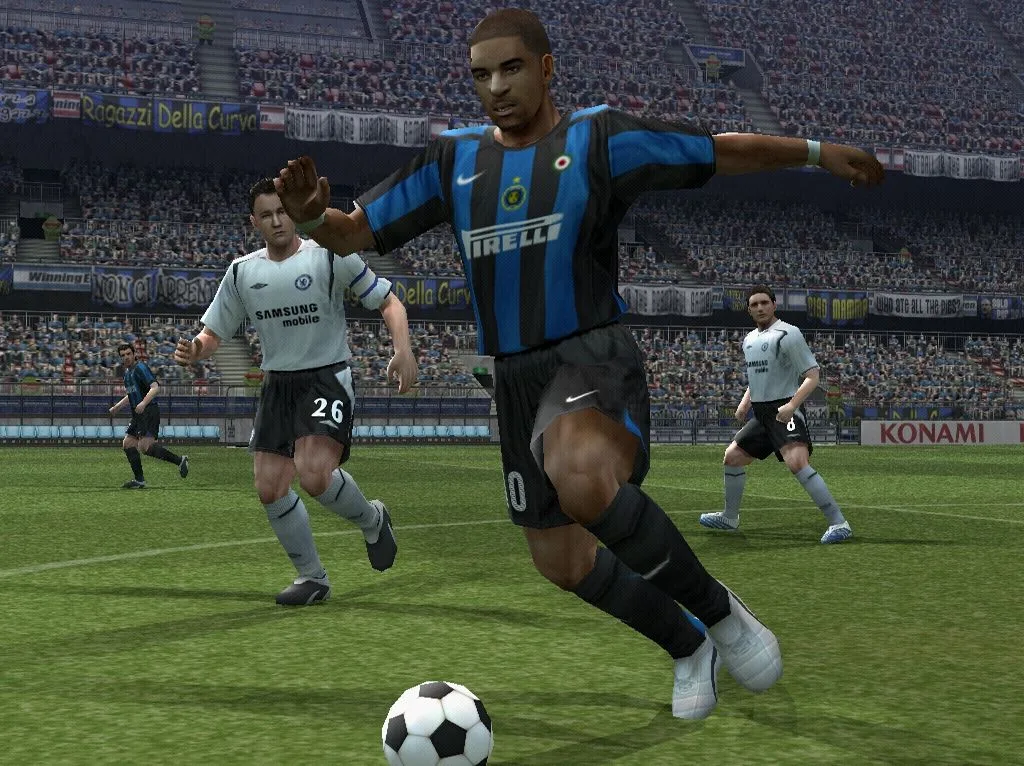
PES6’s visual presentation was a product of its time. Utilizing the RenderWare engine, the game delivered graphics that were impressive for the PlayStation 2 era, while the Xbox 360 version boasted enhanced textures and improved character models. However, it’s important to note that the PC version largely retained the PlayStation 2 engine architecture. While not pushing the boundaries of graphical fidelity by today’s standards, PES6’s visuals were characterized by a clean aesthetic and a focus on accurately representing real-world players and stadiums. The game’s art direction prioritized realism, aiming to create an immersive experience that captured the atmosphere of professional football.
Oynanış Mechanics and Core Systems
At its heart, PES6 offered a refined version of the gameplay mechanics that had become synonymous with the Pro Evolution Soccer franchise. The game’s responsiveness and fluidity were hallmarks of its design, allowing players to execute precise passes, tackles, and shots. While not introducing any radical departures from previous installments, PES6 focused on polishing existing systems and improving overall balance. The AI was also tweaked to provide a more challenging and engaging experience for both single-player and multiplayer modes. This focus on refinement rather than revolution allowed the gameplay to feel familiar yet improved, appealing to long-time fans while remaining accessible to newcomers.
Level Design and World Atmosphere
While PES6 didn’s feature expansive open-world environments in the vein of some modern sports games, the game excelled at recreating the atmosphere of real-world football stadiums. The attention to detail in stadium design, from the crowd animations to the lighting effects, contributed significantly to the immersive experience. Each stadium felt unique and authentic, transporting players to iconic venues around the globe. This focus on creating a sense of place was crucial in enhancing the overall feeling of realism that PES6 aimed to achieve.
Narrative Depth and Character Profiles
PES6 primarily focused on delivering a compelling gameplay experience rather than a deeply narrative-driven story. While individual player statistics and team formations played a role, the game didn’t feature extensive character backstories or elaborate plotlines. The focus was squarely on the action on the pitch, allowing players to create their own narratives through matches and tournaments. This approach appealed to fans who valued gameplay above all else, providing a pure football experience without unnecessary distractions.
Sound Design and Acoustic Realism
The sound design in PES6 played a crucial role in enhancing the immersion of the game. The roar of the crowd, the thud of tackles, and the commentary provided an authentic audio backdrop to the on-field action. While not groundbreaking by today’s standards, the sound effects were well-integrated and contributed significantly to the overall sense of realism. The game also featured licensed music tracks that added another layer of polish to the experience.
Release Expectations and Community Hype
The release of PES6 was met with considerable anticipation from the gaming community. As a flagship title in the Pro Evolution Soccer franchise, it represented a significant step forward for the series on multiple platforms. The simultaneous release on PlayStation 2, Xbox 360, and PC generated buzz among fans eager to experience the latest iteration of their favorite football game. While the absence of the Bundesliga license was a point of disappointment for some, the overall excitement surrounding PES6 remained high.
Conclusion: The Future of Pro Evolution Soccer 6
Pro Evolution Soccer 6 stands as a testament to the enduring appeal of realistic football simulation. By focusing on refinement and delivering a polished gameplay experience, the game cemented its place as a classic in the franchise’s history. While technological advancements have since surpassed its capabilities, PES6 remains fondly remembered for its authentic feel and engaging gameplay. Its legacy continues to influence modern sports games, serving as a reminder of the importance of core mechanics and immersive presentation.

Source: Wikipedia
Galeri



Sohbete katılın