Introduction: The Next Chapter for Pro Evolution Soccer 2010
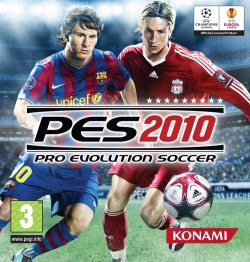
Pro Evolution Soccer 2010 (PES 2010), also known as World Soccer: Winning Eleven 2010 in Asia, arrived on the scene as the ninth installment in Konami’s renowned football simulation franchise. Building upon the foundations laid by its predecessors, PES 2010 aimed to deliver a more realistic and immersive experience for players across multiple platforms, including PlayStation 2, PlayStation 3, Xbox 360, PC, Wii, and mobile phones. The game boasted enhanced gameplay mechanics, improved graphics, and the inclusion of both UEFA Champions League and Europa League licenses, marking a significant step forward in the series’ evolution. Lionel Messi and Fernando Torres graced the cover, reflecting their prominent roles in promoting the game and highlighting its focus on star power.
Visual Direction and Graphics Engineering
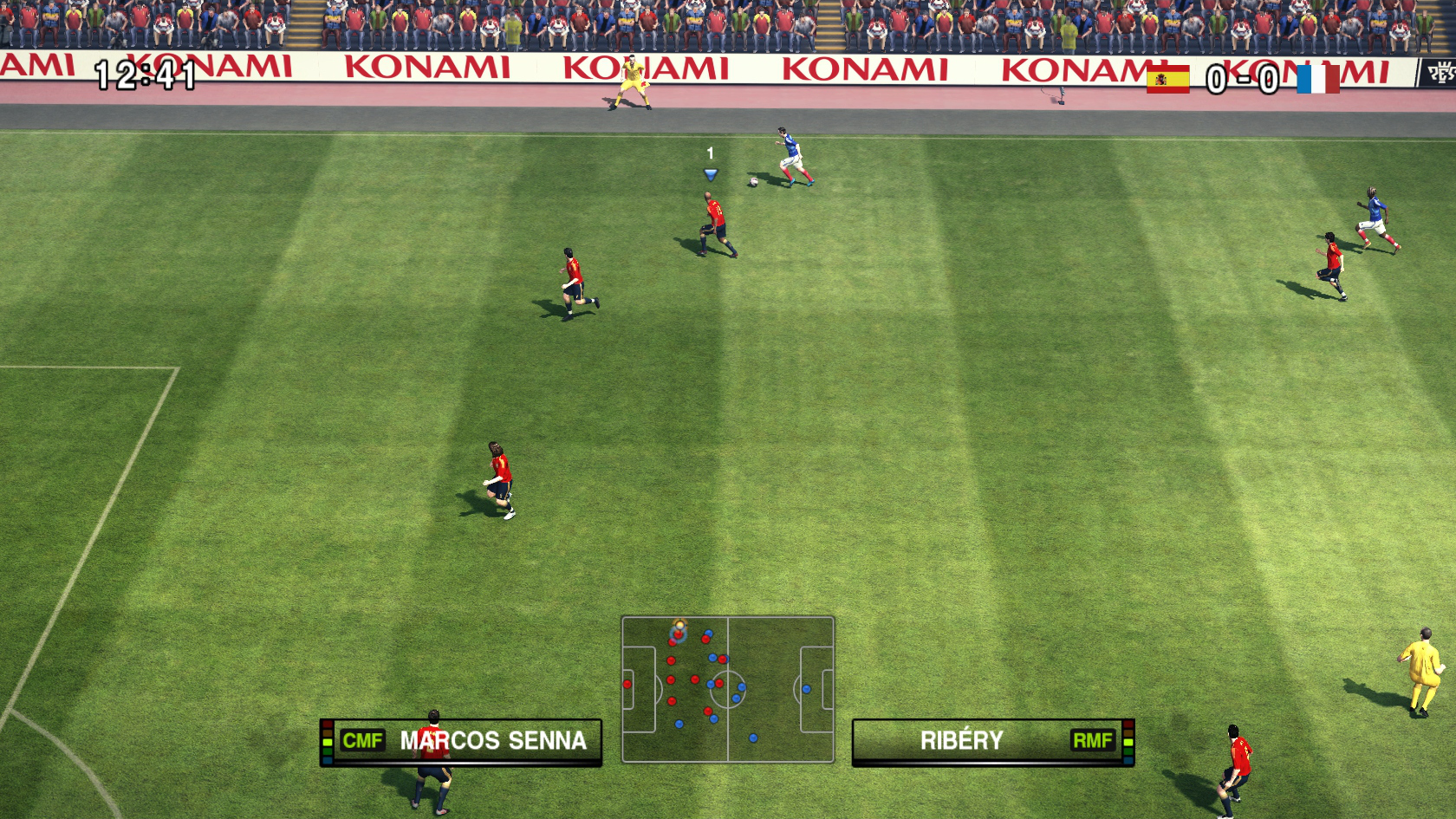
PES 2010 represented an iterative improvement in visual fidelity compared to previous entries. While not a revolutionary leap, the game featured enhanced player models with more detailed textures and animations. Stadiums were rendered with increased complexity, offering a more believable representation of real-world venues. The lighting engine was refined to create more dynamic and atmospheric conditions during matches. The developers focused on optimizing performance across all platforms, ensuring that the game ran smoothly even on older hardware like the PlayStation 2. This commitment to optimization allowed for a balance between visual quality and accessibility.
Gameplay Mechanics and Core Systems
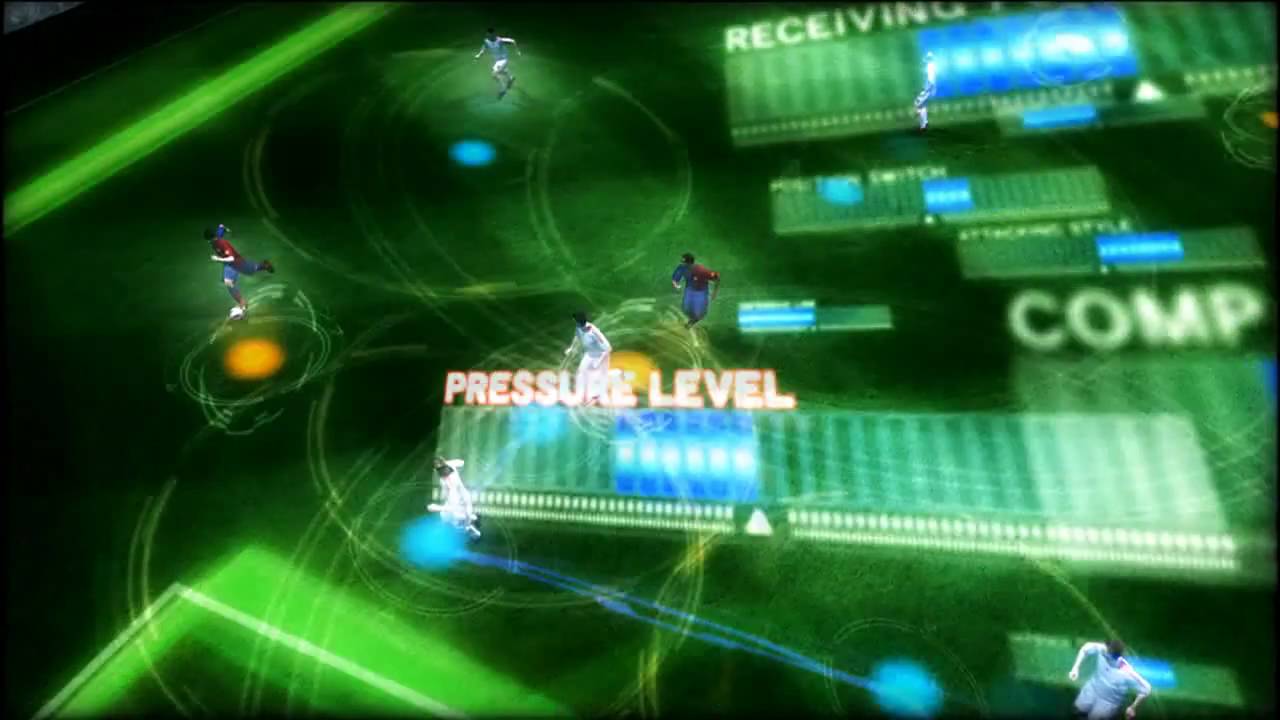
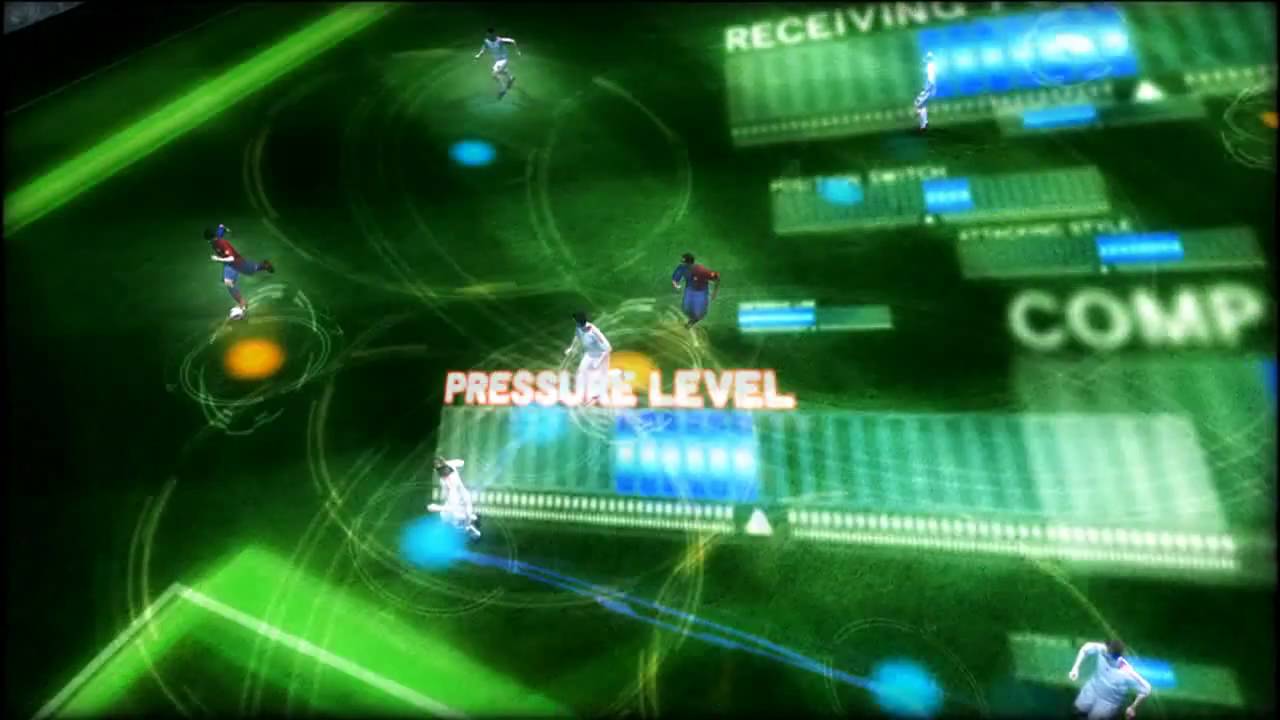
At its core, PES 2010 retained the signature gameplay elements that made the Pro Evolution Soccer series so beloved: responsive controls, realistic player movement, and tactical depth. However, several key improvements were implemented to enhance the overall experience. The “Team Management” system was refined, allowing players greater control over team tactics and formations during matches. The AI of both teammates and opponents was upgraded, leading to more challenging and unpredictable gameplay scenarios. Furthermore, new skill moves and animations were introduced, adding another layer of complexity for players looking to master the intricacies of the game.
Level Design and World Atmosphere
While PES 10 is primarily a sports title, the presentation and overall atmosphere contribute significantly to the player experience. The game features a wide array of officially licensed stadiums, each meticulously recreated to capture its unique characteristics. The dynamic camera angles and broadcast-style presentation further enhance the feeling of being at a real football match. The inclusion of authentic commentary and crowd noise adds another layer of immersion, creating a more believable and engaging environment for players.
Narrative Depth and Character Profiles
PES 2010, like many sports games, doesn’s focus heavily on narrative in the traditional sense. However, the Master League mode provides a compelling single-player experience where players can build their own team from scratch and guide them to glory. The game also features various challenges and scenarios that offer unique gameplay experiences. While there are no specific character profiles beyond the real-world players represented in the game, the opportunity to develop young talent and shape the future of your club provides a sense of progression and accomplishment.
Sound Design and Acoustic Realism
The sound design in PES 2010 played a crucial role in creating an immersive football experience. The game features authentic stadium sounds, including crowd noise, chants, and organ music. The commentary team provided insightful analysis and added excitement to the matches. The sound effects for player movements, tackles, and goal celebrations were meticulously crafted to enhance the realism of the gameplay.
Release Expectations and Community Hype
PES 2010 was released in Europe on October 23, 2009, following a playable demo that generated significant buzz among fans. The inclusion of both UEFA Champions League and Europa League licenses was a major selling point, as it offered players the opportunity to compete in some of the most prestigious club competitions in the world. Lionel Messi’s prominent role in promoting the game further fueled anticipation, as he is widely regarded as one of the greatest footballers of all time. The community eagerly awaited the release, hoping that PES 2010 would deliver on its promises and solidify Konami’s position as a leader in the football simulation genre.
Conclusion: The Future of Pro Evolution Soccer 2010
Pro Evolution Soccer 2010 represented a solid evolution for the series, building upon the strengths of its predecessors while introducing several key improvements. While not without its flaws, the game offered a compelling and immersive football experience that resonated with fans worldwide. Its legacy continues to influence the development of future installments in the Pro Evolution Soccer franchise, serving as a testament to its enduring appeal.
Source: Wikipedia


