Introduction: The Next Chapter for Prince of Persia
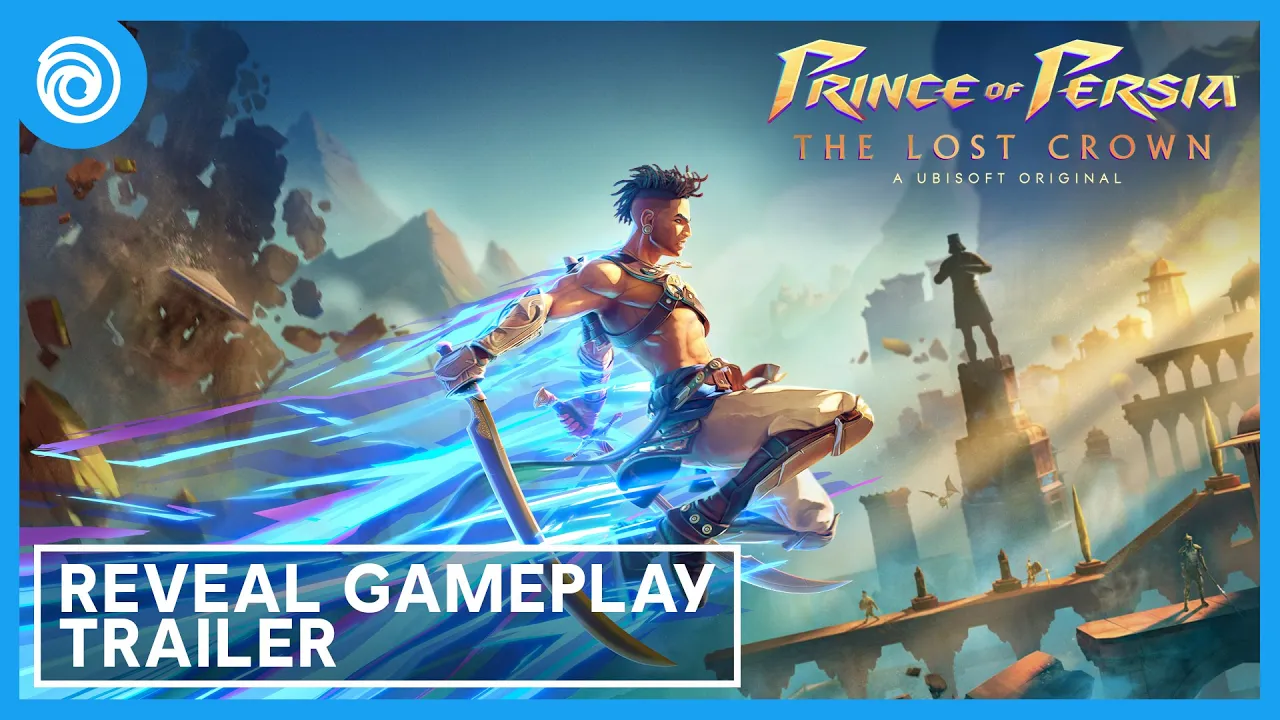
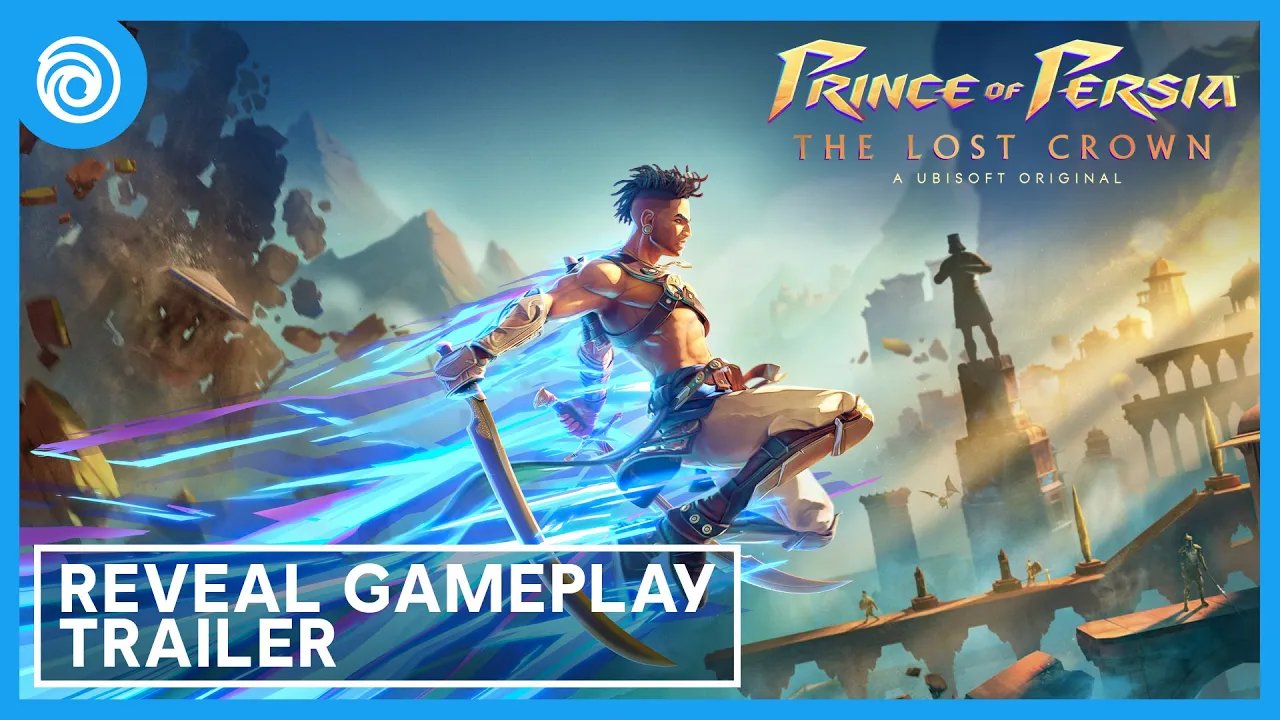
The Prince of Persia franchise, a cornerstone of action-adventure gaming, stands poised on the precipice of its next evolution. From Jordan Mechner’s groundbreaking rotoscoped animations to Ubisoft’s ambitious reboots, the series has consistently pushed boundaries and captivated audiences. This deep dive will explore the technical prowess, design philosophy, and narrative complexities that define this iconic franchise, examining both its triumphs and potential pitfalls as it ventures into uncharted territory. The recent release of *Prince of Persia: The Lost Crown* marks a significant moment, promising to revitalize the series with innovative gameplay mechanics and a compelling storyline.
Visual Direction and Graphics Engineering
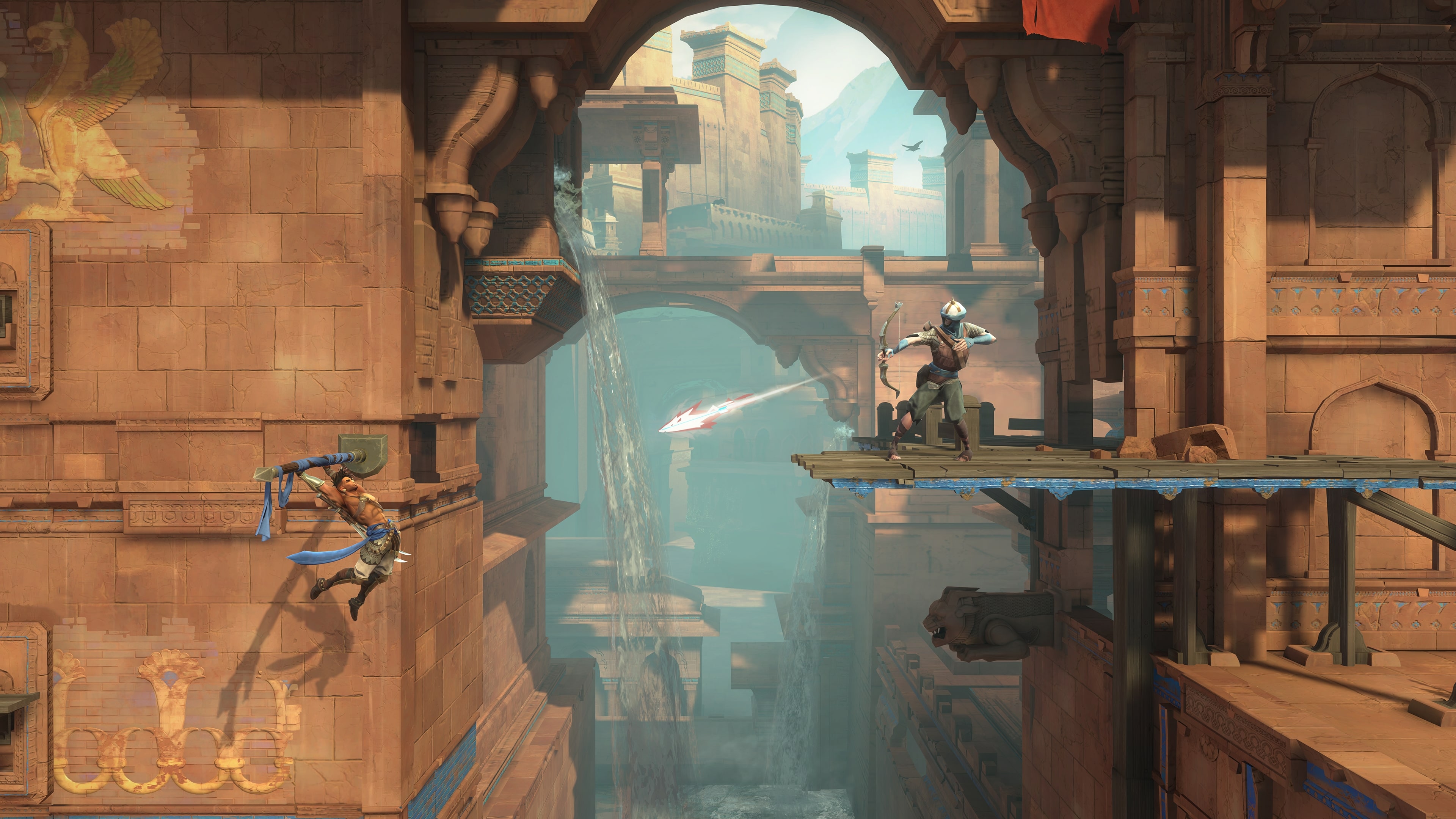
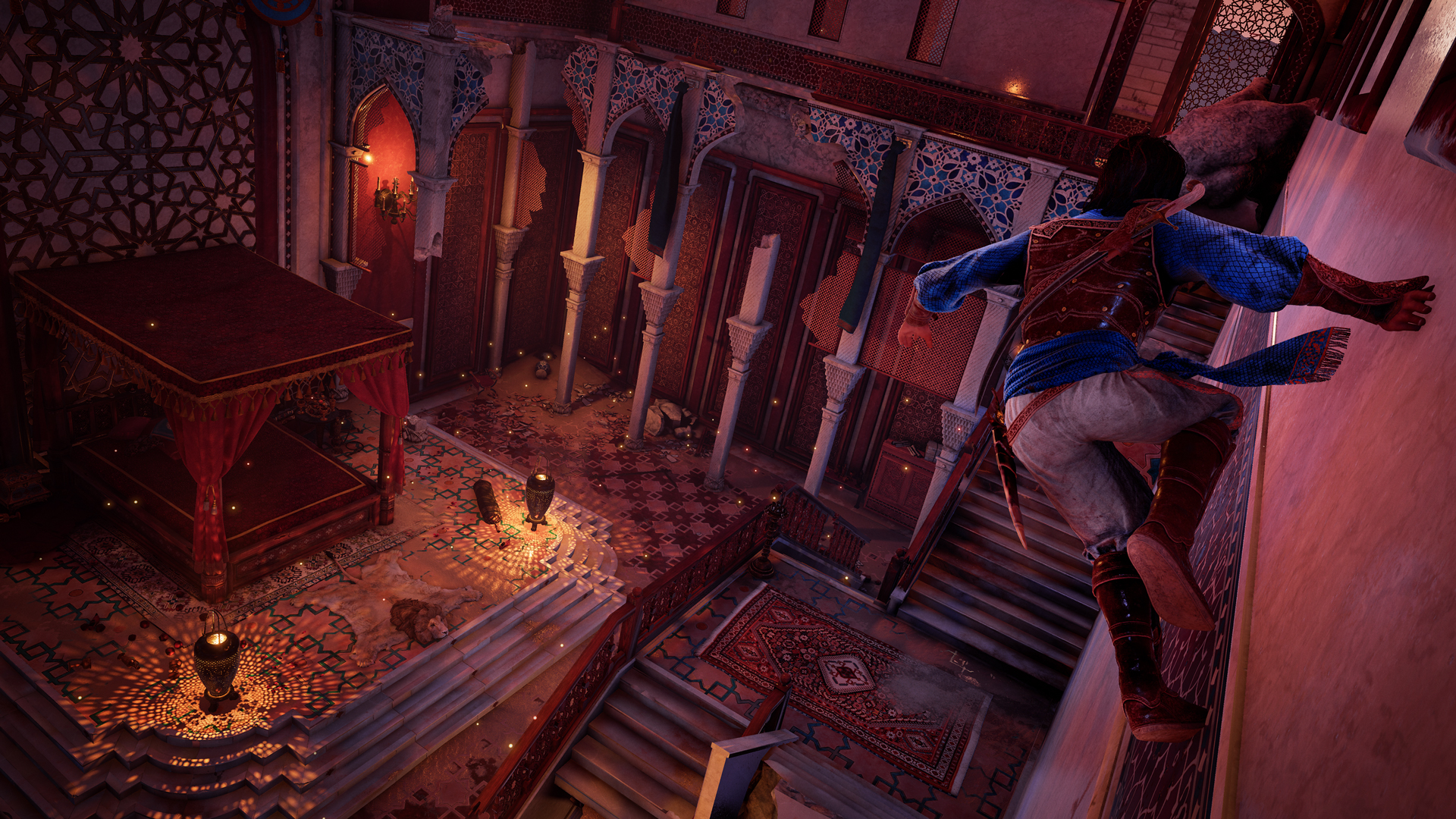
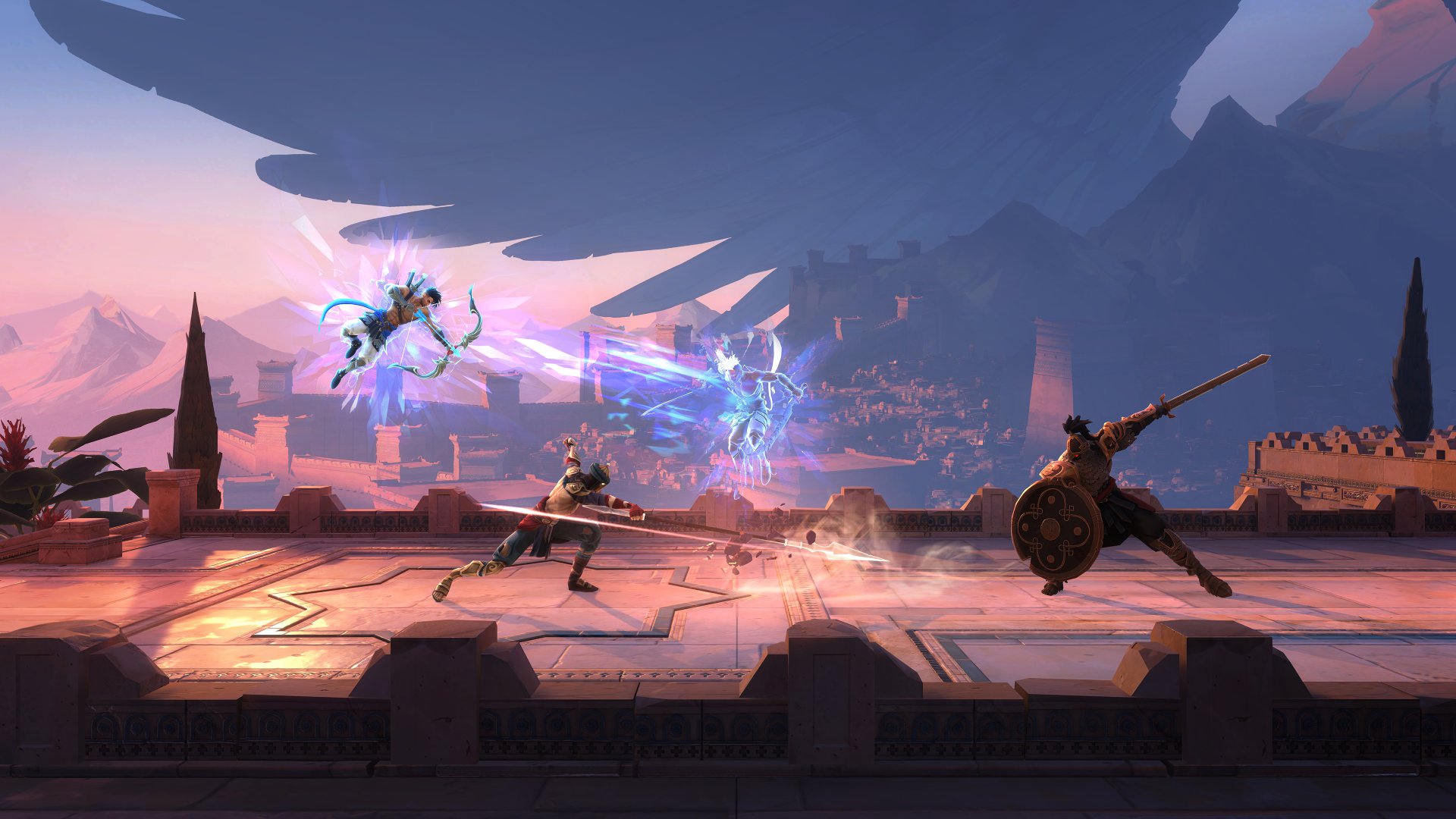
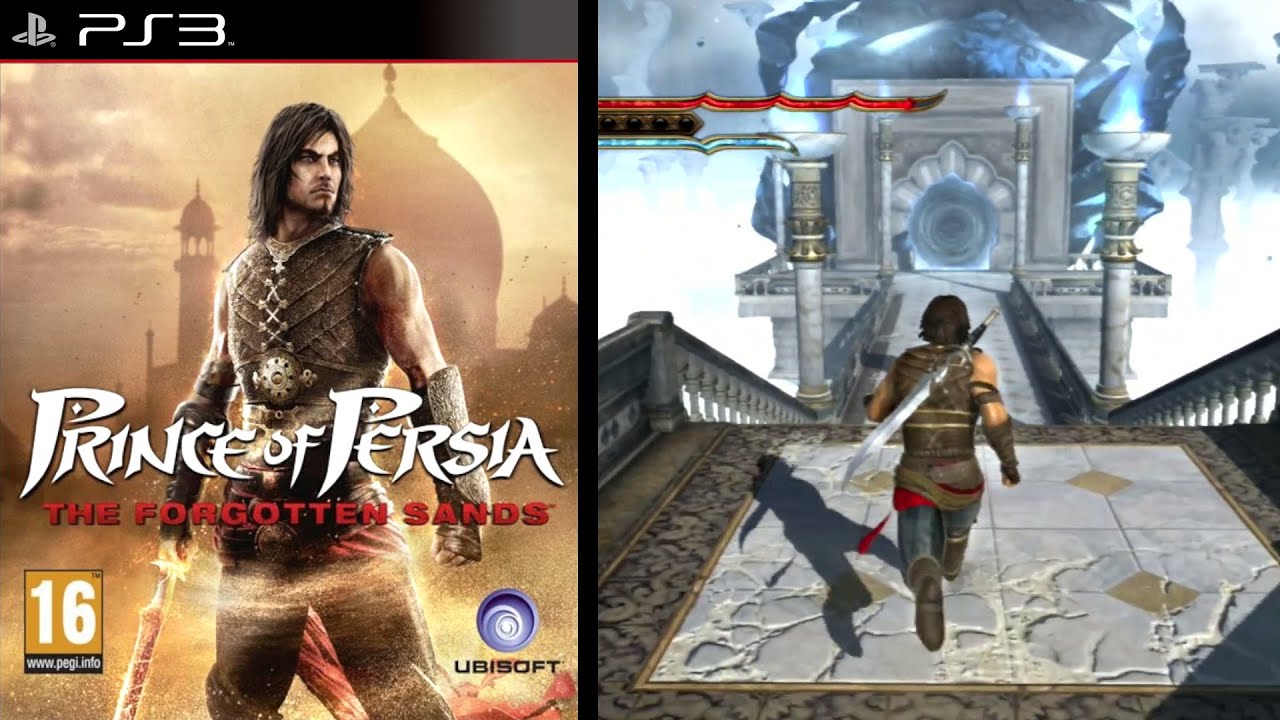
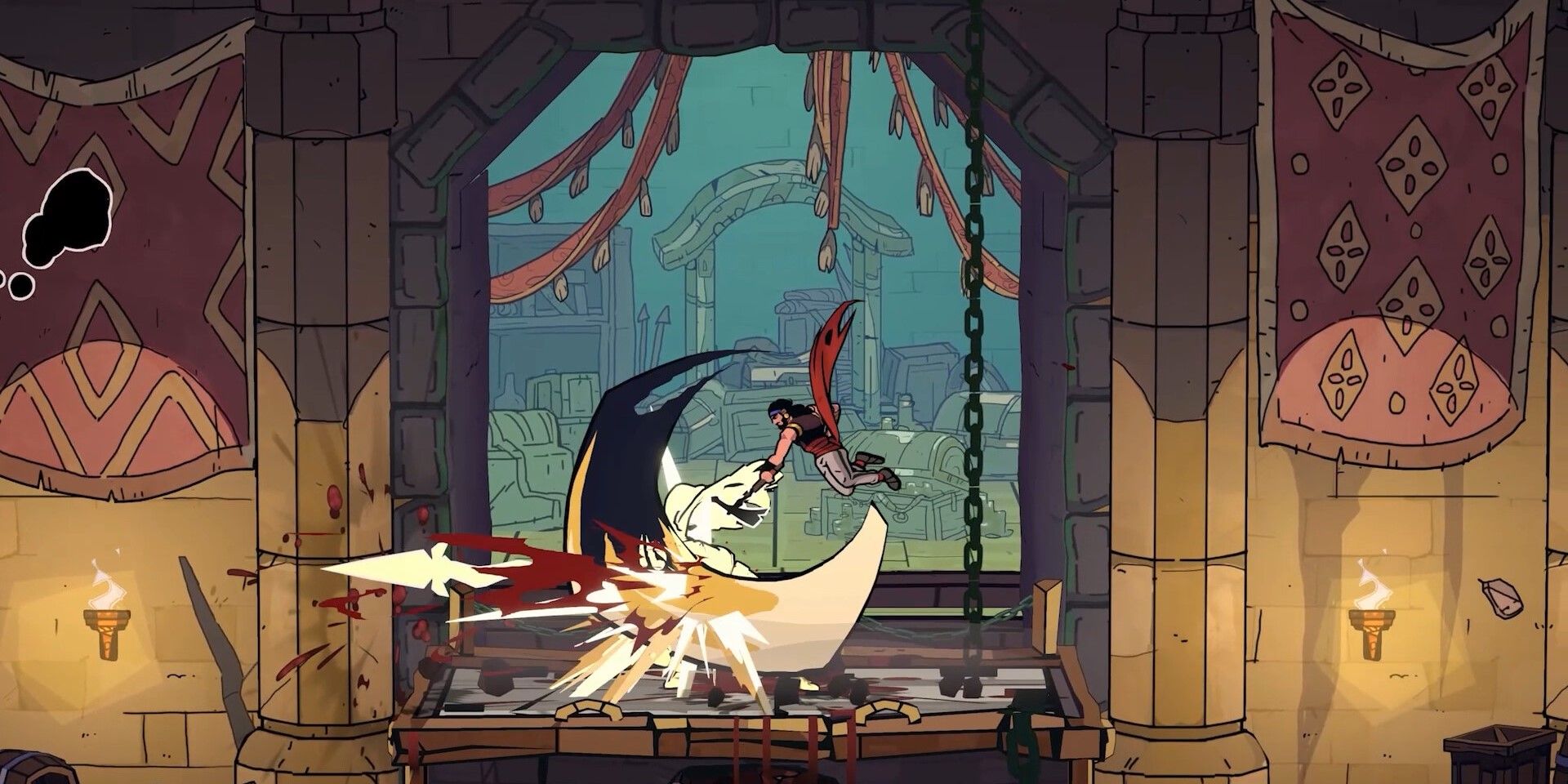
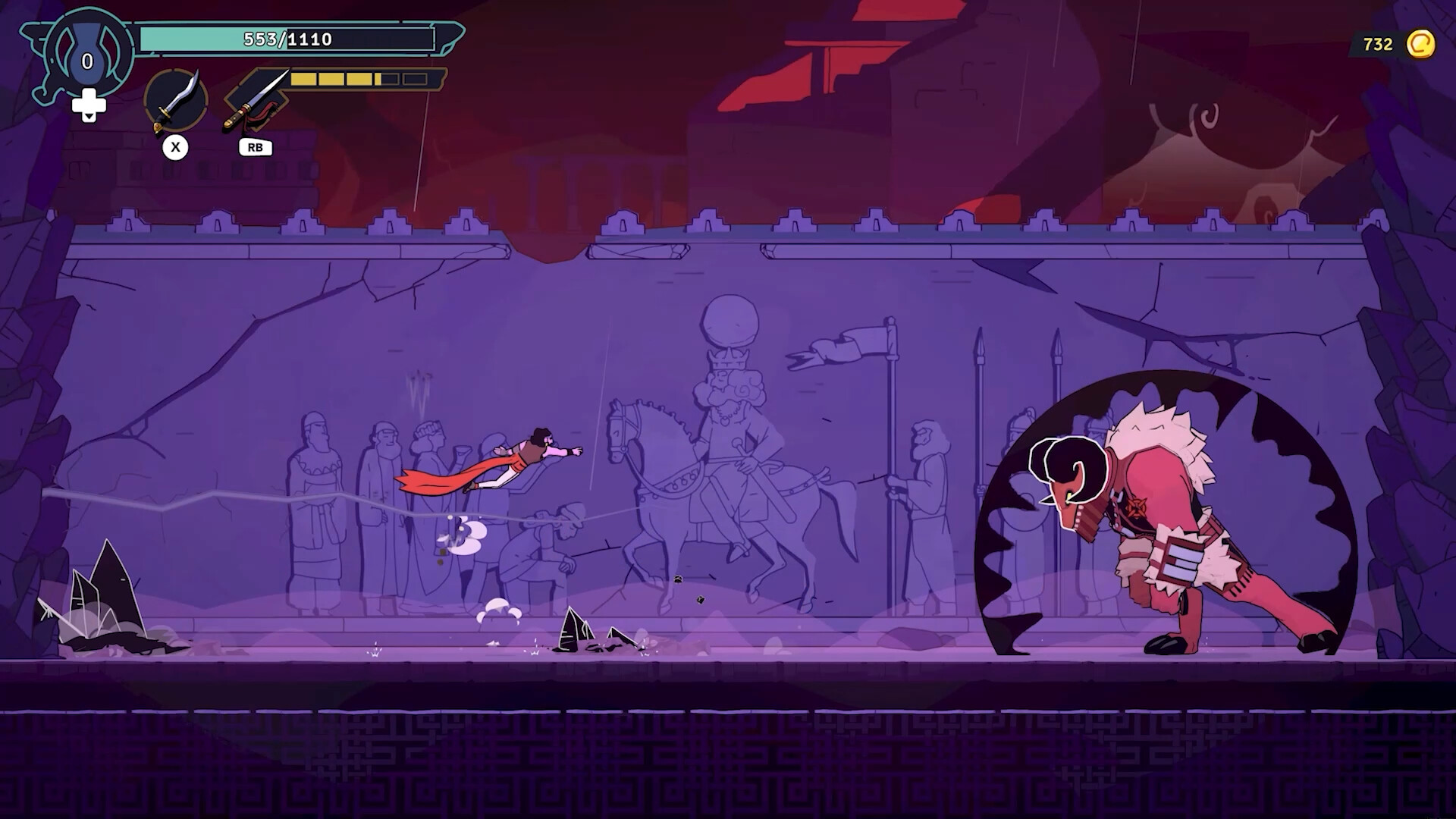
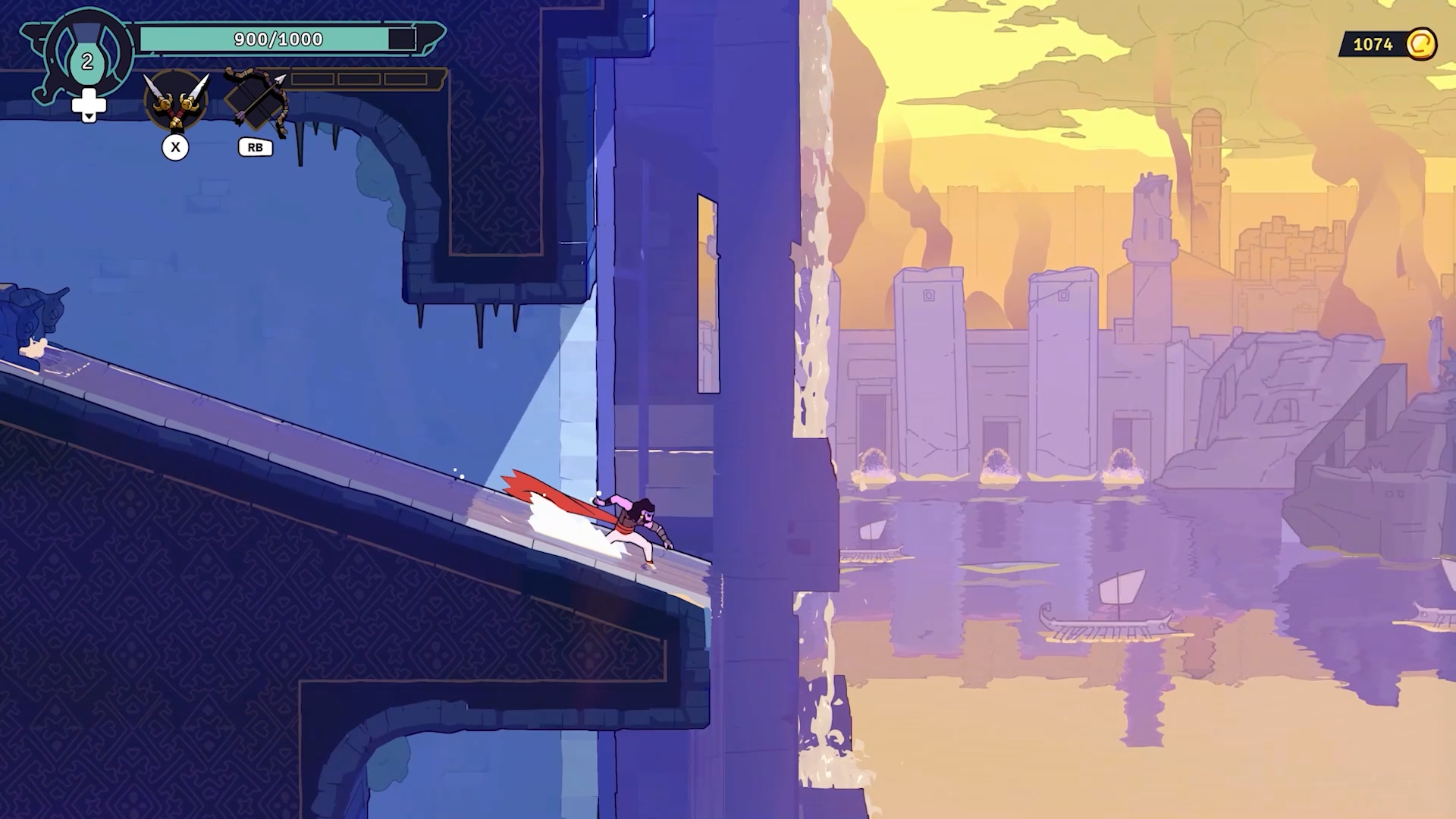
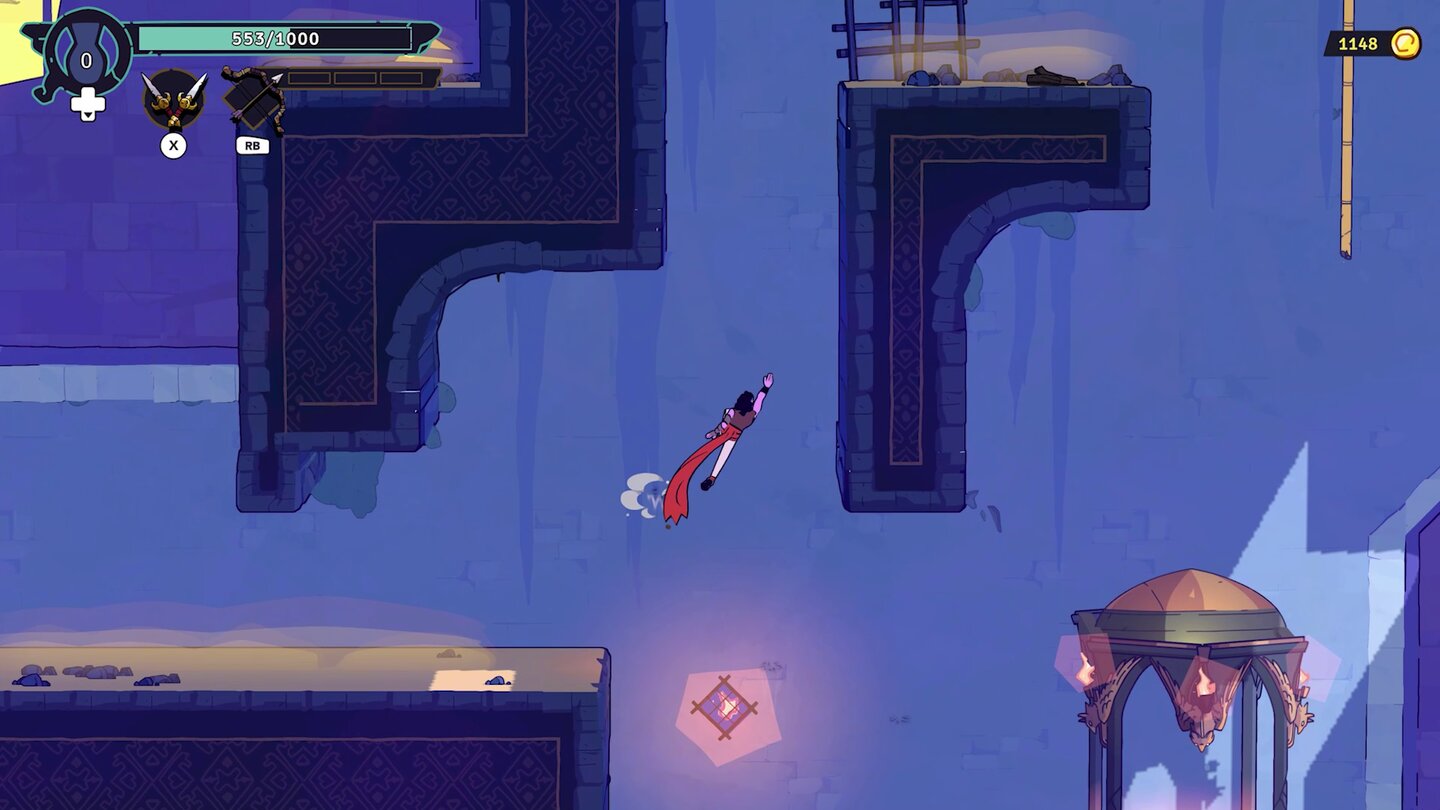
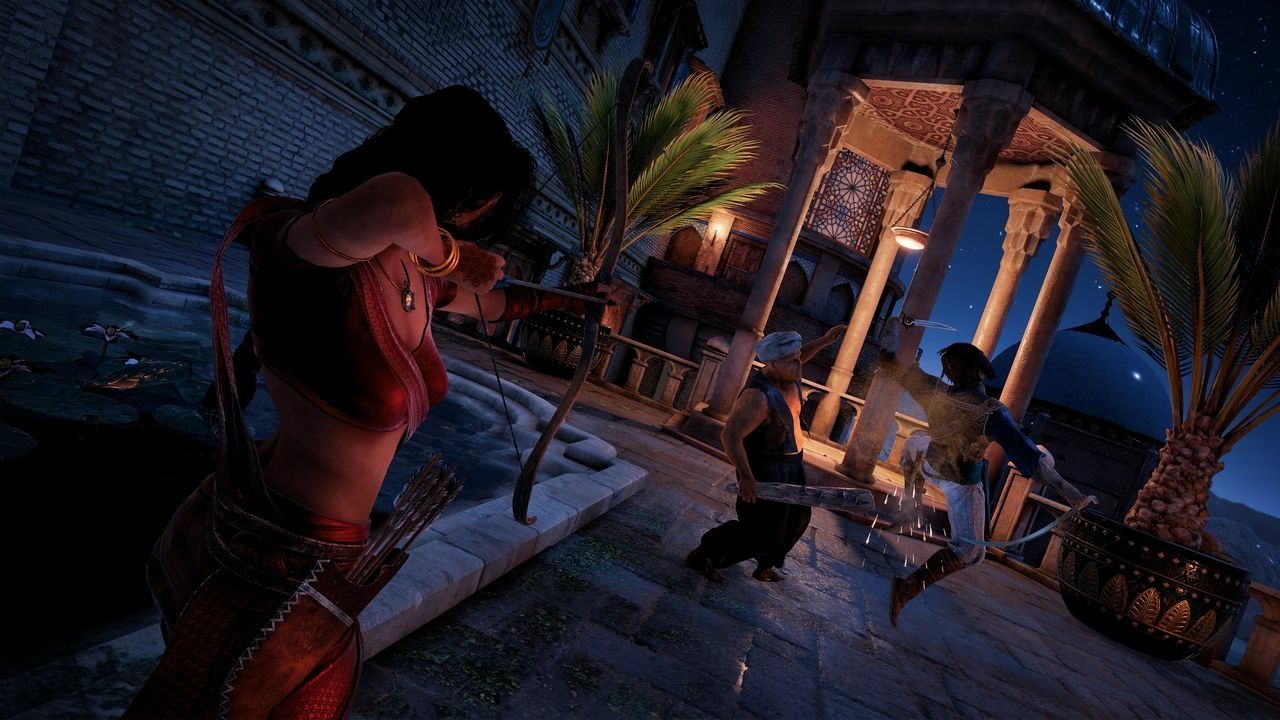
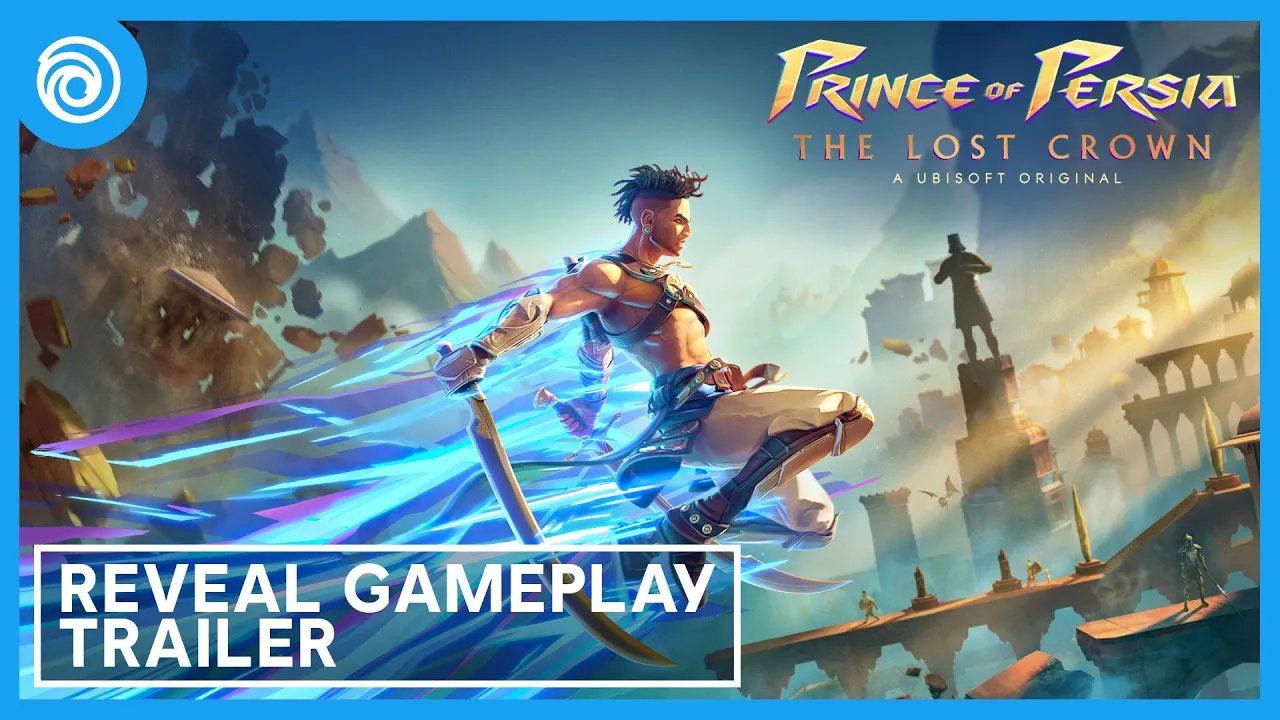
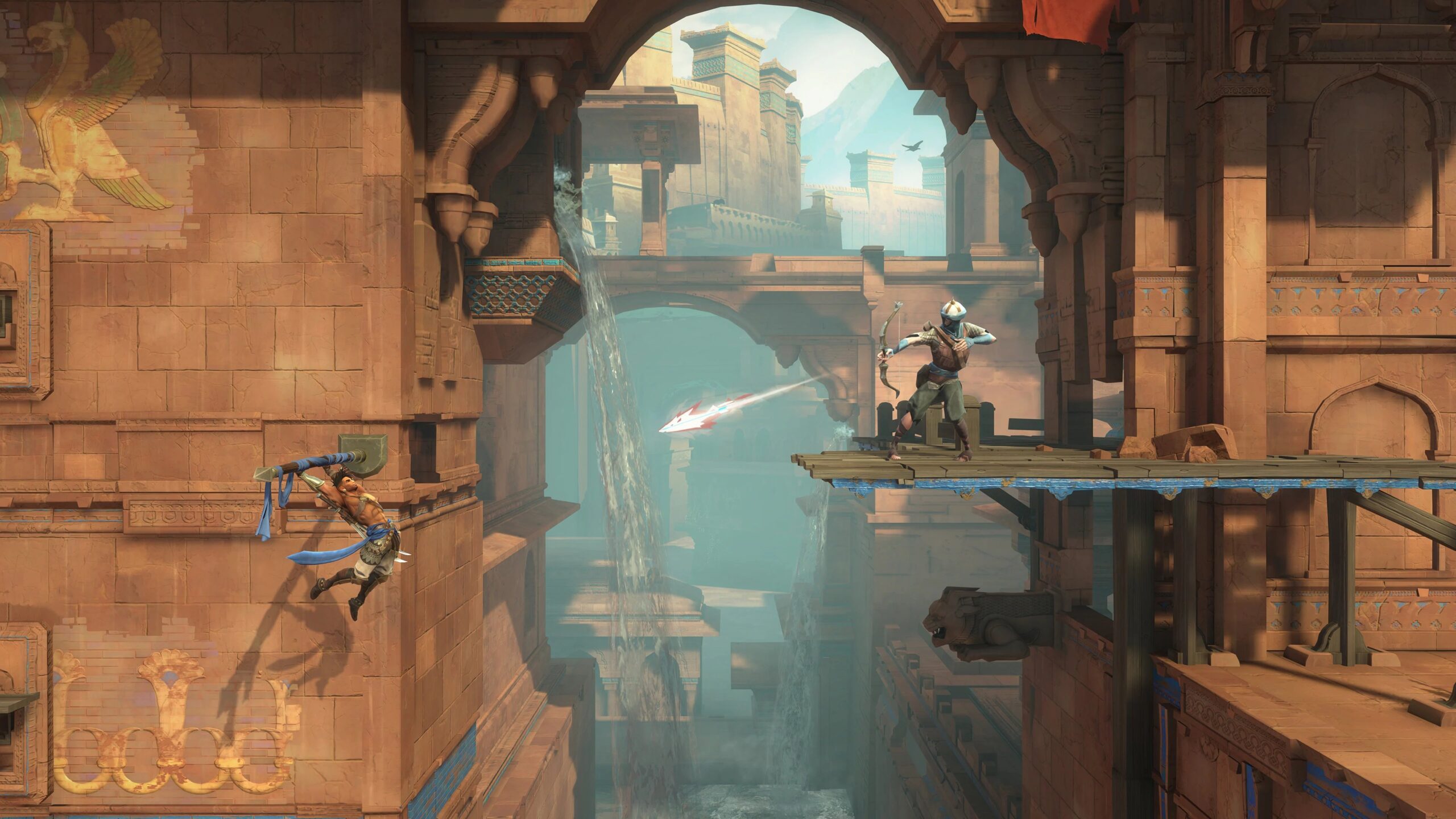
The visual evolution of Prince of Persia is a fascinating study in technological advancement. Early installments relied on rotoscoping techniques, creating fluid and realistic animations that were revolutionary for their time. Later iterations embraced 3D graphics, allowing for more expansive environments and detailed character models. *Prince of Persia: The Lost Crown* represents a return to a stylized aesthetic, prioritizing gameplay clarity and artistic flair over photorealistic visuals. This approach allows the game to run smoothly on a wider range of hardware while still delivering a visually appealing experience. The proprietary engine used in recent titles is optimized for performance, enabling complex particle effects and dynamic lighting that enhance the immersive quality of the game world.
Gameplay Mechanics and Core Systems
At its core, Prince of Persia gameplay revolves around precise platforming, acrobatic combat, and puzzle-solving. The series has always emphasized player skill and timing, rewarding players who master the intricacies of movement and attack patterns. *Prince of Persia: The Lost Crown* introduces new abilities and traversal options, expanding upon the established formula while retaining the core elements that define the franchise’s identity. The combat system is designed to be challenging but fair, encouraging players to experiment with different strategies and weapon combinations. The game also features a robust upgrade system, allowing players to customize their character’s abilities and tailor their playstyle to their preferences.
Level Design and World Atmosphere
The level design in Prince of Persia games is crucial to creating a sense of wonder and danger. From the claustrophobic corridors of the early titles to the sprawling landscapes of later installments, each environment tells its own story. *Prince of Persia: The Lost Crown* features intricately designed levels that blend platforming challenges with environmental puzzles. The game’s art direction plays a vital role in establishing the atmosphere, creating a world that is both beautiful and treacherous. The use of lighting, sound effects, and music further enhances the immersive quality of the experience, drawing players deeper into the narrative.
Narrative Depth and Character Profiles
The Prince of Persia franchise has always been more than just a collection of platforming challenges; it’s also a series of compelling stories populated by memorable characters. From the original Prince to Kaieen and Ezio (in the Assassin’s Creed crossover), each incarnation brings their own unique perspective and motivations to the narrative. *Prince of Persia: The Lost Crown* continues this tradition, introducing new characters and exploring themes of identity, sacrifice, and redemption. The game’s story is told through a combination of in-game cutscenes, dialogue sequences, and environmental storytelling, allowing players to piece together the events that unfold.
Sound Design and Acoustic Realism
The sound design in Prince of Persia games plays a critical role in creating an immersive and engaging experience. From the subtle clink of armor to the roar of mythical creatures, every sound effect is carefully crafted to enhance the sense of realism and danger. The game’s soundtrack is equally important, providing a dynamic accompaniment to the action and adding emotional depth to the narrative. *Prince of Persia: The Lost Crown* features a new score that blends orchestral arrangements with traditional Persian instruments, creating a unique and evocative soundscape.
Release Expectations and Community Hype
The release of *Prince of Persia: The Lost Crown* has been met with considerable excitement within the gaming community. Fans have eagerly awaited news about the franchise’s return, and the game’s trailers and gameplay demonstrations have generated significant buzz. The game’s unique art style, innovative gameplay mechanics, and compelling narrative have all contributed to the high level of anticipation. However, there are also some concerns about whether the game will be able to live up to the expectations that have been built up over time.
Conclusion: The Future of Prince of Persia
The future of Prince of Persia looks bright. With *Prince of Persia: The Lost Crown* poised to deliver a fresh and exciting experience, the franchise is well-positioned to continue its legacy as a leading force in action-adventure gaming. By embracing innovation while staying true to its core values, the series has proven its ability to adapt and evolve over time. As technology continues to advance, we can only imagine what new heights Prince of Persia will reach in the years to come.
Source: Wikipedia