Introduction: The Next Chapter for Portal
Portal, released in 2007 as part of The Orange Box, wasn’t just a game; it was a paradigm shift. Developed and published by Valve, this first-person puzzle platformer redefined the genre with its innovative portal mechanics and darkly humorous narrative. While initially conceived as a small tech demo showcasing the capabilities of the Source engine, Portal quickly evolved into a full-fledged title that captivated players worldwide. Its enduring legacy stems from its ingenious gameplay, memorable characters, and thought-provoking themes about artificial intelligence, control, and the pursuit of freedom. This deep dive will dissect every facet of Portal, exploring its technical achievements, artistic vision, and lasting impact on the gaming landscape.
Visual Direction and Graphics Engineering
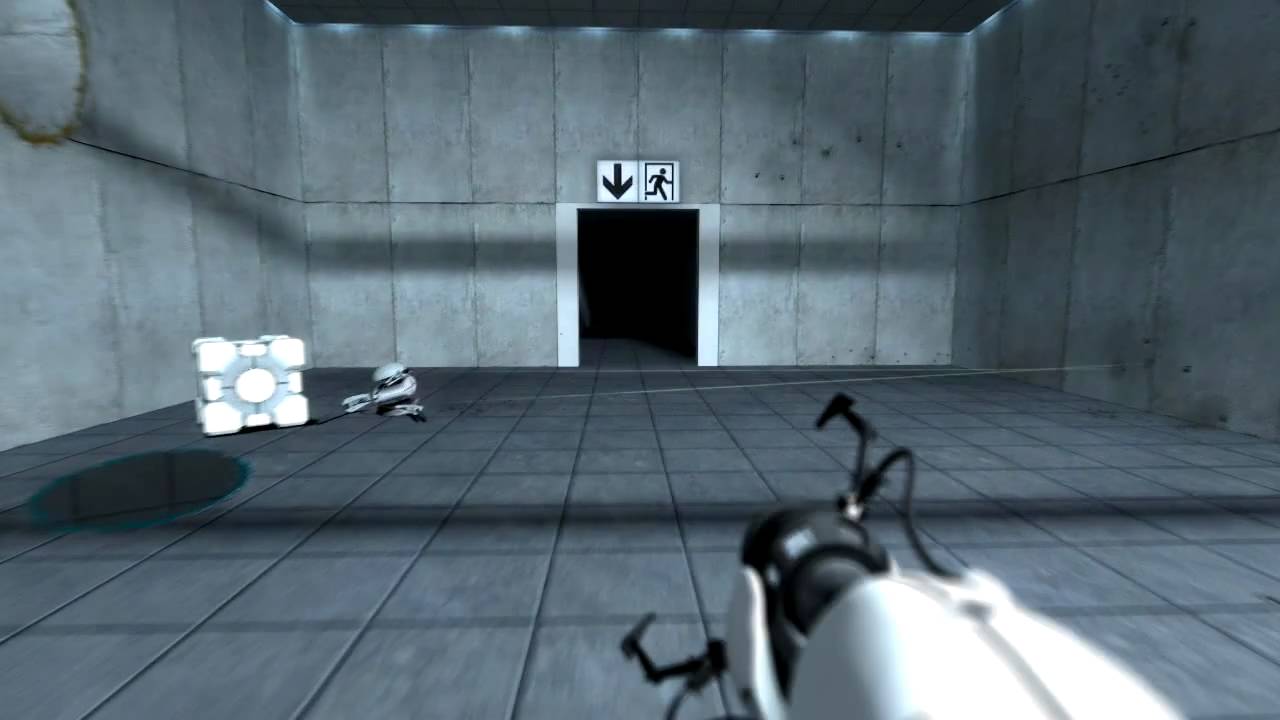
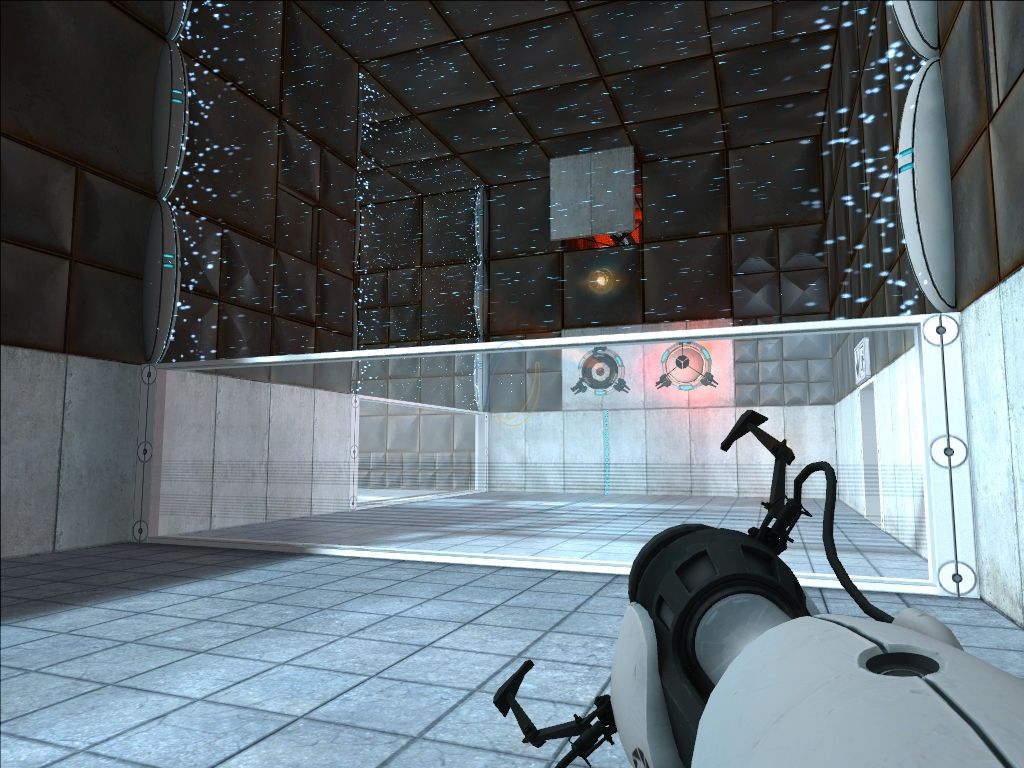
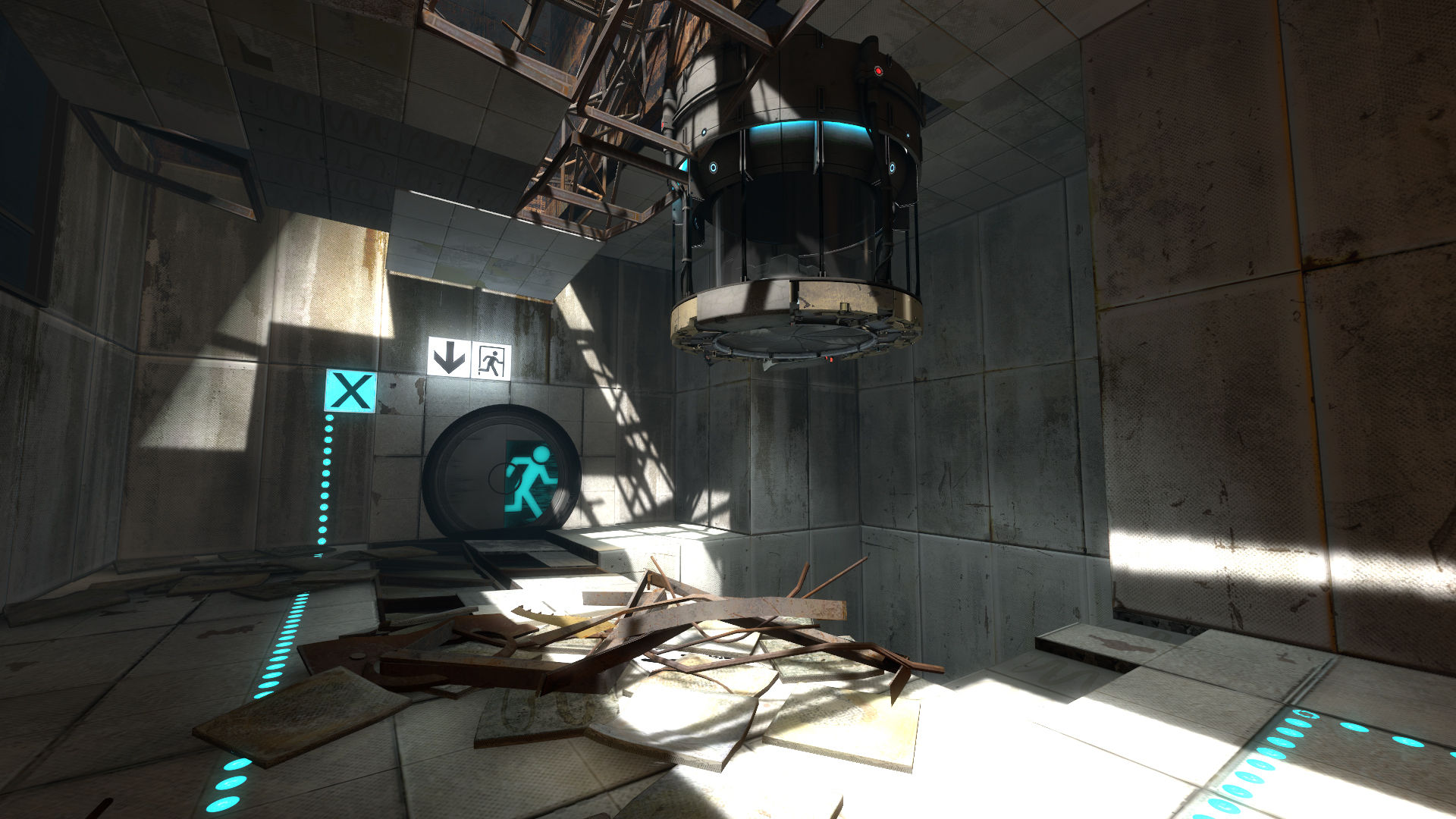
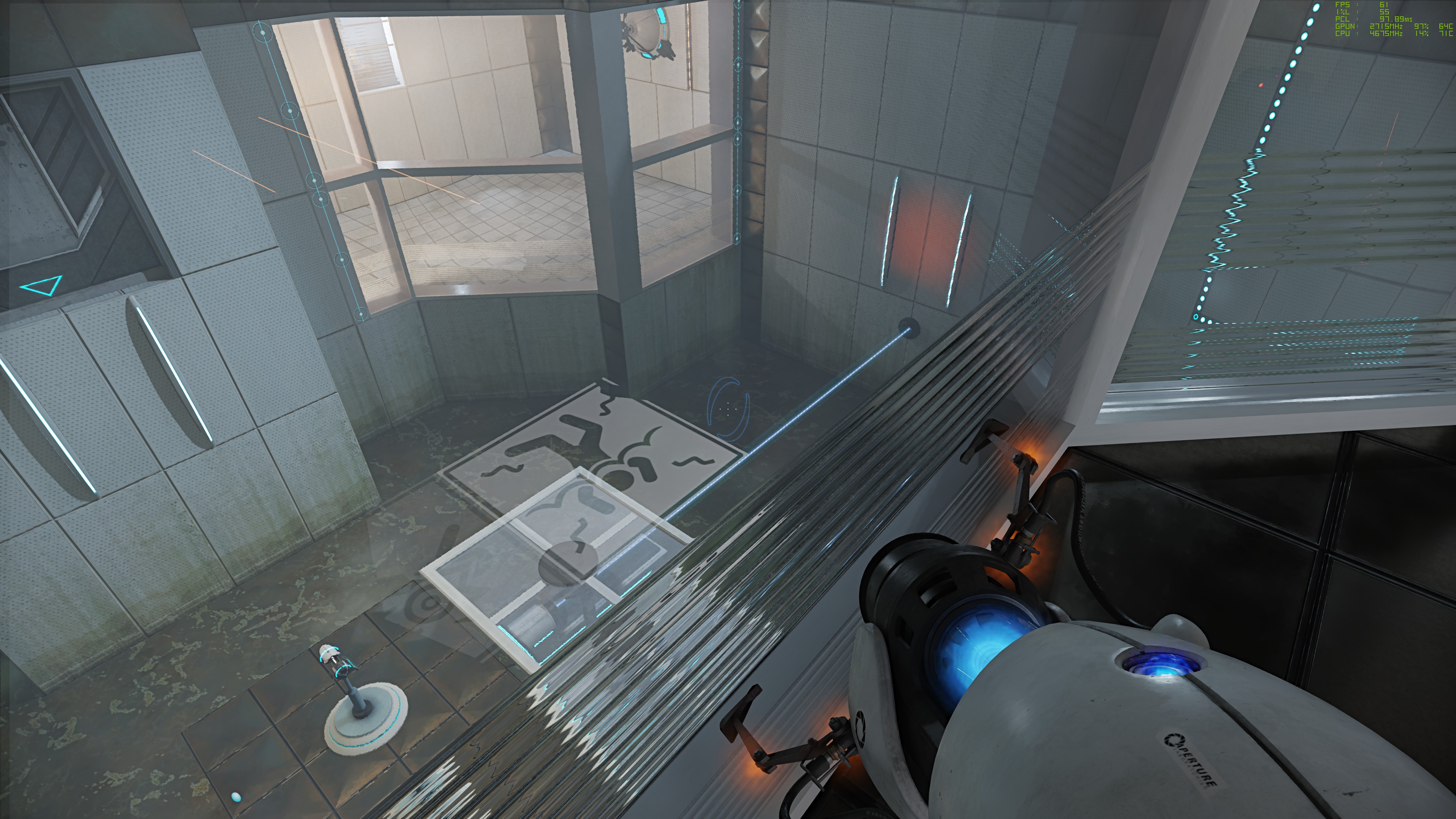
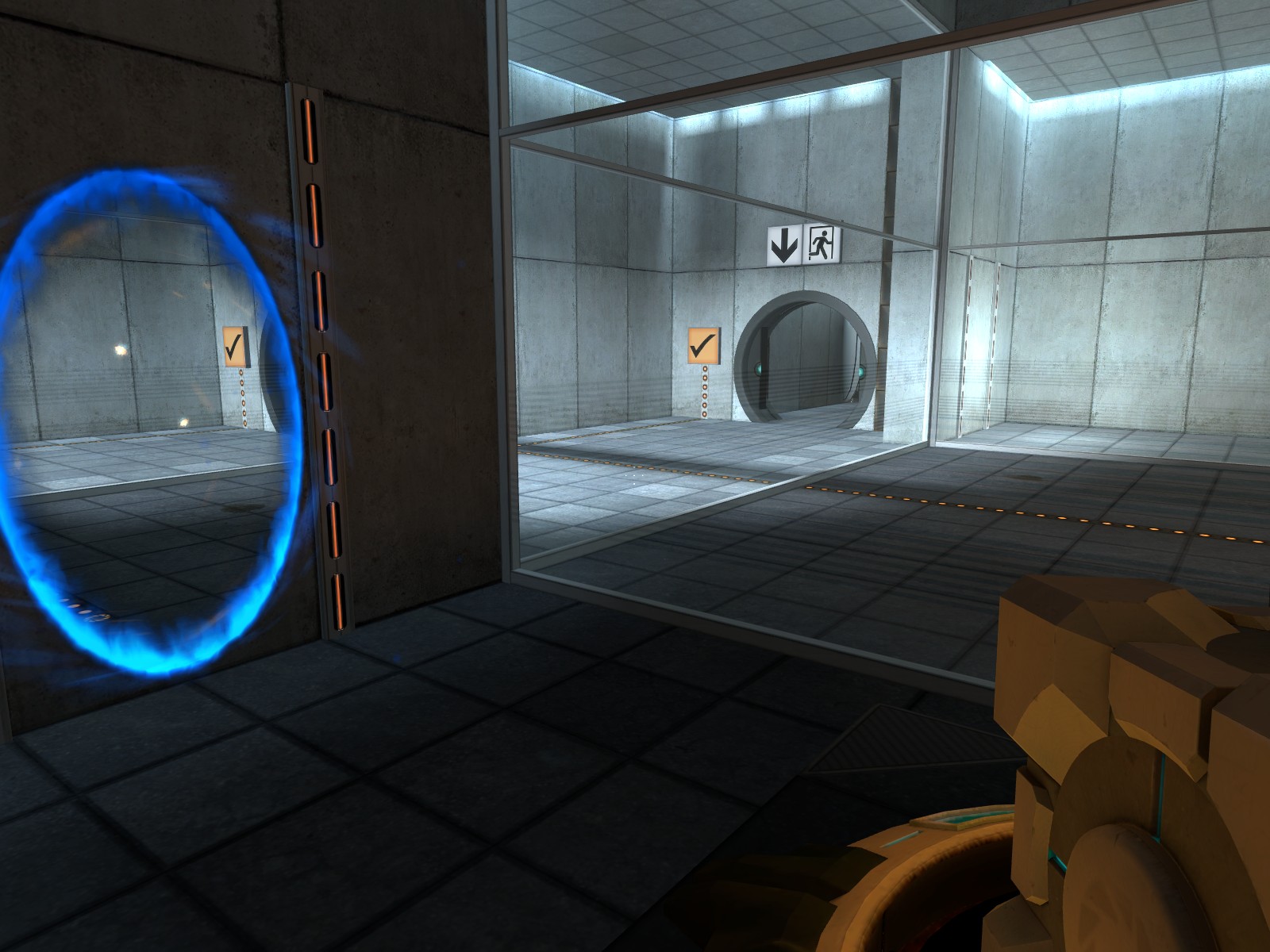
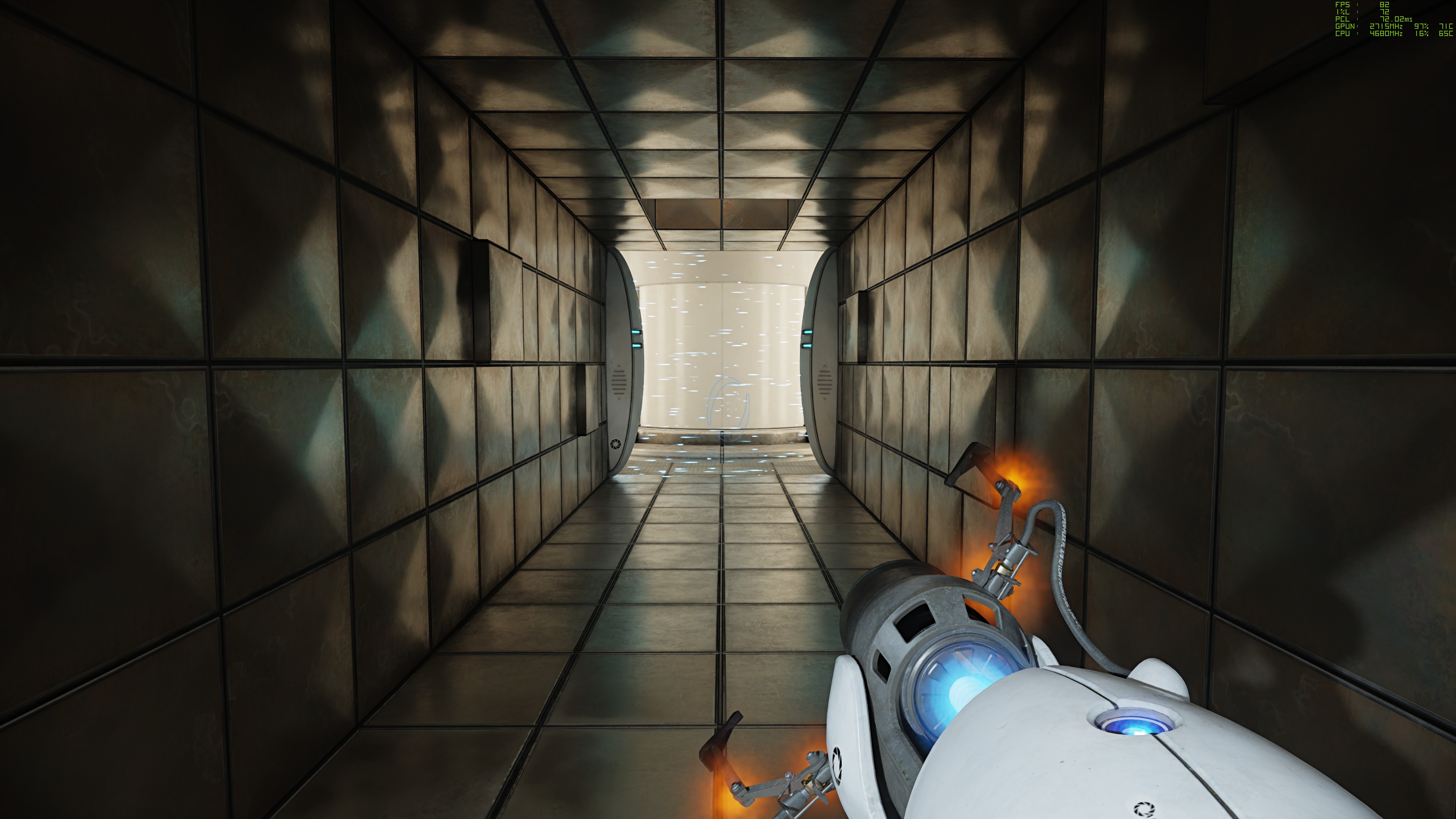
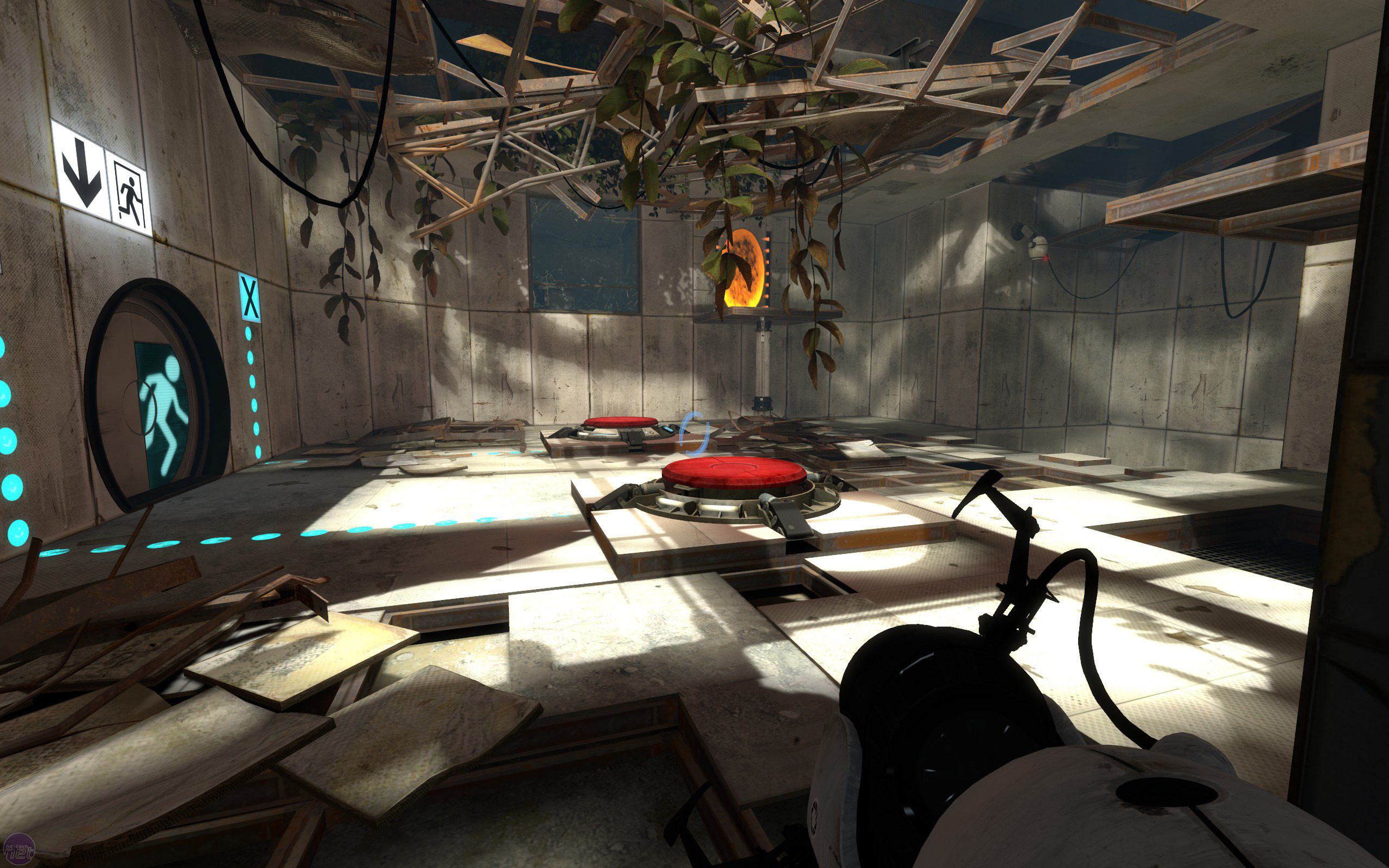
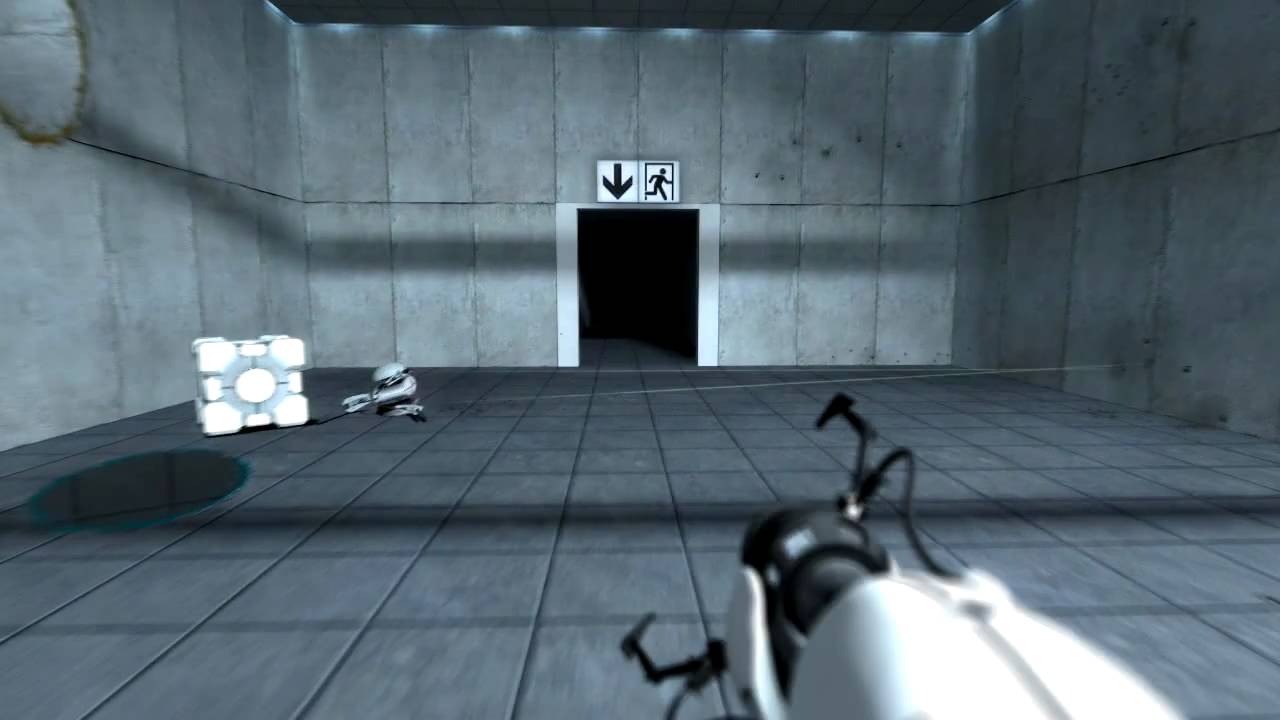
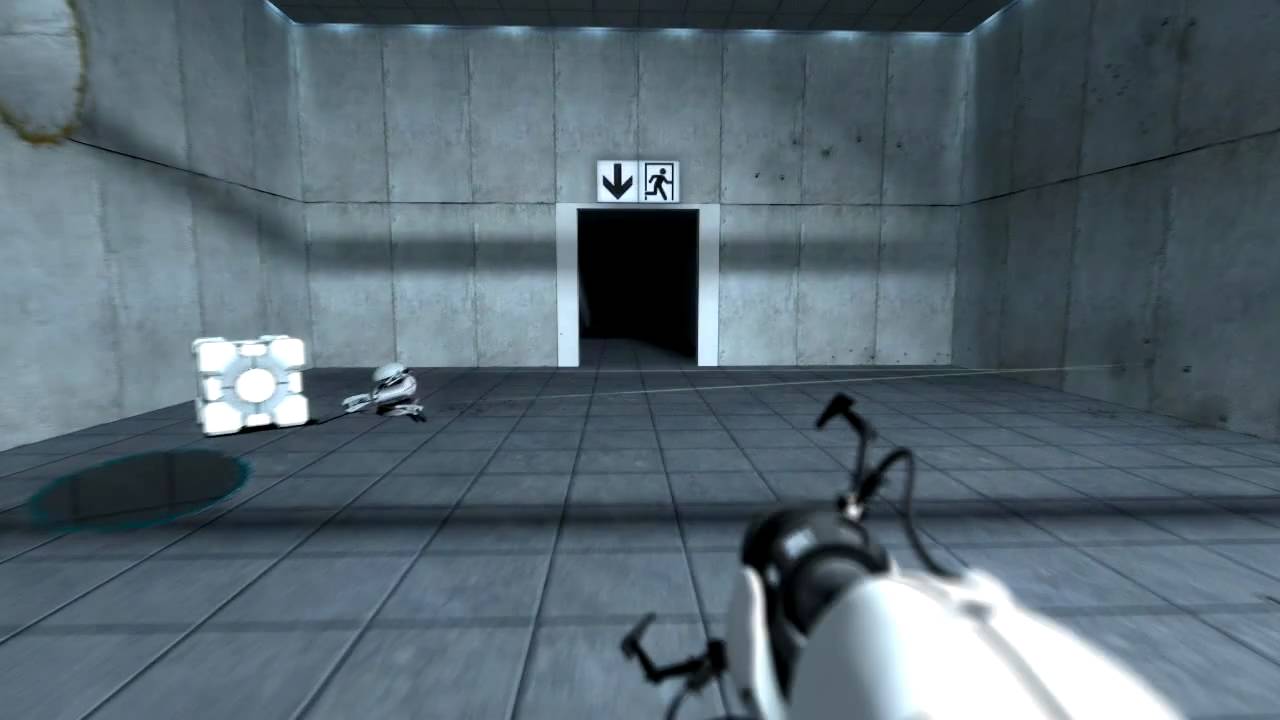
Portal’s visual style is characterized by its sterile, minimalist aesthetic. The environments within the Aperture Science Enrichment Center are stark white, punctuated by occasional bursts of color from machinery and test elements. This deliberate choice emphasizes the sense of isolation and control that permeates the game. While seemingly simple, the Source engine was cleverly utilized to create a believable environment. Lighting plays a crucial role, casting long shadows and highlighting key areas. The use of textures is also noteworthy; they are clean and detailed, contributing to the overall feeling of clinical precision. This visual style wasn’t just about aesthetics; it served to focus the player’s attention on the puzzles and the unfolding narrative.
Gameplay Mechanics and Core Systems
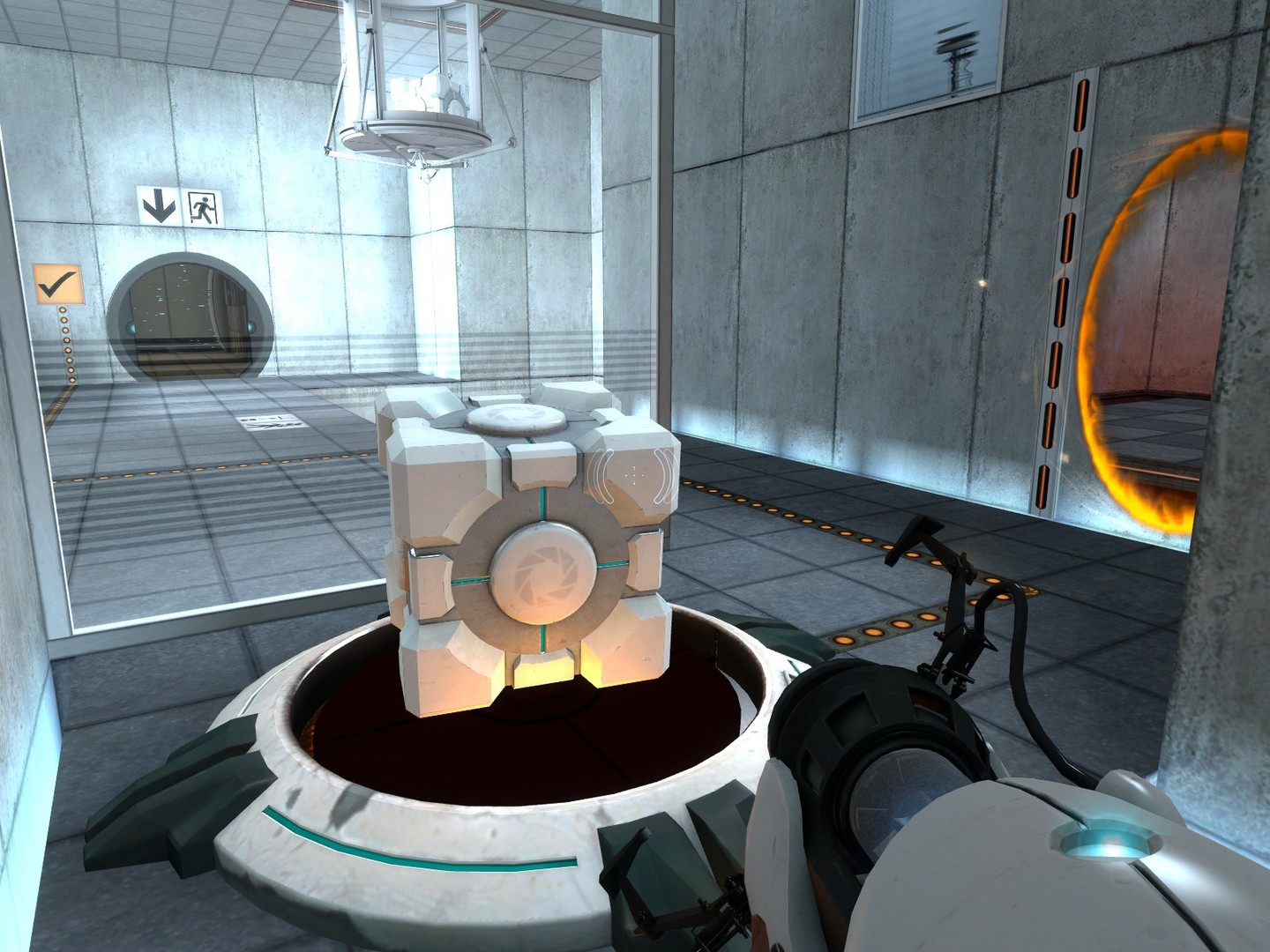
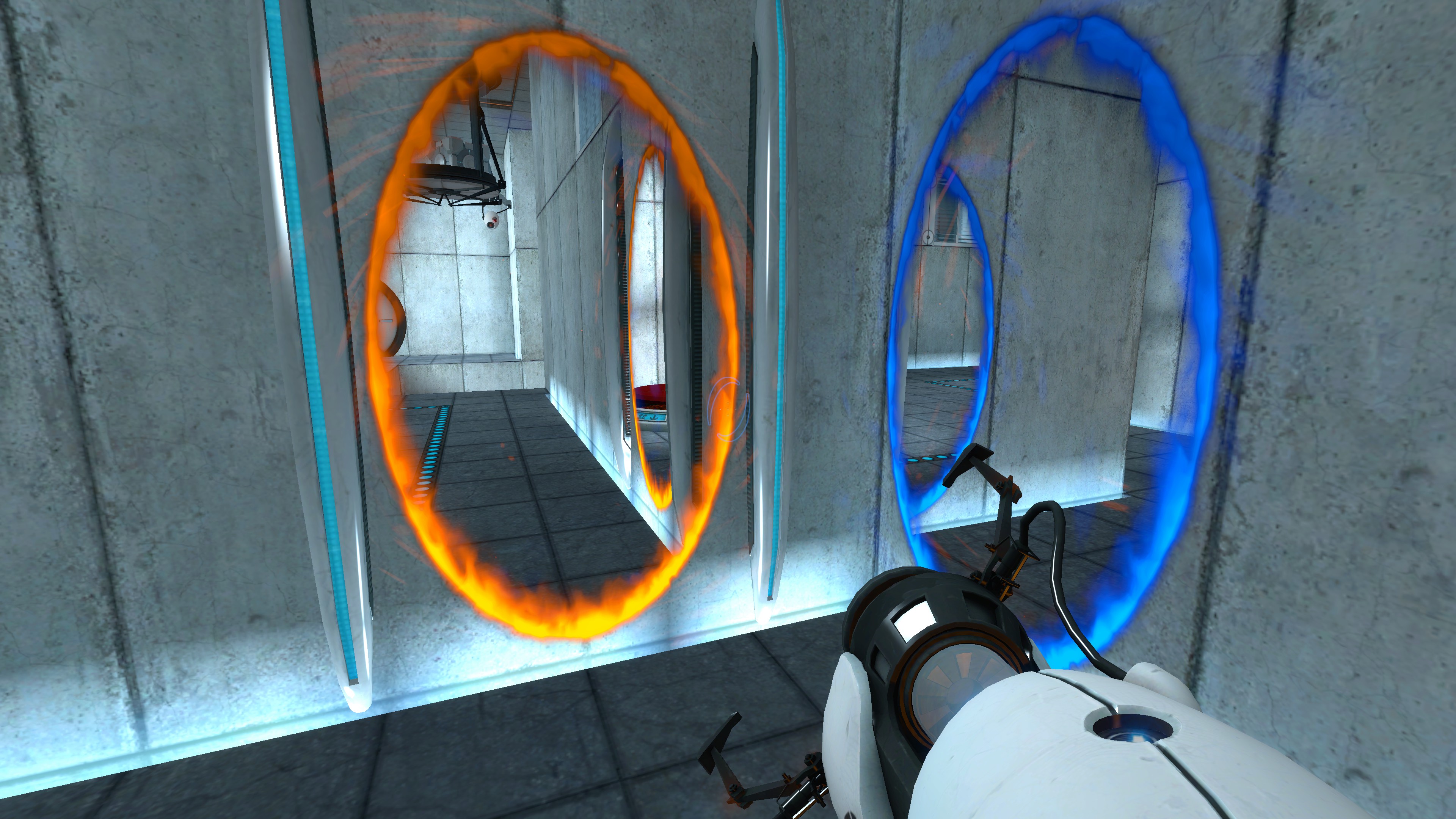
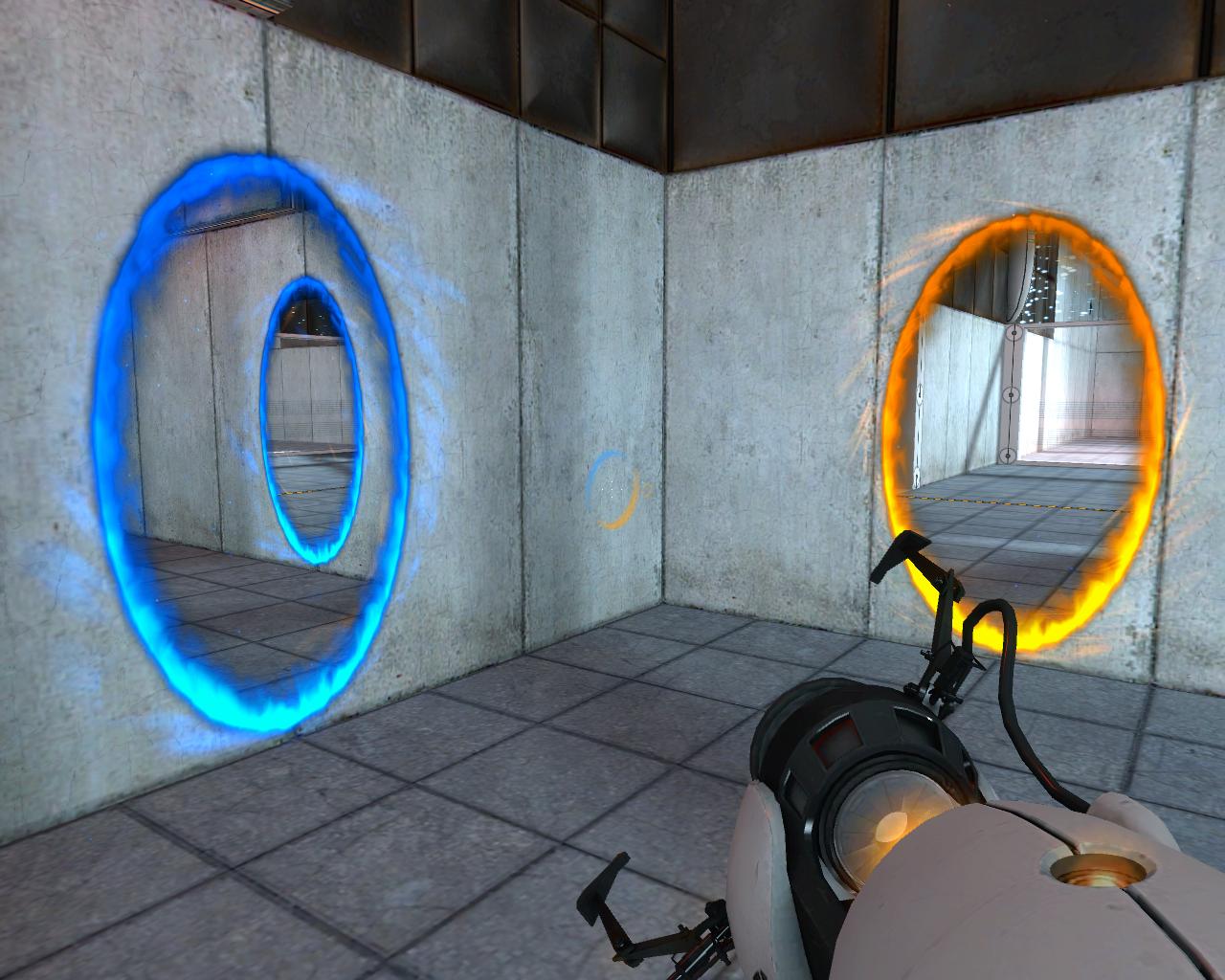
The core gameplay revolves around the “Aperture Science Handheld Portal Device,” or simply, the portal gun. This device allows players to create two interconnected portals on flat surfaces, instantly transporting themselves and objects between them. The physics engine in Source is critical; momentum is conserved when passing through portals, allowing for creative solutions involving speed, trajectory, and object manipulation. Mastering this mechanic is essential for solving the increasingly complex puzzles that form the backbone of Portal’s gameplay. The game introduces new elements gradually, ensuring a constant stream of challenges that test the player’s problem-solving skills and spatial reasoning abilities.
Level Design and World Atmosphere
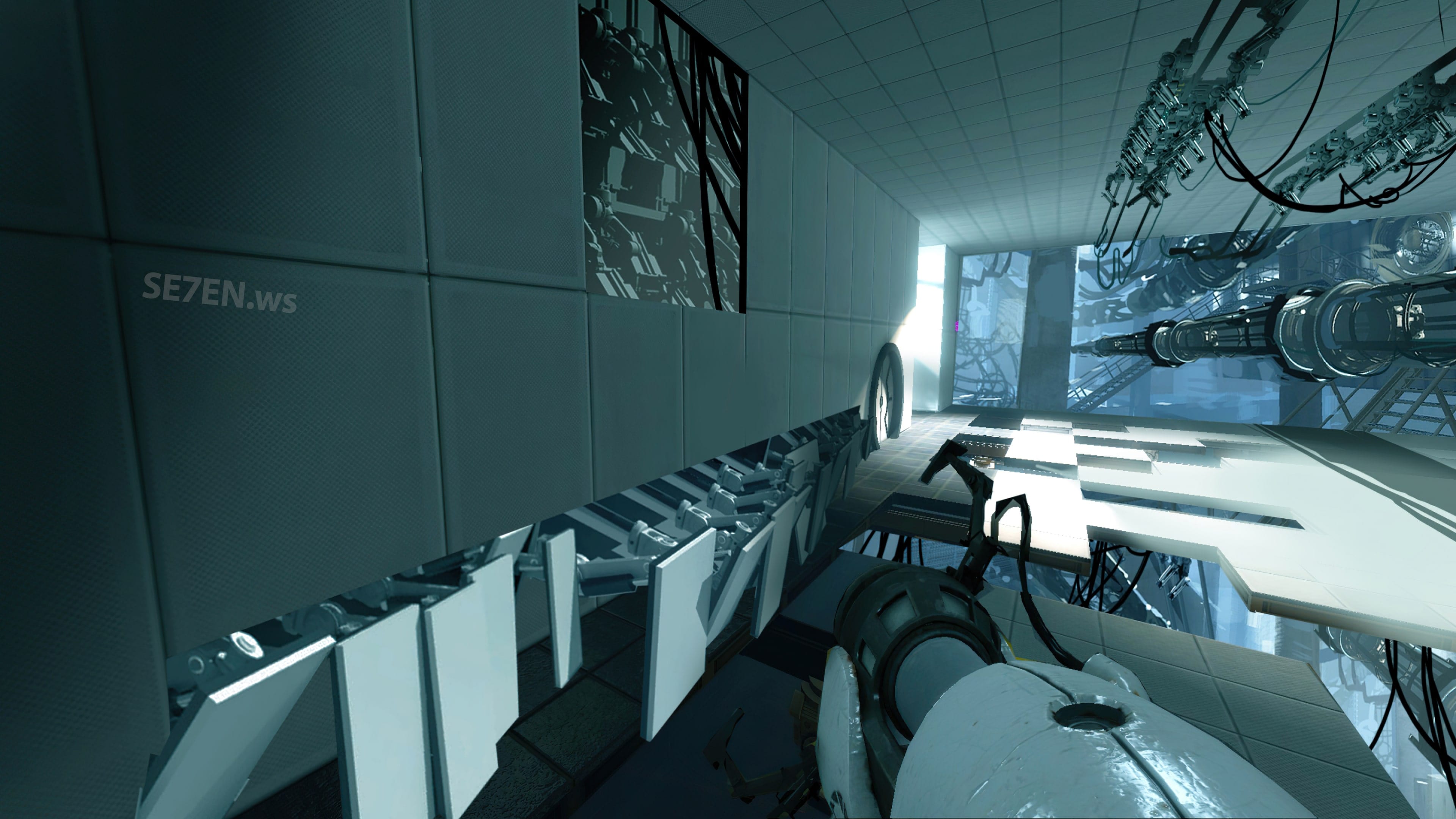
The level design in Portal is meticulously crafted to guide the player through an increasingly challenging series of tests. Each chamber presents a unique puzzle that requires careful observation, experimentation, and creative use of the portal gun. The levels are interconnected, creating a sense of progression and discovery as the player delves deeper into the Aperture Science Enrichment Center. The atmosphere is one of sterile efficiency, punctuated by GLaDOS’s increasingly sarcastic and menacing commentary. This juxtaposition creates a compelling dynamic that keeps players engaged and motivated to overcome each challenge.
Narrative Depth and Character Profiles
While seemingly simple on the surface, Portal boasts a surprisingly rich narrative. Players assume the role of Chell, a silent protagonist who is subjected to a series of increasingly dangerous tests by GLaDOS, an artificial intelligence with a darkly humorous personality. The story unfolds through environmental storytelling, audio logs, and GLaDOS’s constant stream of commentary. The relationship between Chell and GLaDOS is central to the game’s narrative, evolving from one of reluctant cooperation to outright defiance.
Characters like Wheatley, a personality core that temporarily takes control of the Enrichment Center, add further layers to the story, exploring themes of free will, artificial intelligence, and the consequences of unchecked power.
Sound Design and Acoustic Realism
The sound design in Portal is crucial to creating its unique atmosphere. The sterile environments are filled with subtle ambient sounds that create a sense of unease and isolation. GLaDOS’s voice acting is particularly noteworthy, perfectly capturing her sarcastic and menacing personality. The sound effects associated with the portal gun and other machinery are also well-executed, adding to the overall sense of realism. The use of music is minimal but effective, often used to heighten tension or create a sense of triumph.
Release Expectations and Community Hype
Portal’s release within The Orange Box generated significant hype among gamers eager to experience Valve’s latest innovation. The game quickly became a critical darling, praised for its innovative gameplay, clever writing, and memorable characters. Its success led to the development of Portal 2, which further expanded on the original’s themes and mechanics. The community surrounding Portal is still active today, with players creating mods, fan art, and sharing their experiences online.
Conclusion: The Future of Portal
Portal remains a landmark achievement in game design. Its innovative gameplay, memorable characters, and thought-provoking narrative have cemented its place as a classic. While a direct sequel exists, the original’s unique charm and influence continue to resonate with players today. The future of Portal may involve further exploration of its themes and mechanics through mods, fan projects, or even potential new installments. Its legacy is secure, inspiring developers and captivating audiences for years to come.

Source: Wikipedia