Introduction: The Next Chapter for Portal 2
Portal 2, released in 2011 by Valve, wasn’t just a sequel; it was an evolution. Building upon the groundbreaking foundation laid by its predecessor, Portal, this first-person puzzle-platformer expanded the core mechanics, deepened the narrative, and introduced cooperative gameplay, solidifying its place as a landmark achievement in game design. The anticipation surrounding Portal 2 was palpable, fueled by cryptic ARG (Alternate Reality Game) campaigns that teased players with glimpses into the enigmatic world of Aperture Science. This sequel successfully recaptured the magic of the original while simultaneously pushing boundaries and setting new standards for puzzle games.
Visual Direction and Graphics Engineering
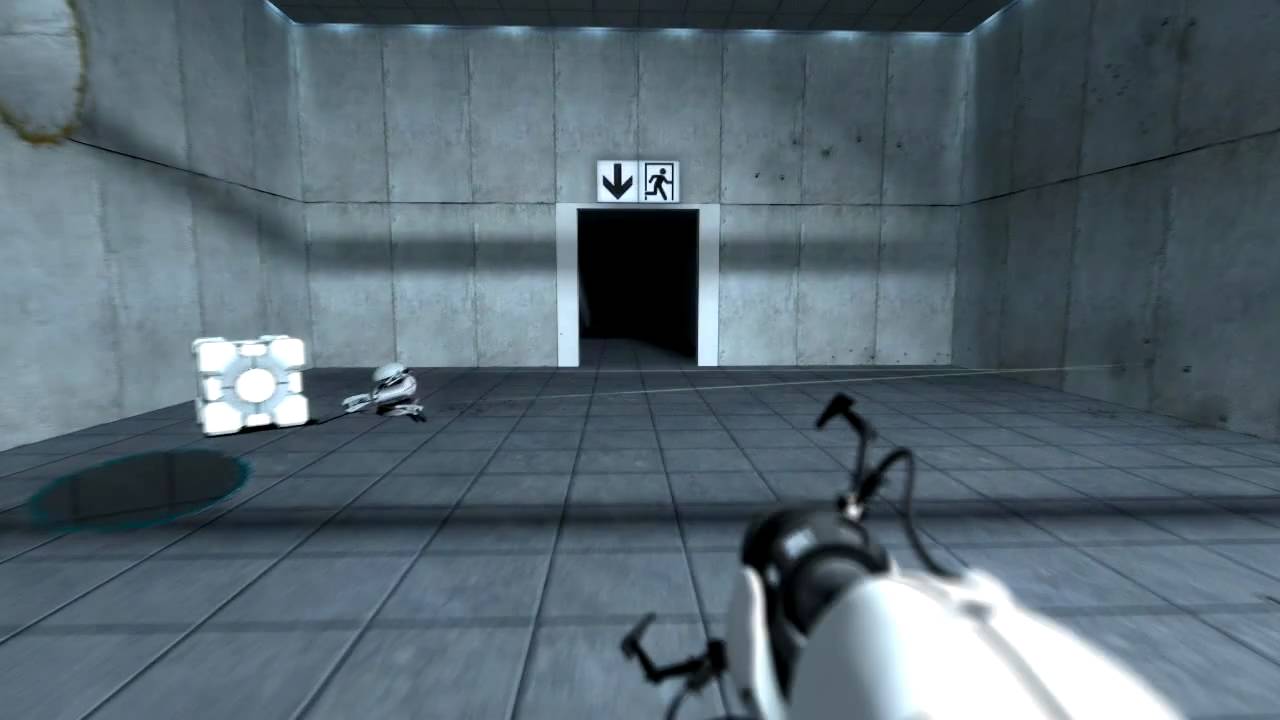
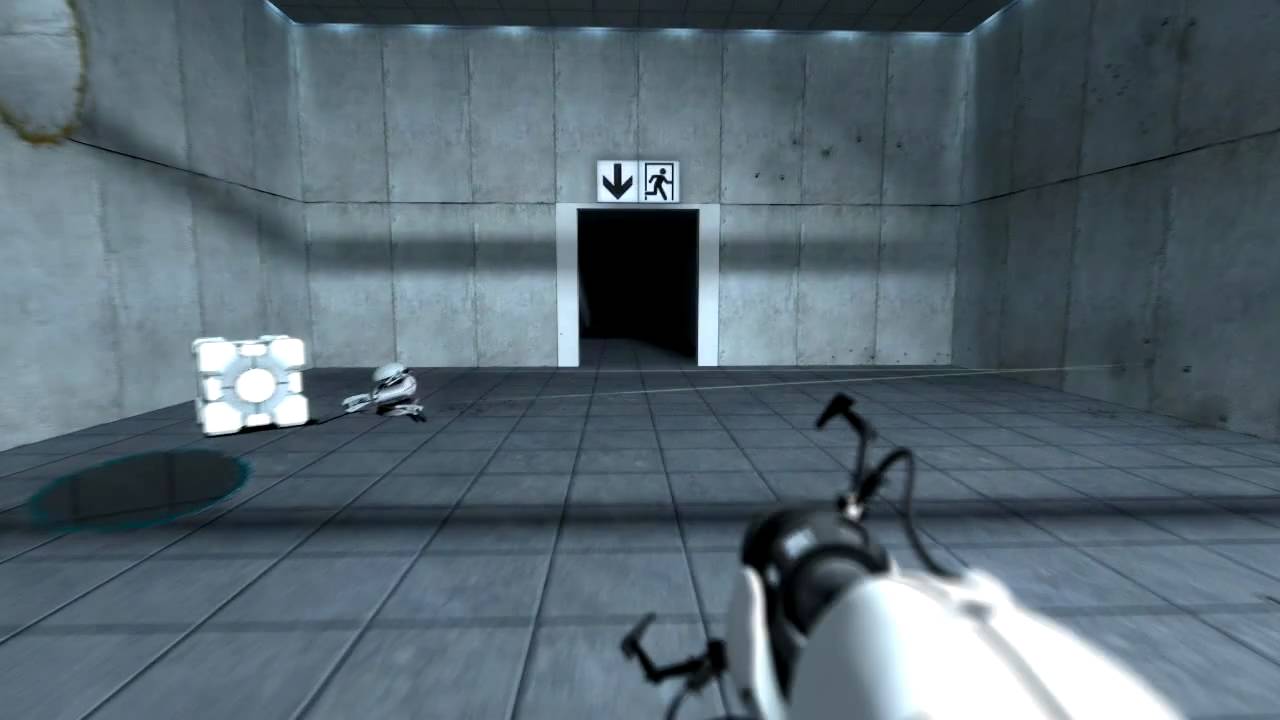
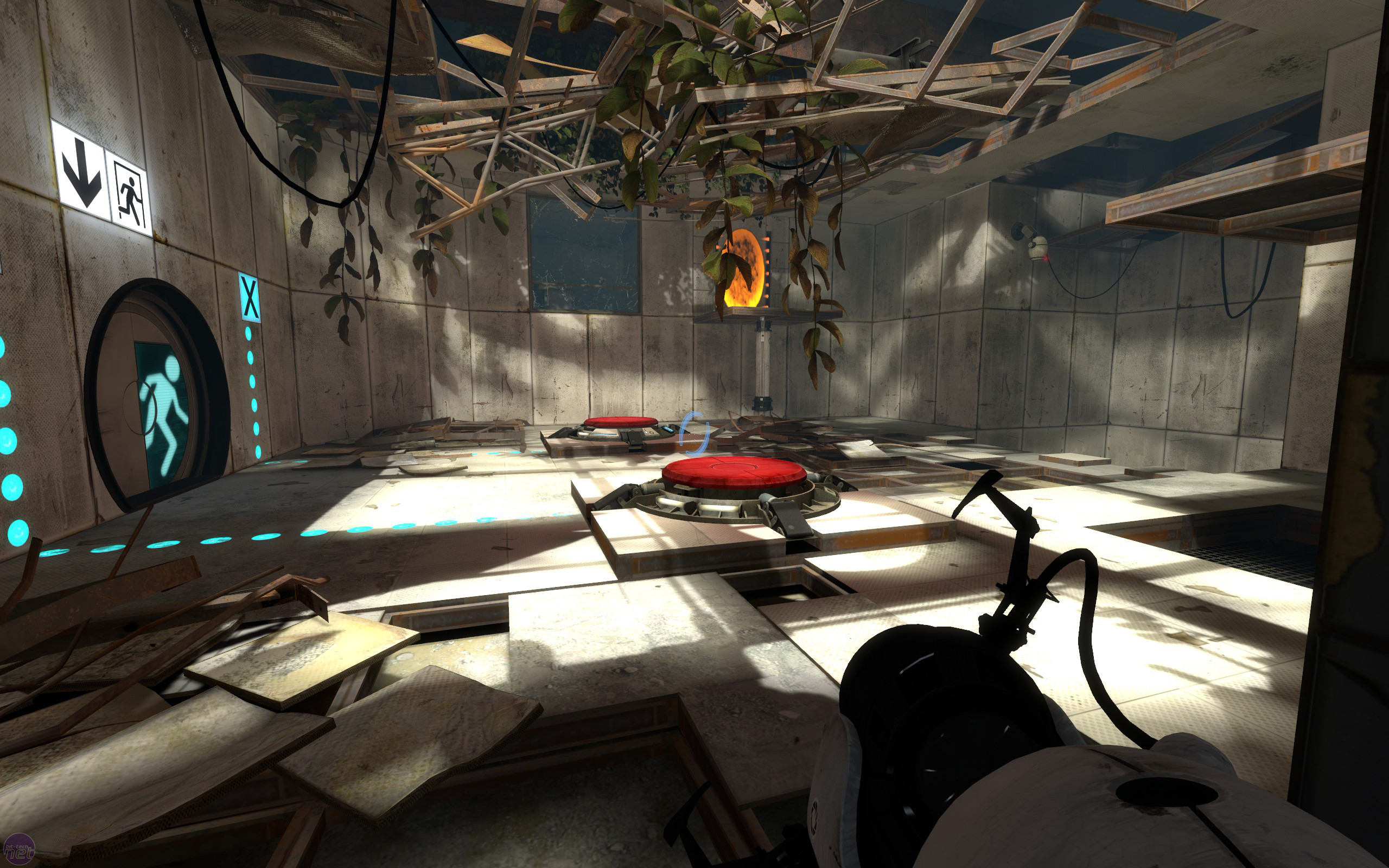
Portal 2 maintains the distinctive visual style established in the first game, characterized by clean lines, stark white environments contrasted with vibrant portal colors, and a sense of sterile scientific experimentation gone awry. The Source engine, though showing its age compared to more modern titles, was meticulously optimized for Portal 2. This optimization allowed for larger, more detailed environments than the original, particularly in the dilapidated Aperture Science Enrichment Center. The visual direction is crucial; it reinforces the themes of isolation, scientific hubris, and the unsettling nature of GLaDOS’s control. While not pushing graphical boundaries, the art style remains iconic and contributes significantly to the game’s atmosphere.
Gameplay Mechanics and Core Systems
The core gameplay revolves around placing two interconnected portals on compatible surfaces, allowing players to teleport across vast distances and manipulate physics in creative ways. Portal 2 expands upon this foundation with new mechanics like excursion funnels (tractor beams), lasers, light bridges, and paint-like gels that alter player movement or allow portal placement on previously incompatible surfaces. These additions significantly increase the complexity and variety of puzzles, demanding more strategic thinking and precise execution. The introduction of cooperative gameplay adds another layer of challenge, requiring players to coordinate their actions and utilize each other’s abilities to solve intricate puzzles designed specifically for two players.
Level Design and World Atmosphere
Portal 2’s level design is a masterclass in environmental storytelling. The game seamlessly transitions between the sterile white chambers of the Enrichment Center and the decaying, overgrown areas that have been neglected for decades. Each chamber presents unique challenges and opportunities to utilize the portal mechanics, encouraging experimentation and rewarding clever solutions. The atmosphere is thick with tension and unease, punctuated by GLaDOS’s passive-aggressive commentary and the unsettling presence of Cave Johnson’s pre-recorded messages. The level design isn’t just about solving puzzles; it’s about immersing players in a world that feels both familiar and utterly alien.
Narrative Depth and Character Profiles
The narrative is arguably one of Portal 2’s greatest strengths. GLaDOS, the sardonic AI antagonist, returns with her trademark wit and passive-aggressive tendencies, while new characters like Wheatley, a personality core voiced by Stephen Merchant, and Cave Johnson, the eccentric founder of Aperture Science, add depth and humor to the story. The relationship between Chell (the silent protagonist) and GLaDOS is complex and engaging, evolving from antagonism to something resembling reluctant cooperation. The narrative explores themes of control, artificial intelligence, scientific ambition, and the consequences of unchecked power.
Sound Design and Acoustic Realism
The sound design in Portal 2 is exceptional, contributing significantly to the game’s atmosphere and immersion. From the subtle hum of machinery to the ominous clanking of GLaDOS’s robotic limbs, every sound effect is meticulously crafted to create a sense of realism and unease. The voice acting is superb, with Ellen McLain delivering a particularly memorable performance as GLaDOS. The soundtrack, composed by Mike Morasky, complements the gameplay perfectly, enhancing both the tension and the moments of levity.
Release Expectations and Community Hype
The release of Portal 2 was highly anticipated, fueled by Valve’s clever marketing campaign that involved ARG elements designed to engage players before the game even launched. The community responded enthusiastically, creating countless videos, mods, and fan art inspired by the game. The positive reception from critics and players alike solidified Portal 2’s status as a must-play title for fans of puzzle games and anyone interested in innovative storytelling.
Conclusion: The Future of Portal 2
Portal 2 remains a timeless classic, praised for its ingenious gameplay mechanics, compelling narrative, and unforgettable characters. Its influence can be seen in countless games that followed, solidifying its place as a landmark achievement in game design. While a direct sequel may not be on the horizon, the legacy of Portal 2 continues to inspire developers and captivate players, ensuring that its impact will be felt for years to come.

Source: Wikipedia


