


Om dette spil
Introduction: The Next Chapter for Poptropica
Poptropica, a name synonymous with childhood adventure and online exploration for an entire generation, stands as a testament to the enduring power of engaging gameplay and creative freedom. Originally conceived by Jeff Kinney (yes, that Jeff Kinney) and later nurtured under Pearson Education’s Family Education Network, Poptropica has evolved significantly since its inception in 2007. This deep-dive review will dissect the game’s core mechanics, artistic direction, and overall impact on the online gaming landscape, examining how it continues to captivate young players while adapting to a constantly evolving technological environment. We’re not just looking at a game; we’re analyzing a cultural phenomenon.
Visual Direction and Graphics Engineering
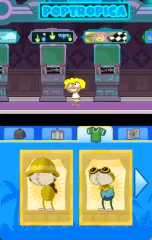
Poptropica’s visual style is instantly recognizable: a vibrant, cartoonish aesthetic that prioritizes clarity and accessibility for its target audience. The original Flash-based version relied on vector graphics, allowing for scalability and relatively low system requirements – crucial factors for widespread adoption. While the visuals might seem simplistic by today’s standards, they are deliberately designed to be charming and inviting. The HTML5 port likely maintained a similar visual fidelity while leveraging modern web technologies. The success of Poptropica Worlds, built on Unity, demonstrates an attempt to modernize the graphics engine while retaining the core aesthetic appeal. This image showcases the iconic character design that defines Poptropica’s visual identity.
Gameplay Mechanics and Core Systems
At its heart, Poptropica is a quest-driven adventure game. Players navigate through themed “islands,” each presenting unique challenges and puzzles to overcome. The gameplay loop revolves around exploration, item collection, character interaction, and problem-solving. The core systems are relatively simple: movement, inventory management, dialogue trees, and basic combat (often puzzle-based rather than action-oriented). This simplicity is a key strength, making the game accessible to younger players while still providing enough depth to keep them engaged. The “credits” system, earned by completing islands, adds a layer of progression and allows players to customize their avatars and clubhouses, fostering a sense of ownership and personalization.
Level Design and World Atmosphere
The diverse range of islands is arguably Poptropica’s greatest strength. From tropical paradises to haunted castles, each island offers a unique visual experience and gameplay challenge. The level design within these islands is carefully crafted to guide players while still allowing for exploration and discovery. The atmosphere is consistently lighthearted and adventurous, creating a safe and welcoming environment for young players. While the original Flash version relied on pre-rendered environments, Poptropica Worlds likely utilizes more dynamic and interactive elements within its island designs, offering a richer and more immersive experience. This image highlights the diverse range of islands available in Poptropica, showcasing the game’s commitment to variety and exploration.
Narrative Depth and Character Profiles
While not known for complex narratives, Poptropica excels at creating memorable characters and engaging storylines within its island settings. Each character contributes to the overall atmosphere and provides clues or assistance to the player. The stories are typically age-appropriate and focus on themes of friendship, courage, and problem-solving. While the original game relied on text-based dialogue, Poptropica Worlds likely incorporates voice acting and more elaborate cutscenes to enhance the storytelling experience. The simplicity of the narratives allows players to easily follow the plot and become invested in the characters’ journeys.
Sound Design and Acoustic Realism
The sound design in Poptropica plays a crucial role in creating an immersive and engaging experience. The game features a variety of sound effects, from ambient sounds that bring the islands to life to music that underscores the action. The original Flash version likely utilized pre-recorded audio tracks, while Poptropica Worlds may incorporate more dynamic and interactive soundscapes. The overall effect is one of lightheartedness and adventure, perfectly complementing the game’s visuals and gameplay.
Release Expectations and Community Hype
Poptropica has maintained a dedicated fanbase for over a decade, fueled by its consistent updates, engaging content, and strong sense of community. The release of Poptropica Worlds represented a significant evolution for the franchise, offering a more modern and expansive online experience. The game’s accessibility and family-friendly nature have contributed to its enduring popularity, making it a staple in the online gaming landscape for children. The anticipation surrounding new island releases and character updates is always high within the Poptropica community.
Conclusion: The Future of Poptropica
Poptropica remains a powerful example of how engaging gameplay and creative freedom can captivate young players and foster a strong sense of community. While the original Flash-based version may seem dated by today’s standards, the franchise has successfully adapted to new technologies while retaining its core values. The future of Poptropica likely involves continued expansion within the Unity-powered “Worlds” platform, offering even more immersive experiences and opportunities for player interaction.
This video showcases gameplay from Poptropica Worlds, highlighting the advancements in graphics and interactivity. As long as it continues to prioritize accessibility, creativity, and a safe online environment, Poptropica is poised to remain a beloved online destination for children for years to come.
Source: Wikipedia
Deltag i samtalen