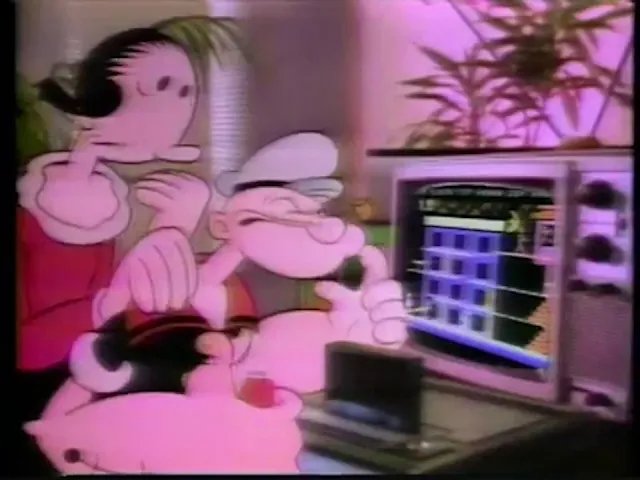
Introduction: The Next Chapter for Popeye 2
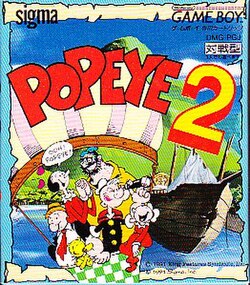
Popeye 2, a Game Boy title developed by Copya System and published by Sigma Enterprises (Japan) and Activision (North America & Europe), arrived in 1991 as the sequel to the original Popeye game. This installment aimed to build upon the foundation laid by its predecessor, offering players a fresh experience within the familiar world of Popeye the Sailor. While not universally lauded, Popeye 2 represents an interesting snapshot of early Game Boy development and offers a glimpse into how beloved characters were adapted for handheld gaming in the 1990s. The game’s legacy is one of modest ambition and technical limitations, but also of genuine effort to capture the spirit of E.C. Segar’s creation.
Visual Direction and Graphics Engineering
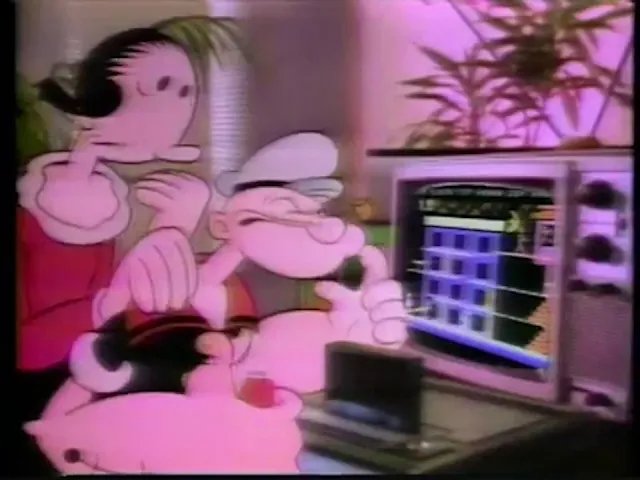
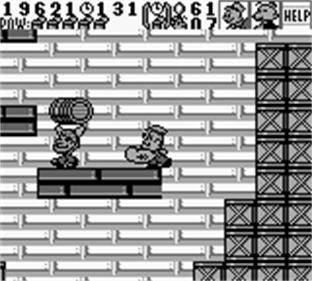
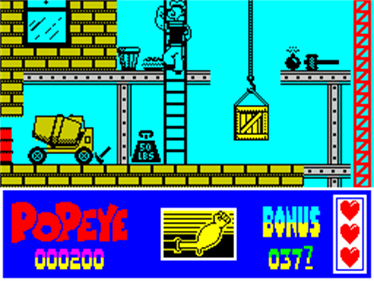
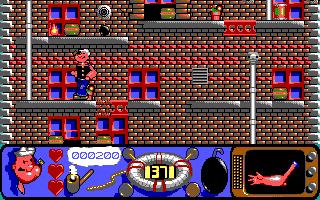
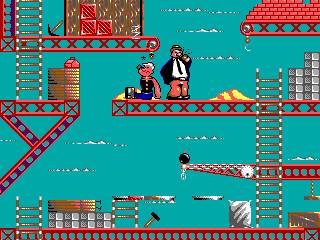
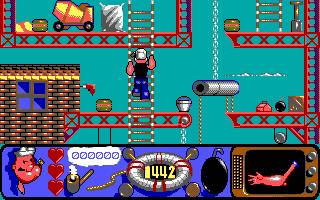
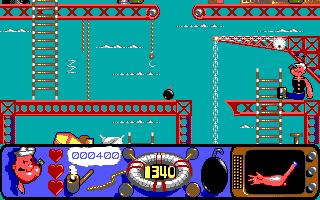
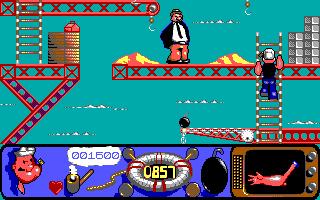
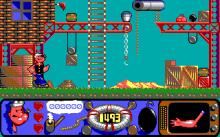
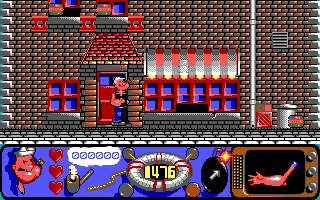
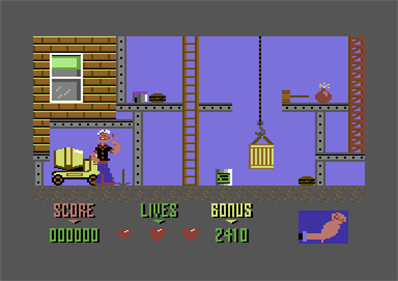
The visual direction in Popeye 2 adheres strictly to the constraints of the Game Boy hardware. Graphics are rendered using a limited color palette and low resolution, resulting in pixelated sprites and environments. While visually simplistic by modern standards, the developers managed to create recognizable representations of iconic characters like Popeye, Olive Oyl, Bluto (Brutus), and Wimpy. The use of animation is basic but effective, conveying movement and action within the confines of the system’s capabilities. The engine, a proprietary creation for Copya System, demonstrates an understanding of how to maximize the Game Boy’s processing power while maintaining a playable frame rate. This image showcases the limited color palette and pixelated character designs that were characteristic of Game Boy games.
Gameplay Mechanics and Core Systems
Popeye 2 follows a classic side-scrolling platforming formula. Players control Popeye as he navigates levels, battling enemies (primarily Bluto) and rescuing Olive Oyl. The core gameplay loop revolves around collecting spinach to gain temporary invincibility and strength, allowing Popeye to defeat larger opponents. The game features basic jumping mechanics, a simple attack system, and occasional platforming challenges. While not groundbreaking, the gameplay is functional and provides a reasonable level of challenge for players familiar with the genre. The proprietary engine handles collision detection and enemy AI within these limitations.
Level Design and World Atmosphere
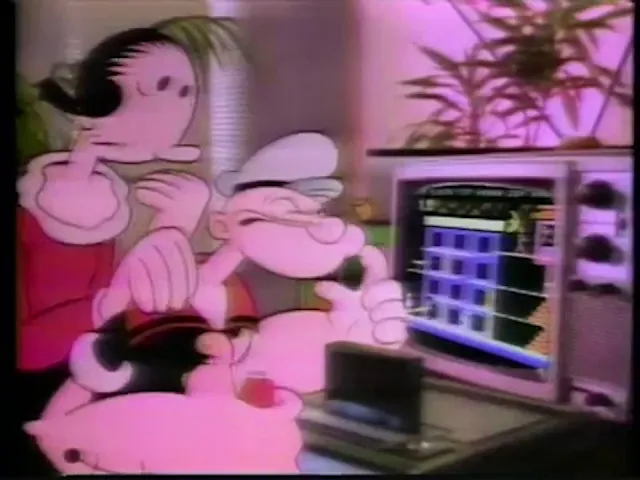
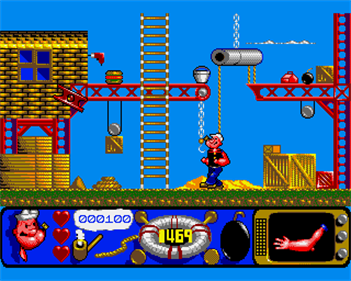
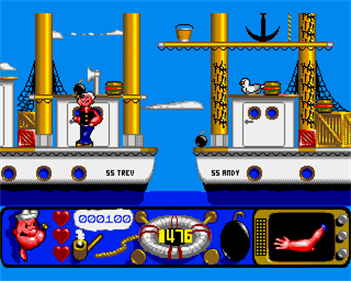
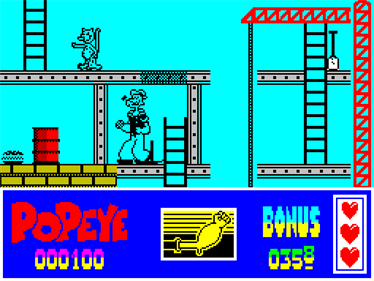
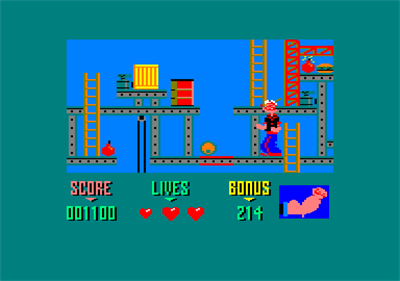
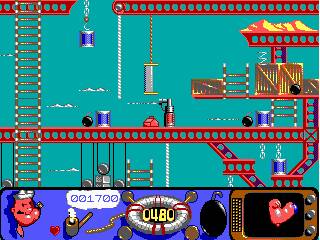
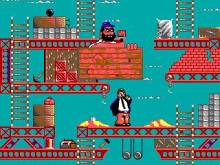
The level design in Popeye 2 attempts to capture the diverse locations found in the original comic strips. Players will encounter environments ranging from docks and piers to tropical islands and even underwater scenes. While visually repetitive due to the hardware limitations, the developers tried to create a sense of variety through different enemy placements and platforming challenges. The level design is straightforward, focusing on providing a linear progression with occasional hidden areas and collectibles. This image shows an example of the level design, highlighting the simple backgrounds and limited graphical detail.
Narrative Depth and Character Profiles
The narrative in Popeye 2 remains faithful to the source material, revolving around Popeye’s ongoing pursuit of Olive Oyl and his rivalry with Bluto. The story is presented through brief cutscenes and dialogue sequences, relying on familiar tropes from the comic strips. While not particularly deep or complex, the game successfully captures the lighthearted and comedic tone of the original characters. The character profiles are consistent with their established personalities: Popeye’s strength and determination, Olive Oyl’s vulnerability, and Bluto’s brute force.
Sound Design and Acoustic Realism
The sound design in Popeye 2 is typical of early Game Boy titles, featuring simple chiptune music and basic sound effects. The soundtrack provides a cheerful and upbeat accompaniment to the gameplay, while the sound effects add impact to actions such as jumping, attacking, and collecting spinach. While not particularly sophisticated, the audio elements effectively enhance the overall gaming experience within the limitations of the hardware.
Release Expectations and Community Hype
Upon its release in 1991 (Japan) and subsequent releases in North America and Europe, Popeye 2 generated moderate anticipation among Game Boy owners. The game benefited from the established popularity of the Popeye character and the familiarity of the platforming genre. However, the limited graphical capabilities and relatively simple gameplay prevented it from achieving widespread critical acclaim or commercial success. The community response was mixed, with some players appreciating the nostalgic appeal and others finding the experience somewhat repetitive.
Conclusion: The Future of Popeye 2
Popeye 2 represents a modest but interesting chapter in the history of Game Boy gaming. While not a groundbreaking title, it demonstrates the creative efforts to adapt beloved characters for handheld platforms during an era of technological limitations. The game’s legacy is one of nostalgic appeal and a reminder of the challenges faced by developers working with early hardware.
This video showcases gameplay footage, highlighting the core mechanics and visual style. The future of Popeye 2 likely rests in its continued availability on digital storefronts and its enduring place as a piece of gaming history.
Source: Wikipedia

.png/180px-Popeye_2_gameplay_(Commodore_64).png)
.png/180px-Popeye_2_gameplay_(Amstrad_CPC).png)


