Introduction: The Next Chapter for Pokemon GO
Pokémon GO, the augmented reality phenomenon that captivated the world in 2016, continues to evolve under the stewardship of Scopely Explore following Niantic’s departure. This Masterclass Deep-Dive will dissect the game’s enduring appeal, examining its technical prowess, gameplay innovations, and the challenges it faces in maintaining relevance in a rapidly changing mobile gaming landscape. From its humble beginnings as a simple location-based capture game to its current iteration featuring complex battle mechanics and evolving storylines, Pokémon GO represents a fascinating case study in sustained success within the freemium model.
Visual Direction and Graphics Engineering
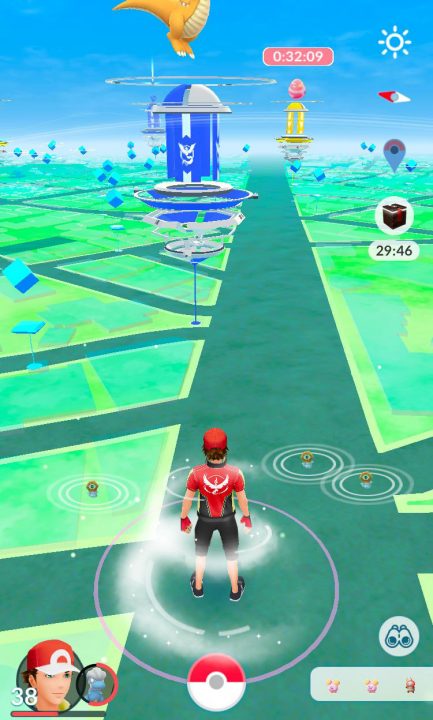
Pokémon GO’s visual style is intentionally simplistic, prioritizing accessibility on a wide range of mobile devices. The use of stylized 3D models for Pokémon characters, combined with real-world imagery captured through the device’s camera, creates a unique blend of virtual and reality. While not pushing the boundaries of graphical fidelity, the game leverages Unity’s capabilities to optimize performance and minimize battery drain. The AR implementation, while initially rudimentary, has seen improvements over time, offering more seamless integration of Pokémon into the player’s surroundings. However, limitations in device hardware continue to impact the quality of the AR experience for some users.
Gameplay Mechanics and Core Systems
The core gameplay loop revolves around exploring the real world to discover and capture Pokémon using virtual Poké Balls. Players progress by leveling up their trainer profile, battling other players at Gyms, and completing research tasks. The introduction of new features like Raids, Team GO Rocket battles, and evolving storylines has added depth and complexity to the experience. However, some critics argue that these additions have created a “pay-to-win” environment, where players who spend money on in-game items gain a significant advantage. The battle system, while initially simple, has evolved into a more strategic affair involving different Pokémon types, movesets, and abilities.
Level Design and World Atmosphere
Pokémon GO’s “level design” is intrinsically tied to the real world. Players explore their surroundings to discover PokéStops (locations offering items) and Gyms (controlled by teams). The game leverages GPS data to populate these locations, creating a dynamic and ever-changing environment. While the game doesn’s offer traditional level design in the sense of handcrafted environments, the placement of PokéStops and Gyms significantly impacts gameplay and encourages exploration. Community events often transform familiar locations into vibrant hubs for Pokémon trainers.
Narrative Depth and Character Profiles
While not boasting a sprawling narrative like some RPGs, Pokémon GO features ongoing storylines involving Team GO Rocket, Legendary Pokémon encounters, and special research tasks. These narratives provide context for in-game events and offer players a sense of progression beyond simply collecting Pokémon. The character profiles of the player’s avatar and key NPCs are relatively simple, but the game encourages social interaction through team affiliations and collaborative gameplay.
Sound Design and Acoustic Realism
The sound design in Pokémon GO is functional rather than immersive. Familiar Pokémon cries and battle music cues provide feedback to the player, enhancing the overall experience. The use of ambient sounds, such as traffic or birdsong, can subtly enhance the sense of presence within the real-world environment. However, the game’s audio landscape lacks the sophistication found in more graphically intensive titles.
Release Expectations and Community Hype
The initial release of Pokémon GO generated unprecedented hype and anticipation. The combination of a beloved franchise with innovative AR technology proved to be a winning formula. While the game has experienced periods of decline in popularity, it continues to attract new players through regular updates, community events, and strategic marketing campaigns. The ongoing support from Scopely Explore is crucial for maintaining player engagement and ensuring the long-term viability of the game.
Conclusion: The Future of Pokemon GO
Pokémon GO remains a unique and influential mobile gaming experience. Its ability to blend virtual gameplay with real-world exploration has captivated millions of players worldwide. While challenges remain in terms of technical limitations, monetization strategies, and maintaining player engagement, the game’s enduring appeal lies in its simple yet addictive core mechanics and its ability to foster social interaction and physical activity. The future of Pokémon GO hinges on Scopely Explore’s ability to innovate while preserving the essence of what made the game so successful in the first place.
Source: Wikipedia


