
Introduction: The Next Chapter for Plants vs. Zombies
Plants vs. Zombies, a franchise that began as a simple tower defense game, has blossomed into a multimedia empire spanning games, comics, and even web series. This Masterclass Deep-Dive will dissect the evolution of this beloved franchise, examining its technical underpinnings, artistic direction, and enduring appeal. From its humble beginnings at PopCap Seattle to its current iteration under Electronic Arts, we’re going to explore how Plants vs. Zombies has consistently innovated while retaining its core charm. The journey from a quirky indie title to a global phenomenon is a testament to the power of accessible gameplay and endearing characters.
Visual Direction and Graphics Engineering
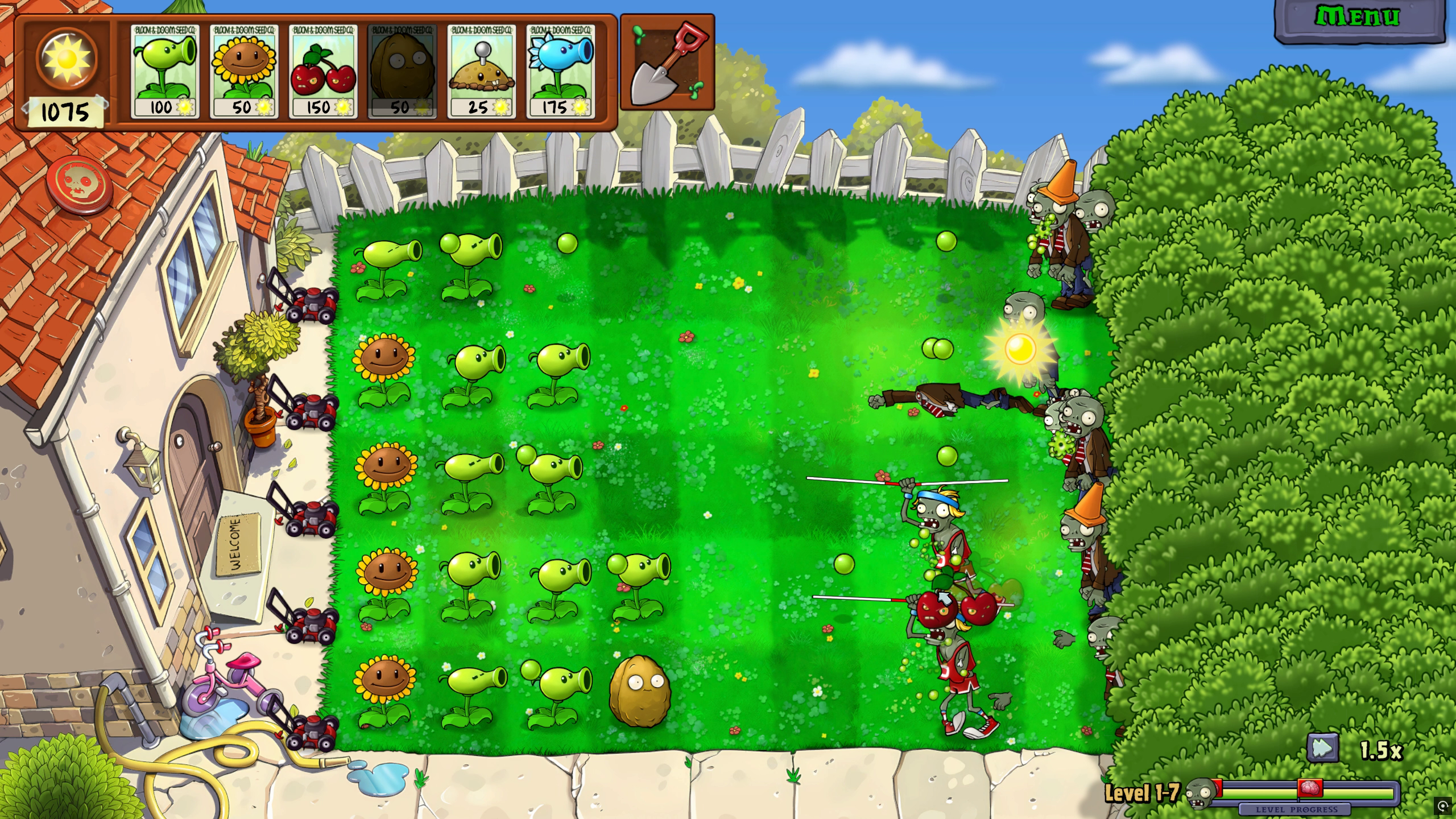
The visual style of Plants vs. Zombies is deceptively simple, but it’s this simplicity that allows for immediate recognition and broad appeal. Early iterations utilized a 2D art style with vibrant colors and exaggerated character designs. This aesthetic was crucial in establishing the game’s lighthearted tone. Later entries, particularly those developed by PopCap Vancouver, experimented with 3D environments and character models in titles like *Plants vs. Zombies: Garden Warfare*. While these visual upgrades provided a more immersive experience, they also presented new challenges for optimization, especially when dealing with large numbers of characters on screen. The proprietary engine, while not explicitly detailed publicly, likely leveraged techniques such as instancing and level-of-detail (LOD) scaling to maintain performance across various platforms.
Gameplay Mechanics and Core Systems
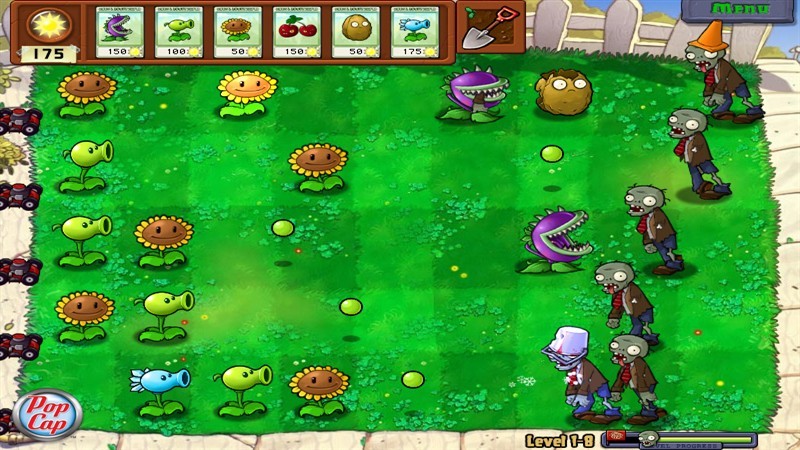
At its heart, Plants vs. Zombies is a tower defense game where players strategically place plants with unique abilities to defend their homes from waves of zombies. The core gameplay loop revolves around resource management (sunlight), plant placement, and adapting strategies based on the evolving zombie threat. What sets Plants vs. Zombies apart is its accessibility; the controls are intuitive, and the learning curve is gentle, making it enjoyable for players of all ages and skill levels. Later iterations introduced new game modes, such as hero mode and cooperative play, expanding the gameplay possibilities while retaining the core tower defense mechanics. The success of this franchise hinges on the perfect balance between strategic depth and ease of access.
Level Design and World Atmosphere
The level design in Plants vs. Zombies is crucial to its overall appeal. Each level presents a unique challenge, with varying terrain, zombie types, and environmental hazards. From suburban lawns to Egyptian pyramids, the diverse locations add variety and replayability. The atmosphere created by these environments is often whimsical and humorous, perfectly complementing the game’s lighthearted tone. Later games expanded on this concept, offering larger, more dynamic levels in the *Garden Warfare* series, allowing for greater freedom of movement and tactical options.
Narrative Depth and Character Profiles
While Plants vs. Zombies is primarily a gameplay-driven experience, it also features a surprisingly rich narrative. The story revolves around David “Crazy Dave” Blazing and his ongoing battle against the zombie hordes led by Dr. Edgar George Zomboss. The characters are quirky and memorable, each with their own unique personalities and motivations. This blend of humor and heart adds another layer of depth to the game, making it more than just a simple tower defense title. Paul Tobin’s comic book series further expanded on the lore and character development, providing fans with even more insight into the world of Plants vs. Zombies.
Sound Design and Acoustic Realism
The sound design in Plants vs. Zombies is another key element that contributes to its overall appeal. The music is upbeat and catchy, perfectly complementing the game’s lighthearted tone. The sound effects are equally well-executed, adding a sense of weight and impact to the gameplay. From the satisfying crunch of a zombie being devoured by a Venus Flytrap to the comical groans of the undead, every sound effect plays a crucial role in creating an immersive and engaging experience. Laura Shigihara’s contributions to the soundtrack were pivotal in establishing the game’s signature audio identity.
Release Expectations and Community Hype
The release of any new Plants vs. Zombies title is always met with significant community hype. The franchise has cultivated a loyal fanbase over the years, eagerly anticipating each new installment. This anticipation often translates into strong sales figures and positive reviews. The developers have been careful to manage expectations, balancing innovation with familiarity to ensure that each new game delivers on its promise while still feeling like a true Plants vs. Zombies experience. The success of *Plants vs. Zombies: Garden Warfare 2* demonstrated the potential for expanding the franchise beyond its traditional tower defense roots.
Conclusion: The Future of Plants vs. Zombies
Plants vs. Zombies has proven to be more than just a flash-in-the-pan success; it’s a franchise with staying power. Its blend of accessible gameplay, endearing characters, and consistent innovation has allowed it to evolve and adapt over the years. While the future of the franchise remains uncertain, one thing is clear: Plants vs. Zombies will continue to be a beloved title for years to come. The recent acquisition by Tencent Games suggests further expansion and potential new directions for the franchise.

Source: Wikipedia


